Are guided fishing trips in Oregon worth the cost for beginners?
If you're new to fishing in Oregon, the idea of a guided trip might sound like a dream, but the price tag can often feel like a cold splash of reality. It's totally understandable to wonder if spending that money is truly "worth it" when you're just starting out, especially when you're not even sure if you'll enjoy it or catch anything. This guide is here to break down exactly what value a guided fishing trip offers a beginner in Oregon, helping you decide if it's the right investment for your first angling adventure.
Understanding the Initial Hesitation: Why Beginners Question the Cost
Let's be real, seeing the price for a full-day guided fishing trip can make you pause. You might be thinking, "That's a lot of money to just go fishing!" And you're not wrong to feel that way. For many beginners, fishing seems like a simple, accessible hobby, something you can just do with a basic rod and reel from a local dock or riverbank. The thought of hiring a professional guide can feel intimidating, expensive, and perhaps even unnecessary. You might worry about not catching anything and feeling like you've wasted your hard-earned cash, or perhaps feeling awkward if you're not "good enough" for a guide.
The truth is, Oregon offers some incredible fishing, but it's also incredibly diverse and can be complex. From the roaring rivers full of steelhead and salmon to the tranquil lakes brimming with trout, and the vast Pacific Ocean with its halibut and rockfish, each environment has its own rules, techniques, and secrets. A beginner, without prior experience, can easily feel overwhelmed or, worse, get discouraged quickly if they don't know where to start. This is precisely where the value of a guided trip truly shines, often turning that initial hesitation into a profound appreciation for the learning experience.
The Unmatched Value for a Beginner: What a Guide Brings to Your First Trip
So, what exactly does a guided fishing trip offer that makes it potentially worth the investment for someone just dipping their toes into the Oregon fishing scene? The benefits go far beyond just putting you on fish; they encompass safety, education, access, and a dramatically reduced learning curve.
Expert Knowledge and Local Secrets
Imagine trying to navigate the sprawling Columbia River Fishing Guide or find the prime steelhead runs on the Deschutes River without ever having been there before. It's like trying to find a needle in a haystack, blindfolded. Oregon's waterways are vast, and fish are constantly moving based on seasons, water levels, temperatures, and bait availability. A professional guide lives and breathes these waters. They know the subtle currents, the hidden snags, the exact holes where salmon like to hold, and the precise depths where trout are feeding. They understand Oregon Fishing Season Dates and Limits and can interpret subtle environmental cues that would be invisible to an untrained eye.
- Reading the Water: A guide can teach you how to "read the water"—identifying seams, riffles, pools, and eddies where fish are likely to be. This skill is foundational and takes years to develop on your own.
- Fish Behavior: They know what fish are biting on, at what time of day, and under what weather conditions. This isn't just guesswork; it's accumulated wisdom from thousands of hours on the water.
- Seasonal Patterns: Oregon's fishing is highly seasonal. A guide knows when the Spring Chinook Season Timing in Oregon is peaking on the Willamette, or when the Winter Steelhead Run Timing in Oregon is best on coastal rivers. This knowledge is invaluable for planning a successful trip.
Provided Gear and Expert Instruction
One of the biggest hurdles for new anglers is the cost and complexity of equipment. Do you need a heavy rod for salmon, a light rod for trout, or something in between? What kind of reel, line, leaders, hooks, weights, and lures? It's a dizzying array. A guided trip eliminates this worry entirely.
- Top-Notch Equipment: Guides provide all the necessary, high-quality gear, often specialized for the exact type of fishing and target species you're pursuing. This means you don't have to invest hundreds or thousands of dollars in equipment before you even know if you like the sport. They'll have the right Best Bait for Oregon Trout Fishing or Best Lures for Oregon Salmon Fishing ready to go.
- Hands-On Teaching: Beyond just handing you a rod, a good guide acts as a patient instructor. They'll show you how to cast correctly, how to set the hook, how to fight a fish, and how to safely release it if it's a wild or protected species. They can explain techniques like Drift Fishing Techniques for Oregon Rivers or How to Fly Fish in Oregon in a way that makes sense, demonstrating patiently until you get the hang of it. This personalized coaching is something you simply can't get from watching YouTube videos.
- Tackle Selection: They'll rig your lines with the appropriate bait, lures, or flies, knowing what's effective right then and there. You won't waste time trying to figure out what to use.
Enhanced Safety and Navigation
Fishing, especially in Oregon's rivers and ocean, can have its risks. Swirling currents, slippery banks, changing tides, and unpredictable weather can all pose challenges.
- River Safety: On river trips, guides are experienced boat handlers, navigating rapids and hazards safely. They know the river like the back of their hand and prioritize your well-being.
- Ocean Charters: For saltwater trips, ocean charters are run by licensed captains with safety equipment, navigation systems, and emergency protocols. Being out on the Pacific in a well-equipped vessel with an experienced crew is far safer than venturing out in an unfamiliar boat. They'll also be aware of rapidly changing weather conditions and can make informed decisions about when it's safe to be on the water.
- First Aid and Preparedness: Guides are typically trained in first aid and carry necessary safety gear, ensuring a smoother and safer experience.
Access to Prime Fishing Grounds
Many of Oregon's best fishing spots, particularly for salmon and steelhead, require a boat or specific local knowledge to access. Some stretches of river might be private or difficult to reach on foot.
- Boat Access: Guides often have drift boats or power boats that can get you into prime, less-pressured waters that bank anglers simply can't reach. This significantly increases your chances of success.
- Remote Locations: They know how to access remote lakes or river sections where bigger fish often reside, away from crowded public access points. For example, some parts of the McKenzie River Fishing Guide or Rogue River Fishing Guide are best accessed by drift boat.
The Cost vs. Value Equation: Deconstructing the "Expense"
Let's address the elephant in the room: the cost. Guided trips aren't cheap, and there's a good reason for that. When you pay for a guided trip, you're not just paying for a few hours of someone's time; you're paying for their expertise, their expensive equipment, their boat maintenance, insurance, fuel, licensing, and years of experience.
| Feature | Going Solo (Beginner) | Guided Fishing Trip (Beginner) |
|---|---|---|
| Gear & Tackle | High upfront cost, risk of buying wrong items, limited selection. | All provided, perfectly matched to species and conditions. No upfront investment. |
| Knowledge | Zero local knowledge, reliance on general internet info, trial & error. | Expert local knowledge, real-time insights, understanding of fish behavior. |
| Instruction | Self-taught, YouTube videos, often inefficient or incorrect. | Personalized, hands-on coaching, immediate feedback, accelerated learning. |
| Location Access | Limited to public bank access, often crowded or less productive spots. | Access to prime, often less-pressured water via boat or private access. |
| Safety | Limited personal safety knowledge, no professional assistance for hazards. | Professional guide, safety equipment, first aid, expert navigation. |
| Time Efficiency | Much time spent researching, getting lost, trying wrong techniques. | Maximized fishing time, guide handles all logistics, setup, and navigation. |
| Success Rate | Typically low for true beginners, high chance of frustration. | Significantly higher, guide actively works to put you on fish. |
| Overall Cost | Low initial outlay for basic gear, but potentially high in wasted time/frustration. | Higher upfront cost for the trip itself, but no hidden costs for gear or wasted time. |
A quick search on a platform like FishingBooker will show you a range of prices, but remember, those prices reflect a comprehensive service designed to give you the best possible experience. For a beginner, it's often more economical in the long run than buying all the wrong gear, spending days without a bite, and getting completely discouraged. You're buying an experience, a learning opportunity, and a higher probability of success.
Different Types of Guided Trips Perfect for Beginners in Oregon
Oregon's diverse landscape means there's a guided trip for nearly every type of angler, even total novices. Knowing what's available can help you choose the best fit for your first adventure.
River Drift Trips for Trout, Salmon, and Steelhead
These are classic Oregon experiences, often involving a drift boat floating down a scenic river. You might target feisty rainbow trout, elusive steelhead, or powerful salmon.
- What to Expect: A guide rows the boat, positioning you in prime fishing lanes. You'll cast from the boat, or sometimes pull over to wade fish particularly productive spots. This is a fantastic way to experience rivers like the Deschutes River Fishing Guide or the Willamette River Fishing Guide.
- Why It's Great for Beginners: You get to see a lot of water without strenuous hiking. The guide provides all the gear and teaches you casting techniques. It’s a very immersive experience that focuses on technique and river reading.
- Species Focus: Often focuses on Oregon Trout Species Guide in smaller streams, or Oregon Salmon Species Guide and Oregon Steelhead Guide in larger rivers.
Stillwater Fishing for Trout and Warmwater Species
Many of Oregon's lakes and reservoirs offer excellent, often calmer, fishing experiences suitable for beginners.
- What to Expect: Guides might use a smaller boat to access different parts of the lake, or teach you bank fishing techniques. This can be less intense than river fishing, with more emphasis on relaxing and enjoying the scenery. Lakes like Diamond Lake Fishing Guide are perfect for this.
- Why It's Great for Beginners: Calmer waters mean less current to contend with. Often targets stocked trout, which can be more cooperative. Great for learning basic casting and retrieval without the added challenge of fast-moving water.
- Species Focus: Primarily Rainbow Trout in Oregon in stocked lakes, but also species like Smallmouth Bass in Oregon or Crappie in Oregon in warmwater reservoirs like Henry Hagg Lake Fishing Guide.
Ocean Charters for Bottom Fish, Halibut, and Salmon
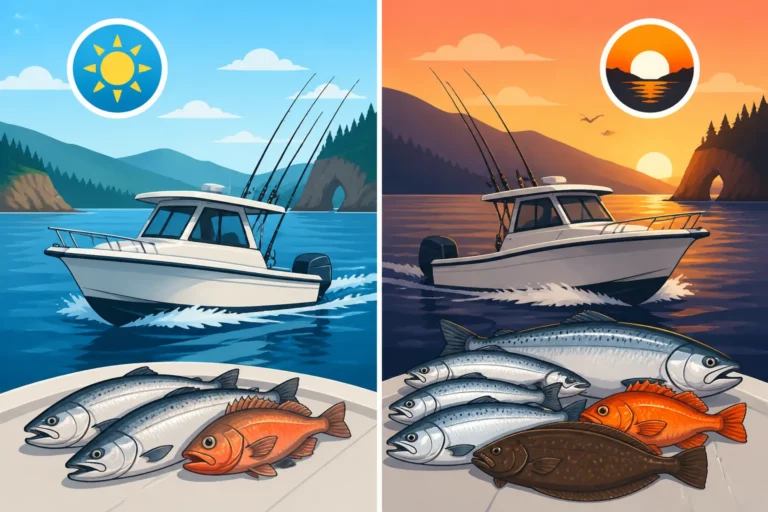
Heading out to the Pacific Ocean can be an exhilarating experience, offering a completely different type of fishing. These trips typically depart from coastal towns like Newport, Depoe Bay, or Astoria.
- What to Expect: You'll be on a larger, stable vessel with other anglers (unless you book a private charter). The crew will take you to known fishing grounds, often several miles offshore. They'll drop anchor or drift, and you'll typically be bottom fishing with heavy tackle for various species.
- Why It's Great for Beginners: The crew handles all the boat navigation, safety, and baiting. Often, the fishing is more action-packed, with a higher chance of consistent bites, which is fantastic for building confidence. You can experience Oregon Halibut Charter Guide or Oregon Bottom Fishing Charters in Oregon.
- Species Focus: Lingcod off the Oregon Coast, Rockfish off the Oregon Coast, Pacific Halibut off Oregon, and Chinook Salmon in Oregon during specific seasons.
Choosing the Right Beginner-Friendly Guide
Not all guides are created equal, and some specialize in advanced techniques or specific, challenging species. For a beginner, it's crucial to find a guide who is patient, a good teacher, and genuinely enjoys introducing new anglers to the sport.
Key Qualities to Look For
- Patience and Teaching Style: A guide who is willing to explain things clearly, repeat instructions, and provide encouragement is paramount for a beginner. Look for reviews that mention a guide's patience or their ability to work with new anglers or even children.
- Beginner-Friendly Focus: Some guides explicitly market themselves as good for families or beginners. This is a strong indicator they're set up for success with novices.
- Safety Record: While not always explicitly advertised, a reputable guide will have a strong safety record and properly maintained equipment.
- Good Communication: A good guide will communicate clearly before the trip about what to bring, what to expect, and answer any questions you have.
Questions to Ask Before Booking
When you're ready to look for a guide, don't be shy about asking questions. Remember, you're investing in an experience.
- "Do you often take beginners or families on trips?"
- "What kind of fish can we realistically expect to target at this time of year?"
- "What specific techniques will we be using, and will you teach me?"
- "What's included in the price, and what should I bring?" (e.g., Do fishing charters in Oregon include your license?)
- "What's your cancellation policy for weather or other issues?"
Finding and Booking Your Guide
Many reputable guides operate their own websites, but online booking platforms can be incredibly helpful for comparing options and reading reviews. Websites like FishingBooker specifically cater to connecting anglers with licensed guides and charters in various locations, including Oregon. You can often filter by trip type, target species, and read reviews from other customers, including those who were beginners. This allows you to find a guide with a proven track record of teaching and patience, which is exactly what a beginner needs. These platforms can also help clarify Oregon Fishing Charter Costs and what's included.
Maximizing Your Beginner Guided Fishing Trip Experience
Once you've decided a guided trip is for you and you've booked your adventure, there are a few things you can do to ensure you get the most out of it.
Preparation is Key
Even though the guide provides almost everything, a little preparation on your part goes a long way.
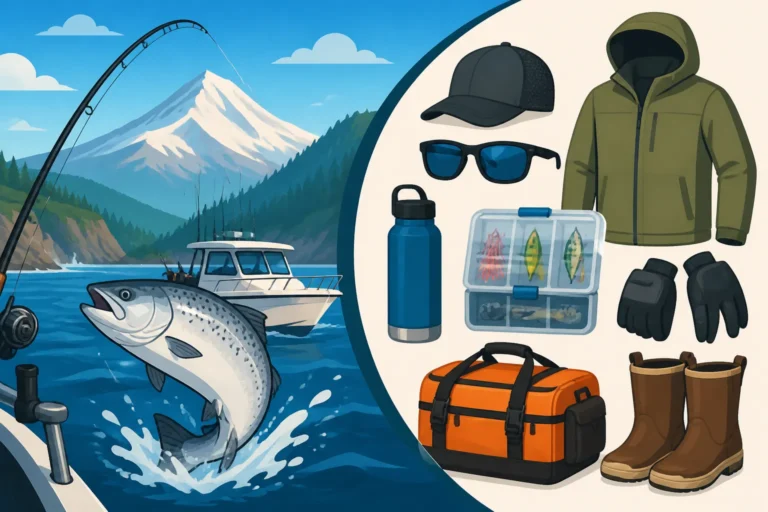
- Dress in Layers: Oregon weather is famously unpredictable, especially near the coast or in the mountains. Dress in layers, including waterproof outer shells, so you can adapt to changing conditions.
- Snacks and Drinks: Bring plenty of water and some easy-to-eat snacks. Fishing is hungry work!
- Sun Protection: Hat, sunglasses, and sunscreen are crucial, even on cloudy days. The reflection off the water can be intense.
- Motion Sickness Medication: If you're going on an ocean charter and are prone to seasickness, take appropriate medication before you board. Don't wait until you feel ill.
- Oregon Fishing License: Confirm with your guide, but generally, you will need to purchase your own Oregon Fishing License Guide and any necessary endorsements (like an Oregon Ocean Endorsement or Oregon Combined Angling Tag Guide) beforehand. Make sure you understand Oregon Fishing License Age Requirements if you're bringing kids.
Be Open, Ask Questions, and Listen
This is your learning opportunity!
- Be an Active Learner: Don't just sit back and reel. Ask your guide "why" they're doing something, or "how" to improve your cast. They are there to teach you.
- Listen to Instructions: Pay close attention when your guide explains techniques or points out prime fishing spots. They're sharing valuable insights.
- Manage Expectations: While guides work tirelessly to put you on fish, fishing isn't always catching. Understand that success isn't guaranteed, but the experience and learning are priceless.
Fishing Etiquette and Tipping
Showing appreciation for your guide's hard work and expertise is customary.
- Respect the Guide and Equipment: Treat the guide's boat and gear with care.
- Tipping: If you had a good experience, tipping is standard practice and greatly appreciated. It's a way to acknowledge the hard work, long hours, and specialized knowledge your guide provides. A typical tip for a full-day trip is often a percentage of the trip cost.
Ultimately, for a beginner looking to truly experience what Oregon Fishing Guide Services have to offer without the frustration, expense, and steep learning curve of going it alone, a guided fishing trip is often incredibly worthwhile. It's an investment in a memorable experience, accelerated learning, and a solid foundation for your future fishing adventures in the beautiful state of Oregon.
Disclaimer
This article is for general informational purposes only and does not constitute professional advice. Laws, prices and regulations vary by location and change over time. Consult a qualified professional for guidance on your specific situation.