Bottom Fishing Charters in Oregon
There’s nothing quite like the dream of heading out onto the Pacific Ocean from Oregon's rugged coast, anticipating the tug of a strong fish from the deep. Yet, for many anglers, especially those new to saltwater, the thought of deep-sea bottom fishing can feel daunting—where do you even start with such a vast ocean, confusing regulations, and specialized gear? This guide is here to demystify the incredible world of Oregon bottom fishing charters, providing you with everything you need to know to confidently book your adventure and reel in some fantastic fish.
What Exactly is Bottom Fishing in Oregon?
When we talk about "bottom fishing" in Oregon, we're not just casting a line straight down and hoping for the best. This is a targeted and often incredibly productive method of catching marine species that live on, or very close to, the ocean floor. It's about exploring the underwater landscape—rocky reefs, ledges, pinnacles, and even shipwrecks—that serve as prime habitat for a diverse array of fish. Unlike trolling for salmon in open water, bottom fishing is typically done while the boat is anchored or slowly drifting over these specific structures.
Defining the Technique and Target Species
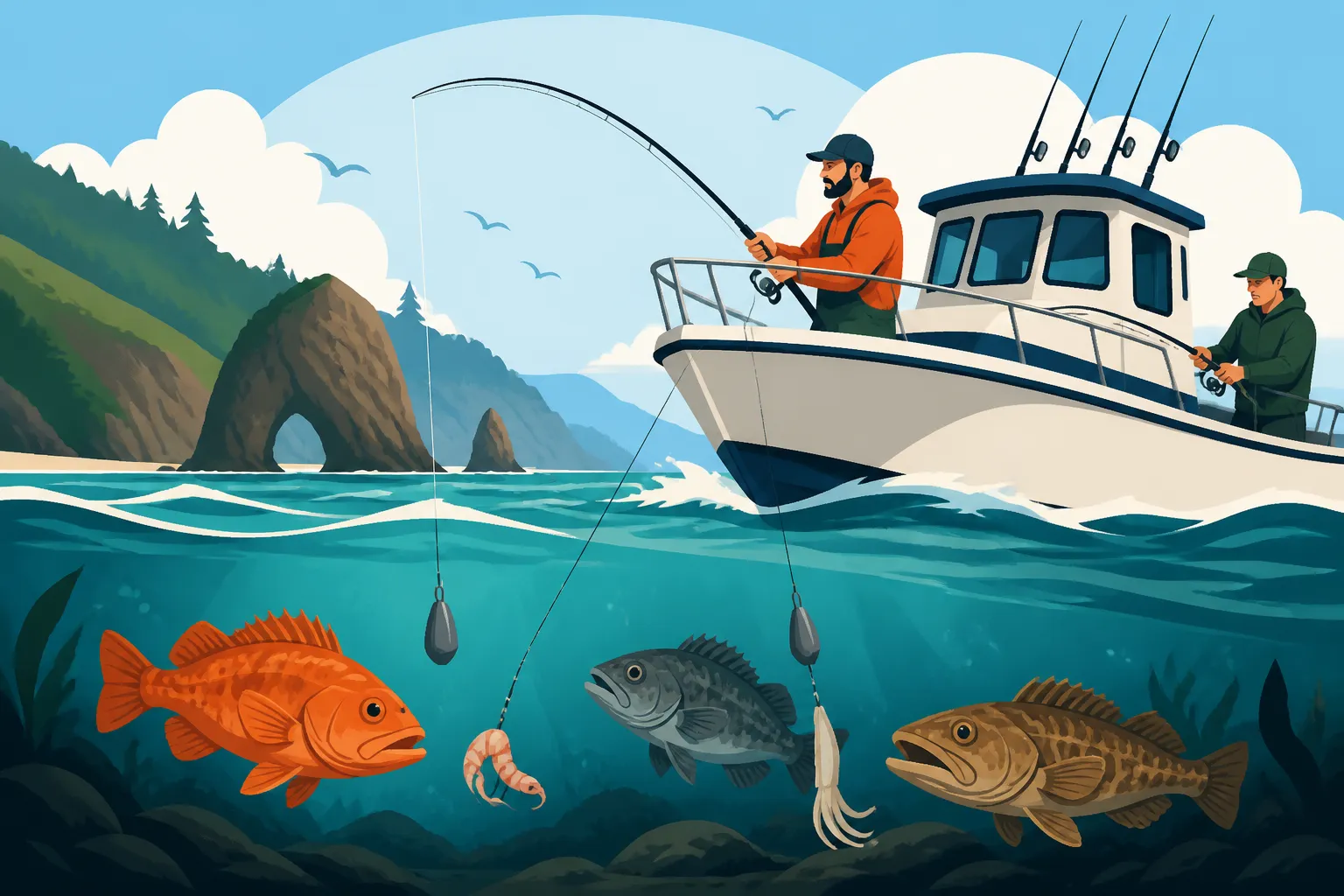
The essence of bottom fishing involves using weighted rigs to get your bait or lure down to where the fish reside. This often means fishing in depths ranging from 50 to several hundred feet, depending on the target species and the specific marine topography. You'll typically be rigged with multiple hooks, increasing your chances of a bite from more than one fish at a time, which is often referred to as a "double" or "triple" if you're really lucky! The technique itself isn't overly complicated: drop your line, feel for the bottom, and then reel up a few feet to keep your bait just above any snags.
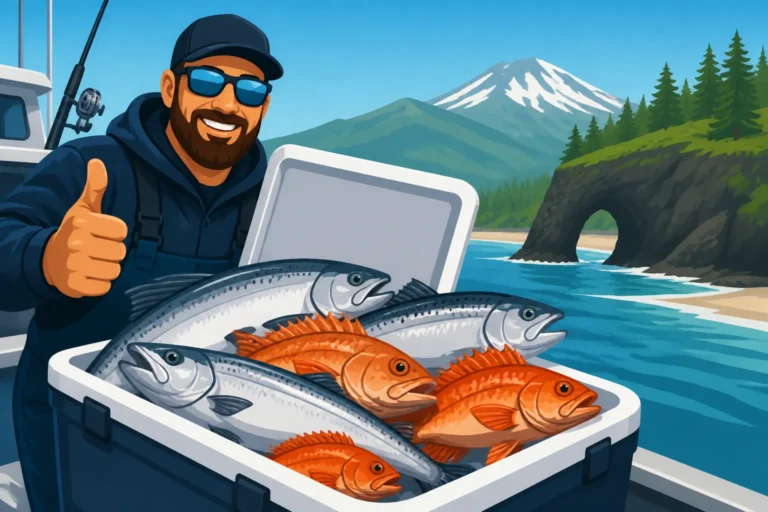
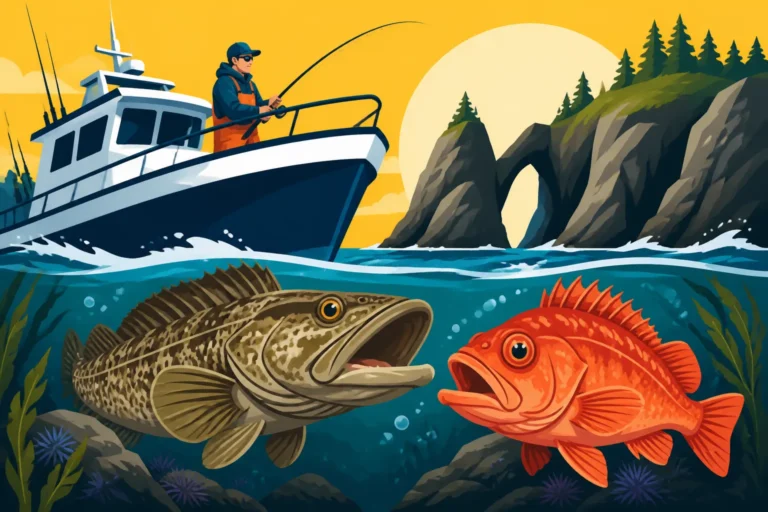
The stars of the show in Oregon's bottom fishing world are undeniably the various species of rockfish. You'll hear names like black rockfish (often called "black bass" by locals), blue rockfish, vermilion, yelloweye (a highly prized but often protected species), and copper rockfish. These are not only abundant but also incredibly fun to catch and make for excellent table fare. Beyond rockfish, anglers frequently target lingcod, a monstrous, aggressive predator known for its delicious white meat. You might also encounter cabezon, greenling, or even a Pacific halibut if you're fishing in the right spots and during the specific season. Each species has its own fight and flavor, making every pull on the line a new surprise.
The Ideal Habitats and Coastal Features
Oregon's coastline is a geological marvel, characterized by dramatic cliffs, hidden coves, and, most importantly for bottom fishing, an extensive network of submerged rocky reefs and pinnacles. These underwater structures create ideal conditions for bottom-dwelling fish, offering shelter from currents, abundant food sources, and protection from larger predators. Charter captains spend years, if not decades, learning the precise locations of these "honey holes"—the specific coordinates where the big fish tend to congregate.
These habitats aren't just random patches of rock; they are complex ecosystems. Kelp forests often cling to these structures in shallower areas, providing further cover and food. Deeper offshore reefs can rise hundreds of feet from the seafloor, acting like underwater mountains that attract a rich diversity of marine life. A skilled charter captain understands the tides, currents, and even the seasonal movements of baitfish, all of which influence where the target species will be holding on these underwater features. Their intimate knowledge of specific ledges off of Newport or rocky outcroppings near Depoe Bay is invaluable. You might also want to check out Oregon Coast Fishing Spots for more general information on coastal opportunities.
Essential Gear for Success
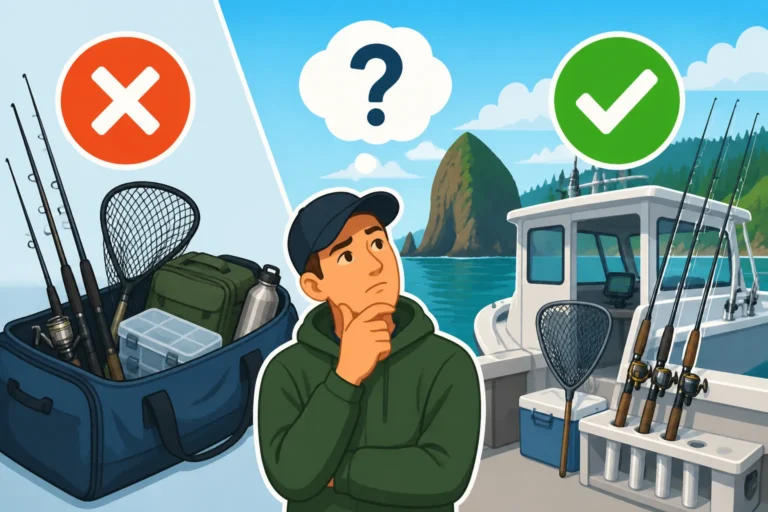
Bottom fishing requires robust gear capable of handling heavy weights, strong currents, and powerful fish. While individual anglers might invest in their own setups, one of the huge advantages of a charter is that all this specialized equipment is provided. Typically, you’ll be using a stout rod, often 6-7 feet long, with a fast-action tip and plenty of backbone to muscle fish away from structure. These rods are paired with heavy-duty conventional reels, spooled with strong braided line, designed to withstand the rigorous demands of deep-water fishing.
The terminal tackle—the business end of your line—is equally important. This usually involves a "gangion" or "sabra" rig, which consists of a main line with several dropper loops where hooks are attached, and a heavy lead weight at the bottom. Weights can range from 8 ounces to a couple of pounds, depending on the depth and current. Baits vary, but common choices include squid, herring, pieces of fish, or artificial lures like jigs and grubs. The type of bait and lure can make a big difference, and charter crews usually have a well-stocked arsenal, often freshly prepared, ensuring you have the best chance to attract a bite.
Why Opt for an Oregon Bottom Fishing Charter?
Attempting to bottom fish the Pacific Ocean from a small private boat, or even from shore, comes with significant challenges. The vastness of the ocean, the technical demands of navigating offshore, and the specialized gear required can be overwhelming. This is where a dedicated bottom fishing charter truly shines, transforming a potentially frustrating experience into an enjoyable and productive one.
Navigating Complex Regulations and Seasons
Oregon's fishing regulations can feel like a labyrinth, especially when it comes to saltwater species. Different types of rockfish have varying bag limits, size restrictions, and even closed seasons. Some species, like the highly sought-after yelloweye rockfish, are often catch-and-release only due to conservation efforts. Add to this the complexity of federal groundfish regulations, and it's enough to make your head spin. A fishing charter captain, however, is not only intimately familiar with these rules but is also legally responsible for ensuring that everyone on board complies.
They stay constantly updated on emergency closures, seasonal changes, and species-specific rules, ensuring that your trip is both legal and ethical. This peace of mind allows you to focus purely on the fishing excitement without worrying about accidentally breaking a rule. For a deeper dive into Oregon's fishing laws, you might want to read Oregon Fishing Regulations Explained. This expertise is invaluable, safeguarding both the fishery and your fishing experience.
Expert Knowledge and Prime Fishing Spots
The Pacific Ocean off Oregon is beautiful but can be incredibly unforgiving. Knowing where to fish is arguably the most critical component of a successful bottom fishing trip. Charter captains possess an unparalleled understanding of the local marine environment. They have years of experience, a network of fellow captains, and sophisticated sonar and GPS equipment to pinpoint the exact locations of productive reefs and structures. They know which spots are holding fish on a given day, accounting for factors like tide, current, and recent fishing reports.
Instead of spending hours searching for fish, you're transported directly to proven fishing grounds. This local expertise means more time with your line in the water, targeting fish rather than just hoping to stumble upon them. They also understand fish behavior – where lingcod might ambush prey, or where certain rockfish species prefer to hide. This isn't just about finding fish; it's about finding the right fish in the right numbers to make your trip truly memorable.
Safety, Comfort, and Equipment Provided
Safety at sea is paramount, and this is another area where charters excel. Commercial fishing vessels are subject to rigorous inspections and safety requirements, and charter crews are trained in first aid, CPR, and emergency procedures. They have all the necessary safety equipment on board, including life rafts, flares, and advanced communication systems, far beyond what most recreational anglers would carry. Their boats are larger, more stable, and better equipped to handle the unpredictable conditions of the open ocean.
Beyond safety, charters provide a level of comfort that's hard to beat. You don't have to worry about hauling your own heavy gear, bait, or tackle. Everything is supplied, usually in excellent condition, and ready for you to use. Many larger boats offer enclosed cabins for shelter from the elements, and some even have restrooms – a definite plus on a longer trip! This means you can relax and enjoy the fishing without the logistical headaches or discomforts of managing your own vessel and equipment. For those newer to fishing, this all-inclusive approach makes the adventure accessible and enjoyable.
Your Bottom Fishing Charter Experience: What to Expect
Embarking on an Oregon bottom fishing charter is an exciting prospect, but knowing what to expect can help ease any pre-trip jitters. From the moment you arrive at the dock to the time you leave with your cleaned fish, the experience is designed to be as seamless and enjoyable as possible.
Pre-Trip Preparations and Onboard Essentials
Before your trip, the charter company will provide instructions on when and where to meet. It's usually very early in the morning to maximize fishing time. Make sure you have your Oregon Fishing License Guide in hand – most charters require you to have your license and any necessary endorsements (like an Oregon Ocean Endorsement) before you board. Don't forget layers of clothing, even on a sunny day, as ocean weather can change quickly and significantly. Waterproof outer layers are almost always a good idea. Sunscreen, sunglasses, and a hat are also crucial.
Once onboard, the crew will give a safety briefing and help you get settled. They'll show you where to store your belongings and explain how the fishing will work. Many people worry about seasickness, and it’s a valid concern on the Pacific. If you're prone to it, consider taking preventative medication the night before or at least an hour before departure. Staying hydrated and looking at the horizon can also help. The crew is adept at spotting those who might be feeling green and can offer helpful tips and sometimes even ginger ale to settle your stomach.
The Thrill of the Catch and Crew Assistance
The main event! Once you reach the fishing grounds, the captain will position the boat, often with a combination of GPS and thrusters, over a productive reef. The crew will hand out rods and demonstrate how to drop your line, feel for the bottom, and manage your reel. The excitement builds as lines go down, and it's not long before you feel the distinct thump-thump of a rockfish bite or the powerful pull of a lingcod. It's an active style of fishing, requiring you to be attentive to your rod tip for subtle indications of a bite.
When you hook a fish, the crew is right there to assist. They'll guide you through reeling it in, especially if it's a larger, feistier species. Once the fish is at the surface, they’ll expertly net it or gaff it, quickly bring it aboard, and get it into the fish hold or cooler. They prioritize getting the fish quickly and safely into the boat, often unhooking it for you and re-baiting your line so you can drop back down and catch more. It's a team effort, and their efficiency helps maximize everyone's success.
Post-Trip Handling: Cleaning and Filleting
One of the greatest perks of an Oregon bottom fishing charter is the post-trip service. After a successful day of fishing, the boat heads back to the dock, often with coolers full of fish. The crew typically takes on the task of cleaning and filleting your catch. This isn't just a simple gut-and-scale job; they are usually incredibly skilled, turning your whole fish into neat, boneless fillets, ready for the grill or freezer.
This service alone saves you hours of messy work and ensures that your valuable catch is prepared properly. You'll usually just need to bring a cooler filled with ice to transport your fresh fillets home. Sometimes there's a small additional charge for this service, but it's almost universally considered money well spent. You leave the dock with a fantastic memory and delicious seafood, without any of the cleanup hassle. It's the perfect end to a thrilling day on the water, leaving you dreaming of your next trip.
Choosing the Perfect Bottom Fishing Charter
With several fantastic ports along the Oregon Coast offering bottom fishing adventures, deciding on the right charter can feel a little like picking out the perfect lure from a tackle box. It's an important decision that can significantly impact your experience.
Researching Charters and Reading Reviews
The first step in finding your ideal charter is thorough research. Start by looking at the various charter operators available in the port you plan to visit. Many charter companies have their own websites where you can learn about their boats, crew, trip offerings, and typical catch. Beyond their own sites, however, it's incredibly helpful to consult independent booking platforms and review sites.
Platforms like FishingBooker are excellent resources. They aggregate listings from numerous charters, allowing you to compare options side-by-side. More importantly, they host customer reviews and ratings, giving you real-world insights from previous anglers. Pay attention to comments about the captain’s personality, the crew’s helpfulness, the condition of the boat, and whether anglers felt they got their money's worth. Are they patient with beginners? Do they actively help with tangles? Do they prioritize safety? These details can tell you a lot about the kind of experience you can expect. Don't be shy about calling a few operators with any specific questions you have before committing.
Understanding Costs and What's Included
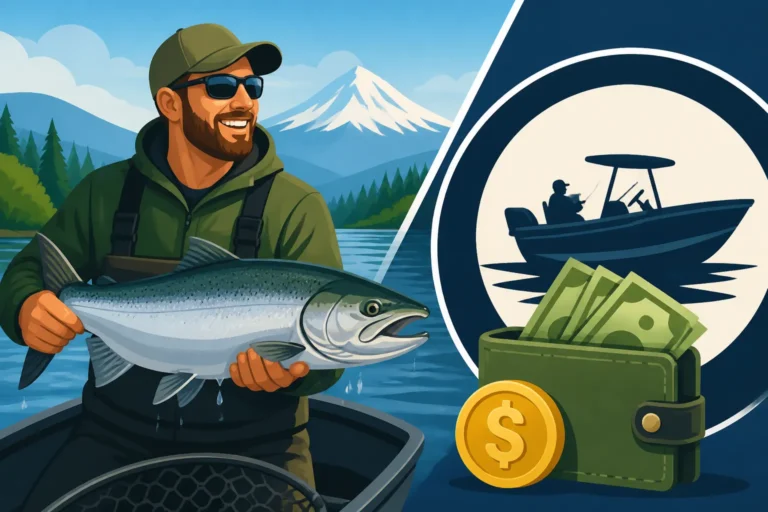
Charter prices can vary based on trip duration, the type of boat, and the specific target species. Generally, a bottom fishing trip might be priced per person for a "open load" or "head boat" trip where you share the deck with other anglers, or at a flat rate if you book a "private charter" for your group. Private charters offer more flexibility and personalized attention but come at a higher cost. When looking at prices, always clarify what is included.
Most charters include the use of fishing rods, reels, tackle, and bait. Some might include fish cleaning and filleting in the upfront cost, while others may charge a small additional fee at the end of the trip. Always confirm whether your Oregon Fishing License Costs and any necessary endorsements (like the Oregon Combined Angling Tag Guide if you're targeting multiple species) are your responsibility to purchase beforehand. Understanding all these factors upfront helps avoid any surprises and ensures you can budget accurately for your adventure. Remember to also budget for a customary tip for the deckhands, who work incredibly hard to ensure your trip is successful and enjoyable.
Private vs. Shared Charters: Which is Right for You?
The choice between a private charter and a shared "head boat" trip often comes down to your group size, budget, and desired experience. Shared trips are typically more budget-friendly per person, as the cost of the boat and crew is split among a larger group of anglers. They're a great option for solo anglers, couples, or small groups who want to experience ocean fishing without the full expense of a private booking. You'll likely meet other passionate anglers and enjoy a lively, communal atmosphere.
A private charter, on the other hand, means you and your chosen companions have the entire boat to yourselves. This offers significant advantages in terms of flexibility: you might be able to customize departure times, focus on specific fishing techniques or species, and receive more personalized attention from the captain and crew. It’s ideal for families with young children, corporate outings, or groups of serious anglers who want a tailored experience. While the upfront cost is higher, when divided among a larger private group, the per-person cost can sometimes become comparable, making it a compelling option for a truly exclusive and customized adventure. You can usually find options for both types of charters through platforms like FishingBooker.
Premier Oregon Ports for Bottom Fishing Adventures
Oregon's coastline offers fantastic bottom fishing opportunities from north to south, with each port boasting its own unique charm and access to different fishing grounds. No matter where you choose to embark, you're sure to find a dedicated charter fleet ready to take you out.
Central Coast Charters: Newport and Depoe Bay
Newport, Oregon, is arguably the most recognized fishing hub on the Oregon Coast, and for good reason. Its large, protected harbor at Yaquina Bay provides easy access to a wealth of offshore reefs, pinnacles, and rock formations that teem with rockfish and lingcod. Charters out of Newport are abundant, ranging from large party boats that can accommodate many anglers to smaller, more intimate vessels for private groups. The fishing grounds off Newport are incredibly diverse, offering opportunities for anglers of all skill levels. You can easily find options for Newport Oregon Fishing Charters that specialize in bottom fishing.
Just a short drive north of Newport lies Depoe Bay, often called "the whale watching capital of the Oregon Coast." But don't let the whales distract you; Depoe Bay is also a fantastic jumping-off point for bottom fishing. Its unique, tiny harbor—said to be the world's smallest navigable harbor—is nestled right on the open ocean. This means minimal travel time to rich fishing grounds, allowing more time with lines in the water. Depoe Bay charters often target the same prolific reefs as Newport, with slightly different access points and local knowledge. Both ports offer a quintessential Oregon deep-sea experience.
Northern Coast Charters: Garibaldi and Astoria
Moving north, Garibaldi on Tillamook Bay is another excellent choice for bottom fishing. This port provides access to a variety of nearshore and offshore reefs. The protected waters of Tillamook Bay itself offer unique opportunities for crabbing, but just beyond the jetties, the ocean floor drops off into prime rockfish and lingcod territory. Charters here are often a bit smaller and more focused, providing a great local experience. You might consider combining a bottom fishing trip with some crabbing or salmon fishing in the bay for a full day of action.
Further north, at the mouth of the mighty Columbia River, is Astoria. While Astoria is famous for its legendary salmon runs, particularly the Buoy 10 Fishing Guide during fall Chinook season, it also offers solid bottom fishing options. The waters here are influenced by the river, but strong ocean currents and significant underwater structure provide excellent habitat for groundfish. Charters from Astoria can take you to productive spots both north and south of the river mouth, offering a different perspective on Oregon's diverse marine environment.
Southern Coast Charters: Charleston and Brookings
Heading down to the southern Oregon Coast, Charleston (near Coos Bay) and Brookings offer equally thrilling bottom fishing experiences. Charleston's deep-water harbor on Coos Bay provides excellent access to some of the coast's most productive fishing grounds, particularly those deeper reefs that hold larger lingcod and a wide array of rockfish species. The fishing community here is robust, with many experienced captains who know these waters intimately. You can explore Charleston Oregon Fishing Charters for options.
Brookings, located just a few miles from the California border, is known for its milder weather and access to exceptional offshore fishing, including some of the best halibut opportunities in Oregon (when the season is open). For bottom fishing, Brookings charters can take you to vast kelp beds and rocky structures that are less pressured than some of the central coast spots. Anglers often find larger rockfish and lingcod here, making it a favorite for those seeking trophy-sized catches. The southern coast's unique marine environment provides a distinct and often very rewarding bottom fishing adventure.
| Target Species | Typical Habitat | Average Size (Oregon) | Key Characteristics | Best Season |
|---|---|---|---|---|
| Black Rockfish | Rocky reefs, kelp beds, nearshore structure | 1-5 lbs | Dark grey/black, aggressive, abundant | Year-round (seasonal limits may apply) |
| Lingcod | Rocky pinnacles, ledges, deep reefs | 5-30+ lbs | Large mouth, sharp teeth, powerful fighters | Spring through Fall (seasonal limits apply) |
| Blue Rockfish | Reefs, kelp, often in schools | 1-3 lbs | Blue/gray coloration, good eating | Year-round (seasonal limits may apply) |
| Vermilion Rockfish | Deeper rocky reefs | 2-8 lbs | Bright orange/red, excellent table fare | Year-round (seasonal limits may apply) |
| Cabezon | Rocky intertidal to deep reefs, unique camoflage | 3-15 lbs | Large head, mottled brown/green, strong pull | Spring and Summer |
Disclaimer
This article is for general informational purposes only and does not constitute professional advice. Laws, prices and regulations vary by location and change over time. Consult a qualified professional for guidance on your specific situation.