Oregon Fishing License Age Requirements
Figuring out exactly who needs a fishing license in Oregon, especially when you're planning a fun day out with family or friends, can feel like navigating a maze. You want to do things by the book, but the rules aren't always crystal clear, leaving you wondering if your child, your parent, or even you are properly covered. This guide is here to untangle all the Oregon fishing license age requirements, ensuring you understand exactly what's needed for every angler, from the littlest ones just starting out to our seasoned veterans.
The Fundamental Age Rule for Oregon Fishing Licenses
Let's cut right to the chase, because this is where most of the questions begin. Oregon has a very specific age at which an angler is required to purchase their first fishing license. It's not when they cast their first line, nor when they catch their first fish. It's tied to a very particular milestone.
When Do Kids Absolutely Need a License?
In Oregon, the rule is pretty straightforward: anyone 12 years of age or older needs a fishing license to legally fish in public waters. This means that if your child is celebrating their twelfth birthday this year, that's the point where they transition from fishing freely under the "no license required" umbrella to needing their own permit. It's a significant shift, and it's something many parents or guardians often overlook until they're already out on the water.
So, if you have a child who's 11 and absolutely loves dropping a line in the local pond, they can continue to do so without any license. But the moment they turn 12, even if it's mid-fishing season, they are required to have a valid Oregon fishing license. This rule applies whether they're fishing alone, with an adult, or as part of a family outing. There are no exceptions for fishing with a licensed adult; once you hit 12, you're responsible for your own license.
Why Oregon Sets a Minimum Age
You might wonder why Oregon, or any state for that matter, chooses a specific age like 12 for requiring a fishing license. It's not just about bureaucracy, I promise. The primary reason is conservation and effective wildlife management. The funds generated from fishing license sales are absolutely critical for maintaining healthy fish populations, restoring habitats, enforcing regulations, and providing public access to our beautiful fishing spots.
By setting an age minimum, the Oregon Department of Fish and Wildlife (ODFW) can accurately track angler participation and, crucially, fund the programs that ensure there are fish for future generations to catch. It's a way for all of us who enjoy the sport to contribute to its sustainability. While it might feel like an extra hoop to jump through when your child just wants to fish, it’s truly an investment in the future of Oregon's abundant fisheries. Without these funds, the quality of our fishing experiences would undoubtedly decline.
Navigating Licenses for Younger Anglers (Under 18)
Once a child hits that pivotal age of 12, the licensing structure shifts, and it's important to understand the specific options and requirements for those still considered "youth" anglers. It's designed to be more accessible than an adult license but still carries certain responsibilities.
The Youth Angling License: Who Needs It and Why
For young anglers aged 12 through 17, Oregon offers a specific and more affordable option: the Youth Angling License. This license is their ticket to legally fish across the state's diverse waters. It's a smart choice because it provides all the necessary privileges at a reduced cost compared to a full adult license, acknowledging that many youth are still developing their angling skills and might not be fishing as frequently or as intensely as seasoned adults.
It's absolutely crucial to understand that simply having a Youth Angling License isn't always enough, especially if your young angler dreams of catching some of Oregon's most iconic species. If they plan to target salmon, steelhead, sturgeon, or halibut – which are highly regulated and often involve specific reporting – they will also need to purchase an Oregon Combined Angling Tag. This tag is required for anyone 12 and older, regardless of their base license type, who intends to fish for these protected species. For more details, you can refer to our comprehensive guide on the Oregon Combined Angling Tag Guide.
Special Considerations for Younger Children (Under 12)
For children under the age of 12, the rules remain delightfully simple: no fishing license is required. This is fantastic news for families wanting to introduce very young children to the joys of fishing without any bureaucratic hurdles. Imagine taking your 7-year-old to a stocked pond like Waverly Lake or Henry Hagg Lake, just outside of Portland, to catch their first rainbow trout. They can fish to their heart's content without needing any license at all.
However, "no license required" doesn't mean "no rules." While the youngest anglers are exempt from purchasing a license, they and their supervising adults are still bound by all other Oregon fishing regulations. This includes daily bag limits, size restrictions, gear restrictions (like barbless hooks in certain areas), and seasonal closures. For instance, if a 10-year-old catches a wild steelhead in a river where only hatchery steelhead can be kept, that fish must be released, just like an adult angler would have to do. The adult responsible for supervising the child should be thoroughly familiar with the Oregon Fishing Regulations Explained for the specific body of water they are fishing to ensure compliance and avoid any unintentional violations. Safety and respect for the resource are paramount, regardless of age.
Adult and Senior Anglers: What You Need to Know
Once you've moved past the youth angling years, the licensing structure solidifies into general adult requirements, with special provisions made for our esteemed senior anglers. Understanding these categories is vital for continuous compliance.
General Requirements for Anglers 18-64
For most adults between the ages of 18 and 64, a standard Annual Angling License is the base requirement for fishing in Oregon's fresh and saltwater environments. This license typically covers a calendar year, expiring on December 31st regardless of when it was purchased. It's your foundational pass to explore everything from the trout streams of Central Oregon to the bass lakes of the Willamette Valley.
Just like with youth anglers, the base license is often just the beginning. Depending on what you plan to fish for and where, you'll likely need additional endorsements. For example, if you're chasing after those prized salmon or steelhead, or targeting sturgeon or halibut, the Oregon Combined Angling Tag Guide is a mandatory addition. Furthermore, if your angling adventures take you specifically to the ocean to fish beyond the immediate bay areas, you'll need an Oregon Ocean Endorsement. And for those who plan to pursue salmon, steelhead, or sturgeon in the vast expanse of the Columbia River Basin, an Oregon Columbia River Basin Endorsement is also a separate requirement. It's always a good practice to consider your full year's fishing plans when purchasing your licenses and endorsements to ensure you're covered for all your intended species and locations.
Special Provisions for Senior Anglers (Age 65+)
Oregon recognizes the valuable contributions of its senior residents and offers a significantly discounted license for those aged 65 and older. The Oregon Senior Fishing License age and cost is a fantastic benefit, making it more affordable for long-time anglers to continue enjoying their passion. This special license often comes at a fraction of the cost of a regular adult annual license, which is a welcome relief for many on fixed incomes.
To qualify for the senior license, you generally need to be a resident of Oregon and able to prove your age and residency with a valid ID. The process for purchasing and renewing these licenses is the same as for other angling licenses, available online, at license agents, or ODFW offices. It's worth noting that while the base license is discounted, senior anglers still need to purchase the necessary tags and endorsements, such as the Combined Angling Tag, if they plan to target regulated species like salmon or steelhead. However, even with the added tags, the overall cost remains substantially lower, making it a wonderful way to continue experiencing Oregon's incredible fishing opportunities well into retirement.
Beyond the Basic License: Tags and Endorsements for All Ages
While the base fishing license is fundamental, many of Oregon's most sought-after species and unique fishing opportunities require additional permits. These tags and endorsements are crucial for managing specific fisheries and collecting vital data, impacting anglers of almost all ages.
Understanding the Combined Angling Tag (Ages 12 and Up)
The Combined Angling Tag is one of the most important additional purchases for any angler in Oregon who is 12 years of age or older and targeting specific, highly regulated fish. This isn't just a suggestion; it's a mandatory requirement if you intend to fish for salmon (including Chinook and Coho), steelhead, sturgeon, or halibut. Think of it as a specialized permit that overlays your base angling license, allowing you to legally pursue these iconic species.
This tag is more than just a piece of paper; it also serves as your Oregon Catch Record Card Requirements. Every time you harvest one of these species, you're required to immediately record the catch on your tag. This data is incredibly important for ODFW to monitor harvest rates, assess population health, and make informed management decisions to ensure these fisheries remain sustainable. Failing to have the tag when required, or failing to properly fill it out, can lead to significant penalties, even if you have your base fishing license. It's an extra step, but it's a vital one for the future of these prized fisheries.
Other Endorsements and Permits Affecting Age Groups
Beyond the Combined Angling Tag, Oregon offers several other endorsements and permits that can apply to various age groups, depending on their fishing activities. For instance, if you're planning a trip to the coast for some delicious Dungeness crab, bay clams, mussels, or razor clams, anyone 12 years of age or older will need an Oregon Shellfish License. This separate license helps manage and conserve these valuable coastal resources.
Oregon also provides special provisions for certain demographics, which can impact age-based requirements. For disabled veterans, there's a specific program that offers a Free Fishing License for Disabled Veterans in Oregon, often waiving the standard license fees regardless of age, provided they meet certain disability criteria. Similarly, the Oregon Disabilities Hunting and Fishing Permit offers reduced fees and certain accommodations for Oregon residents with disabilities. These programs are designed to make outdoor recreation more accessible and inclusive, recognizing that physical challenges or service to our country shouldn't prevent someone from enjoying Oregon's abundant fishing opportunities. Always check the latest ODFW regulations or contact them directly if you believe you qualify for one of these special permits.
Practical Scenarios and Common Questions
It's easy to get lost in the regulations, so let's walk through some common questions and scenarios that often trip up anglers when it comes to age requirements. Real-life examples can often clarify the rules much better than abstract explanations.
"Do Kids Need a Fishing License in Oregon?"
This is probably the most frequently asked question, and the answer, as we've discussed, is a bit nuanced: it depends on their age. If your child is under 12 years old, the answer is a resounding no, they do not need a fishing license. This makes it incredibly easy and cost-free to introduce toddlers and elementary school-aged children to the joys of angling. They can fish for panfish in a local pond or even try their hand at trout in a stocked lake without any paperwork.
However, the moment a child turns 12 years old, they absolutely do need a fishing license. This means that if you're planning a fishing trip for your child's 12th birthday, make sure purchasing that Youth Angling License is on the agenda. Furthermore, if that 12-year-old is going after salmon or steelhead, they'll also need the Combined Angling Tag. The question, "Can a 12 year old fish for salmon in Oregon without a tag?" is a crucial one, and the answer is a definite no. They need both the youth license and the Combined Angling Tag. This is where many well-intentioned parents get caught out, assuming the youth license covers everything. Always double-check!
What Happens If You or Your Child Are Caught Without the Right License?
Nobody wants to be on the wrong side of the law, especially when you're just trying to enjoy a peaceful day of fishing. Unfortunately, ignorance of the regulations is not considered an excuse. If you or your child (aged 12 or older) are caught fishing without the required license or necessary endorsements, you could face significant consequences.
Fishing without a license in Oregon is a violation that typically results in a fine. The exact amount can vary depending on the specifics of the offense, but it's often more expensive than the license itself, sometimes hundreds of dollars. Beyond the financial penalty, repeat offenses could lead to more severe repercussions, including the suspension of fishing privileges. To avoid this headache, always make sure everyone in your fishing party who is 12 or older has their proper documentation. A game warden absolutely can and will check your fishing license in Oregon, and they have the authority to enforce these regulations on all public waters. It's their job to protect the resource, and ensuring compliance is a big part of that. Always have your physical license or a digital copy readily accessible to present upon request.
Where to Get Your Oregon Fishing License (and How to Check Age Rules)
Once you understand who needs a license, the next logical step is figuring out where and how to acquire it. Luckily, Oregon has made the process quite convenient, with multiple avenues for purchase and ways to confirm all your details are correct.
Online, In-Person, and Instant Access
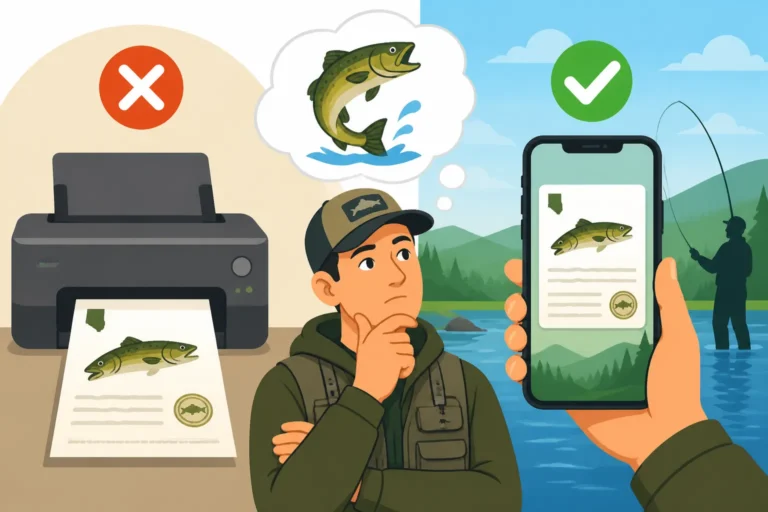
Getting your Oregon fishing license is easier than ever these days. The most convenient option for many is purchasing it online directly through the Oregon Department of Fish and Wildlife (ODFW) licensing system. This allows you to buy your license from the comfort of your home, any time of day or night. It's often the quickest way to get an Oregon fishing license instant download after purchase, which you can then save to your phone. Speaking of which, yes, you can use your phone as proof of an Oregon fishing license; a digital copy displayed on your device is generally accepted, saving you from having to print it out. This modern convenience makes it incredibly simple to always have your license on hand.
If you prefer a more traditional approach, or simply need to pick up some bait and tackle anyway, you can purchase licenses in-person at numerous authorized vendors across the state. These include most sporting goods stores like those found in larger cities, and smaller, local tackle shops. You might even find that you can buy an Oregon fishing license at Walmart or other large retailers with a sporting goods section. Comparing Buying an Oregon Fishing License Online vs In Person often comes down to personal preference, but both methods are reliable and secure.
Verifying Age and Residency for License Purchase
When you go to purchase your fishing license, whether online or in person, you'll need to provide some personal information, primarily to verify your age and residency. For Oregon residents, this typically involves providing a valid Oregon driver's license or state ID. This allows the system or agent to confirm you meet the residency requirements for resident pricing and specific age-based discounts, like the senior license.
For non-residents or those with unique circumstances, proving eligibility might involve different documentation. For instance, while out-of-state college students often wonder if they can get an Oregon resident fishing license, the general rule is that they need to meet specific residency criteria, which usually means establishing a domicile in Oregon for a set period beyond just attending school. Active duty military stationed out of state but who claim Oregon as their home of record might also have specific guidelines for an Oregon fishing license for active duty military stationed out of state, often qualifying for resident rates. Always be prepared with your identification, and if you have any doubts about your residency status, it's best to contact ODFW directly to clarify before making a purchase.
Oregon Fishing License Age Requirements At A Glance
To help consolidate all this information, here's a quick reference table outlining the general age requirements for Oregon fishing licenses and common endorsements. Keep in mind that specific situations (like disability permits) may offer exceptions.
| Angler Age Group | Base License Required | Common Endorsements Needed (if applicable) | Key Details |
|---|---|---|---|
| Under 12 | No | None | No license needed for base angling or tags. Must follow all other regulations. |
| 12-17 (Youth) | Youth Angling License | Combined Angling Tag (salmon, steelhead, sturgeon, halibut), Shellfish License | Reduced cost. Combined Angling Tag mandatory for specific species. Shellfish License needed for crabbing/clamming. |
| 18-64 (Adult) | Annual Angling License | Combined Angling Tag (salmon, steelhead, sturgeon, halibut), Ocean Endorsement, Columbia River Basin Endorsement, Shellfish License | Standard adult rates. Numerous endorsements may be required based on target species and fishing location. |
| 65+ (Senior) | Senior Angling License | Combined Angling Tag (salmon, steelhead, sturgeon, halibut), Ocean Endorsement, Columbia River Basin Endorsement, Shellfish License | Significantly reduced cost for Oregon residents. Endorsements still required for specific species/locations. |
Disclaimer
The information provided in this guide is intended for general informational purposes only and is subject to change. Fishing regulations, license requirements, and fees in Oregon are set by the Oregon Department of Fish and Wildlife (ODFW) and can be updated annually or even seasonally. Always consult the official ODFW website or the current Oregon Sport Fishing Regulations booklet for the most accurate and up-to-date information before planning your fishing trip.