Rockfish off the Oregon Coast
Many anglers hitting the Oregon Coast might be dreaming of that trophy salmon or the elusive halibut, but there's a whole world of exciting, accessible fishing right beneath the surface: rockfish! It can be a little daunting, though, figuring out which species you're targeting, where they hide along our craggy coastline, and what gear will actually get them to bite. This guide aims to clear up all that confusion, offering a comprehensive look at rockfish species, prime locations, effective techniques, and crucial regulations to ensure your next coastal fishing adventure is both successful and sustainable.
Understanding Oregon's Rockfish Species
The waters off the Oregon Coast are home to an incredible diversity of rockfish species, each with its own unique characteristics and preferred habitats. While they all share the general "rockfish" moniker, recognizing the different types is not only fascinating but also important for understanding regulations and how best to target them.
Common Rockfish Species You'll Encounter
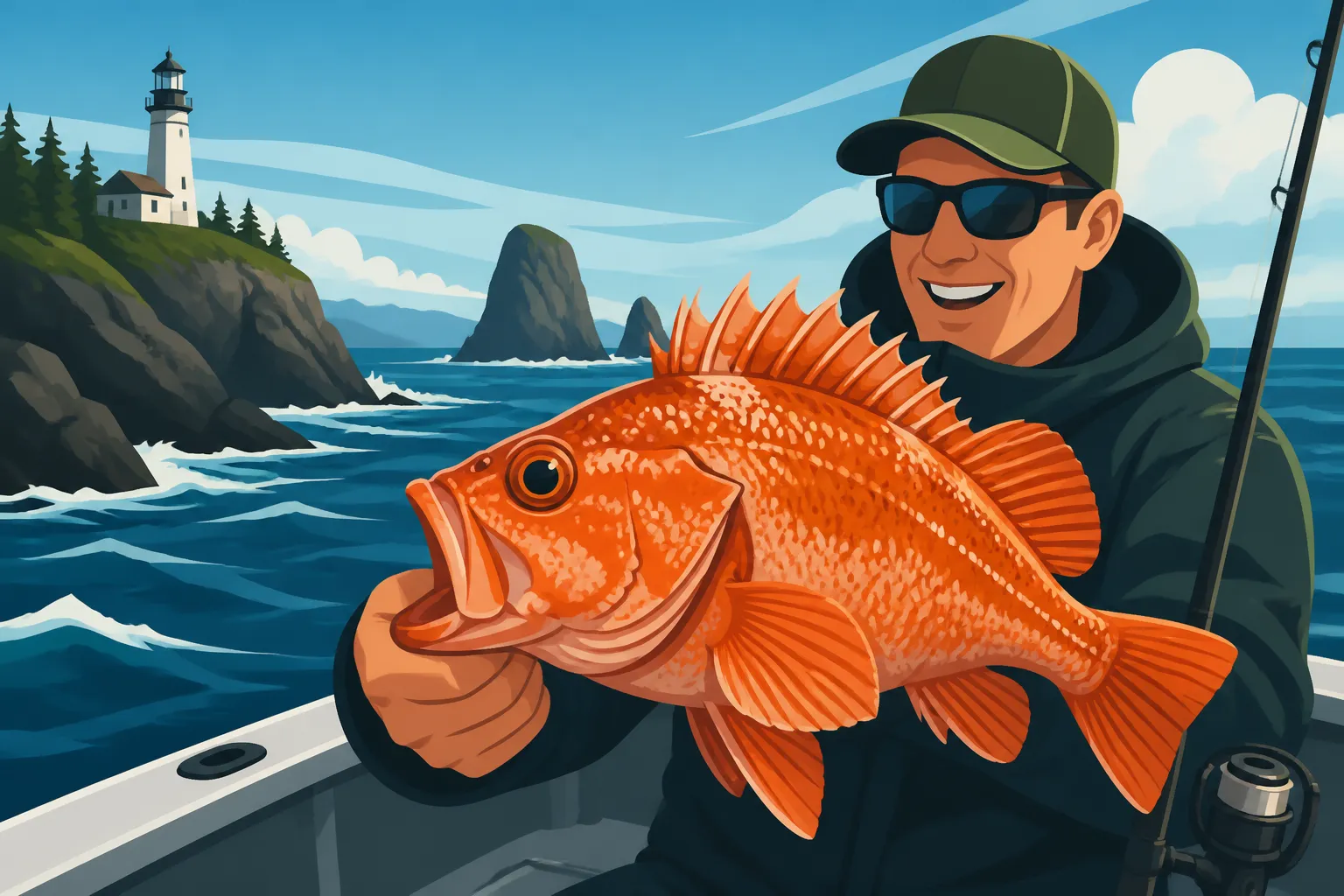
When you drop a line along the Oregon Coast, you're likely to encounter a few star players among the rockfish. The most common and often targeted species include Black Rockfish, Blue Rockfish, and China Rockfish, but there are many others like Canary, Vermilion, and Copper Rockfish that also make for fantastic catches. Black Rockfish are probably the most well-known, often found in kelp beds and rocky areas closer to shore, making them a favorite for both boat and shore anglers. They're typically dark gray to black, with a distinctive dark spot on their operculum (gill cover). Blue Rockfish, as their name suggests, often have a more bluish hue and are usually found in schools, often mingling with Black Rockfish. Then you have the more colorful varieties like the China Rockfish, which stands out with its bright yellow blotches on a dark background, or the Vermilion Rockfish, known for its vibrant orange-red color. Each species offers a unique challenge and a beautiful addition to your cooler. Knowing what you're seeing in the water or at the end of your line adds so much to the experience.
Identifying Different Rockfish
Identifying rockfish can sometimes feel like a puzzle, especially with so many species sharing similar body shapes. However, paying attention to specific features can help you differentiate between them. Coloration is often a good starting point, but it can vary based on depth and environment. Look for distinct markings like spots, bands, or blotches. For instance, the Copper Rockfish often has blotchy copper and olive patterns with a pale belly, while the Quillback Rockfish has prominent spines on its dorsal fin and a dark blotch on its side. Size and fin characteristics are also key. The dorsal fin on a rockfish, with its sharp spines and softer rays, is a defining feature, but the number of spines or rays, or the shape of the fin, can vary between species. It’s a good idea to keep a field guide or a laminated identification chart handy on your boat. Remember, accurately identifying your catch isn't just for bragging rights; it's crucial for adhering to specific bag limits or size restrictions that might apply to certain species, helping you stay compliant with Oregon Fishing Regulations Explained.
The Importance of Conservation
While rockfish are abundant, they are also a vital part of the marine ecosystem, and conservation is paramount. Many rockfish species are slow-growing and long-lived, making them particularly vulnerable to overfishing. This is why strict regulations are in place regarding bag limits, size restrictions, and even seasons for some species. Beyond following the rules, anglers play a huge role in responsible fishing. This includes using proper catch-and-release techniques for fish you don't intend to keep, minimizing barotrauma (the effects of pressure changes when bringing fish up from deep water), and being mindful of habitat. Practicing selective harvesting, where you keep only what you need and release the rest unharmed, ensures that future generations can also enjoy the thrill of catching these incredible fish. It’s about being a good steward of the ocean, truly.
Where to Find Rockfish off the Oregon Coast
Oregon's rugged coastline, with its dramatic cliffs, rocky reefs, and kelp forests, provides the perfect habitat for a thriving rockfish population. Understanding their preferred hangouts is key to a successful day on the water.
Habitat Preferences and Structures
Rockfish, as their name implies, love structure. They are inherently bottom dwellers, preferring rocky reefs, submerged pinnacles, kelp beds, jetties, and even artificial reefs like sunken ships or discarded tires. These structures provide shelter from currents, ambush points for prey, and protection from predators. You'll rarely find them over vast stretches of sandy or muddy bottom, though some species might venture into those areas to feed. Depths can vary dramatically, from shallow nearshore waters of just 20-30 feet to hundreds of feet deep for certain species like Canary or Yelloweye Rockfish (though Yelloweye are highly protected and rarely targeted). Knowing the local underwater topography, often available through marine charts or by talking to experienced local anglers, can give you a significant advantage. The more structure you can locate, the higher your chances of finding a thriving rockfish population. Look for those sudden drops, ledges, and rocky outcrops; that's often where the action is.
Popular Fishing Locations Coastal Towns and Bays
Oregon boasts numerous hotspots along its coast where anglers can target rockfish. Each area offers slightly different opportunities, whether you're launching a boat, fishing from a jetty, or even exploring tide pools (though fishing in tide pools is generally discouraged for conservation reasons).
- Newport: Known for its thriving charter fleet, Newport offers excellent access to deep-water reefs for a variety of rockfish, as well as plenty of nearshore opportunities. You'll find many Newport Oregon Fishing Charters ready to take you out.
- Depoe Bay: Often called the "whale watching capital," Depoe Bay is also a fantastic jumping-off point for rockfish, with abundant rocky structure just a short boat ride from the harbor.
- Garibaldi/Tillamook Bay: While Tillamook Bay is famous for its salmon, the jetties and nearshore reefs around Garibaldi provide consistent rockfish action. Tillamook Bay fishing spots can be great for both bay and ocean access.
- Astoria: At the mouth of the mighty Columbia River, Astoria offers access to both river and ocean fishing. The jetties here are legendary for rockfish, and charter boats can take you to productive reefs.
- Charleston/Coos Bay: Further south, Charleston provides access to deep-water fishing grounds off Coos Bay, with charters targeting a wide array of bottom fish. Coos Bay fishing access points offer great starting points.
- Brookings: Near the California border, Brookings offers some of the warmest and calmest ocean conditions, making it a favorite for year-round rockfish and lingcod fishing.
Even if you don't have a boat, many coastal jetties and rocky headlands, like those at Yaquina Head or Cape Arago, offer incredible shore fishing opportunities for Black and Blue Rockfish. Always check local regulations and access points before heading out.
Seasonal Considerations for Rockfish
One of the beautiful things about rockfish fishing off the Oregon Coast is that it can be a pretty reliable option year-round. Unlike salmon or steelhead, which have very distinct seasonal runs, many rockfish species are resident fish, meaning they don't migrate far and can be found in the same areas throughout the year. However, certain factors do influence their activity and your success. Winter can bring rougher ocean conditions, limiting access for smaller boats, but when the weather allows, the fishing can be fantastic. Spring often sees a burst of activity as waters warm and baitfish become more prevalent. Summer is perhaps the most popular time, with calmer seas making for easier boat access and comfortable fishing, though fish might be spread out. Fall can offer some of the best fishing, with cooler temperatures and active fish preparing for winter. Always keep an eye on marine forecasts; safety is paramount, especially when venturing out into the Pacific. The best advice is to fish when the ocean allows, and you’ll likely find rockfish eager to bite.
Essential Gear and Techniques for Rockfish
Having the right equipment and knowing how to use it effectively can make all the difference between a frustrating day and a fantastic haul of rockfish. These fish are tough fighters, and their rocky habitats demand specific gear.
Rods, Reels, and Line Selection
For rockfish, you'll want a setup that can handle heavy lures or bait, strong currents, and the powerful pulls of these feisty fish. A medium-heavy to heavy action conventional rod, typically 6 to 8 feet long, is ideal. This gives you the backbone to wrestle fish out of rocky snags and enough sensitivity to feel those subtle bites. For the reel, a robust conventional reel capable of holding a good amount of line (say, 200-300 yards) with a smooth drag system is crucial. Many anglers find baitcasting reels perfect for this application, offering excellent control over line deployment. When it comes to line, braided line in the 30-65 lb test range is a popular choice for the main line. Its lack of stretch provides superior sensitivity, allowing you to feel every bump and bite, and its thin diameter for its strength helps cut through current. However, because braid is highly visible and can be easily abraded by rocks, it's essential to use a monofilament or fluorocarbon leader, typically 20-40 lb test, attached with a strong knot like a FG knot or a double uni knot. You can find a wide selection of suitable rods, reels, and lines on Amazon, making it easy to assemble your ideal setup.
Baits, Lures, and Jigs That Work
Rockfish aren't overly picky eaters, but certain presentations definitely outperform others. The key is often to mimic the prey they naturally feed on in their rocky environments.
- Jigs: Heavy metal jigs are incredibly effective. Their weight gets them down to the bottom quickly, and their erratic action when jigged up and down can trigger aggressive strikes. Colors like chartreuse, white, blue, and silver are all popular. You can find an array of jigs, often weighted from 4 to 12 ounces depending on depth and current, on Amazon.
- Soft Plastics: Large swimbaits or grub-tailed plastics rigged on heavy jig heads are also deadly. The soft plastic provides a more natural look and feel, and the paddle tail creates enticing vibration. Pairing them with a heavy lead head allows them to reach the desired depth.
- Bait: For a more natural approach, cut bait like squid, herring, or even chunks of mackerel can be extremely effective. These are often fished on a "dropper loop" or "sabiki" style rig, allowing multiple hooks to present bait just above the bottom. Squid is a perennial favorite, staying on the hook well and appealing to a wide range of rockfish.
- Buzz bombs/P-Line Lazer Minnows: These are great for casting from jetties or boats in shallower water, offering a good casting distance and an enticing flutter on the retrieve.
Experimenting with different options is part of the fun! Sometimes a bright jig will get their attention, while other times a natural bait is what they're looking for.
Bottom Fishing and Jigging Strategies
The primary technique for rockfish is, you guessed it, bottom fishing. Whether you're dropping bait or working a jig, the goal is to get your offering down to where the fish are holding – typically right on or very close to the rocky structure.
- Boat Fishing: From a boat, you'll want to use your depth sounder (fish finder) to locate rocky reefs, pinnacles, and schools of baitfish. Once you've identified a promising spot, position your boat upstream or upcurrent from the structure and drift over it. Drop your bait or jig straight down to the bottom. Once you feel the weight hit, reel up a crank or two to keep your offering just above the snags. Jigging involves lifting your rod tip sharply and then letting it fall, creating a darting motion that mimics an injured baitfish. Bites can be subtle taps or aggressive jerks. When you get a bite, set the hook firmly and start reeling steadily. Don't pump the rod too much, as this can give the fish slack line to dive back into the rocks.
- Jetty Fishing: If you're fishing from a jetty, heavy casting jigs or bottom rigs with bait are your best bet. Cast out towards deeper water or alongside the jetty structure. Let your lure or bait sink, and then either retrieve it slowly with an occasional jigging motion or simply let your bait sit on the bottom with enough weight to hold it in place against the current. Be prepared for snags, as jetties are notoriously rocky! Oregon Fishing Techniques for Beginners can help you refine your approach.
Always pay attention to the current and wind, as they dictate how much weight you'll need to stay on the bottom. The goal is always to present your offering naturally in the strike zone without constantly getting hung up.
Oregon Rockfish Regulations and Best Practices
Fishing for rockfish is a fantastic experience, but it's crucial to understand and adhere to the regulations designed to protect these species and their habitats. Being a responsible angler means more than just following the rules; it means adopting best practices that promote the long-term health of our marine environment.
Daily Bag Limits and Size Restrictions
Oregon's regulations for rockfish are designed to ensure sustainable populations. These rules can change, so always, always consult the most current Oregon Department of Fish and Wildlife (ODFW) sport fishing regulations before you head out. Generally, there are statewide daily bag limits for marine finfish, which include rockfish. There may also be specific sub-limits for certain rockfish species, or for groups of species (like "slope rockfish" vs. "shelf rockfish"). Additionally, there are usually size restrictions, either minimum or maximum lengths, for certain species. For example, some species might have a slot limit, meaning you can only keep fish within a certain size range, or others might have a general minimum size. It's important to remember that some rockfish species, like Yelloweye Rockfish, are extremely protected due to their vulnerable populations and are often illegal to retain. Accidentally catching one means it must be released immediately and unharmed. These rules are in place for a reason – to preserve our amazing fisheries for everyone, so make sure you're up-to-date on Oregon Daily Bag Limits Explained and other specific regulations.
Understanding Descending Devices and Barotrauma
One of the most critical aspects of responsible rockfish fishing, especially when targeting fish from deeper waters (typically 30 feet or more), is understanding and mitigating barotrauma. Barotrauma occurs when a fish is brought up quickly from deep water, causing internal gases to expand due to the rapid decrease in pressure. This can lead to organs being displaced, eyes bulging, and the fish being unable to swim back down on its own.
This is where descending devices come in. These are tools designed to quickly return a fish to the depth from which it was caught, allowing its swim bladder to recompress naturally. There are various types, from simple weighted clamps that attach to the fish's jaw to more elaborate devices. The idea is to attach the device to the fish, send it back down, and then release it at depth. Having a descending device readily available and knowing how to use it is often required by regulation when fishing for certain species or in specific zones. You can find various types of descending devices on Amazon that are easy to use and can make a huge difference in the survival rate of released fish. Utilizing these tools is a testament to being a truly ethical and conservation-minded angler.
Responsible Catch and Release
Even if you plan to keep a limit of rockfish, there will undoubtedly be times you need to release fish – perhaps they are undersized, an illegal species, or simply more than you want to take home. Proper catch and release techniques are vital for ensuring the survival of these fish.
- Minimize Air Exposure: Fish cannot breathe air. The less time a fish spends out of the water, the better its chances of survival.
- Handle Gently: Support the fish's body, especially larger ones. Avoid squeezing its belly or gills. If possible, keep the fish in the water while removing the hook.
- Use Appropriate Tools: Barbless hooks can make hook removal much easier and less damaging. Long-nosed pliers or a de-hooking tool are invaluable for quickly and safely removing hooks, especially from toothy fish.
- Avoid Excessive Stress: Don't fight the fish to exhaustion if you intend to release it. Bring it in as quickly and efficiently as possible.
- Revive if Necessary: For fish that seem lethargic after release, hold them gently in the water, facing into the current, until they regain their strength and swim away on their own.
By following these guidelines, along with adhering to specific rules like those for Oregon Catch-and-Release Rules, you contribute directly to the health of our vibrant rockfish populations, ensuring many more exciting days of fishing on the Oregon Coast.
| Rockfish Species | Common Coloration | Typical Size Range | Preferred Habitat | Key Identification Features |
|---|---|---|---|---|
| Black Rockfish | Dark gray to black, often mottled | 12-24 inches | Kelp beds, rocky reefs, jetties, shallower water (0-120 ft) | Dark spot on gill cover; relatively smooth head |
| Blue Rockfish | Bluish-gray with darker speckles or mottling | 10-18 inches | Kelp beds, rocky reefs, often schooling (0-180 ft) | Smaller mouth, often found with Black Rockfish |
| China Rockfish | Dark with distinct yellow blotches and speckles | 10-20 inches | Rocky crevices, boulders, deeper nearshore (30-300 ft) | Two prominent yellow stripes/blotches; very distinctive |
| Copper Rockfish | Copper to olive with pale blotches | 12-22 inches | Rocky reefs, kelp, often near bottom (0-600 ft) | Pale lateral line; copper coloration varies |
| Vermilion Rockfish | Vibrant orange-red | 14-30 inches | Deep reefs, rocky pinnacles (60-600 ft) | Very bright red/orange; rough texture on jaw |
| Quillback Rockfish | Dark with brown/black mottling, pale belly | 10-20 inches | Rocky bottoms, ledges, deep crevices (0-900 ft) | High, spiny dorsal fin; prominent dark blotch on body |
Disclaimer
This article is for general informational purposes only and does not constitute professional advice. Laws, prices and regulations vary by location and change over time. Consult a qualified professional for guidance on your specific situation.