Spring Chinook Season Timing in Oregon
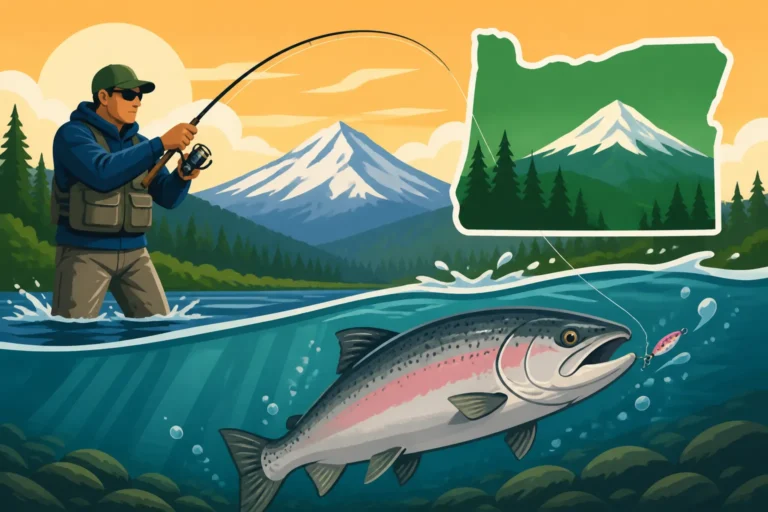
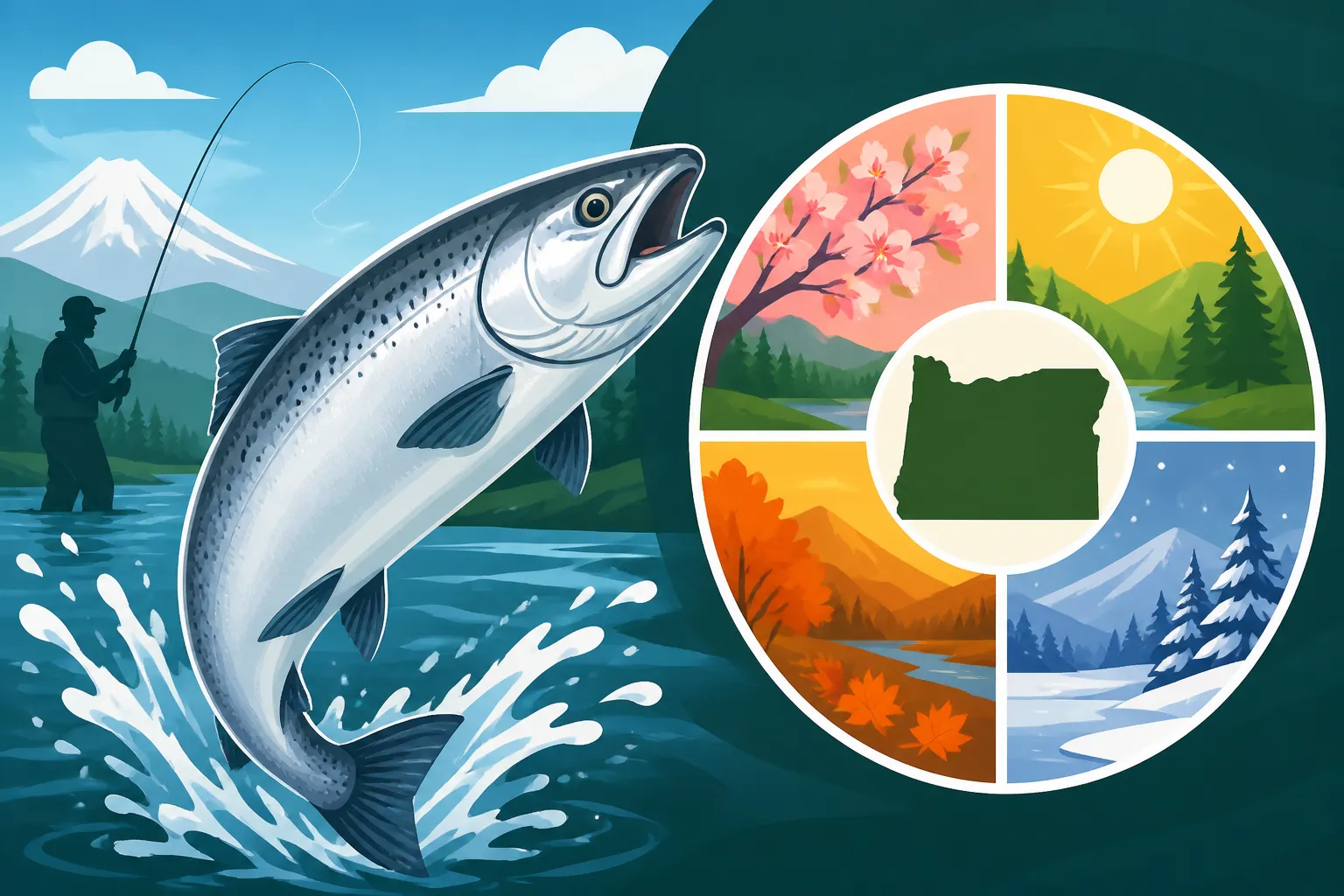
One of the most thrilling and, let's be honest, sometimes maddening experiences for any angler in the Pacific Northwest is chasing Oregon's spring Chinook salmon. It’s a pursuit fraught with anticipation, frustration, and ultimately, immense reward if you manage to hook into one of these chrome beauties. If you've ever felt like you're constantly a week too early or a day too late, you're not alone. This guide is here to demystify the ins and outs of spring Chinook season timing in Oregon, helping you understand when and where these magnificent fish make their appearance.
Understanding the Elusive Spring Chinook Run
Spring Chinook, often simply called "springers," hold a special place in the hearts of Oregon anglers. They are renowned for their exceptional fighting power, pristine condition, and rich, red meat, making them a true culinary delight. But what makes them so unique, and why is their timing such a puzzle for even seasoned veterans?
Why Spring Chinook are So Prized in Oregon
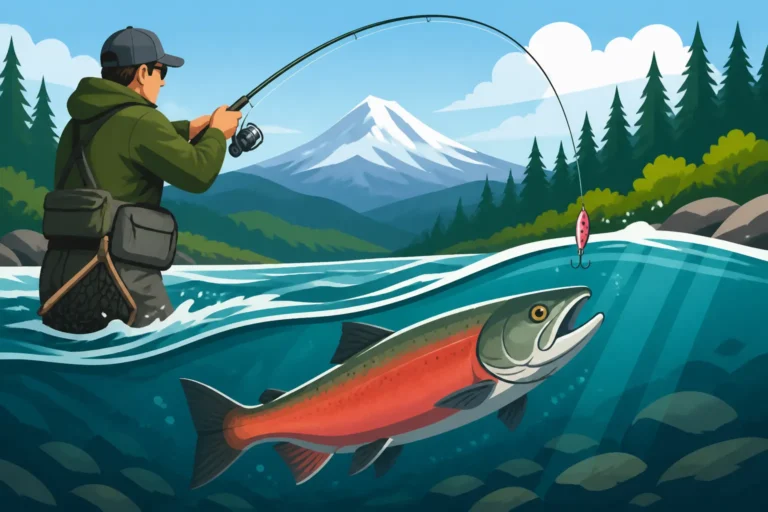
Unlike their fall-run cousins, spring Chinook enter the freshwater systems much earlier in the year, often months before they are ready to spawn. This extended stay in the river means they retain their vibrant, ocean-bright condition, packing a substantial amount of fat and muscle that translates into incredible table fare and an even more incredible fight. Imagine hooking into a powerful, chrome missile in the middle of a river, a fish that thinks it's still out in the vast Pacific. That's a springer. They are notoriously strong, often running hard and deep, testing every knot and every ounce of your tackle. Their limited availability and the challenge involved in consistently catching them only add to their allure, turning them into a bucket-list fish for many. The sheer thrill of that first powerful tug, the scream of the reel, and the sight of a magnificent springer rolling on the surface—it’s an experience that keeps anglers coming back year after year, enduring cold mornings and blank days for that one glorious fish.
Factors Influencing Run Timing
The timing of the spring Chinook run isn't set in stone; it's a dynamic dance dictated by a complex interplay of environmental factors. Understanding these elements is crucial to predicting when and where the fish will show up. First and foremost, water temperature plays a massive role. Spring Chinook prefer cooler water, typically beginning their migration when river temperatures are in the mid-40s to low 50s Fahrenheit. If the winter was long and cold, and the spring rains keep river temperatures down, the run might be delayed. Conversely, an early warm spell can sometimes push fish upstream sooner.
River flows are another critical factor. High, turbid water from heavy rains or rapid snowmelt can make fishing challenging by dispersing fish and reducing visibility, but it can also trigger a strong push of fish upstream. Conversely, low, clear water can make fish more wary and concentrated in deeper holes. Ocean conditions also play a subtle but significant part; the abundance of baitfish, prevailing currents, and even El Niño or La Niña cycles can influence how many fish return and when they decide to leave the ocean and enter freshwater. Finally, the specific river system itself has its own unique characteristics, with some rivers naturally seeing earlier or later runs due to their proximity to the ocean, the size of their drainage, and the presence of dams. It’s a constant puzzle, and staying tuned into the latest reports and conditions is half the battle.
Key Rivers and Their Unique Spring Chinook Dynamics
When it comes to spring Chinook, Oregon offers a diverse range of fisheries, each with its own character and timing nuances. Knowing which river to focus on and when can significantly improve your odds.
The Columbia River Spring Chinook Experience
The majestic Columbia River is, without a doubt, the behemoth of Oregon's spring Chinook fisheries. This vast waterway sees the largest return of springers, attracting anglers from all over the world. The run typically begins in earnest in late March, building through April, and peaking in May. Fish entering the Columbia are destined for countless tributaries, including the Willamette, Snake, and even distant rivers in Idaho. Early season fishing in March and early April often focuses on the lower river, particularly around Astoria and near the mouth of the Cowlitz and Lewis Rivers on the Washington side. As the season progresses, fish move upstream, passing Bonneville Dam, which serves as a crucial monitoring point for ODFW fish counts. The number of fish counted at Bonneville gives anglers a good indication of the run strength and helps predict when fish might arrive at upstream locations.
Fishing the main stem Columbia requires stout gear and often involves trolling with bait or large plugs, or anchor fishing with heavy weights and herring or prawns. The sheer size of the river means fish can be spread out, and finding concentrations often comes down to knowing specific holding water, current seams, and where bait is naturally accumulating. Keep an eye on the Fall Chinook Season Timing on the Columbia as well, because while it's a different run, many of the same techniques and locations can be relevant in different seasons. The sheer power of a Columbia springer in that huge current is something you'll never forget.
Willamette River: Portland's Urban Salmon Fishery
Just a stone's throw from downtown Portland, the Willamette River offers a truly unique urban spring Chinook fishery. While connected to the Columbia, the Willamette run often has its own distinct timing, typically lagging a bit behind the lower Columbia. Springers start entering the Willamette in late March and April, with the peak often hitting from late April through May and into early June. The lower Willamette, particularly below Oregon City Falls, is a hotspot for these powerful fish. Anglers in jet boats and drift boats can be seen working the river from Portland's skyline all the way down to its confluence with the Columbia.
One of the fantastic aspects of fishing the Willamette is the accessibility. You can literally be fishing for trophy salmon within minutes of the city's hustle and bustle. The fishing can be challenging, however, as these fish are moving through an urban environment. Popular techniques include trolling with herring, Kwikfish, or Brad's Super Bait, as well as anchor fishing with cured prawns or roe. Understanding how to navigate the river and its structure is key, and getting local insight can be invaluable. For a deeper dive into specific techniques, checking out a guide on How to Fish for Spring Chinook on the Willamette would be incredibly beneficial. The thrill of landing a twenty-pound springer with the city lights in the background is an experience unique to Oregon.
Coastal Rivers and Their Earlier Runs
While the Columbia and Willamette get the lion's share of attention for springers, several of Oregon's coastal rivers also boast vibrant, albeit smaller, spring Chinook runs. Rivers like the Rogue, Umpqua, and Siletz often see earlier returns compared to their Columbia counterparts, sometimes as early as February, with peaks often in March and April. These coastal runs are generally composed of fewer, but often larger, fish, and they tend to be incredibly feisty due to their close proximity to the ocean.
Fishing these coastal rivers often involves different tactics than the larger main stem Columbia. Drift fishing with roe, bobber and jig, or small plugs can be highly effective in the smaller, more intimate settings of these rivers. The timing here is heavily influenced by rainfall and river levels; a good freshet can push a fresh slug of fish in from the ocean. Due to the limited number of fish and the often wild nature of these runs, anglers on coastal rivers need to pay extremely close attention to specific river regulations, which can change frequently. These fisheries offer a more solitary and rugged experience for the dedicated springer enthusiast, a true test of skill and patience in some of Oregon's most beautiful landscapes.
Navigating the Oregon Spring Chinook Fishing Calendar
Understanding the general flow of the season—from the cautious beginnings to the frantic peak and the winding down—is vital for maximizing your chances of success. Each phase of the spring Chinook run presents different opportunities and challenges.
Early Season: March and April Expectations
The early season, typically spanning March and early April, is often characterized by anticipation and a slower bite. While not every river lights up at once, this period sees the first significant pushes of spring Chinook entering systems like the lower Columbia and some coastal rivers. Anglers during this time are often targeting the freshest, hardest-fighting fish, which tend to be larger on average. However, these fish are fewer and further between, making the fishing more challenging. You might have to put in more hours, brave colder weather, and be content with fewer hookups.
The key to early season success lies in covering water effectively and using presentations that appeal to cold, often wary fish. Trolling with tightly wiggling plugs or slow-spinning herring can entice a bite. For those anchor fishing, fresh, well-cured prawn or roe with plenty of scent is crucial. Areas with good current breaks, deeper holes, and protected seams are often where these early arrivals will hold. Don't be discouraged by slow days; the reward of hooking an early-season chrome bright springer is immense. It's often the dedicated angler who sticks it out in these colder, more challenging conditions who finds the true gems of the run.
Peak Season: May and Early June Frenzy
This is it, the time every springer angler dreams of! The peak season for spring Chinook in Oregon, generally from late April through May and into early June, sees the largest numbers of fish migrating upriver. This is when fish counts over Bonneville Dam typically soar, and the Willamette River transforms into a salmon superhighway. During this period, catch rates increase dramatically, leading to more crowded boat ramps and popular fishing holes. The fish are more abundant, often more aggressive, and water temperatures are usually starting to stabilize into their preferred range. This is the sweet spot for many anglers, offering the best chance to land a spring Chinook.
Specific dates for the peak will vary slightly year to year based on the factors we discussed earlier, but historically, the first three weeks of May are prime time on the Columbia and Willamette. Boats will be out in force, running their preferred trolling passes or jockeying for the best anchor spots. If you're planning a trip during this time, consider weekdays to avoid some of the heaviest weekend crowds, and always have a backup plan for popular launches. This is when the advice in the Oregon Fishing Season Dates and Limits truly comes into play, as knowing the exact open seasons and potential closures is paramount. This is the time when stories are made, and freezers start to fill up with that prized red meat.
Late Season: June and July Opportunities
As the peak run begins to wane in early June, opportunities for spring Chinook don't entirely disappear. The late season, extending through June and sometimes into early July, offers different kinds of fishing. While the main body of the run has passed, there are always stragglers, and fish that entered earlier continue their migration further upstream. This means that if you're willing to venture higher into the river systems or target specific tributaries, you can still find good fishing. For example, some fish continue into the upper Willamette system or specific Columbia tributaries.
The challenges in the late season include warmer water temperatures, which can make fish less active and more spread out. Additionally, recreational pressure might decrease, but the fish are often more educated. Anglers might shift their focus to different techniques, sometimes using lighter gear or more subtle presentations. It’s also crucial to monitor water temperatures closely, as excessively warm water can impact fish health, particularly for those that are released. While not as prolific as the peak, the late season can offer rewarding fishing for those who are adaptable and willing to explore.
Gear, Techniques, and Essential Preparations for Spring Chinook
Successfully targeting spring Chinook requires more than just good timing; it demands the right gear, honed techniques, and diligent preparation. These fish are powerful, and they will test your equipment to its limits.
Rods, Reels, and Lines for Heavy Hitters
When you're battling a spring Chinook, you absolutely cannot skimp on your tackle. These fish are pure muscle, and a twenty-pound springer in a strong current can feel like a freight train. You'll want a medium-heavy to heavy action salmon rod, typically 9 to 10.5 feet long. The extra length helps with casting, controlling the fish, and absorbing their powerful head shakes. Popular choices include rods from Lamiglas, G. Loomis, or Shimano, which are built to handle the abuse. Pairing this with a robust baitcasting reel is essential. Look for reels with a smooth, reliable drag system and a high line capacity, capable of holding at least 200-300 yards of line. Shimano Tranx, Daiwa Lexa, or an Ambassadeur C3/C4 are solid options.
For line, braided line in the 30-50 lb test range is a popular choice for its strength, sensitivity, and lack of stretch, which helps with hook sets. However, you'll almost always want to run a monofilament or fluorocarbon leader, as braid is highly visible in the water. A good quality monofilament leader in 25-40 lb test is usually sufficient. Remember, you can find a wide range of suitable gear, from rods and reels to all sorts of fishing lines, on Amazon, often with helpful reviews to guide your choice. Having confidence in your gear is paramount when that big springer hits!
Effective Baits and Lures for Springers
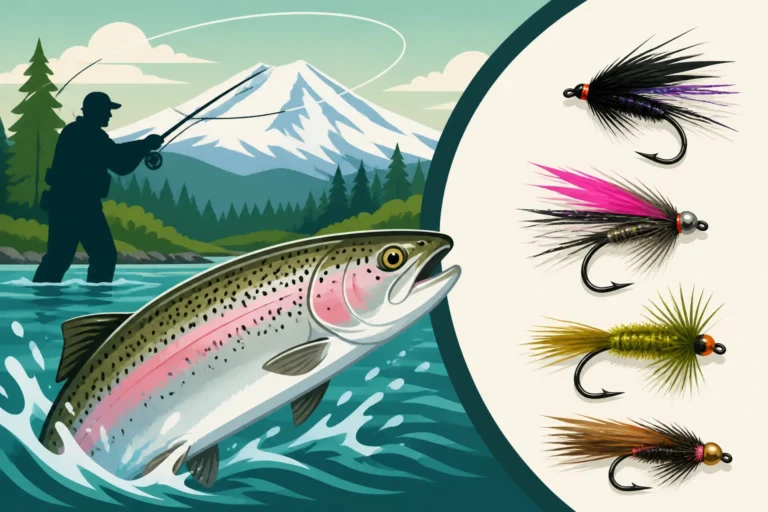
Spring Chinook are notorious for being picky eaters, but certain baits and lures consistently produce results. For bait, fresh herring is king, especially when trolled behind a diver or an inline flasher. The way you rig your herring is critical – it needs to spin perfectly to imitate an injured baitfish. Cured prawns are another highly effective bait, particularly when anchor fishing or back-bouncing. Many anglers also swear by heavily scented roe, often cured in vibrant colors to attract attention. Experiment with different cures and scents until you find what the fish are keying in on.
When it comes to lures, Brad's Wigglers and Kwikfish are legendary for springers. These diving plugs can be trolled or even fished from an anchored boat, wobbling enticingly in the current. Colors like chartreuse, metallic blue, and various tiger stripes are often favorites. Spinner blades, particularly larger sizes, tipped with a piece of sardine or prawn, can also be deadly. Don't forget scent — applying a generous amount of scent like Pro-Cure or Mike's Liquid Bait Scent to your baits and lures can make a huge difference, especially in stained water. For more in-depth lure discussions, you might want to read up on Best Lures for Oregon Salmon Fishing. Always have a variety on hand, as what works one day might not work the next.
Understanding Water Conditions and Tactics
Successfully catching spring Chinook is as much about understanding the water as it is about the fish. River flow, water clarity, and depth all dictate where fish will hold and how they'll react to your presentation. In high, turbid water, fish tend to hug the banks or seek out calmer seams and eddies, often shallower than you'd expect. In these conditions, brighter colored lures and baits with strong scents are more effective. As flows drop and water clarity improves, fish might move into deeper channels or spread out more evenly.
Common tactics include trolling, which involves slowly moving your boat while dragging bait or lures, often using downriggers or divers to get your presentation to the desired depth. This is very popular on the Columbia and Willamette. Anchor fishing (or "plunking") is another staple, especially in specific holes or current seams where fish are known to hold up. This involves using heavy weights to keep your bait stationary in the current, waiting for a fish to swim by and take it. Drift fishing, often from a boat or bank, involves letting your bait or lure tumble naturally downstream, mimicking something dislodged from the riverbed. For those just starting out, a good resource on Oregon Fishing Techniques for Beginners can lay a strong foundation for understanding these varied approaches. Mastering these tactics in conjunction with current water conditions is key to consistent success.
Essential Resources and Staying Informed
In the dynamic world of spring Chinook fishing, staying informed is just as important as having the right gear. Conditions can change rapidly, and official regulations are updated regularly.
Oregon Department of Fish and Wildlife ODFW Resources
The Oregon Department of Fish and Wildlife (ODFW) website is your absolute best friend for spring Chinook fishing. This is where you’ll find the official word on everything from seasons and bag limits to emergency closures and weekly fishing reports. The ODFW publishes detailed recreation reports that often include specific river conditions, recent catch rates, and even tips from local biologists. Moreover, the fish counts at dams, especially Bonneville Dam for Columbia River fish, are invaluable for tracking the progression of the run. These counts are typically updated daily and can give you a real-time sense of how many fish are moving upstream.
Beyond the daily updates, ODFW also provides the annual synopsis, which is the comprehensive guide to all fishing regulations in Oregon. It’s a dense document, but knowing where to find the Where to find the Oregon fishing regulations booklet and how to navigate it is crucial. These regulations can be complex, often varying by river, section of river, and even specific species, especially concerning wild versus hatchery fish retention. Always check the very latest updates before you head out, as emergency rules can be put into effect on short notice due to run size or other factors.
Monitoring River Levels and Weather
Beyond official reports, savvy anglers constantly monitor environmental conditions. Websites like the USGS Water Data portal provide real-time river gauge data, showing current flows, water levels, and even temperatures for many Oregon rivers. A sudden spike in river flow can mean turbid water and a fresh push of fish, while consistently low flows might indicate clear water and tougher fishing. Understanding how to interpret these graphs can give you a significant edge.
Weather forecasts are also critical. Heavy rainfall can blow out rivers, making them unfishable for days. Rapid snowmelt from a warm spell can also lead to high, cold water. Conversely, stable weather patterns with gradual warming can create ideal conditions. Pay attention to not just the immediate forecast, but also what happened upstream a few days prior, as that water will eventually make its way to your fishing spot. Knowing if a cold front is coming or if a week of sunshine is expected can completely change your fishing strategy.
Local Knowledge and Online Communities
While official resources are invaluable, there's no substitute for local knowledge. Stop by a reputable local tackle shop in towns like Astoria, Portland, or Oregon City. The folks working there live and breathe fishing, and they often have the most up-to-date, real-world information on what's biting, where, and on what. They can offer insights into specific hotspots, preferred baits, and current river quirks that you won't find anywhere else. Brands like Fisherman's Marine & Outdoor or Bob's Sporting Goods are excellent resources.
Additionally, online fishing forums and social media groups dedicated to Oregon fishing can be fantastic for real-time intel. Anglers often share their experiences, post photos of catches, and discuss conditions. Just remember to take everything with a grain of salt, as some information might be exaggerated or purposefully vague to protect a secret spot. However, these communities can provide a general pulse of the fishery and help you connect with other passionate anglers. Many will share their favorite scents or gear they found on Amazon that worked well for them, fostering a great sense of community.
The Catch-and-Release Aspect and Responsible Angling
With the popularity of spring Chinook fishing, responsible angling practices, especially concerning catch-and-release, are more important than ever. Preserving these runs for future generations is a shared responsibility.
Best Practices for Wild vs. Hatchery Fish
Oregon's fishing regulations often differentiate between hatchery-produced fish and wild fish. Hatchery spring Chinook are typically identified by an adipose fin clip – a small fin on their back between the dorsal and tail fins has been removed. Wild fish retain this fin. For many runs, only fin-clipped hatchery fish can be retained, while wild fish must be released unharmed. This is a critical distinction that every angler must understand. Before you even cast a line, ensure you know the regulations for the specific body of water you're fishing.
When you do hook a wild fish that needs to be released, handle it with the utmost care. Minimize its time out of the water. If possible, keep the fish in the water while unhooking it. Use a rubberized net to protect their slime coat. Avoid squeezing the fish, especially around the gills or belly. If you need a photo, do it quickly and with the fish as close to the water as possible. Revive the fish by holding it gently in the current until it swims away under its own power. You can learn more about specific regulations regarding sensitive species by checking out information like Can you keep wild steelhead while fishing for spring Chinook?. Our collective effort in protecting wild populations ensures the sustainability of these incredible fisheries.
Understanding Bag Limits and Regulations
Adhering to bag limits and other regulations is non-negotiable. The daily bag limit for spring Chinook typically refers to the number of adult fish you can keep per day, and there are often different rules for jacks (smaller, younger salmon). These limits can vary significantly depending on the river system and the specific section you are fishing, and they can change throughout the season based on run forecasts and actual returns. It’s also crucial to understand the rules for an Oregon Combined Angling Tag Guide, which is often required in addition to your general fishing license for species like salmon and steelhead. This tag requires you to record your catch, providing valuable data to ODFW for managing the fishery.
Additionally, pay close attention to size limits and any specific gear restrictions, such as the use of barbless hooks in certain areas. Ignoring these rules not only risks heavy fines and penalties but also endangers the health of the fishery. Always consult the most current Oregon Fishing Regulations Explained booklet or ODFW website before each trip, as regulations can and do How often do Oregon fishing regulations change. The table below provides a general overview of typical regulations for spring Chinook in some popular Oregon rivers, but remember to always verify with current ODFW sources.
| River System | Typical Season Timing | Daily Bag Limit (Adult Chinook) | Notes |
|---|---|---|---|
| Lower Columbia | Late March – May | Varies by management area | Often fin-clipped only, check specific zone limits and emergency rules |
| Willamette River | Late April – Early June | 2 fin-clipped adult Chinook | Check specific boundaries and rules for wild vs. hatchery fish |
| Rogue River (lower) | March – April | Varies | Often has different rules for specific sections and methods |
| Umpqua River | March – April | Varies | Check for specific wild retention rules and quotas |
Remember, this table is a generalized example. Always consult the official ODFW regulations for the most current and site-specific information, including Oregon Daily Bag Limits Explained. Being a responsible angler means being a well-informed angler.
Disclaimer
Fishing regulations and conditions in Oregon can change rapidly. Always check the latest Oregon Department of Fish and Wildlife (ODFW) regulations and emergency updates before heading out on the water. This guide is for informational purposes only and should not replace official sources.