Oregon Fishing Guide Services
Navigating Oregon's vast and varied waterways, from the roaring Pacific coast to the tranquil high-desert lakes and powerful river systems, can feel utterly overwhelming for even experienced anglers. Knowing where to go, what to use, and how to stay compliant with ever-changing regulations can quickly turn a dream fishing trip into a frustrating puzzle. This comprehensive guide will walk you through everything you need to know about Oregon fishing guide services, helping you understand their value, what they offer, and how to choose the perfect expert to unlock an unforgettable angling adventure.
Why Consider an Oregon Fishing Guide Service?
Many anglers wonder if a fishing guide service is truly necessary, especially if they've had success fishing other areas. However, Oregon presents unique challenges and opportunities that a local expert can transform from obstacles into advantages. From secret fishing holes to understanding subtle changes in fish behavior, a guide brings a wealth of knowledge that's almost impossible to gain on your own in a short period. It's about more than just catching fish; it's about experiencing the local culture of angling with someone who lives and breathes it.
Navigating Oregon's Diverse Waters
Oregon's fishing landscape is incredibly diverse, offering everything from deep ocean trenches for tuna to serene alpine lakes for brook trout, and mighty rivers famed for their salmon and steelhead runs. Each of these environments comes with its own set of challenges, rules, and optimal techniques. Trying to figure out the best approach for, say, fly fishing the Metolius River one day and then bottom fishing for rockfish off the coast the next, without local insight, is a recipe for frustration. A seasoned guide knows the specific nuances of each body of water, including current conditions, recent fish movements, and the most productive spots that might be inaccessible or unknown to the general public.
Think about the sheer scale of the Columbia River, for example. It's a massive system with numerous tributaries, different zones, and highly migratory fish. Understanding where salmon or sturgeon might be holding at any given time, or which sections are productive based on water levels and tides, is almost impossible without years of on-the-water experience. A guide provides immediate access to this accumulated wisdom, allowing you to bypass the steep learning curve and focus on the joy of fishing.
Moreover, guides are constantly adapting to environmental changes. A sudden rain event can blow out a river, making certain areas unfishable, or a shift in ocean currents can move baitfish, and thus predatory fish, to entirely new locations. Your guide is monitoring these factors daily, ensuring that your trip is planned for the most favorable conditions and locations, maximizing your chances of success. They understand the intricacies of Oregon Fishing Zones Explained and can quickly adapt to ensure you're in the right place at the right time.
Maximizing Your Catch Potential
Let's be honest: while enjoying nature is a huge part of fishing, everyone wants to catch fish! This is where a professional guide truly shines. They don't just know where the fish are; they know how to catch them, often employing specialized techniques, baits, and lures that are specific to the local conditions and target species. They've spent countless hours experimenting and refining their methods, which means you benefit from their trial and error.
For instance, catching a trophy steelhead on one of Oregon's coastal rivers requires specific drift fishing techniques, presentation skills, and an understanding of the fish's habits that can take years to master. A guide will provide you with the right tackle, demonstrate the proper casting and retrieve, and position the boat or yourself in the prime current seams where fish are likely to hold. They'll adjust depths, leader lengths, and bait choices on the fly, reacting to subtle cues from the environment and the fish themselves. This focused expertise significantly increases your odds of landing that fish of a lifetime, transforming a hopeful outing into a productive one.
Beyond just the technique, guides often have access to top-of-the-line equipment, from specialized rods and reels to advanced sonar and GPS systems, which might be too expensive or impractical for the casual angler to own. This means you'll be fishing with gear perfectly suited for the conditions and species, giving you a distinct advantage over standard recreational setups. They can quickly re-tie lines, troubleshoot snags, and ensure everything is working optimally, keeping your line in the water and ready for a bite.
Learning from the Pros
A guided trip is more than just a fishing expedition; it's a hands-on masterclass. For many anglers, the opportunity to learn from a seasoned expert is as valuable as the fish they catch. Guides are often fantastic teachers, eager to share their knowledge about fish behavior, entomology (for fly anglers), reading the water, and understanding local ecosystems. They can demystify complex concepts and break down advanced techniques into understandable steps.
Imagine learning How to Fly Fish in Oregon from someone who has spent decades perfecting their cast on the Deschutes River, or understanding the subtle art of sturgeon fishing on the Columbia River directly from an expert who knows every bend and hole. These are skills and insights that you can then apply to your future fishing trips, making you a more knowledgeable and effective angler in the long run. They can teach you about different types of salmon, how to identify wild vs. hatchery fish, or the best methods for How to Catch Trout in Stocked Oregon Lakes.
They're also a wealth of information on local history, conservation efforts, and the natural beauty of Oregon. Many guides view themselves as stewards of the environment and are passionate about educating their clients on responsible angling practices, ethical catch-and-release techniques, and the importance of preserving these precious resources for future generations. It’s an immersive experience that goes beyond simply dropping a line in the water.
Safety and Equipment Provided
One of the often-overlooked benefits of hiring a guide is the inherent safety and convenience they provide. Navigating unfamiliar waters, especially large rivers or the open ocean, can be hazardous. A professional guide is not only experienced in operating their vessel safely but is also trained in first aid and knows how to handle unexpected situations, from sudden weather changes to medical emergencies. Their boats are typically well-maintained and equipped with all necessary safety gear, including life jackets, communication devices, and emergency kits, giving you peace of mind.
Furthermore, outfitting yourself for a serious fishing trip can be incredibly expensive. Rods, reels, tackle, bait, safety gear – it all adds up fast. With a guide service, all the necessary, high-quality equipment is typically provided. This means you don't have to invest in specialized gear that you might only use once or twice, making guided trips a cost-effective option for trying new types of fishing or targeting specific species. All you usually need to bring are appropriate clothing, your fishing license, and a desire to learn and fish. This convenience is especially appealing for visitors who don't want to transport bulky fishing gear or families new to the sport.
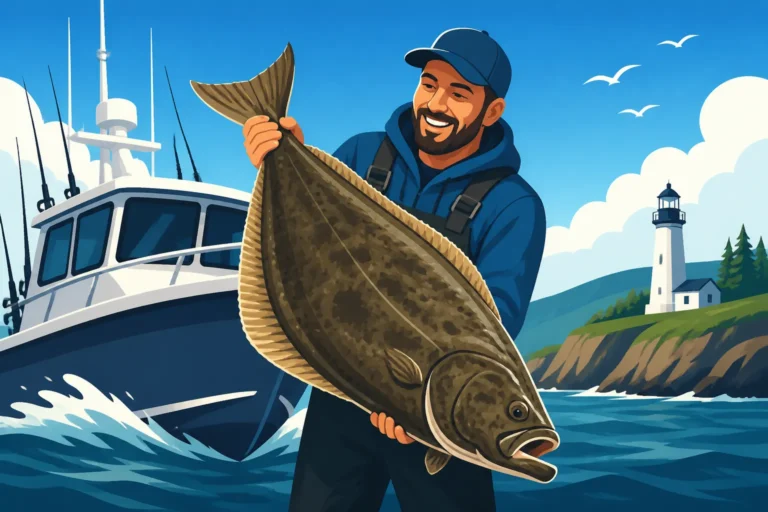
Consider a trip for Oregon Halibut Fishing Techniques off the coast. That requires heavy-duty rods, specific reels, and often a lot of lead weights and specialized baits. A charter will have all of this ready for you, allowing you to just show up and enjoy the experience without the hassle or expense of owning it all yourself.
Types of Oregon Fishing Guide Services
Oregon's vast and varied landscape naturally leads to a wide array of specialized fishing guide services. Understanding these different types can help you narrow down your options and find the perfect match for your angling goals, whether you dream of battling a steelhead in a pristine river or reeling in a salmon from the deep blue sea. Each guide service is tailored to specific environments, techniques, and target species, offering unique experiences.
River and Lake Guides Freshwater Focus
These guides specialize in Oregon's extensive network of freshwater rivers and lakes, which are renowned for salmon, steelhead, trout, bass, and sturgeon. River guides often use drift boats, jet boats, or rafts to navigate currents and access prime fishing holes, offering a dynamic and engaging experience. Lake guides might operate from larger boats equipped with advanced sonar to target schools of kokanee or large trout. They are masters of reading currents, understanding fish migration patterns, and adapting to ever-changing water conditions.
For example, a Deschutes River fly fishing guide will be an expert in How to Fly Fish the Metolius River or understanding the various insect hatches and precise casting techniques required for the finicky trout and summer steelhead that call that river home. They know the subtle nuances of presentation for specific stretches of river, which can make all the difference between a frustrating day and a successful one. Similarly, a guide on the Willamette River might specialize in How to Fish for Spring Chinook on the Willamette, knowing exactly when and where these powerful fish are likely to hold as they make their way upstream. These trips are typically full-day excursions, offering immersive experiences in stunning natural settings.
Guides focusing on smaller, more intimate rivers or high mountain lakes might offer wade-fishing trips, providing an incredibly personal and hands-on experience as you stalk fish through beautiful landscapes. This direct connection to the environment, often in areas less accessible by boat, allows for a truly unique angling adventure. They are intimately familiar with local regulations, specific gear requirements, and the best times of year for various species, like knowing When do summer steelhead enter the Deschutes River.
Ocean and Estuary Charters Saltwater Focus
When the call of the Pacific Ocean beckons, ocean and estuary charters are your go-to. These services operate from coastal towns like Newport, Astoria, Depoe Bay, and Garibaldi, taking anglers out into the bays, estuaries, and open ocean. They target a wide range of saltwater species including Chinook and coho salmon, halibut, lingcod, various rockfish, and even albacore tuna when they migrate offshore. Ocean charters typically involve larger, more robust boats capable of handling diverse marine conditions, often equipped with advanced navigation and fish-finding technology.
A charter specializing in Oregon Salmon Fishing Techniques off the coast might focus on trolling with downriggers, a precise method to present bait or lures at specific depths where salmon are feeding. These trips are thrilling, offering the chance to hook into powerful, sea-run fish. For those seeking a bottom-fishing adventure, charters will take you to reefs and rocky structures where lingcod and rockfish ambush their prey, often using heavy jigs or bait. These guides know the intricacies of tides, ocean currents, and the specific habitats of various marine species, maximizing your chances of a diverse catch. Oregon Ocean Endorsement is typically required for these trips, which your guide will confirm.
Estuary charters, often operating in bays like Tillamook Bay or Yaquina Bay, bridge the gap between freshwater and saltwater, targeting salmon as they stage before entering rivers, or offering crabbing and clamming experiences. These calmer waters can be ideal for families or those prone to seasickness, offering fantastic opportunities for bay-dwelling species and shellfish. They're often equipped for multiple activities, making for a fun, varied outing.
Specialized Techniques e.g., Fly Fishing, Sturgeon
Beyond the general categories, many Oregon guides offer highly specialized trips focusing on particular angling techniques or target species. These guides are experts in their niche, possessing an encyclopedic knowledge of their chosen pursuit. If you have a specific goal in mind, a specialist guide is often the best path to success.
Take sturgeon fishing, for instance. Battling a prehistoric white sturgeon on the Columbia River is an unforgettable experience, but it requires specialized heavy tackle, specific bait presentations, and a deep understanding of sturgeon behavior and their delicate lifecycle. A dedicated Sturgeon Guide Trips on the Columbia will have all the necessary gear and expertise, ensuring a safe and ethical encounter with these magnificent fish, often focusing on catch-and-release practices.
Similarly, specific types of fly fishing, like spey casting for steelhead, or chasing carp on the fly, might warrant a guide who specializes exclusively in those methods. They can provide nuanced instruction, offer precise fly patterns, and lead you to waters perfectly suited for that technique. If you're passionate about a particular method, seeking out a specialist will enrich your learning and increase your chances of success. They also know the specific regulations, such as Oregon Sturgeon Tag Requirements or any special endorsements.
Group vs. Private Trips
When considering an Oregon fishing guide, you'll generally have two options: a private trip or a shared/group trip. Each has its own advantages and considerations, depending on your budget, preferences, and the size of your party.
Private Trips offer an exclusive experience tailored entirely to your group's desires. This means you have the guide's undivided attention, allowing for personalized instruction, flexibility in choosing target species or fishing locations, and the ability to set your own pace. If you're a family with young children, a group of friends with varying skill levels, or an angler seeking intensive one-on-one coaching, a private trip is often the ideal choice. The boat is yours for the day, and you can focus on specific techniques or locations without compromise. This can be fantastic for a truly custom adventure, perhaps focusing on a particular skill you want to develop. The cost per person is generally higher for private trips, but many find the personalized experience well worth the investment.
Shared or Group Trips are a more budget-friendly option, where you join other anglers on the same boat. These trips are excellent for solo anglers or small groups who want to experience guided fishing without the full cost of a private charter. While you won't have the same level of individual attention or flexibility as a private trip, you still benefit from the guide's expertise and equipment. It's also a great way to meet fellow anglers and share the excitement of the catch. The social aspect can be a lot of fun, and often, guides do a fantastic job of giving everyone ample opportunity to fish and receive instruction. If your primary goal is to catch fish and enjoy the guided experience at a lower price point, a shared trip can be a great option. Websites like FishingBooker often list both private and shared trip options, allowing you to compare easily.
| Feature | Private Fishing Trip | Shared (Group) Fishing Trip |
|---|---|---|
| Cost | Higher per person (flat rate for boat) | Lower per person |
| Flexibility | High (choose species, location, pace, departure time) | Limited (pre-set species, location, schedule) |
| Instruction | Personalized, one-on-one attention | General instruction, shared among participants |
| Social Aspect | Intimate with your chosen companions | Opportunity to meet new anglers |
| Best For | Families, dedicated learners, specific goals, privacy | Solo anglers, budget-conscious, social experience |
| Boat Occupancy | Your group only | Multiple parties, up to boat's capacity |
| Target Species | Often customizable based on preference | Generally pre-determined by guide/charter |
What to Expect from an Oregon Fishing Guide
Once you've decided to book a guide, understanding what to expect can help you prepare and ensure a smooth, enjoyable experience. While specific details can vary between different guides and trip types, there are common elements that you'll encounter on most guided Oregon fishing adventures. Knowing these upfront helps manage expectations and allows you to focus on the fun.
Trip Duration and Target Species
Most guided fishing trips in Oregon are either full-day or half-day excursions. A full-day trip typically lasts 8-10 hours, allowing ample time to travel to prime fishing locations, cover various techniques, and maximize your chances of success. These are ideal for targeting migratory species like salmon or steelhead that might require more time to locate, or for deep-sea trips where travel to offshore grounds can take a couple of hours. Full-day trips offer a comprehensive experience, allowing you to immerse yourself fully in the angling adventure and usually provide the best value for your investment.
Half-day trips are usually 4-5 hours long and are a good option for beginners, families with younger children, or those with limited time or budget. They're often focused on more accessible fisheries or specific techniques, like trout fishing in a stocked lake or crabbing in a bay. While shorter, they still provide a valuable guided experience and a great introduction to Oregon fishing. Always clarify the exact duration when booking. The target species will also be clearly communicated by the guide. Some trips might focus on a single species, like spring Chinook salmon, while others might offer a combo trip targeting multiple species, such as How to Fish for Lingcod and Rockfish in Oregon on an ocean charter. Discuss your preferences with your guide beforehand to ensure alignment.
Gear, Bait, and Tackle Provided
A significant benefit of hiring an Oregon fishing guide is that they typically provide all the necessary fishing gear, bait, and tackle. This includes high-quality rods and reels perfectly matched to the target species and fishing conditions, a wide array of lures, flies, or specialized baits, and all terminal tackle (hooks, weights, leaders, etc.). You won't need to worry about bringing your own expensive equipment or wondering if you have the right setup.
Guides invest heavily in maintaining top-notch gear, ensuring it's in excellent working condition and suited for the specific challenges of Oregon's fisheries. They'll show you how to use the equipment effectively, make adjustments as needed, and quickly address any tangles or snags. For saltwater trips, this often extends to providing heavy-duty rods and specialized downriggers for trolling, or bait like herring and anchovies for salmon. For river trips, it might mean a specific selection of flies for a particular hatch, or cured roe for steelhead. It's a huge convenience, especially for visitors who don't want to travel with bulky fishing gear.
While most guides provide everything, it's always a good idea to confirm what's included when you book. Sometimes, very specialized gear, like waders and wading boots for a walk-and-wade fly fishing trip, might be an extra rental or something you need to bring yourself. However, for the vast majority of boat-based trips, you can expect the fishing gear aspect to be completely covered.
Licenses, Endorsements, and Regulations
This is where an Oregon fishing guide becomes invaluable, especially for out-of-state visitors or those new to the state's complex regulations. Every angler over the age of 12 needs an Oregon Fishing License Guide, and depending on what and where you're fishing, you might also need specific endorsements like an Oregon Combined Angling Tag Guide for salmon, steelhead, sturgeon, and halibut, or an Oregon Ocean Endorsement for saltwater species. The Oregon Columbia River Basin Endorsement is also crucial if you plan to fish certain sections of the Columbia River.
Your guide will be an expert on all current Oregon Fishing Regulations Explained, including daily bag limits, size restrictions, open seasons, and any special rules specific to the waters you'll be fishing. They ensure that you are fishing legally and ethically, preventing unintentional violations. While the guide will provide the knowledge, you are still responsible for purchasing your own fishing license and any required tags or endorsements before your trip. Guides cannot legally provide these for you. They will, however, clearly communicate what you need to purchase in advance. Many guides will even send you links to buy them online to make it as easy as possible. This crucial step ensures you're prepared for your adventure and compliant with state law.
For example, a guide fishing for salmon on the Columbia River will ensure everyone has the correct Oregon Catch Record Card Requirements and understands how to fill it out properly for retention species. This attention to detail alleviates the stress of navigating bureaucracy, allowing you to focus on the fishing itself.
Fish Handling and Filleting
Responsible fish handling is a cornerstone of ethical angling, and your guide will be proficient in demonstrating and teaching proper techniques, especially for catch-and-release scenarios. They'll show you how to safely land a fish, remove the hook with minimal harm, and revive it before release, ensuring the fish has the best chance of survival. This is particularly important for protected species like wild steelhead or bull trout, or for any fish that must be released due to regulations.
If you catch fish that are legal to retain, your guide will expertly handle the catch. This often includes humanely dispatching the fish, bleeding it out to preserve meat quality, and keeping it properly chilled in a cooler during the trip. At the end of the day, most guides offer a fish cleaning and filleting service, preparing your catch for transport and cooking. This is a huge convenience, as processing fish can be messy and intimidating for new anglers.
They'll make sure your fillets are neatly packaged, ready for you to take home and enjoy. This service is typically included in the price of the trip, but it's always good to clarify when booking. Some guides might have recommendations for local processors if you have an exceptionally large catch or want special preparations like smoking. The guide's expertise ensures that your hard-earned catch is treated with respect and prepared for optimal enjoyment.
How to Choose the Right Oregon Fishing Guide
Choosing the right Oregon fishing guide can make all the difference between a memorable trip and a disappointing one. With so many options available, it's essential to do a little homework to find a guide who matches your expectations, skill level, and desired experience. Don't just pick the first name you see; invest a little time in research.
Researching Licenses and Certifications
The first and most crucial step in selecting a guide is to verify their credentials. In Oregon, legitimate fishing guides and charter operators must be properly licensed and insured. This isn't just a formality; it ensures they meet specific safety standards, possess the necessary expertise, and are operating legally. For freshwater guides operating on rivers, they typically need an Oregon State Marine Board Guide License. For ocean charters, they will often hold U.S. Coast Guard licenses (e.g., OUPV or Master Captain's license) in addition to state permits, depending on the size of the vessel and the number of passengers.
Don't hesitate to ask a potential guide about their licenses, certifications, and insurance. Reputable guides will be proud to share this information and may even display it on their websites. This due diligence protects you as a client and ensures you're putting your trust in a qualified professional. You can often find resources on the Oregon Department of Fish and Wildlife (ODFW) website or the Oregon State Marine Board to verify a guide's credentials. Knowing your guide is legally operating ensures a safer and more reliable experience. Websites like FishingBooker often perform initial checks on their listed guides' licenses and insurance.
Beyond basic licensing, consider if they have additional certifications relevant to your trip, such as first aid and CPR training, or specialized endorsements for specific waters or vessels. These indicate a higher level of professionalism and preparedness. A knowledgeable guide won't just know Oregon Fishing Season Dates and Limits; they'll be able to explain the "why" behind them.
Reading Reviews and Testimonials
In today's digital age, one of the most powerful tools for choosing a guide is accessing past client reviews and testimonials. Platforms like Google Reviews, Facebook, Yelp, and specialized fishing booking sites (like FishingBooker, which we've mentioned) are treasure troves of honest feedback. Look for consistent positive comments regarding the guide's professionalism, fishing expertise, boat maintenance, teaching ability, and overall customer service.
Pay attention to recurring themes. Does the guide consistently put clients on fish? Are they patient with beginners or children? Do they handle unexpected challenges gracefully? A guide who receives praise for being patient and educational might be perfect for a family trip or a new angler, while a guide lauded for their aggressive pursuit of trophy fish might be better suited for experienced anglers. Be wary of guides with very few or consistently negative reviews. Also, look at how the guide responds to reviews, both positive and negative, as this can give insight into their communication style and commitment to client satisfaction. Reading reviews provides a realistic picture of what to expect and helps you gauge if a guide's personality and approach align with your own.
Communicating Your Expectations
Before booking, have an open and honest conversation with the guide about your expectations for the trip. This is a critical step in ensuring a successful and enjoyable outing for everyone involved. Do you have a specific target species in mind? Are you hoping to learn a new technique, or simply enjoy a relaxing day on the water? Is catching a lot of fish your top priority, or is the overall experience more important?
Discussing these points upfront allows the guide to tailor the trip to your preferences or, if they can't meet them, to recommend another guide who can. For example, if you're set on catching a trophy Chinook salmon but the season is slow, a good guide will manage your expectations and offer alternative, more productive options like targeting coho or steelhead. Clear communication also extends to practical matters, like any physical limitations you or your group might have, or dietary restrictions if food is provided. The more information you share, the better your guide can prepare for your trip and ensure it's precisely what you're looking for. Don't be shy about asking questions about their typical catch rates or how they handle different weather conditions.
Understanding Pricing and Inclusions
Pricing for Oregon fishing guide services can vary significantly based on trip duration, target species, type of vessel, and whether it's a private or shared trip. Before you commit, get a clear understanding of the total cost and what is specifically included in that price.
Typical inclusions often cover:
- Guide's expertise and time
- Boat and fuel
- All necessary fishing gear (rods, reels, tackle)
- Bait and lures
- Fish cleaning and filleting
- Safety equipment (life jackets, first aid)
What's usually not included (and you'll be responsible for):
- Your personal Oregon Fishing License Costs and any required tags/endorsements
- Food and drinks (unless specifically stated)
- Rain gear or other personal clothing
- Sunscreen, hats, sunglasses
- Gratuity for the guide (tipping is customary and appreciated)
Always ask about any potential hidden fees. For example, some ocean charters might charge extra for special bait like live crab or specific offshore travel. Confirm the payment schedule (deposit required, balance due, accepted payment methods) and cancellation policy. A reputable guide will have a clear policy for weather cancellations or rescheduling. Understanding these financial and logistical details upfront prevents surprises and allows you to budget appropriately for your adventure. You might consider a Oregon 1-Day Fishing License if it's a short trip.
Preparing for Your Guided Fishing Trip
You've booked your guide, set your expectations, and verified all the details. Now it's time to prepare yourself for the actual day! A little bit of thoughtful preparation can go a long way in ensuring your comfort and maximizing your enjoyment on the water, no matter what kind of fishing adventure awaits.
What to Wear and Bring
Oregon weather can be famously unpredictable, even within the same day. Layering is always the golden rule, whether you're heading out on the open ocean or exploring a mountain river.
Essential clothing items often include:
- Base Layer: Moisture-wicking material (not cotton, which stays wet and cold) to keep you dry.
- Mid-Layer: A fleece jacket or warm sweater for insulation.
- Outer Layer: A waterproof and windproof jacket and pants (rain gear) are non-negotiable, especially for ocean trips or shoulder seasons. Even on sunny days, boat spray or sudden showers are common.
- Footwear: Waterproof, non-slip shoes or boots are best. Avoid open-toed shoes for safety.
- Headwear: A hat for sun protection and warmth.
- Gloves: Fingerless fishing gloves can protect your hands from sun and line burn, while warmer gloves might be needed for colder weather.
Beyond clothing, consider these personal items:
- Sunglasses: Polarized lenses are highly recommended as they reduce glare on the water, helping you see fish or structure, and protect your eyes from hooks.
- Sunscreen: Even on cloudy days, UV rays reflect off the water.
- Camera or Phone: To capture those unforgettable moments (ensure it's in a waterproof case or bag).
- Small Backpack or Dry Bag: To keep your personal items organized and dry.
- Cooler: For transporting your filleted catch home safely. Your guide will often have a cooler on board for your fish during the trip, but you'll need one for the drive back.
Your guide will likely send a "what to bring" list, so always refer to that first as they know the specific needs for their trip and vessel.
Managing Seasickness or Motion Sickness
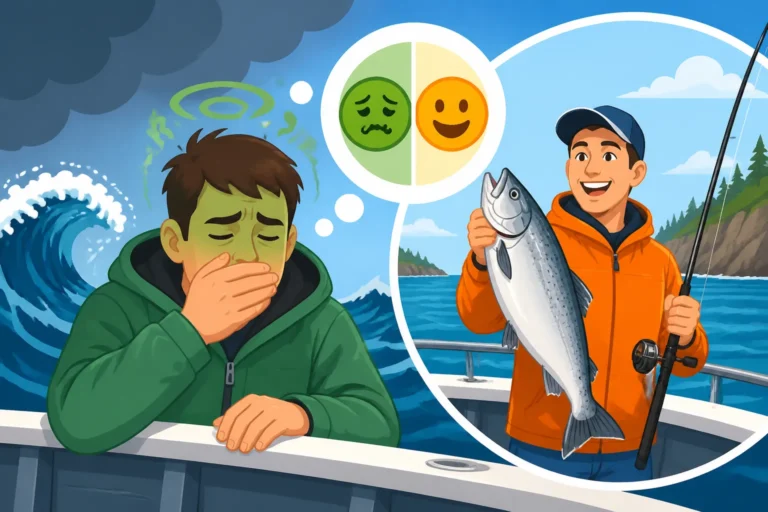
If your guided trip involves a boat, especially on the open ocean, seasickness or motion sickness can be a real concern for some anglers. Don't let the fear of it ruin your trip; there are proactive steps you can take:
- Medication: Over-the-counter options like Dramamine or Bonine are very effective for many. It's crucial to take these before you board the boat, ideally the night before and/or an hour or two before departure, for them to work effectively. Once you start feeling sick, it's often too late for oral medications to provide much relief.
- Natural Remedies: Ginger (candies, chews, or capsules) is a popular natural remedy for nausea. Acupressure wristbands (like Sea-Bands) can also help some individuals.
- Hydration and Food: Avoid greasy or acidic foods the night before and the morning of your trip. Stay hydrated, but avoid excessive alcohol. A light, non-greasy breakfast is usually best.
- Positioning: On the boat, try to stay in the fresh air and focus on the horizon. Avoid reading or looking down at your phone for extended periods. The middle of the boat, near the stern, tends to be the most stable spot.
- Communicate: If you start feeling unwell, inform your guide immediately. They are experienced and can offer advice or find a calmer spot if conditions allow.
Many charters specifically address this, and you can often find information on Best seasickness medicine for an ocean fishing charter from other anglers. Preparing for seasickness allows you to relax and enjoy the rolling waves without worry.
Food, Drinks, and Personal Items
While some high-end guides or full-service charters might provide snacks or beverages, it's generally best to assume you'll need to bring your own food and drinks for the day. Pack plenty of water to stay hydrated, especially during warmer months or on exposed boats. Non-alcoholic beverages are typically preferred on fishing trips, and many guides prohibit alcohol entirely for safety reasons.
For food, think easy-to-eat snacks and a simple lunch. Sandwiches, granola bars, fruit, and trail mix are excellent choices. Avoid anything messy or that requires extensive preparation. A small, soft-sided cooler is perfect for keeping your items fresh and fits easily on most boats. Remember to pack out everything you pack in, including all trash, to keep Oregon's beautiful fishing grounds pristine.
Other personal items might include any necessary medications you take, a small towel, and perhaps a book or e-reader for downtime if your trip involves travel or waiting periods, though often the scenery and conversation will keep you engaged. Don't forget any specific tags you might need, like an Oregon Salmon and Steelhead Tag Requirements card if you're targeting those species.
Tipping Etiquette for Guides
Just like in other service industries, tipping your fishing guide is customary and a widely appreciated way to show your gratitude for their hard work, expertise, and dedication. Guides work long hours, often starting well before dawn and cleaning up long after you've left, and tips are a significant part of their income.
The general rule of thumb for tipping a fishing guide in Oregon (and most places) is typically 15-20% of the total trip cost. If your guide went above and beyond, provided exceptional service, or you had an absolutely fantastic day, a higher tip is certainly warranted and a wonderful gesture. If you're on a shared trip, it's customary for each individual or party to tip based on their share of the trip cost.
It's usually best to offer the tip in cash directly to the guide at the end of the trip. This ensures they receive 100% of the gratuity immediately. If you're unsure, or if you only have cards, you can politely ask if they prefer cash or if they can process a tip via card. Think of it as a testament to their efforts and a contribution to their livelihood, encouraging them to continue providing excellent experiences for future anglers.
Popular Oregon Fishing Destinations and Their Guides
Oregon is a vast state, and its fishing opportunities are equally expansive, stretching from the eastern desert plateaus to the western Pacific coastline. Each region offers distinct angling experiences and attracts guides specializing in those particular waters and species. Knowing these hotspots can help you pinpoint where you want to fish and what kind of guide you'll need.
Columbia River Basin Salmon, Sturgeon, Walleye
The mighty Columbia River, forming much of Oregon's northern border, is arguably the state's most famous fishery. It's an absolute powerhouse for migratory salmon and steelhead, and home to truly ancient sturgeon. Guides on the Columbia are highly specialized, often operating large jet boats capable of navigating the river's powerful currents and vast stretches. They are experts in following fish runs, adapting to changing river conditions, and understanding complex reciprocal regulations between Oregon and Washington.
For salmon, the Columbia is legendary, particularly during the spring and fall Chinook runs. Guides here know the exact timing of these migrations and employ various techniques, from trolling with bait and lures to anchor fishing ("plunking") in specific spots. The Buoy 10 Fishing Guide area near Astoria, where the Columbia meets the Pacific, is particularly famous for its incredible fall Chinook fishery, attracting numerous guides.
Sturgeon fishing is another huge draw. Guides focusing on sturgeon know the deep holes where these behemoths reside and use specialized heavy tackle and bait to target them. It's often a catch-and-release fishery, but the thrill of battling a fish that can exceed 10 feet is unparalleled. How to Fish for Sturgeon on the Columbia is a highly sought-after guided experience.
Beyond the anadromous species, the lower Columbia and its tributaries also offer excellent walleye and smallmouth bass fishing, particularly in warmer months. Guides can lead you to these spots, often employing different techniques than those used for salmon or sturgeon. This region is a bucket-list destination for many anglers, and a guide is almost essential for a productive trip on such a monumental river system.
Oregon Coast Rivers Steelhead, Salmon
Oregon's coastline is intersected by dozens of pristine rivers that flow from the Coast Range directly into the Pacific. These smaller, more intimate rivers are world-renowned for their winter and summer steelhead runs, as well as fall and spring salmon. Guides on these rivers, such as the Nestucca, Wilson, Alsea, Siletz, and Rogue Rivers, often use drift boats or rafts, providing a quiet and scenic experience.
Steelhead fishing is a passion for many Oregonians, and guides specializing in these coastal rivers are experts in drift fishing, bobber dogging, or sometimes fly fishing for these elusive chrome beauties. They know the subtle nuances of water temperature, river flow, and specific holding lies where steelhead congregate. Oregon Steelhead Fishing Techniques are highly refined by these local experts. Many anglers seek guides for How to Fish for Winter Steelhead on the Oregon Coast, which can be a challenging but incredibly rewarding pursuit.
Salmon also return to these coastal rivers, offering fantastic opportunities for Chinook and coho, particularly in the fall. Guides will utilize various techniques depending on the river and the run, from back-trolling plugs to drifting eggs. These rivers offer a more hands-on, often wade-fishing or drift boat experience, allowing for a deep connection with the natural environment. A guide can teach you How to Tell a Wild Steelhead from a Hatchery Steelhead and help you understand the selective retention rules.
Central Oregon Lakes and Rivers Trout, Kokanee
Move inland to Central Oregon, and the landscape shifts to high-desert plateaus, volcanic lakes, and spring-fed rivers. This region is a trout paradise, offering diverse opportunities for rainbow, brook, brown, and even trophy bull trout, as well as kokanee salmon. The fishing here is often more serene and focused on finesse, particularly for fly anglers.
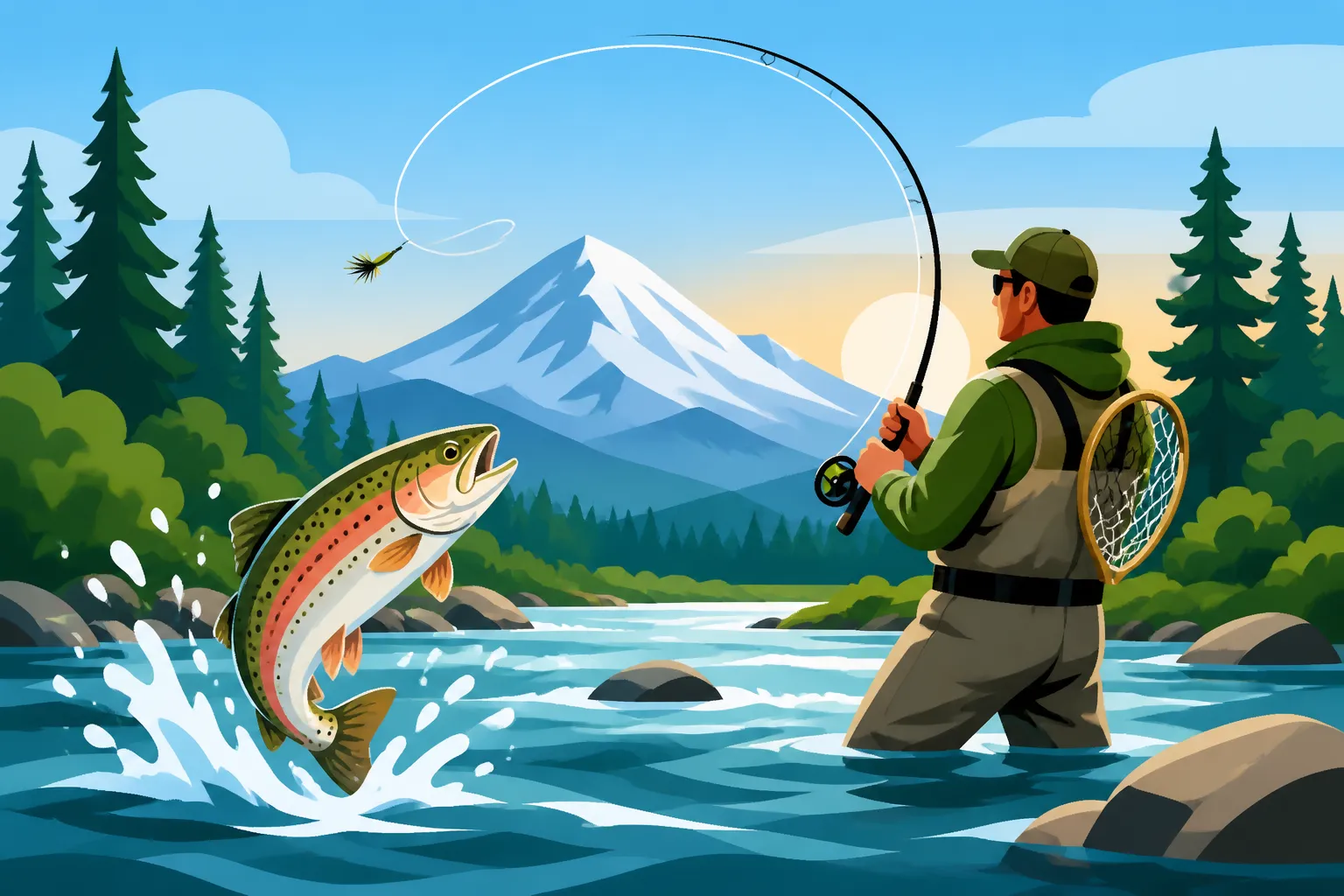
The Deschutes River, particularly its upper and middle sections, is a legendary fly fishing destination. Guides here are typically fly fishing specialists, intimately familiar with entomology, dry fly presentations, nymphing techniques, and the habits of the river's wild trout and summer steelhead. A Deschutes River Fly Fishing Guides trip can range from walk-and-wade excursions to multi-day drift boat trips through canyons, offering unparalleled scenery and technical fishing.
High-Cascade lakes like Crane Prairie Reservoir, Wickiup Reservoir, and East Lake are famous for trophy trout and vibrant kokanee salmon. Guides on these lakes often employ trolling techniques with specialized gear to target these deep-dwelling fish. They understand the intricacies of water depth, thermoclines, and specific lures or baits that trigger bites. If you're looking for a relaxing day with beautiful views and good trout or kokanee action, a Central Oregon lake guide is an excellent choice. Many guides also operate on smaller, more secluded waters, offering a truly unique experience away from the crowds, often knowing Best high mountain lake fishing near Bend.
Pacific Ocean Halibut, Tuna, Rockfish
For the ultimate offshore adventure, Oregon's Pacific Ocean charters offer exhilarating opportunities for big game fish and abundant bottom dwellers. These trips typically depart from major coastal ports like Newport, Depoe Bay, and Charleston.
Halibut fishing is a highly sought-after experience, with specific seasons and depth requirements. Guides operating Halibut Charter Trips off Newport know the precise offshore banks and pinnacles where these flatfish congregate. It requires specialized heavy tackle and often a long boat ride, but the reward of landing a large halibut is immense. These trips are heavily dependent on weather and specific season dates, which guides track meticulously.
Further offshore, Albacore Tuna fishing offers a fast-paced, high-action experience, usually in late summer and early fall. Guides will chase warm water currents where tuna feed, often employing trolling with multiple lines. Tuna Charter Trips off Oregon can be long, often 10-12 hours or even overnight, but when the tuna bite is on, it's an adrenaline-fueled frenzy.
Closer to shore, bottom fishing for a variety of rockfish (like black rockfish, vermilion rockfish, and yelloweye) and aggressive lingcod is a consistent option. These trips are typically shorter and less susceptible to weather, making them ideal for families or those prone to seasickness. Guides know the locations of underwater reefs and rock piles where these species live and use jigs or bait to tempt them. A Bottom Fishing Charters in Oregon trip is a great way to fill your cooler with delicious fish. These guides are also adept at navigating the challenging coastal bars and understanding the ever-changing ocean conditions, ensuring a safe and productive outing.
Common Questions About Oregon Fishing Guides
It's completely normal to have a few lingering questions when you're thinking about booking a fishing guide. It's an investment in an experience, and you want to be sure you're making the right choice. Let's tackle some of the most frequently asked questions about Oregon fishing guides.
Are Licenses Included with a Guide Service?
This is a common misconception, and the answer is almost universally no. While your guide provides all the necessary equipment, their expertise, and the boat, they cannot legally provide you with a fishing license or any required tags or endorsements. Every angler who is 12 years of age or older must purchase their own Oregon Fishing License Types Explained before stepping onto the boat or fishing from the bank.
Think of it like this: your guide is a service provider, but the license is a personal permit issued by the state. You are ultimately responsible for ensuring you are legally allowed to fish. Reputable guides will clearly communicate this requirement during the booking process and often provide links or instructions on Where to Buy an Oregon Fishing License, including options to purchase online from the Oregon Department of Fish and Wildlife. It's crucial to purchase these well in advance of your trip to avoid any last-minute stress or delays. Failing to have the correct license and tags can result in fines and ruin your day on the water, so always make this a top priority.
What Happens if the Weather is Bad?
Bad weather is an unfortunate reality of outdoor pursuits, especially in a state like Oregon with its dynamic climate. Reputable fishing guides and charter operators always prioritize client safety and will have clear policies in place for inclement weather.
If the weather forecast predicts conditions that are unsafe or would make fishing highly unpleasant (e.g., extremely high winds, heavy seas, lightning storms, or flash flood warnings for rivers), the guide will typically contact you in advance to discuss options. This usually involves:
- Rescheduling: The most common solution is to reschedule your trip for another available date. This is often preferred by both the client and the guide, as it allows for a better experience.
- Refund: If rescheduling isn't possible, a reputable guide will offer a full refund for your deposit or the trip cost.
- Alternative Trip: In some cases, if, for example, an ocean charter is canceled due to rough seas, the guide might offer an alternative, calmer bay or estuary trip if it's safe and aligns with your interests, though this is less common and depends on their capabilities.
It's important to understand that "bad weather" doesn't always mean a trip is canceled. A little rain or moderate wind on a river might just mean you need better rain gear! However, a guide will make the ultimate decision based on their professional judgment and safety protocols. Always discuss their specific weather policy when booking, so you know what to expect.
Can Beginners or Families Enjoy a Guided Trip?
Absolutely! Guided fishing trips are an excellent option for beginners, families with children, or anyone looking to learn and experience fishing without the pressure of figuring everything out on their own. In fact, many guides specialize in Oregon Family-Friendly Fishing Charters or trips for novice anglers.
- For Beginners: Guides provide patient instruction on casting, rigging, identifying bites, and safely handling fish. They remove the intimidation factor, allowing new anglers to focus on learning and having fun. They'll ensure you have the correct Oregon Fishing Techniques for Beginners and give you hands-on assistance.
- For Families: Guides are often great with kids, making the experience engaging and exciting. They know how to keep children entertained and involved, fostering a love for the outdoors and fishing. Many boats are set up to be comfortable and safe for younger passengers. They can explain Oregon Fishing Rules for Kids and Seniors in an easy-to-understand way.
- Stress-Free Experience: With a guide, all the logistics are handled. You don't need to worry about navigation, finding fish, dealing with tackle, or understanding complex regulations. This means you can simply relax, enjoy the scenery, and wait for that exciting tug on your line.
A good guide adapts their teaching style and approach to the skill level and interests of their clients, ensuring everyone, from the most seasoned angler to the absolute novice, has a fantastic and memorable day on the water.
What are the Typical Catch Rates with a Guide?
This is perhaps the most common question, and it's an understandable one. While guides work incredibly hard to put you on fish and maximize your chances, it's crucial to remember that fishing is fishing, not catching. There are no guarantees when it comes to wild animals and natural environments.
However, the benefit of hiring a professional guide is that they significantly increase your odds of success compared to going out on your own. They leverage their local knowledge, experience, and specialized equipment to put you in the best possible position to encounter fish. This includes:
- Knowing productive spots: They know where fish are likely to be holding at different times of the year and under varying conditions.
- Understanding fish behavior: They can interpret subtle cues from the environment and fish movements.
- Using proven techniques: They employ the most effective fishing methods and tackle for the target species.
- Adapting quickly: If one spot isn't working, they'll quickly move to another, constantly searching for active fish.
While a guide can't control whether a fish decides to bite, they provide the best possible chance. You'll often hear guides say, "I can guarantee a clean boat, safe trip, and my best effort, but I can't guarantee fish." This realistic approach is essential. Focus on the overall experience, the learning opportunity, and the beautiful surroundings, and let the fish be a bonus. Many times, you'll be pleasantly surprised by the success you achieve with a seasoned pro at the helm!
Making the Most of Your Guided Experience
You've invested your time and money into a guided fishing trip, so why not make sure you squeeze every bit of enjoyment and learning out of it? Being an engaged and respectful client not only enhances your own experience but also makes the guide's job more enjoyable and productive. It’s a partnership focused on having a great time on the water.
Active Participation and Learning
Don't just be a passenger on your guided trip; be an active participant! This isn't just about reeling in fish; it's about soaking up the knowledge and experience your guide is eager to share. Ask questions, even if you think they're silly. Why are we fishing this spot? What kind of structure are we looking for? What makes this bait effective? A good guide loves to teach, and your curiosity fuels their passion.
Pay attention to their instructions on casting techniques, lure presentation, or how to properly set the hook. Practice what they teach you. The more engaged you are, the more you'll learn and the more satisfying the trip will be, regardless of the catch count. This proactive approach allows you to develop new skills that you can apply to your future fishing adventures. It's a fantastic opportunity to deepen your understanding of Oregon Salmon Fishing Techniques or Oregon Trout Fishing Techniques from a true expert.
Remember, the guide is there to help you become a better angler. They're not just a taxi to a fishing hole; they're a mentor. Embrace the opportunity to absorb their insights into fish behavior, local ecology, and effective strategies. You'll leave not just with memories, but with enhanced skills and knowledge.
Respecting Your Guide and the Environment
A guided fishing trip is a professional service, and showing respect for your guide and their equipment is paramount. This includes being on time for your scheduled departure, listening attentively to safety briefings, and following their instructions while on the water. Their boat and gear are their livelihood, so treat them with care. If you're unsure about something, ask rather than assuming.
Beyond respecting your guide, it's vital to respect the environment you're fishing in. Oregon's natural beauty and abundant fisheries are precious resources that require our collective stewardship. This means:
- No Littering: Pack out everything you pack in. Do not leave trash on the boat or in the water.
- Responsible Fish Handling: If you're practicing catch and release, handle fish gently and minimize their time out of the water, especially for vulnerable species like steelhead. Your guide will demonstrate proper techniques.
- Adhering to Regulations: Trust your guide's knowledge of Oregon Fishing Regulations Explained and follow all rules regarding bag limits, size restrictions, and seasons.
- Minimizing Impact: Be mindful of your surroundings. Avoid disturbing wildlife or sensitive habitats.
By showing respect, you contribute to a positive experience for everyone and help preserve Oregon's fishing future. Many guides are passionate conservationists, and they appreciate clients who share that same dedication to protecting these incredible resources.
Capturing Memories Responsibly
It's natural to want to capture the excitement and beauty of your guided fishing trip with photos and videos. These memories will last a lifetime, and your guide is often happy to help you get great shots of your catch or the stunning scenery. However, it's important to do so responsibly and in a way that doesn't detract from the fishing or harm the fish.
When photographing a fish you plan to release, prioritize the fish's well-being. Keep it in the water as much as possible, use wet hands when handling, and minimize the time it's out of its element for a quick photo. Your guide will be an expert at holding the fish for a picture in a way that's both flattering for the photo and safe for the fish. For longer videos, consider using a GoPro or similar action camera, which can be less intrusive than constantly pulling out a phone.
Always ask your guide before taking extensive photos or videos, especially if it involves moving around the boat or delaying the fishing. They might have specific preferences or advice. Some guides even offer professional photo packages or will take photos for you throughout the day and share them afterward. Remember, the experience itself is the primary goal, and capturing memories should complement, not overshadow, the adventure of fishing. After a long day, you'll want to remember the Best Places to Fish in Oregon you visited and the fish you caught.
Disclaimer
This article is for general informational purposes only and does not constitute professional advice. Laws, prices and regulations vary by location and change over time. Consult a qualified professional for guidance on your specific situation.