Oregon Trout Species Guide
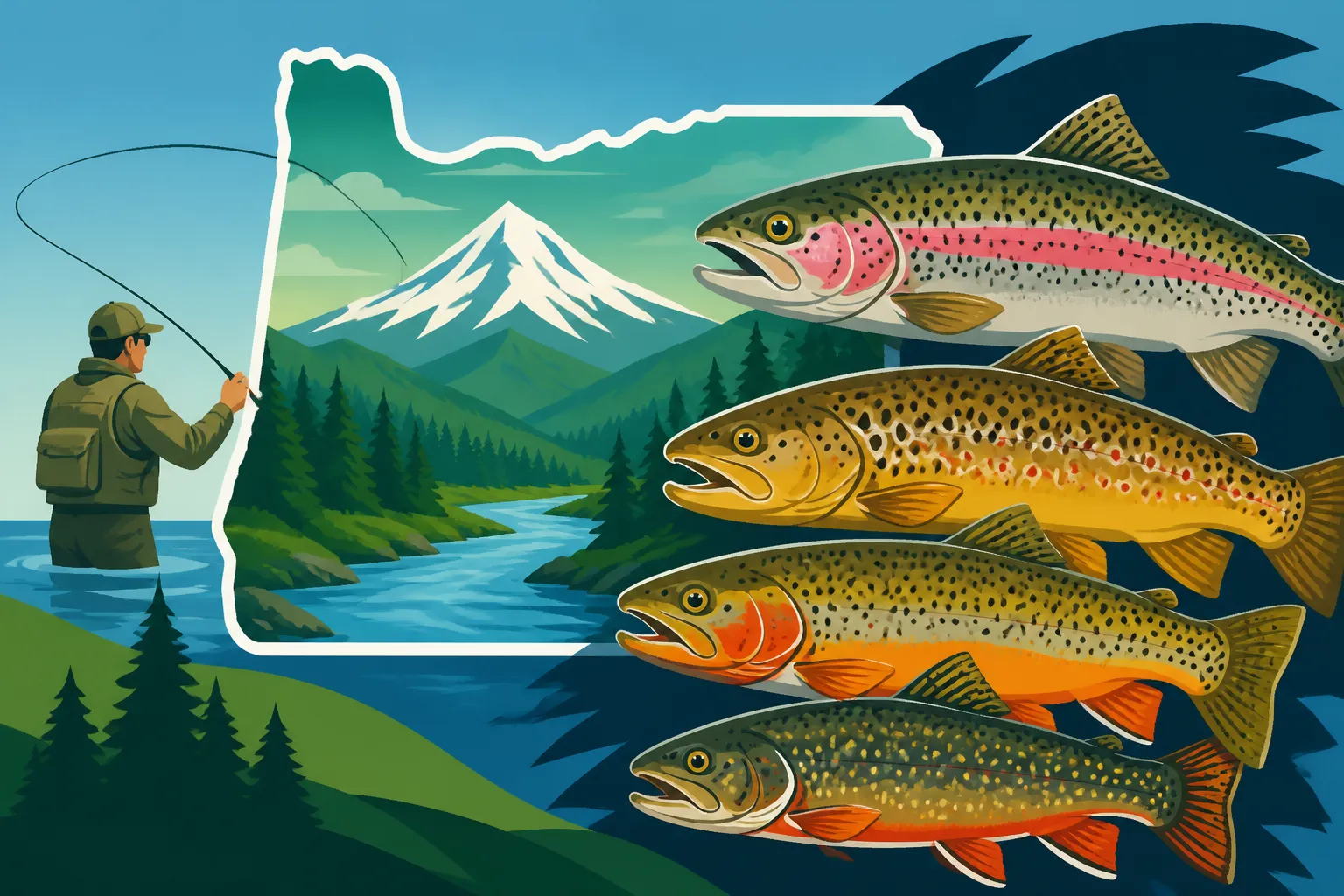
If you've ever spent a beautiful day by an Oregon stream or lake, only to pull out a feisty fish and wonder, "What kind of trout is this, anyway?" you're definitely not alone. With our state's incredible diversity of waterways, from high mountain lakes to coastal rivers, it can feel like a guessing game trying to distinguish between a native, a stocked fish, or even a different species entirely. This guide is here to untangle that confusion, walking you through the fascinating world of Oregon's trout, helping you identify what you've caught, and giving you insights into where and how to find them.
Understanding Oregon's Trout Landscape
Oregon truly is an angler's paradise, boasting an impressive array of trout species that inhabit our diverse aquatic ecosystems. But before we dive into the specifics of each one, it's really helpful to understand the broader context of how these fish came to be in our waters, and the classifications we use to talk about them. It's not just about what they look like, but also their history and their role in our state's fishing heritage.
Native vs. Introduced Trout Populations
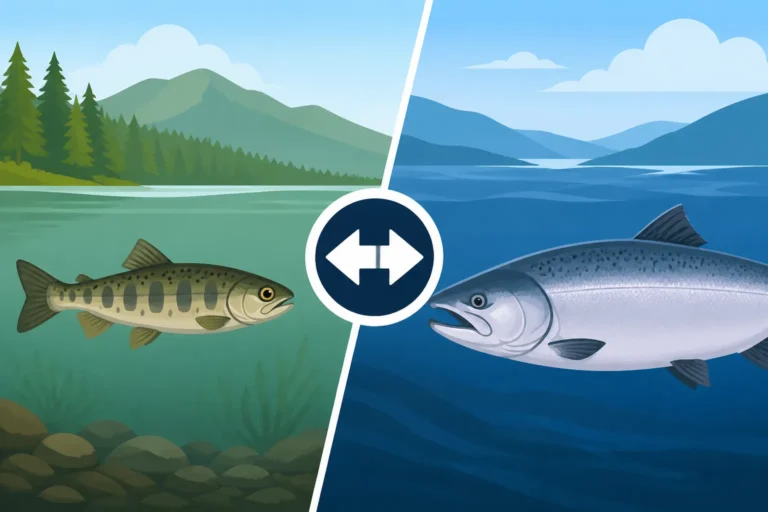
When we talk about trout in Oregon, it's crucial to distinguish between those that are native to our waters and those that have been introduced, often from other parts of the country or even the world. Our native trout, like the Coastal Cutthroat and the Redband, evolved here, adapting over millennia to the specific conditions of our rivers and streams. They are integral parts of the natural ecosystem, and their populations often face unique conservation challenges.
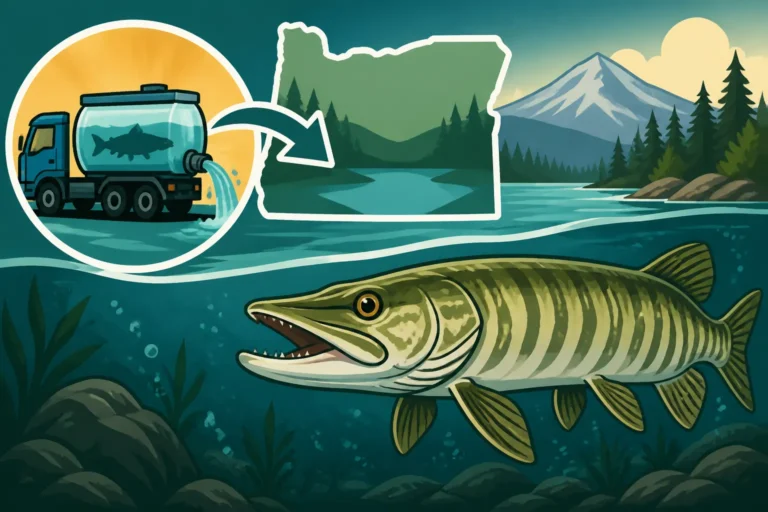
On the other hand, many popular trout species, such as the ubiquitous Rainbow Trout and the wily Brown Trout, were introduced to Oregon. These introductions, often dating back over a century, were typically done to enhance sport fishing opportunities. While they provide fantastic angling, they can also sometimes compete with or impact native species. Understanding this distinction helps us appreciate the delicate balance of our aquatic environments and the conservation efforts underway to protect our unique native fish.
Hatchery vs. Wild Trout: What's the Difference?
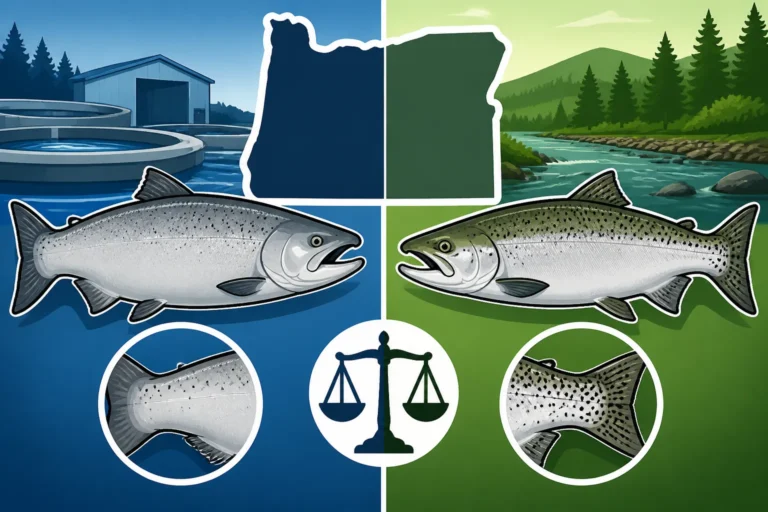
Another common point of confusion is differentiating between hatchery-raised trout and wild trout. You'll hear these terms thrown around a lot in fishing circles, and for good reason! Hatchery trout are raised in controlled environments, typically state-run hatcheries, and then released into lakes and rivers to bolster populations, especially in heavily fished areas or where natural spawning is limited. These fish are often quite eager to bite and can be a fantastic target for beginners or those looking for more consistent action.
Wild trout, conversely, are born and raised entirely in their natural habitat. They're often harder to catch, having developed keen instincts for survival in the wild. They tend to be more brightly colored, more streamlined, and incredibly strong fighters. Many anglers prize wild trout not just for the challenge they present, but also for their pristine beauty. A key identifier for hatchery trout is often a "fin clip"—a small, clean cut on one of their fins, usually the adipose fin (the small fleshy fin between the dorsal and tail fin). This clip signifies that the fish was hatchery-raised. Remember that rules for keeping wild versus hatchery trout can vary significantly, so always consult the Oregon Fishing Regulations Explained before you head out.
General Trout Fishing Regulations in Oregon
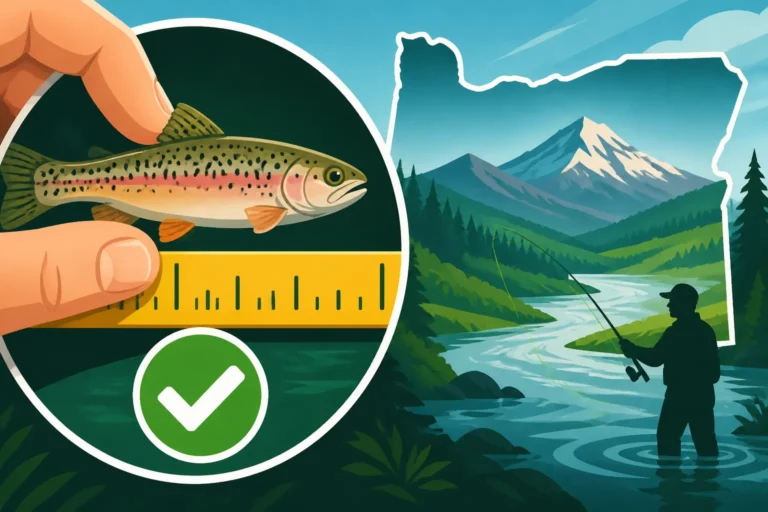
Before you even cast a line, knowing the general rules for trout fishing in Oregon is non-negotiable. Our state has a robust set of regulations designed to protect fish populations and ensure sustainable angling for generations to come. These rules can vary widely depending on the specific water body, the time of year, and even the species of trout you're targeting. For instance, some rivers might be "fly fishing only" or "catch-and-release only" for certain species, while others may allow bait and have generous bag limits.
It’s your responsibility as an angler to be familiar with the current regulations. You can find detailed information in the official Oregon Sport Fishing Regulations booklet, available online or at most license vendors. This booklet will cover topics like daily bag limits, size restrictions, specific gear restrictions (like barbless hooks in certain areas), and open seasons. Failing to adhere to these rules can result in significant penalties, so make it a habit to check the regulations for your chosen fishing spot every single time. It's also a good idea to secure your Oregon Fishing License Guide well in advance of your trip.
The Iconic Rainbow Trout
When most people think of a "trout," the image that often comes to mind is the vibrant Rainbow Trout. These beautiful fish are arguably the most popular and widely distributed trout species in Oregon, beloved by anglers of all skill levels for their spirited fight and stunning appearance. Whether you're a seasoned fly fisherman or taking a kid out with a bobber for the first time, chances are you'll encounter a rainbow trout.
Identifying Characteristics of Rainbow Trout
Rainbow Trout (Oncorhynchus mykiss) are truly a sight to behold, living up to their name with dazzling colors. They typically feature a greenish-blue back that fades into silvery sides, often adorned with a prominent, iridescent pink or red stripe running horizontally along their lateral line, from gill plate to tail. Their entire body, from head to tail, is usually covered in small, distinct black spots. The fins are generally clear or slightly cloudy, and the tail fin is broad and slightly forked.
Juvenile rainbow trout might have parr marks (dark vertical bars) along their sides, which tend to fade as they mature. The intensity of their colors can vary quite a bit depending on their habitat, diet, and whether they are hatchery-raised or wild. Wild rainbows in pristine streams often display more vivid hues. Steelhead, by the way, are essentially sea-run rainbow trout, exhibiting a more silvery, anadromous form, but genetically they are the same species. You can learn more about this incredible fish in our Rainbow Trout in Oregon guide.
Where to Find Rainbow Trout in Oregon
Oregon's fishing opportunities for rainbow trout are incredibly widespread, truly offering something for everyone. You'll find them thriving in countless lakes, reservoirs, and rivers across almost every region of the state. Many of Oregon's smaller lakes and ponds, particularly near urban centers and in the high Cascades, are regularly stocked with hatchery rainbow trout, making them fantastic, accessible spots for family outings and beginner anglers. These include popular destinations like Henry Hagg Lake, Timothy Lake, and many of the smaller forest service lakes.
For those seeking wild rainbow trout, you'll want to explore the clear, cold, well-oxygenated rivers and streams of the Cascades and eastern Oregon. Rivers like the Deschutes, Metolius, and Crooked River are famous for their healthy populations of wild redband trout, a subspecies of rainbow. Even many coastal rivers, once past their tidewater sections, hold resident rainbow trout populations. Check out our guides on Best Lakes to Fish in Oregon and Best Rivers to Fish in Oregon for specific locations.
Effective Techniques for Catching Rainbow Trout
Rainbow trout are incredibly adaptable and can be caught using a wide variety of fishing techniques, making them a great target for experimenting with different methods. For stocked trout in lakes and ponds, simple bait rigs are often highly effective. PowerBait, worms, corn, or small marshmallows fished near the bottom or suspended under a bobber can produce consistent results. Small spinners, spoons, and jigs also work wonders, especially in the shallower sections of these lakes. Many anglers find success by casting small lures, like a Rooster Tail or a Panther Martin, from shore or a small boat. You can find a vast array of these tried-and-true trout baits and lures, often with helpful reviews, on platforms like Amazon.
For wild rainbow trout in rivers and streams, fly fishing is often the method of choice. Dry flies, nymphs, and streamers all have their place depending on the season and the insect hatch. Drifting a nymph pattern under an indicator, or casting a perfectly presented dry fly to a rising fish, can be incredibly rewarding. Spinners and small spoons can also be effective in rivers, especially during higher flows. Regardless of your chosen method, presentation is key – wild trout are much warier than their hatchery counterparts. Our Oregon Trout Fishing Techniques article dives deeper into these methods.
Coastal Cutthroat Trout: The Pacific Gem
The Coastal Cutthroat Trout (Oncorhynchus clarkii clarkii) is a quintessential Oregon native, embodying the wild spirit of our coastal drainages. These fascinating fish have a unique lifecycle and a striking appearance that sets them apart from their rainbow relatives. For many, catching a chrome-bright sea-run cutthroat is a true highlight of fishing our coastal rivers and estuaries.
Unique Features of Coastal Cutthroat Trout
The most distinctive feature of a Coastal Cutthroat Trout, as its name suggests, is the vibrant red or orange "cutthroat" slash found on the underside of its jaw. This mark is almost always present, though its intensity can vary. Their body color typically ranges from brassy green to dark olive on the back, fading to silvery sides and a white belly. They are heavily spotted, with black spots scattered across their back, sides, and fins, often extending onto the head. Unlike rainbow trout, their spots tend to be more irregularly shaped and clustered towards the tail.
Coastal cutthroat also tend to have a larger mouth that extends beyond the eye. They typically don't grow as large as steelhead or some rainbow trout, with most specimens in rivers ranging from 8 to 16 inches, though larger sea-run individuals can occasionally reach over 20 inches. Their smaller size doesn't mean they lack fight; these fish are incredibly aggressive and feisty, especially the sea-run variety. Discover more about their traits in Coastal Cutthroat Trout in Oregon.
Habitat and Distribution of Coastal Cutthroat
Coastal Cutthroat Trout are uniquely adapted to the dynamic environments of Oregon's coastal regions. You'll find them predominantly in the rivers, streams, estuaries, and even small coastal lakes that drain directly into the Pacific Ocean. Unlike some salmon and steelhead, which undertake long ocean migrations, sea-run cutthroat tend to stay closer to shore, moving between freshwater and saltwater systems. They are often found in the lower and middle reaches of coastal rivers, as well as the brackish waters of estuaries and bays.
These trout prefer cool, clear water with ample cover, such as fallen logs, undercut banks, and overhanging vegetation. They are often less tolerant of warmer water temperatures than rainbow trout. Some populations are entirely resident, spending their entire lives in freshwater, while others are anadromous, migrating to the ocean for a period before returning to spawn. This makes them a fascinating target for anglers in places like the Nestucca, Alsea, and Siletz Rivers, among many others along the Oregon Coast.
Angling Strategies for Coastal Cutthroat Trout
Fishing for Coastal Cutthroat Trout can be an incredibly engaging experience, especially when targeting the aggressive sea-run fish. In estuaries and tidewater sections, small spinners, spoons, and even fly patterns imitating baitfish are highly effective. Casting into current seams, around pilings, or near submerged structure can often elicit a strike. Many anglers use light tackle to maximize the fun, as even a 12-inch cutthroat can put up an impressive fight.
When they move into freshwater rivers and streams, they can be targeted with similar lures, as well as traditional trout baits like worms or salmon eggs. Fly fishing for cutthroat is also very popular, with patterns like muddler minnows, sculpin imitations, and various attractor patterns working well. They are often less selective than other trout, making them a good species for fly anglers honing their skills. Early mornings and evenings often provide the best action. You might even find some useful beginner's fly fishing kits on Amazon that are perfect for targeting cutthroat.
Redband Trout: Oregon's Desert Survivor
The Redband Trout (Oncorhynchus mykiss gairdneri and other subspecies) is a unique and resilient native subspecies of rainbow trout, perfectly adapted to the often-harsh, arid environments of eastern and central Oregon. These fish are renowned for their vibrant colors and their ability to thrive in waters that might seem inhospitable to other trout. For many fly anglers, targeting wild redband trout is a pilgrimage to some of Oregon's most iconic waters.
Distinguishing Redband Trout Traits
While genetically a subspecies of rainbow trout, Redband Trout have evolved distinct characteristics tailored to their specific environments. They typically exhibit a more pronounced red or orange stripe along their lateral line, often more vibrant than coastal rainbows. Their bodies are usually olive green to golden brown on the back, fading to yellowish or silvery sides, with a creamy white belly. The black spotting is usually more irregular and can be quite heavy on the tail and dorsal fins.
A key distinguishing feature, particularly in some populations, is a vibrant reddish or orange color on the gill plates and often faint red slashes under the jaw, similar to a cutthroat, though not as distinct. Their scales can often appear larger and more prominent than other rainbows. These fish are incredibly hardy, capable of tolerating warmer water temperatures and more alkaline conditions than most other trout species. Sizes vary, but trophy redbands in rivers like the Deschutes can exceed 20 inches, offering a truly memorable battle.
Key Redband Trout Rivers and Lakes
Oregon's redband trout populations are primarily found east of the Cascade Mountains, inhabiting the high desert rivers, streams, and lakes that characterize this region. The most famous redband fishery in Oregon, and arguably one of the best in the world, is the Deschutes River. Here, native redbands thrive in the nutrient-rich, spring-fed waters, growing to impressive sizes. Other notable redband waters include the Crooked River, the Blitzen River in southeastern Oregon, and various tributaries of the John Day River.
You'll also find redbands in many of the high desert lakes and reservoirs, such as Paulina Lake and East Lake near Bend, where they often grow quite large. These habitats offer a stark contrast to the lush coastal streams, with open sagebrush landscapes defining the scenery. Exploring these waters for redbands offers not just incredible fishing, but also a chance to experience some of Oregon's most unique and rugged natural beauty. Consider checking guides like Deschutes River Fishing Guide for detailed information.
Fly Fishing for Redband Trout
Fly fishing is by far the most popular and often most effective method for targeting wild Redband Trout. These fish are highly attuned to insect hatches, and matching the hatch with appropriate dry flies, nymphs, or emergers is often the key to success. The Deschutes River, in particular, is famous for its prolific stonefly, caddis, and mayfly hatches, providing incredible dry fly opportunities. A solid fly rod and reel combo, which you can easily find on Amazon, along with a good selection of local patterns, will be essential.
Nymphing is consistently effective, especially during periods when fish aren't actively rising. Indicator nymphing, tight-line nymphing, and even swinging soft hackles can all produce strikes. During colder months, streamer patterns can entice larger, more aggressive redbands. Since redbands are known for their strong currents and powerful runs, using appropriate tackle and practicing good fish handling techniques for Oregon Catch-and-Release Rules are essential to ensure these magnificent native fish continue to thrive.
Brown Trout: An Elusive European Import
The Brown Trout (Salmo trutta) is an exciting and challenging species for Oregon anglers, known for its elusive nature and its potential to grow to truly impressive sizes. Originating from Europe, these beautiful fish were introduced to Oregon's waters over a century ago and have since established healthy populations in select locations, offering a different kind of angling challenge compared to our native trout.
How to Identify a Brown Trout
Brown Trout have a distinct appearance that generally makes them easy to identify, especially once you've seen a few. Their coloration is typically a golden-brown or olive-brown on the back, fading to yellowish-brown or cream on the sides, and a lighter belly. They are characterized by numerous dark spots with pale halos (often red or orange in color) on their sides, extending onto the gill plates and dorsal fin. These spots are often fewer and larger than those on a rainbow or cutthroat.
A key identifier is their square or slightly forked tail, which usually lacks the heavy spotting seen on rainbows. The adipose fin is often reddish-orange. Brown trout also tend to have a more prominent lower jaw than rainbow trout, and their body shape can be a bit chunkier, especially in larger, older fish. They are known for their nocturnal feeding habits and incredible wariness, making them a prize catch for any angler. Learn more about them in Brown Trout in Oregon.
Prime Brown Trout Locations in Oregon
While not as widespread as rainbow trout, Oregon boasts several excellent brown trout fisheries, particularly in central and southern parts of the state. Many of these populations are self-sustaining, providing consistent opportunities for anglers willing to put in the effort. The Crooked River and the Deschutes River (below Bend) are known for their healthy populations of wild brown trout, offering a challenging fly-fishing experience.
Other notable brown trout waters include several high Cascade lakes and reservoirs, such as Paulina Lake, East Lake, and Wickiup Reservoir, where browns can grow to substantial sizes by feeding on smaller fish. Emigrant Lake near Ashland and the Ana River in eastern Oregon are also known for producing quality brown trout. These fish thrive in waters with good cover, like log jams, undercut banks, and deep pools, often preferring slightly warmer temperatures than some native trout.
Pursuing Trophy Brown Trout
If you're dreaming of a trophy-sized trout, targeting brown trout is often your best bet in Oregon. These fish are known for their predatory nature and their willingness to ambush larger prey. For this reason, streamers and baitfish imitations are highly effective, particularly when fished during low light conditions or at night, which is when the largest browns often feed. Big lures like Rapalas, Kastmasters, or larger soft plastics can also tempt these giants.
Fly anglers will often use larger streamer patterns, like Woolly Buggers or articulated flies, stripped aggressively through deep pools or along shadowed banks. Fishing during the fall spawning season can also yield larger fish, though anglers must be extra mindful of spawning beds and sensitive areas. Patience and persistence are key when chasing trophy browns, as their wary nature means you might only get a few chances in a day. Investing in a good headlamp and durable fishing vest, available on Amazon, can be really helpful for those early morning or late evening pursuits.
Brook Trout: The Colorful Easterner
The Brook Trout (Salvelinus fontinalis), despite its name, is technically a char, but it's universally known and fished as a trout. Native to eastern North America, these spectacularly colored fish have found a home in many of Oregon's colder, higher-elevation waters, offering a vibrant and often abundant angling experience in picturesque settings.
Characteristics and Appearance of Brook Trout
Brook Trout are arguably one of the most beautiful freshwater fish you'll encounter. Their backs are typically dark olive green, often adorned with wavy, worm-like markings called "vermiculations." Their sides are lighter, ranging from green to brownish, and are speckled with both light spots and striking red or orange spots surrounded by blue halos. Their belly can range from white to vibrant orange or red, especially in spawning males.
A defining feature is the white leading edge on their pectoral, pelvic, and anal fins, often backed by a black stripe, giving them a distinctive "painted" look. Their tail fin is typically square or slightly emarginate. While brook trout rarely exceed 12 inches in Oregon, they make up for their size with their incredible beauty and willingness to bite. They are usually found in very cold, clear water, often in environments that other trout might find too chilly. Learn more about this species in Brook Trout Fishing.
Where Brook Trout Thrive in Oregon
In Oregon, Brook Trout are primarily found in the cooler, higher-elevation lakes, ponds, and streams of the Cascade Range and other mountain systems, particularly in central and eastern Oregon. They are often stocked in remote alpine lakes, where they thrive in the cold, oxygen-rich waters. You'll find healthy populations in many of the small, picturesque lakes accessible via hiking trails throughout the Cascades, such as those in the Three Sisters Wilderness or near Mount Hood.
Because they are not native to Oregon and can sometimes outcompete native species (especially cutthroat), there are often very liberal bag limits on brook trout in many areas, and sometimes no size or bag limits at all, encouraging anglers to harvest them. This makes them a fantastic target for those looking to fill a stringer for a fresh meal. They prefer small, spring-fed streams and high-altitude lakes with plenty of cold water and cover.
Fishing for Brook Trout in High Mountain Lakes
Fishing for Brook Trout in Oregon's high mountain lakes is a truly rewarding experience, often combining a scenic hike with excellent angling. These fish are typically quite eager to bite, making them a great target for both experienced and novice anglers. Simple spinning gear with small spinners, spoons, or even just a worm under a bobber can be incredibly effective. Small powerbaits or even bits of hot dog can also work wonders.
Fly fishing for brook trout is also popular, especially with small dry flies like Adams or elk hair caddis, or small nymph patterns. Because they are often abundant, you can sometimes catch a fish on nearly every cast, particularly in less-fished areas. Their aggressive nature and vibrant colors make every catch a joy. Just remember to check the regulations for specific waters, as bag limits can be very generous or even unlimited for these non-native char. A sturdy backpack and some reliable hiking boots, easily found on Amazon, are essential for accessing some of the more remote brook trout fisheries.
Bull Trout: A Protected Native
The Bull Trout (Salvelinus confluentus) holds a special place in Oregon's fishing landscape. Like the brook trout, it's technically a char, but it's a magnificent and ecologically vital native species. Unfortunately, Bull Trout populations have faced significant declines, leading to their protection under the Endangered Species Act in many areas. This means that while you can sometimes fish for them, it's almost always under strict catch-and-release rules.
Identifying Features and Conservation Status
Bull Trout are distinctive and powerful fish. Their coloration varies but is generally olive-green to bluish-grey on the back, fading to lighter sides, with numerous pale, yellowish, or pinkish spots. Unlike many other trout and chars, they lack black spots on their body and fins. Their belly is usually white, though it can become reddish or orange during spawning. They have a large head and mouth, with the upper jaw extending well past the eye. The white leading edge on their pectoral, pelvic, and anal fins, similar to a brook trout, is also a key identifier.
These fish can grow quite large, with some specimens reaching over 25 inches, acting as apex predators in their ecosystems. Their conservation status is paramount; they are listed as a threatened species in many parts of their range, including Oregon. This means that if you catch a bull trout, you must release it unharmed, and often, specific gear restrictions (like single, barbless hooks) are in place to minimize harm. Understanding these rules is critical for ethical angling. For comprehensive details, see Bull Trout in Oregon.
Designated Bull Trout Waters
Due to their protected status, angling opportunities for bull trout in Oregon are highly restricted and often occur in very specific, designated waters where populations are managed carefully. The Deschutes River system, particularly the Metolius River and parts of the mainstem Deschutes, is one of the most well-known areas where anglers might encounter bull trout. These fish thrive in the extremely cold, pristine waters of these drainages.
Other areas with bull trout populations include parts of the Klamath River basin in southern Oregon and various tributaries in the Columbia River Gorge. It's absolutely crucial to consult the current Oregon Fishing Regulations Explained booklet before fishing in any area where bull trout are known to exist. These regulations will clearly state whether retention is allowed (it's very rare and highly regulated if it is), or if catch-and-release with specific gear is mandated. Respecting these rules is vital for the recovery of this magnificent species.
Catch-and-Release Practices for Bull Trout
Given their protected status, adhering to best practices for catch-and-release is non-negotiable when fishing in waters inhabited by bull trout. The goal is to minimize stress and injury to the fish, ensuring its survival after release. Always use single, barbless hooks, which make hook removal much easier and less damaging. Avoid using bait, as fish are more likely to swallow the hook deep, increasing mortality.
When you land a bull trout, keep it in the water as much as possible. Avoid dragging it onto the bank or placing it on dry surfaces. If you need to handle it, do so gently with wet hands, supporting its body. Take photos quickly, and release the fish as soon as possible. Avoid squeezing the fish, especially around its internal organs or gills. By practicing responsible catch-and-release, we all contribute to the conservation of this incredible native species and ensure that future generations can marvel at their beauty. You can find essential catch-and-release tools, like long-nosed pliers and fish-friendly nets, on Amazon to ensure you're well-equipped.
Kokanee Salmon: The Landlocked Sockeye
While not a true "trout," the Kokanee Salmon (Oncorhynchus nerka) is so widely pursued by trout anglers in Oregon that it deserves a special mention in any guide to the state's popular freshwater fish. These landlocked sockeye salmon offer a unique and often fast-paced fishing experience, particularly for those who enjoy boat fishing and specialized techniques.
What Makes Kokanee Unique
Kokanee are essentially sockeye salmon that have adapted to live their entire lives in freshwater lakes, never migrating to the ocean. They are relatively small, typically ranging from 8 to 16 inches in Oregon, though some lakes can produce larger specimens. Their most striking characteristic is their dramatic transformation during the spawning season: their bodies turn a brilliant red, and males develop a pronounced humped back and hooked jaw (kype).
Outside of spawning, their coloration is usually silvery with a dark blue or green back, and they have very few, if any, spots on their body. They are planktivores, meaning they feed primarily on zooplankton, which influences their habitat and fishing techniques. Kokanee are also known for their delicious, firm, orange flesh, making them a highly desirable table fish. They often school in open water, making them a fun target for trolling. Explore more details in Kokanee Salmon in Oregon.
Best Oregon Lakes for Kokanee Fishing
Oregon is blessed with several fantastic Kokanee Salmon fisheries, primarily in large, deep, cold-water lakes and reservoirs. These fish need consistent cold water and a good supply of plankton to thrive. Some of the premier kokanee destinations include Wallowa Lake in northeastern Oregon, known for producing some of the largest kokanee in the state.
Other top spots include Lake Billy Chinook, Detroit Lake, Green Peter Reservoir, Paulina Lake, and East Lake in the Cascade Mountains and central Oregon. These lakes offer ample opportunity to target kokanee throughout the warmer months. These fisheries are often managed with specific bag limits and seasons, so checking the Oregon Fishing Season Dates and Limits is crucial before planning your trip. The social aspect of kokanee fishing, often involving groups trolling together, adds to the appeal.
Specialized Techniques for Kokanee
Catching Kokanee Salmon often requires specialized techniques, particularly trolling from a boat. These fish tend to suspend in open water, often at specific depths, making downriggers or weighted lines essential for reaching them. Small dodgers or flashers rigged ahead of a small lure or baited hook are incredibly effective. Popular lures include wedding rings, small hoochies, or kokanee jigs, often tipped with a kernel of corn, which adds scent and visual appeal.
Still-fishing or jigging for kokanee from a boat can also be productive, especially when schools are located. Light spinning gear or ultralight trolling rods are preferred to handle the spirited fight of these fish. Fish finders are invaluable for locating schools and determining their depth. Learning these specialized techniques can be a learning curve, but the rewards of catching a stringer of delicious kokanee are well worth the effort. You can find all the necessary trolling gear, from downriggers to specific lures, readily available on Amazon.
A Comparative Look at Oregon's Trout Species
To help consolidate the information and provide a quick reference, here's a table summarizing the key identification features, typical sizes, and primary habitats for the main trout (and trout-like salmon) species found in Oregon. This will hopefully serve as a handy guide next time you're wondering just what you've landed!
| Species | Key Identification Features | Typical Size (Oregon) | Primary Habitat | Native/Introduced |
|---|---|---|---|---|
| Rainbow Trout | Greenish-blue back, silvery sides, distinct pink/red lateral stripe, fine black spots over entire body. | 10-20 inches | Widespread in rivers, lakes, reservoirs (stocked & wild) | Introduced |
| Coastal Cutthroat Trout | Brassy green/olive back, silvery sides, prominent red/orange slash under jaw, heavier spots towards tail. | 8-16 inches | Coastal rivers, streams, estuaries, some coastal lakes | Native |
| Redband Trout | Olive green/golden back, yellowish sides, vibrant red stripe, often red gill plates, irregular heavy spots. | 12-24 inches | High desert rivers & lakes (e.g., Deschutes, Crooked) | Native |
| Brown Trout | Golden-brown/olive back, yellowish sides, dark spots with pale halos, few spots on tail, prominent lower jaw. | 12-25+ inches | Select rivers & lakes, often with good cover (e.g., Crooked, Paulina) | Introduced |
| Brook Trout | Dark olive back with worm-like vermiculations, red/orange spots with blue halos, white leading edge on fins. | 6-12 inches | Cold, high-elevation mountain lakes and streams | Introduced |
| Bull Trout | Olive-green back, pale spots (no black spots), large head/mouth, white leading edge on fins. | 15-25+ inches | Pristine, very cold rivers & lakes (e.g., Metolius) | Native (Protected) |
| Kokanee Salmon | Silvery body with dark blue/green back, few/no spots; bright red, humped back (males) during spawning. | 8-16 inches | Deep, cold-water lakes & reservoirs (e.g., Wallowa, Detroit) | Introduced |
Knowing the distinctions between these incredible fish will not only enhance your fishing experience but also deepen your appreciation for Oregon's diverse aquatic ecosystems. Always remember to fish responsibly, follow all regulations, and cherish the opportunity to connect with these beautiful creatures.
Disclaimer
This article is for general informational purposes only and does not constitute professional advice. Laws, prices and regulations vary by location and change over time. Consult a qualified professional for guidance on your specific situation.