What should I bring on an Oregon fishing charter
There’s nothing quite like the thrill of planning an Oregon fishing charter – the salty air, the anticipation of a big catch, the stunning coastal scenery. But then reality sets in: what on earth do you actually need to bring? It's easy to feel overwhelmed, wondering if you'll forget something crucial or pack unnecessary clutter. This guide will walk you through everything you should consider bringing on your Oregon fishing charter, ensuring you're prepared for a fantastic day on the water.
The Essentials: Your Must-Haves for Any Oregon Fishing Charter
When you're heading out on the water, whether it's the vast Pacific Ocean or a bustling bay like Tillamook, there are some non-negotiable items you simply cannot leave behind. Forgetting these can turn an exciting adventure into a frustrating ordeal.
Oregon Fishing License and Endorsements
This is, without a doubt, the most critical item. Think of it as your ticket to participate. Fishing without a valid Oregon fishing license is not only illegal but can result in hefty fines and a spoiled trip. Many anglers, especially those new to Oregon or just visiting, often overlook the specific requirements, like endorsements, which can vary depending on where and what you plan to fish.
For instance, if you're targeting salmon or steelhead, you'll almost certainly need an Oregon Combined Angling Tag. Planning to venture out into the big blue for halibut or rockfish? An Oregon Ocean Endorsement will be a necessity. And if your charter is taking you up the mighty Columbia River, perhaps for sturgeon or fall Chinook, the Oregon Columbia River Basin Endorsement is a must. These aren't just minor details; they're specific legal requirements that wardens actively check. It's always best practice to purchase your license and any required endorsements before you even arrive at the dock. You can often do this online through the Oregon Department of Fish and Wildlife website, or at many sporting goods stores. Make sure it's printed or accessible on your phone, as wardens will ask to see it. It's a small step that makes a huge difference in avoiding any trouble.
Weather-Appropriate Clothing Layers
Oregon weather is famous for its unpredictability. One moment it can be sunny and calm, the next, a chilly fog rolls in, or a sudden squall hits. This is especially true on the water, where conditions can change even more rapidly than on land. The key here is layering, and I can't stress this enough. Start with a moisture-wicking base layer – think synthetic fabrics, not cotton, which holds moisture and makes you cold. Over that, a warm fleece or wool layer is perfect for insulation.
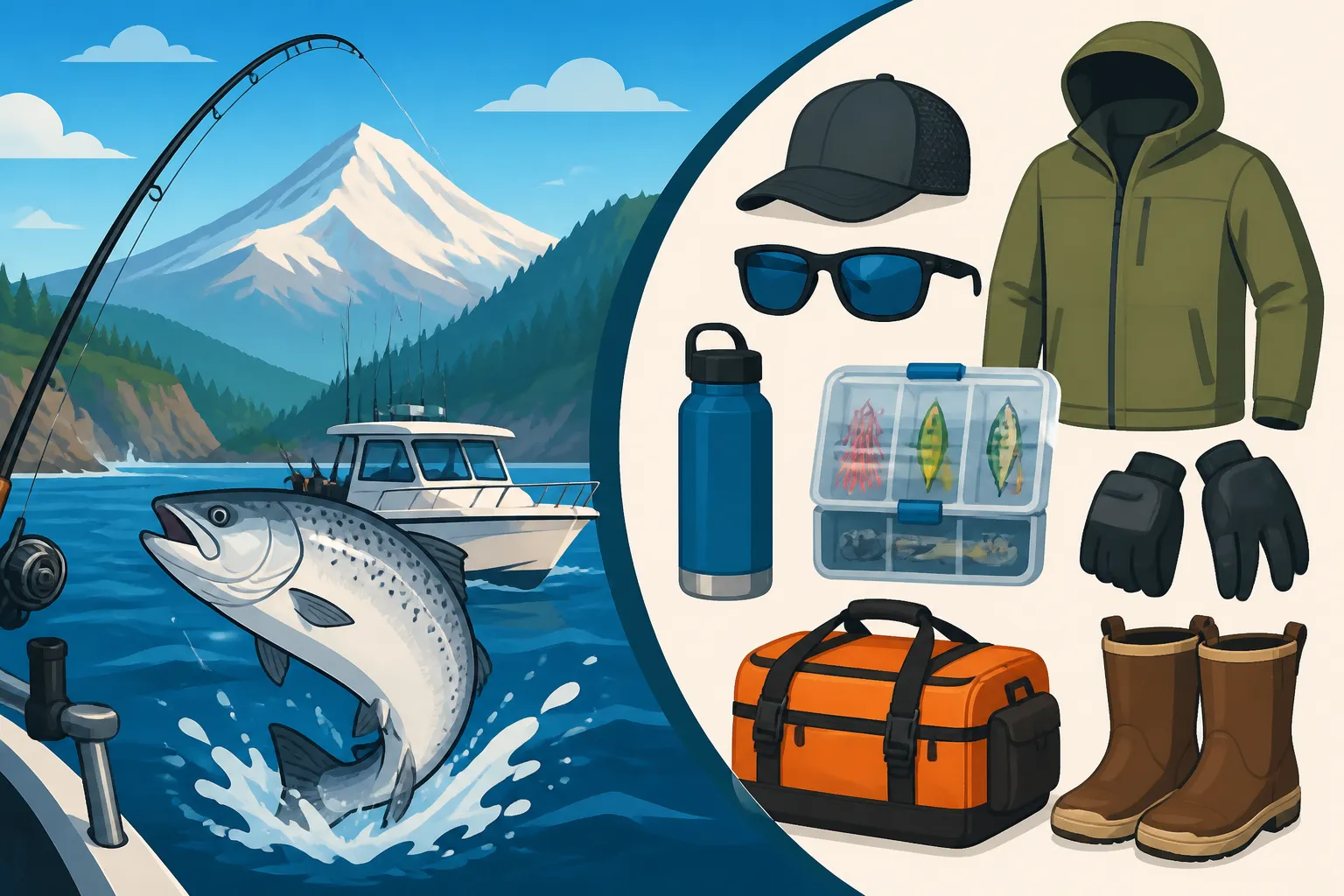
Your outermost layer absolutely must be waterproof and windproof. A good quality rain jacket and rain pants will protect you from sea spray, rain, and the persistent chill of the wind on the open water. Even if the forecast looks clear, pack them. You'll thank yourself if an unexpected shower decides to make an appearance. Don't forget a warm hat, even in summer, as a lot of body heat escapes from your head, and waterproof gloves can be a godsend on a cold, wet day. Finally, choose waterproof, non-slip footwear. Boat decks can be slick, and you'll want solid footing for safety and comfort throughout the day. Boots like XTRATUFS or similar deck boots are popular for a reason.
Food, Hydration, and Personal Comfort Items
A day on an Oregon fishing charter can be long, often starting before dawn and lasting well into the afternoon. That's a lot of time to go without sustenance or comfort. While some charters might provide basic beverages, don't count on a full meal service. Pack plenty of water to stay hydrated – even on cloudy days, you can get dehydrated from wind and activity. Bringing a variety of snacks and a packed lunch is a smart move. Think easy-to-eat items like sandwiches, fruit, granola bars, and trail mix. Avoid anything too greasy or heavy, which can sometimes contribute to motion sickness.
Beyond food and drink, think about personal comfort. Sunglasses are vital to protect your eyes from glare, even on overcast days, and a strap can keep them from flying off into the ocean. Sunscreen is another non-negotiable, as UV rays reflect off the water, increasing your exposure. Lip balm with SPF is also a good idea. If you have a favorite cushion or seat pad, it might make the long hours of sitting more comfortable. And don't forget any specific personal items you might need, like hand sanitizer or a small towel.
Gear and Equipment: What to Bring and What Your Charter Provides
One of the biggest advantages of booking an Oregon fishing charter is that the captain usually provides the specialized fishing gear. This saves you the expense and hassle of transporting rods, reels, and tackle. However, there are still some considerations for your personal items.
Fishing Rods, Reels, and Tackle (Usually Provided, But Check!)
For most recreational anglers, the good news is that your charter will almost certainly provide all the necessary rods, reels, and terminal tackle (hooks, weights, lures, bait). This is standard practice, especially for ocean charters targeting species like salmon, halibut, or rockfish. The captain and crew know what gear works best for the specific fish and conditions you’ll encounter. Using their equipment ensures you're rigged correctly and ready to fish effectively.
However, if you have a favorite rod and reel setup that you're comfortable with, or perhaps a lucky lure, it's always worth checking with the charter operator if you can bring your own. Some anglers prefer the familiarity of their own gear, especially for certain techniques like jigging for lingcod or specific fly fishing setups. For specialized trips, like Deschutes River Fly Fishing Guides, you might even be expected to bring your own fly rod and waders, though the guide will often supply flies. The best way to confirm is to simply ask when you book, or check the charter's website or listing on platforms like FishingBooker, which often detail what's included and what you should bring yourself. It's rare for a charter to charge extra for using their gear, but confirm to avoid any surprises.
Coolers and Fish Care
Once you've successfully landed your prize, you'll want to ensure it stays fresh on the way home. Many charters will have large fish boxes on board where your catch will be stored on ice during the trip. However, for the journey from the dock to your home or lodging, you'll need your own cooler. It's a good idea to bring one that's appropriately sized for the potential catch. A 48-quart or 72-quart cooler is usually a good starting point, but if you're targeting trophy salmon or multiple limits of bottom fish, you might need something larger.
Make sure your cooler is clean and ready with plenty of ice. Some charters offer fish cleaning and filleting services right at the dock, sometimes for an additional fee. This is incredibly convenient, as it means you'll be transporting ready-to-cook fillets rather than whole fish. Again, check with your charter in advance to see if this service is available and what the typical costs are. Proper fish care from the moment it's caught will ensure you enjoy the freshest possible meal.
Photography Equipment and Storage
You're making memories out on the water, and you'll want to capture them! While most modern smartphones have excellent cameras, remember that you'll be on a boat, potentially dealing with water spray, fish slime, and slippery surfaces. A waterproof phone case is highly recommended, or even better, a dedicated waterproof action camera like a GoPro. This gives you peace of mind that your device is protected.
Consider bringing a dry bag or a waterproof backpack for any other electronics, spare batteries, or personal items you want to keep absolutely dry. It's easy for things to get splashed on a boat, even on a calm day. Ensure your camera has a secure strap so it doesn't accidentally end up in the drink when you're excitedly reeling in a fish or posing for a photo. A microfiber cloth can also be handy for wiping off lenses if they get wet. Capturing that triumphant moment with a big Chinook salmon or a hefty halibut is priceless, so plan accordingly to protect your gear.
Health, Safety, and Unexpected Situations
Being prepared for the unexpected is a hallmark of any seasoned angler. Beyond the basic fishing items, it's crucial to consider your health, safety, and comfort for any unforeseen circumstances.
Motion Sickness Prevention and Remedies
Ah, the dreaded seasickness. Even seasoned anglers can fall victim to it, especially on the notoriously rough waters of the Pacific Ocean off the Oregon coast. The key here is prevention. If you're prone to motion sickness or even think you might be, take preventative measures before you even step on the boat. Over-the-counter medications like Dramamine or Bonine work best when taken an hour or so before departure, giving them time to kick in. Patches like Scopolamine, often prescribed by a doctor, are another effective option.
Beyond medication, there are other strategies. Try to get a good night's sleep before your trip and avoid alcohol. On the boat, stay on deck in the fresh air, focus on the horizon, and avoid reading or looking down for extended periods. Gravol ginger chews can also help settle a queasy stomach. It's far better to be overly cautious and take preventative steps than to spend your entire charter trip feeling miserable. Don't let the fear of seasickness keep you from enjoying an Oregon Ocean Charter Fishing adventure, but do plan ahead!
Personal Medications and First-Aid
While charter boats are legally required to carry basic first-aid kits, they are exactly that – basic. If you have any personal medications, whether prescription or over-the-counter, bring them in a waterproof container. This includes things like allergy medicine, pain relievers, insulin, or an EpiPen. Make sure the captain or one of the crew members is aware of any critical medical conditions or medications you might need during the trip, especially if it's an extended journey like a tuna charter.
It's also a good idea to have a small personal first-aid kit with items like band-aids, antiseptic wipes, and any specific items you know you might need. Hooks, fish fins, and slippery decks can lead to minor scrapes and cuts, and having your own supplies means you can address them quickly. Being self-sufficient with your health needs means you won't be relying solely on the boat's supplies, which might be in use for another passenger.
Important Documents and Emergency Contacts
Beyond your fishing license, having a valid photo ID on hand is always a good idea, especially if you're dealing with check-ins or any unexpected situations. Cash can also be incredibly useful. While many places accept cards, cash is king for things like tipping your hardworking deckhands (which is customary and highly appreciated!), buying a post-trip snack, or paying for fish cleaning services at the dock.
Before you leave, make sure someone on shore knows your itinerary – which charter you're with, the expected departure and return times, and the area you'll be fishing. While safety is paramount on regulated charters, it's always wise to have a backup plan and ensure someone knows where you are. Consider having an emergency contact listed on your phone and perhaps a physical card in your wallet, just in case. Platforms like FishingBooker help connect you with reputable charters, giving you some peace of mind.
Special Considerations for Different Types of Charters
Oregon offers a diverse range of fishing experiences, from battling big fish offshore to drifting calm rivers. What you bring might vary slightly depending on the specific type of charter you've booked.
Coastal Ocean Charters (Halibut, Salmon, Bottom Fishing, Tuna)
These trips are often the most demanding in terms of preparation. When you're heading out into the open Pacific for species like halibut, salmon, lingcod, or even albacore tuna, you're looking at potentially rougher waters and more extreme weather. The "layers" advice we talked about earlier becomes even more critical here. Heavy-duty, industrial-grade waterproof and windproof outerwear is your best friend. Think bib-style rain pants and a matching jacket that can withstand constant sea spray and biting winds.
For Oregon Halibut Charter Guide or Oregon Salmon Charter Guide trips, expect potentially longer runs to fishing grounds, meaning more time exposed to the elements. Tuna charters, in particular, can be very long, sometimes covering vast distances offshore, so maximum comfort and preparedness are essential. Extra warm socks, a second set of gloves, and a super-warm hat (maybe even a balaclava or neck gaiter) can make a huge difference. Don't forget that motion sickness medication is almost non-negotiable for many on these trips.
River or Bay Charters (Sturgeon, Salmon, Crabbing)
While generally calmer than ocean trips, river and bay charters still require thoughtful packing. Charters on the Columbia River for sturgeon or salmon, or bay trips for Dungeness crab in places like Yaquina Bay, involve different dynamics. You might not face the same intense waves, but wind, rain, and cold are still very real possibilities.
For Sturgeon Guide Trips on the Columbia or Columbia River Salmon Guide Trips, you'll still need good waterproof outerwear, but perhaps not as heavy-duty as for the ocean. Non-slip, waterproof boots are still crucial. Consider packing an extra pair of dry socks in case your feet get wet. For Crabbing Charter Trips in Oregon, you might be handling crab pots, so durable, waterproof gloves are a must to protect your hands from ropes, barnacles, and chilly water. The emphasis here is often on warmth and practical gear for handling catch in a potentially confined space.
Fly Fishing Guide Trips
If you've booked a dedicated Oregon Fly Fishing Guides trip, especially on rivers like the Deschutes or Metolius, your gear list will look quite different. While the guide will provide flies and often some tackle, serious fly anglers typically bring their own specialized equipment. This includes your preferred fly rod and reel combinations (often specific weights for different species like trout or steelhead), a full fly vest or pack with all your tools and personal fly boxes, and most importantly, your waders and wading boots.
Your waders should be comfortable and appropriate for the water temperature, and your wading boots should offer excellent grip on slippery river rocks. A wading staff can also be a lifesaver for stability in strong currents. Even on a guided trip, bringing your own specific leaders, tippets, and knot-tying tools means you're always ready. Confirm with your guide exactly what they expect you to bring, as some might provide waders and boots, especially for beginners.
Summary of What to Bring
To make it easy, here's a quick overview of what you should consider packing for your Oregon fishing charter:
| Category | Must-Haves | Good to Haves | Check with Charter |
|---|---|---|---|
| Documents | Valid Oregon Fishing License | Photo ID, Cash for Tips | Provided Gear & Tackle |
| Any Required Endorsements | Emergency Contacts | Fish Cleaning Services & Cost | |
| Clothing | Layered Clothing (non-cotton base) | Extra Pair of Socks/Gloves | |
| Waterproof & Windproof Outerwear | Neck Gaiter / Balaclava | ||
| Warm Hat & Waterproof Gloves | Comfortable Seat Cushion | ||
| Non-Slip, Waterproof Footwear | |||
| Personal Care | Water & Snacks / Packed Lunch | Coffee/Hot Beverage in Thermos | |
| Sunscreen & Lip Balm with SPF | Hand Sanitizer | ||
| Sunglasses (with strap!) | Small Towel | ||
| Motion Sickness Medication (taken prior) | Ginger Chews | ||
| Personal Medications | Basic Personal First-Aid (band-aids etc.) | ||
| Fishing Gear | Personal Lucky Lure/Fly | Rods, Reels, Tackle, Bait | |
| Fly Fishing Specific Gear (if applicable) | |||
| Post-Trip | Cooler with Ice for Catch | ||
| Miscellaneous | Waterproof Camera / Phone in Dry Case | Dry Bag for Electronics | |
| Ziploc Bags for small items |
No matter what type of charter you choose, a little planning and preparation will go a long way in ensuring a safe, comfortable, and ultimately successful fishing trip on Oregon's incredible waters. Now go catch some fish!
Disclaimer
This article is for general informational purposes only and does not constitute professional advice. Laws, prices and regulations vary by location and change over time. Consult a qualified professional for guidance on your specific situation.