Do Oregon charters offer refunds for bad weather?
It's incredibly frustrating when you've planned a fantastic fishing trip to the stunning Oregon coast or one of our incredible rivers, only for Mother Nature to throw a curveball and force a cancellation. You're left wondering not just about your lost fishing day, but also about your hard-earned money. This guide is here to shed some light on whether Oregon fishing charters offer refunds for bad weather and what you can generally expect when the skies don't cooperate.
Understanding Weather-Related Cancellations
When you book a fishing charter, you're not just booking a boat; you're booking an experience tied directly to the whims of the weather. And let's be honest, Oregon weather, especially on the coast, can be notoriously unpredictable, shifting from calm seas to tumultuous conditions in a heartbeat.
Safety First: Why Charters Cancel
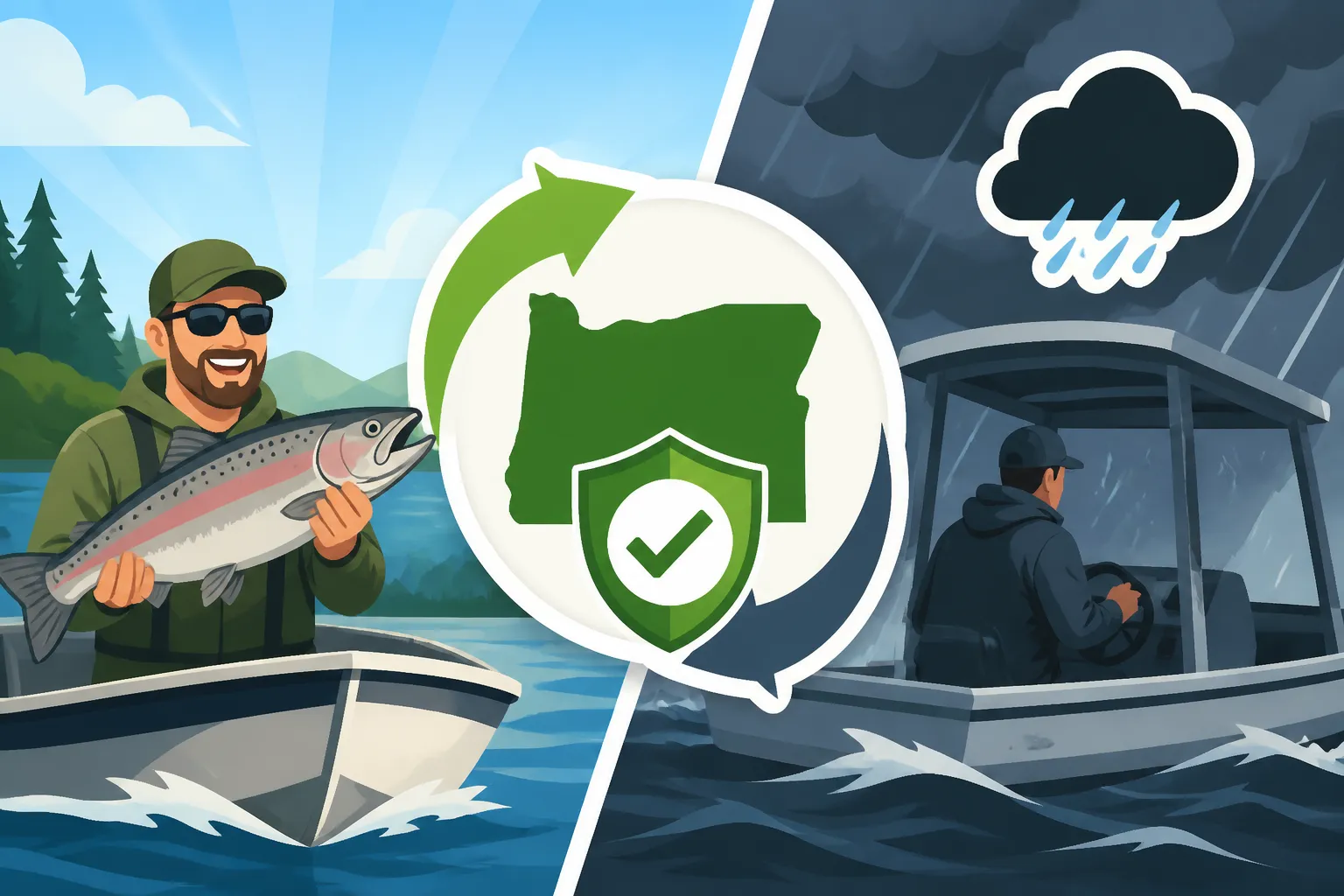
The absolute number one reason a charter captain will cancel a trip isn't to be difficult or ruin your fun – it's for safety, plain and simple. Imagine heading out of Newport or Depoe Bay into the open Pacific when winds are whipping at 30 knots, kicking up significant swells. That's not just uncomfortable; it's genuinely dangerous for everyone on board, from seasoned anglers to first-timers.
Common conditions that lead to cancellations include:
- High Winds: This is probably the biggest culprit for ocean charters. Strong winds create rough seas, making it difficult to navigate, fish effectively, and even stand up safely. It can also make it impossible to deploy gear properly, ruining the fishing experience even if it were safe.
- Large Ocean Swells: Even if the immediate wind isn't severe, large swells generated by distant storms can make for an incredibly bumpy and potentially seasick-inducing ride. Capsizing is a serious concern with exceptionally large, breaking waves.
- Dense Fog: Visibility is crucial for safe navigation, especially in busy shipping lanes or near tricky coastal features. Thick fog can bring operations to a standstill, making it unsafe to leave the dock or return to port.
- Lightning/Thunderstorms: While less common directly offshore, severe electrical storms pose a direct threat to anyone on a boat, which is essentially a giant lightning rod in open water.
Captains are responsible for everyone's well-being. They'd much rather cancel and disappoint you temporarily than risk an accident or an intensely miserable, unsafe trip.
Who Makes the Call?
This is a critical point: the captain of the vessel is the sole authority when it comes to deciding if a trip is safe to proceed. It's not the booking agent, it's not the owner back in the office, and it's certainly not you, the eager angler. They are experienced mariners with an intimate knowledge of local conditions, ocean forecasts, and the capabilities of their vessel. They've spent countless hours on the water and can read the ocean better than any weather app.
Respecting their decision is paramount, even if the weather at the dock seems perfectly fine. The conditions just a few miles offshore or around a treacherous bar crossing can be vastly different. A good captain prioritizes safety above all else, even if it means losing a day's income.
Communication is Key
Reputable charter operations understand the anxiety around weather cancellations. They typically keep a close eye on forecasts and will usually reach out proactively if a cancellation seems likely. It's common for them to make a final call 12 to 24 hours before the scheduled departure, or sometimes even the morning of the trip if the forecast is marginal and conditions are rapidly changing.
Make sure you provide accurate contact information when you book, and respond promptly to any communications. Don't hesitate to reach out to the charter yourself a day or two before your trip if you're concerned about the weather forecast. Clear communication from both sides helps manage expectations and reduces frustration.
The Nitty-Gritty of Refund Policies
Now, let's get to the question everyone wants answered: what happens to your money? While policies can vary, there are some common practices among Oregon fishing charters.
Standard Refund Practices
Most legitimate Oregon fishing charters have a well-defined policy for weather-related cancellations. Here's what you'll typically find:
- Full Refund: This is the most common and generally expected outcome if the charter they cancel due to unsafe weather conditions. If the captain deems it unsafe and calls off the trip, you should receive a full refund of any money paid, including deposits.
- Rescheduling: Often, charters will offer the option to reschedule your trip for another available date. This can be a great option if you have flexibility in your travel plans and are still eager to get out on the water. It saves the charter the hassle of a refund and ensures they still have your business.
- Credit for Future Trip: Sometimes, instead of an immediate refund, a charter might offer a credit to be used for a future trip within a certain timeframe (e.g., one year). This is less ideal if you're a one-time visitor or don't plan to return soon, but it's still a common offering.
It's important to differentiate between a charter cancellation due to weather (which usually warrants a full refund/reschedule) and your decision to cancel because you don't like the forecast. If you cancel, standard customer cancellation policies will apply, which often involve forfeiture of a deposit or a cancellation fee, especially if it's within a short notice period.
Reading the Fine Print: Before You Book
This cannot be stressed enough: always, always read the charter's cancellation policy before you book and pay any money. Don't just assume. Policies can differ significantly from one operation to another, even within the same port like Astoria or Charleston.
When you're looking at charters on platforms like FishingBooker or directly on a charter's website, dig into their terms and conditions. Look for specific language regarding:
- "Captain's Discretion": This is key. It means the captain's decision on weather is final.
- "Weather Cancellation Policy": This section should clearly state what happens if the charter cancels due to weather.
- Refund vs. Reschedule vs. Credit: Understand which of these options are available to you.
- Notification Period: How far in advance will they notify you of a weather cancellation?
- Your Cancellation Policy: Also pay attention to what happens if you decide to cancel for non-weather reasons.
A clear, unambiguous cancellation policy is a hallmark of a professional and trustworthy operation. If you can't find it, or if it seems vague, it's worth asking for clarification before committing.
Deposit vs. Full Payment
The impact of a weather cancellation can also depend on how much you've paid upfront.
- Deposits: Many charters require a deposit to hold your date. If the captain cancels due to weather, this deposit should be fully refundable. However, if you cancel outside of their weather policy, you'll likely lose that deposit.
- Full Payment: Some charters, especially for shorter trips or when booking close to the departure date, might require full payment upfront. In a weather cancellation scenario by the charter, this full amount should be returned to you.
It's crucial to understand your financial commitment. While platforms like FishingBooker make it easy to see payment structures, always confirm directly with the charter if you have any doubts.
Navigating a Weather Cancellation
So, you've received the dreaded call or email that your highly anticipated fishing adventure off the Oregon Coast is off due to weather. Don't despair! Here's how to handle it.
What to Do When Your Trip is Called Off
The moment you get that notification, take a breath. It's disappointing, but remember it's for everyone's safety. Here are your next steps:
- Confirm the Reason: Ensure the cancellation is officially due to weather and at the captain's discretion. This is important for activating their specific weather cancellation policy.
- Understand Your Options: The charter should clearly lay out what's available to you: a full refund, a chance to reschedule, or a credit. Ask for clarification if anything is unclear. For instance, if you booked through a third-party site like FishingBooker, they often handle the refund process, but the original policy still stems from the charter.
- Be Flexible (if possible): If you're on vacation and have a few flexible days, rescheduling might be the easiest path forward, especially if you're keen to fish with that particular crew or on that specific body of water, like trying for salmon in Tillamook Bay. Sometimes, conditions improve quickly, and a different day might be open.
- Ask About Future Availability: Even if you can't reschedule immediately, ask about their calendar for the coming weeks or months if you plan to return to the area.
Remember, charter captains hate cancelling as much as you do; it means lost income for them and their crew. Approaching the situation calmly and understandingly can go a long way.
Rescheduling vs. Refund
Deciding between rescheduling and a refund depends entirely on your circumstances.
Rescheduling is often a good choice if:
- You have flexibility in your travel dates and can shift your plans by a day or two, or even later in the season.
- You really want to fish with that specific captain or crew, as they often have a loyal following for a reason.
- You're local or frequently visit the area, making a future credit easy to use.
- The fishing forecast for the rescheduled date looks promising!
A refund is usually preferred if:
- You're on a tight travel schedule with no flexibility for another fishing day.
- You're visiting from out of state and don't anticipate returning to Oregon soon.
- The overall weather pattern for your entire stay looks grim, making rescheduling impractical.
- You've simply lost the enthusiasm for fishing on this particular trip and prefer your money back.
Make the choice that best suits your needs, and communicate it clearly to the charter.
Document Everything
In the unlikely event that there's a dispute, having a clear record can be invaluable.
- Keep all emails and messages: This includes your booking confirmation, any communications about the cancellation, and details about your chosen resolution (refund or reschedule).
- Note names and dates: If you have phone conversations, jot down the name of the person you spoke with, the date, and a summary of the discussion.
- Save screenshots: If the policy was listed online, a screenshot can be helpful.
Most reputable charters handle these situations professionally, but having your own records provides peace of mind.
Minimizing Your Risk and Disappointment
While you can't control the weather, you can take steps to minimize the financial risk and emotional disappointment of a cancelled fishing trip.
Travel Insurance Considerations
For major fishing expeditions or vacations that involve significant upfront costs (flights, accommodation, multiple charters), travel insurance might offer some protection. However, it's crucial to read the fine print very, very carefully. Many standard travel insurance policies have exclusions for "acts of God" or weather events that don't directly impact common carriers (like an airline flight being canceled).
Some premium policies or specific "cancel for any reason" (CFAR) add-ons might cover non-refundable charter costs, but these are often more expensive and have specific conditions. Do your homework and clarify with the insurance provider exactly what is and isn't covered regarding fishing charter cancellations due to weather before you purchase. Don't assume.
Choosing a Reputable Charter
The best way to ensure a smooth experience, even with cancellations, is to book with a reputable, well-established Oregon fishing charter. These operators typically have:
- Clear Policies: As discussed, transparent cancellation policies are a huge green flag.
- Good Communication: They'll be proactive and responsive.
- Positive Reviews: Check online reviews on platforms like FishingBooker or Google. Look for comments about how they handled cancellations or unexpected situations.
- Proper Licensing and Insurance: A professional charter will always be fully licensed and insured, demonstrating their commitment to safety and legitimate operations. You can learn more about Licensed Oregon Fishing Guide Requirements in our other articles.
A less reputable charter might try to pressure you into going out in marginal conditions, or be less cooperative with refunds. Avoid those at all costs.
Planning for the Unexpected
Build a little flexibility into your Oregon fishing vacation, especially if your trip is built around a specific target like Oregon Salmon Fishing Techniques or a particular season like Spring Chinook Season Timing in Oregon.
- Buffer Days: If you can, add an extra day or two to your trip. This gives you a buffer to reschedule if your initial charter date gets weathered out.
- Backup Plans: Have an alternative activity in mind. If ocean fishing is cancelled, maybe there's a river nearby that's fishable, or perhaps you can explore one of Oregon's many scenic spots.
- Multi-Day Options: Consider booking a Oregon Multi-Day Fishing License Options if you plan to fish several days, giving you more opportunities to adjust.
While a weather cancellation is never ideal, understanding the process, choosing wisely, and planning ahead can significantly reduce the stress and disappointment, ensuring you still have a fantastic time exploring the wonders of Oregon.
Here’s a quick overview of typical scenarios:
| Scenario | Who Cancels? | Typical Outcome | What to Expect |
|---|---|---|---|
| Unsafe Weather (e.g., high winds, big swells) | Charter/Captain | Full Refund, Reschedule, or Credit | Expect direct communication, options presented, and quick resolution. |
| Marginal Weather (you don't want to go) | Angler | Deposit Forfeiture or Cancellation Fee (per policy) | Charter's standard cancellation policy applies, not weather policy. |
| Mechanical Issues on Boat | Charter/Captain | Full Refund or Reschedule | Charter will typically bend over backward to make it right. |
| Angler No-Show | Angler (by default) | Full Payment or Deposit Forfeiture (per policy) | No refund, potentially charged full amount. |
Disclaimer
This article is for general informational purposes only and does not constitute professional advice. Laws, prices and regulations vary by location and change over time. Consult a qualified professional for guidance on your specific situation.