Willamette River Fishing Guide
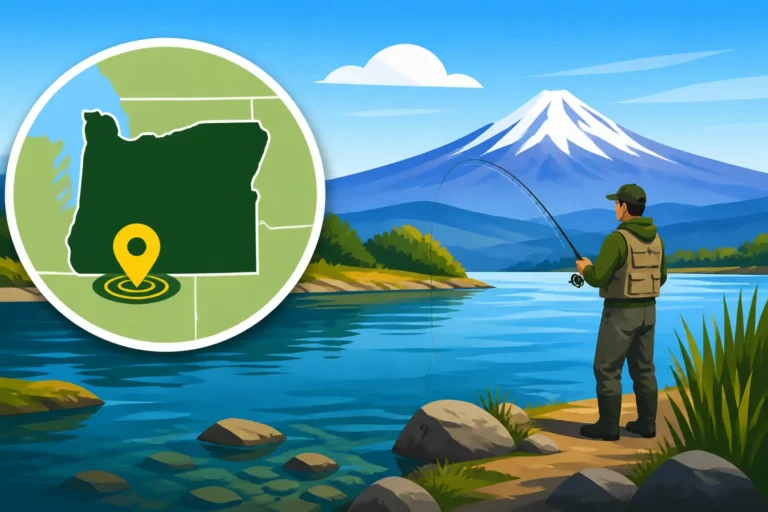
Many anglers, especially those new to the state or just getting back into the sport, can feel a bit daunted by the sheer size and presence of the Willamette River. It snakes right through the heart of so many communities, offering endless access points, but figuring out where to start, what to fish for, and how to tackle such a vast waterway can be tough. This comprehensive guide is designed to cut through that confusion, giving you all the insider knowledge you need to confidently and successfully fish the mighty Willamette River.
Why the Willamette River is a Prime Fishing Destination
The Willamette River isn't just a picturesque waterway winding through Oregon; it's a vibrant, accessible fishery right in the backyard for millions of Oregonians. For years, folks might have overlooked it, focusing on the coastal rivers or high-mountain lakes, but the Willamette has truly transformed, becoming a fantastic place to cast a line for a variety of sought-after species. Its unique blend of urban accessibility and wild river characteristics makes it a standout. You can be in the heart of Portland one minute and pulling a salmon out of the water the next, which is a pretty incredible experience you won't find just anywhere.
Urban Fishing Opportunities
One of the most appealing aspects of the Willamette is its incredible urban accessibility. You don't need to drive for hours into the wilderness to find quality fishing spots. Right within Portland's city limits, along the riverbanks, under bridges, and at numerous public parks, you'll find places to fish. This convenience is a game-changer for busy individuals or families with young kids who might not have the time for a full-day excursion to a remote location. Think about it: you can finish work, grab your rod, and be fishing within minutes, watching the city lights come alive as you wait for a bite. This urban environment also means easy access to bait shops, gear stores, and amenities, making spontaneous trips even more feasible.
Beyond Portland, cities like Corvallis and Salem also boast excellent river access, often with well-maintained parks and boat ramps that cater to anglers. These areas provide a slightly more relaxed atmosphere than the bustling Portland waterfront but still maintain that invaluable urban convenience. Many of these parks are family-friendly, offering playgrounds and picnic areas, so you can make a full day of it even if only one person is actively fishing. This blend of easy access and quality fishing really sets the Willamette apart.
Diverse Fish Species
The ecological restoration efforts on the Willamette River over the past few decades have truly paid off, leading to a remarkable diversity of fish species thriving in its waters. Gone are the days when the river was primarily known for pollution; today, it’s a healthy ecosystem supporting both native and introduced species, offering something for every type of angler. Whether you're chasing migratory anadromous fish or targeting resident warmwater species, the Willamette has a bounty to offer.
From the hard-fighting spring Chinook salmon, which are arguably one of the most prized catches, to acrobatic winter steelhead, and the prehistoric white sturgeon, the anadromous runs are a major draw. But it's not just about the big fish returning from the ocean. The river is also home to abundant populations of smallmouth bass, largemouth bass, various panfish like crappie and bluegill, and even some resident trout in its upper reaches and tributaries. This incredible variety means that no matter the time of year or your preferred fishing style, you'll likely find an exciting opportunity waiting for you on the Willamette. Knowing the seasons is key, and understanding the different species will greatly improve your success. For a broader look at the amazing variety, check out our guide on Oregon Salmon Species Guide.
Key Fish Species You'll Encounter in the Willamette
The Willamette River is a dynamic fishery, constantly changing with the seasons and the runs of various fish. Targeting the right species at the right time is crucial for success, and understanding the habits of each will give you a significant advantage. Let's dive into the main contenders you're likely to encounter when fishing these waters.
Spring Chinook Salmon
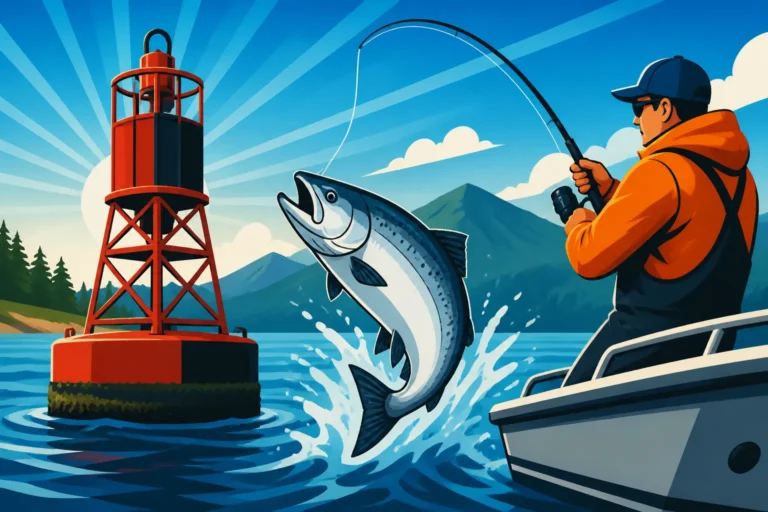
Ah, spring Chinook! If there’s one fish that truly captures the hearts and minds of Willamette anglers, it’s the spring Chinook salmon. These chrome beauties are renowned for their incredible fight and their delectable, rich red meat. They begin entering the river in late winter and early spring, making their way upstream to spawn in the tributaries. The peak of the run typically occurs from April through June, offering some of the most exciting fishing of the year. Targeting these fish often involves trolling with bait (like herring or anchovies) or various lures from a boat, or bank fishing with heavy gear and bait from popular spots. Success often hinges on finding the right water temperature and flow, as these factors dictate where the salmon will hold. It’s a challenging but incredibly rewarding pursuit.
The Willamette's spring Chinook run is distinct from the fall run on the Columbia. These fish are often characterized by their bright, clean appearance when they enter the river, and they remain in prime condition for a long time as they migrate upstream. Many anglers consider a Willamette spring Chinook to be a true trophy. If you want to learn more about how to specifically target these beauties, our article on How to Fish for Spring Chinook on the Willamette is an invaluable resource. Remember, an Oregon Combined Angling Tag Guide is also required if you plan to keep these prized fish.
Winter Steelhead
While the Willamette itself doesn't host massive steelhead runs, its tributaries certainly do, and sometimes these magnificent fish will make their way into the main stem, especially near the confluence with smaller rivers. Winter steelhead are particularly elusive and offer a different kind of challenge compared to salmon. These powerful, sea-run rainbow trout return to their natal rivers during the colder months, typically from December through March. They are known for their spectacular acrobatic displays once hooked, making them a favorite among sport fishers.
Fishing for winter steelhead in the Willamette system often involves focusing on the mouths of tributaries like the Clackamas, Sandy, or Santiam Rivers, where they might pause before continuing their journey upstream. Common techniques include drift fishing with roe or small lures, or float fishing with jigs. Fly fishing can also be highly effective, especially in the clearer tributary waters. Success with steelhead requires patience, perseverance, and a good understanding of their travel routes and holding water. For more in-depth information on these incredible fish, be sure to check out our Oregon Steelhead Guide.
Sturgeon: White and Green
The Willamette River is one of the best places in Oregon to target sturgeon, those incredible, prehistoric giants. You’ll primarily encounter white sturgeon, which can grow to immense sizes, offering a truly unforgettable fight. While green sturgeon are also present, they are a federally protected species and must be released immediately and unharmed. White sturgeon are a different story, with specific seasons for retention, though much of the Willamette fishery is catch-and-release only, especially for the larger "oversize" fish.
Sturgeon fishing on the Willamette is generally a year-round affair for catch-and-release, with anglers targeting them in deeper holes and channels. The most common technique involves bait fishing with heavy tackle, using offerings like anchovies, lamprey, or sand shrimp presented on the bottom. When you hook into a sturgeon, prepare for a long, powerful battle—they are known for their incredible strength and impressive jumps. Always handle these ancient fish with extreme care, especially when releasing them, to ensure their health and survival. Learning about their habits and where they frequent is crucial for success. For a comprehensive overview, our Oregon Sturgeon Guide is an excellent starting point.
Smallmouth Bass and Panfish
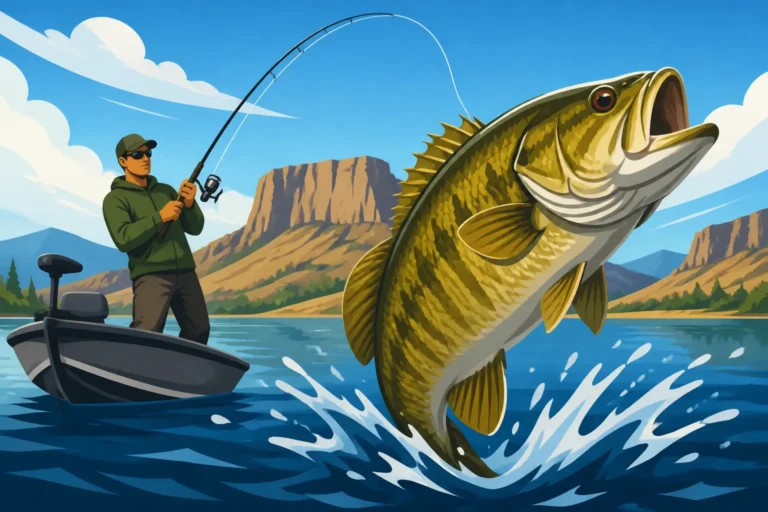
Beyond the anadromous species and the giants of the deep, the Willamette River also offers fantastic opportunities for warmwater species like smallmouth bass and various panfish. These species are abundant, widely distributed, and offer consistent action, making them perfect targets for casual anglers, beginners, or those looking for a fun day on the water without the pressure of chasing a trophy salmon. Smallmouth bass, in particular, are incredibly aggressive and provide a thrilling fight on light tackle. They thrive in the rocky, current-laden sections of the river, often congregating around submerged structures.
You can find smallmouth bass throughout the river, but they tend to be more active in the warmer months. Lures like crankbaits, spinnerbaits, and soft plastics are highly effective, as are live baits like crawfish. Panfish, including crappie, bluegill, and yellow perch, are often found in slower-moving backwaters, sloughs, and marinas. They are relatively easy to catch, especially for kids, and can provide hours of entertainment. Simple setups with a bobber and worm, or small jigs, are usually all you need. These species are not only fun to catch but also make for excellent table fare. To dive deeper into targeting these feisty fish, explore our Oregon Bass Fishing Guide.
Top Fishing Techniques for Willamette Success
Fishing the Willamette River isn't a one-size-fits-all endeavor. Its diverse structure, from wide open channels to slower backwaters and intricate urban sections, demands a variety of techniques. Understanding and mastering these different approaches will significantly increase your chances of success, no matter what species you're after.
Bank Fishing Strategies
Bank fishing on the Willamette is incredibly popular, primarily due to the river's accessibility and the sheer number of parks and public access points. It's often the simplest and most cost-effective way to get out on the water, requiring minimal gear compared to boat fishing. For salmon and steelhead, bank anglers often employ techniques like plunking or bobber dogging, especially in areas with strong current. Plunking involves anchoring a heavy weight to the bottom with a short leader to a cluster of eggs or a lure, allowing the current to impart action. This is effective in constricted areas where fish are forced to swim close to shore.
For sturgeon, bank fishing means finding deep holes, often near bridge pilings or bends in the river. Heavy tackle, a pyramid sinker, and a strong bait like anchovies or lamprey are essential. For smallmouth bass and panfish, lighter spinning gear is perfect. Casting spinnerbaits, crankbaits, or jigs along rocky shorelines, around downed trees, or in slower eddies can be very productive. Worms under a bobber work wonders for panfish in quieter areas. Always be mindful of other anglers and respect private property. Look for designated public access points, which are plentiful along the Willamette, particularly within city parks in Portland, Salem, and Corvallis.
Boat Fishing and Trolling
For many serious anglers, a boat is almost a prerequisite for effectively fishing the vast expanse of the Willamette River, especially when targeting salmon and sturgeon. A boat allows you to cover vast amounts of water, reach deeper channels, and present baits or lures in ways that are impossible from shore. Trolling is a hugely popular and effective technique for spring Chinook salmon. This involves slowly motoring up or downriver, dragging baited setups (like Brad's Super Baits or herring) or various lures (spinners, plugs) at specific depths using divers or downriggers. The key is to find the right speed and depth where the salmon are holding or migrating.
For sturgeon, boat fishing allows you to anchor precisely over known deep holes or humps, presenting your bait directly in their feeding zones. This precision is difficult from the bank. Jet boats are common on the Willamette, offering versatility in navigating varied river conditions, from shallow riffles to deeper pools. Always be aware of other boaters, respect speed limits in certain zones, and ensure you have all necessary safety equipment. Using a guide can be an excellent way to learn the ropes and understand the nuances of boat fishing the Willamette. You can often find reputable local guides through services like FishingBooker, who can teach you the best spots and techniques.
Fly Fishing Specifics
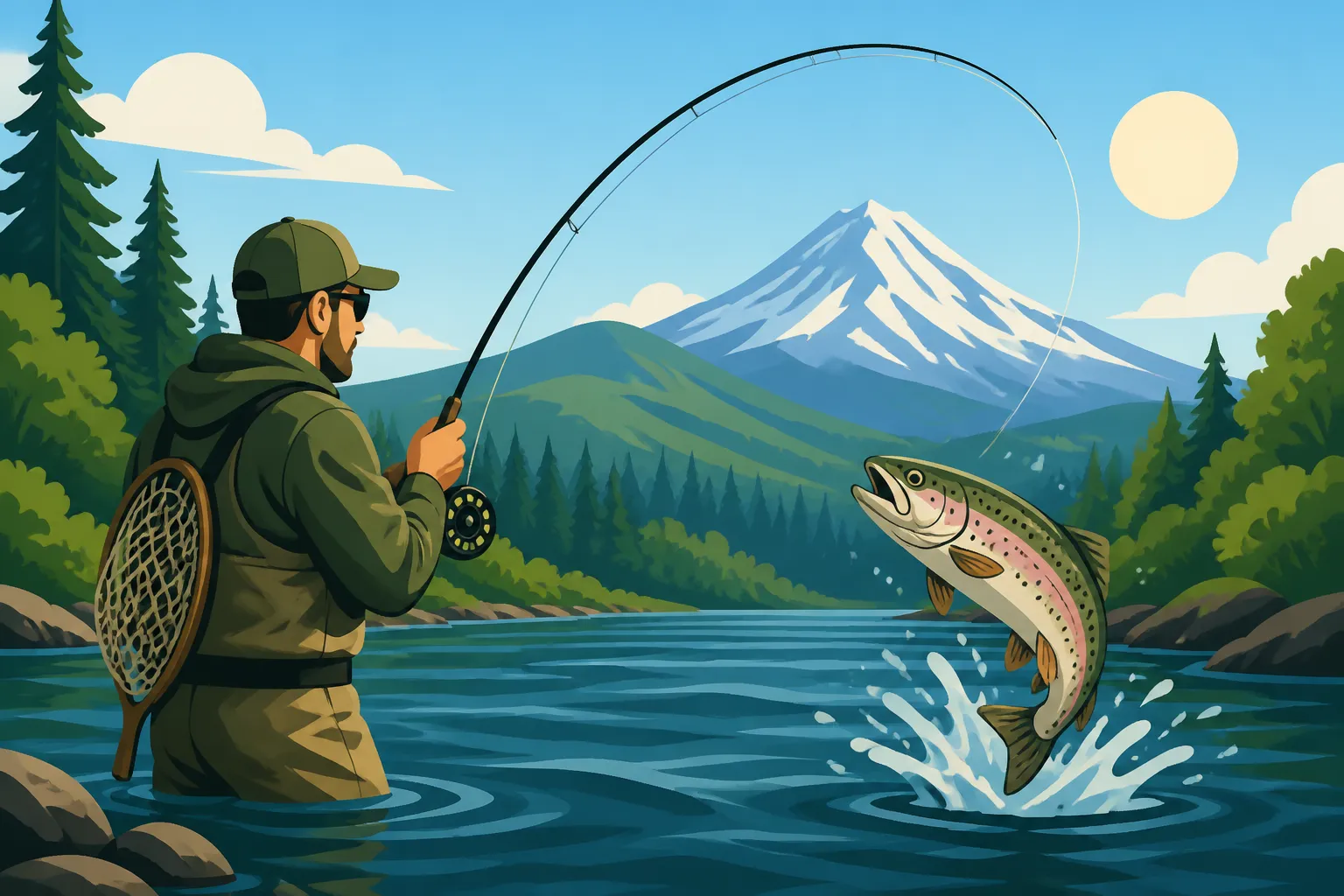
While the Willamette's main stem might not be the quintessential fly fishing destination in the same way some of its tributaries or other Oregon rivers are, there are still exciting opportunities for the dedicated fly angler, especially when targeting certain species or focusing on specific sections. Smallmouth bass, in particular, are fantastic targets on the fly in the Willamette. During warmer months, topwater poppers and small subsurface streamers can elicit explosive strikes from these feisty fish, especially along rocky banks and current breaks. It’s an incredibly visual and exciting way to fish.
For trout, fly fishing is more productive in the clearer, cooler upper reaches and tributaries of the Willamette system, rather than the broad, often turbid main stem. Nymphing techniques are generally effective here, as are dry flies during hatches. Even for steelhead, while challenging, dedicated fly anglers will target the mouths of tributaries where fresh fish might be staging. Spey casting or single-hand setups with heavy sink tips and large intruder patterns can be employed. However, it's a niche pursuit on the main Willamette. Regardless of the species, always carry a variety of patterns and be prepared to adjust to the river's conditions.
Prime Willamette River Fishing Locations
The Willamette River stretches for nearly 187 miles, offering a huge array of fishing opportunities from its headwaters in the Cascade Range to its confluence with the Columbia River. Pinpointing the best spots depends heavily on what you're trying to catch and the time of year, but some areas consistently stand out.
Portland Metro Area Hotspots
For those living in or visiting the Portland metro area, the Willamette offers an incredibly convenient urban fishery. Despite being surrounded by a bustling city, these waters can be surprisingly productive. The stretch of river through Portland, especially from Ross Island downstream, is a prime area for spring Chinook salmon and sturgeon. Many boat anglers launch from various ramps along the river, like Cathedral Park or Swan Island, and troll for salmon. Bank anglers find success at various public docks and parks, though space can be competitive during peak salmon runs.
Popular bank access points include the numerous city parks, such as Tom McCall Waterfront Park and Sellwood Riverfront Park, which offer good opportunities for smallmouth bass and panfish, especially around submerged structures and calmer eddies. Underneath bridges, like the Marquam Bridge or Fremont Bridge, can also hold fish. For those seeking guided trips right from the city, many local guides, which you can easily find on platforms like FishingBooker, operate out of Portland, offering salmon and sturgeon trips with incredible convenience. The confluence with the Columbia River, just north of Portland, becomes a major salmon highway, especially for fall Chinook, but that's a different beast entirely, requiring specialized knowledge of tide and current.
Mid-Willamette Valley Gems (Salem/Corvallis Area)
Moving south from Portland, the Willamette River flows through the heart of the Willamette Valley, offering different types of fishing experiences. The areas around Salem and Corvallis are known for their strong spring Chinook runs and excellent warmwater fishing. Below Willamette Falls in Oregon City, a famous salmon migration bottleneck, the fishing can be exceptional, though it's often crowded and highly regulated. This area is a critical junction for fish moving upstream.
Further south, near Salem, public access points like Wallace Marine Park offer boat ramps and bank access where anglers target spring Chinook and sturgeon. The slower, wider sections of the river in this region are also excellent for smallmouth bass, largemouth bass, and panfish. Think about casting along rip-rap banks, around islands, and into calmer sloughs. In Corvallis, sites like Hyak Park or various boat launches provide good access. These mid-valley stretches often feel a bit less crowded than the Portland area, offering a more serene fishing experience while still being easily accessible. Always check the current Oregon Fishing Regulations Explained for specific rules in these different zones.
Lower Willamette and Confluence with the Columbia
The lower Willamette River, particularly its stretch from Portland down to where it merges with the mighty Columbia River, is a dynamic and incredibly important fishery. This area is a major thoroughfare for anadromous fish moving between the two rivers. For spring Chinook, this lower stretch is often the first place they are encountered as they peel off the Columbia to enter the Willamette. Trolling is king here, with boat anglers working specific lanes and depths to intercept these migrating fish. The timing of the tides also plays a significant role in this lower section, as the Columbia’s tidal influence extends well into the Willamette.
For sturgeon, the confluence and the deep channels leading into the Columbia are prime hunting grounds. The sheer volume of baitfish and nutrients funneling into this area makes it a natural feeding zone for these giants. Moreover, once the fall Chinook salmon start their massive run up the Columbia, some of those fish will venture into the lower Willamette, offering additional opportunities. Fishing the "Willy-C" (Willamette-Columbia) junction requires attention to river flow, tides, and knowing the specific holding patterns of fish. It's a complex but highly rewarding area for experienced anglers. Check our Oregon Fishing Season Dates and Limits to know exactly when different species are moving through these waters.
Understanding Willamette River Seasons and Regulations
Fishing the Willamette River, like any major Oregon waterway, requires a solid understanding of not only what to fish for and how, but also when and under what rules. Regulations are put in place to manage fish populations, protect endangered species, and ensure sustainable fishing for future generations. Ignoring them can lead to hefty fines and loss of fishing privileges, so it's paramount to be informed.
Seasonal Run Timing
The Willamette River's fishing calendar is largely dictated by the seasonal runs of its anadromous fish. Knowing when each species is typically present and in good numbers is fundamental to planning a successful trip.
- Spring Chinook Salmon: These highly sought-after fish typically begin entering the river in March, with the run building through April and peaking in May and June. Some fish may linger into July as they move into tributaries.
- Summer Steelhead: While not a massive main-stem Willamette run, summer steelhead can be found in the lower river and mouths of tributaries from late spring through summer (May-August), often migrating into cooler tributary waters.
- Winter Steelhead: These powerful fish usually arrive in the Willamette's tributaries from December through March, sometimes staging in the main stem near tributary confluences.
- Sturgeon: White sturgeon offer year-round catch-and-release opportunities, with specific retention seasons and slot limits that change annually. Green sturgeon are strictly catch-and-release.
- Smallmouth Bass & Panfish: These warmwater species are most active during the warmer months, from late spring (April/May) through early fall (September/October), when water temperatures are conducive to their feeding habits.
Understanding these windows allows you to target specific species effectively. For more detailed insights into various runs, a look at our guide to Oregon Fishing Seasons Explained can be very helpful.
Important Regulations and Endorsements
Navigating Oregon's fishing regulations can feel like deciphering a complex puzzle sometimes, but it’s absolutely essential. First and foremost, anyone 12 years or older needs an Oregon Fishing License Guide to fish in Oregon. Beyond the basic license, there are often additional tags and endorsements required depending on what you’re fishing for and where.
For example, if you plan to keep salmon or steelhead, you'll need an Oregon Combined Angling Tag, which allows you to track your harvest and stay within annual limits. The Columbia River Basin Endorsement is another crucial one if you plan to fish in the lower Willamette and its confluence with the Columbia, as it helps fund conservation efforts in that critical region. Regulations regarding daily bag limits, size restrictions (especially for sturgeon and salmon), and specific gear restrictions (like barbless hooks for steelhead) are strictly enforced. Always consult the most current Oregon Department of Fish and Wildlife (ODFW) regulations booklet before heading out, as rules can change seasonally or even with emergency closures. ignorance of the law is never an excuse.
Here's a quick reference table for some common Willamette River targets:
| Species | Primary Season (Peak) | Common Techniques | Retention Rules (General) | Notes |
|---|---|---|---|---|
| Spring Chinook | March – July (May-June) | Trolling (boat), Plunking (bank) | Varies, requires tag | Highly prized, excellent eating |
| Winter Steelhead | Dec – March (Tributaries) | Drift fishing, Float fishing, Fly fishing | Varies, requires tag | Acrobatic fighters, often catch & release |
| Sturgeon | Year-round | Bottom fishing with bait | Varies (C&R/Retention) | Prehistoric giants, handle with care (Green C&R) |
| Smallmouth Bass | April – Oct (Summer) | Casting lures, Live bait | Generous, no limit (often) | Feisty, great for light tackle, often invasive |
| Panfish | April – Oct (Summer) | Bobber & worm, Small jigs | Generous limits | Great for kids and beginners, good table fare |
Note: This table provides general guidance. Always consult current ODFW regulations for precise and up-to-date rules before fishing.
Essential Gear and Tips for Fishing the Willamette
Having the right gear and knowing a few insider tips can make all the difference between a frustrating day and a fantastic one on the Willamette River. This isn't just about expensive equipment; it's about having the right tools for the job and understanding how to use them effectively.
Rod, Reel, and Line Recommendations
The "best" rod, reel, and line setup for the Willamette depends entirely on what you're targeting. For salmon and sturgeon, you're going to need serious gear. A heavy-action baitcasting or conventional rod, typically 8 to 10 feet long, paired with a robust reel capable of holding 200-300 yards of 20-30 lb monofilament or 50-80 lb braided line, is standard. Braided line offers superior sensitivity and strength, crucial for feeling subtle bites in deep water or strong currents, but a monofilament or fluorocarbon leader is often used at the business end.
For steelhead, a medium-heavy spinning rod (8'6" to 10'6") with a matching reel spooled with 10-15 lb main line and a lighter leader is common for drift or float fishing. Fly anglers chasing steelhead will opt for 8-10 weight fly rods, often in longer lengths for better line control. When it comes to smallmouth bass and panfish, a lighter setup is perfect and much more fun. A medium-light to medium action spinning rod, 6 to 7 feet long, with a small to medium spinning reel spooled with 6-10 lb monofilament or fluorocarbon is ideal. This lighter tackle allows for more sporting fights and better presentation of smaller baits and lures.
Bait, Lures, and Flies
Just like your rod and reel, your choice of bait, lures, or flies needs to match your target species and the river conditions.
- For Salmon: Cured herring and anchovies are absolute classics for trolling for spring Chinook. Other popular choices include various colored Brad's Super Baits, spinners (like those from Blue Fox or Mepps), and plug-cut baits. The specific color and size often depend on water clarity and sunlight.
- For Steelhead: Roe (salmon or steelhead eggs) is a staple for drift fishing. Pink worms, small jigs under a bobber, and brightly colored small spoons or spinners are also effective. For fly anglers, popular patterns include various "intruder" style flies, weighted nymphs (like Stoneflies or Hare's Ears), and sometimes even dry flies in specific tributary conditions.
- For Sturgeon: The stinkier, the better! Cured herring, anchovies, lamprey, sand shrimp, squid, and even nightcrawlers can all be effective. The key is to present a strong scent in their feeding zone.
- For Smallmouth Bass: Crankbaits, spinnerbaits, plastic worms, jigs, and tube baits are all excellent choices. Mimicking crawfish or small baitfish is often the most successful approach. Smallmouth are aggressive, so don't be afraid to experiment with retrieve speeds.
- For Panfish: Live worms (nightcrawlers or red wigglers), corn, PowerBait, and small jigs are incredibly effective for crappie, bluegill, and perch.
Understanding what bait fish are eating or what lures mimic their prey is a crucial part of the puzzle. For a more exhaustive list of options, our Oregon Bait and Lure Guide offers deeper insights into specific choices.
Disclaimer
The information provided in this Willamette River Fishing Guide is for general informational purposes only. Fishing regulations, seasons, and conditions can change rapidly. Always consult the latest official Oregon Department of Fish and Wildlife (ODFW) regulations before planning any fishing trip to ensure compliance and for the most up-to-date information. Fishing involves inherent risks; always prioritize safety on the water.