Deschutes River Fishing Guide
The Deschutes River in Oregon is an angler's paradise, but its vastness and specific regulations can feel a bit overwhelming, especially if you're planning your first trip. Many hopeful anglers arrive eager to cast a line, only to be confused by the different zones, species-specific rules, or the sheer challenge of landing one of its fabled fish. This comprehensive guide will cut through the complexity, providing you with everything you need to know to successfully navigate and fish this iconic Oregon waterway, from understanding its unique ecosystem to mastering the techniques that bring success.
Why the Deschutes River is a Legendary Fishing Destination
The Deschutes River isn't just another waterway; it's a true gem of the Pacific Northwest, renowned worldwide for its incredible fishing opportunities and breathtaking natural beauty. For generations, anglers have made pilgrimages to its banks, drawn by the promise of battling strong fish in an untouched, picturesque setting. The river's reputation is well-earned, offering a diverse array of fish and a challenge that keeps even seasoned veterans coming back for more.
The River's Unique Ecosystem and Beauty
Flowing for over 250 miles from its source in Little Lava Lake near Bend, the Deschutes carves its way through diverse landscapes, from high desert canyons to pine forests. This varied topography creates a mosaic of habitats, from slow, deep pools to rushing riffles, each harboring different aquatic life. The river's consistent cold, clear water, fed by springs, is a critical factor in its ability to support such a vibrant ecosystem year-round, making it less susceptible to the temperature fluctuations that plague other rivers. The sheer geological spectacle of the canyons, often accessible only by boat or on foot, adds to the mystique and wildness of the fishing experience, transporting you away from the hustle and bustle of modern life.
Beyond the fishing, the Deschutes River is an outdoor enthusiast's dream. Kayakers, rafters, and hikers share the river corridor, all drawn by its undeniable charm. The surrounding areas, particularly the Lower Deschutes River Canyon, are protected wilderness, meaning that while you're focused on your next cast, you might also spot deer, eagles, otters, or even bighorn sheep. This immersive natural experience is a huge part of what makes fishing the Deschutes so special; it's not just about the fish, but the entire journey into a wild and untamed part of Oregon.
Renowned for Steelhead and Redband Trout
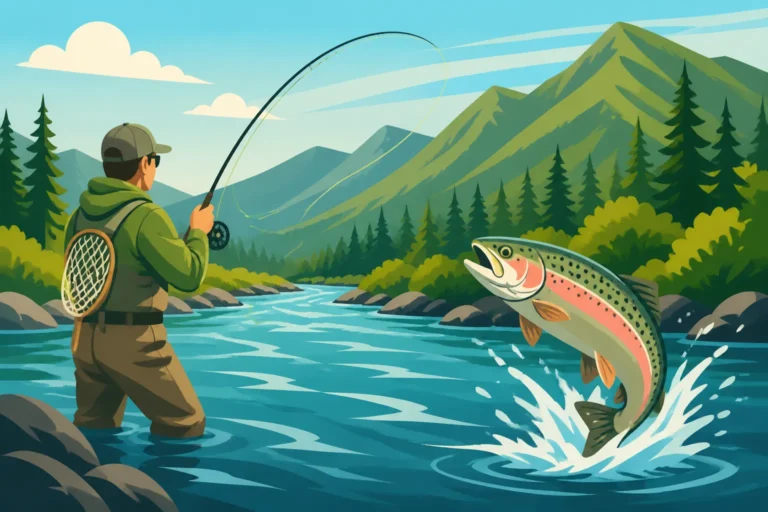
While many fish call the Deschutes home, two species stand out as the undisputed kings of the river: its native Redband Trout and the migratory Steelhead. The Deschutes is arguably one of the best fly-fishing destinations in the world for these species, attracting anglers seeking the ultimate challenge. Redband Trout, a subspecies of rainbow trout, are known for their vibrant colors and aggressive strikes, thriving in the river's cold, oxygen-rich waters. They are native to the Deschutes, having evolved alongside its unique characteristics, making them a truly special catch.
Steelhead, the anadromous (sea-run) form of rainbow trout, are what truly put the Deschutes on the global angling map. These powerful fish migrate from the Pacific Ocean up the Columbia River and into the Deschutes, often traveling hundreds of miles to spawn. They are legendary for their incredible fighting spirit, often making acrobatic leaps and long, drag-screaming runs that test an angler's skill and tackle to the absolute limit. Both summer and winter steelhead runs offer distinct challenges and rewards, ensuring that there's nearly always a chance to pursue these magnificent fish.
Understanding Deschutes River Regulations and Zones
Fishing the Deschutes River, like any major waterway in Oregon, comes with its own set of rules and regulations designed to protect its precious fish populations and ensure sustainable angling for future generations. It's not enough to simply have a license; you need to understand the nuances of the Deschutes specifically, as rules can vary greatly from one section of the river to another. Ignoring these can lead to fines and a ruined trip, so paying close attention to the details is paramount. For a broader overview, you can always check the general Oregon Fishing Regulations Explained before heading out.
General Licensing and Endorsement Requirements
Before you even think about casting a line, you'll need the proper licensing. A valid Oregon Angling License is the absolute baseline for anyone over the age of 17. Whether you're an Oregon resident or visiting from out of state, this is non-negotiable. You can find detailed information on the Oregon Fishing License Guide to ensure you're getting the correct type.
However, fishing for certain species or in particular areas of the Deschutes will require additional endorsements. If you plan on pursuing salmon or steelhead, you'll need a Combined Angling Tag. This tag, often purchased alongside your main license, is crucial for tracking your harvest and ensuring compliance with catch limits. Without it, even if you release a fish, you could be in violation. For a full breakdown, refer to the Oregon Combined Angling Tag Guide. For non-residents, considering a multi-day or annual license will depend on the length of your trip; sometimes, a single-day license doesn't make sense if you plan to explore the river over several days.
Special River-Specific Rules and Seasons
The Deschutes River is divided into distinct sections, each with its own set of regulations regarding species, gear, and seasons. The Upper Deschutes, typically from the Wickiup Reservoir downstream to Bend, might have different bait restrictions or specific open seasons for trout compared to the Lower Deschutes. Similarly, the river below the Warm Springs Reservation boundary often has different rules than the sections upstream. These details are clearly outlined in the annual Oregon Sport Fishing Regulations booklet, which is available online through the Oregon Department of Fish and Wildlife (ODFW) website.
It's crucial to check the most current regulations just before your trip, as emergency closures or changes can occur throughout the year due to environmental conditions, low fish returns, or other factors. For example, certain sections of the river might have a "fly fishing only" rule, or specific dates when bait is entirely prohibited. Understanding these local variations, often tied to distinct Oregon Fishing Season Dates and Limits for different fish, is critical for a legal and successful outing. Always pay attention to signage at access points, which will often highlight specific rules for that immediate area.
Catch-and-Release and Barbless Hook Mandates
One of the most defining characteristics of fishing the Deschutes, particularly for its prized steelhead and redband trout, is the strong emphasis on catch-and-release and the mandatory use of barbless hooks. In many sections of the river, especially the Lower Deschutes, all wild steelhead and many wild trout are strictly catch-and-release only. This conservation measure helps protect and rebuild native populations, ensuring these magnificent fish continue to thrive. It means you must be prepared to carefully land, unhook, and release fish with minimal stress, often while the fish is still in the water.
The barbless hook mandate applies across much of the river and is a simple rule with a big impact. A barbless hook causes less damage to a fish's mouth, making the release process quicker and increasing the fish's survival chances. You can buy hooks that are already barbless, or easily crimp down the barb on a regular hook with a pair of pliers. This isn't just a suggestion; it's a legal requirement in designated areas, and game wardens frequently check for compliance. Being prepared with the right hooks is a small but important part of being a responsible Deschutes angler. You'll also need to understand Oregon Catch Record Card Requirements for any hatchery fish you might retain.
Key Species and When to Target Them
The Deschutes River is a biological marvel, hosting a variety of fish species that attract anglers from all over. While many anglers flock here for the legendary steelhead, the river offers fantastic opportunities for other species throughout the year. Knowing what to target and when is key to maximizing your success and making the most of your time on this incredible waterway.
Targeting Hard-Fighting Steelhead
Steelhead are undoubtedly the Deschutes' most famous residents, revered for their incredible power and beauty. The river experiences two main runs: summer steelhead and winter steelhead. Summer steelhead typically begin entering the Deschutes in late spring, with the run peaking from late July through October. These fish are known for their aggressive takes and aerial acrobatics, often holding in faster water and riffles. Anglers targeting summer steelhead often use traditional fly-fishing techniques, swinging flies or nymphing, but gear anglers also find success with small spinners and plugs.
Winter steelhead, though less numerous than their summer counterparts, offer a unique challenge. These robust fish typically enter the river from December through early spring, enduring colder water temperatures. They are often found in deeper, slower pools and runs, requiring a more deliberate and patient approach. When planning your trip, consider the Oregon Steelhead Fishing Techniques that are most effective for each season. Whether you're a fly fisherman or a gear angler, landing a Deschutes steelhead is a badge of honor, a testament to the river's wild spirit and the fish's indomitable will.
Pursuing Native Redband Trout
Beyond steelhead, the Deschutes River is a premier destination for native Redband Trout. These vibrant, feisty fish are found throughout the river system, from the upper reaches near Bend all the way down to the confluence with the Columbia. Unlike steelhead, redband trout spend their entire lives in the river, adapting perfectly to its unique conditions. They are active feeders, especially during the prolific insect hatches that occur from spring through fall, making them a fantastic target for fly anglers.
Redband trout can range from small, colorful juveniles to impressive adults reaching over 20 inches in length. They are opportunistic eaters, readily taking dry flies, nymphs, and streamers. Fishing for redbands often means exploring different sections of the river, from the boulder-strewn pocket water to the long, smooth glides. They provide consistent action and are an excellent way to hone your trout fishing skills. Many anglers consider the Deschutes' redbands to be some of the most beautiful and hard-fighting trout in the state, making them a worthy quarry in their own right. For more specific tactics, delve into Oregon Trout Fishing Techniques.
Strategies for Kokanee and Whitefish
While steelhead and redband trout steal the spotlight, the Deschutes River also offers opportunities for other species like Kokanee Salmon and Mountain Whitefish, particularly in its upper sections and reservoirs. Kokanee are landlocked sockeye salmon, known for their bright red spawning colors and delicious flavor. They are often targeted in Lake Billy Chinook, a reservoir formed by the confluence of the Deschutes, Crooked, and Metolius Rivers, which serves as a significant fishery for them. Trolling with dodgers and small hoochies or wedding ring spinners is a popular and effective method for catching kokanee.
Mountain Whitefish, often overlooked by anglers focused on trout or steelhead, are abundant in the Deschutes and can provide consistent action, especially during colder months when other species might be less active. They are excellent fighters on light tackle and are surprisingly good to eat. Whitefish feed primarily on insect larvae and nymphs, making them a fun target for fly anglers. They tend to congregate in deeper runs and pools. While not as glamorous as a steelhead, both kokanee and whitefish contribute to the diverse angling experience on the Deschutes, offering additional options for those looking to expand their catch.
Prime Fishing Spots and Access Points
The Deschutes River is a long and varied waterway, and understanding its different sections is crucial for planning a successful fishing trip. Each zone offers unique characteristics, access challenges, and primary target species. From the bustling urban stretches near Bend to the remote wilderness of the Lower River Canyon, knowing where to go and how to get there will make all the difference. For a more general overview of Oregon's hotspots, consult Best Places to Fish in Oregon.
Upper Deschutes: Bend to Lake Billy Chinook
The Upper Deschutes, generally considered the section from Bend downstream to Lake Billy Chinook, is perhaps the most accessible and varied. Near Bend, the river flows through town, offering convenient bank access in places like Riverbend Park. This section is heavily stocked with rainbow trout and also holds native redbands, making it a popular spot for families and beginner anglers. Further downstream, as the river leaves the city limits, it becomes more wild, flowing through forests and high desert landscapes. This stretch offers excellent opportunities for both fly fishing and spin fishing for rainbow and redband trout.
Access to this part of the river can be found at various state parks and public lands, including La Pine State Park and Tumalo State Park. Float trips are popular, especially closer to Bend, allowing anglers to cover more water. This section is often managed under general statewide regulations for trout, though specific closures or bait restrictions might apply, especially on tributaries. It's a great place to warm up your casting arm and enjoy a beautiful day on the water before venturing into the more challenging canyon sections.
Middle Deschutes: Warm Springs to Maupin
The Middle Deschutes River, often encompassing the stretch from the boundary of the Warm Springs Indian Reservation down to the town of Maupin, represents a transition zone and a prime location for steelhead. This section is known for its dramatic canyons and more remote feel, with limited road access compared to the upper river. Much of the land along the river here is managed by the Bureau of Land Management (BLM) or private entities, with the Warm Springs Reservation on the west bank often having its own separate regulations and access policies.
Anglers primarily target summer steelhead and large redband trout in this stretch. Popular access points include Mecca Flat and the numerous BLM campgrounds accessible via roads off Highway 26. This area is a favorite for drift boaters and rafters, as floating allows access to miles of productive water that would otherwise be difficult to reach. Bank access can be challenging due to the steep canyon walls, but dedicated anglers will find trails leading to prime spots. This section truly embodies the "wilderness fishing" experience of the Deschutes.
Lower Deschutes: Maupin to the Columbia River
The Lower Deschutes, running approximately 43 miles from Maupin to its confluence with the Columbia River, is perhaps the most famous and heavily regulated section. This is the heart of the Deschutes steelhead fishery, and it's where anglers from around the globe come to chase these magnificent fish. The entire section is designated as a Wild and Scenic River, meaning access is strictly controlled, primarily through designated boat launches and private campgrounds. Many anglers opt for guided trips or multi-day float trips to fully experience this remote and productive water.
Access for day-use is mainly from Maupin, where several public boat ramps and walk-in spots are available. Downstream of Maupin, however, access becomes much more restricted, often requiring a shuttle service for boats or extensive hiking along narrow trails. This section is almost exclusively fly-fishing friendly for steelhead, with barbless hook rules and catch-and-release mandates for wild fish strictly enforced. This is also where you'll find some of the most knowledgeable local guides, many of whom can be found via services like FishingBooker, offering expert insights into the best runs and techniques. The scenery here is spectacular, with towering basalt cliffs and abundant wildlife, making for an unforgettable fishing adventure.
Effective Techniques and Gear for the Deschutes
Fishing the Deschutes River isn't just about showing up with a rod; it's about understanding the specific techniques that work best for its unique conditions and challenging fish. Whether you're a seasoned fly angler or prefer traditional gear, having the right approach and equipment can significantly increase your chances of success. The river demands respect, and a thoughtful approach to your technique will be rewarded.
Fly Fishing for Deschutes Steelhead and Trout
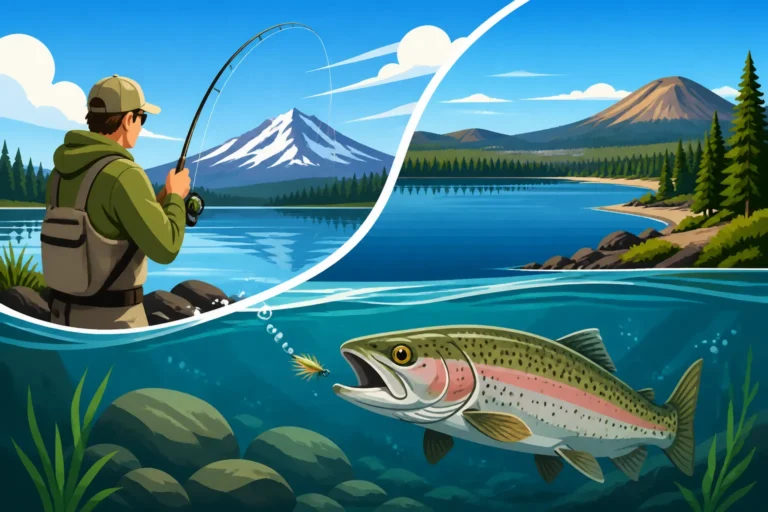
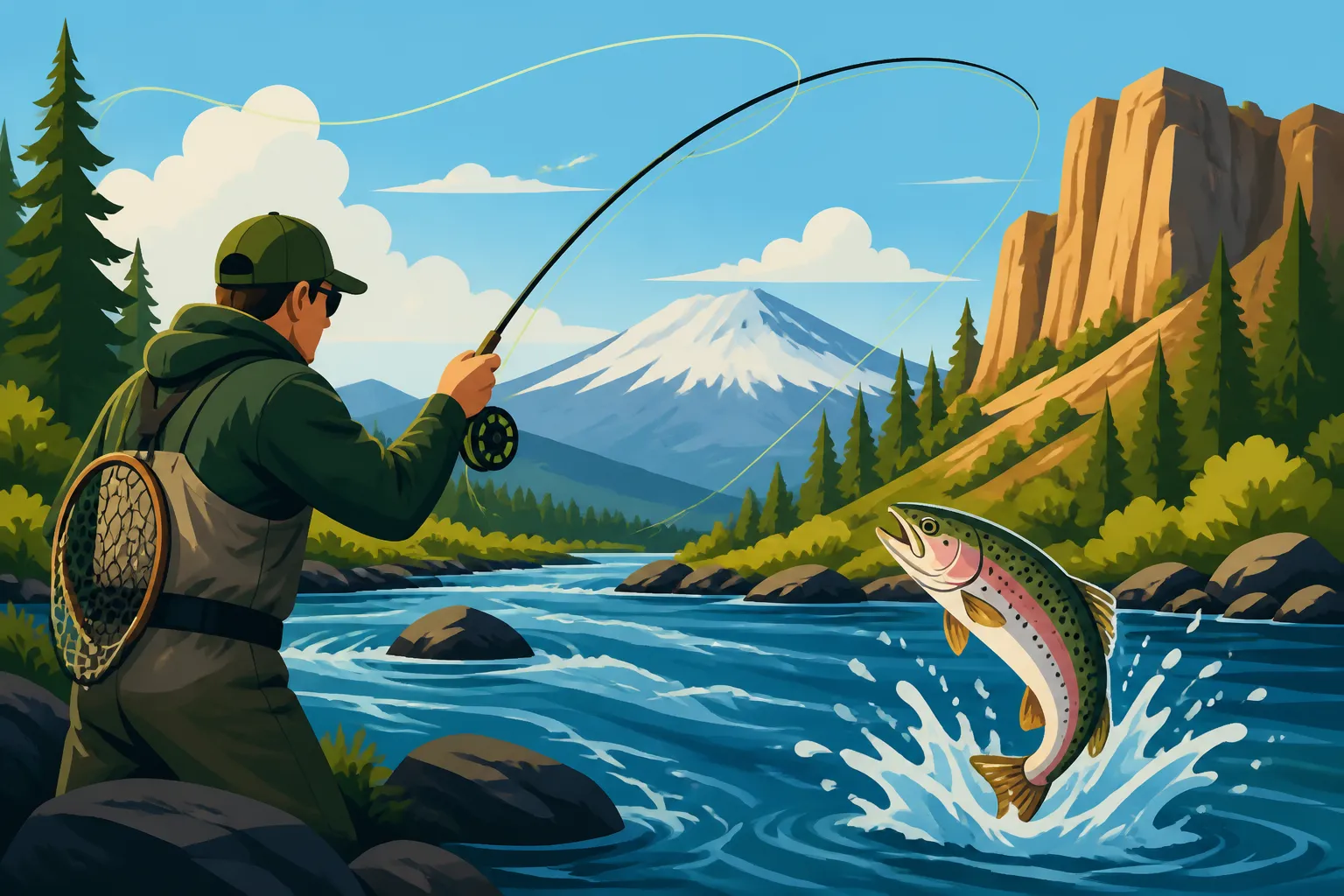
Fly fishing is arguably the most popular and iconic method for targeting both steelhead and redband trout on the Deschutes. For steelhead, swinging flies (often spey casting with two-handed rods) is a time-honored tradition on the Lower Deschutes. This involves casting across and downriver, allowing the current to swing the fly through potential holding lies. Popular fly patterns include traditional steelhead dries like muddlers and skaters, or wet flies and streamers such as Green Butt Skunks, Purple Perils, and various Intruder patterns. Nymphing with indicators is also highly effective, especially when fish aren't actively rising.
For redband trout, the Deschutes offers a year-round smorgasbord of insect hatches, making it a dry fly angler's paradise from spring through fall. Caddis, mayflies (like Pale Morning Duns and Green Drakes), and stoneflies (especially the famous salmonfly hatch in late spring/early summer) all provide incredible dry fly action. When fish aren't rising, nymphing with patterns mimicking the prevalent aquatic insects is extremely productive. Streamers can also be very effective for larger trout, especially in deeper pools or during low-light conditions. Learning How to Fly Fish in Oregon with specific Deschutes patterns will elevate your game.
Gear Fishing Options for Different Species
While fly fishing dominates the narrative for steelhead and trout, gear anglers also have plenty of effective options, especially for species like kokanee and in certain sections of the river. For steelhead, drift fishing with bait (where allowed) or artificial lures like pink worms, roe, or small pieces of prawn can be very successful. Spinners and spoons, often in brighter colors, can also entice aggressive strikes from steelhead holding in faster water.
For trout in the upper river and stocked sections, traditional spin fishing with small inline spinners, spoons, or bait (such as PowerBait, worms, or corn) is very effective, especially for beginners or those seeking consistent action. For kokanee in Lake Billy Chinook, trolling with downriggers or weighted lines, using dodgers and small hoochies or wedding rings tipped with corn, is the go-to method. Always double-check regulations for specific gear and bait restrictions in the section you plan to fish, as rules can vary greatly. Knowing your Oregon Bait and Lure Guide for various species is key.
Essential Gear for a Successful Trip
Beyond your rod and reel, a successful Deschutes trip requires some specific gear. For fly fishing, a 7 or 8-weight single-hand rod or a 6 or 7-weight spey rod is ideal for steelhead, paired with a reliable reel and appropriate fly lines (floating, sink-tip, or full sinking depending on technique). For trout, a 4, 5, or 6-weight rod is versatile. Don't forget your waders and wading boots with good grip, as much of the fishing involves wading in slippery, rocky currents. A wading staff can be a lifesaver for safety.
Regardless of your preferred method, a good pair of polarized sunglasses is essential for spotting fish and reading the water. A hat, sunscreen, and layers of clothing are also critical, as weather in the high desert can change rapidly. A reliable vest or pack for carrying flies, lures, tools, and a net (preferably rubber mesh for fish safety) rounds out the personal gear. If you're floating, a PFD (personal flotation device) is mandatory. And, of course, a current Oregon fishing license and any required endorsements, prominently displayed or easily accessible. A comprehensive list can be found in the Oregon Fishing License Guide.
| Fishing Zone | Primary Target Species | Typical Techniques | Access Type | Notes |
|---|---|---|---|---|
| Upper Deschutes | Rainbow Trout, Redband Trout | Fly Fishing (dries, nymphs), Spin Fishing (lures, bait) | Bank, Drift Boat | Family-friendly, often stocked, good accessibility near Bend |
| Middle Deschutes | Summer Steelhead, Redband Trout | Fly Fishing (swinging, nymphing), Drift Fishing (lures/bait) | Drift Boat, Limited Bank | More remote, scenic canyon, primarily for experienced anglers |
| Lower Deschutes | Summer Steelhead, Redband Trout | Fly Fishing (spey, swinging, nymphing) | Drift Boat, Guided Trips | World-class steelhead, highly regulated, barbless hooks only, catch-and-release for wild fish |
| Lake Billy Chinook (Reservoir) | Kokanee Salmon, Bull Trout, Brown Trout, Bass | Trolling, Jigging, Fly Fishing (streamers) | Boat, Bank | Excellent kokanee fishery, specific rules for bull trout (permit needed) |
Planning Your Deschutes River Adventure
A successful Deschutes River fishing trip involves more than just knowing where and how to fish; it requires careful planning and a deep appreciation for the environment. This river is a wild, living ecosystem, and being prepared for its challenges and respecting its natural beauty are paramount. From understanding the best times to visit to knowing how to give back to the resource, every step in your planning contributes to a memorable and responsible experience.
Best Times to Visit and Weather Considerations
The Deschutes River offers fishing opportunities year-round, but the "best" time depends entirely on what you want to catch. For summer steelhead and prolific insect hatches for trout, late spring through fall (May to October) is prime. The famous salmonfly hatch, usually in late May to early June, draws legions of fly anglers. Summer months can be hot in the canyon, so early morning and late evening fishing often yield the best results. For a general guide, check out Best Time of Year to Fish in Oregon.
Winter fishing, while less crowded, targets winter steelhead in the lower river and offers chances for trout in the upper sections. Weather can be a significant factor; unexpected rain can blow out rivers, and temperatures can swing dramatically, especially in the canyon. Always check the forecast and river flows before heading out. Layered clothing is a must, as sunny mornings can quickly turn into chilly, windy afternoons. Being prepared for any weather condition ensures comfort and safety.
Lodging, Guides, and Other Resources
The towns surrounding the Deschutes, particularly Bend, Maupin, and Warm Springs, offer a range of lodging options, from rustic campgrounds to comfortable hotels and vacation rentals. During peak season, especially for major hatches or steelhead runs, accommodations can book up quickly, so advance reservations are highly recommended. For those venturing into the Lower Deschutes, planning a multi-day float trip with camping is a classic experience, but requires permits and careful logistics.
Many anglers, especially first-timers or those seeking specific species, opt to hire a professional guide. A local guide can provide invaluable expertise on current conditions, techniques, and access, drastically increasing your chances of success. You can find reputable outfitters and guides through local fly shops or by using online booking platforms like FishingBooker, which lists many experienced Deschutes River guides. They often provide all necessary gear, food, and transportation, making for a stress-free experience. Remember to look for guides specifically for Deschutes River Fly Fishing Guides if that's your preferred method.
Respecting the Environment and Fellow Anglers
Fishing on the Deschutes River comes with a responsibility to protect its pristine environment and respect those who share it. Always practice "Leave No Trace" principles: pack out everything you pack in, and leave the riverbank cleaner than you found it. This includes picking up any stray fishing line, which can be deadly to wildlife. When wading, be mindful of spawning areas (often indicated by lighter-colored gravel redds), especially during spawning seasons, and avoid disturbing them.
Courtesy on the water is also paramount. Give other anglers ample space, especially fly fishers who require room for backcasts. If floating, be aware of bank anglers and pass quietly and respectfully. Follow all catch-and-release protocols, minimizing handling time and keeping fish in the water as much as possible. These small actions collectively ensure that the Deschutes remains a fantastic fishery and a beautiful place for all to enjoy for years to come.
Disclaimer
The information provided in this guide is for general informational purposes only and is subject to change. Fishing regulations, seasons, and access policies for the Deschutes River are set by the Oregon Department of Fish and Wildlife (ODFW) and may be updated frequently. Always consult the most current official ODFW regulations pamphlet and any emergency closures before planning or embarking on your fishing trip. The author and publisher are not responsible for any inaccuracies or for any outcomes resulting from the use of this information.