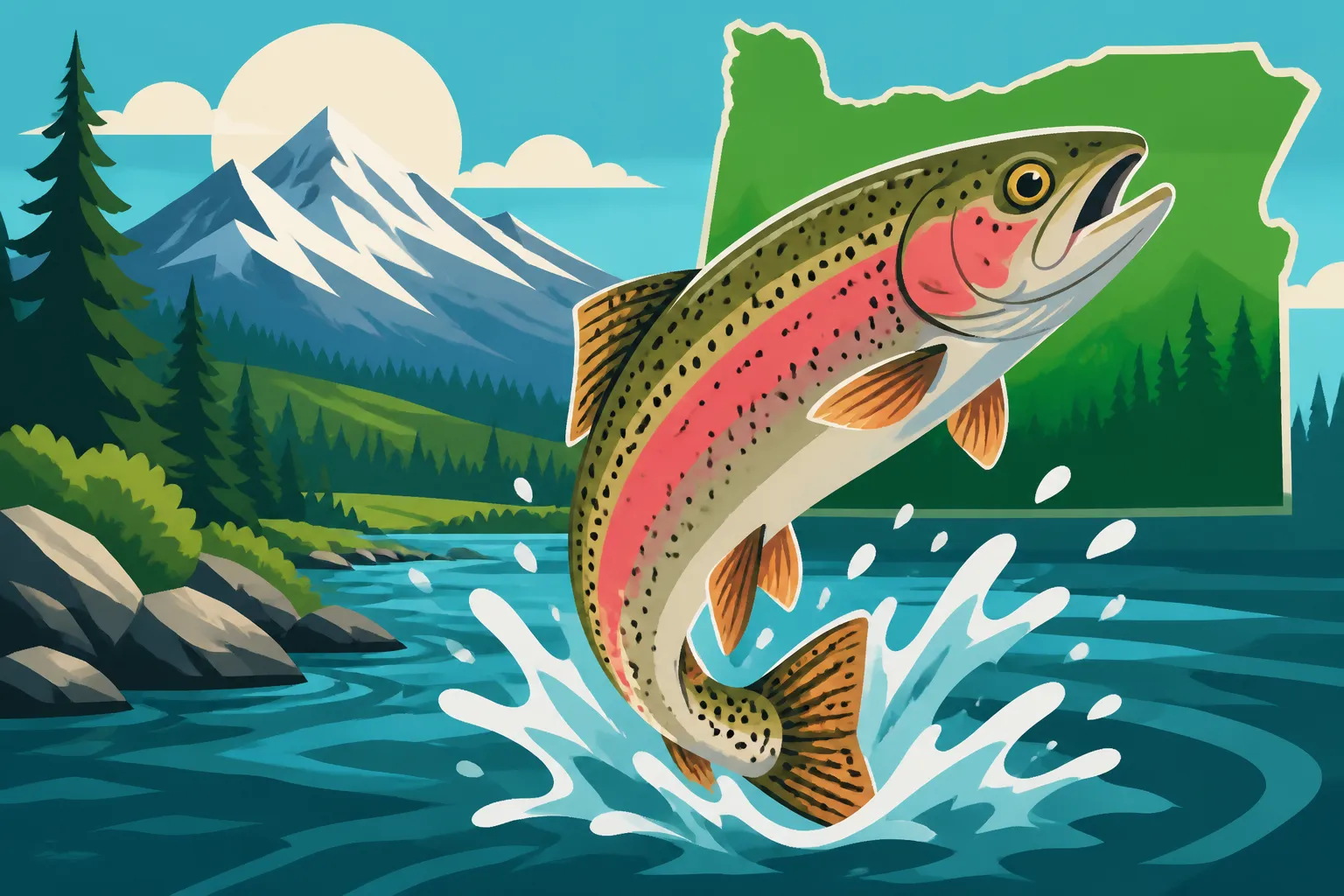
Rainbow Trout in Oregon
Few fish capture the imagination of Oregon anglers quite like the rainbow trout. Whether you're a seasoned fly fisher stalking wild specimens in a remote river or a family looking for a fun day at a stocked lake, the pursuit of rainbows is a quintessential Oregon experience. But knowing where to go, what to use, and how to tell the difference between a hatchery fish and a true native can feel overwhelming. This comprehensive guide is here to demystify rainbow trout fishing across Oregon, helping you land more of these beautiful and feisty fish.
The Allure of Oregon's Rainbow Trout Fishery
There’s just something magical about rainbow trout. Their vibrant colors, powerful fights, and widespread availability make them a beloved target for anglers of all skill levels. From the moment you feel that unmistakable tug on your line, you understand why so many people dedicate themselves to chasing these beauties across the state. They offer a diverse range of experiences, from quiet contemplation on a serene lake to the exhilarating challenge of a rushing river.
Why Rainbows are a Favorite for Anglers
Rainbow trout are incredibly popular for a multitude of reasons, and it's not hard to see why they hold a special place in the hearts of Oregonians. First, their fighting spirit is legendary. Even a modest-sized rainbow can put up an impressive battle, stripping line and leaping acrobatically. This makes every catch feel exciting and rewarding, whether it's a 10-inch stocker or a much larger wild specimen. They're accessible, too; with extensive stocking programs, there are countless opportunities for anglers, even those just starting out. You don't always need specialized gear or secret spots to find them, which lowers the barrier to entry for many.
Beyond the fight, their beauty is undeniable. With their iridescent silver bodies, dark spots, and the characteristic red or pink stripe along their sides, they are truly stunning fish. Catching and releasing a healthy, colorful rainbow is a joy in itself, offering a moment to appreciate nature's artistry before sending them back to grow. Plus, for those who enjoy fresh fish, they are excellent table fare, offering flaky, delicate meat that’s delicious when pan-fried, baked, or smoked. It's a combination of sport, beauty, and culinary delight that keeps anglers coming back for more.
Stocked vs. Wild Rainbows: Understanding the Differences
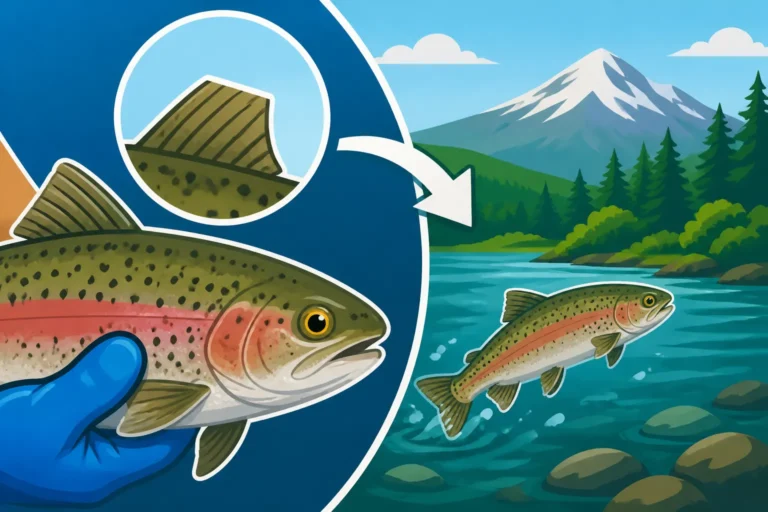
One of the most important distinctions to grasp when fishing for rainbow trout in Oregon is the difference between stocked and wild fish. While both are genetically rainbow trout, their upbringing and behavior are vastly different, which in turn influences how and where you fish for them. Stocked trout, as the name suggests, are raised in hatcheries and released into lakes and rivers to bolster populations and provide angling opportunities. These fish are typically less wary, often responding readily to common baits and lures. They're like the eager puppies of the trout world, often schooling together and feeding aggressively.
Wild rainbow trout, on the other hand, are born and raised in their natural environment. They are survivors, honed by generations of adapting to predators, fluctuating water conditions, and natural food sources. These fish are generally more cautious, harder to fool, and often exhibit more vibrant coloration and streamlined bodies, reflecting their wild existence. They blend into their surroundings perfectly, a testament to their natural instincts. Catching a wild rainbow feels like a greater accomplishment precisely because of their innate wariness and the challenge they present. Understanding these differences will help you select the right locations and techniques, and crucially, understand the regulations that often differ between hatchery and wild fish.
Where to Find Rainbow Trout in Oregon
Oregon is a rainbow trout paradise, offering an incredibly diverse range of habitats where these fish thrive. Knowing where to focus your efforts is key to a successful outing, whether you're seeking easy limits of hatchery fish or the thrill of a wild trout in a pristine mountain stream. The state's waters are thoughtfully managed to provide varied experiences for every type of angler.
Premier Lakes and Reservoirs for Stocked Trout
For many anglers, especially those just starting out or families with children, Oregon's stocked lakes and reservoirs are the go-to destinations for rainbow trout. These waters are regularly replenished with hatchery-reared trout, ensuring consistent action and often higher catch rates. These fish are typically found in accessible areas, making for a less strenuous fishing trip. You'll often find amenities like boat ramps, picnic areas, and paved access. Lakes like Henry Hagg Lake in Washington County, Detroit Lake in the Cascades, and Diamond Lake in Southern Oregon are prime examples.
Anglers at these locations often fish from docks, shorelines, or small boats. The trout here are accustomed to pelleted food, so they respond well to bright, scented baits like PowerBait, salmon eggs, or even corn. They're often found cruising shallower areas, especially during cooler parts of the day or in the spring and fall. The beauty of these spots is their predictability; you can often check the stocking schedule from the Oregon Department of Fish and Wildlife (ODFW) to plan your trip around recent releases. Other excellent choices include Prineville Reservoir for a mix of trout and bass, and smaller community ponds scattered across the state, which are perfect for a quick afternoon session. You'll find a lot of success in these spots using simple setups, often with gear readily available on Amazon.
Rivers and Streams Holding Wild Rainbows
If you're seeking a more challenging and rewarding experience, venturing into Oregon's rivers and streams for wild rainbow trout is truly special. These fish are native to their waters, surviving and reproducing without human intervention, and their resilience makes them a true prize. Rivers like the Deschutes, with its renowned redsides, and the Crooked River in Central Oregon, are iconic destinations for fly anglers chasing wild rainbows. The Metolius River, too, offers crystal-clear waters and challenging but rewarding opportunities for truly magnificent wild trout.
Fishing for wild rainbows in rivers requires a different approach. Stealth and presentation become paramount, as these fish are incredibly wary. They typically feed on insects, small fish, and other natural forage, so matching the hatch or presenting a natural-looking bait or lure is critical. Often found in runs, riffles, and pools, wild trout hold in specific currents, conserving energy while waiting for food to drift by. The experience is often more about the journey and the challenge than the sheer number of fish caught, offering a deeper connection to nature and a greater sense of accomplishment when you successfully fool one of these wily residents. For those looking to explore specific areas, checking out resources on Best Rivers to Fish in Oregon can provide excellent starting points.
High Cascade Lakes and Remote Wilderness Fishing
For the adventurous angler, Oregon's high Cascade lakes and remote wilderness areas offer an unparalleled rainbow trout fishing experience. These pristine, often glacier-fed lakes, nestled among towering peaks and dense forests, are home to both naturally reproducing populations of rainbows and some beautifully colored, hard-fighting stocked fish that have acclimated to their wild surroundings. Reaching many of these destinations requires a hike, sometimes a significant one, but the solitude and breathtaking scenery are their own reward, making the effort entirely worthwhile.
Lakes like those in the Three Sisters Wilderness or the Wallowas can provide incredible fishing, often with little competition. The trout here might be a bit smaller on average, but their vibrant colors and aggressive takes in the cold, clear water are memorable. Techniques often involve light spinning gear with small spinners or spoons, or fly fishing with nymphs and dry flies that imitate local insect life. Packing light, being self-sufficient, and understanding backcountry safety are crucial for these trips. The remoteness means fish face less pressure, but it also means you need to be prepared for anything. This is where you truly disconnect from the everyday hustle and immerse yourself in the natural beauty of Oregon, making every cast a moment of pure bliss.
| Feature | Stocked Rainbow Trout | Wild Rainbow Trout |
|---|---|---|
| Origin | Hatchery-reared | Naturally spawned and raised |
| Appearance | Often duller colors, worn fins | Vibrant colors, pristine fins, streamlined |
| Behavior | Less wary, often school, eager to bite | Wary, opportunistic, territorial |
| Diet | Pellet-fed, adapt quickly to various baits | Natural insects, baitfish, crustaceans |
| Habitat | Easily accessible lakes, reservoirs, rivers | Pristine rivers, streams, high mountain lakes |
| Fight | Strong pulls, can be acrobatic | Powerful runs, strategic, acrobatic |
| Challenge | Generally easier to catch | More challenging, requires finesse |
| Regulations | Often more liberal bag limits | More restrictive, often catch-and-release |
Essential Techniques for Catching Rainbow Trout in Oregon
Successfully catching rainbow trout in Oregon means adapting your techniques to the specific environment and the fish you're targeting. Whether they're hungry hatchery fish or wily wild ones, having a few tricks up your sleeve will significantly increase your chances. It’s all about understanding what tempts these fish and presenting it effectively.
Bait Fishing Basics for Stocked Trout
Bait fishing is undoubtedly one of the most effective and popular methods for catching stocked rainbow trout in Oregon, especially for beginners and those looking for consistent action. The key here is often scent and visibility. PowerBait, in its various colors and forms (like Power Eggs or dough bait), is a consistent performer. The buoyant nature of PowerBait allows it to float off the bottom, making it easily visible to cruising trout. Simply mold a small amount around a size 10 or 12 treble hook, ensuring the hook point is fully covered.
Worms, particularly nightcrawlers, are also incredibly effective. You can fish them whole or in pieces, either on the bottom with a small weight or suspended under a bobber. For a more unique approach, some anglers find success with canned corn, especially in areas where trout are regularly stocked. The bright yellow color and slight sweetness seem to appeal to hatchery fish. When rigging, a simple slip sinker rig with a short leader (12-18 inches) is a versatile setup for bottom fishing. For suspending bait, a small bobber or float rig works wonders, allowing you to present your offering at various depths until you find where the fish are holding. Remember to use light line, typically 4-6 pound test, as stocked trout, while not as wary as wild fish, can still be put off by heavy, visible line. You can find all these essentials, from PowerBait to hooks, easily on Amazon. For more detailed advice, check out Best Bait for Oregon Trout Fishing.
Lure Fishing Strategies for Active Trout
Lure fishing offers a more active and dynamic way to target rainbow trout, and it can be incredibly exciting when the fish are in a chasing mood. Spinners are perhaps the most iconic trout lures, and for good reason. Brands like Mepps and Rooster Tail, in sizes #0 to #2, are perennial favorites. Their flashing blades and vibrating action mimic small baitfish or escaping insects, triggering an aggressive strike. Cast them out and retrieve them steadily, varying your speed until you find what the fish prefer. Sometimes a slight twitch of the rod tip can add an irresistible extra flash.
Small spoons, such as Kastmasters or Little Cleos, are also highly effective, particularly in larger lakes and reservoirs. Their wobbling action on the retrieve or flutter on the fall can entice strikes. Choose colors that contrast with the water, or mimic natural forage like silver, gold, or brass. For rivers, small crankbaits that imitate juvenile fish or crayfish can be deadly, especially when targeting larger, more aggressive rainbows. The key to lure fishing is experimentation – try different sizes, colors, and retrieve speeds. Often, the fish will tell you what they want. Keep your hooks sharp and your line fresh, as even a small trout can snap a weakened line during an enthusiastic fight.
Fly Fishing for Wild Rainbows: A Refined Approach
Fly fishing for wild rainbow trout in Oregon is often considered the pinnacle of trout angling, requiring skill, patience, and a deep understanding of insect life and fish behavior. This is where the magic of the Deschutes River or the challenge of the Metolius truly comes alive. The fundamental principle is "matching the hatch" – presenting an artificial fly that closely imitates the natural insects (aquatic or terrestrial) that the trout are currently feeding on. This requires keen observation of what's flying around or what rises are occurring on the water's surface.
Nymphing, which involves drifting subsurface imitations of insect larvae and pupae, is incredibly effective year-round, as trout spend most of their time feeding below the surface. Indicator nymphing or European nymphing techniques allow you to detect subtle takes. When trout are actively feeding on the surface, dry fly fishing is exhilarating. Presenting a small, floating fly with a delicate cast and natural drift to a rising fish is a truly rewarding experience. Streamers, which imitate baitfish, are excellent for targeting larger, more predatory rainbows, especially in larger rivers or lakes. Learning about different fly patterns, casting techniques, and how to "read the water" to identify trout holding lies are crucial steps for anyone looking to embrace How to Fly Fish in Oregon for its magnificent wild rainbows.
Gear Up: What You Need for Oregon Rainbow Trout Fishing
Being properly equipped can make all the difference between a frustrating day and a fantastic one on the water. While you don't need to break the bank, having the right rods, reels, lines, and accessories tailored to rainbow trout fishing in Oregon will enhance your experience and success. Consider what type of fishing you'll primarily be doing – lake shore fishing or river wading – to guide your choices.
Rods, Reels, and Line Selection
For most rainbow trout fishing in Oregon, whether in a stocked lake or a small stream, a light to medium-light action spinning rod is an excellent choice. A rod in the 6-foot to 7-foot range provides a good balance of casting distance and sensitivity. It’s light enough to make smaller lures and baits feel lively, yet has enough backbone to handle a feisty trout. Pair this with a small spinning reel (size 1000-2500) spooled with 4 to 6-pound monofilament or fluorocarbon line. Monofilament offers good knot strength and stretch, acting as a shock absorber during a fight, while fluorocarbon is nearly invisible underwater and sinks, which can be an advantage in clear water or when using lighter baits.
If you're delving into fly fishing, a 4-weight or 5-weight fly rod, typically 8.5 to 9 feet long, is a versatile choice for most Oregon trout scenarios. A matching fly reel and weight-forward floating line will cover most dry fly and nymphing situations. For more specialized techniques like streamer fishing or throwing larger indicators, a 6-weight might be beneficial. When purchasing gear, especially online from retailers like Amazon, pay attention to the rod's power (light, medium, heavy) and action (fast, moderate, slow) to ensure it matches your intended fishing style.
Terminal Tackle and Accessories
Beyond your rod and reel, a well-stocked tackle box is crucial. For bait fishing, you’ll need an assortment of hooks, typically size 8 to 14, in either single or treble configurations depending on your bait. Small split shots or egg sinkers are essential for getting your bait down, and bobbers (clip-on or slip bobbers) are indispensable for suspending bait at specific depths. Swivels help prevent line twist, especially with spinning lures.
No matter your method, a few key accessories will significantly improve your trip. A small landing net, preferably one with rubberized mesh, is vital for safely landing and releasing fish without damaging their delicate fins and slime coat. Forceps or needle-nose pliers are perfect for removing hooks, minimizing handling stress on the fish. A small tackle box or bag to keep everything organized is a must, preventing a tangled mess at the bottom of your backpack. And of course, don't forget your Oregon Fishing License Guide – you'll need that before you even think about casting!
Clothing and Comfort on the Water
Oregon weather can be notoriously unpredictable, so proper clothing and preparation are paramount for a comfortable and enjoyable fishing trip. Layering is your best friend. Start with a moisture-wicking base layer, add an insulating mid-layer (fleece or down), and top it off with a waterproof and windproof outer shell. Even on sunny days, a sudden rain shower can pop up, especially in the Cascades or along the coast.
Good footwear is also essential. If you're fishing from the bank or a boat, waterproof hiking boots or even rubber boots are often sufficient. If you plan to wade in rivers or streams, a pair of waders (chest or waist-high) and wading boots will keep you dry and provide traction on slippery riverbeds. Don’t forget sun protection – a wide-brimmed hat, sunglasses, and sunscreen are crucial, even on cloudy days, to protect against UV rays. And a pair of comfortable, durable fishing gloves can protect your hands from sun, cold, and fish spines. Staying comfortable allows you to focus on the fishing, which is what we're all there for!
Oregon Rainbow Trout Regulations and Conservation
Fishing responsibly in Oregon isn't just about following the rules; it's about contributing to the health and longevity of our cherished fisheries. Rainbow trout, especially wild populations, are a valuable resource that we all have a part in protecting. Understanding and adhering to the regulations ensures that future generations can enjoy the same incredible fishing opportunities we do today.
Understanding Daily Limits and Size Restrictions
Oregon's fishing regulations for rainbow trout can vary significantly depending on the specific water body, time of year, and whether you're targeting stocked or wild fish. This is where it’s absolutely critical to consult the current Oregon Fishing Regulations Explained booklet or the ODFW website before each trip. Generally, stocked lakes often have more liberal daily bag limits to encourage harvest, as these fish are raised for that purpose. For example, a popular stocked pond might have a daily limit of five trout, with no minimum size.
However, when fishing for wild rainbow trout in certain rivers or sensitive habitats, the regulations are typically much stricter. You might encounter catch-and-release only rules, or very specific slot limits where only fish within a certain size range can be kept, or minimum size restrictions. These measures are designed to protect spawning populations and allow younger fish to grow. Failing to understand these nuances can lead to citations and penalties, so always double-check the specific regulations for the particular body of water you plan to fish. Paying attention to Oregon Fishing Zones Explained can also clarify local rules, as regulations can change even within different sections of the same river.
Catch-and-Release Practices for Wild Trout
For wild rainbow trout, particularly in rivers like the Deschutes or Metolius, catch-and-release is not just a suggestion – it's often a regulation and a deeply ingrained ethic among responsible anglers. Practicing proper catch-and-release techniques is vital to ensure the fish you release have the best chance of survival. The goal is to minimize stress and physical harm to the fish.
Here are some key tips:
- Use barbless hooks: These hooks cause less damage and are much easier to remove. You can often crimp down the barb on a regular hook with pliers.
- Minimize handling: Try to keep the fish in the water as much as possible. If you must handle it, do so with wet hands to protect its delicate slime coat, which acts as a barrier against disease.
- Support the fish: Never hold a fish by the jaw with its body hanging unsupported. Use two hands, one supporting the belly and the other gently gripping the tail.
- Quick release: Remove the hook as quickly as possible using forceps or pliers. If the hook is deeply swallowed, it’s often best to cut the line as close to the hook as possible.
- Revive the fish: If the fish seems sluggish, hold it gently upright in the current (facing upstream) until it regains its strength and swims away on its own. Avoid vigorously shaking it back and forth.
These practices not only help conserve wild trout populations but also demonstrate respect for the resource and fellow anglers.
Licenses and Endorsements
Before you even think about putting a line in the water for rainbow trout in Oregon, you need to ensure you have the proper licensing. A valid Oregon angling license is required for anyone 14 years of age or older. This is your fundamental pass to fish in the state's public waters. You can purchase these online, at ODFW offices, or from various license vendors like sporting goods stores, often including larger retailers. For a comprehensive overview, see Oregon Fishing License Types Explained.
Depending on where you fish and what you're targeting, you might also need additional tags or endorsements. While a specific "rainbow trout endorsement" isn't generally a thing, if you happen to hook into a salmon or steelhead while trout fishing, you would need the appropriate tags like the Oregon Combined Angling Tag Guide to legally retain those species. Always carry your license with you when fishing, whether it's the physical copy or an electronic version on your phone, as game wardens are within their rights to ask for proof. Fines for fishing without a license can be substantial, so it's not a step you want to skip!
Disclaimer
This article is for general informational purposes only and does not constitute professional advice. Laws, prices and regulations vary by location and change over time. Consult a qualified professional for guidance on your specific situation.