Winter Steelhead Run Timing in Oregon
For many anglers, the thought of bundling up against the cold, rain, and often blustery winds of an Oregon winter is worth it for one magnificent prize: a chrome-bright winter steelhead. But if you've ever found yourself standing on the riverbank, shivering and wondering, "Am I even here at the right time?" you're not alone. Figuring out the intricate dance of Oregon's winter steelhead run timing can feel like trying to decipher a secret code, leaving many frustrated. This comprehensive guide is designed to peel back the layers of mystery, giving you a clear understanding of when these incredible fish make their journey, river by river, season by season.
Understanding Oregon's Winter Steelhead Runs
Winter steelhead fishing in Oregon isn't just a pastime; it's a deep-seated tradition, a true test of grit and patience against the elements. These fish are a different beast altogether from their summer-run cousins, and understanding their unique characteristics is the first step to timing your trips successfully.
What Makes Winter Steelhead Unique?
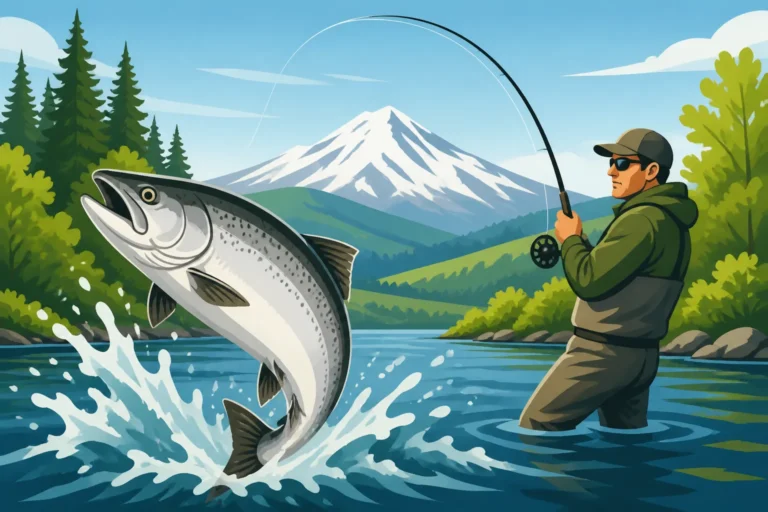
Unlike summer steelhead, which typically enter rivers in spring or summer and hold over in colder, deeper pools until the following spring to spawn, winter steelhead are on an express mission. They push into Oregon's coastal rivers and many Columbia River tributaries from late fall through early spring, typically with the first substantial rains and rising river levels. These fish are often incredibly aggressive, fresh from the ocean, and packed with power, making them a truly exhilarating catch. Their return coincides with the spawning cycle, meaning they're driven by an instinctual urge to reproduce.
You'll often hear anglers talk about the "chrome" of a fresh winter steelhead—a reference to their dazzling, silvery scales that reflect their recent journey from the saltwater. As the season progresses and fish spend more time in freshwater, their colors can deepen, developing olive, reddish, or even purple hues, particularly on males as they get closer to spawning. They are generally larger and more robust than their summer counterparts, often ranging from 6 to 15 pounds, with some true monsters pushing 20 pounds or more in systems like the Chetco or Umpqua. Their sheer power and acrobatic fights make them an ultimate angling challenge.
The Influence of Weather and Water Conditions
If you want to understand winter steelhead, you need to understand Oregon weather. The timing and strength of winter steelhead runs are almost entirely dictated by rainfall, river levels, and water temperature. These aren't just minor factors; they are the primary drivers for when and where these fish decide to move upstream. A significant rain event, often referred to as a "freshet" or "blow-out," is what truly kickstarts a run, drawing fish from the estuaries and into the main river systems.
However, it's not just about any rain. The ideal scenario for prime winter steelhead fishing often follows a distinct pattern: a period of heavy rain that causes river levels to rise, followed by a period of clearing and dropping water. As the river drops and clears, it enters a "perfect" condition—often referred to as "fishing green" or "dropping into shape"—where fish are actively moving and visibility is just right. If the river stays too high and muddy, fish might blow right past holding areas, making them hard to intercept. Conversely, if rivers remain too low and clear for extended periods, fish will often stack up in the lower river or estuary, waiting for enough water to make their upstream journey less risky. Water temperature also plays a critical role; a sudden cold snap can cause fish to become lethargic and less willing to bite, while consistently mild temperatures can keep them more active. This delicate balance means constant monitoring of conditions is essential for successful winter steelheading.
General Winter Steelhead Season Overview in Oregon
Thinking of "winter steelhead season" as a single, uniform period across the entire state is a common misconception. In reality, it's a dynamic, extended window from late fall through early spring, with different rivers and even different stretches of the same river peaking at various times.
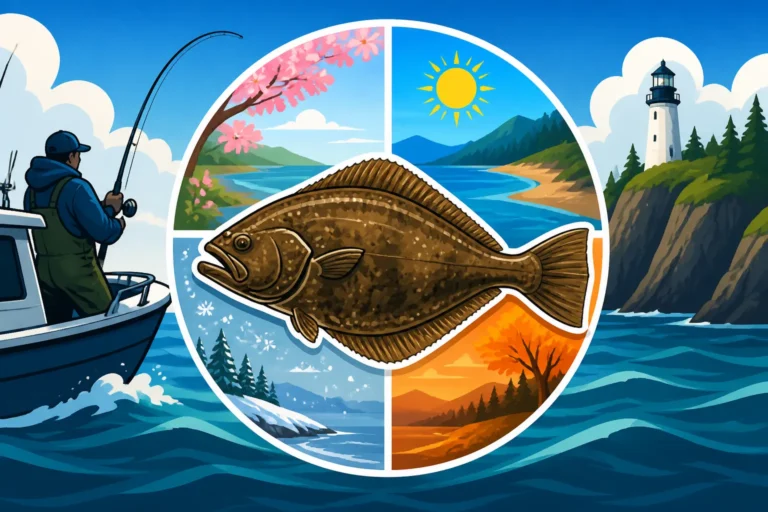
The Broad Window: November to April
Generally speaking, you can expect to find winter steelhead in Oregon rivers from late November, sometimes even mid-November with early heavy rains, all the way through April. This wide timeframe means that if you miss the peak on one river, there's often another river just hitting its stride. Early season fish are often eager and aggressive, taking advantage of the first pushes of fresh water to move upstream quickly. These initial pushes can be a bit of a gamble, though; if the rains don't persist, the fish might hold in the lower river, making for spotty fishing.
As the season progresses, the runs tend to become more consistent. January and February are widely considered the prime months for many of Oregon's most famous coastal steelhead rivers. However, even within this peak, unexpected weather patterns can throw a wrench into things. Prolonged periods of extremely cold weather can cause water temperatures to plummet, slowing down fish metabolism and making them much less likely to chase a lure or fly. Conversely, an unseasonably warm spell might trigger an early push of fish or even hasten the spawning process. It's truly a season that keeps you on your toes, demanding adaptability and a keen eye on the forecasts.
Distinguishing Early, Mid, and Late Season Runs
To truly maximize your chances, it helps to break down the broader season into three distinct phases, each with its own characteristics.
Early Season: November to December
The early season typically kicks off with the first significant rain events of late fall. Often, these initial pushes of winter steelhead are smaller in number compared to the mid-season, but the fish are usually incredibly fresh, hot, and aggressive. Rivers like the Chetco River in Southern Oregon are known for getting some of the earliest pushes, sometimes even seeing decent numbers of fish by mid-November if the rain is right. These fish are generally bright chrome, full of fight, and have a strong urge to move upstream. Fishing during this period can be feast or famine; if you hit it just right after a rain and as the river drops into shape, you can have an incredible day. If the rain is sparse, fish might stage in the estuaries, making them harder to target. Anglers targeting these early fish often use larger, more aggressive presentations, knowing these fresh arrivals are keen to hit.
Mid-Season: January to February
This is often considered the "bread and butter" of Oregon's winter steelhead season. January and February typically bring the most consistent and substantial pushes of fish to most of the popular coastal rivers. Rivers like the Wilson, Nestucca, Siletz, and Alsea often see their highest concentrations of returning fish during these months. The fish are generally still very bright, full of energy, and actively migrating. This is when you'll find anglers lining the banks and boats drifting the prime runs, all hoping to intercept a powerful, fresh steelhead. The weather can be at its most challenging—cold, wet, and windy—but the sheer number and quality of fish make it well worth the effort. It's crucial during this time to consult resources like the ODFW fishing reports and local tackle shops to get the most current conditions and timing for specific river systems. Many anglers consider this the absolute peak for Oregon Steelhead Fishing Techniques.
Late Season: March to April
As winter transitions into spring, the late season offers a different, but still rewarding, experience. While the peak numbers might have passed on many rivers, there are often still fresh fish entering the systems, especially on some of the larger coastal rivers and tributaries. However, you'll also start encountering more "dark" fish—those that have spent a significant amount of time in freshwater and are preparing to spawn, or "spawned-out" fish (kelts) that are on their way back to the ocean. These fish, while often less energetic, can still be very large. Catching and releasing spawned-out fish carefully is particularly important to ensure they can make their return journey and contribute to future runs. This late season also offers the advantage of potentially milder weather and fewer crowds, making for a more relaxed fishing experience for those who appreciate the entire life cycle of these incredible fish.
Regional Breakdown: Coastal Rivers and Their Peaks
Oregon's extensive coastline is home to numerous rivers, each with its own unique characteristics and, crucially, its own winter steelhead timing. Understanding these regional differences is key to planning a successful season.
Northern Oregon Coast Rivers
The rivers of the northern Oregon coast, stretching from the mighty Columbia River south to areas around Pacific City, are some of the most popular and productive for winter steelhead. This region includes iconic rivers like the Wilson, Trask, Nestucca, and Nehalem.
Historically, these rivers often see their winter steelhead runs kick off in earnest in late December, with strong pushes continuing through January and often peaking in February. The Wilson and Nestucca rivers, for instance, are renowned for their robust hatchery programs, which contribute to more predictable and often earlier returns. Anglers flock to these systems, especially after a good rain, looking for aggressive, chrome-bright fish. You might find some of the earliest substantial pushes entering the lower reaches of these rivers during late November and early December if strong, consistent rain events occur. However, the prime, most consistent fishing usually solidifies as the heart of winter sets in. If you're wondering When does winter steelhead season start on the Oregon coast, these northern rivers are often among the first to see significant action.
Nestucca River
The Nestucca is a powerhouse of a river, known for both wild and hatchery winter steelhead. Its run typically builds through December, hitting a strong stride in January and February. It's not uncommon to hear of anglers having fantastic days here, especially when the river is dropping after a moderate rain. The mainstem and its tributaries like the Little Nestucca offer diverse angling opportunities.
Wilson River
Another highly popular northern coast river, the Wilson often follows a similar pattern to the Nestucca, with its prime window typically being January and February. It's a slightly larger system, offering more varied water types from fast riffles to deeper pools, and is a favorite for drift boaters. Like the Nestucca, its hatchery component ensures consistent returns.
Central Oregon Coast Rivers
Moving south from Pacific City, the central Oregon coast boasts another set of outstanding steelhead rivers, including the Siletz, Alsea, and Siuslaw. These rivers often have a slightly different rhythm than their northern counterparts, though there can be overlap.
Generally, the central coast rivers also see their peak activity in January and February, but their runs can sometimes extend strongly into March, particularly on systems with a larger drainage or those that hold fish longer. The Siletz, for example, is famous for its powerful wild steelhead and a strong hatchery program. It tends to maintain a solid run through much of the winter. The Alsea River is another excellent choice, often seeing good numbers of fish in January and February, with respectable returns often extending into early March. These rivers offer a fantastic mid-winter experience for anglers looking for chrome. The smaller size of some of these rivers means that even moderate rainfall can significantly change conditions, so keeping an eye on river gauges is crucial.
Siletz River
Known for its beautiful scenery and powerful fish, the Siletz River has a well-deserved reputation for winter steelhead. Its run typically peaks in January and February, often providing excellent opportunities for both bank anglers and those in drift boats. The confluence of hatchery and wild fish makes for a diverse fishery.
Alsea River
The Alsea River is another Central Coast gem. While perhaps not as famous as the Wilson or Nestucca, it consistently produces good numbers of winter steelhead, particularly in January and February. It's a fantastic option for those seeking a slightly less crowded experience without sacrificing fish quality.
Southern Oregon Coast Rivers
The southernmost rivers of Oregon's coast, such as the Umpqua, Coquille, Elk, Sixes, and Chetco, often boast some of the earliest and largest winter steelhead of the season. This region is a major draw for anglers looking for trophy fish.
What sets these southern rivers apart is their tendency to get earlier pushes of fish. The Chetco River, for example, is renowned for its early, large winter steelhead run, sometimes seeing significant numbers as early as mid-November, with a strong peak in December and January. The Umpqua River, being one of the largest river systems, has an extended run that can start early and continue well into March, sometimes even April, with different sections of the river peaking at different times. These southern rivers are often less impacted by severe cold snaps than their northern counterparts, allowing for a more consistent early season. Anglers targeting these rivers should be prepared for potentially large fish and varying conditions as the runs progress. Many consider these to be the Which coastal rivers get the earliest winter steelhead run.
Chetco River
The Chetco is legendary for its massive winter steelhead. Its run often starts earliest in the state, kicking off in November and peaking in December and January. Anglers target this river specifically for the chance at a true trophy, often using heavier gear to contend with the powerful current and even more powerful fish.
Umpqua River
As one of Oregon's largest drainages, the Umpqua offers a prolonged and varied winter steelhead season. Its extensive system means fish can be found from December through March, with various tributaries and the mainstem providing different opportunities. Both hatchery and wild fish contribute to its robust fishery, appealing to a wide range of anglers.
Columbia River Tributaries and Inland Rivers
While the coastal rivers often steal the spotlight, Oregon's inland river systems and tributaries feeding into the Columbia River also offer fantastic, albeit sometimes different, winter steelhead opportunities. These rivers are often more accessible for anglers in the Portland and Willamette Valley areas.
Willamette Valley Rivers
The Willamette Valley, though inland, is crisscrossed by several key tributaries that host strong winter steelhead runs, primarily driven by robust hatchery programs. These rivers offer convenient options for many Oregon residents.
Clackamas River
The Clackamas River, flowing into the Willamette River near Portland, is a classic winter steelhead destination. Its run typically starts in December, with January and February being peak months. This river sees a strong hatchery return, making it a reliable choice for many anglers. The Clackamas is known for its diverse fishing methods, from drift fishing to bobber-dogging, and its accessibility makes it a popular spot. Regular stocking ensures a consistent number of fish throughout the winter, providing ample opportunity for those willing to brave the elements.
Sandy River
East of Portland, the Sandy River is another major player for winter steelhead. Like the Clackamas, its runs are heavily supported by hatchery releases, usually peaking in January and February. The Sandy offers a mix of easy-access bank fishing and excellent drift boat opportunities. It's a rain-dependent river, so monitoring its levels after a storm is crucial. Anglers often keep a close eye on the ODFW reports specifically for the Sandy, as conditions can change rapidly.
Mainstem Willamette River
While not typically thought of as a primary steelhead river in the same vein as coastal streams, the mainstem Willamette River does get some returning winter steelhead, particularly near the mouths of its major tributaries like the Clackamas and Sandy, and upstream towards tributaries like the McKenzie. These fish are often transient, moving through, but can be caught by persistent anglers. The lower Willamette, especially around Oregon City, can hold fish during peak migration times, offering unique urban fishing opportunities.
Lower Columbia River Tributaries
Beyond the immediate Willamette Valley, several smaller tributaries directly feeding the Lower Columbia River on the Oregon side also receive winter steelhead. These often mirror the timing of the northern coastal rivers.
Rivers like the Big Creek and Youngs River near Astoria, or the Necanicum near Seaside, offer more intimate fishing experiences. Their runs typically build in January and February, driven by local rainfall. These are often smaller, more nimble rivers that can blow out and drop into shape quickly, demanding agile planning from anglers. They provide excellent opportunities for those looking to explore beyond the larger, more well-known systems. Always check local regulations for these smaller streams, as rules can vary.
Factors Influencing Run Strength and Timing
Understanding the general timing is one thing, but truly predicting when the fish will be in your chosen run on a specific day requires a deeper dive into the environmental factors that dictate their behavior.
Water Temperature and Flow
These two elements are, without a doubt, the most critical determinants of winter steelhead activity. Think of them as the fish's GPS and thermostat.
The Goldilocks Zone for Temperature
Steelhead, like all cold-blooded creatures, are highly sensitive to water temperature. While they are a cold-water species, there's a "Goldilocks zone" where they are most active and aggressive. This ideal range is typically between 40-50°F (4-10°C). When temperatures dip below 40°F, fish can become lethargic, less likely to chase a lure, and more prone to holding in deeper, slower water. A prolonged cold snap can effectively shut down a run, making fishing incredibly tough. Conversely, if temperatures rise too high (above 50-55°F), especially in late season, fish might become stressed or begin to move quickly towards spawning grounds, again impacting their catchability. Anglers often carry a simple water thermometer, easily found on Amazon, to gauge conditions, as even a degree or two can make a difference.
The Dance of River Flows
River flow, measured in cubic feet per second (CFS), tells the story of the river's recent history with rainfall. As mentioned earlier, a rise in flow after a dry spell is what triggers fish to enter the river. However, there's a fine line. If the river gets too high and muddy (often called a "blow-out"), visibility drops to zero, and fish can push upstream rapidly, often staying close to the banks where the current is less intense. Fishing in these conditions can be unproductive or even dangerous.
The sweet spot is when the river is "dropping into shape" after a freshet. The water is often a little colored, what anglers call "steelhead green," and visibility is improving. This is when fish are actively moving and spread out, presenting excellent opportunities. If flows are too low for an extended period, fish will hold up in the tidewater or deeper pools in the lower river, waiting for enough water to make their journey. Knowing How river flow affects steelhead fishing is paramount to planning your trip. ODFW and USGS river gauges provide real-time data, and learning to interpret these charts will dramatically increase your success rate.
Hatchery vs. Wild Fish Contributions
Oregon's steelhead fisheries are a mix of hatchery-reared and wild fish, and understanding the difference is crucial for both success and conservation.
Predictability of Hatchery Fish
Hatchery fish are typically raised in controlled environments and released at specific sizes and times. This often means their return timing can be more predictable. Many of Oregon's most popular winter steelhead rivers, such as the Wilson, Nestucca, Clackamas, and Sandy, benefit from robust hatchery programs. These fish tend to return on a more consistent schedule and in larger numbers, providing a reliable fishery throughout the winter months. They are often marked with a missing adipose fin (a small fleshy fin on their back), indicating they are hatchery-reared. This marking is important because in many systems, wild steelhead are required to be released unharmed.
Wild Fish: Nature's Timing
Wild steelhead runs are entirely at the mercy of natural conditions. Their timing is less predictable, more spread out, and highly sensitive to environmental factors like water flow, temperature, and food availability. While often less numerous than hatchery returns, wild steelhead are highly prized for their genetic diversity, incredible fight, and resilience. Conserving these populations is vital for the long-term health of the species. It's incredibly important to know How to tell a wild steelhead from a hatchery steelhead to comply with regulations, and adhering to strict Oregon Catch-and-Release Rules for wild fish is non-negotiable. Many anglers will focus their efforts during prime conditions when they know both wild and hatchery fish are moving, but always prioritize the safe release of wild fish.
Staying Informed: Essential Resources for Anglers
In the world of winter steelhead, information is power. River conditions change daily, sometimes hourly, and being connected to the latest data can mean the difference between a memorable day on the water and a frustrating skunking.
ODFW Reports and Online Tools
The Oregon Department of Fish and Wildlife (ODFW) is your absolute best friend when it comes to planning a winter steelhead trip. They are the official source for regulations, stocking information, and crucial real-time data.
Weekly Fishing Reports
ODFW publishes weekly fishing reports for regions across the state, which often include specific updates on steelhead rivers. These reports provide invaluable insights into river conditions, recent catch rates, and what methods are proving successful. While they might not be updated daily, they offer a solid overview of trends and help you identify which rivers are fishing well. Make it a habit to check these reports every week, especially leading up to your planned trip. They can save you a lot of guesswork and driving.
River Gauges and Webcams
Perhaps even more critical than the fishing reports are the real-time river gauges provided by the U.S. Geological Survey (USGS) and often linked through ODFW's website. These gauges show current river height (stage) and flow (CFS), allowing you to see if a river is rising, dropping, or holding steady. Learning to interpret these graphs is a skill every serious winter steelhead angler needs. For example, if a river is blowing out, you might see a sharp, rapid spike in CFS. You'd want to wait until that graph starts trending downwards, signaling the river is dropping and clearing. Some popular rivers also have webcams, offering a visual assessment of water color and clarity, which is the ultimate real-time intel. Pairing gauge data with webcam footage gives you an unparalleled understanding of current conditions.
Local Knowledge and Tackle Shops
While official reports are indispensable, there's no substitute for boots-on-the-ground, hyper-local knowledge. This is where your local tackle shops and fellow anglers truly shine.
The Lifeline of Local Tackle Shops
Local tackle shops are often the heartbeat of a fishing community. Places like Fishermen's Marine & Outdoor, or smaller, more specialized shops near prime fishing grounds (e.g., The Hook Up Fly Shop in Lincoln City for central coast rivers, or many small shops in Astoria for northern rivers) are invaluable resources. The folks who work there are often avid anglers themselves, fishing those very rivers daily or talking to those who are. They know which holes are producing, what baits are working, and when the last push of fish came through. They can tell you about subtle nuances that no general report can capture. Don't be shy; walk in, buy some gear (supporting them is important!), and politely ask for their advice. They often have the most up-to-date information on things like Oregon fishing zones explained and specific hot spots.
Angler Networks and Online Communities
Connecting with other anglers, whether through established fishing clubs, online forums, or even responsible social media groups, can provide a wealth of information. Many experienced anglers are happy to share general tips and even specific insights, though you should always take online advice with a grain of salt and verify with official sources or trusted local shops. These networks can also alert you to sudden changes in river conditions or emergency closures (which you should always verify with ODFW). Remember that a good angler is also a responsible one, always respecting privacy, property, and, most importantly, the fish and their habitat. It's important to remember your Oregon Catch Record Card Requirements for any salmon or steelhead you retain.
| River System | General Peak Timing | Primary Type of Fish | Key Characteristics |
|---|---|---|---|
| Northern Coast Rivers | |||
| Wilson River | Jan-Feb (some Dec) | Hatchery & Wild | Strong, consistent runs; popular for drift boats; easily accessible. |
| Nestucca River | Jan-Feb (some Dec) | Hatchery & Wild | Excellent numbers, can fish well after a moderate rain; good bank access. |
| Trask River | Jan-Feb | Hatchery & Wild | Similar to Wilson/Nestucca, can be good for those seeking slightly fewer crowds. |
| Central Coast Rivers | |||
| Siletz River | Jan-Feb (often into Mar) | Hatchery & Wild | Renowned for powerful wild fish, robust hatchery program, can have extended runs. |
| Alsea River | Jan-Feb (often into Mar) | Hatchery & Wild | Consistently good, can be a bit more intimate than larger systems. |
| Siuslaw River | Late Jan-Mar | Hatchery & Wild | Tends to peak slightly later, good wild fish potential. |
| Southern Coast Rivers | |||
| Chetco River | Dec-Jan (earliest runs Nov) | Wild (large fish) | Famous for early, large, powerful wild steelhead; can be very popular. |
| Umpqua River | Dec-Mar (extended run) | Hatchery & Wild | Large system with varied fishing, sustained runs; various tributaries peak at different times. |
| Coquille River | Dec-Feb | Hatchery & Wild | Solid winter fishery, often more forgiving than smaller, faster systems. |
| Willamette Valley Rivers | |||
| Clackamas River | Jan-Feb (some Dec & Mar) | Hatchery (consistent) | Convenient access from Portland, strong hatchery returns, good for various techniques. |
| Sandy River | Jan-Feb (some Dec & Mar) | Hatchery (reliable) | Popular river east of Portland, good hatchery runs, can be productive for bank and boat anglers. |
Disclaimer
Fishing conditions and regulations in Oregon are subject to change without notice. Always consult the most current Oregon Department of Fish and Wildlife (ODFW) regulations and emergency updates before heading out. This guide is for informational purposes only and does not supersede official ODFW publications.