How to find a licensed fishing guide in Oregon
It's an exciting prospect, isn't it? Dreaming of casting a line in Oregon's pristine rivers or hitting the ocean for a big catch. But for many, especially those who aren't seasoned local anglers, the idea of finding a reliable, legitimate fishing guide can feel like navigating a maze. You want someone experienced, trustworthy, and, crucially, properly licensed. This guide is here to untangle that process, giving you the clear steps and critical questions to ask so you can find a top-notch, licensed fishing guide in Oregon and focus on landing that trophy fish.
Understanding Oregon's Licensing Requirements for Guides
Before you even start dialing numbers, it's really helpful to understand what a "licensed" fishing guide in Oregon actually means. It's not just a fancy title; it signifies that the individual or operation has met specific legal and safety standards. This distinction is incredibly important, not just for their business, but for your safety and the legality of your fishing trip.
State and Federal Requirements for Guides
In Oregon, fishing guides, particularly those operating on state waters, are required to be licensed by the Oregon State Marine Board (OSMB). This state-level license ensures that they meet certain requirements related to safe vessel operation, passenger safety, and basic business practices. It’s their official stamp of approval to operate commercially on most of Oregon’s rivers, lakes, and bays. Think of it as their foundational credential.
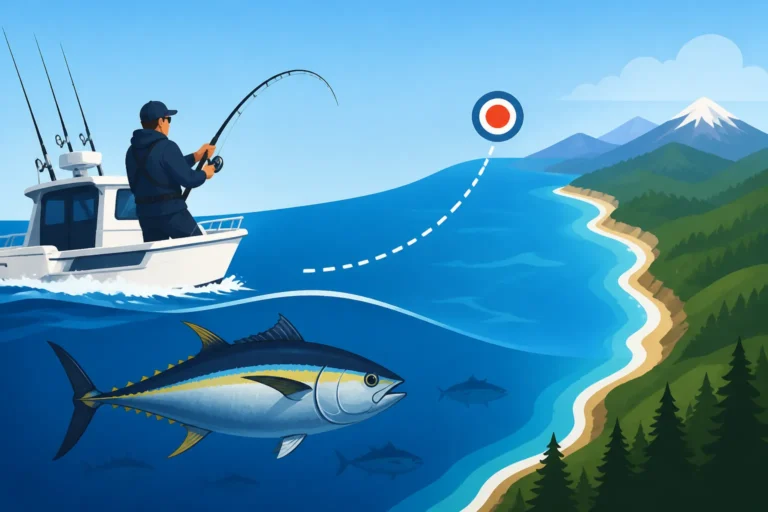
However, the layers of licensing can get a little more complex, especially if your fishing adventure takes you out onto the big blue Pacific Ocean. For ocean charters and guides operating on federally regulated waters (generally three miles offshore and beyond), a U.S. Coast Guard (USCG) Captain's License is absolutely mandatory. This federal license requires extensive training, experience, background checks, and regular drug testing, ensuring a much higher level of maritime safety and professionalism. So, if you're eyeing a deep-sea halibut trip or offshore tuna adventure, confirming their USCG credentials is non-negotiable.
It's also worth noting that some guides might operate on specific federal lands, such as those managed by the Bureau of Land Management or the U.S. Forest Service, which may require additional special use permits. While this isn't something you, the angler, typically need to track, a professional guide will have all of these in order. It's a good sign of their commitment to operating above board and respecting all jurisdictional rules, which ultimately means a smoother, worry-free trip for you.
Why a Licensed Guide Matters for Your Safety and Legality
Choosing a licensed guide isn't just about playing by the rules; it's fundamentally about your safety and peace of mind. A licensed guide, particularly one with a USCG endorsement, is trained in first aid, CPR, navigation, emergency procedures, and often carry necessary safety equipment like life rafts, EPIRBs (Emergency Position Indicating Radio Beacons), and VHF radios. They're prepared for the unexpected, and that preparedness can make all the difference if things go south on the water.
Beyond safety, using an unlicensed guide can put you in a precarious legal position. Fishing regulations in Oregon are detailed and complex, covering everything from Oregon Fishing Season Dates and Limits to specific gear requirements and Oregon Daily Bag Limits Explained. An unlicensed guide might not be up-to-date on all the nuances of Oregon Fishing Regulations Explained, inadvertently leading you into violations. If a game warden checks your boat and discovers the guide is unlicensed, not only could the guide face hefty fines and penalties, but your trip could be cut short, and your catch confiscated.
Furthermore, licensed guides are typically required to carry adequate liability insurance. This is a huge benefit for you as a client. In the unlikely event of an accident or injury during your trip, this insurance provides a layer of protection. An unlicensed guide, on the other hand, likely won't have this coverage, leaving you vulnerable to significant financial burdens should something go wrong. This is a crucial, though often overlooked, aspect of responsible guide selection, and it's a testament to why understanding Licensed Oregon Fishing Guide Requirements is so important.
Where to Start Your Search for an Oregon Fishing Guide
So, you understand why licensing is important, but now comes the practical question: where do you actually find these reputable folks? Thankfully, there are several excellent avenues to explore, ranging from convenient online platforms to time-honored local wisdom.
Online Resources and Booking Platforms
In our digital age, online platforms are often the first stop for many anglers, and for good reason. Websites like FishingBooker, for instance, specialize in connecting anglers with fishing guides and charters worldwide, including right here in Oregon. These platforms allow you to search by location, target species (like Oregon Salmon Species Guide or Oregon Steelhead Guide), and even specific dates. You can often see photos of their boats, read detailed descriptions of their trips, and, most importantly, view customer reviews.
The beauty of these platforms is the consolidated information they offer. You can compare several guides side-by-side, check their availability, and sometimes even book directly. Many guides will list their licenses and certifications directly on their profiles, giving you an easy way to verify their legitimacy. While they offer immense convenience, always cross-reference information and don't hesitate to reach out to the guide directly with specific questions you have about their credentials or experience, especially regarding Oregon Fishing Charter Costs and what's included.
Another valuable online resource is the official website of the Oregon State Marine Board (OSMB) or the Oregon Department of Fish and Wildlife (ODFW). While they may not have a direct booking system, they often provide directories or lists of licensed guides and charter operators. This can be a great way to verify that a guide you found elsewhere is indeed recognized by the state. Additionally, don't overlook fishing forums and social media groups dedicated to Oregon fishing. These can be goldmines for recommendations, though you'll want to verify any suggested guide independently.
Local Knowledge and Word-of-Mouth
Before the internet, word-of-mouth was the gold standard for finding a good guide, and it still holds immense value today. If you have friends, family, or acquaintances who are experienced anglers in Oregon, ask them who they recommend. Their personal experiences can provide insights that online reviews might miss, like a guide's particular patience with beginners or their knack for finding fish even on tough days.
Beyond your immediate circle, immerse yourself in the local fishing scene. Visit tackle shops, fly shops, and marinas in popular fishing towns like Newport, Astoria, or Bend. The staff at these establishments are often intimately familiar with local guides and can offer excellent, unbiased recommendations. They see these guides coming and going, hear customer feedback firsthand, and know who consistently puts clients on fish while adhering to responsible practices. You might even spot business cards or flyers for guides who frequent those shops.
Finally, consider attending local fishing shows or outdoor expos in Oregon. Many guides and charter operators have booths at these events, offering a fantastic opportunity to meet them in person, ask questions face-to-face, and get a feel for their personality and approach. This personal connection can be incredibly valuable in deciding if they're the right fit for your fishing style and expectations, especially if you're looking for Oregon Family-Friendly Fishing Charters.
Professional Associations and Affiliations
Many dedicated and reputable fishing guides choose to be part of professional associations. These memberships often require guides to adhere to a code of ethics, maintain proper licensing, and sometimes even carry specific levels of insurance. Seeing a guide listed as a member of a relevant professional association can be another strong indicator of their commitment to professionalism and quality service.
Examples of such affiliations might include state-specific fishing guide associations, or for those operating within particular river systems, even local guide groups. For fly fishing, guides might be affiliated with organizations that promote ethical angling and conservation. While not every excellent guide will be part of an association, those who are often demonstrate an extra layer of dedication to their craft and reputation. It shows they're invested in the broader guiding community and its standards.
Another angle to consider, particularly for fly fishing, is checking with reputable fly shops that also offer guided trips. Shops like The Deschutes Angler or The Caddis Fly Shop often have a team of in-house guides or can confidently recommend independent guides they trust. These shops stake their own reputation on the quality of the guides they endorse, so their recommendations carry significant weight. This can be a fantastic way to find a guide specializing in specific techniques like How to Fly Fish in Oregon or for particular rivers like the Deschutes.
Key Questions to Ask Potential Guides
Once you've narrowed down your options, it's time to start asking some pointed questions. This isn't about being confrontational; it's about being an informed client and ensuring you're comfortable and confident with your choice.
Confirming Licenses, Insurance, and Experience
This is arguably the most critical set of questions to ask any potential guide. Don't be shy about it! You have every right to ensure your guide is operating legally and responsibly.
- "Are you licensed by the Oregon State Marine Board (OSMB)?" This is the baseline. They should be able to provide their OSMB guide license number.
- "Do you hold a U.S. Coast Guard (USCG) Captain's License? What level?" If you're going offshore or on larger vessels, this is essential. They should provide their USCG credential number.
- "Are you fully insured for commercial guiding operations, specifically for client liability?" Ask for proof of insurance. Reputable guides will have this readily available.
- "How long have you been guiding in Oregon, and how long specifically on the waters we'll be fishing?" Experience matters, especially for navigating changing conditions and knowing the best spots for Best Places to Fish in Oregon.
- "Can you provide references from recent clients?" A guide confident in their service will happily connect you with past clients.
Remember, a true professional guide will not be offended by these questions; in fact, they'll appreciate your diligence. It shows you're a serious client who values safety and legality. If a guide is hesitant or evasive when asked about their licenses or insurance, consider it a major red flag and look elsewhere.
Understanding Trip Details and Inclusions
Once the legalities are out of the way, it’s time to dive into the practicalities of the trip itself. You want to know exactly what you’re paying for and what you can expect on the water. This helps prevent misunderstandings and ensures the trip aligns with your expectations.
- "What species will we be targeting, and what techniques will we be using?" This is important to ensure the trip matches your interests, whether you're hoping for Oregon Salmon Fishing Techniques or Oregon Trout Fishing Techniques. Confirming this upfront can manage expectations, as some days are better for certain species or methods.
- "What is included in the trip price?" This is where costs can vary wildly. Does it cover all necessary fishing gear (rods, reels, tackle, bait/lures)? Does it include things like snacks, drinks, or lunch? What about fish cleaning and packaging at the end of the day? Understanding the full scope of inclusions helps you budget appropriately and avoids surprises on the day of your trip.
- "What is your cancellation policy, especially for weather?" Oregon weather can be unpredictable, particularly on the coast or in the mountains. Know what happens if the weather turns bad or if you need to cancel for personal reasons. Reputable guides will have a clear, written policy.
- "How long is the trip, and what time do we start?" Get the exact duration and meeting time. Punctuality is key for maximizing your time on the water, especially if tides or specific bite windows are a factor.
- "Will I need an Oregon fishing license or any special tags/endorsements?" While a guide is licensed, you, the angler, still need your own Oregon Fishing License Guide and potentially tags like the Oregon Combined Angling Tag Guide for salmon and steelhead, or an Oregon Ocean Endorsement for saltwater species. A good guide will clarify exactly what you need to purchase beforehand.
Here’s a handy checklist of verification points and questions for your prospective guide:
| Verification Point | Key Questions to Ask | Why It Matters |
|---|---|---|
| Licensing | OSMB guide license number? USCG Captain's License (if applicable)? | Ensures legality, professional standards, and proper training. |
| Insurance | Proof of liability insurance? | Protects you in case of unforeseen accidents or injuries. |
| Experience | Years guiding in Oregon? Specific waters? | Indicates expertise in local conditions and target species. |
| Trip Inclusions | What's covered (gear, bait, food, fish cleaning)? | Avoids hidden costs and manages expectations for your experience. |
| Cancellation Policy | What if weather is bad or I need to cancel? | Clear understanding of refunds or rescheduling options. |
| Personal Gear Needed | What should I bring (clothing, snacks, license)? | Ensures you're prepared for the day and comply with regulations. |
| Safety Protocols | What safety equipment is on board? Emergency plan? | Confirms preparedness for unexpected situations. |
| Target Species | What fish are we targeting? Methods? | Aligns the trip with your fishing goals and interests. |
| References/Reviews | Can I contact past clients? Where can I see reviews? | Provides unbiased feedback on the guide's performance and professionalism. |
Reviewing Safety Protocols and Emergency Preparedness
Safety should always be your top priority when venturing out on the water. A good guide doesn't just know where the fish are; they also know how to keep everyone on board safe. This goes hand-in-hand with their licensing and training, but it's worth asking specific questions to ensure you feel confident.
- "What safety equipment do you carry on your boat?" They should be able to list items like personal flotation devices (PFDs) for everyone, a first-aid kit, fire extinguisher, marine radio, flares, and possibly more advanced gear like an emergency beacon or a throw bag for river trips. If you're on a larger vessel for Oregon Ocean Charter Fishing, expect even more extensive equipment.
- "What is your plan in case of an emergency, such as a medical issue or severe weather?" A professional guide will have thought through various scenarios and can articulate their protocols. This might include how they communicate with emergency services, their procedures for hypothermia or injury, and how they navigate adverse conditions.
- "What are your rules regarding PFDs, especially for children?" For river trips or ocean outings, the guide should have clear policies on when PFDs must be worn. They should also provide appropriately sized PFDs for all passengers, especially kids. It's not just about compliance; it's about common sense and responsible guiding.
Feeling comfortable with a guide's commitment to safety is paramount. If you get vague answers or a dismissive tone when discussing safety, it's a significant cause for concern. A truly professional guide understands that safety is the foundation of a successful and enjoyable trip, and they'll be happy to walk you through their measures.
Factors Beyond Licensing to Consider for the Best Fit
While licensing and safety are non-negotiables, there's a lot more that goes into making a fishing trip truly memorable. Finding the right guide means looking beyond the paperwork to find someone who fits your personality, fishing style, and overall expectations.
Specialization and Target Species
Oregon is a vast state with incredibly diverse fishing opportunities, from battling hard-fighting Chinook Salmon in Oregon on the Columbia to chasing wary Rainbow Trout in Oregon on a mountain stream. No single guide is an expert at everything, everywhere. Many guides specialize in particular species or fishing styles.
For example, some guides are renowned for their expertise in Oregon Steelhead Fishing Techniques on specific coastal rivers, while others might focus entirely on warmwater species like Smallmouth Bass in Oregon on the John Day River. If you have your heart set on catching a specific fish or trying a particular technique like fly fishing for trout on the Metolius River, you'll want a guide who lives and breathes that type of fishing. Don't book a steelhead guide if your dream is to catch tuna offshore, and vice versa. Ask about their primary focus and how often they successfully target the species you're interested in.
Their specialization also extends to the type of water they guide. Some excel at drift boat trips down scenic rivers, while others are masters of operating larger ocean vessels. If you're new to fishing or want a relaxed experience, you might look for a guide known for Beginner-Friendly Guided Fishing Trips in Oregon. Conversely, if you're an experienced angler seeking a technical challenge, you'll want a guide who matches that intensity. The more aligned their expertise is with your desires, the better your chances of a successful and satisfying trip.
Communication Style and Personality
A fishing trip is often a full day spent in close quarters with your guide. Their personality and communication style can make or break the experience, regardless of how many fish you catch. Some anglers prefer a quiet, focused guide who lets them concentrate on fishing, while others thrive with an outgoing, chatty guide who shares stories and jokes.
Think about what kind of interaction you prefer. Do you want someone who is patient and instructive, especially if you're bringing kids or are new to certain techniques? Or do you prefer a guide who is more laid-back, letting you enjoy the scenery and the rhythm of the cast? Don't be afraid to engage with potential guides over the phone or via email to get a sense of their personality before booking. Their promptness in responding, clarity in communication, and overall demeanor can give you valuable clues.
Ultimately, you're looking for someone you feel comfortable spending several hours with. A guide who is a good teacher, a good conversationalist (if that's what you like), and genuinely passionate about sharing their love of fishing will enhance your trip tremendously. Remember, you're not just hiring a boat operator; you're hiring an experience maker.
Client Reviews and Testimonials
In today's connected world, past client reviews are an invaluable resource. Look for reviews on the guide's website, their social media pages, and especially on independent booking platforms like FishingBooker or Google reviews. These provide unfiltered insights into other anglers' experiences.
When reading reviews, look for common themes. Do people consistently praise the guide's patience, knowledge, or ability to put them on fish? Are there any recurring complaints about communication, safety, or equipment? Pay attention to how the guide responds to both positive and negative feedback, as this can reveal a lot about their professionalism and commitment to customer service.
It's also a good idea to seek out specific details in reviews that resonate with your own priorities. If family-friendly trips are important to you, look for reviews that mention positive experiences with children. If you're after a particular species, see if reviewers mention successful outings targeting that fish. While a single negative review shouldn't necessarily deter you, a pattern of consistent issues should be a red flag. Combining online reviews with personal recommendations will give you the most comprehensive picture of a guide's reputation.
Disclaimer
This article is for general informational purposes only and does not constitute professional advice. Laws, prices and regulations vary by location and change over time. Consult a qualified professional for guidance on your specific situation.