Diamond Lake Fishing Guide
Oh, Diamond Lake! Just the name conjures up images of sparkling water, towering Ponderosa pines, and the promise of a tug on the line. It's a truly special place, nestled high in the Oregon Cascades, a dream destination for so many anglers. But let's be real, showing up to a new lake, even one as famous as Diamond, can feel a little overwhelming. You want to make the most of your time, but figuring out the best spots, the right gear, and what the heck the fish are biting can be a head-scratcher. That's exactly why we're here today – to demystify Diamond Lake and help you have an absolutely incredible fishing adventure.
Why Diamond Lake is a Premier Fishing Destination
Diamond Lake isn't just a lake; it's the lake for many Oregonians when it comes to consistent, family-friendly trout fishing. This beautiful, high-elevation lake has a rich history and a unique environment that sets it apart, making it a truly premier spot on the Best Lakes to Fish in Oregon list. Its designation as "Oregon's Gem" isn't just for show; it's a testament to its sparkling waters, stunning backdrop, and the vibrant fishery it supports.
Its Storied History of Trout Management
For decades, Diamond Lake has been famous for its incredible rainbow trout fishing, a reputation built on careful management and, at times, dramatic interventions. Back in the day, the lake was a real trophy trout fishery, but then, unfortunately, non-native tui chub were illegally introduced. These invasive fish utterly devastated the ecosystem, outcompeting the trout for food and habitat, turning a vibrant fishery into a shadow of its former self. It was a tough lesson for everyone, and it really highlighted how delicate these natural balances are.
Thankfully, the Oregon Department of Fish and Wildlife (ODFW) undertook massive rotenone treatments in the early 2000s to eradicate the chub. This was a huge undertaking, literally resetting the lake's aquatic life to give the trout a fighting chance to thrive again. Since then, the ODFW has meticulously restocked Diamond Lake with millions of rainbow trout fingerlings and larger legal-sized fish annually. This consistent stocking program, combined with diligent monitoring, has restored Diamond Lake to its glory, making it one of the most reliable and rewarding trout fisheries in the state. It's a fantastic example of dedicated conservation work paying off for anglers and the ecosystem alike.
The Unique Alpine Environment and Scenery
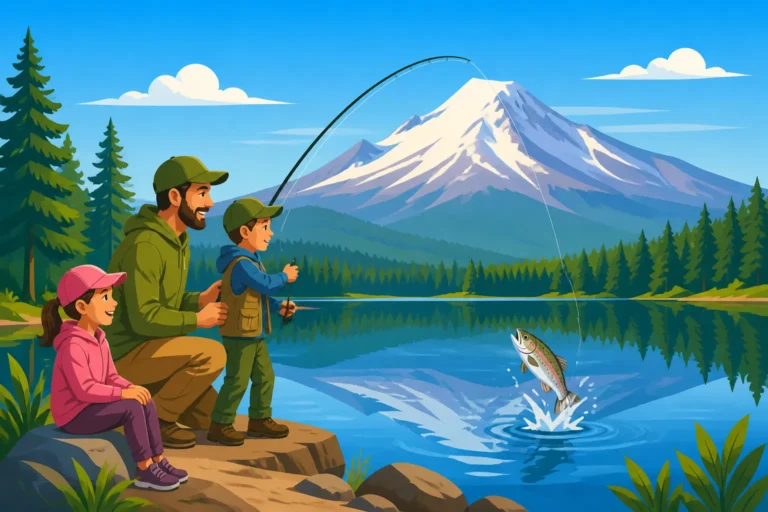
Beyond the fishing itself, the sheer beauty of Diamond Lake is a major draw. Situated at an elevation of about 5,183 feet, it's surrounded by the stunning peaks of the southern Oregon Cascades, including Mount Bailey and Mount Thielsen. Imagine casting your line with snow-capped mountains reflected in the clear water – it's truly breathtaking. The air is crisp, the scent of pine is ever-present, and the sounds of nature are your constant companions.
This alpine setting isn't just pretty; it contributes to the lake's ecosystem. The cooler temperatures and glacial runoff help maintain ideal conditions for trout, even as the summer progresses. The surrounding Umpqua National Forest offers a wealth of recreational opportunities, from hiking and camping to wildlife viewing, making a fishing trip to Diamond Lake a full-fledged outdoor adventure. It’s the kind of place where even if the fish aren't biting aggressively, simply being there is a reward in itself. This majestic setting makes every cast feel like a special moment, far removed from the hustle and bustle of everyday life.
Understanding Diamond Lake's Primary Fish Species
When you're headed to Diamond Lake, there's one fish species that’s almost certainly on your mind: the rainbow trout. Thanks to extensive stocking efforts, these energetic fish are the undisputed stars of the show here. Understanding their habits and the nuances of the population will definitely put you a step ahead, ensuring you're ready for action.
Rainbow Trout: The Main Attraction
Diamond Lake is famous for its rainbow trout, and for good reason. The ODFW's stocking program ensures a robust population, with fish ranging from pan-sized "stockers" that are perfect for younger anglers or a quick meal, to larger, feistier holdovers that have spent a season or two growing fat in the lake. These fish are known for their vibrant colors, often displaying that classic iridescent stripe down their sides, especially the wilder specimens or those that have been in the lake for a while.
What makes Diamond Lake rainbows so much fun is their willingness to bite and their fighting spirit. Even the smaller ones put up a good show, leaping and diving, making for an exciting retrieve. The larger holdovers, often reaching 18 to 20 inches, can truly test your tackle and your angling skills. You'll find these Rainbow Trout in Oregon eagerly feeding on a variety of natural prey, from insects to small minnows, which means they can be targeted with a wide array of baits and lures. This abundance makes it a fantastic destination for both seasoned anglers looking for a challenge and families hoping for consistent action.
Other Potential Catches and Surprises
While rainbow trout dominate the scene, Diamond Lake occasionally offers a few other surprises, though they are far less common. Historically, before the major chub eradication, there were other species present, but the lake is now managed almost exclusively for rainbow trout. Any other fish you might encounter would be rare and likely incidental, possibly remnants from a prior stocking or unauthorized introductions.
For instance, you might hear whispers of a brown bullhead or two, but these are truly uncommon and not what anglers typically target here. The ODFW's focus is so intensely on rainbow trout that the ecosystem is geared towards them, ensuring they thrive without significant competition from other game fish. This singular focus means that when you're fishing Diamond Lake, you're pretty much guaranteed to be going after rainbows, allowing you to fine-tune your techniques and gear specifically for them without needing to worry about other species. This clarity in target species is actually quite refreshing, letting you concentrate all your efforts on mastering the art of catching those beautiful, feisty rainbows.
Best Fishing Spots and Access Points on Diamond Lake
Knowing where to fish on a large body of water like Diamond Lake can feel like searching for a needle in a haystack. But don't worry, there are some tried and true areas, whether you prefer the solitude of the shoreline or the expansive opportunities that boat fishing provides. Diamond Lake offers diverse access, ensuring there’s a spot for every angler.
Shoreline Access and Bank Fishing Hotspots
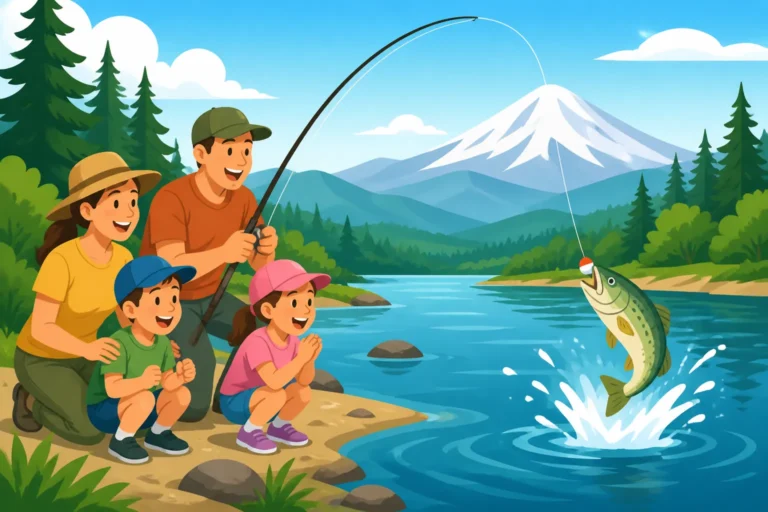
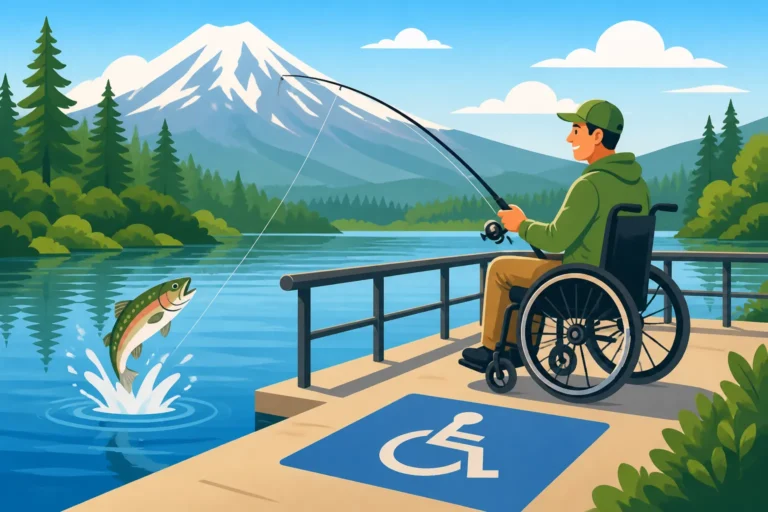
For many, especially families or those without a boat, bank fishing is the way to go, and Diamond Lake provides some excellent opportunities. The entire lake is surrounded by roads and hiking trails, offering numerous spots where you can comfortably cast from shore. The most popular and easily accessible areas are often around the Diamond Lake Resort and the various campgrounds (Thielsen View, Diamond Lake, and Broken Arrow). These spots feature designated day-use areas, ample parking, and gentle slopes down to the water, making them ideal for kids and those with limited mobility.
Specific hotspots for bank anglers often include:
- The North Shore (near the Resort): This area is heavily stocked and sees a lot of fishing pressure, but for good reason – it’s productive! Early mornings and evenings are particularly good here. The area directly in front of the resort and near the boat ramps often holds fish.
- Lakeridge Day Use Area: Located on the west side of the lake, this spot offers beautiful views and good access. It's often a bit less crowded than the resort area but still fishes well.
- The South Shore: Along the road that circles the lake, you'll find pull-offs and smaller trails leading to more secluded spots. These can be great if you're looking to escape the crowds, especially during peak summer weekends.
When bank fishing, look for areas with submerged structure, weed lines, or points that extend into the lake. These features create excellent ambush points for cruising trout. Even though the lake is quite open, these subtle variations can make a big difference.
Boat Fishing Strategies and Productive Depths
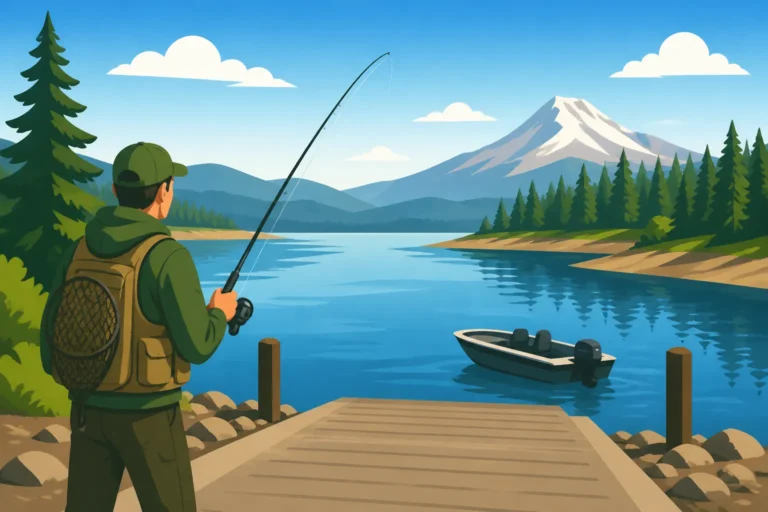
If you have a boat – whether it’s a drift boat, a small aluminum boat, or even a float tube – Diamond Lake truly opens up. Boaters have the advantage of covering more water and reaching areas inaccessible to bank anglers, often leading to bigger catches. There are several boat ramps around the lake, including those at Diamond Lake Resort and near the main campgrounds, making launching convenient. You can even find local guides through platforms like FishingBooker who know the lake inside and out and can take you directly to the action.
Key strategies for boat fishing include:
- Trolling: This is arguably the most popular and effective method for boat anglers on Diamond Lake. Slow trolling with small dodgers, flashers, or gang trolls trailed by wedding rings, small spoons, or bait (like a worm or PowerBait) can be incredibly productive. Vary your depth until you find where the fish are holding, but often 10-25 feet is a good starting point. You'll often see other boats forming loose patterns as they follow productive trolling lanes.
- Anchoring and Still Fishing: For those who prefer a more relaxed approach, anchoring in promising areas – like the drop-offs near the resort, the deeper water off Lakeridge, or near the mouth of Silent Creek – and still fishing with bait can yield excellent results. Cast out multiple lines with different baits and depths to see what the trout prefer.
- Drifting: On days with a light breeze, drifting across different depths with a variety of presentations can be effective. This allows you to cover a lot of water horizontally and vertically, increasing your chances of finding actively feeding fish.
- Key Depths: The fish tend to move deeper as the sun gets higher and the water warms up, especially in summer. In spring and fall, or early mornings and late evenings, they might be shallower, even near the surface. A good fish finder can be invaluable here to locate schools of trout and determine their preferred depth. When looking for a guide, check out FishingBooker for experienced operators who can provide real-time advice on depth and location.
Top Techniques and Gear for Diamond Lake Success
Diamond Lake, being primarily a rainbow trout fishery, responds well to a variety of techniques. Whether you're a seasoned angler who loves to work a lure or a beginner just looking for a bite with simple bait, there's a method for you. Matching your approach to the conditions and the fish's mood is key.
Bait Fishing for Consistent Catches
Bait fishing is undoubtedly the most popular and often the most productive method for anglers at Diamond Lake, especially for those seeking consistent action or fishing with children. It's straightforward, effective, and requires minimal specialized gear. The key here is presenting a natural or enticing scent to the trout.
- PowerBait and Similar Dough Baits: These are perennial favorites. Brands like Berkley PowerBait (in various colors like rainbow, chartreuse, or even garlic-scented) or PowerEggs are extremely effective. The trick is to mold a small ball around a single hook, ensuring it floats just off the bottom. A slip sinker rig with a leader of 18-36 inches allows the bait to suspend enticingly. This technique is particularly good when still fishing from shore or an anchored boat.
- Nightcrawlers and Worms: There's a reason worms are classic trout bait – they work! Use a whole nightcrawler threaded onto a hook, or pinch off a smaller piece for pan-sized trout. Fishing them under a bobber or on a slip sinker rig is effective. The natural scent and movement are irresistible to trout.
- Salmon Eggs: Real or artificial salmon eggs, especially in bright colors like red or orange, can be very appealing. Use them in clusters on a small hook, again, often suspended off the bottom or under a bobber. The visual appeal and scent are strong draws.
- Corn: Believe it or not, canned corn can be a surprisingly effective and budget-friendly trout bait. It's especially popular in heavily stocked lakes where trout are used to a wide range of foods. The bright color and subtle sweetness seem to get their attention.
The beauty of bait fishing is its simplicity. Cast your line, find the right depth, and wait for that telltale tug. It's a fantastic way to introduce newcomers to the joy of fishing, building confidence with frequent bites.
Lure and Fly Fishing for Active Anglers
For those who enjoy a more active approach, working lures and flies can be incredibly rewarding at Diamond Lake. These methods require more skill and technique but can often entice larger, more aggressive trout.
Lure Fishing
When the trout are actively feeding and chasing, lures can outperform bait.
- Spinners: Small inline spinners like Mepps, Rooster Tail, or Panther Martin are hugely popular. Colors like silver, gold, brass, or those with bright accent colors (chartreuse, orange) are effective. Cast and retrieve at a steady pace, varying your retrieve speed until you find what triggers a strike. They mimic small baitfish or large insects.
- Spoons: Classic trout spoons such as Kastmasters, Little Cleos, or Dick Nites work wonderfully. Their erratic wobble and flash imitate injured baitfish. Troll them behind a boat or cast them from shore and retrieve with a stop-and-go motion.
- Wedding Rings and Trolling Flies: These are particularly effective when trolling from a boat. Often paired with a small dodger or flasher, wedding rings typically have beads and a small spinning blade, frequently tipped with a piece of worm or PowerBait for added scent and appeal. Trolling flies, such as Needlefish or flies tied on a leader with a small weight, also perform well, mimicking insects or small prey. When you're thinking about a multi-day trip, especially if you want to try different techniques like trolling, looking into fishing packages or guides on FishingBooker might give you a broader experience.
Fly Fishing
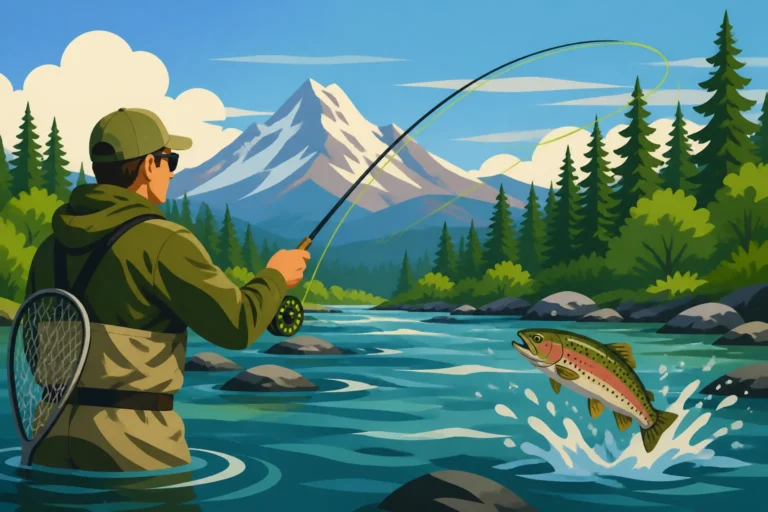
Fly fishing at Diamond Lake can be immensely gratifying, particularly during insect hatches. While it's not a classic stream environment, the lake offers excellent opportunities for both stillwater nymphing and dry fly action.
- Dry Flies: During warmer months, especially in the evenings or on cloudy days, look for midge, caddis, or mayfly hatches. Patterns like a Parachute Adams, Elk Hair Caddis, or various midge patterns can bring explosive rises to the surface.
- Nymphs: When fish aren't rising, nymphs are your best bet. Pheasant Tail, Prince Nymph, Hare's Ear, or even small leech patterns (like a black woolly bugger) fished under an indicator or with a slow retrieve can be deadly.
- Streamers: Woolly Buggers (black, olive, brown) or small baitfish imitations retrieved slowly can entice larger trout looking for a bigger meal. This is particularly effective from a float tube or boat, casting towards shorelines or drop-offs.
- Gear for Fly Fishing: A 5 or 6-weight fly rod with a floating line for dry flies and nymphs, and a sink-tip or full sinking line for streamers, will cover most situations.
Remember, trout can be finicky. Don't be afraid to experiment with different colors, sizes, and retrieve speeds until you find what they're hitting on. This adaptability is often the difference between a good day and a great day on the water. For more specific advice on patterns and approaches, checking out Oregon Trout Fishing Techniques can offer a broader perspective.
Essential Gear for Comfort and Success
Beyond just your rod, reel, and tackle, having the right supporting gear can make your Diamond Lake fishing trip much more enjoyable and successful. It’s all about being prepared for the alpine environment and making your time on the water or shore comfortable.
- Layered Clothing: The weather in the Cascades can change rapidly. Even on a sunny summer day, mornings can be chilly, and afternoon thunderstorms aren't uncommon. Dress in layers that you can easily add or remove. A waterproof jacket is a must.
- Sun Protection: At higher elevations, the sun's rays are more intense. Bring a wide-brimmed hat, sunglasses (polarized ones are a huge help for spotting fish and structure), and high-SPF sunscreen.
- Cooler and Hydration: Pack plenty of water and snacks. Staying hydrated is crucial, especially if you're out all day. A cooler is also essential for keeping your catch fresh if you plan to keep any fish.
- Fishing Pliers/Forceps and Net: Pliers or forceps are vital for safely removing hooks from fish, especially if you plan on catch and release. A landing net, preferably one with rubberized mesh (which is kinder to fish), will help you land fish cleanly and reduce stress on them.
- Waders and Boots: If you're planning to wade and fly fish or access slightly more remote bank spots, a good pair of waders and wading boots will keep you dry and comfortable.
- Chair/Bucket: For bank anglers, a comfortable folding chair or a sturdy bucket to sit on can make a world of difference during longer waits between bites. A bucket can also double as storage or a fish carrier.
- First Aid Kit: Always a good idea to have a small kit for minor cuts, scrapes, or insect bites.
- Insect Repellent: Depending on the time of year, especially in early summer, mosquitoes and other biting insects can be present.
- Navigation: While Diamond Lake isn't enormous, having a map of the area or a GPS device (even your phone) can be helpful, especially if you venture onto trails or explore more remote access points.
Being well-equipped means you can focus on the fishing, the scenery, and making memories, rather than being distracted by discomfort or lack of essentials.
Navigating Regulations and Seasons at Diamond Lake
Fishing in Oregon, especially at popular spots like Diamond Lake, means understanding and adhering to the specific rules set by the Oregon Department of Fish and Wildlife (ODFW). These regulations are in place to protect the fishery and ensure sustainable opportunities for everyone. It's not just about avoiding penalties; it's about being a responsible angler.
Key Oregon Fishing Regulations Explained
Before you even wet a line, you absolutely need a valid Oregon fishing license. This is non-negotiable for anyone 12 years of age or older. You can purchase these online through the ODFW website, at license vendors, or even at the Diamond Lake Resort store. It's often best to get your Oregon Fishing License Guide sorted before you arrive, especially if you're traveling from out of state.
Beyond the license, a few general regulations apply statewide that are good to remember:
- Catch Limits: There are daily and sometimes possession limits for various species. These are designed to prevent overfishing and distribute the catch fairly among anglers.
- Size Limits: Some fish species have minimum or maximum size limits. This helps protect juvenile fish or large, breeding adults.
- Gear Restrictions: Certain bodies of water or specific seasons might have restrictions on the type of gear you can use (e.g., barbless hooks, artificial lures only, fly fishing only).
- Fishing Hours: While many waters are open 24 hours, some may have specific fishing hours, particularly around certain wildlife areas or docks.
It's crucial to consult the current Oregon Sport Fishing Regulations booklet or the ODFW website before each trip, as regulations can change annually or even with emergency updates. What applied last year might not apply this year, and you certainly don't want to run into Fishing Without a License Penalties in Oregon.
Special Rules and Limits for Diamond Lake
Diamond Lake, like many heavily managed fisheries, often has specific regulations tailored to its unique management goals. These are designed to maintain its reputation as a premier rainbow trout destination. Always double-check the most current ODFW regulations, but generally, here's what to expect:
- Rainbow Trout Bag Limits: Diamond Lake typically has a specific daily bag limit for rainbow trout. This limit can vary, so check the "Central Zone" section of the ODFW regulations for the most up-to-date information. It's usually generous enough for a good meal but designed to prevent excessive harvest. For example, it might be 5 trout per day, with specific size requirements, like only one over 20 inches. These details are critical, so read them carefully.
- No Length Limit on Tui Chub (if present): In the past, if tui chub were still found in the lake, there would be no size or bag limit on them, and anglers were encouraged to remove any they caught. This demonstrates the ODFW's commitment to managing invasive species. While hopefully, they are eradicated, this highlights the potential for specific regulations tied to conservation efforts.
- Gear Restrictions: While generally quite liberal, always confirm if there are any specific gear restrictions for Diamond Lake. Usually, bait fishing, lure fishing, and fly fishing are all permitted, but it's good practice to verify. For instance, sometimes areas near a specific spawning tributary might have temporary restrictions.
- Open Season: Diamond Lake is generally open year-round, offering opportunities for Oregon Winter Fishing Options like ice fishing if conditions allow, to robust summer and fall fishing. However, always confirm the "Open Season Dates and Limits" for the Central Zone in the ODFW booklet to be certain.
Staying informed about these special regulations ensures you're fishing legally and contributing to the conservation of this wonderful resource. It's not just a set of rules; it's a guide to being a good steward of Oregon's natural beauty.
Planning Your Diamond Lake Fishing Trip
A successful fishing trip isn't just about catching fish; it's also about the planning that goes into it. Diamond Lake is a destination that truly shines with a little foresight, ensuring your focus can be entirely on enjoying the natural beauty and the thrill of the catch. From picking the right time to sorting out where you'll lay your head, a few thoughtful steps can make all the difference.
Optimal Seasons and Weather Considerations
Diamond Lake offers fishing opportunities year-round, but each season brings its own unique advantages and challenges. Understanding these can help you pick the perfect time for your visit.
- Spring (April – June): This is often considered prime time, especially after the ice-off (which can be late April or early May, depending on the snowpack). The trout are hungry and active after the winter, and the waters are cool and oxygenated. Fish are often found shallower, making them accessible to both bank and boat anglers. Weather can be unpredictable, with sunny days quickly turning to rain or even late-season snow flurries. Be prepared for anything! The Oregon Trout Season Opening Day in many smaller lakes is a big event, and while Diamond Lake doesn't have a specific "opening day" like some, the spring thaw is certainly its own kind of kickoff.
- Summer (July – August): Diamond Lake is incredibly popular in summer, with warm, sunny days perfect for family outings. The trout are still plentiful due to continuous stocking, but they often move to deeper, cooler waters during the heat of the day. Early mornings and late evenings are the best times to fish for actively feeding trout near the surface. Midday might require deeper trolling or bait fishing. Expect crowds, especially on weekends, so booking accommodations or arriving early is wise.
- Fall (September – October): Many seasoned anglers consider fall to be a hidden gem. The summer crowds dissipate, the weather turns crisp, and the surrounding forests burst with fall colors. The trout, sensing winter approaching, become very active, feeding heavily. They might move back into shallower waters as the lake cools. This can be fantastic for both bait and lure fishing. Watch for early snowfalls, especially in late October.
- Winter (November – March): Once the lake freezes over, Diamond Lake becomes a popular destination for ice fishing, conditions permitting. This offers a unique and serene fishing experience. Always prioritize safety on the ice, checking thickness before venturing out. Weather can be severe, so proper cold-weather gear is essential. Confirm current ice conditions with local authorities or the resort before planning a winter trip.
Always check the local weather forecast for Diamond Lake before heading out, as conditions can change rapidly in the mountains.
Accommodation and Amenities Around the Lake
Diamond Lake isn't just a fishing spot; it's a full-fledged recreation area with a range of amenities to make your stay comfortable, whether you're roughing it or prefer a few creature comforts.
- Diamond Lake Resort: This is the hub of activity. The resort offers cabin rentals, motel rooms, RV sites with full hookups, and tent sites. They also have a general store (where you can often buy your Oregon Fishing License Cost and basic tackle), a restaurant, boat rentals (motorized and non-motorized), and often provide up-to-date fishing reports. It’s a fantastic base if you want convenience and don't mind being in the heart of the action.
- Campgrounds: The Umpqua National Forest operates several popular campgrounds around the lake:
- Thielsen View Campground: Offers beautiful views of Mount Thielsen and direct lake access.
- Diamond Lake Campground: One of the largest, with a variety of sites, many within walking distance of the lake.
- Broken Arrow Campground: Another large campground with good lake access, often a bit quieter than the resort area.
These campgrounds typically offer primitive sites, some with potable water and restrooms, but check individual campground details for specific amenities and to make reservations, especially during peak season. They fill up fast!
- Dispersed Camping: For the truly adventurous, dispersed camping might be available in designated areas of the Umpqua National Forest surrounding the lake, though you'll need to be self-sufficient and follow Leave No Trace principles. Always check current forest service regulations for fire restrictions and permitted areas.
- Nearby Towns: While Diamond Lake offers plenty, if you need more extensive supplies or different dining options, the small communities along Highway 138 (the "Rogue-Umpqua Scenic Byway") are your closest options. Roseburg is the largest city in the region, about a two-hour drive away, offering all major services.
No matter your preference, having your lodging sorted out in advance, especially during the busy summer months, will ensure a stress-free trip. It's not just about the fishing, it's about the whole experience.
Diamond Lake Fishing Overview
To help you get a quick snapshot of what to expect, here's a handy table summarizing some key aspects of fishing at Diamond Lake.
| Aspect | Detail |
|---|---|
| Primary Species | Rainbow Trout (heavily stocked) |
| Best Seasons | Spring (April-June): Post-ice off, active fish, unpredictable weather. Summer (July-August): Popular, deeper fish during day, warm weather. Fall (Sept-Oct): Fewer crowds, active fish, beautiful scenery. Winter (Nov-Mar): Ice fishing (conditions permitting), serene. |
| Common Techniques | Bait Fishing: PowerBait, worms, salmon eggs (effective for all levels, consistent bites). Lure Fishing: Spinners, spoons (active, effective for chasing fish). Fly Fishing: Nymphs, dry flies, streamers (skill-based, rewarding). Trolling: With dodgers/flashers and wedding rings/lures (highly effective from boats). |
| Access | Shoreline: Diamond Lake Resort, Lakeridge Day Use, campgrounds. Boating: Multiple ramps, float tubes, kayaks. |
| Typical Size Range | 10-20 inches, with an abundance of 12-16 inch fish. Larger holdovers possible. |
| Regulations | Oregon fishing license required (12+). Specific daily bag limits for rainbow trout. Check current ODFW Central Zone regulations for details. |
| Amenities | Diamond Lake Resort (cabins, motel, RV, store, restaurant, boat rentals). USFS Campgrounds (Thielsen View, Diamond Lake, Broken Arrow). |
Disclaimer
Fishing conditions and regulations in Oregon can change. Always consult the most current Oregon Department of Fish and Wildlife (ODFW) regulations before you head out. This guide provides general information and should not be considered a substitute for official ODFW publications. Safety first, especially when on or near the water.