Lingcod off the Oregon Coast
For many anglers casting a line into Oregon's vast Pacific, the thought of grappling with a feisty lingcod is both exhilarating and a little daunting. These incredible bottom-dwelling predators are sought after for their aggressive strikes, impressive size, and, let's be honest, their absolutely delicious, flaky white meat. But figuring out where to find them, what gear you actually need, and how to navigate the specific rules can feel like trying to solve a puzzle in a moving boat. This guide is here to untangle all those knots, offering a deep dive into successfully targeting lingcod off the stunning Oregon Coast.
What Exactly is a Lingcod and Why Are They So Popular in Oregon?
Lingcod might sound like a distant cousin to the true cod species, but they're actually in a league of their own, a unique and formidable predator that calls the rocky bottoms of the Pacific home. They're often confused with rockfish due to their shared habitat, but once you've seen one up close, there's no mistaking a lingcod's distinctive features and powerful demeanor. For anglers along the Oregon Coast, these fish represent a truly rewarding challenge and a fantastic culinary prize.
Distinguishing Features and Biology
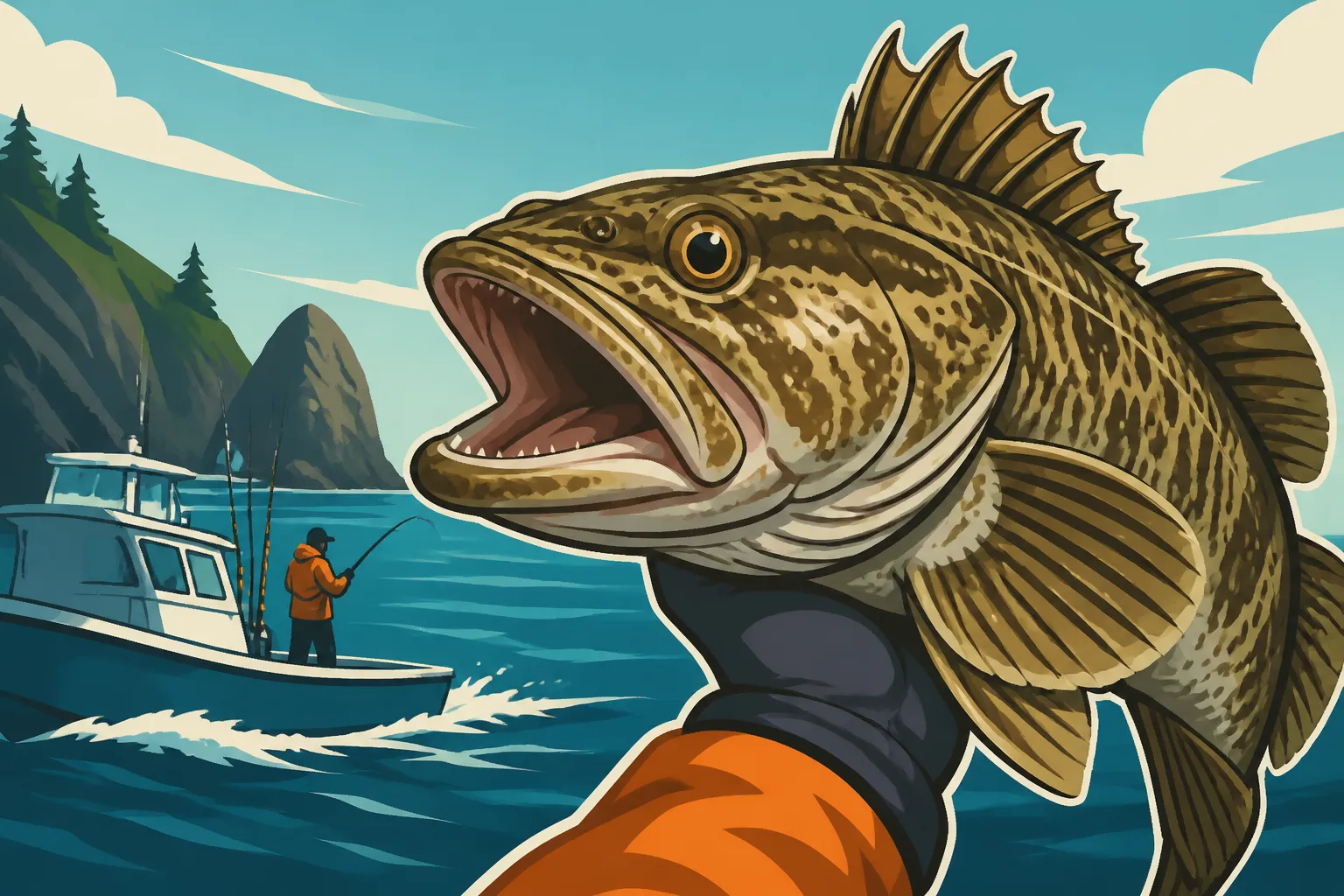
Imagine a fish that looks like it was designed by a committee of marine predators: a long, slender body, a huge mouth bristling with hundreds of needle-sharp teeth, and a camouflage pattern that lets it blend perfectly into rocky reefs. That's a lingcod for you! While their coloration can vary wildly from mottled brown and grey to green and blue, always matching their surroundings, those teeth and that elongated body are dead giveaways. They're not actually a "cod" but belong to the greenling family, hence the "ling" in their name. These fish can grow surprisingly large, often reaching over 3 feet in length and weighing upwards of 30 pounds, making them a substantial catch. They are ambush predators, lying in wait in crevices and on rocky ledges, ready to lunge at unsuspecting prey like smaller fish, crabs, and even other lingcod. Their life cycle is fascinating, with males fiercely guarding egg nests laid on the rocky seafloor.
Why Anglers Love Them
The allure of lingcod fishing in Oregon is multi-faceted. First and foremost, their aggressive nature makes for an incredibly exciting fight. When a lingcod decides to hit your lure, there's usually no mistaking it – it's often a solid, jarring strike that quickly turns into a tug-of-war. They'll dive for cover, wrap your line around structure, and generally do everything in their power to avoid being brought to the surface. This intense battle is exactly what many experienced anglers crave. Beyond the fight, there's the sheer satisfaction of landing a truly impressive fish. A large lingcod is a trophy in itself, a testament to skill and persistence. And then, of course, there's the table fare. Lingcod boast firm, white, flaky meat that holds up beautifully to almost any cooking method, whether baked, fried, grilled, or even in a fresh ceviche. This combination of thrilling sport and delicious reward makes lingcod one of the most highly sought-after species for both recreational and commercial fishermen in Oregon.
Where to Find Lingcod: Prime Habitat Along the Oregon Coast
Lingcod are creatures of habit, or rather, creatures of structure. They aren't going to be cruising over sandy flats or hanging out in open water; they thrive where the seafloor offers plenty of nooks, crannies, and ambush points. Understanding their preferred habitat is the absolute key to finding success when targeting these magnificent fish along the rugged Oregon Coast.
Reefs, Rocks, and Pinnacles
If you're looking for lingcod, you need to think "rocky structure." Their ideal homes are rocky reefs, submerged pinnacles, boulder fields, and underwater ledges. These areas provide them with perfect camouflage, shelter from strong currents, and a steady supply of prey. Think of these spots as underwater cities for lingcod, offering apartments (crevices) and hunting grounds (edges of reefs). These structures break up the current, creating eddies where smaller baitfish congregate, and offering the perfect ambush points for a lingcod waiting patiently. This is why you'll often find charters and experienced private boaters hugging the coastline where these rocky features are abundant, or venturing offshore to known rockpiles that aren't visible from the surface. The more complex the structure, generally the better the lingcod habitat, as it provides more hiding spots and more varied hunting opportunities.
Specific Oregon Coastal Hotspots
The entire Oregon Coast offers fantastic lingcod opportunities, but certain areas are particularly renowned for their productive rocky habitats. Newport, with its extensive offshore reefs and submerged structure, is a prime departure point for many lingcod enthusiasts. The waters outside of Depoe Bay are also famous for their deepwater pinnacles and ledges that attract plenty of these toothy predators. Further north, the rocky areas off Tillamook Bay and out of Garibaldi can be incredibly fruitful, especially around offshore rocks like the iconic Three Arch Rocks area. South of Newport, places like Florence, Winchester Bay, and Charleston also offer excellent access to productive lingcod grounds, often featuring a mix of artificial reefs and natural rock formations. Even down in Brookings, near the California border, anglers find success on the rugged bottom structure. While the general rule is to look for rocks, knowing the specific contours and popular fishing areas around these coastal towns can significantly increase your chances. Many Oregon Fishing Charter Guide operations specifically target these known productive zones.
| Coastal Region | Key Features for Lingcod | Typical Depth Range (feet) | Common Prey | Best Fishing Access Points |
|---|---|---|---|---|
| Northern Coast (Astoria to Tillamook) | Rocky jetties, offshore rockpiles, sunken reefs | 40-150 | Herring, anchovies, crabs, smaller rockfish | Astoria, Garibaldi |
| Central Coast (Lincoln City to Florence) | Extensive offshore reef systems, pinnacles, ledges | 60-200 | Sardines, squid, rockfish, greenling | Depoe Bay, Newport, Florence |
| Southern Coast (Coos Bay to Brookings) | Rugged coastline, kelp beds, rock formations | 50-180 | Shrimp, small octopus, various baitfish | Charleston, Gold Beach, Brookings |
Gear and Techniques for Landing Lingcod
When it comes to battling a lingcod, you need gear that can stand up to their raw power and their tendency to dive into unforgiving rocky structure. This isn't a finesse game; it's about robust tackle, strong lines, and tactics that get your bait into their strike zone and then get the fish out before it can cut you off. Preparing correctly can mean the difference between landing a trophy and losing your rig to the rocks.
Rods, Reels, and Line for Lingcod
Your setup needs to be sturdy. For rods, look for something with a heavy power rating and a fast to moderate-fast action, typically in the 7 to 9-foot range. This gives you the backbone to turn a big fish away from structure and enough tip sensitivity to feel those distinct lingcod bites. Fiberglass or composite rods are often favored for their durability and shock absorption, which is crucial when fishing around sharp rocks. Many anglers find conventional setups (baitcasting reels) to be ideal for lingcod, as they offer superior cranking power and line capacity. Look for a robust reel with a strong drag system – something that can handle at least 25-50 pounds of pressure without faltering. The reel should be spooled with 50-80 lb braided line. Braid offers excellent sensitivity, minimal stretch, and incredible strength, which is vital for feeling subtle bites in deep water and for pulling a fish away from snags. To this, you'll want to add a top shot or a leader of heavy monofilament or fluorocarbon, typically 60-100 lb test, as abrasion resistance is paramount when fishing among sharp rocks and teeth. Brands like Penn, Daiwa, and Shimano offer excellent options for this kind of heavy-duty saltwater fishing. You can find many of these specific rods and reels on Amazon, often with great reviews from other bottom fishermen.
Baits, Lures, and Rigs that Work
Lingcod aren't particularly picky eaters, but they do prefer a substantial meal. Live bait is often the king for lingcod, with a medium-sized herring, sardine, or even a smaller rockfish being incredibly effective. Just make sure you're following regulations regarding what can be used as live bait. When live bait isn't an option or is less convenient, large artificial lures come into play. Heavy jigs are incredibly popular, often tipped with a piece of bait or a grub. Think jigs weighing anywhere from 4 to 16 ounces, depending on the depth and current. Scampi-style lead-head jigs with plastic tails, large paddle-tail swimbaits, or even big metallic vertical jigs (like knife jigs) can provoke aggressive strikes. Another excellent choice is a standard "bottom rig" or "hi-lo" rig, often fished with a lead weight at the bottom and one or two dropper loops above for hooks, baited with squid, herring chunks, or artificial scents. The key is to present something big and appealing that mimics the natural prey found on the bottom. Sometimes, having a variety of jigs and bait options on hand, easily purchased through Amazon, allows you to adapt to what the lingcod are biting on any given day.
Fishing Methods: Jigging, Drifting, and Bottom Fishing
There are a few primary techniques that lingcod anglers employ, each with its own advantages depending on the conditions and the specific spot you're fishing.
- Jigging: This is perhaps the most common and active method. Once you've located rocky structure on your fish finder, drop a heavy jig or bait rig straight down to the bottom. Let it hit, then reel up a few feet and work the jig with a sharp lift and drop motion. This action mimics a wounded baitfish or a struggling creature on the bottom, which is irresistible to an ambush predator like a lingcod. The key is to keep your bait in the "strike zone," which is often right on the bottom or just a few feet above the structure.
- Drift Fishing: This technique is effective when you're covering a wider area of rocky bottom or when the current is gently carrying your boat over promising structure. You allow your boat to drift with the wind or current, while keeping your bait or lure near the bottom. This presents your offering to any lingcod you drift over. It's crucial to use enough weight to keep contact with the bottom, but not so much that you get constantly snagged. This method can be particularly productive for covering patchy reefs where fish might be spread out.
- Bottom Fishing (Anchored): Sometimes, if you find a particularly productive pinnacle or a tight school of fish on your fish finder, anchoring directly over the spot can be very effective. This allows you to precisely target a specific piece of structure with multiple lines, without drifting off. Once anchored, you can use either jigging techniques or simply let your baited rigs sit near the bottom. This method is often preferred by those using live bait, as it allows the bait to swim naturally in one concentrated area. Regardless of method, watch your rod tip and be ready for a powerful strike!
When to Go: Best Seasons for Lingcod Fishing
Knowing where and how to fish for lingcod is vital, but equally important is understanding when to pursue them. The Oregon Coast offers lingcod fishing opportunities for much of the year, but certain seasons, tides, and weather conditions can significantly impact your success rate. Timing really can be everything when it comes to these bottom dwellers.
Seasonal Patterns and Best Months
Lingcod are generally available year-round off the Oregon Coast, but there are definitely peak seasons when fishing can be phenomenal. The spring and summer months, roughly from April through October, are typically considered the prime time for lingcod. During these warmer months, ocean conditions tend to be calmer, making it safer and more comfortable to venture offshore to their rocky hideouts. Moreover, during spring, lingcod are often more active as they come off their spawning season and are hungry, replenishing their energy.
As summer progresses, the abundance of baitfish in the offshore waters also increases, leading to more active feeding by lingcod. You'll find that many charter operations schedule their dedicated bottom fishing and rockfish trips with lingcod as a primary target throughout this period. While winter fishing can certainly yield some impressive lingcod, it's often more challenging due to rougher seas and unpredictable weather patterns that can limit access to prime offshore spots. Always check the current Oregon Fishing Season Dates and Limits for specific regulations that might apply to lingcod at different times of the year.
Tidal and Weather Considerations
Just like with many other saltwater species, tides and weather play a significant role in lingcod activity.
- Tides: While lingcod are bottom dwellers, strong tidal currents can make fishing incredibly difficult. Extreme tides can sweep your bait or lure away from the target zone, making it hard to keep contact with the bottom without using excessive weight. Many experienced anglers prefer to fish for lingcod during the periods of slack tide – either slack high or slack low. During slack tide, the water movement is at its slowest, allowing your presentation to stay in the strike zone more effectively. Conversely, periods of moderate current can sometimes be beneficial, as the moving water can dislodge prey and stimulate feeding, but too much current is generally a disadvantage.
- Weather: Calm seas are, without a doubt, the most important weather factor for lingcod fishing. Venturing offshore in rough conditions is not only uncomfortable but can be downright dangerous. Always check marine forecasts before planning your trip. A good rule of thumb is to look for days with forecasted swells under 6-8 feet and light winds. Overcast days can sometimes be better than bright sunny days for bottom fishing, as the reduced light penetration might make lingcod more comfortable venturing from their cover. However, the primary consideration for safety and comfort will always be calm ocean conditions. Cold fronts or sudden temperature drops can also slow down fish activity, so stable weather patterns are often preferred.
Understanding Oregon's Lingcod Regulations
Fishing regulations can sometimes feel like a labyrinth of rules and dates, and for good reason—they're in place to protect our precious fisheries for future generations. When it comes to lingcod off the Oregon Coast, there are specific rules you absolutely need to know and follow to ensure you're fishing legally and sustainably. Ignorance of the law is never an excuse, and game wardens do check.
Daily Bag and Possession Limits
Oregon's regulations specify both a daily bag limit and a possession limit for lingcod. The daily bag limit is the number of fish you can legally keep within a 24-hour period, meaning from midnight to midnight. The possession limit, on the other hand, is the total number of fish you can have in your possession at any given time, whether they are fresh, frozen, or processed. Often, the possession limit is twice the daily bag limit, allowing for multi-day trips. For lingcod, anglers typically face a limit of two fish per day, though this can sometimes vary based on ocean conditions or specific management zones. Always remember that any fish you catch and keep counts towards your limit, even if you decide later it's not the one you want. Careful planning of your trip and understanding these limits is essential to avoid potential Oregon Fishing Violations and Penalties.
Size Limits and Measurement Tips
Lingcod are subject to a minimum size limit in Oregon. This means that any lingcod you catch must be at least a certain length to be legally retained. The common minimum size for lingcod is 22 inches, but this can also change, so double-checking the latest regulations from the Oregon Department of Fish and Wildlife (ODFW) is crucial before you head out. These size limits are critical for allowing fish to reach reproductive maturity and contribute to future populations.
To properly measure a lingcod:
- Lay the fish flat: Place the fish on a measuring board or a flat surface.
- Measure from tip to tip: The measurement is taken from the tip of the nose (snout) to the tip of the tail (caudal fin), with the tail pinched to get the maximum length.
- Release immediately if undersized: If your lingcod doesn't meet the minimum size requirement, it must be released immediately and carefully. Avoid handling the fish unnecessarily, especially by its gills, and get it back into the water as quickly as possible. Having a proper fish measuring device on board, perhaps one you picked up from Amazon, is always a good idea.
Understanding Closures and Seasons
Lingcod, like other marine species, can be subject to specific seasonal closures or depth restrictions. These measures are often put in place to protect spawning populations, reduce pressure during certain times of the year, or manage interactions with other species. For instance, sometimes there are "all-depth" lingcod seasons, and other times there are depth restrictions, meaning you can only fish for them in shallower waters to avoid incidental catch of other species that might be under stricter protection.
It's not uncommon for recreational bottom fishing (which includes lingcod) to have different seasons or regulations than commercial fishing, or for specific zones along the coast to have slightly varied rules. For example, some years might see a temporary closure of certain areas or a change in the maximum depth you're allowed to fish. Before every trip, it is vital to consult the most current ODFW marine zone regulations. These are typically published online and in physical booklets available at license vendors. Staying informed ensures you're always compliant and contributing to sustainable fishing practices off the Oregon Coast. A quick search for "Oregon fishing regulations" will always lead you to the most up-to-date information.
Preparing Your Catch: From Ocean to Table
Catching a lingcod is only half the adventure; the other half is transforming it from a toothy ocean denizen into a delectable meal. Proper handling onboard and meticulous preparation ashore are key to ensuring that the fantastic flavor of your lingcod truly shines through. There’s a special satisfaction in cooking and enjoying a fish you personally harvested from the wild, especially one as prized as lingcod.
Handling and Care Onboard
The moment a lingcod comes over the rail, its quality as table fare begins. Lingcod are known for their firm, white meat, but improper handling can quickly compromise this.
- Dispatch Humanely and Quickly: The first step is to dispatch the fish quickly and humanely. This reduces stress on the fish, which prevents the buildup of lactic acid in the muscles, ensuring better flavor and texture. A sharp blow to the head or a technique called "ike-jime" (a Japanese method that involves spiking the brain) are effective ways to do this.
- Bleed the Fish: Immediately after dispatching, bleed the lingcod. You can do this by making a cut behind the gills, near the throat. This removes blood from the flesh, which significantly improves the taste and extends the shelf life of the meat. Hang the fish by its tail for a few minutes or place it head-down in a cooler with a drain plug to allow the blood to drain completely.
- Ice Down Immediately: Once bled, get your lingcod on ice as soon as possible. A cooler packed with a good ice-to-fish ratio is essential. Don't just throw ice on top; surround the fish completely. This rapidly cools the meat, inhibiting bacterial growth and preserving its freshness. A cold, well-bled fish will yield the best fillets. For longer trips, consider having pre-chilled saltwater or ice slurry in your cooler to maximize cooling efficiency. This is a critical step that cannot be overlooked for optimal taste.
Cleaning and Filleting Your Lingcod
Filleting a lingcod can be a bit more challenging than some other fish due to its thick skin, large bones, and robust frame, but with the right tools and a little practice, it's very manageable.
- Sharp Fillet Knife: A long, sharp fillet knife (8-10 inches) is indispensable. A dull knife will make the job frustrating and potentially dangerous. Consider a good quality knife, perhaps one you researched on Amazon.
- Lay Flat on a Stable Surface: Place the lingcod on a non-slip cutting board or a dedicated filleting table.
- Make the Initial Cut: Start by cutting behind the pectoral fin, down to the backbone. Then, turn the knife flat and run it along the backbone towards the tail, separating the fillet from the rib cage. You might need to apply a bit more pressure than with a trout or salmon.
- Remove Ribs and Skin: Once the fillet is off the bone, carefully cut out the rib cage. Then, lay the fillet skin-side down and, holding the tail end firmly, work your knife between the skin and the meat, keeping the blade angled slightly down towards the skin to maximize meat yield. Lingcod skin is very tough and not typically eaten.
- Check for Parasites (optional but recommended): While rare, some lingcod can have harmless parasites in their flesh. If you notice any small, white worms, simply cut them out. These are usually benign and killed by cooking, but most people prefer to remove them.
You’ll end up with two beautiful, thick, boneless fillets ready for cooking. Many anglers choose to package these fillets in vacuum-seal bags and freeze them, which is an excellent way to preserve their quality for months.
Cooking and Culinary Delights
Lingcod is a truly versatile fish in the kitchen. Its firm, white, flaky meat has a mild flavor that stands up well to a variety of cooking methods and seasonings. It’s a lean fish, so it's relatively healthy too!
- Baking or Roasting: A simple baked lingcod fillet with a little lemon, butter, garlic, and fresh herbs is a classic. Wrap it in foil or parchment paper to keep it moist, or bake uncovered for a slightly crispier top.
- Pan-Frying or Sautéing: Lingcod takes wonderfully to a light breading or a simple dusting of flour before pan-frying in a bit of oil or butter. It develops a lovely golden crust while remaining tender inside. This is fantastic for fish tacos or sandwiches.
- Grilling: For a smoky flavor, grill lingcod fillets on a medium-hot grill. Brush with olive oil and your favorite rub, and be careful not to overcook, as lean fish can dry out quickly.
- Fish and Chips: The firm texture of lingcod makes it an ideal candidate for classic fish and chips. Cut into strips, batter, and deep-fry until golden brown.
- Ceviche: For a fresh, uncooked preparation, dice lingcod into small pieces and marinate in citrus juice (lime or lemon) with onions, cilantro, and chili. The acid "cooks" the fish, creating a refreshing appetizer.
No matter how you prepare it, fresh lingcod from the Oregon Coast is a culinary treat that perfectly caps off a successful fishing adventure. It's a testament to the rich bounty of our coastal waters and a powerful incentive to learn Oregon Ocean Endorsement requirements and get out there and fish.
Disclaimer
This article is for general informational purposes only and does not constitute professional advice. Laws, prices and regulations vary by location and change over time. Consult a qualified professional for guidance on your specific situation.