Do you need your own license for a guided trip in Oregon?
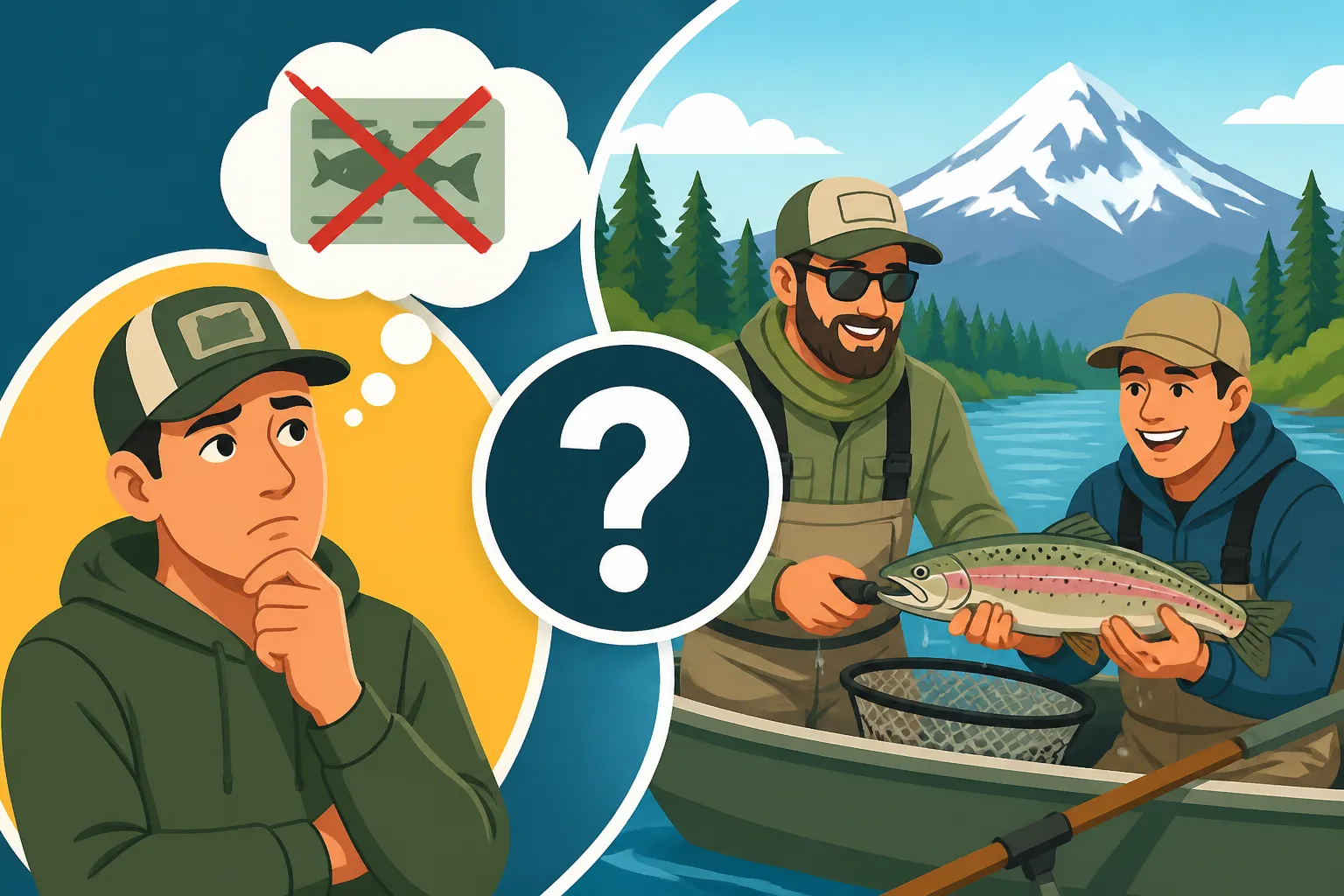
It's a common scenario: you've booked a fantastic guided fishing trip in Oregon, you're excited, and then a nagging question pops into your head – "Do I need my own fishing license, or does the guide's license cover me?" This is a perfectly understandable confusion, as the rules around guided trips can sometimes feel a bit murky. This comprehensive guide will clear up any misunderstandings and ensure you're fully prepared and legal for your incredible Oregon angling adventure.
The Simple Answer: Yes, You Need a License!
Let's cut right to the chase: if you are 12 years of age or older and plan to cast a line, pull a crab pot, or catch anything that swims or crawls in Oregon's public waters, you absolutely need your own, valid Oregon fishing license. This holds true whether you're fishing from the bank, a private boat, or a professional guide's vessel. Your guide is there to provide expertise, gear, and a safe experience, but they cannot legally provide your individual fishing license.
Why the Misconception Exists
It’s easy to see why this question comes up so often. Many folks assume that because a guide is a professional operator, licensed to take clients out, that somehow their overarching commercial license extends to everyone on board. Some might liken it to a bus driver having a commercial license that covers all passengers, or a boat owner’s registration making the vessel legal for all occupants. Others might have heard about specific commercial fishing licenses and mistakenly believe a guide's license functions in a similar way for recreational anglers. It’s a logical leap, but unfortunately, it's incorrect when it comes to personal angling licenses.
The guide's license, or their Outfitter and Guide registration, permits them to run a for-profit fishing operation and lead trips. It's about their business and their ability to operate legally on state waters. It does not, however, absolve their clients of the individual responsibility to hold a valid Oregon angling license. Think of it this way: your guide is providing the classroom and the teacher, but you still need your own student ID to participate in the lesson.
The Fundamental Rule of Oregon Fishing
The Oregon Department of Fish and Wildlife (ODFW) is quite clear on this: any person 12 years of age or older must have a valid angling license to fish for, take, or attempt to take fish, shellfish, or marine invertebrates in Oregon. This isn't just a suggestion; it's a fundamental regulation designed to manage and conserve Oregon's precious aquatic resources. This rule applies even if you intend to practice catch-and-release fishing exclusively. The act of "attempting to take" fish is what triggers the license requirement.
So, while your guide will likely be a master of the local waters, knowing exactly where the salmon are holding on the Columbia or which pools on the Deschutes might be hiding a trophy steelhead, their knowledge and equipment are supplementary to your basic legal requirement. They are there to enhance your experience, not bypass a core regulation. Understanding Oregon Fishing Regulations Explained is key to a smooth trip.
What Kind of License Do You Need for a Guided Trip?
Okay, so you know you need a license. But what kind of license? Oregon offers a variety of options, and the best choice for you will depend on your residency, how often you plan to fish, and what species you'll be targeting during your guided adventure.
Resident vs. Non-Resident Options
Oregon differentiates between residents and non-residents, and the pricing reflects this.
- Oregon Residents: If you live in Oregon, you'll generally purchase a resident annual angling license. This is often the most cost-effective option if you plan to fish multiple times throughout the year, whether guided or on your own. There are also specific options like Oregon Senior Fishing License for qualifying older anglers or Oregon Youth Fishing License for younger residents who still need one.
- Non-Residents: Visitors to Oregon have a few choices. If you're coming for a specific guided trip and won't be fishing much otherwise, a daily or multi-day non-resident license is typically your best bet. These licenses are designed for short-term angling. For example, if you're planning a weekend trip or a longer vacation, consider the Oregon Multi-Day Fishing License Options. If you're really going all-in and spending a significant portion of the year fishing in Oregon, a non-resident annual license might be worth it, but for most guided trips, the shorter-term options are ideal. It's crucial to know the difference between these to avoid overspending or not having adequate coverage.
Essential Endorsements and Tags
Here’s where it gets a little more specific, and it's something your guide will definitely discuss with you. A basic angling license is often just the starting point. Depending on what you're hoping to catch, you'll need additional endorsements or tags.
- Combined Angling Tag: This is a big one for many popular guided trips. If your guide is taking you after salmon, steelhead, or sturgeon, you must have an Oregon Combined Angling Tag in addition to your basic angling license. This tag is where you'll record your catch of these protected species. Without it, even if you have a general license, you cannot legally retain these fish. Take a look at the Oregon Combined Angling Tag Guide to understand its nuances.
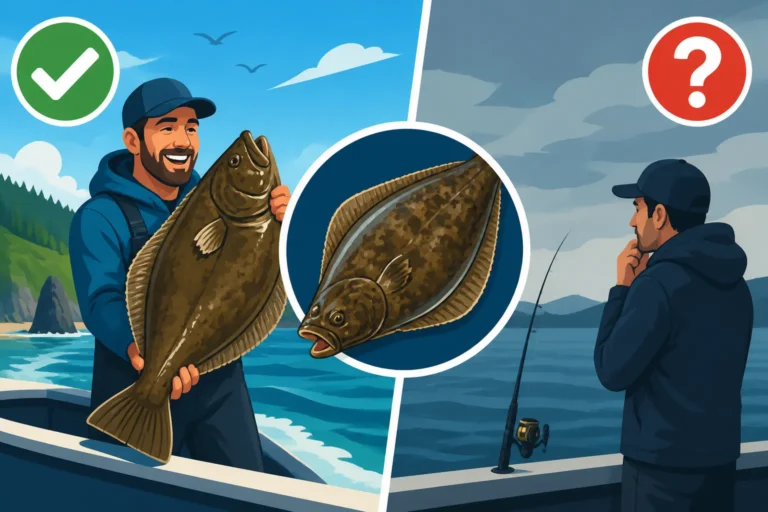
- Ocean Endorsement: Planning a trip out of Newport, Depoe Bay, or Astoria to target halibut, lingcod, or rockfish? Then you'll need the Oregon Ocean Endorsement. This is an add-on to your basic angling license that covers most marine fish species and shellfish caught in the ocean. This is critical for any offshore guided trip.
- Columbia River Basin Endorsement: If your guided trip takes place in the mainstem Columbia River or its tributaries within the Columbia River Basin (like the lower Willamette), this endorsement is often required in addition to your angling license and any necessary tags (like the Combined Angling Tag). It helps fund fish management and restoration efforts in that specific, vital watershed. The rules around this can be a bit tricky, so make sure you confirm with your guide if your trip location requires it.
- Shellfish License: If your guided trip includes crabbing or clamming, you'll also need an Oregon Shellfish License. This is separate from your angling license but is essential for taking Dungeness crab, bay clams, razor clams, and other shellfish. Many coastal guides offer combination trips, so don't overlook this.
Your guide will be an excellent resource for confirming exactly which licenses, endorsements, and tags are needed for your specific trip. When you're browsing for guides on platforms like FishingBooker, paying attention to the trip details and asking about license requirements beforehand is always a smart move.
How to Get Your Oregon Fishing License Before Your Trip
Getting your license is often the easiest part of preparing for your guided trip, but it's important to do it correctly and ahead of time. Don't wait until you're standing at the boat ramp!
Online Purchase: The Easiest Route
In this digital age, buying your Oregon fishing license online is hands down the most convenient method. The Oregon Department of Fish and Wildlife (ODFW) website allows you to purchase all necessary licenses, tags, and endorsements from the comfort of your home, anytime, day or night.
Here's how it generally works:
- Visit the ODFW Licensing Page: Navigate to their official website.
- Create an Account (or Log In): If you're a new user, you'll create an account with your personal information, including residency details, date of birth, and an identification number (like a driver's license). Returning anglers can simply log in.
- Select Your Licenses: Choose the basic angling license (resident or non-resident, annual or short-term) and any required endorsements or tags, such as the Combined Angling Tag, Ocean Endorsement, or Columbia River Basin Endorsement, based on your guided trip plans.
- Pay and Print/Download: After payment, you'll usually receive an instant confirmation and a link to download your license. Many anglers now keep a digital copy on their phone, which is perfectly acceptable as proof. The convenience of Oregon Fishing License Instant Download After Purchase means no waiting in line. This is especially helpful if you're booking a last-minute trip through a service like FishingBooker and realize you need to quickly sort out your paperwork.
In-Person Options: Sporting Goods Stores and ODFW Agents
For those who prefer a more traditional approach or want to chat with a local expert, licenses are also available at various retail locations across Oregon.
- Sporting Goods Stores: Many larger chains like Bi-Mart, Fred Meyer, and even some Walmarts with sporting goods departments sell ODFW licenses. Local, independent tackle shops are also great places to buy licenses. These spots are often staffed by fellow anglers who can offer tips, advice on local conditions, and help ensure you get exactly the right licenses and tags for your trip. This hands-on approach can be really valuable, especially if you have questions about specific local regulations or gear. For a deeper dive into these options, check out Where to Buy an Oregon Fishing License or Buying an Oregon Fishing License Online vs In Person.
- ODFW Offices: You can also purchase licenses directly from ODFW offices around the state. While less common for simple license purchases, it’s an option if you happen to be near one.
Timing is Everything: Don't Wait Until the Last Minute
This cannot be stressed enough: get your license before your guided trip. Imagine the scenario: you arrive at the dock, bright and early, gear in hand, ready for an epic day, only for your guide to ask for your license and you realize you don't have one.
- Potential Delays: While online purchases are instant, sometimes technology glitches. If you plan to buy in person, what if the store isn't open early enough, or their system is down? These small hiccups can derail your entire morning.
- No Fishing Without It: A reputable guide will not allow an unlicensed client to fish. It puts their license and business at risk. You'll either have to scramble to get a license (potentially missing a significant portion of your paid trip) or, worse, your trip could be canceled without a refund.
- Peace of Mind: Having your license squared away well in advance means one less thing to worry about on the morning of your trip. You can focus on the excitement of the upcoming adventure!
The Guide's Role and What They Do Provide
It’s important to clarify what your licensed fishing guide does provide, as their contributions are invaluable to a successful and enjoyable trip, even if they can't hand you a fishing license.
Expertise, Gear, and Safety
A professional fishing guide is much more than just a boat driver. They are a seasoned expert of the local waters, often with decades of experience.
- Local Knowledge: Guides know the river or ocean like the back of their hand. They understand fish patterns, migrations, feeding habits, and the best techniques for specific conditions. They know the subtle currents, the secret holes, and the historical trends that lead to success. On a river like the Rogue, for instance, a guide knows where the steelhead are likely to hold at different water levels.
- Specialized Gear: Most guides provide all the necessary fishing gear – rods, reels, lines, bait, and tackle. This is often high-quality, specialized equipment perfectly matched to the target species and fishing conditions, saving you the expense and hassle of bringing your own. For a big Columbia River salmon trip, they'll have heavy-duty rods and reels designed for powerful fish, specific lures, and cured bait.
- Safety First: Guides are trained in water safety, first aid, and often hold certifications like CPR. Their boats are typically well-maintained, equipped with all necessary safety gear (life jackets, first aid kits, communication devices), and often more advanced electronics than a casual angler might own. They prioritize your safety on the water.
Navigating Regulations and Advisories
Another crucial service your guide provides is navigating the often-complex world of fishing regulations.
- Up-to-Date Information: Oregon fishing regulations, especially for salmon and steelhead, can change frequently due to fish runs, water conditions, or in-season adjustments. A good guide stays on top of all the latest rules, bag limits, size restrictions, and emergency closures. They can explain exactly what you can keep, what must be released, and any specific gear restrictions (like barbless hooks). They will ensure that your fishing activities comply with the letter of the law.
- Conservation Ethic: Guides are often passionate conservationists and will demonstrate proper fish handling techniques, especially for catch-and-release, to ensure the health of the fishery for future generations. They model responsible angling behavior.
Why They Cannot Provide Your Personal License
Despite all these amazing services, a guide simply cannot provide you with a personal fishing license. This isn't because they're unwilling, but because it's legally impossible and fundamentally misunderstood.
- Individual Legal Obligation: A fishing license is a legal document tied to your identity. It verifies that you have paid the required fees to participate in recreational fishing and acknowledge the associated regulations. It's like a driver's license – you can't borrow your guide's.
- Revenue for Conservation: The fees collected from fishing licenses directly fund the Oregon Department of Fish and Wildlife's vital conservation programs. This includes fish stocking, habitat restoration, scientific research, and enforcement efforts. When you buy a license, you're directly contributing to the health and abundance of the very fish you're hoping to catch.
- Guide's Responsibility: Your guide has a legal and ethical responsibility to ensure that all their clients are properly licensed. If a game warden checks the boat (and they absolutely can and do, as covered in Can a Game Warden Check Your Fishing License in Oregon?) and finds an unlicensed angler, both the angler and the guide could face significant penalties.
Consequences of Fishing Without a License in Oregon
You might be tempted to think, "What's the big deal? I'm with a guide, what are the odds?" The odds might be low, but the consequences are high, and frankly, it's just not worth the risk or the ethical breach.
Fines and Penalties
Fishing without a valid license in Oregon is a serious offense, not a minor oversight.
- Steep Fines: You could face substantial monetary fines. These fines are often much higher than the cost of the license itself, making the decision to skip buying one a very poor financial choice. Oregon Fishing Without a License Fine Amount can be quite a shock.
- Equipment Confiscation: In some cases, game wardens have the authority to confiscate your fishing gear, including rods, reels, and even the fish you've caught. Imagine losing your favorite rod for a simple oversight!
- Court Appearances: Depending on the severity and context of the violation, you might even be required to appear in court, adding legal fees, time, and stress to an otherwise enjoyable activity.
- Loss of Privileges: Repeat offenders or those committing more severe violations could face a temporary or permanent loss of their fishing privileges in Oregon, or even nationwide through interstate compacts. This means you wouldn't be able to fish legally in Oregon for a period of time, guided or otherwise.
Game wardens are out on the water constantly, checking compliance. They have the authority to board vessels, ask for licenses, and inspect catches. They are not just looking for poachers; they are ensuring everyone is following the rules that protect the resource.
Impact on Your Guided Experience
Beyond the legal ramifications, not having a license will almost certainly ruin your guided trip.
- Trip Cancellation or Shortening: As mentioned, a responsible guide will not allow you to fish without a license. If you show up unprepared, the guide will likely try to help you purchase one immediately, if possible. This means lost fishing time while you're scrambling. If it's too late or impossible to get one (e.g., if you don't have the necessary ID), your trip will be canceled, and you'll forfeit the money you paid for the guide.
- Embarrassment and Frustration: Imagine the awkwardness of being the only person on the boat who can't fish, or worse, having your trip cut short because of your oversight. It's a completely avoidable situation that leads to disappointment and frustration for everyone involved.
- Negative Impact on Guide: An unlicensed client not only risks penalties for themselves but can also put the guide's reputation and livelihood in jeopardy. Guides depend on their good standing with ODFW and their clients.
Ethical Angling and Conservation
Finally, fishing licenses are more than just bureaucratic hurdles; they are a direct investment in the future of fishing.
- Funding Conservation: The revenue generated from license sales directly funds ODFW's efforts in fisheries management, habitat restoration, fish propagation (like hatchery programs), scientific research, and law enforcement. Every license purchased helps ensure that Oregon's rivers, lakes, and ocean waters remain vibrant and full of fish for generations to come.
- Supporting the Resource: By purchasing a license, you are contributing to the very resource you enjoy. It’s an ethical responsibility for every angler to support the conservation of the fish and their habitats. Think of it as your contribution to keeping Oregon's fishing fantastic, for both you and future anglers. You can learn more about general requirements in the Oregon Fishing License Guide and Oregon Fishing License Types Explained.
Oregon Fishing License & Endorsement Checklist for Guided Trips
To make sure you're fully prepared, here's a quick checklist for what you'll typically need. Always confirm with your specific guide before your trip!
| Type of License/Tag | Who Needs It | Purpose |
|---|---|---|
| Annual Angling License | Oregon Residents or frequent Non-Residents | Basic fishing privilege for an entire calendar year. |
| Daily/Multi-Day Angling License | Infrequent Non-Residents, short trips | Basic fishing privilege for a specified number of days. |
| Combined Angling Tag | All anglers targeting/retaining | Required for salmon, steelhead, sturgeon. Records catch. |
| Oregon Ocean Endorsement | All anglers fishing in the ocean | Required for most marine fish (halibut, rockfish, lingcod) & shellfish. |
| Columbia River Basin Endorsement | All anglers fishing in specified CRB waters | Required for salmon, steelhead, sturgeon in the Columbia River Basin. |
| Oregon Shellfish License | All anglers crabbing/clamming | Required for taking Dungeness crab, all clams, mussels, etc. |
Before embarking on any guided fishing trip in Oregon, you need to ensure you have your own valid fishing license and all necessary endorsements and tags. This isn't just a formality; it's a legal requirement that supports the health of Oregon's incredible fisheries. Don't let a simple oversight ruin your adventure. Plan ahead, purchase your licenses online or in person, and arrive at the dock ready to cast a line legally and responsibly. Your guide will provide the expertise and the gear, but your license is your personal passport to the water. When booking your next adventure, remember platforms like FishingBooker are not only great for finding experienced guides but can also help you anticipate these crucial requirements, leading to a smooth and unforgettable fishing experience.
Disclaimer
This article is for general informational purposes only and does not constitute professional advice. Laws, prices and regulations vary by location and change over time. Consult a qualified professional for guidance on your specific situation.