Best Places to Fish in Oregon
Oregon's reputation as an angler's paradise is well-earned, but with thousands of miles of rivers, countless lakes, and a sprawling coastline, figuring out where to cast your line can feel like an overwhelming task. Many of us dream of that perfect fishing trip, only to get bogged down in endless research about different zones, species, and regulations. This comprehensive guide is designed to cut through the confusion, helping you discover the absolute best places to fish across the Beaver State, ensuring your next adventure is packed with tight lines and unforgettable memories.
Understanding Oregon's Diverse Fishing Landscape
Oregon truly is a state of incredible contrasts, and its fishing opportunities reflect that diversity perfectly. From the thunderous Pacific Ocean to serene alpine lakes and roaring rivers, each environment presents its own unique set of challenges and rewards. It's not just about what you want to catch, but also what kind of fishing experience you're after. Do you crave the salty spray of the ocean, the tranquility of a high mountain lake, or the exhilarating pull of a salmon in a powerful river current?
Coastline Charms and Ocean Adventures
The 363 miles of Oregon's coastline offer a vast playground for saltwater anglers. This isn't just about fishing from a boat; there are fantastic opportunities for crabbing, clamming, and even surf fishing right from the beach. The Pacific Ocean off Oregon is teeming with diverse species, from the hard-fighting salmon and the highly prized halibut to a variety of rockfish and lingcod that hug the rocky reefs. Many anglers find immense satisfaction in a day spent on the open water, whether it's battling a large tuna far offshore or simply jigging for delicious bottom fish closer to shore.
Beyond the deep blue, the coastal bays and estuaries are equally productive. Places like Tillamook Bay and Yaquina Bay are legendary for their runs of Chinook and Coho salmon, not to mention the abundant Dungeness crab that can be pulled up in pots. The experience of reeling in a crab pot heavy with crustaceans, or feeling the strong tug of a salmon as it heads for the open ocean, is truly unique to these coastal environments. It’s a completely different rhythm and challenge compared to freshwater fishing, often requiring specialized gear and a keen eye on the tides.
Majestic Rivers and Their Riches
Step inland from the coast, and you'll encounter a network of rivers that are world-renowned for their anadromous fish runs. The sheer power and pristine beauty of Oregon's major river systems, such as the Columbia, Willamette, Deschutes, and Rogue, are a draw in themselves. These rivers are highways for migrating salmon and steelhead, offering some of the most exciting sport fishing experiences in the Pacific Northwest. Anglers flock to these waters for the chance to hook into a chrome-bright Chinook salmon or a powerful, acrobatic steelhead.
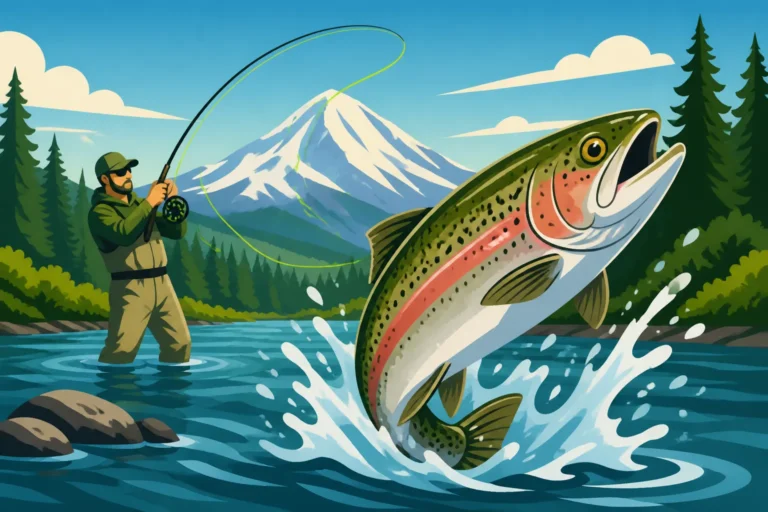
Each river has its own character and special allure. The Deschutes, for instance, is famous for its wild redside rainbow trout and summer steelhead, drawing fly anglers from around the globe. The Willamette, flowing through the heart of the state, offers incredible urban fishing for Spring Chinook right alongside cities like Portland and Salem. Fishing these rivers often means mastering techniques like drift fishing, bobber dogging, or fly fishing, and understanding the nuances of river currents and fish behavior. It’s a constantly evolving challenge, but the rewards are truly magnificent.
Serene Lakes and Reservoirs
For those who prefer stillwater fishing or seek a more tranquil experience, Oregon's lakes and reservoirs are an absolute treasure. From the deep, clear high-mountain lakes of the Cascades to the sprawling lowland reservoirs, there's a perfect spot for every preference. These waters are typically home to various species of trout, including rainbow, brook, and sometimes elusive brown trout. Many lakes are regularly stocked by the Oregon Department of Fish and Wildlife (ODFW), providing fantastic opportunities for family fishing and consistent action.
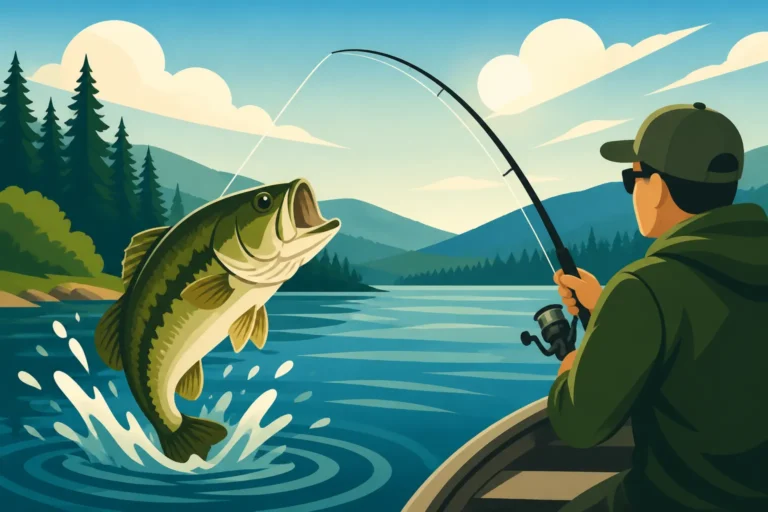
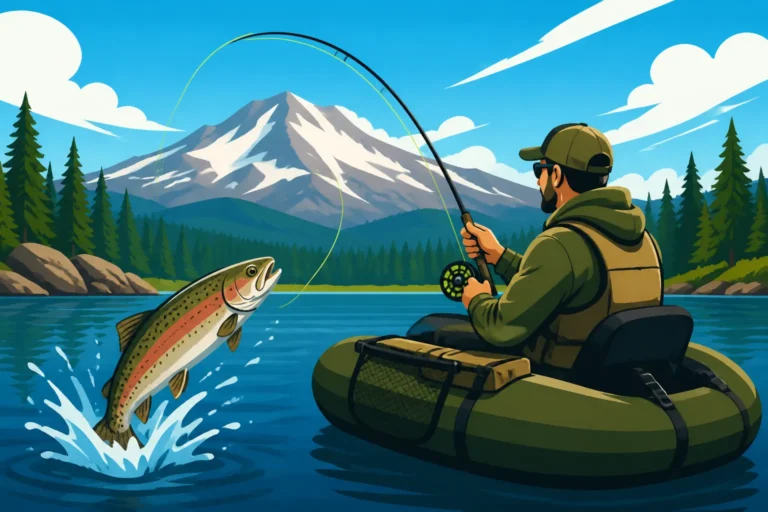
Beyond trout, many of Oregon's larger reservoirs and warmer lakes boast thriving populations of warmwater species. You can find excellent fishing for smallmouth and largemouth bass, crappie, yellow perch, and even kokanee salmon, which are landlocked sockeye salmon known for their delicious pink flesh. Places like Henry Hagg Lake or Prineville Reservoir offer incredible bass fishing, while Wallowa Lake is a renowned kokanee destination. Stillwater fishing can be a wonderfully relaxing pursuit, whether you're casting from the bank, trolling from a boat, or even fly fishing from a float tube in a peaceful mountain setting.
Prime Fishing Destinations by Region
Oregon is a large state, and the fishing experiences can vary dramatically from one region to another. To help you narrow down your choices, let's break it down by geographical areas, focusing on what makes each unique and what species you can expect to encounter.
Northern Oregon Coast: Saltwater and Estuary Hotspots
The northern stretch of the Oregon Coast, encompassing areas from Astoria down to Tillamook, is a powerhouse for both ocean and estuary fishing. The mighty Columbia River estuary at Astoria is legendary, especially during the fall Chinook salmon run, often referred to as the "Buoy 10" fishery. Anglers from all over the Pacific Northwest descend upon this area, trolling for massive Chinook and coho salmon as they stage before heading upriver. It's a vibrant, sometimes crowded, but always thrilling experience. You can learn more about this iconic fishery in our Columbia River Fishing Guide.
Just south of the Columbia, Tillamook Bay is another prime destination. This expansive bay is a haven for both Chinook and Coho salmon, offering fantastic opportunities for boat anglers trolling herring or spinners. Beyond salmon, Tillamook Bay is also famous for its abundant Dungeness crab. Many fishing charters offer combo trips where you can drop crab pots in the morning and fish for salmon in the afternoon. The bay also holds good populations of sturgeon, especially in the deeper channels, providing a unique catch-and-release challenge. If you're heading to this area, our Tillamook Bay Fishing Guide can give you even more detailed insights.
Central Oregon Coast: Deep Sea and Bay Treasures
Moving south, the Central Oregon Coast, including towns like Newport, Depoe Bay, and Lincoln City, is perhaps best known for its robust ocean charter fleet and diverse deep-sea fishing. Newport, in particular, is a bustling hub for sportfishing. From here, you can book charters for everything from Pacific halibut, a highly prized and delicious flatfish, to lingcod and various species of rockfish. The bottom fishing here is consistently excellent, and when the tuna run offshore in late summer, adrenaline-pumping albacore trips are also on offer.
The bays in this region, such as Yaquina Bay in Newport, offer excellent crabbing and opportunities to fish for bottom fish like perch and flounder from docks and jetties. Depoe Bay, known as the "whale watching capital of the Oregon Coast," also has a smaller, but very active charter fleet focused on rockfish and lingcod in the often-rough waters just outside the harbor. For those interested in joining a guided ocean adventure, exploring Newport Oregon Fishing Charters or other local options can be incredibly rewarding.
Southern Oregon Coast: Wild Rivers and Ocean Access
The Southern Oregon Coast, stretching from Florence down to Brookings, combines stunning rugged beauty with fantastic fishing. This region is characterized by smaller, wilder coastal rivers that hold impressive runs of salmon and steelhead, often accessible via guided drift boat trips. Rivers like the Chetco, Elk, and Sixes are legendary for their winter steelhead and fall Chinook salmon. These rivers are often more intimate than the larger northern systems, offering a different kind of challenge and a chance to experience truly wild fish in a pristine setting.
For ocean fishing, ports like Winchester Bay (at the mouth of the Umpqua River) and Brookings offer access to offshore grounds for salmon, halibut, and rockfish. Winchester Bay is particularly noted for its fall Chinook fishery, as salmon stage heavily in the estuary before entering the Umpqua River. Brookings provides access to deeper offshore canyons that hold large lingcod and various snapper species. Whether you're targeting ocean salmon or the powerful runs in the coastal rivers, this southern stretch promises an authentic and thrilling Oregon fishing experience.
Iconic Rivers: A Deep Dive
Oregon's rivers are truly the lifeblood of its fishing culture, each with its own legendary status and specific species that draw anglers year after year. Understanding these river systems is key to unlocking some of the state's most incredible freshwater fishing opportunities.
Columbia River: The King Salmon Highway
The Columbia River is not just Oregon’s largest river; it's an economic and ecological marvel, and for anglers, it's a true king. This colossal waterway serves as a migration superhighway for millions of anadromous fish, most notably Chinook and Coho salmon, and a significant population of white sturgeon. The sheer scale of fishing on the Columbia is impressive, with hundreds of boats often clustered in productive areas during peak seasons.
Fishing on the Columbia changes dramatically depending on the section and the time of year. The lower river, especially the famous "Buoy 10" area near Astoria, comes alive in late summer with massive runs of fall Chinook and coho, where anglers troll herring or spinners. Further upstream, the river offers fantastic opportunities for spring Chinook, especially around the Portland and Vancouver areas, as well as into the Bonneville Pool. Beyond salmon, the Columbia is one of the best places in the world to target sturgeon. While most of the fishery is catch-and-release for these prehistoric giants, limited retention seasons do occur. Guided trips, which you can easily find on platforms like FishingBooker, are incredibly popular here, especially for those new to the immense challenges and rewards of this river. For more detailed information, our Columbia River Fishing Guide is an essential read, and if you're specifically targeting those giants, check out Sturgeon Guide Trips on the Columbia.
Deschutes River: Steelhead and Redside Trout Paradise
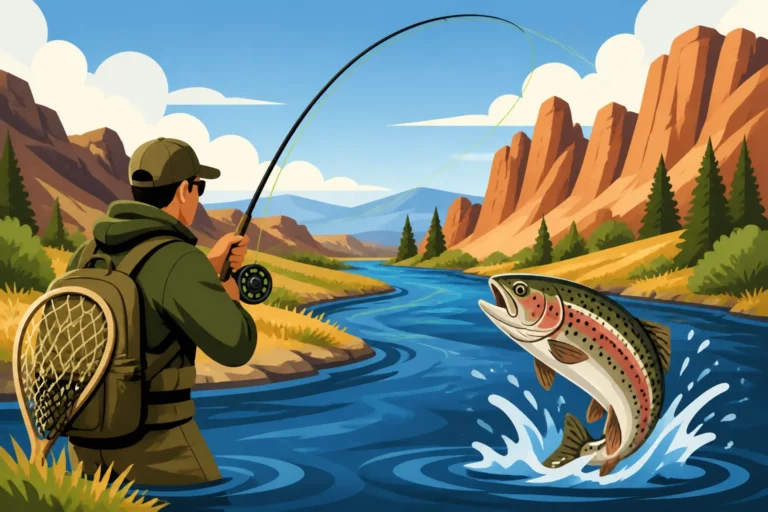
Ask any fly angler about Oregon's rivers, and the Deschutes River will inevitably come up. Flowing through a dramatic canyon in Central Oregon, the Deschutes is a national treasure, primarily known for its world-class wild redside rainbow trout fishery and its robust run of summer steelhead. This is not a river for the faint of heart; it requires skill, perseverance, and often, a love for wading and walking. The regulations here are often strict, emphasizing catch-and-release for wild fish and mandating barbless hooks, all designed to protect its precious resources.
The wild redside trout are legendary for their aggressive takes and powerful fights, often rising eagerly to dry flies during epic hatches. For steelhead, the Deschutes offers a truly classic Western swing water experience, where anglers cast long lines with two-handed spey rods, hoping to tempt a chrome bright summer-run fish. The river itself is stunningly beautiful, offering a remote and immersive outdoor experience. While much of the prime fishing is accessed by drift boat, there are numerous public access points along its length. For a deeper dive into this incredible fishery, consult our Deschutes River Fishing Guide. If fly fishing is your passion, you might also find our guide on How to Fly Fish the Metolius River helpful, as it's a nearby tributary with similar charm.
Willamette River: Urban Fishing & Spring Chinook
The Willamette River is Oregon's longest river entirely within the state, flowing north through the heart of the Willamette Valley before joining the Columbia near Portland. What makes the Willamette so unique is its accessibility and diverse fishing opportunities, often right in the middle of urban environments. It's a fantastic river for local anglers and visitors alike, offering everything from bass and panfish to trophy salmon and sturgeon.
The true highlight of the Willamette River is its incredible Spring Chinook salmon run. These highly prized "springers" are renowned for their rich, fatty meat and powerful fights, and anglers flock to the river from March through June. Many popular fishing spots are easily reachable from Portland, Salem, and Eugene, making it a truly urban fishery. Beyond Chinook, the Willamette also hosts good runs of fall salmon and steelhead in its lower reaches and tributaries like the Clackamas and Sandy Rivers. Warmwater species like smallmouth bass and various panfish thrive in its slower sections, especially during the summer months. To make the most of your trip, our Willamette River Fishing Guide offers a comprehensive overview.
Rogue River: Southern Oregon's Legendary Waters
Down in Southern Oregon, the Rogue River carves its way from the Cascade Mountains to the Pacific Ocean, earning its reputation as one of the state's most iconic and productive fishing rivers. Famous for its wild and scenic sections, the Rogue offers a quintessential Pacific Northwest river fishing experience for salmon, steelhead, and trout.
The Rogue sees robust runs of both spring and fall Chinook salmon, as well as summer and winter steelhead. Fishing techniques vary widely along its length, from jet boat fishing in the lower tidewater for fall Chinook to drift boat trips through its middle sections for summer steelhead, and fly fishing for resident trout in its upper reaches. The sheer variety of water types, from powerful rapids to calm pools, means there's a section of the Rogue for every angler and skill level. It's a truly wild river that promises both breathtaking scenery and unforgettable angling action. For detailed information on access and prime fishing areas, be sure to check out our Rogue River Fishing Guide.
Premier Lakes and Reservoirs for Diverse Anglers
While Oregon's rivers often steal the spotlight, its lakes and reservoirs offer equally compelling, and often more accessible, fishing experiences. These stillwater bodies are ideal for different species and fishing styles, catering to everything from trophy hunters to families enjoying a relaxed day out.
High Cascade Lakes: Pristine Trout Havens
The high Cascade Lakes are truly jewels of Oregon, nestled amidst stunning mountain scenery and offering some of the most pristine trout fishing experiences. These lakes are typically cold, clear, and hold healthy populations of rainbow, brook, and sometimes brown trout, as well as kokanee salmon.
Diamond Lake, located near Crater Lake National Park, is a perennial favorite, famous for its trophy rainbow trout. The lake is regularly stocked and produces chunky rainbows that can put up an incredible fight. It's popular for both boat and bank fishing, and during the summer months, trolling lures or still fishing with bait are highly effective. The clear water and surrounding forest make it a picturesque setting for a fishing getaway.
Further north, Wallowa Lake in Eastern Oregon is another standout. While it has good trout fishing, it's particularly renowned for its robust kokanee salmon population. These landlocked sockeye are a blast to catch, often schooling in large numbers, and are excellent table fare. Trolling with small dodgers and wedding rings is a common and effective technique here. For more about this beautiful area, our Wallowa Lake Fishing Guide provides a wealth of information.
And let's not forget Crane Prairie Reservoir near Bend, a mecca for large rainbow trout and brook trout. The reservoir's unique structure, with numerous submerged logs and channels, creates ideal habitat for big fish. Fly anglers often target these fish from float tubes or drift boats, casting large streamers or nymphs. It’s an unforgettable experience for those seeking larger, wilder trout in a truly wild setting.
Lower Elevation Reservoirs: Bass, Panfish, and Trout
Moving down from the high country, Oregon's lower elevation reservoirs offer a different kind of fishing, often characterized by warmer waters and a wider variety of species, including excellent warmwater opportunities alongside stocked trout.
Henry Hagg Lake, just an hour west of Portland, is a perfect example of a multi-species powerhouse. This reservoir is incredibly popular for its largemouth and smallmouth bass fishing, with many anglers reporting excellent catches. It's also regularly stocked with rainbow trout, providing consistent action for bait anglers and trollers. The lake's many coves and submerged structures make it ideal for targeting bass with jigs and soft plastics, while trout often bite on PowerBait or worms. Given its proximity to a major metropolitan area, it's a fantastic spot for a quick and productive fishing trip. Dive deeper into its offerings with our Henry Hagg Lake Fishing Guide.
Detroit Lake, nestled in the Willamette National Forest, is another popular spot, though its future is evolving after recent wildfires. Historically, it’s been known for good trout fishing and some kokanee. Similarly, Prineville Reservoir in Central Oregon is a gem for warmwater enthusiasts, boasting fantastic smallmouth bass fishing. Its rocky shorelines and submerged features create perfect habitat for these feisty fish, which readily strike on spinnerbaits, crankbaits, and soft plastics. It's also a great spot for crappie and other panfish, making it a well-rounded destination for various fishing preferences.
Specialized Stillwaters: Unique Species and Experiences
Some of Oregon's lakes offer truly unique fishing experiences, focusing on specific species or unusual environments. These are the places to go when you're looking for something a little different.
Lake Billy Chinook, located at the confluence of the Deschutes, Crooked, and Metolius Rivers, is one such unique destination. This deep, clear reservoir is famous for its thriving population of kokanee salmon, which grow to impressive sizes here. But it's also one of the few places in Oregon where you can legally target bull trout, a native char that requires a special permit and is strictly catch-and-release. Additionally, there are good populations of brown trout and smallmouth bass. The diverse fishery and stunning canyon scenery make it a truly special place to fish. Discover more about this lake's distinct offerings in our Lake Billy Chinook Fishing Guide.
For dedicated bass anglers, the Tenmile Lakes system on the Central Oregon Coast is a must-visit. These interconnected lakes are renowned for their trophy largemouth bass, consistently producing some of the largest bass in the state. The shallow, weedy environment provides ideal habitat, and anglers often employ techniques like flipping jigs into heavy cover or throwing topwater frogs. While it might not have the salmon or steelhead of the big rivers, for a bass enthusiast, Tenmile Lakes are an absolute paradise.
Urban and Family-Friendly Fishing Spots
Not every fishing trip needs to be a multi-day backcountry expedition. Oregon offers numerous easily accessible and family-friendly spots, perfect for introducing kids to fishing or for a quick escape from city life. These places often provide consistent action and convenient amenities.
Fishing Near Portland: Accessible Escapes
For those in or near the Portland metropolitan area, you might be surprised at how many great fishing opportunities are just a short drive away, or even within city limits. The ODFW actively stocks numerous city parks and community ponds throughout the spring and summer, making them ideal for young anglers or those looking for an easy catch. Common species include rainbow trout, catfish, and various panfish. These spots often have paved access, restrooms, and picnic areas, making them perfect for a family outing.
Beyond the ponds, the tributaries of the Willamette River, such as the Clackamas and Sandy Rivers, offer fantastic fishing for salmon and steelhead within an hour's drive of downtown Portland. These rivers provide a more wild experience but are still relatively easy to access. Public parks and boat ramps along these rivers make it simple to get out on the water. For a comprehensive list of nearby options, be sure to check out our guide on the Best Fishing Spots Near Portland. It’s a great resource for discovering hidden gems and well-known hotbeds alike.
Central Oregon's Family-Friendly Waters
Central Oregon, particularly around Bend and Redmond, is not just for expert fly anglers. There are plenty of accessible spots perfect for families and beginners. The upper Deschutes River, particularly the section that flows through Bend, offers excellent opportunities for resident rainbow and brown trout. While wild fish require careful handling and often specific techniques, many sections are stocked.
Several small lakes and ponds in the Deschutes National Forest are regularly stocked and provide easy bank access. These include places like Shevlin Park Pond, a small, quiet spot right in Bend, or the numerous small lakes along the Cascade Lakes Highway once the snow melts. These locations often allow bait fishing and are perfect for teaching kids how to cast and reel in their first fish. The combination of beautiful scenery and readily available fish makes Central Oregon a superb destination for a family fishing vacation.
Coastal Piers and Docks: Simple Ocean Access
One of the easiest ways to experience coastal fishing in Oregon is by heading to one of the many public piers and docks found in almost every coastal town. These structures provide safe, convenient access to saltwater environments without needing a boat. You can find excellent opportunities for crabbing, as well as fishing for common bottom fish like kelp greenling, rockfish, and various species of perch.
Popular spots include the Newport Bayfront, the docks in Garibaldi, and the pier in Depoe Bay. Anglers often use simple bait setups, like pieces of clam or squid on a bottom rig, or small jigs. Crabbing from these locations is incredibly popular, and many tackle shops nearby rent or sell crab rings and traps. It's a low-cost, low-barrier way to experience the bounty of the Pacific, and it’s a fantastic activity for all ages. You don’t even need a boat to enjoy the ocean's offerings! If you're wondering about specific requirements, our article "Do you need a fishing license to fish from a dock in Oregon?" offers helpful insights.
Planning Your Oregon Fishing Adventure
Embarking on a fishing trip in Oregon, whether it's a quick afternoon outing or a week-long expedition, requires a bit of thoughtful planning. While the opportunities are endless, a little preparation goes a long way in ensuring a successful and enjoyable experience.
Understanding Seasons and Regulations
This is probably the most critical step for any Oregon angler. Fishing regulations in Oregon are notoriously complex and can change frequently, not just from year to year, but sometimes even mid-season due to fish returns or environmental factors. Different species have different seasons, size limits, and bag limits, and these can vary dramatically between river systems, lakes, and coastal areas. What’s legal on the Columbia River might be strictly prohibited on the Deschutes, or even in a different section of the same river.
Before you even pack your rod, always consult the most current Oregon Sport Fishing Regulations, usually published annually by the ODFW. You can often find a physical copy at tackle shops or download it from their website. Pay close attention to the specific zone you plan to fish, as rules often apply regionally. Understanding the Oregon Fishing Regulations Explained and checking the Oregon Fishing Season Dates and Limits will save you a lot of headache and potentially a fine. It’s a lot to take in, but it’s absolutely essential for responsible and legal angling.
Gear Up Right: What to Bring
The gear you'll need depends entirely on where and what you plan to fish for. For ocean fishing, you'll need heavier rods, reels capable of handling braided line, and tackle designed for saltwater conditions. For river fishing, a medium-heavy spinning rod or a dedicated fly rod might be appropriate. Lake fishing often calls for lighter tackle, especially for trout.
Beyond the rod and reel, think about the essentials: a tackle box stocked with appropriate lures, bait, hooks, and weights for your target species; line clippers; needle-nose pliers for hook removal; and a landing net or Boga grip. Don't forget practical items like a hat, polarized sunglasses (crucial for spotting fish and protecting your eyes), sunscreen, and plenty of water. If you're heading out on the water, life jackets are mandatory. For cold weather or coastal trips, layering warm, waterproof clothing is a must – Oregon weather can change on a dime!
Consider a Guide or Charter
For those new to a specific area or targeting particularly challenging species, hiring a licensed fishing guide or booking a charter boat can be an invaluable investment. Local guides possess intimate knowledge of the water, fish behavior, and current conditions. They often provide all the necessary gear, bait, and tackle, and can teach you effective techniques that would take years to learn on your own. This is especially true for complex fisheries like ocean salmon, halibut, or specialized river techniques for steelhead.
Using a reputable service can dramatically increase your chances of success and provide a much richer learning experience. Platforms like FishingBooker are excellent resources for finding and booking experienced, licensed guides across Oregon, whether you're looking for an ocean charter out of Newport or a fly fishing guide on the Deschutes. They can help you navigate the options and choose the right expert for your target species and preferred fishing style. To help you choose wisely, take a look at our Oregon Fishing Charter Guide and our advice on How to Choose an Oregon Fishing Guide.
Essential Licenses and Endorsements
No matter where you choose to fish in Oregon, a valid fishing license is almost always required for anyone 12 years of age or older. There are various types of licenses available, including annual, daily, and multi-day options, for both residents and non-residents. Beyond the basic angling license, certain species or locations require additional tags or endorsements.
For instance, if you plan to target salmon, steelhead, or sturgeon, you'll need a Oregon Combined Angling Tag Guide. If you're heading out into the Pacific Ocean beyond the bays, an Oregon Ocean Endorsement is typically required. For fishing in certain sections of the Columbia River, a Columbia River Basin Endorsement might be necessary. It’s crucial to purchase these before you head out, as game wardens frequently check for compliance. You can find comprehensive information on all the requirements in our Oregon Fishing License Guide. Remember, adhering to these rules isn't just about avoiding fines; it's about contributing to the conservation efforts that keep Oregon's fisheries vibrant for generations to come.
| Region/Location | Primary Species | Typical Fishing Type | Best Seasons | Key Considerations |
|---|---|---|---|---|
| Columbia River | Chinook, Coho, Sturgeon | Trolling, Anchoring, Jigging | Spring, Fall | Crowds, Complex regulations |
| Deschutes River | Steelhead, Redside Trout | Fly Fishing, Drift Fishing | Summer, Fall | Barbless hooks, Wild fish |
| Oregon Coast (Ocean) | Halibut, Lingcod, Rockfish | Charter, Bottom Fishing | Spring, Summer, Fall | Weather dependent, Seasickness |
| Tillamook Bay | Chinook, Coho, Dungeness Crab | Trolling, Crabbing | Fall (Salmon), Year-round (Crab) | Tides, Boat access |
| Henry Hagg Lake | Largemouth Bass, Rainbow Trout | Bank, Boat, Lure, Bait | Spring, Summer | Family-friendly, Close to Portland |
| Rogue River | Salmon, Steelhead, Trout | Drift Boat, Fly Fishing | All Seasons | Diverse sections, Scenic |
| Wallowa Lake | Kokanee Salmon, Rainbow Trout | Trolling, Bank Fishing | Summer, Fall | High elevation, Scenic |
Disclaimer
The information provided in this guide is for general informational purposes only and is subject to change. Fishing regulations, seasons, and access points in Oregon can vary greatly and are frequently updated by the Oregon Department of Fish and Wildlife (ODFW). Always consult the most current official ODFW regulations before planning any fishing trip to ensure compliance with all applicable laws and to ensure your safety. Fishing involves inherent risks; always exercise caution and prioritize safety on the water.