How to Catch Trout in Stocked Oregon Lakes
There’s a unique thrill that comes with fishing for trout, but let’s be honest, those wily creatures in Oregon’s stocked lakes can sometimes feel like they have a Ph.D. in bait evasion. It’s incredibly frustrating when you see them jumping, but they just won’t bite, leaving you wondering what secret handshake everyone else knows. This comprehensive guide will strip away the mystery, arming you with proven strategies, essential gear knowledge, and insider tips specifically designed to help you consistently catch trout in Oregon’s plentiful stocked waters, turning those frustrating days into memorable successes.
Understanding Oregon's Stocked Trout Program
Oregon is truly a paradise for anglers, and a big part of that is thanks to the incredible effort put into stocking our lakes and ponds. For many of us, these stocked fisheries are where we first learned to cast a line, and they continue to be fantastic opportunities for a fun day out, especially with family.
Why Oregon Stocks Lakes and Ponds
The Oregon Department of Fish and Wildlife (ODFW) plays a crucial role in enhancing our fishing opportunities by regularly stocking various water bodies across the state. The primary reasons are simple and incredibly beneficial for anglers like us. Firstly, it creates readily accessible fishing opportunities, often close to urban centers, making it easy for families, beginners, and seasoned anglers alike to enjoy a quick trip without extensive travel. Imagine being able to hit a local pond after work for an hour or two – that’s the kind of convenience stocking provides.
Secondly, stocking ensures high success rates, which is especially important for introducing newcomers, especially kids, to the joys of fishing. There’s nothing quite like the excitement of a tug on the line to hook someone for life! These fish are typically hatchery-raised, meaning they're often accustomed to human interaction and specific food sources, making them a bit more predictable than their wild counterparts. This predictability doesn't make it too easy, mind you, but it definitely ups your chances of success. It also helps alleviate pressure on wild trout populations, allowing them to thrive in their native habitats without excessive fishing pressure. Plus, it provides diverse fishing experiences, complementing the challenges of pursuing wild fish in more remote areas. Many of us appreciate having both options available, depending on our mood or the company we keep! The ODFW's dedication means we have a vibrant and accessible fishing scene year-round. You can even check out how often are Oregon lakes restocked with trout to plan your trips.
Common Stocked Trout Species in Oregon
When you're fishing a stocked lake in Oregon, chances are you'll be targeting rainbow trout. These vibrant, hard-fighting fish are by far the most commonly stocked species and are a favorite among anglers for their willingness to bite and spirited fight. They're often hatchery-raised, which means they're usually stocked at a catchable size, anywhere from 8 to 14 inches, though bigger "trophy" fish are often included to spice things up.
While rainbows dominate, you might also encounter cutthroat trout in some stocked waters, particularly those with natural populations nearby or specific management goals. These native trout are known for the distinctive red or orange slash marks under their jaw and can offer an exciting challenge. Less commonly, but still present in some areas, are brook trout. These beautiful fish, with their worm-like markings and vibrant red spots, are often stocked in higher elevation lakes and ponds, offering a different angling experience. Knowing which species you're likely to encounter can help you tailor your approach, as their feeding habits can vary slightly, though for the most part, stocked trout respond well to similar presentations.
Finding Stocking Schedules and Locations
One of the absolute best ways to increase your chances of success is to know when and where the trout are being stocked. The Oregon Department of Fish and Wildlife (ODFW) is your best friend here. They maintain incredibly detailed and up-to-date stocking schedules that are publicly available. It’s not some secret club; it's right there for everyone!
You can easily find this information on the ODFW website, typically under their "Recreation Report" or a specific "Trout Stocking" section. They usually list the specific lake or pond, the date of the last stocking, the species of fish, and even the number and average size. This is invaluable information. Imagine hitting a lake just a day or two after it's been generously stocked – those fish are usually quite active and looking for a meal! Local tackle shops are also fantastic resources; the folks working there often have the inside scoop, sometimes even before the official updates hit the web, and they can offer hyper-local advice. Before you head out, definitely take a moment to look up Where to find the Oregon trout stocking schedule. It can make a huge difference in your fishing success.
Essential Gear for Stocked Trout Fishing
You don't need to break the bank to get into stocked trout fishing, but having the right tools for the job certainly makes a difference. Think of it like baking – you can make a cake with a spoon, but a whisk and measuring cups make the process much smoother and the results tastier.
Rods, Reels, and Line Choices
For stocked trout, especially the hatchery-raised ones that aren't typically giants, light to ultralight fishing gear is your best bet. This kind of setup allows for delicate presentations, feels incredibly sensitive to even the subtlest bites, and makes even a modest 10-inch trout feel like a trophy-worthy fight – which, let's be honest, is half the fun!
A good spinning rod in the 5 to 6.5-foot range with a light or ultralight action is ideal. Paired with a small spinning reel (something in the 1000 to 2000 size range), you’ll have a balanced and highly enjoyable setup. For line, 4 to 6-pound monofilament or fluorocarbon is perfect. Monofilament is a bit more forgiving with its stretch and easier to cast for beginners, while fluorocarbon is virtually invisible underwater and incredibly sensitive, though it can be a bit more finicky to handle. Some anglers even use braided line with a fluorocarbon leader for ultimate sensitivity and casting distance. Remember, these fish are often in clear water, so a less visible line can definitely increase your hook-up ratio. If you're looking for a great starter combo, many reliable options can be found on Amazon that won't empty your wallet.
Terminal Tackle: Hooks, Weights, and Swivels
The small details in your terminal tackle can make or break your day when targeting stocked trout. These fish, while often aggressive, can also be surprisingly finicky, especially if they've seen a lot of fishing pressure.
For hooks, think small. Size 8 to 14 single hooks are generally ideal. Many experienced trout anglers prefer "egg hooks" or "snelled hooks" which have a short shank and wide gap, perfect for presenting baits like PowerBait or worms. Consider using treble hooks only if permitted and necessary for your chosen lure, but single hooks are often better for fish health and easier unhooking. When it comes to weights, you'll mostly be using small split shots or sliding egg sinkers. Split shots are great for adding just a little weight to keep your bait down or to help cast small lures. Sliding egg sinkers (1/8 to 1/4 ounce) are excellent for bottom fishing rigs, as they allow the line to slide freely, letting the fish pick up the bait without feeling immediate resistance from the weight. Finally, small barrel swivels or three-way swivels are essential. They help prevent line twist, especially when using spinning lures, and are key components in many effective bottom-fishing rigs. Keeping a small tackle box filled with a variety of these basics will prepare you for almost any situation.
The Importance of a Landing Net and Pliers
These might seem like extra bits of gear, but a landing net and a good pair of pliers are invaluable, both for your success and for the well-being of the fish.
A small, fine-mesh landing net is crucial for safely bringing in your catch. It prevents the fish from thrashing on the bank or dock, reducing stress and potential injury. More importantly, it keeps the fish secure while you handle it, especially if you plan to release it. Trying to hand-land a feisty trout can often result in dropped fish, broken lines, or a hook buried in your finger. Look for a net with a rubberized or knotless mesh, as this is gentler on the fish's scales and slime coat, which are vital for their protection against disease. As for pliers, a good pair of needle-nose pliers or a dedicated fishing multi-tool is a must-have. They make it incredibly easy to remove hooks, especially those small ones that are often swallowed deep. This is particularly important for catch-and-release, as a quick and clean unhooking ensures the fish has the best chance of survival. Plus, they're handy for cutting line, bending hooks, or even opening stubborn split shot.
Top Baits and Lures for Stocked Trout
When it comes to tempting stocked trout, you've got a fantastic array of options, from classic dough baits to flashy lures. These fish are often quite opportunistic, but sometimes they can be surprisingly selective, so having a few different presentations in your arsenal is key. This is where you might find some of the best bait for Oregon trout fishing.
PowerBait and Scented Dough Baits
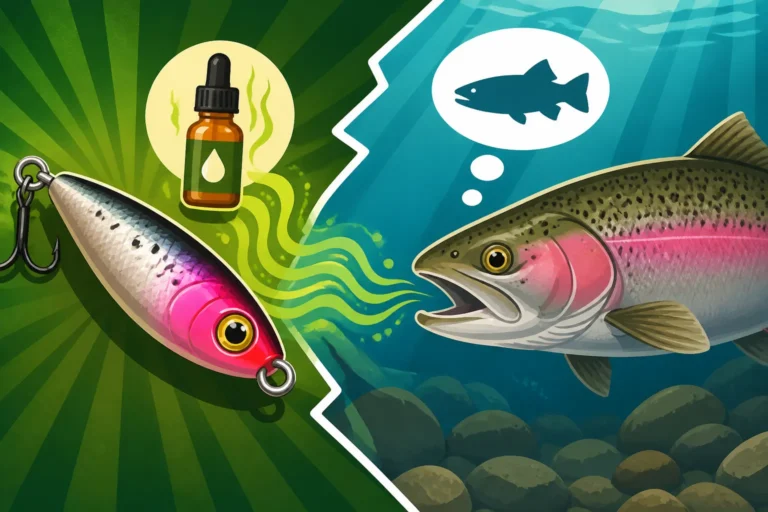
If there's one bait synonymous with stocked trout, it's PowerBait, particularly the floating variety. This stuff is a game-changer! Its buoyant nature lifts your hook and bait off the bottom, putting it right into the fish's feeding zone, and the strong scent attracts trout from a distance. You'll find it in a dazzling array of colors and flavors – chartreuse, rainbow, garlic, corn, cheese – it can be overwhelming! My advice? Start with a few popular colors like chartreuse, orange, or rainbow, and experiment.
To rig it, simply mold a pea-sized ball around a small, short-shank hook, ensuring the hook point is fully covered but still exposed enough to set. You can find excellent, highly rated PowerBait options and tackle organizers on Amazon to keep your gear tidy. Use a small sliding sinker above a swivel, with an 18-36 inch leader to your hook. This allows the PowerBait to float freely, mimicking a natural food item drifting by. Other scented dough baits, often from brands like Berkley or Pautzke, work similarly and are worth trying if PowerBait isn't getting bites. The key is to keep your bait fresh and vibrant.
Natural Baits: Worms, Corn, and Marshmallows
Sometimes, the simplest things are the most effective. Natural baits have been catching trout for generations, and they still absolutely shine in stocked waters.
Worms are a classic for a reason. Red wigglers or nightcrawlers (cut into smaller pieces for stocked trout) are incredibly enticing. Their natural scent and wiggling action are irresistible to many fish. You can fish them on the bottom with a small weight, or suspended under a bobber. Corn, surprisingly, is another fantastic option. Yes, plain old canned corn! Trout seem to love the bright color and subtle sweetness. You can fish a few kernels on a small hook, either alone or tipped with a small piece of PowerBait for an added scent and floatation boost. And don't laugh, but mini marshmallows are also surprisingly effective! They float, they're white and visible, and their texture can hold scents well. Many anglers swear by tipping a worm or corn with a small marshmallow to lift the bait off the bottom. The beauty of natural baits is their accessibility and ease of use, making them perfect for beginners or when the trout are being finicky.
Small Spinners, Spoons, and Jigs
For those who prefer a more active approach, or when trout are particularly aggressive, a variety of small lures can be incredibly effective. These lures mimic baitfish or aquatic insects, triggering a predatory response from the trout.
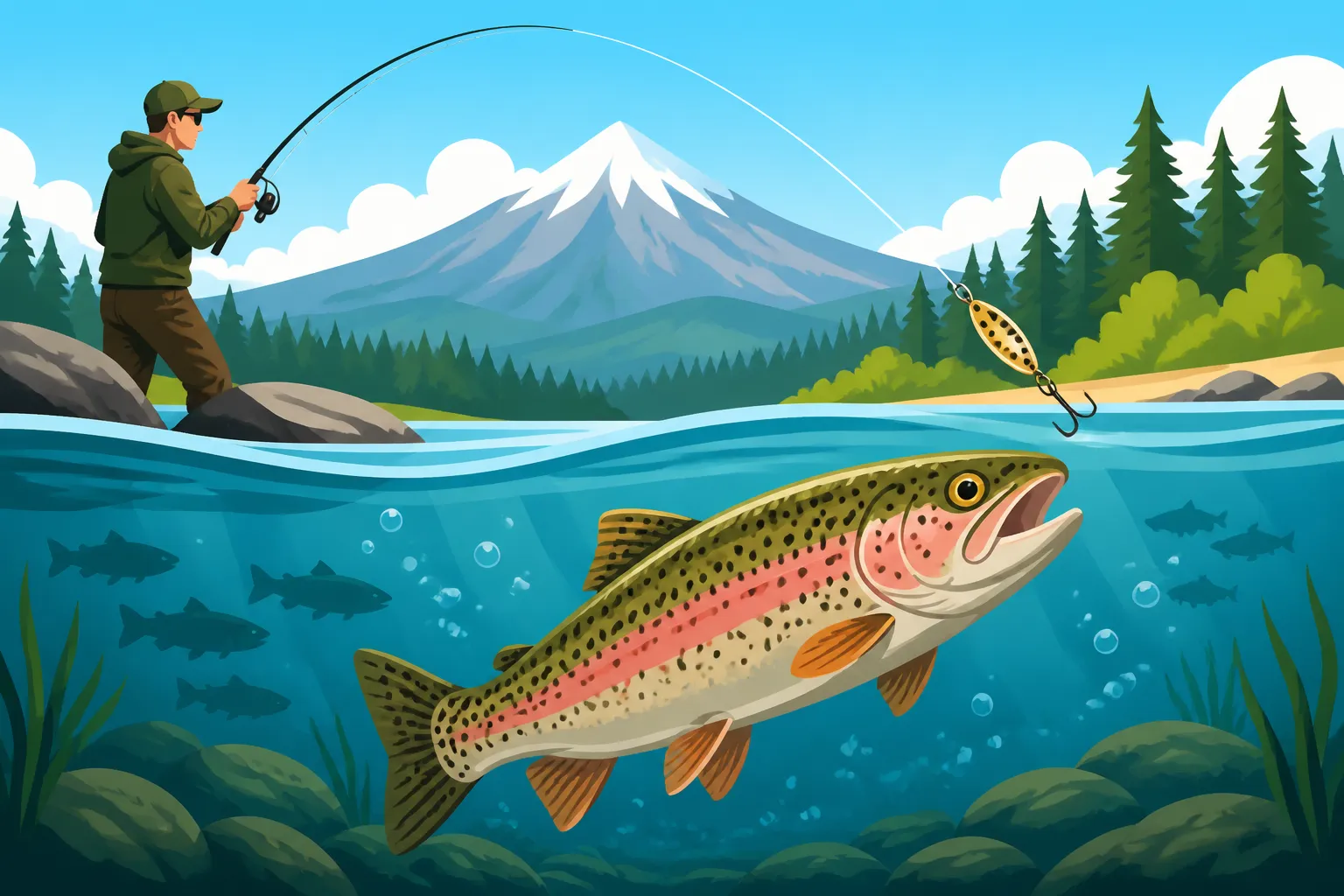
Small inline spinners, like the classic Rooster Tail, Mepps, or Panther Martin, are top choices. Their flashing blades and vibrating action are highly visible and feel irresistible to trout. Cast them out and retrieve steadily, varying your speed until you find what the fish prefer. Spoons, such as the Kastmaster or Little Cleo, are also fantastic. They flutter and wobble as they sink and retrieve, mimicking an injured baitfish. Jigs, especially small marabou jigs or plastic grub-tailed jigs, can be deadly when fished under a bobber or slowly retrieved along the bottom. The key with all these lures is experimentation. Try different colors, sizes, and retrieve speeds. Sometimes a fast, erratic retrieve works; other times, a slow, methodical presentation is what they want. These lures are often best when the fish are actively feeding or you're trying to cover a lot of water to find them. Remember, for lures, a quick-snap swivel can make changing them out a breeze.
| Bait/Lure Type | Pros | Cons | Ideal Rigging |
|---|---|---|---|
| PowerBait (Floating) | Strong scent, visible colors, floats off bottom | Can be messy, fish might "mouth" it without swallowing | Small hook (8-14), pea-sized ball, sliding sinker, 18-36" leader |
| Worms | Natural scent & action, widely available, very effective | Can be torn off easily by small fish, need refrigeration | Small hook (8-12), whole or pieces, under bobber or on bottom with split shot |
| Canned Corn | Inexpensive, easy to use, trout love the color/taste | Less scent than PowerBait/worms, can be easily pulled off | Small hook (10-14), 2-3 kernels, often tipped with marshmallow |
| Mini Marshmallows | Floats bait, visible, can absorb scent | Little inherent scent, solely buoyancy/visual appeal | Small hook (10-14), often as a 'tipping' agent for other baits |
| Inline Spinners | Active presentation, covers water, strong vibration | Can cause line twist, retrieve speed is critical | Directly tied (or with a small swivel), cast and retrieve steadily |
| Spoons | Mimics injured baitfish, good for casting distance | Less effective if fish are inactive or wary | Directly tied (or with a small swivel), cast and jig/retrieve |
| Small Jigs | Versatile, can be fished slow or fast, subtle action | Requires a bit more feel, lighter tackle needed for optimal action | Directly tied, fished under bobber or slow retrieve |
Effective Techniques for Landing Stocked Trout
Once you've got your gear and bait sorted, it's time to talk tactics. Stocked trout often congregate, and understanding how to present your offering effectively can drastically improve your catch rate.
Bottom Fishing with Stationary Baits
Bottom fishing is arguably one of the most popular and effective methods for stocked trout, especially when using floating baits like PowerBait or a marshmallow-tipped worm. The idea is to get your bait down to the bottom where trout often cruise, but have your bait suspended just off the substrate, making it easy for them to spot and inhale.
The classic rig involves a sliding egg sinker (1/8 to 1/4 ounce is usually plenty) threaded onto your main line, followed by a small barrel swivel. To the other end of the swivel, tie a leader of 18 to 36 inches of fluorocarbon or monofilament, and then your small hook (size 8-14) with your bait. When you cast this out, the sinker settles on the bottom, but your bait floats up thanks to the leader, hovering enticingly. The sliding sinker is crucial because it allows the trout to pick up the bait and swim off without feeling the resistance of the weight, giving you a better hook set. You'll typically see your rod tip bend or line start peeling off before you feel a solid tug, signaling it's time to set the hook. This method is fantastic for when you want to set up multiple rods or just relax and wait for the bite.
Suspending Baits Under a Bobber
Sometimes, trout aren't interested in feeding on the bottom; they might be cruising higher in the water column, especially if there's a thermocline or food source just below the surface. This is where fishing under a bobber shines. It allows for a natural, suspended presentation that can be irresistible.
For this technique, you'll need a bobber (slip bobbers are fantastic for adjusting depth easily, but traditional clip-on bobbers work too), a small split shot or two, and your baited hook. Attach your bobber to your line, then add a small split shot about 6-12 inches above your hook. The split shot provides just enough weight to keep your bait sinking and your bobber upright. The key here is adjusting your depth. Start by setting your bait to about 3-5 feet deep. If you're not getting bites, try shallower or deeper, moving in increments until you find the fish. This method is incredibly visual – watching that bobber dip or go completely under is exhilarating! It's also excellent for fishing near submerged structures, weed lines, or drop-offs where trout might be holding. Using a natural bait like a worm or a few pieces of corn under a bobber can be incredibly effective, mimicking an insect or food item drifting in the water column.
Active Casting and Retrieving Lures
For those who enjoy a more dynamic fishing experience, active casting and retrieving lures is the way to go. This method allows you to cover a lot of water, which is particularly useful in larger stocked lakes or when trying to locate scattered schools of trout.
Spinners, spoons, and small jigs are your best friends here. Cast your chosen lure out as far as you can, then begin a steady retrieve. The goal is to make the lure look like an injured baitfish or a swimming insect, triggering an aggressive strike from the trout. Don't be afraid to experiment with your retrieve speed. Sometimes a fast, erratic retrieve works best, especially if the fish are actively chasing. Other times, a slow, methodical retrieve with pauses or small twitches can coax a strike from more lethargic fish. Pay attention to where the bites are occurring – sometimes they hit right after the cast, sometimes as the lure swings near the bank, and often when the lure changes depth. Using an ultralight setup really enhances this experience, allowing you to feel every bump, twitch, and, most importantly, the strike. It’s a fantastic way to engage with the fishing process and find out exactly what the trout are responding to on any given day.
Reading the Water and Time of Day
Fishing isn't just about having the right gear; it's also about understanding the environment and the behavior of the fish. Knowing where and when to cast can be just as important as what you're casting.
Identifying Prime Fishing Spots in Stocked Lakes
Even in a stocked lake, trout aren't randomly distributed. They seek out areas that offer comfort, safety, and food. Learning to "read the water" can significantly increase your chances of success.
Look for areas that offer a change in habitat or structure. Inlets and outlets, where fresh water flows into or out of the lake, are often hotspots. These areas can bring in food, oxygenate the water, and attract baitfish. Submerged structures like fallen trees, rock piles, or old weed beds provide cover for trout to ambush prey and escape predators. Deeper holes or drop-offs are excellent places to find fish, especially during warmer parts of the day when trout seek cooler water. Don't overlook shaded areas, either – under bridges, overhanging trees, or even the shadow cast by a boat can provide a comfortable retreat for trout. During the cooler months or early mornings, trout might be found cruising the shallows, while in the heat of summer, they'll retreat to deeper, cooler water. A good pair of polarized sunglasses can help you spot these subtle changes in the water and even see fish holding near the bottom.
Best Times of Day and Seasons to Fish
Trout, like most fish, have peak activity periods, and timing your trip can make a significant difference. Generally, the early morning hours, from dawn until a couple of hours after sunrise, and the late afternoon/early evening, from a couple of hours before sunset until dusk, are prime times. During these periods, the light is lower, and the water temperatures are often more comfortable for trout, encouraging them to feed actively.
The seasons also play a huge role. Spring, especially around Oregon Trout Season Opening Day, is often fantastic, as trout are newly stocked and actively feeding after the colder winter months. Fall can also be excellent as water temperatures begin to cool again. Summer can be challenging, particularly during the middle of the day, as warm water can make trout lethargic and send them seeking deeper, cooler refuges. If you're heading out in summer, make sure to read up on the Best time of day to fish for trout in summer for specific advice. Winter fishing can be surprisingly good in some areas, especially on milder days, but ice fishing requires specialized knowledge and safety precautions.
Adjusting to Weather and Water Conditions
Never underestimate the impact of weather and water conditions on trout behavior. Being able to adapt your strategy to what Mother Nature throws at you is a hallmark of a successful angler.
On bright, sunny days with clear water, trout can be spooky. This is when stealth, lighter lines, and smaller, more natural presentations are key. Overcast days, however, often provide fantastic fishing, as the reduced light makes trout feel more comfortable and active. Wind can be a double-edged sword: a light chop can break up the surface and make trout less wary, but strong winds can make casting difficult and stir up sediment, reducing visibility. Rain, especially a light, steady drizzle, can often turn on the bite by washing terrestrial insects into the water and increasing oxygen levels.
Water temperature is paramount. Trout are coldwater fish, thriving in temperatures generally between 50-65°F (10-18°C). If the water gets too warm, they become stressed and less active. This is why you'll find that Does trout fishing slow down in hot weather? is a common question, and the answer is usually yes. Conversely, extremely cold water can also slow them down. Always pay attention to the water clarity; clear water demands stealth and natural baits, while slightly stained water might call for brighter colors or baits with more scent to stand out.
Practical Tips for a Successful Outing
Beyond the gear and techniques, there are always those little practical nuggets of wisdom that can elevate your fishing experience from good to absolutely great.
Stealth and Presentation
You might think that stocked trout, being hatchery-raised, are less wary than wild fish. While sometimes true, they are still fish, and they react to sudden movements, shadows, and unnatural disturbances. Stealth on the bank can pay off big time.
Approach your fishing spot quietly and avoid stomping or making loud noises. Wear muted clothing rather than bright colors that might silhouette you against the sky. When casting, aim for a smooth, gentle presentation rather than a splashy plunk. This is especially important when fishing with light lures or bait, as a delicate entry won't spook fish in the immediate area. If you're using PowerBait, try to make your small ball of bait as round and smooth as possible, ensuring it floats naturally. With lures, vary your retrieve and cast to different areas to find where the fish are holding without disturbing the whole school. Remember, the goal is to make your offering look as natural and non-threatening as possible.
Fishing with Kids and Beginners
Taking kids or new anglers out for stocked trout is one of life's great pleasures, and it's often where the fishing bug truly bites! To ensure a positive experience, simplicity and patience are key.
Start with the easiest and most successful methods. A simple bobber rig with a worm or PowerBait is often the best choice for beginners, as it's easy to cast, easy to see when a fish bites, and typically yields results. Don't overload them with too much gear or complex instructions. Focus on the basics: casting, reeling, and watching the bobber. Celebrate every little success, even if it's just a nibble or a small fish. Make it fun! Pack snacks, drinks, and maybe even a non-fishing activity in case the bites are slow. These trips are about creating memories and fostering a love for the outdoors, not just catching the biggest fish. Remember that Oregon also has specific rules regarding age, so be sure to check Do kids need a fishing license in Oregon? or look into an Oregon Youth Fishing License if applicable, before you head out. A positive first experience can create a lifelong angler!
Respecting Regulations and the Resource
As responsible anglers, it's our duty to understand and abide by the fishing regulations to ensure these fantastic opportunities continue for generations to come. Oregon has clear rules for fishing, and these apply to stocked lakes just as much as wild rivers.
Before you even wet a line, make sure you have the proper Oregon fishing license. You can find all the details in the Oregon Fishing License Guide. Always check the specific regulations for the water body you plan to fish, as rules can vary regarding daily bag limits, size restrictions, and gear restrictions. The Oregon Fishing Regulations Explained booklet is an invaluable resource, often available digitally or at local tackle shops. Pay particular attention to the Oregon Daily Bag Limits Explained so you know how many fish you can legally keep. For trout, there might even be Are there size limits for trout in Oregon? to consider. If you’re practicing catch-and-release, handle fish gently, minimize their time out of water, and use single, barbless hooks whenever possible for easy release. By following these guidelines, we contribute to the health of our fisheries and ensure that everyone can enjoy the wonderful sport of trout fishing in Oregon.
Disclaimer
Fishing regulations and conditions in Oregon can change. Always check the latest Oregon Department of Fish and Wildlife (ODFW) regulations before heading out. This guide is for informational purposes only and does not supersede official ODFW publications.