Oregon Fishing Zones Explained
Oh, the joy and exasperation of figuring out Oregon's fishing regulations! If you've ever found yourself staring blankly at the Oregon Department of Fish and Wildlife (ODFW) regulation booklet, flipping through pages, and still scratching your head about whether you're in the right place or allowed to catch that particular fish, you are definitely not alone. It can feel like decoding a secret language, especially when trying to understand the different Oregon fishing zones. This guide is here to untangle that complexity, explaining the zones so you can fish with confidence and clarity.
Understanding the "Why" Behind Oregon's Fishing Zones
It's easy to get frustrated by the sheer volume of rules and the division of the state into different fishing zones. You might wonder why things can't just be simpler, with one set of rules for the whole state. But when you delve into the incredible diversity of Oregon's natural landscape and its aquatic inhabitants, the need for these specific zones becomes much clearer. It's all about managing our precious fisheries sustainably, ensuring there's plenty of fish for generations to come.
The Importance of Ecological Diversity
Oregon is a state of astounding natural beauty and ecological variety. From the rugged coastline and vast Pacific Ocean to the rain-soaked Cascade mountains, the high desert plateaus, and everything in between, each region boasts unique aquatic ecosystems. Think about it: the coho salmon migrating up coastal rivers like the Nestucca have very different habitat needs and life cycles compared to the rainbow trout thriving in a high mountain lake in the Wallowas, or the smallmouth bass in the warmer stretches of the John Day River.
Because of this incredible ecological tapestry, a one-size-fits-all approach to fishing regulations simply wouldn't work. The zones allow ODFW to tailor rules to the specific conditions, species populations, and environmental sensitivities of each distinct area. This targeted management helps protect vulnerable species, prevent overfishing in certain areas, and promote healthy ecosystems throughout the state. It’s a complex dance, but a necessary one to preserve what we love about fishing here.
Species-Specific Management Strategies
Beyond the general ecology, each fish species has its own story, its own challenges, and its own management plan. For instance, anadromous fish like salmon and steelhead, which migrate from the ocean to spawn in freshwater, require a set of regulations that accounts for their entire life cycle and journey. These rules often include specific seasons, bag limits, and gear restrictions that can vary dramatically depending on the river system and the particular run of fish. You might find a river section designated as "fly-fishing only" to protect delicate spawning beds or wild fish populations.
Conversely, warmwater species like bass and crappie, which thrive in lakes and slower-moving rivers, are managed differently. In some cases, like with certain invasive species, ODFW might even encourage anglers to keep more fish to help balance the ecosystem. The zones are a critical tool for implementing these nuanced, species-specific strategies, allowing for flexibility and responsiveness to local conditions and scientific data. It's why understanding these detailed rules, which you can find comprehensively laid out in the official Oregon Fishing Regulations Explained guide, is so vital.
Balancing Angler Access and Conservation Needs
Another key reason for the zone system is the delicate balance between providing ample recreational opportunities for anglers and ensuring the long-term health of fish populations. By dividing the state into zones, ODFW can distribute fishing pressure, preventing any one area from being overwhelmed. This also allows them to implement specific conservation measures where needed, such as catch-and-release only sections for wild steelhead or temporary closures to protect spawning salmon.
For example, a busy urban river might have different catch limits or retention rules than a more remote, pristine mountain stream. These distinctions help maintain a sustainable fishery across diverse angling experiences, from a casual afternoon outing at a stocked pond to a dedicated multi-day river trip. It means that while some areas might have stricter rules, it’s all for the greater good of keeping Oregon a premier fishing destination.
The Major Inland Fishing Zones of Oregon
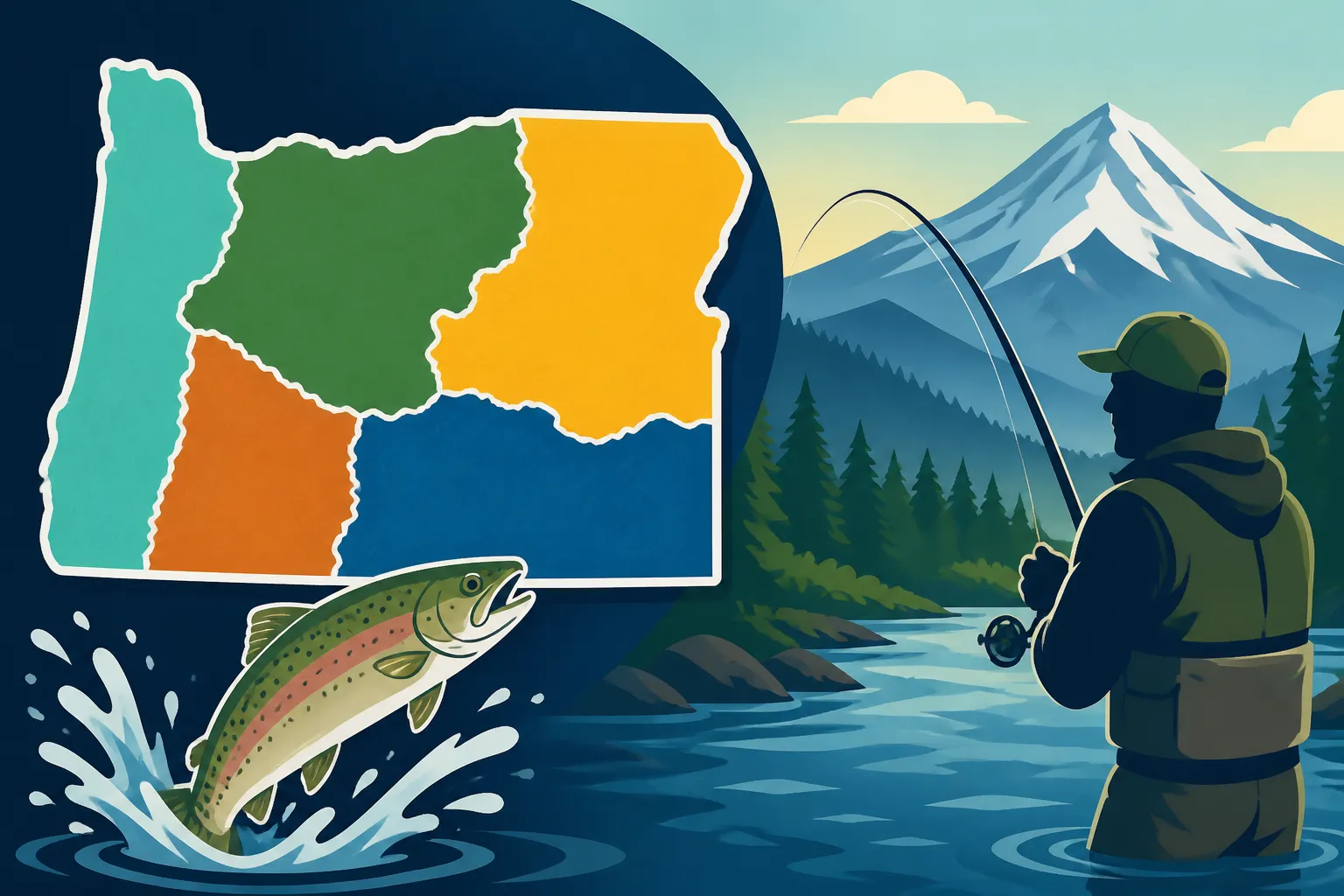
When you pick up that regulation booklet or look at the ODFW website, you'll see Oregon divided into several large inland fishing zones. These are the broad strokes that help categorize vast geographical areas with similar characteristics and, therefore, similar general regulations. Knowing which zone you're in is the first step to understanding the specific rules that apply to your fishing spot.
Western Oregon River Zones
Western Oregon is characterized by abundant rainfall, lush forests, and a myriad of rivers and streams that flow into the Pacific Ocean or the mighty Columbia River. The primary zones here include the Willamette Zone and several Coastal Zones (which are further broken down into individual coastal river basins like the Nestucca, Siletz, and Umpqua, each often with its own distinct rules).
The Willamette Zone encompasses the vast Willamette River drainage, a critical system for spring Chinook salmon, steelhead, and various resident species like trout and smallmouth bass. Regulations here are often complex, changing by time of year and specific river sections. For instance, understanding the different rules for How to Fish for Spring Chinook on the Willamette often hinges on knowing the specific zone and river section you're in. Similarly, the coastal river zones are famous for their winter and summer steelhead runs, as well as fall Chinook and coho salmon. These rivers are often managed to protect wild fish while allowing harvest of hatchery-produced fish, leading to detailed rules about fin clipping and retention.
Central and Eastern Oregon Zones
As you move eastward over the Cascade Mountains, the landscape transforms into high desert, expansive plateaus, and different river systems. This region is typically broken into the Central Zone, Northeast Zone, and Southeast Zone. These areas are renowned for their trout fisheries, including rainbow, cutthroat, and brook trout, often in stunning alpine lakes and famous rivers like the Deschutes.
The Central Zone, home to the iconic Deschutes River, is a prime example of zone-specific management. Certain stretches of the Deschutes are designated for fly-fishing only, and there are specific regulations for How to Fish for Summer Steelhead on the Deschutes. Lakes in this zone, like Crane Prairie Reservoir and Lake Billy Chinook, offer incredible opportunities for kokanee salmon and trophy trout, each with its own set of rules regarding bag limits and seasons. In the Northeast and Southeast zones, you'll find more remote fishing experiences, with opportunities for unique species like bull trout in some areas (under strict regulations) and various warmwater species in others. These zones often have regulations tailored to sparse populations or sensitive habitats, emphasizing careful management.
Columbia River Basin Endorsement Zone
The Columbia River is a unique beast, and its management reflects that. Not only is it a massive waterway, but it also forms a significant portion of the border between Oregon and Washington. This means it's often subject to reciprocity agreements with our neighbors to the north, which you can learn more about in Oregon and Washington License Reciprocity on the Columbia. For anglers targeting salmon and steelhead in the mainstem Columbia River and its tributaries upstream to the Hood River and its tributaries, you'll need a special Columbia River Basin Endorsement in addition to your regular Oregon fishing license.
This endorsement is essentially a "zone fee" that helps fund specific management, conservation, and restoration efforts within the Columbia River Basin. The regulations for this area can be incredibly dynamic, with emergency closures or changes announced frequently due to run sizes and in-season updates. Species like sturgeon also have unique management challenges in this river, requiring anglers to be particularly diligent about checking current regulations.
Oregon's Marine and Estuary Zones
Beyond the freshwater rivers and lakes, Oregon boasts a spectacular coastline and ocean fisheries that require their own distinct sets of regulations and, yes, more zones! Fishing in saltwater, whether in a protected bay or miles offshore, presents different challenges and opportunities than freshwater fishing.
Coastal Bays and Estuaries
Oregon's numerous bays and estuaries are vital ecosystems where freshwater meets saltwater. Places like Tillamook Bay, Yaquina Bay, and Coos Bay are famous for a variety of recreational activities, including crabbing, clamming, and targeting resident salmon, bottomfish, and even some migratory species that stage in the bays before heading upstream. For these areas, you'll often need a specific Oregon Shellfish License if you're going after Dungeness crab or razor clams.
The rules for bays and estuaries can be highly localized. For instance, crabbing regulations might differ slightly from bay to bay, and salmon fishing seasons within a bay can vary from those on the adjacent ocean or the rivers flowing into it. Tides, depths, and specific gear restrictions are common considerations here. You might find certain areas closed to fishing during specific times to protect juvenile fish or spawning grounds, highlighting the delicate balance required for these productive ecosystems.
Nearshore Ocean Waters
As you venture out onto the open ocean, but still relatively close to shore, you enter the nearshore ocean waters. This zone is typically defined by depth contours or distance from shore and is a popular area for targeting a variety of species, most notably rockfish and lingcod. These bottom-dwelling fish are often found near rocky reefs and kelp beds, providing exciting fishing opportunities.
Regulations for nearshore ocean waters are designed to manage these complex fisheries, often including specific bag limits, size restrictions, and sometimes even gear restrictions like the use of descending devices for releasing deep-water fish. Many anglers opt for Bottom Fishing Charters in Oregon to navigate these waters safely and effectively. It’s critical to know the daily bag and possession limits for various rockfish species, as they can sometimes vary even within the same general area, emphasizing the need to consult the most current ODFW regulations.
Offshore Pelagic Fisheries
Further out into the Pacific, beyond the nearshore zone, lies the realm of offshore pelagic fisheries. This is where anglers brave the open ocean in pursuit of larger, migratory species like Albacore Tuna and Pacific Halibut. Fishing for these species requires specialized boats, gear, and a solid understanding of both state and federal regulations, as halibut in particular are often managed under joint agreements with other West Coast states and federal agencies.
The seasons for these offshore species can be incredibly dynamic and quota-driven. Halibut, for example, often has specific open dates or weekly fishing periods, and those can change rapidly based on harvest levels. Tuna, being highly migratory, appear off the Oregon coast during warmer summer months, and while there aren't usually restrictive bag limits for them, safe boating practices and knowing how far offshore you need to go are crucial. Engaging with experienced Oregon Halibut Charter Guide or Tuna Charter Trips off Oregon is often the best way to safely and successfully target these prized offshore species.
Navigating Regulations within Specific Zones
Now that you have a clearer picture of Oregon's major fishing zones, it’s time to tackle the crucial next step: understanding how the regulations actually work within them. It's not enough to just know which zone you're in; you need to grasp how the specific rules apply, override, or complement the broader statewide guidelines. This is where most anglers encounter the "head-scratching" moments, but with a bit of diligence, it becomes manageable.
How Zone Regulations Override or Complement Statewide Rules
Think of Oregon's fishing regulations like a pyramid. At the very top, you have the general statewide rules – these are the foundational principles, like needing an Oregon Fishing License Guide to fish at all, or basic definitions of legal gear. As you move down the pyramid, you encounter the zone-specific regulations. These rules are more granular and will often either add to, modify, or even completely override a statewide rule for that particular zone.
For instance, a statewide regulation might state a general daily bag limit for trout. However, within a specific zone, say the Central Zone's Deschutes River, there might be a lower daily limit, or even a catch-and-release only rule for certain trout species or sections of the river. This isn't contradictory; it's simply a more refined management approach tailored to the unique characteristics and conservation needs of that specific waterbody. Always assume the most restrictive rule applies. If a zone rule is stricter than a statewide rule, the zone rule takes precedence.
Common Zone-Specific Rule Variations
The beauty (and complexity) of the zone system comes from the incredible variety of specific rules you might encounter. These variations are put in place for very good reasons, often to protect vulnerable populations, manage angler impacts, or enhance the fishing experience for a particular species or area. Here are some common examples of how rules can vary by zone:
- Gear Restrictions: You might find "fly-fishing only" sections, "artificial lures and flies only" rules, or restrictions on the use of bait in certain zones, particularly in sensitive trout or steelhead streams like portions of the Metolius River. This is often to protect wild fish or ensure fair chase.
- Daily Bag Limits: While there might be a statewide daily bag limit for a certain species, a specific zone or even a particular waterbody within that zone could have a different limit. For example, some rivers might have a reduced limit for salmon during certain runs, or a higher limit for invasive species like smallmouth bass in the John Day River. Our Oregon Daily Bag Limits Explained guide details these nuances.
- Season Dates: Fishing seasons, especially for migratory fish like salmon and steelhead, are highly localized. The season for fall Chinook on the lower Columbia River (Fall Chinook Season Timing on the Columbia) will be very different from the season for coho in a coastal river, or for trout in a high mountain lake that might be ice-bound for much of the year. Always consult the Oregon Fishing Season Dates and Limits for your specific target.
- Size Restrictions: Minimum or maximum size limits can also vary by zone and species, ensuring that fish have a chance to spawn or protecting larger, trophy-sized individuals.
The Importance of Cross-Referencing Zones and Species
This is perhaps the most critical takeaway: simply knowing your general zone isn't enough. You absolutely must cross-reference that information with the specific species you intend to target within that zone. Let's say you're fishing in the Willamette Zone. The regulations for rainbow trout will be different from those for spring Chinook salmon, which will, in turn, be different from the rules for bass or sturgeon.
Furthermore, within a single zone, a single river might have different rules for different sections. A classic example is the Columbia River, which, as mentioned, has specific regulations for various reaches and species like salmon, steelhead, and sturgeon. Always identify your precise location, the specific species you're after, and then consult the regulations booklet or the ODFW website to find the intersection of those rules. It might seem like a lot of work, but it’s the only way to ensure you're fishing legally and responsibly.
Tools and Resources for Identifying Your Zone and Regulations
Navigating the labyrinth of Oregon's fishing zones and their associated regulations can feel daunting, but thankfully, there are excellent resources available to help you. Gone are the days when you might just guess and hope for the best. With a little effort, you can be well-informed before you even cast a line.
The Official ODFW Resources
Your absolute go-to resource, the gold standard, is always the Oregon Department of Fish and Wildlife (ODFW). They are the authority, and their information is the most accurate and up-to-date.
- ODFW Website: The ODFW website is a treasure trove of information. You can find detailed maps of fishing zones, species-specific regulations, stocking schedules, and emergency updates. Take the time to bookmark the fishing section of their site. It's truly comprehensive.
- Online and Printed Regulation Booklets: Every year, ODFW publishes the "Recreational Fishing and Shellfishing Regulations" booklet. This is your bible! You can download a PDF version directly from their website, or pick up a physical copy at any ODFW office or most places that sell fishing licenses. This booklet meticulously outlines all the zones, their boundaries, and the specific rules for each. I always recommend having a copy, digital or physical, when you're out on the water. It also details special requirements like the Oregon Combined Angling Tag Guide for certain species.
- ODFW News Releases and Emergency Closures: This is critical. Regulations can and do change during the season due to things like low fish returns, high water temperatures, or other unforeseen events. ODFW issues news releases for these emergency closures or rule changes. Always check the "Recreational Fishing Reports" or "News Releases" section of their website right before you head out, especially if you're targeting sensitive species like salmon or steelhead.
Mobile Apps and Digital Aids
In this digital age, technology can be a fantastic helper for anglers. While no app can fully replace the official ODFW booklet, several mobile applications and digital tools can streamline the process of understanding where you are and what you can catch.
Many general fishing apps (you can find a wide selection on platforms like Amazon and Google Play) offer mapping features that show public access points and sometimes even basic regulatory overlays. While useful for general information, always double-check any regulatory data from third-party apps against the official ODFW resources. There are also specific apps from ODFW themselves that can provide real-time updates or access to regulations. For instance, some apps might help you with Oregon Catch Record Card Requirements by digitizing the process, though you still need to understand the underlying rules.
You might also consider dedicated GPS apps or even a rugged tablet (many available on Amazon with waterproof cases) to download and store your ODFW regulation booklet PDF, topographical maps, and fishing hot spots. This way, even if you lose cell service, you have your essential information readily at hand.
Local Knowledge and Bait Shops
While official resources are non-negotiable, never underestimate the power of local knowledge. Talking to people who fish a specific area regularly can provide invaluable insights that you won't always find in a booklet.
- Local Bait and Tackle Shops: These are often the nerve center of a local fishing community. The folks who run these shops live and breathe local fishing. They can tell you about recent catches, effective baits or lures, and, crucially, any subtle nuances or recent changes in regulations that might not have made it into a widely distributed update yet. They can also point you to local access points and tell you what's biting where. When you're buying that new lure or bait, don't hesitate to strike up a conversation.
- Experienced Anglers and Guides: If you're new to an area or targeting a challenging species, consider hiring an experienced Oregon Fishing Guide Services for a day. Not only will they put you on fish, but they will also educate you extensively on the local regulations, ethics, and best practices. Many guides are intimately familiar with the intricate zone boundaries and species rules. Even just chatting with friendly anglers you meet on the riverbank can yield helpful tips and clarify minor points of confusion.
- Online Fishing Forums and Social Media Groups: While these should be approached with caution (always verify information with official sources!), local fishing forums or Facebook groups can be a great way to tap into the collective knowledge of anglers who frequent specific zones. You can ask questions, share experiences, and learn about conditions or rule interpretations. Just remember, the final authority is always ODFW.
Common Misconceptions and Troubleshooting Zone Confusion
Even with all the resources in the world, fishing regulations can still trip up even the most seasoned anglers. There are certain common misconceptions and tricky situations that often lead to confusion about Oregon's fishing zones. Let's tackle some of these head-on, so you can avoid common pitfalls and enjoy your time on the water.
"It's Just a River, Right?" – The Illusion of Uniformity
One of the biggest mistakes anglers make is assuming that an entire river system, or even a continuous stretch of a large river, will have uniform regulations. This is almost never the case, especially with Oregon's major river systems. The truth is, a single river can easily pass through multiple zones, or have special regulations for different segments within the same zone.
Take the Columbia River, for example. The regulations for fishing near the mouth (like the famous Buoy 10 fishery) are drastically different from those upstream near The Dalles or in the tributaries feeding into it. Even a smaller river like the Deschutes, celebrated for its trout and steelhead, has different sections designated for fly-fishing only, or variations in bait and gear rules depending on whether you're in the lower river, the middle river, or further upstream. This is why always pinpointing your exact location on a map and then cross-referencing it with the ODFW regulations is paramount. Don't assume; always verify.
Season Changes and Emergency Closures
It's tempting to grab the annual regulation booklet in January and assume those rules will hold true for the entire year. While the core framework remains, fishing conditions in Oregon are highly dynamic. River flows, water temperatures, and fish returns can fluctuate wildly, sometimes requiring immediate adjustments to seasons, bag limits, or even complete closures. These are known as emergency closures or in-season regulation changes.
These changes are almost always announced via ODFW news releases and updated on their website. They rarely make it into printed booklets, especially if they occur mid-season. Imagine planning a trip to fish for fall Chinook on the Columbia, only to find out the season was unexpectedly shortened due to low returns. That's why checking the ODFW website for current updates right before you leave home is not just a suggestion, it's a critical safety net for both your fishing success and legal compliance. Many guides and savvy anglers will check daily for updates, particularly during peak seasons for popular species.
Reciprocity Agreements with Neighboring States
Another unique source of confusion for Oregon anglers involves the shared waterways with neighboring states, most notably the Columbia River with Washington. As we touched on earlier, this immense river is co-managed by both states, leading to what's called a reciprocity agreement.
What does this mean for you? If you have an Oregon fishing license (and the necessary endorsements like the Columbia River Basin Endorsement), you can generally fish from either the Oregon or Washington side of the mainstem Columbia River where it forms the border between the two states, as long as you abide by the rules of the state whose license you hold. So, if you have an Oregon license, you follow Oregon's daily bag limits and gear restrictions, even if you're technically casting from the Washington bank or in Washington waters. However, this reciprocity does not extend to tributaries. If you decide to venture up a Washington tributary like the Cowlitz or Kalama rivers, you absolutely need a valid Washington fishing license and must follow Washington's regulations for those waters. Always check the specifics, as these agreements can have nuances. You can delve deeper into this specific topic with our guide on Oregon and Washington License Reciprocity on the Columbia.
Understanding these common areas of confusion and taking the proactive steps to verify your location and the current rules will save you a lot of headache and ensure your fishing trips in Oregon are enjoyable and within the law.
| Fishing Zone Example | Primary Location | Common Species | Example Rule Variation |
|---|---|---|---|
| Willamette Zone | Willamette River | Spring Chinook, Steelhead, Trout | Different bag limits for salmon by river section. |
| Central Zone | Deschutes River, Central Oregon Lakes | Rainbow Trout, Summer Steelhead, Kokanee | Some Deschutes River sections are "fly-fishing only." |
| Coastal River Zone | Nestucca, Siletz, Umpqua Rivers | Winter Steelhead, Fall Chinook | Wild steelhead often "catch-and-release" only. |
| Marine Nearshore | Oregon Coast (0-30 fathoms) | Rockfish, Lingcod | Depth restrictions for certain bottomfish. |
| Columbia River Mainstem | Oregon/Washington Border | Sturgeon, Fall Chinook, Steelhead | Requires Columbia River Basin Endorsement. |
Disclaimer
Please note that fishing regulations in Oregon are subject to change. While this guide aims to provide accurate and comprehensive information, it is not a substitute for the official Oregon Department of Fish and Wildlife (ODFW) regulations. Always consult the most current ODFW fishing regulations booklet and check for any in-season updates or emergency closures before heading out to fish. Your adherence to these regulations is crucial for the conservation of Oregon's fisheries.