How to Fish for Lingcod and Rockfish in Oregon
The open ocean off the Oregon Coast holds a special kind of thrill, but it can also be incredibly intimidating for anglers hoping to chase down those elusive, hard-fighting bottom dwellers like lingcod and rockfish. Trying to figure out the right gear, where to even begin looking, and what techniques actually work can feel like a riddle wrapped in an enigma, especially when the weather is unpredictable and the depths are daunting. This comprehensive guide is designed to demystify the art of fishing for lingcod and rockfish in Oregon, equipping you with the knowledge to tackle the Pacific with confidence and bring home some fantastic table fare.
Understanding Lingcod and Rockfish: Your Bottom-Dwelling Targets
Before you even think about casting a line, it helps immensely to understand the creatures you're after. Lingcod and various species of rockfish are staples of the Oregon nearshore fishery, offering exciting fights and delicious meat. While they both inhabit rocky structures, they have distinct personalities and preferred hangouts that influence how we target them.
Lingcod – The Ambush Predator of the Deep
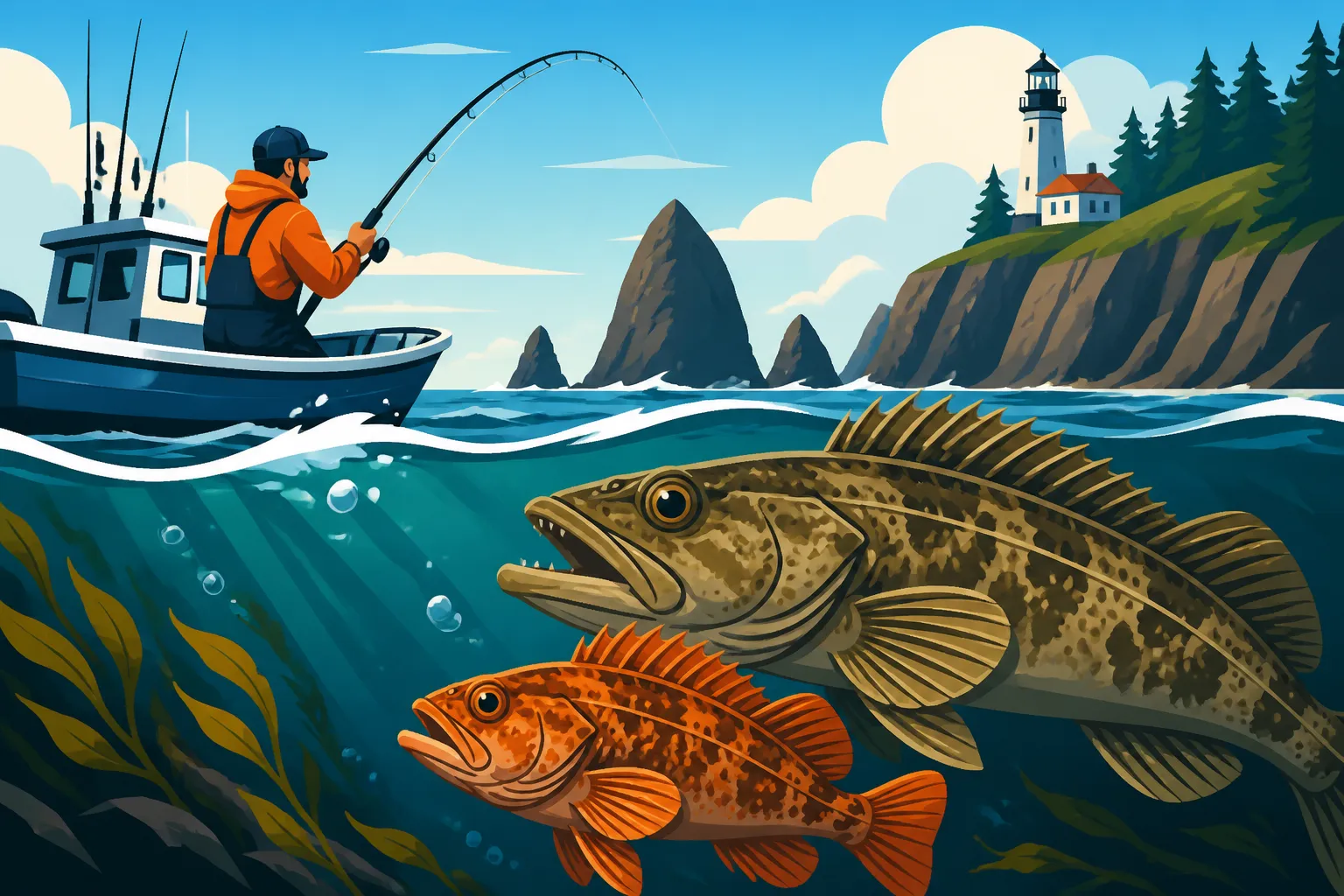
Lingcod are truly impressive fish, known for their large mouths, sharp teeth, and aggressive nature. They're not actually cod, but rather a member of the greenling family. These ambush predators can grow quite large, with some specimens reaching over 50 pounds, though most caught by recreational anglers are in the 5-20 pound range. Their mottled brown, green, and gray coloration provides excellent camouflage against the rocky seafloor. You'll typically find them lurking around rocky reefs, kelp beds, ledges, and even shipwrecks, ready to pounce on unsuspecting prey.
What makes lingcod such a blast to catch is their territorial and voracious appetite. They are not picky eaters, preying on anything from smaller fish like herring, mackerel, and greenling, to octopus, squid, and even other lingcod if the opportunity arises. This aggressive feeding behavior means they'll often strike jigs and baits with incredible force, leading to heart-stopping bites. They are fierce fighters, notorious for trying to "rock you" by diving back into structure, making a strong rod and quick reflexes essential to pulling them out.
Rockfish – A Diverse Family of Coastal Dwellers
The term "rockfish" actually encompasses a huge family of fish, with many different species calling the Oregon coast home. The most commonly targeted in Oregon include Black Rockfish, Blue Rockfish, Canary Rockfish, and Vermilion Rockfish. It's crucial to be aware of regulations surrounding Yelloweye Rockfish, which are an overfished species and generally prohibited from retention or heavily restricted in certain areas. Each species has slightly different characteristics, but generally, they are stout-bodied, spiny-finned fish with a range of vibrant colors.
Rockfish habitats vary somewhat by species. Black Rockfish, for instance, are often found in shallower waters closer to shore, sometimes even congregating around jetties and rocky points. Other species, like Vermilion and Canary Rockfish, tend to prefer deeper, more substantial rocky structures and pinnacles. Many rockfish species are schooling fish, meaning where you find one, you'll often find many more. This can lead to rapid-fire action once you locate a productive spot. They primarily feed on small fish, crustaceans, and other invertebrates that inhabit the reef environment. Understanding which species you're targeting can help you fine-tune your approach, from bait selection to the depths you're fishing. For more detail on specific species, check out our Oregon Saltwater Fish Species Guide.
Where to Find Them: Preferred Habitats
Both lingcod and rockfish are inextricably linked to structure. They thrive in environments that offer protection, ambush points, and abundant food sources. Off the Oregon coast, this means targeting areas with prominent underwater features. Look for reefs, pinnacles, rocky outcroppings, and ledges that rise from the seafloor. These features create currents and upwellings that concentrate baitfish, making them prime hunting grounds. Artificial reefs, often created from sunken barges or concrete structures, are also excellent spots that attract a wide array of marine life, including your target species.
The typical depth range for these fish can vary significantly. Black Rockfish might be found in as little as 20-30 feet of water, especially nearshore jetties, but many other rockfish species and lingcod prefer depths ranging from 50 to 300 feet or even deeper. The key is to find that hard, rocky bottom. Your boat's fish finder and GPS are invaluable tools here, allowing you to identify these structures and mark them for repeated drifts. Keep an eye out for contour changes, sudden drops, and dense schools of baitfish suspended around these features. The presence of bait often signals that predators like lingcod and rockfish are nearby. You'll find many of these prime spots highlighted in our guide to Oregon Coast Fishing Spots.
Essential Gear for Oregon Bottom Fishing
Having the right tackle isn't just about catching fish; it's about making the experience enjoyable and effective. Bottom fishing off the Oregon coast demands robust, reliable gear that can withstand tough conditions and strong fish. Trying to get by with inadequate equipment will lead to frustration, lost fish, and a generally miserable day.
Rods, Reels, and Line: Building Your Setup
When it comes to rods for lingcod and rockfish, you'll want something with a heavy action and a strong backbone, yet still sensitive enough at the tip to detect subtle bites. A rod in the 7 to 9-foot range is ideal for boat fishing, offering good leverage for fighting fish while remaining manageable in tight quarters. If you're fishing from a jetty, a longer rod, perhaps 9 to 11 feet, will give you extra casting distance and help keep your line clear of the rocks. Look for rods rated for 30-80 lb line and capable of handling 4-16 oz of weight, depending on the specific model. The most crucial feature is the power to muscle a big lingcod away from structure before it breaks you off.
For reels, conventional (level-wind or star drag) reels are generally preferred over spinning reels for bottom fishing due to their superior cranking power, line capacity, and durability when fighting heavy fish from deep water. A reel in the 300 to 400 series size is a good all-around choice. Look for models with a high-quality drag system that can withstand sustained pressure. Companies like Penn, Shimano, and Daiwa offer excellent options that can be found on platforms like Amazon. Fill your reel with braided line, typically 50 to 80 lb test. Braided line offers minimal stretch, which provides incredible sensitivity to feel those subtle bites and allows for powerful hooksets in deep water. Pair your braid with a 3-6 foot leader of 40-60 lb fluorocarbon or monofilament. Fluorocarbon is less visible underwater and more abrasion-resistant, which is key when fishing around sharp rocks and toothy lingcod.
Terminal Tackle: Hooks, Weights, and Swivels
Your terminal tackle is the business end of your fishing setup, and getting it right is crucial for success. You'll need hooks that are strong, sharp, and appropriately sized for your bait and target species. For bait fishing, robust J-hooks in sizes 4/0 to 8/0 are common. If you're using live bait, circle hooks are an excellent choice as they significantly reduce the chance of gut-hooking, improving the survival rate of released fish. Make sure they are heavy-gauge hooks that won't straighten out under pressure.
Weights are non-negotiable for getting your bait or lure down to the bottom in strong currents and deep water. You'll need a range of sinker sizes, typically from 8 to 24 ounces, to adapt to varying depths and current speeds. Cannonball, pyramid, or torpedo sinkers are popular choices. It's always a good idea to bring more weights than you think you'll need, as snags are a common occurrence when fishing around rocky structure. Finally, heavy-duty barrel or ball-bearing swivels are essential. They prevent line twist, especially when using heavy weights or jigs that spin on the retrieve, and create a strong connection point for your leader and main line.
Lures and Baits: What Gets Their Attention
Lingcod and rockfish are opportunistic feeders, so you have a good range of options when it comes to lures and baits. For lures, heavy metal jigs are incredibly effective. These are dropped to the bottom and worked with a jigging motion to imitate an injured baitfish. Jigs in chartreuse, white, blue, and sardine patterns, ranging from 4 to 12 ounces, are often productive. Pairing them with a piece of squid or a grub on the assist hook can further entice strikes.
Soft plastics are another fantastic choice, especially large swimbaits, curly tail grubs, and paddle tails rigged on heavy jig heads. The Yamamoto Swim Senko, Berkley Gulp! grubs, or similar brands available on Amazon, are proven fish catchers. These can be fished similarly to metal jigs, with a lift-and-drop retrieve, or slowly bounced along the bottom. For natural baits, live bait is often king, if you can acquire it and regulations allow. Herring, mackerel, and even small rockfish can be deadly for lingcod. Always check current regulations regarding live bait use. If live bait isn't an option, cut bait like squid, octopus, or fresh herring fillets are excellent alternatives. These can be fished on a standard bottom rig or tipped onto a jig.
Techniques for Targeting Lingcod and Rockfish
Once you've got your gear dialed in, it's time to talk tactics. Successfully targeting lingcod and rockfish involves understanding how to present your bait or lure effectively in their preferred habitat. Whether you prefer the active engagement of jigging or the patient anticipation of bait fishing, there's a technique for you.
Vertical Jigging: Getting Down to Business
Vertical jigging is perhaps the most exhilarating and effective method for targeting these bottom dwellers, especially for active anglers. The premise is simple: you drop a heavy metal jig or a large soft plastic on a jig head directly down to the bottom, right over the structure where the fish are hiding. The key is to maintain a vertical presentation, meaning your line should be as straight up and down as possible, which often requires careful boat positioning or continuous adjustments to your drift.
Once your jig hits the bottom, you engage in a series of "lifts" and "drops." This can range from aggressive, long pulls followed by a freefall, to more subtle, short snaps and pauses. The idea is to imitate an injured baitfish or a crustacean fleeing or struggling, triggering the predatory instincts of lingcod and rockfish. Often, the strike will come on the fall, as the fish ambushes the "dying" bait. Other times, you'll feel a solid thud or simply increased weight on the next lift. It's crucial to be ready to set the hook immediately. Experiment with different retrieve speeds and jigging actions until you find what the fish are responding to on a given day. This active technique is highly rewarding and truly puts you in control of the presentation.
Bait Fishing: The Scent Trail Advantage
For many, bait fishing offers a more traditional and often equally productive approach, relying on scent and natural presentation to draw in strikes. This method is particularly effective when fish are less active or when you want to cover ground with a slower presentation. A variety of rigs can be employed, but the most common include the Carolina rig, where a sliding sinker is above a swivel and a leader, or a simple dropper loop rig, which allows for multiple hooks (always check your local Oregon Daily Bag Limits Explained to ensure you're fishing legally within the hook limits). A three-way swivel rig is also popular, keeping your weight on a dropper line separate from your baited hook, which can reduce snags.
The goal with bait fishing is to keep your offering tantalizingly close to the bottom without getting continuously snagged. Use just enough weight to hold bottom, allowing your bait to flutter naturally in the current. Fresh bait, like a whole squid, a herring fillet, or even a live mackerel (if legal), can create a scent trail that attracts fish from a distance. Once you feel a bite, resist the urge to immediately set the hook. Lingcod often "mouth" the bait before swallowing, so give them a moment to fully commit before a firm, sweeping hookset. This method demands patience but can be incredibly rewarding, especially when you're anchored over a promising piece of structure.
Trolling and Drifting: Covering Ground
While less common for direct bottom fishing in deep, rocky areas compared to vertical jigging or bait fishing, both trolling and drifting have their place, especially for certain rockfish species and when exploring new grounds. Trolling typically involves using a downrigger or very heavy weights to get lures or baits down to the desired depth while the boat moves steadily. This can be effective for covering wider areas over flatter rocky bottoms or the edges of reefs, particularly for Black Rockfish or other pelagic rockfish that might be suspended just above the structure. Large diving plugs or swimbaits can be trolled successfully. For more on this, consult our Oregon Trolling and Boat Fishing Techniques guide.
Drifting, however, is a much more common and often preferred method for lingcod and rockfish. Instead of actively propelling the boat, you allow the wind and current to move your vessel over a piece of promising structure. This allows your jigs or baits to sweep naturally across the bottom, presenting a very lifelike offering. Controlling your drift speed is key; too fast and your tackle won't stay on the bottom, too slow and you might not cover enough ground. A sea anchor or drift sock can be invaluable for slowing down your drift in windy conditions, giving your bait more time in the strike zone. As you drift, continue to drop your jig or bait to the bottom, lifting and dropping as you go, constantly feeling for bites.
Navigating Regulations and Safety on the Oregon Coast
Fishing in the Pacific Ocean is an incredible experience, but it comes with responsibilities – both legal and safety-related. Ignoring these can lead to fines, dangerous situations, or even harm to the fishery itself. It's not just about catching fish, it's about doing it responsibly and safely.
Oregon Regulations: Staying Legal and Sustainable
Before you even step foot on a boat or jetty, understanding Oregon's fishing regulations is paramount. You'll need an Oregon Fishing License Guide, and for ocean fishing, a specific Oregon Ocean Endorsement is typically required on top of your standard angling license. These are easy to obtain online or from licensed vendors. Once you have your licenses, dive into the specifics of bag limits and size restrictions. These can change frequently, so always check the most current Oregon Department of Fish and Wildlife (ODFW) regulations before each trip.
For lingcod, there are usually specific size limits (e.g., minimum 22 inches, maximum 28 inches, though this can vary) and daily bag limits (often one or two fish per day). Rockfish regulations are more complex due to the multitude of species. Many common species like Black Rockfish have relatively generous bag limits, but others, such as Yelloweye Rockfish, are often entirely prohibited or have extremely strict regulations due to their conservation status. Always identify your catch. Additionally, there are often descending device requirements for deep-water rockfish, aimed at reducing barotrauma if you have to release a fish. Remember to review the comprehensive Oregon Fishing Regulations Explained before heading out. Keep an eye on Oregon Fishing Season Dates and Limits, as some areas or species might have seasonal closures.
Safety First: Preparing for Ocean Conditions
The Pacific Ocean off Oregon is stunning, but it can also be unforgiving. Safety should always be your number one priority. Never head out without first checking the marine weather forecast. Pay close attention to wave height, swell period, and wind speed. Conditions can change rapidly, so be prepared to turn back if the weather deteriorates. Always inform someone of your float plan – where you're going, when you expect to return, and who is on board.
If you're on a boat, ensure all required safety gear is aboard and in good working order. This includes properly fitting Personal Flotation Devices (PFDs) for everyone, a working VHF radio, flares, a first-aid kit, and an anchor. Even on calm days, the ocean can be unpredictable. Personal safety is equally important. Dress in layers, as temperatures can drop quickly. Protect yourself from the sun with sunscreen, hats, and sunglasses. Stay hydrated, and if you're prone to seasickness, take preventive measures like Dramamine or patches well before you leave the dock. There's nothing worse than a day cut short by an avoidable safety issue.
Ethical Angling and Conservation
Beyond simply following regulations, ethical angling is about respecting the resource and ensuring healthy fish populations for future generations. If you're practicing catch-and-release, handle fish gently and release them quickly. For deep-caught rockfish, consider using a descender device, which helps them return to depth and recover from barotrauma (the expansion of gases in their swim bladder due to rapid pressure changes). These devices are becoming mandatory in some fisheries, and it’s a good practice to use one whenever releasing fish caught from depths greater than 30 feet.
Be mindful of your impact on the environment. Avoid littering, retrieve any snagged lines or lures if possible, and leave no trace of your presence. Understanding the reasons behind specific regulations, like the prohibition on Yelloweye Rockfish, fosters a sense of stewardship. By adhering to limits and practicing responsible angling, we contribute to the long-term health and sustainability of Oregon's incredible fishing opportunities.
Maximizing Your Catch and Experience
Beyond the gear and regulations, there are subtle nuances and strategic considerations that can dramatically improve your success rates and overall enjoyment on the water. It’s often the little things that make the biggest difference between a slow day and a banner day.
Finding the Hot Spots and Structure
Successfully finding lingcod and rockfish is largely about locating the right structure. Your boat's electronics are your best friends here. A good fish finder with a clear display will help you identify rocky reefs, pinnacles, and ledges on the seafloor. Pay attention to sudden changes in depth or bottom composition. Look for "arches" or "marks" on your screen that indicate fish, especially if they are congregated near the structure. A GPS unit with detailed marine charts (like those from Navionics or C-MAP) will show you known reefs, wrecks, and contour lines, allowing you to accurately position your boat and make precise drifts.
The Oregon Department of Fish and Wildlife (ODFW) also publishes maps of public fishing reefs and artificial reefs, which are invaluable resources. These designated areas are purposefully enhanced to provide habitat and concentrate fish. Don't be afraid to experiment with different depths and areas within a known hotspot. Sometimes, moving just a few hundred yards can change your luck entirely. Finally, don't underestimate the power of local knowledge. Chat with bait shop owners, other anglers at the boat ramp, or consider booking a trip with one of the many experienced Newport Oregon Fishing Charters or a local guide. They often have an intimate understanding of the best Oregon Coast Fishing Spots and current conditions. Learning from seasoned pros is one of the quickest ways to improve your own skills.
Best Times and Conditions
Timing is everything in fishing, and bottom fishing for lingcod and rockfish is no exception. While these fish can be caught year-round, certain conditions make for better fishing and a more comfortable experience. Calm ocean conditions are ideal. Less wind and smaller swells not only make for a safer and more pleasant ride but also allow you to hold your boat over structure more easily and maintain better contact with your gear on the bottom. Always prioritize safety over the desire to fish.
Tides can also play a significant role. Many anglers find that fishing around the slack tide (the period of minimal water movement at the peak of high or low tide) can be productive. During stronger tidal flows, fish may hunker down closer to structure, but the current can also concentrate bait. Experimentation is key to understanding how a specific area reacts to different tidal stages. Generally, early mornings and late afternoons are often considered prime fishing times, as these low-light periods can trigger more aggressive feeding behavior in many fish species. For a broader understanding of seasonal patterns, refer to our Best Time of Year to Fish in Oregon guide.
Handling Your Catch and Post-Trip Care
Once you've hooked and battled a lingcod or a nice rockfish to the surface, the job isn't quite done. Proper handling is crucial for both safety and preserving the quality of your catch. For larger lingcod, a gaff is often necessary to safely bring the fish into the boat. Be careful of their sharp teeth and powerful headshakes. For rockfish, a sturdy net is usually sufficient. Once on board, dispatch the fish quickly and humanely.
Getting your fish on ice as soon as possible is paramount. A cooler filled with ice or an insulated fish bag will rapidly cool the fish, preventing spoilage and ensuring the meat remains firm and flavorful. If you plan to fillet your fish, doing so shortly after catching them, or at the very least gutting them on the boat, can further enhance freshness. Many charter operations will clean and fillet your fish for you, but if you're on your own, having a sharp fillet knife and knowing the basics of cleaning different species will serve you well. Lingcod yield beautiful white fillets, while many rockfish offer firm, flaky meat perfect for a variety of dishes. Remember to adhere to all Oregon Daily Bag Limits Explained and size restrictions when keeping your catch.
| Feature | Lingcod | Black Rockfish |
|---|---|---|
| Average Size | 5-20 lbs (can exceed 50 lbs) | 2-5 lbs (up to 10-15 lbs) |
| Habitat | Rocky reefs, ledges, wrecks, kelp beds | Shallow rocky reefs, jetties, kelp forests |
| Primary Diet | Smaller fish, octopus, squid | Small fish, crustaceans, invertebrates |
| Fishing Depth | 50-300+ feet (often deeper than rockfish) | 20-150 feet (often shallower nearshore) |
| Key Tackle | Heavy jigs, large swimbaits, live bait | Jigs, soft plastics, cut bait, shrimp |
| Regulations Note | Specific size slot limits (check ODFW) | Generous bag limits, easy identification |
| Fight Style | Aggressive, powerful dives, headshakes | Strong pulls, good fighters for their size |
Disclaimer
The information provided in this guide is for general informational purposes only and is subject to change. Fishing regulations in Oregon, including season dates, bag limits, and size restrictions, are set by the Oregon Department of Fish and Wildlife (ODFW) and can be modified at any time. It is the angler's sole responsibility to consult the most current ODFW regulations and advisories before engaging in any fishing activity. Always prioritize safety on the water and be aware of changing weather and ocean conditions.