Oregon Salmon Fishing Techniques
The quest for salmon in Oregon's abundant waters can be both exhilarating and, let's be honest, a little intimidating. Many anglers, new and experienced alike, grapple with where to go, what gear to use, and which techniques will actually put fish in the boat or on the bank. This comprehensive guide is designed to demystify Oregon salmon fishing, breaking down the species you'll encounter, the essential gear you'll need, and the proven techniques that will increase your chances of success, whether you're casting in a bustling river or trolling the vast Pacific.
Understanding Oregon Salmon Species
Oregon is a salmon angler's paradise, offering opportunities for several distinct species, each with its own characteristics, preferred habitats, and run timings. Knowing which salmon you're targeting is the first step to choosing the right techniques and gear. While there are five species of Pacific salmon, recreational fishing in Oregon primarily focuses on Chinook and Coho salmon. Sockeye and Chum are less common sport species, and Pink salmon are rarely found in Oregon waters.
Chinook Salmon Varieties
Often referred to as "King Salmon" due to their impressive size and powerful fight, Chinook salmon are the largest and arguably most prized of Oregon's salmon. These magnificent fish are typically divided into two main categories based on their run timing: Spring Chinook and Fall Chinook.
Spring Chinook, affectionately known as "Springers," are famous for their exceptional table quality, often possessing a higher fat content as they enter freshwater earlier in the year to migrate further upstream before spawning. They typically begin entering Oregon's rivers, like the Willamette and Columbia, from March through June. These fish are feisty and can be found holding in deep pools and current seams as they make their way upriver. Their pristine condition and fighting spirit make them a highly sought-after catch, leading to dedicated seasons and intense pursuit by anglers. Targeting Spring Chinook requires specific strategies, often focusing on scent, subtle presentations, and understanding their migration patterns in cold, often high, river flows.
Fall Chinook, or "Fall Kings," arrive later in the year, usually from August through October, and are often caught closer to the ocean or in the lower reaches of major river systems like the Columbia River. While they may not have the same reputation for table quality as Springers due to their closer proximity to spawning, they often present in larger numbers and can be incredibly aggressive feeders, particularly when staging near river mouths. Fall Chinook can grow to immense sizes, with many fish pushing the 30 to 50-pound mark, providing truly memorable battles. Their runs coincide with often more forgiving weather conditions, making them a popular target for many anglers seeking to fill their freezers. Understanding the nuances between these two runs, including their typical holding patterns and preferred baits, is crucial for maximizing your success.
Coho Salmon and Their Characteristics
Coho salmon, also known as "Silver Salmon" for their bright, chrome appearance, offer a different kind of angling excitement. These agile and acrobatic fish are known for their spirited fights, often leaping clear out of the water once hooked. While generally smaller than Chinook, typically ranging from 8 to 20 pounds, their aggressive nature and willingness to strike a variety of lures and baits make them a fantastic sportfish, especially for those new to salmon fishing.
Coho usually begin entering Oregon's coastal rivers and the Columbia River system in late summer and early fall, from August through November. They often school together in large numbers, providing fast-paced action when you find them. Unlike Chinook, Coho are often more spread out in the water column and will aggressively chase down baits and lures, making them a great target for trolling in the ocean or casting spinners and jigs in river systems. Their vibrant coloration and hard-fighting nature make them a favorite among many anglers. The key to successful Coho fishing often lies in covering water, using active presentations, and understanding their tendency to migrate closer to the surface compared to their Chinook cousins. For a deeper dive into all the species you might encounter, check out our comprehensive guide on Oregon Salmon Species Guide.
Essential Gear for Oregon Salmon Fishing
Successfully landing an Oregon salmon, whether a powerful Chinook or an acrobatic Coho, depends heavily on having the right equipment. This isn't just about owning a fishing rod; it's about matching your gear to the specific species, technique, and environment you'll be fishing in. The wrong setup can lead to missed bites, broken lines, and ultimately, disappointment. Investing in quality gear designed for the rigors of salmon fishing will pay dividends in your success and enjoyment.
Rods, Reels, and Line Selection
Choosing the right rod and reel combination is paramount. For salmon, you need robust gear that can handle powerful runs, sudden changes in direction, and the sheer weight of a large fish.
- Rods: Generally, you'll want a medium-heavy to heavy-action rod, typically ranging from 8'6" to 10'6" in length. The longer length helps with casting distance, line control, and absorbing the shock of a hard-fighting salmon. For river fishing, where you might be drift fishing or using bobbers and jigs, a rod with a sensitive tip but strong backbone is ideal. This allows you to detect subtle bites while still having the power to set the hook and steer the fish away from snags. Brands like Lamiglas, G. Loomis, and Shimano offer excellent salmon rods tailored for different techniques. When it comes to ocean fishing, shorter, sturdier rods (often 7' to 9') are preferred for trolling with downriggers or mooching, as they provide better leverage against heavy tackle and powerful fish in saltwater.
- Reels: For river fishing with baitcasting techniques, a high-quality baitcasting reel with a smooth drag system and ample line capacity is essential. Shimano Curado, Abu Garcia Revo, and Daiwa Tatula series are popular choices. For those who prefer spinning gear or for lighter Coho setups, a robust spinning reel in the 4000-6000 size range will do the trick. For ocean trolling, large level-wind conventional reels are standard, capable of holding hundreds of yards of heavy line, like Penn Squall or Daiwa Saltist models. A good drag system is non-negotiable on any salmon reel, as it allows the fish to pull line without breaking it, wearing them down gradually.
- Line: The mainline typically consists of 20- to 65-pound braided line, which offers superior sensitivity, strength, and minimal stretch. This allows you to feel even the lightest tap and provides excellent hook-setting power. However, braid is highly visible, so it's almost always paired with a monofilament or fluorocarbon leader. Leader material strength can vary from 15-pound test for smaller Coho or clearer water conditions up to 40-pound test or more for heavy current and large Chinook. Fluorocarbon leaders are excellent for their invisibility underwater and abrasion resistance, while monofilament offers a bit more stretch which can be forgiving. Don't skimp on line; a quality line is your direct connection to the fish, and a failure here can be heartbreaking. Many anglers find great deals on bulk spools of line on Amazon, allowing them to keep fresh line on their reels without breaking the bank.
Terminal Tackle Essentials
Terminal tackle refers to all the bits and pieces you attach to the end of your fishing line to present your bait or lure. For salmon, this includes a wide array of items, each serving a specific purpose.
- Hooks: The type and size of hook are critical. Octopus-style hooks, often in sizes 1/0 to 5/0, are popular for bait presentations due to their wide gap and offset point, which provides excellent hook-setting ability and often results in fish being hooked in the corner of the mouth, making for easier release if needed. For larger baits or heavier currents, you might opt for larger hooks or even treble hooks on some lures, though many regulations now restrict the use of treble hooks or require barbless hooks. Always check the current Oregon Fishing Regulations Explained for specific hook requirements in your fishing area.
- Weights: From small pencil weights for drift fishing to heavy cannonballs for deep ocean trolling, weights are essential for getting your offering into the strike zone. Slinky weights, lead-free weights (be mindful of environmental impact), and various sinker styles (e.g., crescent, pyramid) are all part of the salmon angler's arsenal. Matching the weight to the current, depth, and technique is a skill that comes with practice. Too light, and your bait won't get down; too heavy, and you'll constantly snag.
- Swivels and Leaders: High-quality barrel swivels or ball-bearing swivels are crucial to prevent line twist, especially when trolling or using spinning lures. A good snap swivel can also make changing lures quick and easy. Leaders, as mentioned, are used to connect your mainline to your hook or lure, providing a less visible connection and abrasion resistance.
- Floats and Divers: For bobber fishing in rivers, large, high-visibility floats are needed to suspend your bait at the correct depth and indicate strikes. In the ocean, trolling divers like a "Deep Six" or "Fish Flash" can take your lure down to specific depths without the need for heavy lead, creating action and attracting fish. Having a variety of terminal tackle on hand is essential for adapting to changing conditions, and many anglers keep a well-stocked tackle box. You can often find a wide selection of these smaller, but critical, items in bulk or in convenient kits on Amazon.
Popular Techniques for River Salmon Fishing
River fishing for salmon in Oregon is a dynamic and rewarding experience, offering a more intimate connection to the fish and their environment than ocean fishing. Success in rivers often hinges on understanding how salmon navigate and hold in currents, and adapting your presentation to their preferences. There are several tried-and-true techniques that consistently produce fish in Oregon's diverse river systems.
Drift Fishing
Drift fishing is arguably one of the most effective and widely practiced techniques for salmon in Oregon's rivers. It's a method that mimics natural food items drifting freely with the current, making it incredibly appealing to salmon. The core idea is to present your bait or lure at the same speed as the current, allowing it to "drift" naturally into the fish's strike zone.
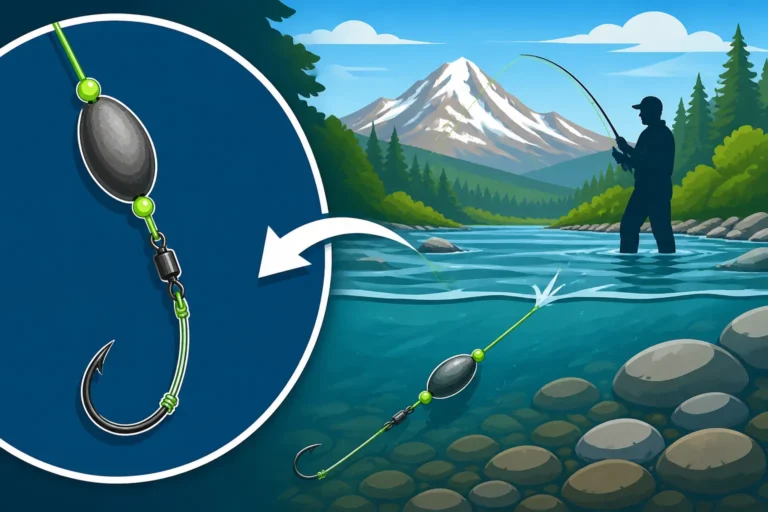
To execute a proper drift, you'll typically use a weight that is just heavy enough to tick the bottom occasionally without snagging excessively. This means feeling your weight momentarily touch the riverbed, then lifting your rod tip slightly to allow it to drift downstream a few feet before touching down again. The "feel" for the bottom is crucial and takes practice. Too much weight, and you'll snag constantly; too little, and your bait will wash over the fish's heads. Popular weights for drift fishing include slinky weights, pencil lead, or flat weights, all designed to minimize snagging. Your leader, usually 2 to 4 feet long, connects your mainline to your bait (often cured roe, shrimp, or a small cluster of coon shrimp) or a small lure like a Cheater or Spin-N-Glo. The objective is for your bait to enter a holding lie – a spot where salmon rest in the current – just ahead of the weight, giving the fish a natural presentation.
Drift fishing is particularly effective in runs, riffles, and seams where current speed varies. Salmon will often hold in the slower water adjacent to faster currents, waiting for food to drift by. A perfectly executed drift will allow your bait to swing through these holding lies naturally. It's a highly interactive technique, requiring constant attention to your line and the subtle bumps and pauses that indicate a bite. When a salmon takes your offering, it often feels like a subtle tap or a sudden heaviness, not always a violent strike. Setting the hook requires a firm, sweeping motion. Learning the nuances of this technique can unlock a lot of fishing potential on rivers like the Deschutes River or the Rogue River.
Bobber and Jig or Bait Fishing
When salmon are holding in specific, identifiable locations, especially in deeper pools, slower eddies, or around submerged structure, bobber and jig or bobber and bait fishing becomes incredibly effective. This method allows you to suspend your offering at a precise depth, directly in front of the fish's nose, keeping it in the strike zone for an extended period.
The setup for bobber fishing typically involves a large, visible float (often a slip float, which allows you to adjust your fishing depth easily) above a lead weight (like a banana weight or pencil weight) and a leader terminating in a jig or baited hook. Jigs, usually made with marabou or rabbit fur, come in various colors and sizes, often tipped with a piece of prawn or cured roe for added scent and appeal. The weight ensures your bait or jig gets down to the desired depth quickly, and the float keeps it there, signaling any take with a dip, twitch, or outright disappearance.
This technique shines when salmon are congregated, such as during peak migration periods in specific river sections or when they're staging before moving further upstream. It's also fantastic for targeting fish from the bank where casting and retrieving might be limited. The key to success is accurately gauging the depth where the salmon are holding. This can be determined by observing other anglers, using a fish finder, or by making test casts at varying depths until you find the sweet spot. Popular spots for this include the deeper holes of the Willamette River during spring Chinook runs or tidal sections of coastal rivers where Coho might be stacked. The visual aspect of watching the bobber, combined with the often aggressive strike of a salmon, makes this a particularly exciting way to fish. For deeper insights, you might want to read our article on How to Fish for Spring Chinook on the Willamette.
Plunking
Plunking is a somewhat more relaxed, often bank-based, but incredibly effective technique, particularly in larger rivers with strong currents or during high water conditions. It's a "set it and forget it" style of fishing, where you anchor your bait or lure in one spot and wait for the salmon to come to you.
The typical plunking setup involves a heavy lead weight (often a pyramid sinker or a specialized plunking weight) that is designed to dig into the riverbed and hold its position against the current. Upstream from the weight, usually on a dropper line or a three-way swivel, a short leader presents your bait or lure. Common offerings include Spin-N-Glos, large Brad's Wiggler plugs, or sometimes cured roe in an "egg loop" setup. The idea is that the current will impart action to your lure or scent to your bait, attracting salmon as they migrate upstream.
Plunking is most effective in defined travel lanes where salmon are known to pass, such as near prominent current breaks, main river channels, or the mouths of tributaries. It's especially useful when fishing from shore, as it allows you to cover a specific piece of water without constant casting and retrieving. While it requires patience, when a fish hits a plunking setup, it's usually a decisive, rod-bending strike. Many anglers will set up multiple rods, often in rod holders, along a stretch of bank, maximizing their chances. It's a favorite technique on the lower Columbia River during peak Fall Chinook runs, allowing anglers to target fish moving through the main channel. Just remember to always use legal gear and follow all regulations regarding the number of rods allowed per angler, which can be found in your Oregon Fishing License Guide.
Back-Trolling and Back-Bouncing
These are boat-based techniques that are incredibly popular and effective for targeting salmon in medium to large rivers, particularly when fish are moving upstream against the current. Both methods involve presenting your offering precisely to holding fish by controlling your boat's drift.
Back-Trolling involves using your boat's motor (often a kicker motor) to slow your downstream drift, allowing your lures or bait to work effectively in front of moving or holding salmon. You position your boat slightly upstream of the suspected salmon lie and slowly motor downstream, just fast enough to impart action to your plugs, divers, or bait setups, but slow enough that your offering stays in the strike zone. Common lures for back-trolling include large diving plugs like Kwikfish, FlatFish, or Mag Lip models, often wrapped with a sardine or herring fillet for added scent. The plugs' diving action and wobble, combined with the bait's scent, make them irresistible to salmon. The key is precise boat control, maintaining a consistent speed and angle to keep your lures in the most productive water. When a salmon strikes a back-trolled plug, it's usually a violent, rod-wrenching hit, often indicated by the rod tip burying into the water. This technique is a staple for guide services on rivers like the Columbia and Willamette, especially for targeting Spring Chinook.
Back-Bouncing is a variation that focuses on presenting bait directly on or near the bottom in strong currents. Instead of plugs, anglers typically use a heavy lead weight (like a cannonball or pyramid sinker) on a dropper, with a short leader (18-36 inches) trailing a bait offering, such as a large gob of cured roe, sand shrimp, or prawns. Similar to back-trolling, the boat is positioned upstream, and the motor is used to slow the drift, allowing the weight to "bounce" along the bottom. The goal is to keep the bait just above the bottom, where salmon are often holding, without getting constantly snagged. This technique requires constant attention to feel the bottom and differentiate it from a bite. It's particularly effective in deeper channels and scour holes where salmon rest out of the main current. Both back-trolling and back-bouncing demand good boat handling skills and an understanding of river currents, but they are incredibly potent methods for intercepting migrating salmon.
Effective Techniques for Ocean Salmon Fishing
While river fishing offers a more intimate pursuit, heading out onto the Pacific Ocean for salmon is an entirely different adventure, promising the chance for truly massive fish and an unforgettable experience. Ocean salmon fishing typically revolves around covering large expanses of water and presenting baits or lures to schooling fish.
Trolling with Downriggers
Trolling is the most common and often most effective method for targeting salmon in the vastness of the Pacific Ocean off the Oregon Coast. This technique involves dragging lures or baited presentations behind a moving boat, usually at specific depths, to cover a wide area and locate active fish.
The cornerstone of modern ocean salmon trolling is the downrigger. A downrigger is a specialized piece of equipment that allows you to present your bait or lure at a precise, controlled depth. It consists of a heavy lead ball (often 8 to 15 pounds) attached to a cable, which is lowered into the water by an electric or manual winch. Your fishing line is then attached to this cable via a release clip. When the downrigger ball is lowered to your desired depth, your lure or bait is suspended at that exact level. When a salmon strikes, the tension from the bite "releases" your fishing line from the downrigger clip, allowing you to fight the fish directly without the heavy downrigger ball. This precision is critical because ocean salmon often feed at very specific depths, sometimes only a few feet within a wide water column.
Popular presentations for downrigger trolling include flashers (large, reflective blades that spin and attract fish) followed by herring, anchovies, or various spoons and plugs. Herring and anchovies are often rigged in a "rotator" or "hood" that makes them spin enticingly. Spoons like Silver Horde, Coyote, and Luhr Jensen models are also highly effective, mimicking baitfish. The choice of lure color and size often depends on water clarity, light conditions, and the prevalent baitfish in the area. Trolling speeds are generally slow, typically between 1.5 to 3.0 miles per hour, but subtle variations can trigger strikes. Key areas for ocean trolling include structure-rich zones like Stonewall Bank near Newport, near river mouths, or along temperature breaks where baitfish congregate. Remember, a valid Oregon Ocean Endorsement is required when fishing for salmon in the Pacific Ocean.
Mooching for Salmon
Mooching is a highly effective and engaging technique for ocean salmon, particularly Chinook, that requires a more active approach than passive trolling. It's often practiced when salmon are concentrated in specific areas, such as around bait balls, underwater structure, or river mouth estuaries.
The essence of mooching involves using cut bait, most commonly herring or anchovies, presented in a natural, wounded-baitfish manner. The setup typically consists of a light to medium-heavy rod (7-9 feet), a sensitive spinning or baitcasting reel, and a mooching rig. A mooching rig usually features two hooks (often 4/0 to 6/0), spaced to cradle a whole herring perfectly, allowing it to spin naturally when retrieved or dropped. A banana-shaped lead weight, typically 2 to 6 ounces, is placed directly above the leader or on a sliding swivel to get the bait down.
The technique itself involves "free-spooling" or slowly lowering your bait down to a target depth, then slowly retrieving it with a lift-and-drop motion, mimicking a dying baitfish. The natural spin of the herring is crucial. Many anglers will "cut plug" their herring (cutting it at an angle) to enhance this spinning action. The bite often feels like a subtle tap or a sudden weight. Unlike trolling, where the boat's movement is primary, mooching relies on the angler's ability to impart action to the bait. It's a fantastic technique when fish are actively feeding on dense baitfish schools, as you can drop your bait directly into the fray. It can be practiced from a drifting boat or while slowly motoring, allowing for precise control over your bait's depth and presentation. Popular mooching areas include the waters off Astoria, Garibaldi, and Newport, especially during strong Fall Chinook runs. To delve deeper into bait selection for these methods, consider reading Herring vs Anchovies for Oregon Salmon Fishing.
Reading the Water and Locating Salmon
Catching salmon consistently isn't just about having the right gear or knowing the techniques; it's fundamentally about understanding where the fish are and why they are there. Reading the water, both in rivers and the ocean, is a skill that separates successful anglers from those who merely hope for a bite. It involves observing environmental cues, understanding fish behavior, and knowing how to interpret various water conditions.
River Structure and Holding Water
Salmon migrating upstream in rivers are constantly seeking areas where they can rest, conserve energy, and feel secure, while also being positioned to intercept food items. These "holding lies" are critical spots to target.
- Current Seams: These are lines where fast water meets slower water. Salmon will often hold just out of the main current in the slower water, waiting for food to drift by in the faster lane. Look for distinct lines on the water's surface where the current changes speed. These are prime ambush points.
- Deep Pools and Runs: Salmon, especially large Chinook, will seek out deeper water to rest and escape predators. Pools offer refuge from strong currents and often have submerged structure. Runs are longer, somewhat uniform stretches of moving water, often leading into or out of pools. Fish will hold along the bottom or near features within these runs.
- Tail-outs: The shallow, faster water at the end of a deep pool is called a tail-out. Salmon will often stage here before pushing into the next section of river or waiting for optimal conditions to migrate further upstream. These can be incredibly productive areas, especially for aggressive feeders.
- Submerged Structure: Logs, boulders, rock piles, drop-offs, and even bridge pilings offer cover and current breaks. Salmon will often tuck in behind or beside these structures to avoid the full force of the current. A good fish finder can help identify these underwater features in deeper water. Understanding how current flows around these structures is key to presenting your bait effectively. For instance, fish might hold on the downstream side of a large boulder, where the current is calmer. Observing where local guides and experienced anglers concentrate their efforts can also provide valuable clues to productive holding water in different river systems.
Ocean Conditions and Bait Balls
Locating salmon in the vastness of the ocean requires a different set of observational skills. Salmon in saltwater are actively feeding, so finding their food source is paramount.
- Bait Balls and Bird Activity: The most significant indicator of feeding salmon in the ocean is the presence of baitfish, such as herring, anchovies, or squid. Look for large schools of baitfish on your fish finder. Diving birds (gulls, terns, shearwaters) are often a dead giveaway, as they too are feeding on these baitfish. If you see birds actively diving and feeding, it's a strong sign that bait (and likely salmon) are nearby.
- Temperature Breaks: Salmon are sensitive to water temperature. Distinct temperature breaks or "thermoclines" (layers of water with different temperatures) can concentrate baitfish, and thus salmon, along their edges. Many anglers use marine electronics to identify these temperature changes.
- Tide Lines and Current Rips: These are visual cues on the surface where currents converge or dissipate. They often concentrate baitfish and debris, creating feeding opportunities for salmon. Trolling along these lines can be very productive.
- Bottom Structure: While salmon often feed in the upper water column, they also relate to underwater topography. Submerged reefs, pinnacles, canyons, and ledges can create upwellings or concentrate bait, making them excellent areas to investigate. GPS and detailed marine charts are invaluable for identifying these structures. Fishing near these features, such as those found off the coast of Newport or Depoe Bay, often proves fruitful. Paying attention to tide changes and current strengths also plays a crucial role in ocean fishing success. Our guide on Oregon Fishing Seasons Explained can offer further insights into optimal timings.
Timing Your Oregon Salmon Fishing Trip
Timing is everything when it comes to salmon fishing. Unlike some other species, salmon runs are highly seasonal and dependent on a complex interplay of environmental factors. Knowing when and where to expect certain species can drastically improve your chances of success. Understanding salmon biology and migration patterns is key to unlocking Oregon's salmon bounty.
Understanding Salmon Runs
Oregon experiences distinct salmon runs throughout the year, primarily featuring Chinook and Coho. Each run has its peak timing and preferred habitats, making it important for anglers to plan accordingly.
- Spring Chinook: These highly prized fish begin entering the Columbia River and its tributaries, including the Willamette River, as early as March, with the run typically peaking in April and May. They are known for their long freshwater migrations, which is why they enter the rivers so early with high fat reserves. This makes them incredibly rich and delicious. Coastal rivers generally see smaller, but still significant, spring runs. Targeting Spring Chinook often involves fishing the lower and middle sections of these rivers before they push further upstream. Their early arrival means you'll often be fishing in cooler, sometimes higher, water conditions.
- Summer Chinook: While not as prominent as spring or fall runs, some river systems, like the Deschutes River, see small runs of "Summer Kings" that enter during the warmer months, often holding in deeper, cooler pools until closer to spawning.
- Fall Chinook: These are the most abundant salmon in Oregon, with massive runs entering the Columbia River and many coastal rivers from August through October. The "Buoy 10" fishery at the mouth of the Columbia River is legendary for its sheer numbers of Fall Chinook and Coho as they stage before heading upriver. Fall Chinook are often caught closer to the ocean or in the lower reaches of rivers, as their spawning grounds are not as far upstream as Spring Chinook. This makes them accessible to a wider range of anglers, including those fishing from shore or smaller boats.
- Coho Salmon: Often overlapping with Fall Chinook, Coho salmon runs typically begin in late August and continue through November in coastal rivers and the Columbia. Coho are known for their aggressive bites and acrobatic fights. They tend to school up, offering fast action when you locate them. Many anglers target Coho in the ocean first, then follow them into the rivers as they migrate upstream.
It's crucial to consult the Oregon Department of Fish and Wildlife (ODFW) regulations and seasonal forecasts, as run timings and retention limits can vary year to year based on fish returns and conservation goals. Our detailed guide on Oregon Fishing Season Dates and Limits provides an excellent overview of what to expect throughout the year.
Tides, Weather, and Water Conditions
Beyond the general run timings, daily conditions play a massive role in salmon fishing success. Salmon are incredibly sensitive to their environment, and understanding these factors can help you pinpoint the best times to be on the water.
- Tides (Coastal and Tidal Rivers): Tides are paramount for ocean and tidal river fishing. Salmon often move and feed more actively during incoming tides, as the rising water brings in fresh baitfish and creates favorable currents. The hours around a tide change (slack tide) can also be productive, as currents slow, allowing fish to settle. For areas like Tillamook Bay or the lower Columbia River, knowing the tide tables is as important as knowing your gear. The movement of water associated with tides can concentrate fish or open up new feeding lanes.
- Weather Patterns: Stable weather with consistent barometric pressure is generally preferred. Sudden changes in weather, like approaching storms or drastic temperature drops, can often put fish off the bite. Overcast days can sometimes be better than bright sunny ones, especially for ocean fishing, as it allows salmon to feel more secure feeding closer to the surface.
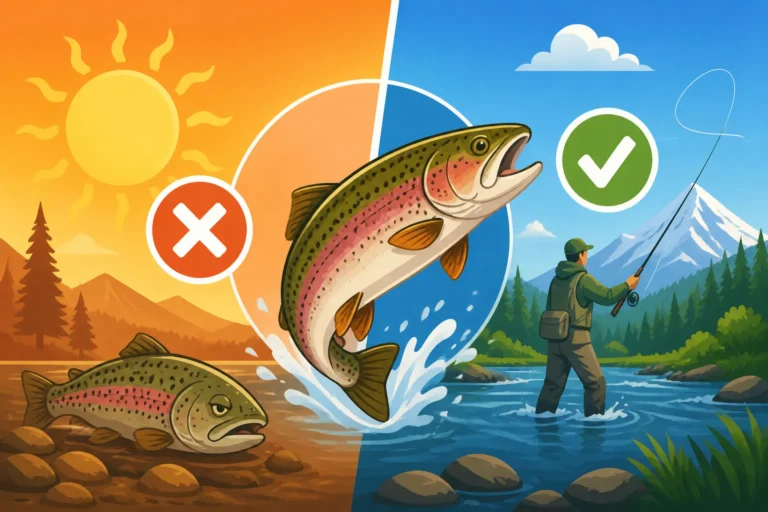
- Water Temperature: Salmon are cold-blooded and highly sensitive to water temperature. Each species has an optimal temperature range for feeding and migration. In rivers, warm water can slow down migration and make fish sluggish. In the ocean, finding temperature breaks can be key to locating baitfish and, consequently, salmon. Too warm, and fish may move to deeper, cooler water or simply stop biting.
- Water Clarity and Flow (Rivers): Clearer water generally makes fish more wary, requiring lighter leaders and more subtle presentations. Murky water, on the other hand, can make fish less visible and more reliant on scent, favoring baits over lures. High, turbid flows after heavy rain can shut down fishing entirely or force fish into protected eddies. Conversely, a slight increase in flow after a dry spell can trigger a fresh push of migrating fish. Always check river gauges and forecasts before heading out, especially for coastal rivers prone to flash floods. Staying informed about these conditions can mean the difference between a productive day and a frustrating one. You can often find current river conditions and ocean forecasts through local fish and wildlife resources or marine weather services.
Bait, Lures, and Scent Strategies
Once you've located the salmon and chosen your technique, the next critical decision is what to offer them. Salmon are opportunistic feeders, but their preferences can change based on species, water conditions, and even their current stage of migration. Having a diverse array of baits, lures, and scents in your tackle box is essential for adapting to whatever the fish are biting.
Natural Baits and Curing
For many salmon anglers, nothing beats the effectiveness of natural bait, especially when fishing in rivers or slow-trolling in the ocean. The smell, texture, and natural appearance of real bait can be irresistible.
- Herring and Anchovies: These are kings of ocean salmon baits. Both are oily and emit a strong scent trail that salmon follow. They can be fished whole, cut-plugged (sliced at an angle to create a natural spin), or filleted. They are typically brined or cured to toughen them up, making them last longer on the hook and enhancing their scent. Curing involves soaking them in a mixture of salt, brining agents, and sometimes color dyes. Getting the right "roll" or spin on a cut-plug herring or anchovy is an art form, critical for enticing strikes. Many tackle shops carry pre-cured bait, but learning to cure your own can give you an edge.
- Salmon Roe (Eggs): Cured salmon eggs are a universal salmon attractant, especially potent in rivers. Fresh, vibrant eggs, properly cured, are hard to beat. They are fished in clusters (often in an "egg loop" knot), either drift-fished, suspended under a bobber, or even used as a scent additive on lures. The color, texture, and natural oils of the roe are powerful attractants. Anglers often experiment with different colors of curing dyes (e.g., red, orange, natural) and various scents to find what the fish prefer on a given day.
- Sand Shrimp and Prawns: These crustaceans are excellent baits, particularly for Spring Chinook in rivers. Their natural scent and appearance are very appealing. They can be fished whole or in pieces, often on a jig or drift rig. Like roe, they are sometimes dyed or scented to enhance their effectiveness. They are highly effective in clearer water where fish rely more on sight and scent.
- Curing Your Own Bait: The process of curing bait is crucial for both preserving it and enhancing its effectiveness. A good cure toughens the bait, making it stay on the hook longer, and often adds vibrant color and extra scent. Many commercial cures are available, or anglers can create their own mixtures using non-iodized salt, borax, and various dyes and concentrated scents. Properly cured bait can mean the difference between a slow day and a banner day.
Artificial Lures
While natural baits are highly effective, artificial lures offer versatility, durability, and a wide range of actions that can trigger salmon strikes. Many anglers carry a variety of lures to adapt to different conditions and fish preferences.
- Plugs: Diving plugs like Kwikfish, FlatFish, Mag Lip, and Wiggle Warts are staples for back-trolling in rivers and trolling in the ocean. Their aggressive wobble and diving action mimic wounded baitfish, and they often come with internal rattles or scent wells. Many anglers "wrap" these plugs with a fillet of sardine or herring for added scent and visual appeal. Different sizes and colors are available, and experimentation is key.
- Spinners: Spinners, such as Mepps, Rooster Tail, or Pixee spoons, are popular for casting and retrieving in rivers, particularly for Coho and smaller Chinook. The spinning blade creates flash and vibration that attracts fish. Sizes vary depending on the target species and water depth. Adding a small piece of bait (like a shrimp tail) to the hook can often increase their effectiveness.
- Spoons: Metal spoons, with their inherent wobble and flash, are excellent for both ocean trolling and casting in rivers. Designs like Silver Horde, Coyote, and Luhr Jensen Krocodile spoons are very popular. They come in various colors and finishes (chrome, gold, painted, iridescent) to mimic different baitfish or react to light conditions. They are especially effective when salmon are keying in on specific baitfish profiles.
- Jigs: Marabou or rabbit fur jigs, often tipped with bait, are highly effective for bobber fishing in rivers. Their pulsating action in the water can entice strikes from salmon holding in deeper pools. Colors like black, purple, chartreuse, and cerise are popular. They're also sometimes used for vertical jigging in the ocean when fish are suspended. For a detailed breakdown of different lure types, check out Best Lures for Oregon Salmon Fishing.
The Importance of Scent
Salmon have an incredibly keen sense of smell, relying on it heavily to navigate, find food, and avoid predators. This makes scent a critical component of successful salmon fishing, whether you're using natural bait or artificial lures.
- Scent on Artificials: Even when using plugs, spoons, or spinners, adding scent can significantly increase your success. Commercial scent products, often made from concentrated fish oils (herring, anchovy, krill, garlic), can be applied directly to lures. Some plugs even have internal chambers for scent pads. The idea is to leave a natural scent trail that salmon can follow, especially in off-color water or when fish are less aggressive. Brands like Pautzke Bait Co., Pro-Cure, and Mike's Salmon Eggs offer a wide range of scent options. You can often find a great selection of these on Amazon, allowing you to experiment with different attractants.
- Scent with Natural Baits: While natural baits inherently have their own scent, enhancing it can be beneficial. Many anglers use "cures" that include additional scent agents when preparing their herring or roe. Dipping natural baits in a powerful scent gel or spray just before deployment can also give them an extra boost, particularly after they've been in the water for a while.
- Scent Dispersal: Understanding how scent disperses in water is also important. In strong currents, scent trails will be long and narrow. In calmer water, they will spread out more. Thinking about how your bait or lure is leaving a scent trail can influence your presentation and retrieval patterns. Sometimes, a "stale" scent on a lure that's been in the water too long can be a detriment, so re-applying scent regularly is a good practice. Never underestimate the power of a strong, natural scent in drawing in a hesitant salmon.
Safety and Regulations for Oregon Salmon Anglers
Fishing for salmon in Oregon is an incredible privilege, but it comes with the responsibility of understanding and adhering to regulations, as well as prioritizing safety. Ignoring these crucial aspects can lead to fines, dangerous situations, and harm to the resource we all cherish.
Licensing, Tags, and Endorsements
Before you even think about casting a line for salmon in Oregon, you absolutely must have the proper licenses and tags. Oregon's fishing regulations are designed to manage fish populations sustainably and require specific documentation for different types of fishing.
- Oregon Fishing License: This is your fundamental permit to fish in Oregon. Every angler, with a few age-based exceptions, must possess a valid Oregon fishing license. The type of license (resident, non-resident, annual, multi-day) depends on your status and how long you plan to fish. You can find detailed information about costs, types, and where to purchase them in our comprehensive guide, Oregon Fishing License Guide, or even check out options for Oregon 1-Day Fishing License if you're just visiting.
- Combined Angling Tag: This is a separate tag required for keeping salmon, steelhead, and sturgeon. It's not just a piece of paper; it's where you record your catch immediately after landing a fish. This data is vital for ODFW to monitor harvest rates and manage future seasons. Failing to record a fish or having an unvalidated tag can result in significant penalties. Our article, Oregon Combined Angling Tag Guide, covers everything you need to know about this essential document.
- Ocean Endorsement: If you plan to fish for salmon in the Pacific Ocean (which is likely if you're targeting ocean Chinook or Coho), you'll need an additional endorsement on your license. This small add-on helps fund the management of Oregon's marine fisheries. Make sure to purchase this if your salmon adventures take you beyond the tidewater of rivers.
- Catch Record Cards and Harvest Limits: Specific species, like salmon and steelhead, often require a catch record card, which is usually part of or associated with your Combined Angling Tag. You must record your catch immediately upon retention. Additionally, daily and seasonal bag limits are strictly enforced. These limits vary by species, location (e.g., Columbia River vs. coastal rivers vs. ocean), and time of year. Always check the most current ODFW regulations, as these can change frequently based on run forecasts and in-season adjustments. Fishing without a license or exceeding bag limits can lead to serious Oregon Fishing Violations and Penalties.
Safe Angling Practices
Beyond legal requirements, responsible salmon fishing demands a strong commitment to safety, both for yourself and for the fish you're targeting.
- Fish Handling: If you plan to release a salmon (e.g., wild steelhead, or if you've reached your limit), proper handling is crucial for its survival. Minimize air exposure, keep the fish in the water as much as possible, use wet hands when touching it, and handle it gently. Barbless hooks are highly recommended as they reduce injury to fish and make release easier. Tools like long-nosed pliers or a dehooker can help remove hooks quickly.
- Boat Safety: For those fishing from a boat, whether in a river or the ocean, safety is paramount. Always ensure your vessel is in good working order, with all required safety equipment on board (life jackets for everyone, flares, sound-producing devices, first-aid kit, fire extinguisher). File a float plan with someone on shore, especially for ocean trips. Be aware of changing weather conditions and know your boat's limits. The ocean, in particular, can be unpredictable and dangerous. Many reputable companies offer comprehensive marine first aid kits through Amazon, which is a sensible investment.
- Wading and Bank Safety: River anglers, especially those wading, need to be aware of strong currents, slippery rocks, and deep holes. Always wear appropriate wading boots with good grip, and consider a wading staff for stability. A life vest or inflatable PFD is a wise choice, particularly in fast or deep water. Always tell someone where you're going and when you expect to return. Be mindful of private property rights when accessing rivers from the bank.
- Emergency Preparedness: Whether on land or water, having a charged cell phone (though service can be spotty in remote areas), a basic first-aid kit, and knowing how to call for help are critical. Consider a personal locator beacon (PLB) for remote ocean trips. Always monitor weather forecasts and be prepared for sudden changes, especially along the Oregon coast where conditions can shift rapidly. Being prepared ensures a safer and more enjoyable experience for everyone.
Disclaimer
Fishing conditions, regulations, and fish populations can change rapidly. Always consult the most current Oregon Department of Fish and Wildlife (ODFW) regulations and advisories before heading out on any fishing trip. This guide is for informational purposes only and does not constitute legal or professional advice. Anglers are responsible for their own safety and for adhering to all applicable laws.