Halibut Charter Trips off Newport
Many anglers dream of landing a magnificent Pacific halibut, but the journey to hook one can feel overwhelming, especially when you're thinking about deep-sea expeditions off the Oregon coast. Planning a successful halibut charter trip out of a bustling port like Newport involves understanding seasons, choosing the right vessel, and knowing what to expect far offshore. This guide will walk you through everything you need to know to make your halibut fishing adventure from Newport a memorable one, ensuring you’re well-prepared for the challenge and the thrill.
Why Newport is Your Halibut Hub
Newport isn't just a picturesque coastal town with a charming bayfront; it's a strategic launchpad for some of the best deep-sea fishing Oregon has to offer, particularly when it comes to Pacific halibut. Its location and the natural marine geography make it a prime spot for anglers seeking these prized bottom-dwellers.
The Bountiful Waters of Newport
The waters off Newport are incredibly dynamic and fertile, creating an ideal environment for halibut to thrive. As you head offshore from Newport, the continental shelf drops away into deep canyons and trenches. These underwater landscapes act like natural highways and feeding grounds for a vast array of marine life. Halibut, being opportunistic predators, are drawn to these areas where smaller fish, crustaceans, and squid congregate. Nutrient-rich upwellings, driven by ocean currents, bring cold, oxygenated water to the surface, fueling the entire food chain from plankton to the apex predators like halibut. This abundance means that when the seasons are open, the chances of finding active feeding halibut are significantly higher than in less productive areas. Many experienced captains will head to specific offshore banks, often known by local names, where these conditions are consistently favorable.
Think of it like this: if you were a halibut looking for a good meal, you wouldn't settle for an empty plate. You'd go where the buffet is. The deep structure and rich currents off Newport provide that non-stop buffet, making it a hotspot for these flatfish. It’s not just about depth; it's about the entire ecosystem working in harmony to support a robust population of desirable species.
Prime Location and Access
Newport's geographic location on the central Oregon coast is undeniably one of its greatest assets for ocean anglers. It's centrally located, providing relatively straightforward access to both productive nearshore fishing grounds and the deeper, more distant offshore banks where the really big halibut often reside. The city boasts excellent port facilities, including well-maintained boat launches, ample parking, and a variety of charter operations clustered conveniently around the Yaquina Bay. This ease of access means less travel time on land and more time on the water, which is precious when you’re out on a halibut expedition.
Imagine rolling into town early in the morning, grabbing a coffee, and being on your charter boat heading out to sea within minutes. This convenience minimizes stress and maximizes your fishing day. The reputation of Newport as a fishing town is long-standing, attracting seasoned captains and deckhands who have spent decades learning the nuances of these specific waters. They know the structure, the currents, and where the fish are likely to be holding, making Newport a trusted departure point for those serious about landing a substantial halibut.
Understanding Halibut Fishing Seasons and Best Times
Fishing for Pacific halibut off the Oregon coast isn't a year-round free-for-all; it's a carefully managed fishery with specific seasons and quotas designed to ensure sustainability. Understanding these nuances is crucial for planning your Halibut Charter Trips off Newport.
Navigating the Oregon Halibut Seasons
The Pacific halibut fishery in Oregon is jointly managed by federal and state agencies, primarily through a quota system. This means that the season isn't simply a fixed date range; it's often broken into specific periods and can even close early if the quota is met sooner than expected. Typically, the primary season for "all-depth" halibut, which is what most deep-sea charters target, begins in May or June and runs on specific dates or until the quota is caught. There might also be a "nearshore" season closer to shore, but for the trophy-sized halibut that charters seek, the all-depth season is usually the main event.
It’s incredibly important to remember that these seasons can shift slightly year to year based on stock assessments and management decisions. You absolutely cannot assume last year's dates will be the same this year. Before you even think about booking, you should check the current year's Oregon Department of Fish and Wildlife (ODFW) regulations. Reputable charter operators in Newport will always be up-to-date on these seasons and will guide you, but it’s always good practice for an angler to verify. Missing a day because you didn't know the season was closed would be a real heartbreak. Finding out when Oregon halibut season open is your first step.
Ideal Conditions for a Successful Trip
Beyond just knowing when the season is open, successful halibut fishing also hinges on favorable weather and ocean conditions. Pacific halibut are deep-water fish, and getting to their haunts often means venturing many miles offshore.
First and foremost, calm seas and light winds are paramount. A choppy ocean, while sometimes tolerable for shorter, nearshore trips, can make a long journey offshore miserable and even dangerous. Most charter captains will err on the side of caution and cancel or reschedule if the forecast calls for rough seas. No one wants to spend six to eight hours battling seasickness instead of fish! It’s not just about comfort; calm conditions allow for better boat positioning and better presentation of your bait or lure, which is critical for enticing a halibut bite.
Secondly, tides play a significant role in deep-sea bottom fishing. Often, a slack tide – the period just before or after the peak of high or low tide when the water movement is minimal – is preferred. During strong tidal currents, your bait can be swept away from the bottom or become difficult to keep in the strike zone, leading to tangled lines and frustration. A period of slack tide allows your gear to remain vertical and makes it easier for the fish to find your offering. Your captain will be keenly aware of the tide charts and will plan the fishing day around these optimal windows.
Lastly, while halibut can be caught throughout the day, many anglers and captains find that early mornings are often the most productive. Getting out on the water at dawn allows you to be on the fishing grounds as the fish become active, and before potential afternoon winds start to pick up. It also gives you more fishing time before the daily limits are met or the quota is reached for the fleet. This is why many charters will have you meeting at the dock well before sunrise, ready to cast off.
What to Expect on a Halibut Charter
Booking a halibut charter out of Newport is an investment in an unforgettable experience. Knowing what to expect regarding the vessel, the crew, the fishing process, and post-catch procedures can help you feel more prepared and make the most of your adventure.
The Vessel, Crew, and Gear
When you book a Newport Oregon Fishing Charters trip for halibut, you'll typically encounter two main types of vessels: "head boats" (or party boats) and private charters. Head boats are larger vessels that take many individuals or small groups, sharing the deck space and the cost. Private charters, on the other hand, are smaller boats booked exclusively for your group, offering a more personalized and flexible experience. Both have their advantages, but for halibut, many opt for boats specifically rigged for the deep-water challenge.
Regardless of the vessel type, you can expect an experienced captain and often one or more deckhands. These professionals are the backbone of your trip. The captain's knowledge of the local waters, weather patterns, and halibut behavior is invaluable. The deckhands are there to assist with everything from baiting hooks and untangling lines to gaffing fish and offering encouragement. Don't be shy about asking them questions; they are a wealth of information! Their expertise is one of the main reasons to choose a guided trip, as they dramatically increase your chances of success and ensure your safety.
Crucially, all necessary fishing gear will be provided. This includes heavy-duty rods and reels specifically designed for deep-sea bottom fishing, robust lines capable of handling large fish, and a variety of weights, hooks, and lures. Most charters will also supply the bait, which often includes squid, herring, or other local favorites that halibut can't resist. You don't need to worry about bringing your own specialized tackle, though some experienced anglers might prefer to bring a favorite rod if the charter allows it. This means less hassle for you and ensures you have the right tools for the job.
The Fishing Experience Itself
The journey to the halibut fishing grounds from Newport can be an adventure in itself. Depending on where the fish are biting and what the regulations allow (all-depth versus nearshore), you might be traveling anywhere from a few miles to 30 or more miles offshore. This can mean a boat ride of an hour or two, so be prepared for the transit time. The captain will typically use sophisticated electronics, including GPS and fish finders, to locate promising underwater structures, humps, and ledges where halibut are likely to be lurking.
Once you're on the spot, the primary fishing techniques involve bottom fishing. This often means dropping heavy weights (sometimes several pounds!) with baited hooks or large jigs straight down to the ocean floor. You'll be feeling for the tell-tale thud of your weight hitting the bottom, then reeling up a few feet to keep your bait just above the structure. Depending on the conditions, the boat might drift over a wide area, allowing your bait to cover more ground, or it might anchor if a dense school of fish is found. You might also try jigging, which involves raising and dropping your rod tip to make your lure dance and attract attention.
When a halibut bites, it can be anything from a subtle tap to a rod-bending thud that nearly pulls the rod from your hands. Pacific halibut are incredibly powerful fish, especially as they get larger. Fighting one from the deep can be a strenuous workout, involving steady cranking and pumping of the rod. It's a true test of strength and endurance, and the deckhands will be there to offer advice and support as you battle your catch to the surface. Bringing in a large halibut is a moment of pure exhilaration, the culmination of your efforts and the charter's expertise.
Fish Handling and Regulations Onboard
Once a halibut is brought to the boat, the crew will swiftly take over the crucial steps of handling your catch. This process is highly regulated to ensure compliance with ODFW rules and for the safety of both the fish and the crew. The first step is typically to measure the fish to ensure it meets any minimum or maximum size requirements for the current season. While some years might have slot limits, typically, halibut in Oregon have a minimum size.
Next, if the fish is legal to retain, it will often be tagged (if required by current regulations) and then dispatched quickly and humanely. The deckhands are adept at this, ensuring the fish is handled with respect and prepared for transport. They'll instruct you on where to place your catch in the onboard cooler or fish hold. It's paramount to follow the crew's instructions precisely during this time. They are responsible for adhering to all regulations, including daily bag limits and possession limits, for everyone on board. Miscounting or improper handling could lead to violations.
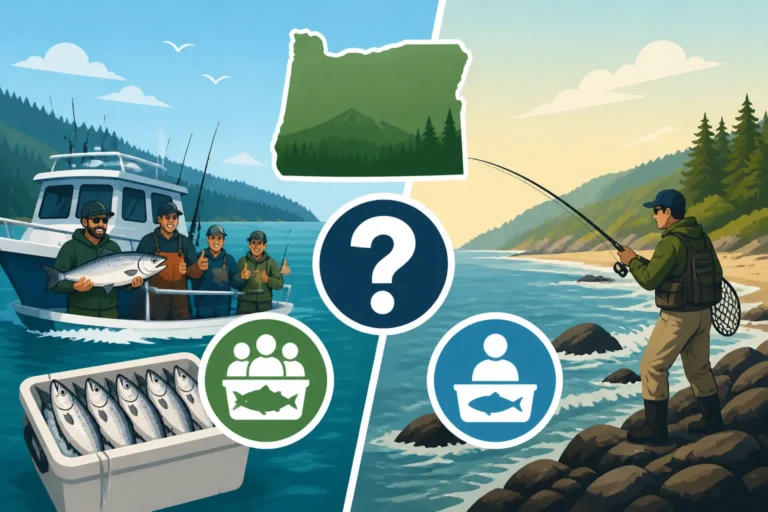
Once back at the dock in Newport, many charter services offer fish cleaning and filleting services, sometimes included in the trip cost, or for an additional fee. This is a huge convenience, as butchering a large halibut requires skill and proper tools. They'll usually package your fillets for easy transport, ready for your cooler. Be sure to bring a large cooler to keep your prized catch fresh on the journey home! Knowing How much fish can you bring home from an Oregon charter is key to proper planning.
Choosing the Right Newport Halibut Charter
Deciding on the perfect halibut charter trip from Newport is a critical step in ensuring a successful and enjoyable experience. With several reputable operations working out of Yaquina Bay, understanding your options and what factors to prioritize will make your choice much easier.
Deciding Between Shared (Open) and Private Charters
One of the first decisions you’ll face is whether to book a shared (or "open load") charter or a private charter. Each has distinct advantages and disadvantages that cater to different angler needs and budgets.
Shared Charters:
- Pros: Generally more budget-friendly as the cost is split among multiple individuals or small groups. It's a great option for solo anglers or pairs who want to experience deep-sea fishing without the expense of booking an entire boat. You also get to meet other anglers, share stories, and learn from their experiences.
- Cons: Less flexibility in terms of departure times, fishing locations (the captain caters to the group), and target species (though for halibut, the target is clear). You might have less deck space and potentially deal with varying skill levels among other passengers. If a few people on board get seasick, it can impact the overall vibe of the trip.
- Best For: Individuals, small groups (2-3 people), those on a tighter budget, or anglers who enjoy a social fishing environment.
Private Charters:
- Pros: Offers maximum flexibility. You can set the departure time (within reason), focus on specific fishing grounds, and even slightly adjust the target species if the halibut bite is slow (with captain's approval and within regulations). You'll have more deck space, personalized attention from the crew, and the privacy of fishing with just your chosen companions. It’s often ideal for teaching beginners or kids.
- Cons: Significantly more expensive, as you're covering the entire boat's cost.
- Best For: Families, larger groups of friends, corporate outings, anglers celebrating a special occasion, or those who prefer a more intimate and customizable fishing experience.
| Feature | Shared (Open) Charter | Private Charter |
|---|---|---|
| Cost | Per person; generally more affordable | Flat fee for the boat; more expensive overall |
| Group Size | Mix of individuals/small groups (up to 20+ anglers) | Exclusive to your group (typically 4-6 anglers) |
| Flexibility | Limited; fixed departure/destination | High; customizable schedule/fishing grounds |
| Deck Space | Less personal space, can be crowded | Ample personal space |
| Crew Attention | Shared among all passengers | More personalized attention |
| Social Aspect | Opportunity to meet new people | Intimate experience with your chosen companions |
| Ideal For | Solo anglers, small budgets, social fishing | Families, large groups, specific preferences, beginners |
Key Factors to Consider When Booking
Once you've decided on shared or private, several other factors come into play when selecting your specific charter. This is where researching Oregon Fishing Charter Costs and options becomes important.
- Reputation and Safety Record: This should be your number one priority. Look for charters with a long-standing positive reputation for safety, customer service, and, of course, catching fish. Online reviews and word-of-mouth recommendations are excellent resources. Ensure they are properly licensed and insured.
- Experience with Halibut: Not all deep-sea charters specialize in halibut. Some might focus more on rockfish, lingcod, or tuna. While many do target halibut, confirm that the captain and crew have extensive experience with halibut techniques and knowing the best spots for this particular species.
- Boat Amenities and Comfort: Consider the size of the boat, its speed (for faster travel to fishing grounds), and onboard facilities like restrooms, covered seating, and heated cabins, especially if you're sensitive to cold or planning a longer trip.
- Trip Duration: Halibut trips are typically full-day affairs, often 8-12 hours, including travel time. Be realistic about your endurance and the needs of your group.
- Cost Structure and Inclusions: Understand what's included in the price: bait, tackle, fish cleaning, lunch, snacks, non-alcoholic drinks, etc. Some charters might have hidden fees for things like fish filleting. Clarify these details upfront.
When you're ready to start comparing options, platforms like FishingBooker can be incredibly useful. They allow you to browse multiple charter operators in Newport, read reviews, compare prices, and see what's included in each package. It's a great way to get a comprehensive overview and help you How to Choose an Oregon Fishing Guide that aligns with your specific needs. Look for detailed descriptions of their halibut-specific trips and what previous customers have said about their halibut success rates.
Preparing for Your Trip
Once your halibut charter is booked, proper preparation can significantly enhance your experience. A little forethought goes a long way.
- What to Bring: Even on a sunny summer day, conditions offshore can be cool and damp. Dress in layers, including waterproof outer shells, a warm hat, and gloves. Wear non-slip, waterproof shoes. Pack plenty of food and non-alcoholic drinks to keep your energy up. A personal cooler for your fish (labeled with your name) is a must for transporting your catch home from the dock. Don't forget sunscreen, sunglasses, and a camera. Check out What should I bring on an Oregon fishing charter for a more comprehensive list.
- Licenses and Endorsements: Every angler over a certain age will need an Oregon Fishing License. For ocean fishing, you'll also need an Oregon Ocean Endorsement. While some charters might offer to help you acquire these, it's generally best to purchase them beforehand to avoid delays on the morning of your trip. You can typically buy them online through the ODFW website or at many sporting goods stores. Make sure you understand Oregon Fishing License Guide requirements fully.
- Seasickness Prevention: For many, the open ocean can be a challenging environment. If you're prone to motion sickness, take preventative measures. Over-the-counter medications like Dramamine or Bonine should be taken the night before your trip and again in the morning, rather than waiting until you feel sick. Acupressure wristbands can also provide relief for some. Talk to your doctor if you have concerns or require prescription options. It’s far better to be safe than sorry, as seasickness can ruin an otherwise fantastic fishing day.
Maximizing Your Halibut Harvest and Experience
You’ve made it to Newport, you're on the boat, and the excitement is building! Now, let's talk about how to make the most of your time on the water, from understanding the rules to simply savoring the whole experience.
Understanding Daily Limits and Regulations
Navigating fishing regulations can sometimes feel like trying to untangle a bird's nest of fishing line, but it’s absolutely essential, especially for a highly managed species like Pacific halibut. The Oregon Department of Fish and Wildlife (ODFW) sets strict rules to ensure the sustainability of the fishery.
First and foremost, you need to be aware of the daily bag limits. For Pacific halibut, this is often one fish per angler per day, but these numbers can change, sometimes even mid-season if the quota is reached quicker than anticipated. There might also be a specific minimum size limit that a halibut must meet to be legally retained. Anything smaller than this measurement must be immediately and carefully released. In some instances, depending on the management area and specific season dates, there could even be a maximum size or "slot limit" where fish above a certain length must also be released. While less common for general halibut seasons, it's another reason why staying informed is crucial.
Additionally, don't forget the Oregon Combined Angling Tag or specific halibut tag requirements. Depending on the year and specific regulations, certain species like halibut might require an additional tag to be purchased and properly filled out when you retain a fish. These tags are crucial for accurate catch data collection. Remember, these regulations aren't just suggestions; they are laws, and violating them can result in significant fines and penalties. Your charter captain and crew are your best resource for understanding the current rules on board, but a quick check of the ODFW website before your trip for Oregon Fishing Regulations Explained is always a smart move.
Best Practices for Anglers on Board
A successful charter trip isn't just about the captain and crew; it's also about you, the angler, contributing positively to the experience.
One of the most important things you can do is listen intently to the crew. They're the experts on this water and their advice on bait presentation, how to drop your line, or the proper way to set the hook is invaluable. If they tell you to keep your bait just off the bottom, trust them – they know where the halibut are feeding. When dropping your line, always be mindful of other anglers. Overlapping lines can lead to frustrating tangles that eat up precious fishing time. A simple "line in!" call before you drop your weight can save a lot of headaches.
When you feel a bite, or even a suspicious bump, it's time to react! Halibut can be subtle biters, but when they commit, they can hit hard. Set the hook firmly and prepare for a fight. These fish are known for their strong runs and deep dives. Don't try to horse them in; instead, use a steady pump-and-reel technique. Keep your rod tip up, reel down, and then lift your rod again, slowly gaining line. Let the rod and reel do the work, and try to maintain constant pressure on the fish. The deckhands will guide you if you hook into a monster!
Finally, be patient and respectful. Not every drop will result in a fish, and that's just part of fishing. Be courteous to your fellow anglers and the crew. A positive attitude, even when the bite is slow, makes for a much more enjoyable day for everyone on board.
Beyond the Catch: Enjoying Newport
While landing a big halibut is undoubtedly the main objective, your trip to Newport offers so much more than just fishing. Make it a complete coastal getaway!
After your charter returns to the dock, consider spending some time exploring Newport's famous Historic Bayfront. It's a vibrant working waterfront where you can watch the fishing boats unload their catches, browse unique shops, and enjoy fresh seafood at one of the many restaurants. You might even spot some playful sea lions lounging on the docks!
For an educational and entertaining experience, a visit to the Oregon Coast Aquarium is a must. It's renowned for its impressive exhibits showcasing local marine life, including sea otters, harbor seals, and an incredible array of fish and invertebrates. It’s a fantastic activity, especially if you have family members who didn’t join the fishing trip.
Newport also offers beautiful beaches for strolling, tide pools to explore at low tide, and fantastic dining options ranging from casual fish and chips to upscale seafood experiences. Many restaurants in Newport pride themselves on serving fresh, locally sourced ingredients, meaning you can often enjoy the very same species you were out chasing just hours before. Turning your halibut charter into a broader coastal vacation enhances the entire experience, creating memories that extend far beyond just the thrill of the catch. Consider what else you might want to do in this beautiful region as part of your overall trip planning, whether that's exploring Oregon Coast Fishing Spots or visiting local attractions.
Disclaimer
This article is for general informational purposes only and does not constitute professional advice. Laws, prices and regulations vary by location and change over time. Consult a qualified professional for guidance on your specific situation.