Oregon Steelhead Fishing Techniques
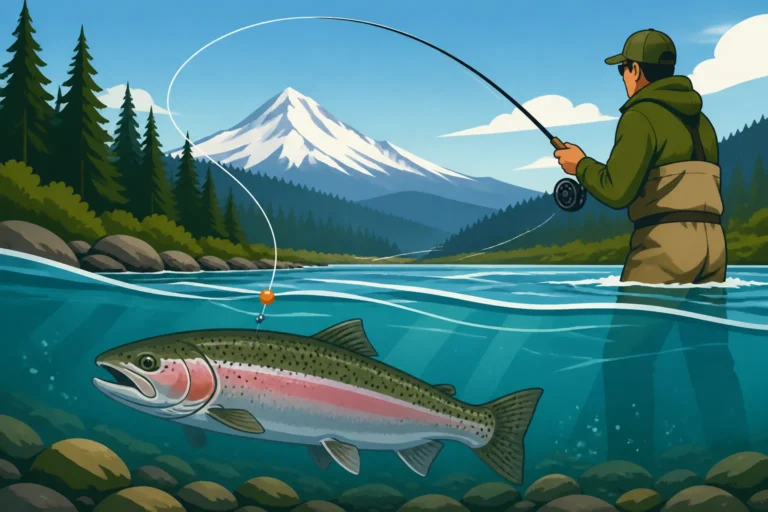
Steelhead fishing in Oregon isn't just a pastime; for many, it's a deep-seated passion, often tinged with a healthy dose of frustration. These powerful, ocean-going rainbow trout are notoriously challenging to catch, demanding skill, patience, and a deep understanding of their habits and their river environments. If you've ever spent a cold, wet day on the river, casting repeatedly without a bite, you know the feeling. This comprehensive guide is here to break down the techniques, gear, and knowledge you need to increase your chances of success and truly enjoy your pursuit of these magnificent fish in the Beaver State.
Understanding Oregon Steelhead Seasons and Runs
Steelhead fishing in Oregon is a year-round affair, thanks to distinct populations of fish that return to our rivers at different times. However, labeling them simply as "summer" or "winter" can be a bit misleading because their presence in specific rivers depends on a lot of factors, including water temperature, flow, and the unique characteristics of each watershed. Knowing when and where to expect them is half the battle.
Differentiating Summer and Winter Steelhead
The most crucial distinction in Oregon steelhead fishing is between summer-run and winter-run fish. It’s not just about the calendar; it’s about their biology and behavior, which directly impacts how and where you fish for them. Summer steelhead enter the rivers in spring or summer, typically when water levels are lower and temperatures are warmer. They'll spend months holding in deep pools and oxygenated riffles, often migrating many miles upstream to spawn the following spring. Because they've been in freshwater for a while, they might not be as aggressive as their winter counterparts. They're often brighter, chrome-plated, and can be found in rivers further inland like the Deschutes, Rogue, or the upper Clackamas.
Winter steelhead, on the other hand, enter rivers from late fall through spring, usually during periods of high water and cooler temperatures. They tend to spawn relatively quickly after entering the river, not spending as much time "holding" as summer runs. These fish are often found in coastal rivers, such as the Nestucca, Wilson, or Umpqua. They are incredibly powerful, fresh from the ocean, and when they decide to bite, they do so with a vengeance. Understanding this fundamental difference is key to planning your trips, as the techniques and locations for targeting each run can vary significantly. You'll often hear anglers discuss the nuances of a specific run when talking about an Oregon Steelhead Guide.
Key Run Timings for Popular Rivers
Oregon boasts an incredible array of rivers for steelhead, each with its own rhythm for when these fish decide to show up. It's not a static schedule, but rather a general window that experienced anglers learn to anticipate. For summer steelhead, rivers like the Deschutes River in Central Oregon see their first fish arriving in late spring (May/June), with the runs often peaking through summer and into early fall. The Rogue River also has a strong summer run, with fish moving through its lower and middle sections from late spring into summer. If you're planning a trip, it's worth checking out specific guides like How to Fish for Summer Steelhead on the Deschutes.
For winter steelhead, the coastal rivers are the stars. The Wilson, Nestucca, and Siletz rivers on the north and central coast typically start seeing significant numbers of winter steelhead by late November or December, with runs often peaking in January and February, and extending into March. Further south, rivers like the Umpqua and the Chetco also offer fantastic winter steelhead opportunities. It's always a good idea to consult the Oregon Department of Fish and Wildlife (ODFW) for the most current updates, as run timings can shift based on rainfall, river conditions, and even ocean temperatures. Planning your visit around these peak times, while also being mindful of crowds, can make a huge difference in your success rate. For specific advice on these areas, read up on How to Fish for Winter Steelhead on the Oregon Coast.
The Importance of River Conditions
One of the most frustrating, yet fundamental, aspects of steelhead fishing is how utterly dependent success is on river conditions. It’s not just about what the calendar says; it’s about what the river is doing right now. Water temperature is critical – steelhead prefer cooler, oxygenated water, typically between 40-55°F. Too cold, and they become lethargic; too warm, and they'll seek deeper, cooler lies or even stop migrating. River flow, often measured in cubic feet per second (CFS), is equally vital. After a big rain, rivers can blow out, becoming high, muddy, and unfishable for days. This can be incredibly disappointing when you’ve driven hours for a trip.
Conversely, a slight bump in flow after a dry spell can trigger new fish to move upstream, bringing a fresh wave of biters. Clear, low water conditions often mean fish are spooky and holding in deeper, more protected spots, requiring lighter lines and a stealthier approach. High, slightly colored water, often called "green water," can be ideal, as it gives fish a sense of security and concentrates them in specific travel lanes. Monitoring river gauges and weather forecasts religiously before and during your trip is not just a suggestion; it's a necessity for any serious steelhead angler in Oregon. You'll quickly learn that a river can go from perfect to unfishable and back again in a matter of days.
Essential Gear for Oregon Steelhead Anglers
Stepping onto an Oregon steelhead river requires more than just a rod and reel. The varied conditions, from icy winter mornings to warm summer afternoons, and the sheer power of these fish, demand specific gear to keep you comfortable, safe, and effective. Skimping on the essentials can lead to a miserable, and often fruitless, day on the water.
Rod, Reel, and Line Selection
Choosing the right rod, reel, and line is paramount for steelhead fishing. For traditional gear fishing (drift or float fishing), a longer rod, typically 9 to 11 feet, with a medium-light to medium action, is ideal. This length provides excellent line control for mending, shock absorption for powerful runs, and the ability to cast further and manage longer drifts. Popular rod weights range from 8 to 15 pounds test for main line, often paired with a slightly lighter leader. A quality spinning reel or baitcasting reel with a smooth drag system is essential. When a 10-pound winter steelhead decides to peel line, you'll be thankful for a drag that doesn't stutter. For fly anglers, single-hand rods from 8 to 10 weights are common, but spey or switch rods (11-14 feet, 6-8 weights) are increasingly popular, allowing for effortless casting across wide rivers with minimal backcasting space.
Your line choice is equally critical. Monofilament is a popular choice for its stretch, which acts as a shock absorber. Fluorocarbon leaders are favored for their invisibility underwater and abrasion resistance. Braided line is excellent for main lines on spinning reels due to its sensitivity and lack of stretch, but it must be paired with a mono or fluoro leader. Don't forget a selection of spare spools with different line weights or types, especially if you're fishing varied conditions. You can often find great deals on these essential items, from rods to reels, on platforms like Amazon.
Waders, Boots, and Layering for Comfort
Oregon steelhead fishing often involves wading in cold water, sometimes for hours, and hiking through brush and over slippery rocks. High-quality waders are non-negotiable. Breathable waders, typically made from Gore-Tex or similar materials, are the standard, offering comfort in varying temperatures by allowing perspiration to escape while keeping water out. Neoprene waders can be warmer for extreme cold but are less versatile. Paired with your waders, sturdy wading boots with felt or rubber soles (often with studs for extra grip) are essential for navigating slick riverbeds and rocky banks. Never underestimate the importance of good traction; a fall in a cold, swift river can turn dangerous quickly.
Layering your clothing underneath your waders is key to staying warm and dry. Start with a moisture-wicking base layer (synthetics or merino wool) against your skin, followed by insulating layers like fleece or down. A waterproof and windproof outer jacket is vital for protection against Oregon's unpredictable weather—rain, wind, and even occasional snow are all part of the winter steelhead experience. Don't forget warm socks (wool or synthetic), a warm hat, and waterproof gloves. Staying comfortable means you can stay focused on fishing longer, which often translates to more success.
Terminal Tackle and Essential Accessories
The small stuff can make a huge difference in steelhead fishing. Your tackle box should be well-stocked with a variety of hooks (single, treble, octopus style, in sizes 1 to 4/0, depending on your presentation), swivels (barrel and three-way), snap swivels, and an assortment of weights (split shot, slinky weights, pencil lead, cannonball sinkers). Having different weight options allows you to adapt to varying current speeds and depths. Additionally, a selection of beads, bobber stops, and leaders of different strengths (8-15lb fluorocarbon is a good start) will cover most scenarios.
Beyond tackle, several accessories are indispensable. A long-handled landing net with a rubberized basket is crucial for safely landing and releasing fish, minimizing harm to their protective slime coat. Forceps or needle-nose pliers are a must for hook removal. A sharp knife, line clippers, and a hook sharpener should always be on hand. Polarized sunglasses are invaluable for spotting fish and reading water, while a small backpack or vest helps you carry your essentials comfortably. A headlamp is also a smart addition for early morning starts or late evening finishes. Lastly, always carry a small first-aid kit, especially when venturing into remote areas. For convenient shopping, many anglers find essential terminal tackle and accessories readily available on Amazon.
Popular Steelhead Fishing Techniques
Steelhead are incredible athletes, and catching them often means adapting your technique to their environment and mood. There isn't a single "best" way to catch them, but rather a quiver of techniques that can be effective depending on the river, time of year, and personal preference. Mastering a few of these will significantly boost your chances on the water.
Drift Fishing for Steelhead
Drift fishing is perhaps the most iconic and widely practiced technique for steelhead in Oregon. It involves presenting a bait or lure that tumbles naturally along the river bottom, mimicking natural food items. The goal is to get your offering into the "strike zone"—the two feet closest to the bottom—where steelhead are most likely to hold and feed. This typically involves using a small amount of weight (often slinky weights or pencil lead) attached a short distance above your leader and bait. As the name suggests, you cast upstream and let your rig drift downstream, maintaining a tight line to detect subtle takes.
Success in drift fishing hinges on several factors: reading the water to identify likely holding lies (tail-outs of pools, seams, gravel beds), achieving a drag-free drift that matches the current speed, and feeling for those often-imperceptible "ticks" that indicate a fish. This technique is incredibly versatile and can be used with a variety of baits like cured roe, shrimp, or even artificial worm patterns. Many experienced anglers use a longer, sensitive rod, sometimes up to 10.5 feet, to maximize feel and control. It's a method that truly connects you to the river and its currents, a truly rewarding challenge. For a deep dive into this, check out Drift Fishing Techniques for Oregon Rivers.
Float Fishing with Jigs and Bait
Float fishing, often called "bobber dogging" by some, has gained immense popularity for its effectiveness and often more visual bite detection. This technique utilizes a buoyant float (often a large Drennan or Raven style float) to suspend a jig, bait, or combination thereof, at a precise depth above the river bottom. The float acts as a strike indicator, plunging when a steelhead takes the offering. This method excels in areas with consistent depth, slower currents, or when fishing from a boat where you can "dog" or drift the float downstream.
The primary advantage of float fishing is its ability to present an offering consistently at a specific depth, which is crucial when steelhead are holding tight to the bottom or in specific lanes. Popular presentations include brightly colored jigs (marabou or chenille) tipped with a small piece of bait like cured roe, sand shrimp, or an artificial worm. When you're fishing in a river like the Clackamas or Sandy, where winter steelhead often hold in clear, deep slots, float fishing can be incredibly deadly. Setting up your float correctly—matching its buoyancy to your weight and ensuring your bait is slightly above the bottom—is key to achieving a natural, enticing drift. Learn more about it with Float Fishing Techniques for Steelhead.
Fly Fishing for Steelhead
Fly fishing for steelhead is an art form unto itself, demanding precision casting and an intimate understanding of insect and baitfish patterns. It can be incredibly rewarding, pitting your skill against these powerful fish on lighter tackle. There are several popular approaches within fly fishing for steelhead. Swinging flies, typically large intruder or leeches patterns, across currents using a spey or switch rod is a classic method, particularly effective for aggressive winter steelhead fresh from the ocean. The idea is for the fly to swing through a fish's holding lie, triggering a territorial or predatory strike.
Nymphing, which involves drifting weighted fly patterns (often stoneflies, caddis, or even egg patterns) under an indicator, is highly effective for both summer and winter steelhead, especially when fish are less aggressive or concentrated in specific feeding lanes. This technique closely mimics the principles of drift fishing with gear, focusing on a drag-free presentation along the bottom. Lastly, skating dry flies (large caddis or even mice patterns) on the surface, primarily for summer steelhead on rivers like the Deschutes, offers explosive, heart-stopping takes that are unforgettable. Fly selection is crucial, and having a good variety, as detailed in Fly Selection for Oregon Steelhead, is always a smart move.
Choosing Your Oregon Steelhead Destination
Oregon is blessed with an abundance of rivers that host steelhead, offering anglers a vast playground. Deciding where to go often depends on the season, the type of steelhead you're targeting, and the kind of fishing experience you're after. From crashing coastal torrents to serene inland stretches, each river offers unique challenges and rewards. For a general overview, consider our guide to the Best Rivers to Fish in Oregon.
Coastal Rivers for Winter Steelhead
When winter rains swell the rivers, the Oregon coast truly shines for steelhead anglers. Rivers like the Wilson, Nestucca, Trask, Siletz, Alsea, Umpqua, Coquille, and Chetco are legendary for their strong runs of winter steelhead. These rivers are typically shorter, steeper, and react quickly to rainfall, meaning conditions can change from unfishable to prime in a matter of days. Fishing these rivers often involves battling rain, wind, and cold, but the reward of a fresh, powerful chrome bullet is well worth it.
Techniques like drift fishing with roe or artificial worms, float fishing with jigs and shrimp, and swinging large intruder flies are all highly effective. Access can range from easy roadside pull-offs to more challenging wade-in spots, or even boat launches for drift boat anglers. Towns like Tillamook, Lincoln City, Florence, and Gold Beach become hubs for steelhead activity during the winter months. Always remember to check local regulations specific to each river, as bag limits, bait restrictions, and open/closed sections can vary significantly within the Oregon Fishing Regulations Explained.
Inland Rivers for Summer Steelhead
As spring transitions to summer, the focus shifts to Oregon's inland river systems for summer steelhead. The Deschutes River, particularly its lower 100 miles, is world-renowned for its strong summer-run steelhead. These fish enter the Columbia River in late spring and make their way up the Deschutes, providing fantastic fishing opportunities through the summer and into early fall. The Rogue River in Southern Oregon also boasts an excellent summer steelhead fishery, with fish available from its lower stretches all the way up to its middle sections.
Fishing these rivers often means warmer weather, lower water, and brighter conditions, requiring a more finessed approach. Fly fishing, both nymphing and swinging, is hugely popular on the Deschutes, while gear anglers often excel with drift fishing small baits or casting spinners and spoons. The John Day River also has a smaller, but dedicated, summer steelhead fishery. Access to these rivers can involve longer hikes into canyons or drift boat trips. Stealth and a subtle presentation are often key to success when targeting these often-spooky fish in clear water.
Access and Ethical Angling Practices
Understanding access points and practicing ethical angling are crucial for enjoying and preserving Oregon's steelhead fisheries. Many popular rivers have designated public access points, boat launches, and bank fishing spots. State parks, Bureau of Land Management (BLM) lands, and Forest Service areas often provide good access. Always respect private property, even if it looks like prime water. If you're unsure, assume it's private and seek public access. Mapping apps and local tackle shops can be invaluable resources for finding legal access points.
Ethical angling practices are paramount, especially given the challenges faced by wild steelhead populations. This includes understanding and adhering to Oregon Fishing Regulations Explained, which often specify wild vs. hatchery retention rules (many rivers are catch-and-release only for wild steelhead, and sometimes for all steelhead). Use rubberized nets for landing fish, keep fish in the water as much as possible, handle them gently with wet hands, and use barbless hooks to minimize harm and facilitate quick release. For example, Oregon Barbless Hook Requirements are common on many steelhead rivers. Leaving no trace, packing out all trash, and being respectful of other anglers are also fundamental components of responsible fishing.
Mastering Bait, Lures, and Flies
The right offering, presented correctly, is what separates a frustrating day from a successful one. Steelhead can be incredibly picky, and their preferences can change based on water conditions, light, and even their migratory stage. Having a diverse selection of baits, lures, and flies, and knowing when to deploy each, is a hallmark of a seasoned steelhead angler.
Effective Bait Choices for Steelhead
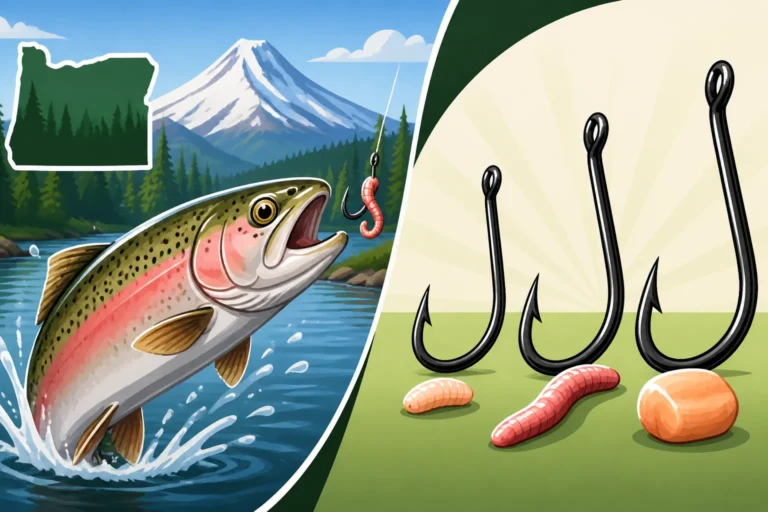
When steelhead are holding in deeper pools or are less aggressive, natural baits can be incredibly effective due to their scent and natural appeal. Cured salmon or steelhead roe is arguably the most popular and often the most successful bait. Its potent scent and natural look are hard for a steelhead to resist. Anglers often cure their own roe using various recipes, or purchase commercially cured roe. Presenting roe in a small mesh "roe bag" helps keep it on the hook and disperses the scent effectively.
Sand shrimp or coon shrimp, either fresh or brined, are another fantastic option, especially in coastal rivers. Their natural scent and texture mimic a food source steelhead encounter in the ocean and estuary. When drifted naturally along the bottom, they can entice a bite from even the most lethargic fish. Artificial scented baits like Berkley PowerBait Power Worms or Gulp! Eggs are also very popular, especially when natural bait is scarce or prohibited. These baits come in various colors and sizes, allowing anglers to experiment. Regardless of your choice, ensuring your bait is fresh, natural-looking, and presented without drag is key.
Top Lures for Different Conditions
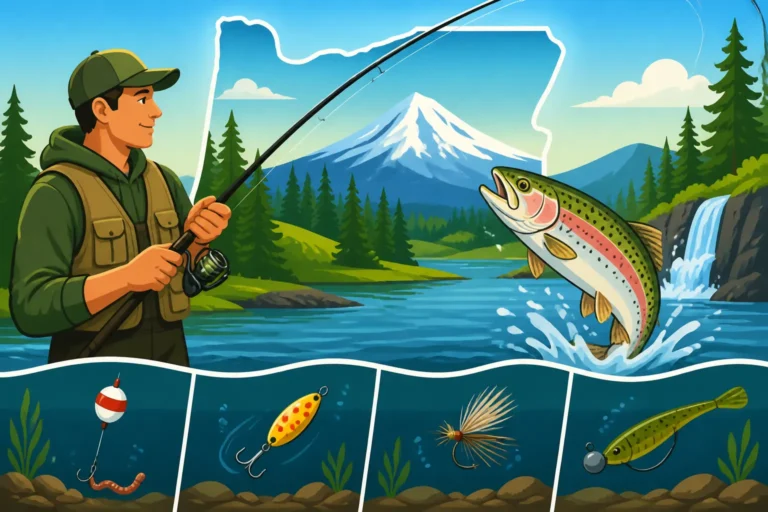
Lures offer a different approach, relying on flash, vibration, and erratic movement to trigger a strike. Spinners are a classic steelhead lure, with brands like Blue Fox, Roostertail, and Mepps being popular. Their spinning blade creates flash and vibration that can be irresistible to an aggressive steelhead, especially in slightly colored water or faster currents. Sizes typically range from #2 to #5. Spoons, such as Little Cleos or Koho spoons, also produce a wobbling, fish-like action that can provoke a bite.
Drift bobbers and jigs are a match made in heaven for float fishing. Marabou jigs, in particular, pulsate in the water, mimicking a fleeing baitfish or insect. Colors like pink, chartreuse, black, or purple are often go-to choices. Tipping these jigs with a small piece of bait can increase their effectiveness. For very clear, low water conditions, smaller, subtle lures or even bare jigs might be more effective. When water is high and murky, brighter, larger, and more aggressively vibrating lures can help fish find your offering. Keep a variety on hand; a lure that worked yesterday might be ignored today.
Essential Fly Patterns for Oregon Steelhead
Fly anglers in Oregon need a diverse box of patterns to cover the myriad conditions and fish behaviors. For swinging flies, large, flashy "intruder" patterns are incredibly popular. These flies, often tied with lots of marabou, rubber legs, and flash, come in various color combinations (pink/orange, blue/black, chartreuse/black). They create a large profile and lots of movement, designed to annoy a steelhead into striking. Classic patterns like the Hoh Bo Spey, Pick Your Pocket, or Skagit Minnow are mainstays.
For nymphing, traditional trout patterns scaled up for steelhead, or specific steelhead nymphs, are effective. Large stonefly imitations (Pat's Rubber Legs, Kaufmann's Stone), caddis larva, and egg patterns (Glo Bugs, Otter's Soft Eggs) are excellent choices. Many anglers will fish a "double nymph" rig, presenting two different patterns at once. When summer steelhead are looking up, dry flies like stimulators, grand hoppers, or even large muddler minnows skated across the surface can provide heart-stopping action. Having a selection of these, tailored to the specific rivers and conditions you plan to fish, is vital for any serious fly angler. Make sure to consult detailed guides like Fly Selection for Oregon Steelhead.
Navigating Regulations and Conservation
Fishing for steelhead in Oregon isn't just about the thrill of the catch; it's also about being a responsible steward of these magnificent fish and their habitats. Understanding and adhering to regulations, especially those distinguishing between wild and hatchery fish, is a critical part of the experience. It ensures the sustainability of the fishery for future generations.
Hatchery vs. Wild Steelhead Regulations
Oregon's steelhead fisheries are carefully managed, often differentiating between hatchery-raised and wild-spawned fish. Hatchery steelhead are typically marked with a clipped adipose fin (the small, fleshy fin on their back between the dorsal and tail fins). The presence or absence of this clip dictates whether you can retain a fish. On many rivers, anglers are encouraged, or even required, to release all wild steelhead (those with an intact adipose fin) unharmed. This is a vital conservation measure to protect wild populations.
Conversely, hatchery steelhead are often fair game for retention within specific bag limits. This system is designed to provide angling opportunities while safeguarding the genetic integrity and health of wild stocks. It's imperative that every angler takes the time to accurately identify their catch. If you're unsure, it's always best to release the fish. Consulting the annual Oregon Fishing Regulations Explained booklet, available from ODFW or at license vendors, is not optional; it's a legal requirement and your best source for understanding these nuanced rules. Knowing How to tell a wild steelhead from a hatchery steelhead is a skill every angler must develop.
Catch and Release Best Practices
Even when targeting hatchery fish, practicing sound catch and release techniques for any fish you intend to let go is fundamental. Steelhead are powerful fish, and mishandling can lead to stress, injury, or mortality, even if they swim away. Here are some key practices:
- Minimize Fight Time: Use appropriate tackle to land the fish as quickly as possible, reducing exhaustion.
- Keep Fish in Water: If you want a photo, try to keep the fish submerged as much as possible. Lifting them out of water for extended periods, especially by the tail, can damage internal organs and remove their protective slime layer.
- Wet Hands Only: Always wet your hands before touching a fish. Dry hands can remove the fish's protective slime, making it vulnerable to disease.
- Use a Rubber Net: A rubberized landing net is much gentler on a fish's fins and slime coat than traditional nylon nets.
- Barbless Hooks: Use barbless hooks whenever possible, or crimp down the barbs on your hooks. This makes hook removal quicker and less damaging. Many rivers in Oregon already have Oregon Barbless Hook Requirements.
- Quick Release: Remove the hook gently and quickly. If the fish is deeply hooked, cut the line as close to the hook as possible rather than trying to rip the hook out.
- Revive Gently: If a fish is lethargic, hold it upright in the current, facing upstream, until it can swim away under its own power. Never throw a fish back.
These practices not only contribute to the health of the fishery but also demonstrate respect for the resource. Remember, Do you have to release wild steelhead in Oregon? is usually a yes, and knowing how to release them properly is just as important as the rule itself.
Mandatory Tags and Reporting
Beyond the general angling license, steelhead fishing in Oregon often requires additional tags and reporting, which are crucial for management purposes. In Oregon, you'll need an annual angling license, and for anadromous fish like salmon and steelhead, you'll also need a Combined Angling Tag. This tag is where you record your harvest of salmon, steelhead, sturgeon, and halibut. Each time you retain a fish, you are legally required to immediately notch the corresponding species on your tag. Failure to do so can result in significant penalties, as outlined in Oregon Fishing Violations and Penalties.
Furthermore, some specific fisheries or areas may have additional reporting requirements. It’s also important to understand the overall Oregon Catch Record Card Requirements for recording your kept fish. At the end of the year, even if you caught no fish, you're often required to report your catch (or lack thereof) to ODFW. This data helps biologists assess fish runs, set future regulations, and manage the fishery sustainably. Always double-check your license and tags to ensure they are current and correctly filled out, especially if you're crossing state lines where Oregon and Washington License Reciprocity on the Columbia might apply.
Advanced Tips for Consistent Success
Steelhead fishing is a lifelong learning endeavor. While the basics will get you started, consistent success often comes down to refining your approach, paying close attention to detail, and adapting to the ever-changing river environment. These advanced tips can help you elevate your game.
Reading the Water for Prime Holding Lies
Perhaps the most critical skill in steelhead fishing is learning to "read the water"—understanding where fish are likely to be holding. Steelhead, especially wild ones, seek out specific types of water that offer a combination of cover, current breaks, and access to travel lanes. Look for seams where fast water meets slow water; these are often prime spots as fish can rest in the slower current while still being close to food. Deep, slow pools are classic holding water, especially in colder temperatures or during bright conditions, as they offer refuge and stability.
Riffles, particularly the "tail-outs" where a riffle transitions into a deeper pool, are excellent feeding and holding areas. Undercut banks, submerged logs, and large boulders provide current breaks and cover, making them magnets for steelhead. Don't overlook the "soft water" directly behind or in front of an obstruction; fish will often tuck in there. The ability to identify these "holding lies" or potential travel corridors, and then present your bait, lure, or fly into them naturally, is a skill that develops over years on the water, but it's central to locating these elusive fish. For a deeper understanding, explore How to find holding water for steelhead.
Adapting to Changing Conditions
Steelhead fishing is rarely static; river conditions, weather, and fish behavior can change rapidly. The ability to adapt your tactics is a huge advantage. If the water is rising and murky after a rain, switch to larger, brighter lures or baits with strong scent profiles to increase visibility and attraction. This might mean swapping a small pink worm for a chartreuse marabou jig tipped with shrimp. If the water is low and clear, lighten your leader, downsize your presentation, and increase your stealth. This is when long casts, subtle drifts, and neutral-colored flies or baits often excel.
Water temperature also plays a big role. In colder water, fish are often lethargic, hugging the bottom in deeper, slower pools. A slower presentation, allowing your offering to hang in the strike zone longer, can be more effective. In warmer water, fish might be more active and willing to chase a swung fly or a spinner in faster water. Pay attention to the weather forecast, but more importantly, pay attention to the river itself—its color, height, and temperature. The fish will tell you what they prefer if you're observant enough to listen.
Safety on the River
Oregon's rivers can be breathtakingly beautiful, but they can also be dangerous, especially during steelhead season when water levels are high and temperatures are low. Prioritizing safety is paramount. Always wade with extreme caution, using a wading staff for stability and to probe unfamiliar bottom. Felt-soled boots with studs provide the best traction on slippery rocks. Be mindful of swift currents; what looks like a gentle flow can be powerful enough to sweep you off your feet. Never wade alone, or at least let someone know your float plan and expected return time.
Hypothermia is a real threat in cold water and cold weather. Dress in layers, wear good quality waders, and bring extra warm clothing. A personal flotation device (PFD) is highly recommended, especially when fishing from a boat or wading in powerful currents. Cell service can be spotty in many remote river canyons, so don't rely on your phone for emergencies. Carry a whistle and a small first-aid kit. Knowing how river flow affects steelhead fishing is also a safety measure; high flows can create dangerous hydraulics and sweep you downstream. Being prepared for the worst allows you to enjoy the best that Oregon steelhead fishing has to offer.
Disclaimer
Fishing involves inherent risks, and it is the sole responsibility of each individual to understand and comply with all current local, state, and federal fishing regulations. Always prioritize safety on the water. The information provided in this guide is for general informational purposes only and should not be considered legal advice or a substitute for consulting official regulatory sources like the Oregon Department of Fish and Wildlife. Regulations, seasons, and conditions can change rapidly.