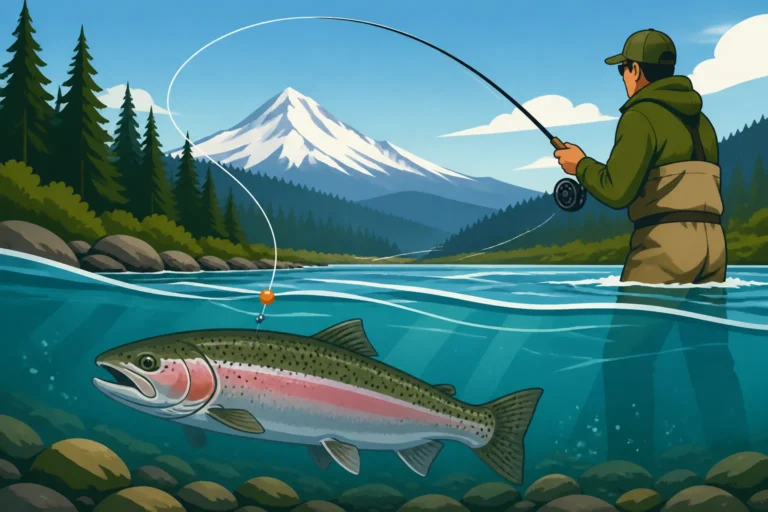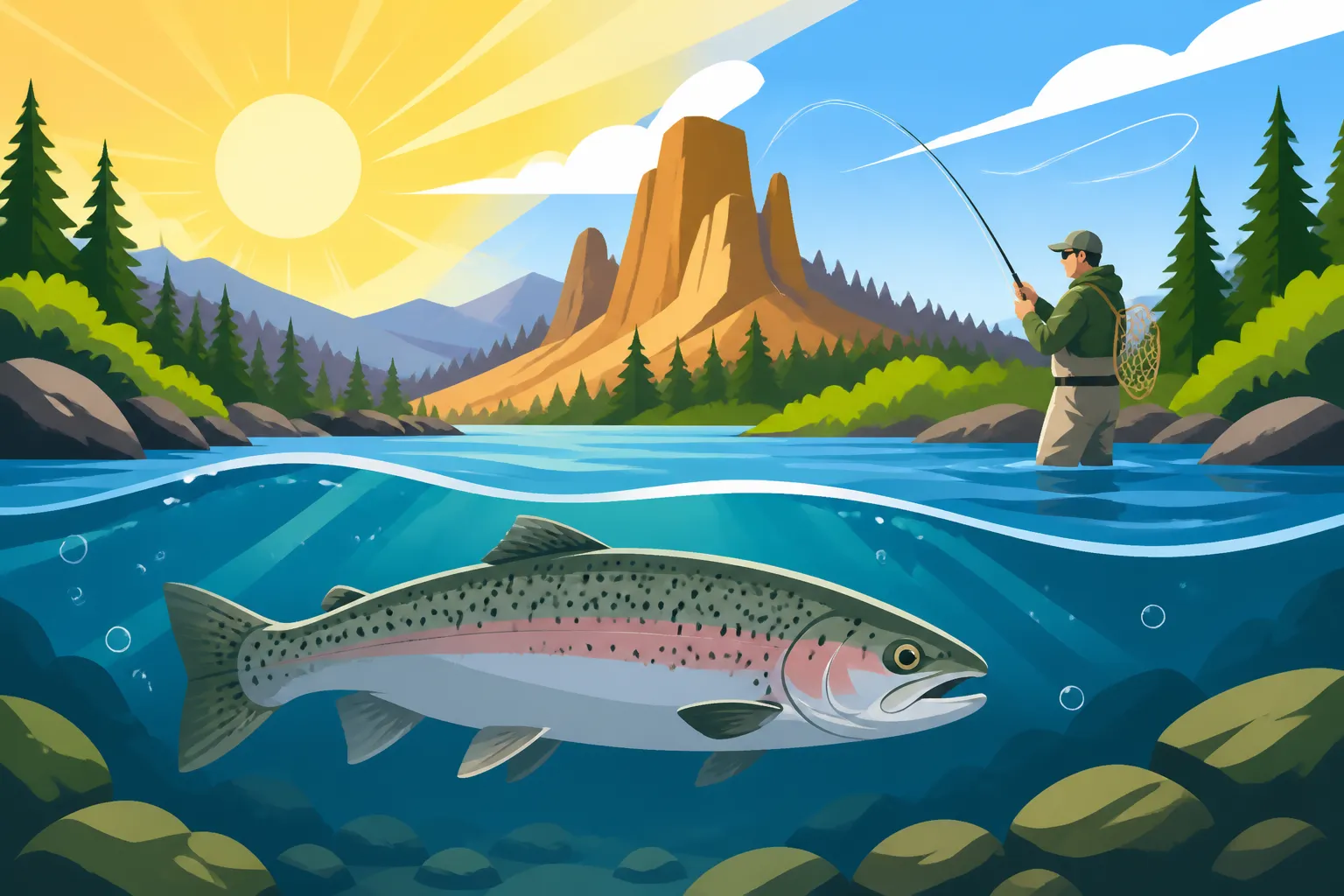
When do summer steelhead enter the Deschutes River
Oh, the Deschutes River summer steelhead! If you've ever dreamt of battling one of these chrome beauties, you know the waiting game can be agonizing. It's a question every angler asks: "When do they really start showing up?" This guide is here to unravel the mystery of the Deschutes summer steelhead runs, giving you the insider knowledge to time your trips for the best chance at hooking into these incredible fish.
Understanding the Deschutes River Summer Steelhead Run
The Deschutes River is legendary for its summer steelhead, drawing anglers from all over for a chance to intercept these powerful, sea-run rainbow trout. But unlike a faucet, they don't all just turn on at once. Their arrival is a dynamic process, influenced by a symphony of natural cues and migratory hurdles. Knowing these patterns is your first step to success.
Early Arrivals and Pioneering Fish
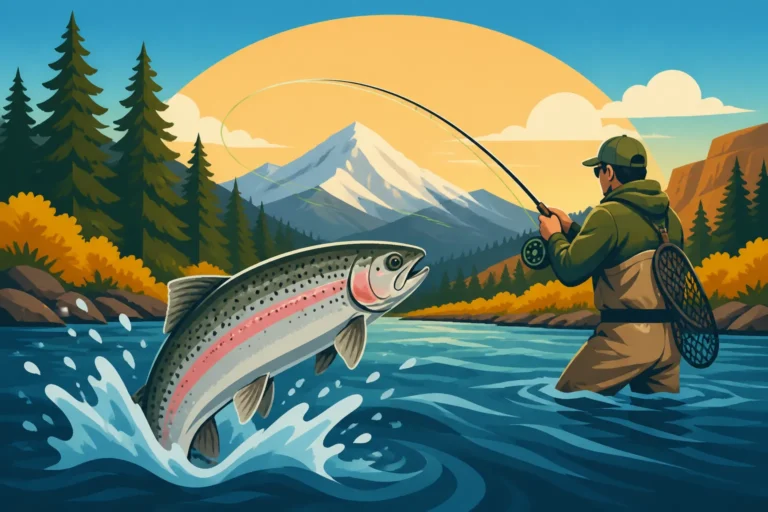
The very first summer steelhead begin their journey into the Deschutes River much earlier than many realize, often making their presence felt in the lower river sections by late spring or early summer. Think of them as the trailblazers, the pioneers testing the waters. These initial trickles of fish are usually smaller in number but represent the vanguard of the season. Anglers who are dedicated and understand the river can sometimes find incredible solitude and thrilling encounters with these early arrivals.
Typically, you can start seeing a few fish entering the system in June, especially if the Columbia River, which they must pass through, has favorable conditions. These early fish are often energetic and aggressive, having just made the long push from the ocean. They tend to hold in deeper, cooler pockets of water, seeking refuge from warmer surface temperatures. If you're keen to be one of the first to get a tug, keep a close eye on river flows and water temperatures coming out of the Pelton Dam area, as well as the fish counts passing over Bonneville Dam. Getting out in late June or early July might not yield huge numbers, but the quality of the fight from a fresh, early-season steelhead is absolutely unforgettable.
Peak Season for Summer Steelhead Fishing
While a few fish show up early, the true heart of the Deschutes summer steelhead run kicks into high gear during the dog days of summer, extending well into the fall. This is when the largest concentrations of fish are actively migrating upriver, providing consistent opportunities for anglers throughout various sections of the river. If you're planning a trip and want the best odds, aiming for this window is a wise move.
The peak season for Deschutes summer steelhead typically runs from mid-July through September, with August often being highlighted as the absolute prime month. During this period, the river is bustling with fish making their way upstream, and you'll find good numbers distributed from the mouth of the Columbia all the way up to the Maupin area and beyond. The consistent flow of fresh fish means that even if you miss a few, more are always on their way. This is also when the river is in its classic "summer steelhead mode," with longer daylight hours and generally stable water conditions. Later into September and early October, you'll still find strong numbers, but the fish will be more spread out, and the tactics might shift slightly as water temperatures begin to cool. For many, August and September represent the quintessential Deschutes summer steelhead experience.
Late Season Opportunities and Winter Holdovers
Just because the peak has passed doesn't mean the party's over! The Deschutes River continues to receive fresh summer steelhead well into the late fall, and these fish often offer unique angling experiences. Moreover, some of these "summer" fish will spend the entire winter in the river before spawning, becoming what anglers often refer to as "winter holdovers" or "spawned-out kelts."
From October through November, you can still encounter excellent fishing for summer steelhead. These fish are typically strong and beautiful, often having colored up slightly from their chrome ocean-run appearance. As the crowds thin out and the weather cools, the experience becomes more solitary and rugged, appealing to those who cherish tranquility. For those brave enough to face the colder temperatures, fish can be found in the system right through the winter months. These late arrivals and holdovers are often well-rested and aggressive, especially on warmer winter days. While they won't be as numerous as during the peak, the sheer quality of a winter Deschutes steelhead, often found in stunning, snow-dusted scenery, makes the effort incredibly rewarding. Don't write off the late season – it can surprise you!
Key Factors Influencing Steelhead Entry and Behavior
The migration of summer steelhead into the Deschutes isn't a simple calendar event; it's a complex dance dictated by environmental cues. Understanding these factors will not only help you predict when fish will show up but also where they might be holding and how they might behave once they're in the river.
Water Temperature and River Flows
These two elements are arguably the most critical drivers for steelhead migration. Fish are incredibly sensitive to changes in their aquatic environment, and temperature and flow act as their natural navigation system and comfort gauge.
Steelhead prefer to migrate when water temperatures are within a comfortable range, typically between 50-60 degrees Fahrenheit. If the water in the Columbia River or the lower Deschutes gets too warm – say, into the mid-60s or higher – fish will often hold in cooler, deeper pockets or simply delay their migration until conditions improve. Conversely, a sudden drop in temperature, especially after a heatwave, can trigger a push of new fish. River flows also play a crucial role. Higher, consistent flows can make it easier for fish to ascend the river, providing more cover and easier passage over riffles and through rapids. Extremely low flows, on the other hand, can make fish more hesitant to move, causing them to stack up in deeper pools or wait for better conditions. For instance, a period of sustained cooler weather in late summer, often accompanied by stable or slightly increased flows, can ignite a strong push of fish into the lower Deschutes from the Columbia. Monitoring these conditions closely through resources like the Oregon Department of Fish and Wildlife (ODFW) website or local fishing reports can give you a significant advantage in timing your trip.
Columbia River Conditions and Migratory Hurdles
Before they even touch the waters of the Deschutes, summer steelhead must navigate the mighty Columbia River, a journey fraught with its own set of challenges, primarily the series of hydroelectric dams. The conditions on the Columbia directly impact the timing and strength of the Deschutes run.
The most significant hurdle is Bonneville Dam, the first dam on the Columbia that steelhead encounter on their upstream journey. Fish counts at Bonneville Dam are a crucial indicator of the run's progress. After passing Bonneville, they continue upstream, eventually veering into the Deschutes River. Factors like water temperature and flow in the mainstem Columbia, as well as spill over the dams (which can provide attraction flows or, conversely, create difficult passage), all influence how quickly and efficiently steelhead make their way. For example, if the Columbia is experiencing prolonged warm water temperatures, steelhead might linger in cooler thermal refuges, delaying their entry into the Deschutes. Conversely, a strong push of water or a period of cooler temperatures on the Columbia can mean a surge of fish arriving at the Deschutes mouth. Many experienced anglers keep a keen eye on the "fish count" data available from the Army Corps of Engineers for Bonneville Dam, as it provides a real-time snapshot of how many fish are making their way upstream, offering valuable clues for when to expect them in the Deschutes. This crucial data helps inform anglers looking to tackle not just the Deschutes, but also other Columbia River tributaries, like those found in the Columbia River Fishing Guide.
Fish Biology and Spawning Cycles
Beyond environmental factors, the inherent biology and life cycle of the summer steelhead dictate their migratory patterns. These are anadromous fish, meaning they hatch in freshwater, migrate to the ocean to grow, and then return to freshwater to spawn.
Summer steelhead are unique in that they enter freshwater months, sometimes even a full year, before they intend to spawn. They spend this time holding and maturing in the river system. Their entry into the Deschutes is driven by an instinctual urge to return to their natal waters. Unlike winter steelhead, which enter the rivers in winter and spawn relatively quickly, summer steelhead are in no immediate rush. This extended freshwater residence is why they are so accessible to anglers throughout the summer and fall. Their migratory timing is a balance between favorable ocean conditions, the journey through the Columbia, and the genetic programming that tells them when to begin their freshwater sojourn. This long residency means they are actively feeding less once in the river, but they remain incredibly aggressive, striking out of territoriality or instinct. Understanding this biological imperative helps explain why the run is so prolonged and why you can find fresh fish entering the system for so many months.
Planning Your Deschutes Summer Steelhead Trip
Now that you have a better grasp of when and why summer steelhead enter the Deschutes, it's time to put that knowledge into action. A well-planned trip increases your chances of success and ensures you're ready for whatever the river throws your way.
Best Times to Target Specific Sections of the River
The Deschutes River is a long and varied system, and the timing for targeting steelhead isn't uniform from its mouth to its upper reaches. Fish migrate progressively upstream, so where you fish influences when you should plan your visit.
In the lower river, from the mouth up to around the Kaskela or Harris Canyon areas, you can start seeing fish as early as June, with increasing numbers through July and August. This section often sees the freshest fish directly from the Columbia. If you want to intercept these early, super-chrome fish, this is your zone. However, as the summer progresses and water temperatures rise, fish will push further upstream seeking cooler water. The middle river, particularly around the popular Maupin area, starts to fish consistently well from late July through September. This is a fantastic stretch for both bank and boat anglers, offering a great balance of accessibility and fish numbers. Further upstream, towards the Warm Springs Reservation boundary and beyond, fish tend to arrive later in the season, typically peaking in September and October. These fish have traveled further and are often more settled into their holding lies. So, if you're planning a trip, consider which section excites you most and align your dates accordingly. A trip in late July might be fantastic for the lower river, while a late September trip could be prime for the upper reaches near Warm Springs. For more detailed information, check out the Deschutes River Fishing Guide.
Essential Gear and Tackle for the Season
Being prepared with the right gear is crucial for a successful Deschutes summer steelhead trip. The river itself demands specific tackle, and having it sorted before you go will save you headaches and potentially lost fish.
For fly anglers, two-handed spey or switch rods are incredibly popular for covering water efficiently, often in 6 or 7-weight sizes. Pair these with Skagit or Scandi style lines for turning over large flies. Single-hand rods (7 or 8-weight) are also viable, especially for nymphing or dry-line fishing in specific runs. Don't forget a reliable reel with a smooth drag and plenty of backing – these fish run! For conventional anglers, medium-heavy spinning or casting rods with 10-15 lb test line are common, often paired with drift gear or small spinners and spoons. You'll definitely want sturdy waders and wading boots with good grip, as the Deschutes riverbed can be slick. A good pair of polarized sunglasses is non-negotiable for spotting fish and reading water. Consider picking up a high-quality landing net – a long-handled one is often preferred for bank fishing. Many essential items, from specific fly patterns to sturdy waders, can be found conveniently on Amazon, allowing you to stock up before your trip. For a deeper dive into what to use, take a look at our Oregon Bait and Lure Guide and Fly Selection for Oregon Steelhead for specific recommendations.
Navigating Regulations and Endorsements
Fishing for summer steelhead on the Deschutes isn't just about having the right gear; it's also about understanding and adhering to Oregon's fishing regulations. Getting caught unprepared can quickly turn an exciting trip into a costly one.
Every angler aged 12 and older needs a valid Oregon fishing license. For those targeting steelhead (and salmon), you'll also need an Oregon Combined Angling Tag. This tag is crucial, as it’s where you record your harvest of these prized species. It’s also vital to be aware of whether you are fishing in an area designated as "Selective Fishery" where specific rules, such as barbless hooks or fly-only restrictions, may apply. Always check the current year's Oregon Fishing Regulations Explained booklet or the ODFW website before you go, as rules can change annually or even mid-season due to emergency closures or updates. Understanding daily bag limits, annual limits, and any specific gear restrictions for the Deschutes River zone you're in is paramount. You don't want to accidentally violate rules concerning Oregon Catch Record Card Requirements or Oregon Salmon and Steelhead Tag Requirements. Many anglers purchase their licenses and tags online, which is often the easiest and most convenient option, ensuring you have everything in order before you even wet a line. For comprehensive details on what you need, check out our Oregon Fishing License Guide and the Oregon Combined Angling Tag Guide.
Deschutes River Summer Steelhead Timing at a Glance
To help you visualize the best times to hit the Deschutes for summer steelhead, here's a quick reference table. Remember, these are general guidelines, and actual conditions can vary year to year!
| Month | Lower River (Mouth to Kaskela) | Middle River (Kaskela to Maupin) | Upper River (Maupin to Warm Springs Boundary) | Notes |
|---|---|---|---|---|
| June | Early Arrivals | Limited | Very Limited | First fish trickle in, good for solitude. Monitor Columbia River counts. |
| July | Building Numbers | Building Numbers | Limited | Run picks up, lower river gets good. Some fish reaching Maupin. |
| August | Strong Numbers | Peak Season | Building Numbers | Prime time! Consistent action in middle river. Fish pushing further upstream. |
| September | Good Numbers | Peak Season | Strong Numbers | Excellent fishing as fish spread out. Cooler temps can trigger aggression. |
| October | Good Numbers | Good Numbers | Good Numbers | Late season pushes, fewer crowds, beautiful fall scenery. Fish are well into the system. |
| November | Fewer Fresh Fish | Fewer Fresh Fish | Late Season Opportunities | Dedicated anglers can still find fish. Look for holdovers. |
Disclaimer
Fishing conditions and regulations in Oregon can change. Always consult the official Oregon Department of Fish and Wildlife (ODFW) website for the most current regulations, emergency closures, and licensing requirements before planning your trip. This guide is for informational purposes only.