Buoy 10 Fishing Guide
For many anglers, the name "Buoy 10" conjures images of chaotic, yet incredibly rewarding, fishing. It's that annual window when the Columbia River estuary absolutely explodes with Chinook and Coho salmon, all staging before their final push upstream. But if you’ve ever tried to tackle it, you know it can feel overwhelming—between the boat traffic, the swift currents, and the ever-changing regulations, it's easy to feel like you're missing something crucial. This guide is here to demystify Buoy 10, walking you through everything you need to know to experience one of Oregon's most iconic fisheries successfully.
Understanding the Buoy 10 Phenomenon
Buoy 10 isn't just a place; it's a specific time and a unique angling event. It marks the lower reach of the Columbia River, right where it meets the vast Pacific Ocean, and for a few precious weeks each summer and fall, it becomes the epicenter of salmon fishing in the Pacific Northwest. Anglers from all over flock here, drawn by the promise of abundant, fresh-from-the-ocean salmon.
What Makes Buoy 10 So Special?
The sheer volume of fish is what truly sets Buoy 10 apart. Imagine millions of salmon, both Chinook (often called "kings" or "springers" depending on the run timing, though here they're primarily fall Chinook) and Coho (silvers), returning from the ocean. They gather in this turbulent estuary, waiting for the optimal river conditions and biological cues to begin their upstream migration. This natural funnel creates an incredible opportunity for anglers to intercept them. It's a high-stakes, high-reward fishery, celebrated for its fast action and the chance to land powerful, bright salmon just hours out of the salt. The fish are at their prime, packed with ocean-fed muscle, making for an unforgettable fight and delicious table fare.
Beyond the fish themselves, the setting is spectacular. You're fishing against the dramatic backdrop of Astoria, Oregon, with its historic waterfront, the iconic Astoria-Megler Bridge spanning the mighty Columbia, and the vast expanse of the Pacific Ocean just beyond the jetties. It’s a convergence of natural beauty and angling intensity that's hard to find anywhere else. The energy on the water during peak season is palpable, with boats as far as the eye can see, all focused on the same goal.
Geographic Boundaries and Key Access Points
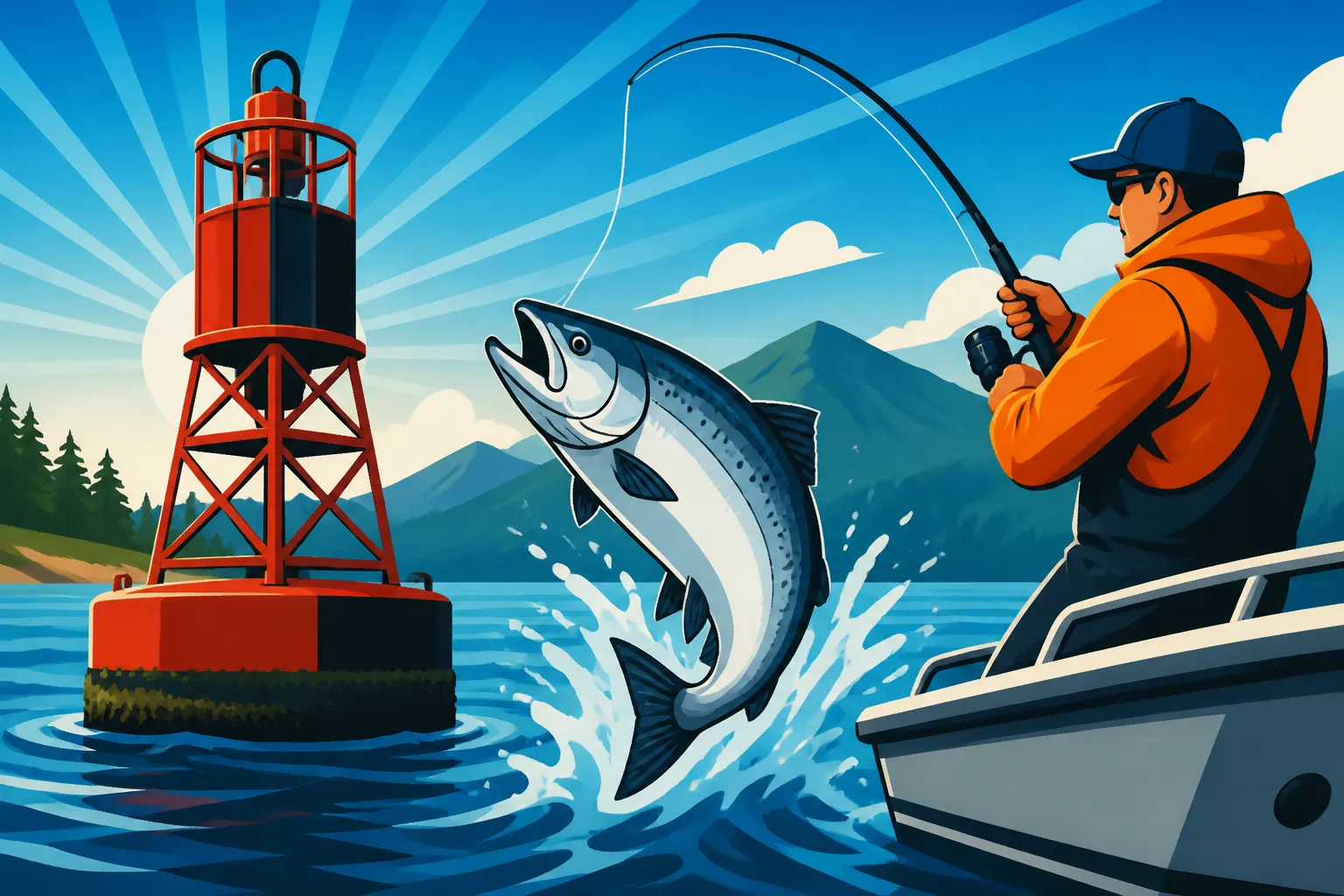
The "Buoy 10" fishery actually refers to a specific stretch of the Columbia River. Officially, it encompasses the mainstem of the Columbia River from Buoy 10, located approximately four miles upstream of the river mouth, all the way to the Tongue Point/Rocky Point line, roughly 17 miles upstream. This area is critically important because it’s where fish transition from saltwater to freshwater, often holding in the brackish mixing zone.
Key access points primarily revolve around the city of Astoria, Oregon. Public boat ramps like East Mooring Basin and Tongue Point offer excellent launch facilities, though be prepared for crowds, especially on weekends and during prime tides. On the Washington side, access points around Ilwaco and Chinook provide alternatives. Many anglers opt to stay in Astoria, utilizing its infrastructure, bait shops, and marine services. Knowing these boundaries is crucial, as the regulations can change abruptly once you move upstream or out into the ocean. It's always wise to consult the latest Oregon Fishing Regulations Explained before heading out, as they are often updated to manage the fishery effectively.
When the Action Heats Up: Peak Season Explained
The Buoy 10 fishery is notoriously short but incredibly intense. The season typically opens in early August and can run through Labor Day weekend, though specific dates and bag limits are always subject to in-season changes by the Oregon Department of Fish and Wildlife (ODFW) and Washington Department of Fish and Wildlife (WDFW). This short window is when the vast majority of the fall Chinook and Coho salmon make their grand entrance into the Columbia River.
The "peak" of the season is usually mid-August through early September. During this time, the river is thick with fish, and the fishing can be nothing short of phenomenal. Early in the season, you'll often find more Coho, which are generally smaller but incredibly acrobatic. As August progresses, the numbers of powerful fall Chinook tend to increase dramatically. It's important to understand that the timing and strength of these runs can vary year to year based on ocean conditions and spawning escapement goals. Staying current on fishing reports from local bait shops, guides, and ODFW/WDFW websites is absolutely essential to hit the peak windows. For a deeper dive into the timing, you might want to read our guide on Fall Chinook Season Timing on the Columbia.
Essential Gear for Buoy 10 Fishing
Fishing at Buoy 10 is not like leisurely casting for trout in a calm lake. The currents are strong, the fish are big and powerful, and the environment is demanding. Having the right gear isn't just about catching fish; it's about making your experience enjoyable and successful. Skimping on tackle here can lead to heartbreak.
Rods, Reels, and Line Choices
For Buoy 10, you're looking for stout gear capable of handling large, hard-fighting salmon in swift current.
- Rods: A medium-heavy to heavy action rod, typically 8 to 10 feet long, is ideal. Many anglers prefer fiberglass or composite rods for their durability and forgiveness, especially when fighting a powerful fish. Brands like Lamiglas, G. Loomis, and Shimano offer excellent options designed for this type of fishery. The longer rod helps with line management, especially when trolling multiple lines or dealing with strong currents and boat traffic. You need enough backbone to set the hook firmly and to turn a salmon that’s trying to dive under the boat or run with the current.
- Reels: A high-quality conventional baitcasting reel with a strong drag system and a line counter is almost a necessity. Penn, Daiwa, and Shimano Tekota are popular choices. A line counter allows you to precisely repeat the depth and distance of your lure, which is crucial for staying in the strike zone once you find it. You'll want a reel that can hold at least 250-300 yards of 25-30 lb test line, giving you enough capacity for long runs from big fish.
- Line: Most anglers run a braided mainline, typically 50-65 lb test. Braid offers superior sensitivity, minimal stretch for solid hooksets, and a smaller diameter for less water resistance, which helps keep your gear down in the strike zone. However, a fluorocarbon or monofilament leader is almost always used with braid. A 25-40 lb test fluorocarbon leader, 4-6 feet long, is common. Fluorocarbon is nearly invisible underwater, which can be critical for wary salmon, and it offers some abrasion resistance against the fish's rough mouth. Understanding the nuances of line choice is part of mastering Oregon Salmon Fishing Techniques.
Terminal Tackle: Weights, Leaders, and Hooks
This is where the rubber meets the road—or rather, the bait meets the fish. The right terminal tackle is paramount for getting your presentation to the right depth and enticing a bite.
- Weights: The heavy currents at Buoy 10 demand significant weight to get your gear down. Common choices include lead cannonballs or "banana" weights ranging from 8 to 20 ounces, sometimes even more during peak tidal flows. Most anglers use a sliding spreader bar or a three-way swivel system to attach their weight to a short dropper line, allowing the weight to sink without directly interfering with the lure's action. The goal is to tick the bottom occasionally without constantly snagging.
- Leaders: As mentioned, fluorocarbon leaders are preferred for their invisibility. Lengths vary, but a 4-6 foot leader is standard for most setups. You'll need to tie strong knots, like a Palomar or improved clinch, as these connections will be under immense strain. Some anglers use a shorter leader (2-3 feet) for herring rigs and a longer one (5-6 feet) for spinners or plugs.
- Hooks: For herring, single barbless hooks are usually required, often a 4/0 to 5/0 octopus hook. For larger plugs or spoons, treble hooks might be factory standard, but always double-check current regulations, as barbless hooks are frequently mandated in the Buoy 10 fishery. When targeting fall Chinook, a strong, sharp hook is vital to penetrate their bony mouths. Circle hooks are also gaining popularity for their ability to hook fish in the corner of the mouth, making for easier releases if necessary. Don't forget, the Oregon Combined Angling Tag Guide will often have specific hook requirements detailed.
Baits and Lures That Get Results
This is where individual preference and local knowledge really shine, but there are definitely some proven performers at Buoy 10.
- Herring: Whole or cut-plug herring is arguably the most popular and effective bait for Chinook salmon. Green label, blue label, and purple label herring are common sizes, with green and blue being favorites. Brining your herring adds toughness and scent, making it last longer and more appealing. The key is to cut or rig it to spin perfectly, mimicking an injured baitfish.
- Spinners: Large, brightly colored spinners are deadly for both Chinook and Coho. Common blade sizes range from 5 to 7, with popular colors including chartreuse, green, orange, and various metallic finishes. Brands like Brad's Super Bait, Simon, and Blue Fox are widely used. Adding a scent to your spinner can also increase its effectiveness.
- Plugs: Diving plugs that wobble erratically are excellent for triggering aggressive strikes, especially from Chinook. Kwikfish and Mag Lip 4.5 or 5.0 are perennial favorites. Like spinners, colors range from bright "fire tiger" patterns to more natural baitfish imitations.
- Other Lures: Coho salmon are often attracted to smaller, flashier lures like Rotators, small spoons, or even hoochies (squid skirts) trolled behind a flasher. The flash from a dodger or flasher is key to attracting salmon in the murky waters of the estuary. Experimentation is often the key, especially when the bite is slow. For a more general overview of what works, check out our guide on Best Lures for Oregon Salmon Fishing.
| Tackle Component | Trolling with Herring/Plugs | Anchoring with Bait | Coho Specific Trolling |
|---|---|---|---|
| Rod | 8.5-10 ft, MH-H Action | 8-9 ft, MH Action | 8-9 ft, M-MH Action |
| Reel | Line Counter Conventional, 25-30lb | Line Counter Conventional, 20-25lb | Line Counter Conventional, 15-20lb |
| Main Line | 50-65 lb Braid | 30-50 lb Braid | 30-50 lb Braid |
| Leader | 25-40 lb Fluorocarbon (4-6 ft) | 20-30 lb Fluorocarbon (3-5 ft) | 15-25 lb Fluorocarbon (4-6 ft) |
| Weights | 8-20 oz Cannonball/Banana | 6-12 oz Pyramid/Sinker | 6-12 oz Cannonball/Banana |
| Bait/Lure | Cut-plug Herring, Kwikfish, Mag Lip | Whole Herring, Cured Eggs | Small Spinners, Hoochies, Spoons |
| Hooks | Single Barbless 4/0-5/0 | Single Barbless 3/0-4/0 | Single Barbless 2/0-3/0 |
Mastering Buoy 10 Fishing Techniques
The Columbia River estuary is a dynamic environment, and successful fishing at Buoy 10 often hinges on adapting your techniques to the conditions, particularly the relentless tides and currents. It's a fishery where boat control, precision, and an understanding of fish behavior are paramount.
Trolling for Salmon: The Go-To Method
Trolling is hands down the most prevalent and often most effective technique at Buoy 10. It allows you to cover vast amounts of water and present your bait or lure continuously to actively feeding or staging salmon. The key is controlling your speed and depth to stay in the strike zone.
- Up-Tide vs. Down-Tide Trolling: You’ll see boats doing both. Trolling against the current (up-tide) allows for slower ground speeds, which can be critical for keeping your bait spinning correctly and for getting your gear deep enough. It also presents the lure to the fish in a more natural, upstream fashion. Trolling with the current (down-tide) means covering more water faster, but it can be harder to keep your gear down and maintain a proper bait presentation. Many anglers prefer to troll up-tide, especially during strong tidal exchanges.
- Boat Speed and Direction: Your ideal trolling speed will vary depending on the current, but generally, you're aiming for a speed that makes your herring spin enticingly or your plug wobble correctly. This is often between 1.5 to 3.0 miles per hour over the ground. Using your boat's GPS for ground speed is essential. Pay attention to how the current affects your speed and adjust your engine thrust accordingly. Experienced anglers often work specific contours, channel edges, or bait balls, repeatedly turning over these productive areas.
- Multiple Rod Spreads: Most boats run multiple rods, typically 2-4 per boat, depending on local regulations and the number of licensed anglers. Using different rod lengths and varying the amount of line out can help prevent tangles and cover different depths and water columns. Downriggers are also commonly used to precisely control depth, especially for Coho. Learning to manage a spread of rods in a crowded fishery is a skill in itself, requiring constant attention and quick reactions when a fish hits.
Anchoring and Bobber Fishing Strategies
While trolling dominates, anchoring and bobber fishing can be incredibly effective, especially for specific species or in certain conditions. This technique is often more relaxed than trolling but still requires keen attention.
- Finding the Right Spot: The success of anchoring depends entirely on finding a productive spot. Look for areas with structure, current seams, or places where baitfish are congregating. Underwater humps, the edges of channels, or areas just outside the main current flow can be prime locations. Watch for other boats that are successfully anchored, but always respect their space.
- Presentation with Bait: Once anchored, anglers typically use a heavy lead weight (pyramid or bell sinker) to hold their bait (often whole herring, cured salmon eggs, or prawns) directly on the bottom or just above it. A sliding sinker rig or a fixed lead dropper can be used. The idea is to let the current work your bait, imparting a natural action. This is particularly effective for Chinook and can also pick up sturgeon, though sturgeon retention has very specific seasons and regulations in the Columbia.
- Bobber and Jig: For Coho, especially when they are more concentrated or in shallower water, casting a jig under a float (bobber) can be deadly. Pink, chartreuse, or even white jigs are often tipped with a piece of prawn or scent. The bobber allows the jig to drift naturally with the current, suspending it at a predetermined depth where Coho are feeding. This technique is often used along the edges of the main channel or in calmer back eddies. It’s a great technique to master, especially after reading about How to Fish for Coho Salmon in Oregon.
Reading the Tides and Water Conditions
Understanding the tides and water conditions at Buoy 10 is arguably more critical than any other single factor. The Columbia River estuary is profoundly influenced by the ocean's ebb and flow, which dictates fish movement and feeding behavior.
- Tidal Swings and Current Speed: Buoy 10 experiences significant tidal exchanges, with strong currents on both incoming and outgoing tides. Typically, the outgoing tide is preferred by many anglers, as it flushes bait and salmon out of the river and concentrates them in the lower estuary. However, the incoming tide can also be productive, pushing fresh fish into the system. The slack tide, when the current slows, often means the fish spread out and the bite can slow down.
- Optimal Fishing Windows: The most productive windows usually occur during the beginning or end of a tidal cycle, when the current is moving but not at its most extreme. This "transition period" allows fish to move more freely and makes it easier for anglers to keep their gear in the strike zone. Trying to fish during the peak of a 5-knot current can be a real challenge. You'll need to consult a tide chart for Astoria and plan your trip around these windows.
- Water Clarity and Temperature: While less variable than the tides, water clarity and temperature also play a role. Clearer, cooler water generally means more active fish. Heavy rains can muddy the water, making it harder for fish to see lures and potentially slowing the bite. Pay attention to reports from the previous day's fishing to get a sense of current conditions. Fishing with a valid Oregon Fishing License Guide is, of course, a prerequisite for any of these techniques!
Navigating Regulations and Safety at Buoy 10
Buoy 10 is a complex fishery, not just in terms of fishing techniques but also because of the intricate regulations and the inherent safety considerations of fishing on a large, tidal river mouth. Disregarding these can lead to fines, dangerous situations, or even closure of the fishery.
Critical Fishing Regulations and Endorsements
The regulations at Buoy 10 are a joint effort between Oregon and Washington, and they can change frequently and sometimes without much notice. This is why staying informed is paramount.
- Licenses and Endorsements: You'll need a valid Oregon or Washington fishing license to fish in the Columbia River. If you're fishing from an Oregon-licensed boat, Oregon regulations apply, and you'll need an Oregon license. The same applies to Washington. However, there is Oregon and Washington License Reciprocity on the Columbia under certain conditions, which can be confusing. Beyond the basic angling license, you will also need a Columbia River Basin Endorsement to fish for salmon, steelhead, and sturgeon in the Columbia River and its tributaries. If you plan to fish any ocean waters, even just outside the Buoy 10 line, you'll need an Oregon Ocean Endorsement. Always carry your physical license and endorsements with you.
- Bag Limits and Size Restrictions: Bag limits for Chinook and Coho salmon at Buoy 10 are often very specific, distinguishing between hatchery and wild fish (often identified by a clipped adipose fin). Wild Chinook and steelhead are typically catch-and-release only. There may be daily limits on the number of adult salmon, and sometimes separate limits for "jacks" (small, early-returning salmon). Size restrictions are also common, particularly for Chinook. These rules are put in place to manage the fishery sustainably and ensure enough fish return to spawn. Always double-check the current rules for the specific day you plan to fish, as emergency closures or changes in limits can happen overnight.
- Catch Record Cards: For salmon, steelhead, and sturgeon, you'll need a catch record card, which is usually issued with your fishing license. You must immediately record any kept fish on this card. Failure to do so is a common violation and can result in significant penalties. These cards are vital for ODFW and WDFW to monitor harvest rates and manage future seasons.
Safety First: Tips for a Successful Trip
The Columbia River bar and estuary can be a dangerous place, even on a calm day. Safety should always be your top priority.
- Boat and Equipment Checks: Before every trip, ensure your boat is in top working order. Check your engine, fuel levels, navigation lights, and all safety gear. This includes life jackets (one for every person on board, and children under 12 must wear them at all times while underway), a horn or whistle, flares, a fire extinguisher, and a throw cushion. A marine radio (VHF) is highly recommended for communication, especially if you venture further out.
- Weather and Bar Conditions: Always check the marine weather forecast and the Columbia River Bar conditions before heading out. Conditions can change rapidly, turning a calm morning into a dangerous afternoon. If the bar forecast calls for rough conditions, it's best to stay in the sheltered waters of the estuary or reschedule your trip. "When in doubt, don't go out" is a wise motto for this fishery.
- Navigational Awareness: The Buoy 10 area is often crowded with boats, shipping traffic, and strong, unpredictable currents. Be constantly aware of your surroundings, maintain a safe distance from other vessels, and understand the rules of the road. Chartplotters and GPS units are invaluable for navigation, but don't rely solely on electronics; keep a keen eye on buoys and landmarks. Getting caught in the path of a massive container ship is no joke.
- Hiring a Guide: For those new to Buoy 10 or large river systems, hiring an experienced local guide is an excellent investment. Guides know the waters, the techniques, and the regulations inside and out. They provide all the necessary gear and, most importantly, prioritize your safety. Websites like FishingBooker can help you find reputable Astoria Oregon Fishing Charters that specialize in Buoy 10. They can teach you the ropes, increasing your chances of success and ensuring a safe, memorable experience. This goes hand-in-hand with learning How to Choose an Oregon Fishing Guide.
Respecting the Resource and Fellow Anglers
The sheer number of people and fish at Buoy 10 means that courtesy and conservation are essential for everyone to have a good experience and for the fishery to thrive for years to come.
- Practice Good Etiquette: With so many boats concentrated in a relatively small area, respect for fellow anglers is paramount. Maintain polite distances, avoid cutting off other boats, and keep your noise levels down. If you're trolling, try to maintain a consistent speed and direction to avoid disrupting other boats' spreads. If you hook a fish, communicate with nearby boats to avoid tangles.
- Sustainable Practices: Adhere strictly to bag limits and size restrictions. If you're required to release a fish, do so quickly and carefully to maximize its chances of survival. Minimize the time the fish is out of the water, use barbless hooks for easier release, and support the fish horizontally when handling. Avoid unnecessary stress on released fish.
- Leave No Trace: Always pack out everything you pack in. Dispose of all trash, including broken fishing line, bait containers, and food wrappers, properly. Keeping the river clean is everyone's responsibility and ensures the beauty and health of this incredible ecosystem for future generations of anglers. The Columbia River Fishing Guide generally emphasizes these principles, and Buoy 10 is no exception.
Planning Your Buoy 10 Adventure
A successful Buoy 10 trip involves more than just showing up with a rod and reel. Thoughtful planning can make all the difference, transforming a potentially frustrating outing into an unforgettable angling adventure.
Choosing a Boat or Charter Service
Deciding how you'll fish the Buoy 10 area is one of your first big decisions. Both options have their pros and cons.
- Using Your Own Boat: If you have your own boat, ensure it's suitable for the conditions. A boat under 18 feet is generally not recommended for this open, often choppy water. Make sure your engine is reliable, you have plenty of fuel, and all your safety gear is in order. Navigating the crowded waters and strong currents requires skill and experience. Launching from Astoria's busy ramps can also be a challenge, so arrive early. The upside is the freedom to fish when and where you want, within regulations.
- Hiring a Fishing Charter: For many, especially first-timers or those without a suitable boat, hiring a charter is the best option. An experienced charter captain knows the local waters, the salmon runs, and the ever-changing regulations. They provide all the necessary gear, bait, and most importantly, their expertise to put you on fish. This eliminates the stress of navigation, boat handling, and equipment issues, allowing you to focus solely on fishing. Charters can be booked through services like FishingBooker, which lists many reputable guides operating out of Astoria. Look for captains who specialize in Buoy 10 and have a good reputation. It’s a fantastic way to learn the fishery before perhaps trying it on your own.
- Shared vs. Private Trips: Charters often offer shared (head boat) trips or private boat bookings. Shared trips are more budget-friendly as you split the cost with other anglers. Private trips, while more expensive, offer a more personalized experience and allow you to fish exclusively with your group. Consider your budget and preferences when making this choice.
Local Amenities and Accommodations in Astoria
Astoria is a charming coastal city with plenty to offer beyond the fishing. Planning your stay can enhance your overall experience.
- Lodging Options: Astoria boasts a range of accommodations, from historic hotels and quaint bed and breakfasts to modern motels and vacation rentals. During peak fishing season, rooms book up quickly, so it's wise to reserve your lodging well in advance. Consider staying close to the waterfront for easy access to boat ramps and charter docks.
- Dining and Supplies: The city offers diverse dining options, from casual seafood shacks to upscale restaurants. You'll also find numerous bait and tackle shops, where you can pick up any last-minute gear, get fresh bait, and most importantly, gather the latest fishing reports and regulation updates. Fred Meyer and Englund Marine & Industrial Supply in Astoria are popular spots for gear and marine supplies.
- Other Activities: If you're bringing family who might not be fishing, Astoria has plenty to keep them entertained. Explore the Columbia River Maritime Museum, climb the Astoria Column for panoramic views, stroll along the historic waterfront, or visit Fort Clatsop. It's a great base for a broader Oregon coast adventure.
Preparing for a Successful Trip
A little preparation goes a long way in ensuring your Buoy 10 trip is smooth and enjoyable.
- Check the Forecast (Again!): The weather on the Oregon coast is notoriously fickle. Check the marine forecast the day before and the morning of your trip. Be prepared for anything: sunshine, rain, wind, and fog. Layers are essential, as are good quality rain gear and waterproof boots.
- Pack Smart: Beyond your fishing gear and appropriate clothing, pack plenty of snacks and drinks, as you'll be on the water for several hours. Sunscreen, sunglasses, and a hat are crucial, even on cloudy days. Bring a cooler with ice to store your catch if you're keeping fish. Don't forget motion sickness medication if you're prone to seasickness, as the Columbia River estuary can be choppy.
- Study the Regulations: Seriously, read the current Oregon Fishing Regulations Explained one more time. The rules for Buoy 10 are highly specific, species-dependent, and prone to in-season changes. Knowing the exact bag limits, size restrictions, and hook requirements for the day you're fishing will save you a lot of headache and potential fines. Being prepared means you can focus on the thrill of the chase, not on worrying if you're compliant.
- Mental Preparation: Buoy 10 can be intense. There will be lots of other boats, varying skill levels, and the occasional tangle or missed fish. Go with a positive attitude, be patient, and embrace the experience. It's a unique fishery, and even on slower days, the opportunity to be on the mighty Columbia, chasing chrome-bright salmon, is something special.
Disclaimer
Fishing in Oregon carries inherent risks, including but not limited to changing weather conditions, strong currents, and potential hazards associated with boating and wildlife. This guide is for informational purposes only and should not replace professional advice, official regulations, or personal judgment. Always prioritize safety, check current weather and river conditions, and consult the latest regulations from the Oregon Department of Fish and Wildlife (ODFW) and Washington Department of Fish and Wildlife (WDFW) before embarking on any fishing trip.