Sturgeon Guide Trips on the Columbia
The majestic Columbia River, carving its way through the landscape, is a legendary destination for anglers dreaming of tangling with one of North America's most ancient and powerful fish: the white sturgeon. Yet, for many, the sheer scale of the river, the intricacies of the regulations, and the specialized techniques required can feel incredibly daunting. This comprehensive guide will walk you through everything you need to know about booking and enjoying a guided sturgeon fishing trip on the Columbia, ensuring you're prepared for an unforgettable adventure.
Why Choose a Sturgeon Guide Trip on the Columbia?
Sturgeon fishing on the Columbia River is not your average day with a rod and reel. These incredible fish demand respect, knowledge, and often, specialized equipment and expertise that most casual anglers simply don't possess. That's where a seasoned guide becomes your invaluable ally, transforming a potentially frustrating outing into a truly epic experience.
The Allure of Columbia River Sturgeon Fishing
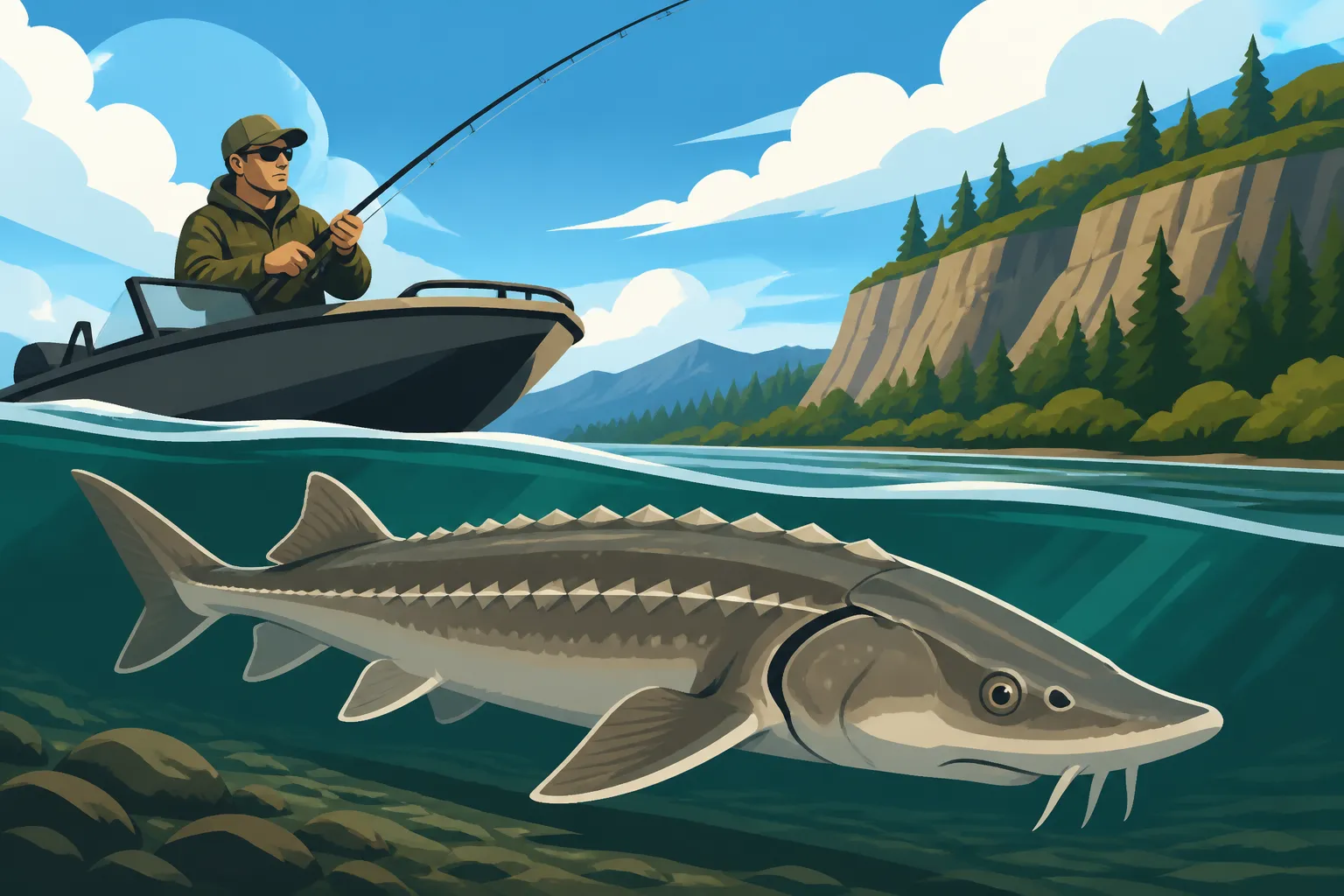
Imagine hooking into a fish that can stretch over eight feet long, a living relic that has patrolled these waters for millions of years. The Columbia River is home to some of the largest white sturgeon in the world, offering a unique opportunity to encounter these magnificent creatures. The fight is legendary – a powerful, deep pull that tests your endurance and your gear. For many, it's the thrill of the unknown, the sheer size and strength of the fish, and the challenge of bringing one to the boat that draws them back year after year. It's a true test of an angler's grit, and one that leaves you with stories for a lifetime.
Moreover, the scenery itself is breathtaking. From the wide-open expanse near Astoria to the dramatic basalt cliffs of the Columbia River Gorge, fishing here offers a feast for the senses. A guided trip means you can soak in the beauty, rather than worrying about navigation or finding the right spots. It's about more than just the fish; it's about the entire experience of being on one of the West's most iconic waterways.
Navigating Complex Regulations and Seasons
Oregon's fishing regulations, especially for sturgeon, can be incredibly complex and are subject to frequent changes, sometimes even mid-season. Understanding slot limits, retention seasons (which are often very short and specific to certain zones), bait restrictions, and proper catch-and-release protocols is crucial to avoid violations and ensure the health of the sturgeon population. For instance, Oregon Fishing Regulations Explained delves into these details. Trying to keep up with all these nuances on your own can be a full-time job.
A professional sturgeon guide lives and breathes these regulations. They know the current rules inside and out, including any emergency closures or openings. They understand the difference between legal retention sizes for the lower river versus the Bonneville Pool, or when a specific area is open for catch-and-release only. Their expertise ensures that your trip is not only successful but also fully compliant with all state and federal guidelines, giving you peace of mind and allowing you to focus on the fishing itself. They'll also handle the often-required catch record cards, ensuring everything is properly documented.
Accessing Prime Sturgeon Waters
The Columbia River is vast, with countless miles of water, varying depths, and changing currents. Pinpointing where sturgeon are holding can be incredibly challenging without local knowledge. Sturgeon tend to congregate in specific areas, often around deeper channels, current breaks, or prominent bottom structures, which can be difficult for an unfamiliar angler to locate. Even with the best sonar, understanding how the river fishes in different conditions takes years of experience.
Guides possess intimate knowledge of these prime fishing grounds, built over years of time on the water. They know the subtle clues – current seams, underwater ledges, and historical holding areas – that indicate where these bottom-dwelling giants are likely to be. They have the right boat to safely and efficiently access these spots, whether it's battling tidal currents near Astoria or navigating deeper sections upstream. This local wisdom significantly increases your chances of success, as they can put you directly on the fish, regardless of the time of year or specific water conditions.
What to Expect on a Columbia River Sturgeon Guide Trip
Booking a sturgeon guide trip means signing up for an immersive experience where most of the heavy lifting is handled for you. From the moment you step onto the boat, your guide's goal is to facilitate a safe, fun, and productive day on the water.
Typical Trip Duration and Structure
Most Columbia River sturgeon guide trips are full-day affairs, often lasting anywhere from 6 to 8 hours. This allows ample time to travel to prime fishing locations, set up gear, and give you plenty of opportunities to hook into these powerful fish. Half-day trips might be available, but for sturgeon, the full day is generally recommended to maximize your chances and truly experience the fishery. You'll typically meet your guide early in the morning, often at a pre-arranged boat ramp along the Columbia, such as those in Astoria, Cathlamet, or near Portland.
A typical day usually starts with a safety briefing and a rundown of the day's plan. Then it's off to the fishing grounds. Once anchored in a promising spot, the guide will demonstrate how to deploy the bait and rig, explain the bite indicators, and coach you on how to set the hook. They'll continuously monitor conditions, adjust baits, and, if necessary, move to new spots if the action slows down. Many guides provide snacks and non-alcoholic beverages, but it's always wise to confirm this beforehand and bring your own if you have specific preferences.
Gear and Bait Provided by Guides
This is one of the biggest benefits of a guided sturgeon trip. You won't need to invest in heavy-duty sturgeon rods, reels, specialized lines, or terminal tackle. Professional guides come fully equipped with top-of-the-line gear designed specifically for these powerful fish. We're talking about robust rods, heavy-duty conventional reels spooled with strong braided line, and specialized rigs that are stout enough to withstand the immense pressure of a fighting sturgeon.
When it comes to bait, guides also have you covered. They'll use proven sturgeon baits, which often include oily fish like anchovies, herring, shad, or even lamprey, sometimes cured or scented for maximum appeal. They know what the sturgeon are keying in on at that particular time of year and in specific river sections. This saves you the hassle and expense of sourcing and preparing specialized baits, which can be tricky to find and store. Your guide will ensure you have the freshest and most effective offerings on the line.
Understanding Catch-and-Release Practices
The vast majority of sturgeon fishing on the Columbia River is strictly catch-and-release, especially for the larger, more mature fish. While there are specific, highly regulated retention seasons in certain areas (like the lower Columbia for "keeper" sturgeon within a specific slot limit), most of the year and for most sections of the river, the focus is on conservation. Guides are absolute experts in proper catch-and-release techniques, which are vital for the survival of these long-lived fish.
This includes fighting the fish efficiently to minimize stress, using specialized landing nets or tail ropes, keeping the fish in the water as much as possible, and quickly removing hooks. Guides will also know how to properly measure the fish without removing it from the water, and how to safely revive it before release. They'll also ensure compliance with any rules regarding sturgeon tagging, even for catch-and-release. Learning these best practices from an experienced guide is invaluable, not just for the fish's welfare but also for your own handling safety. For more on proper handling, see How to Catch and Release Sturgeon Safely.
Essential Preparation for Your Sturgeon Adventure
While your guide handles most of the operational details, a little preparation on your part can make your sturgeon trip much more comfortable, enjoyable, and ultimately, successful. Thinking ahead about what you need will allow you to relax and fully immerse yourself in the experience.
Securing Your Oregon Fishing License and Endorsements
This is perhaps the most critical piece of preparation. Every angler, regardless of age (unless they fall under specific youth exemptions which vary), needs a valid Oregon fishing license. For sturgeon fishing on the Columbia, you will also typically need an Oregon Combined Angling Tag, as well as a Columbia River Basin Endorsement, which is crucial for fishing in that specific waterway. You can learn more about this in Oregon Combined Angling Tag Guide and Oregon Columbia River Basin Endorsement. Make sure you purchase these before your trip, as guides cannot sell them, and you won't want to waste valuable fishing time trying to buy one.
You can often purchase these online directly from the Oregon Department of Fish and Wildlife (ODFW) website, or through authorized license agents like sporting goods stores. It's usually best to print a physical copy or have access to a digital copy on your phone as proof. Don't assume that just because you're on a guided trip, the license requirement is waived – it absolutely is not, and fishing without one can lead to significant penalties described in Oregon Fishing Violations and Penalties.
What to Bring for Comfort and Safety
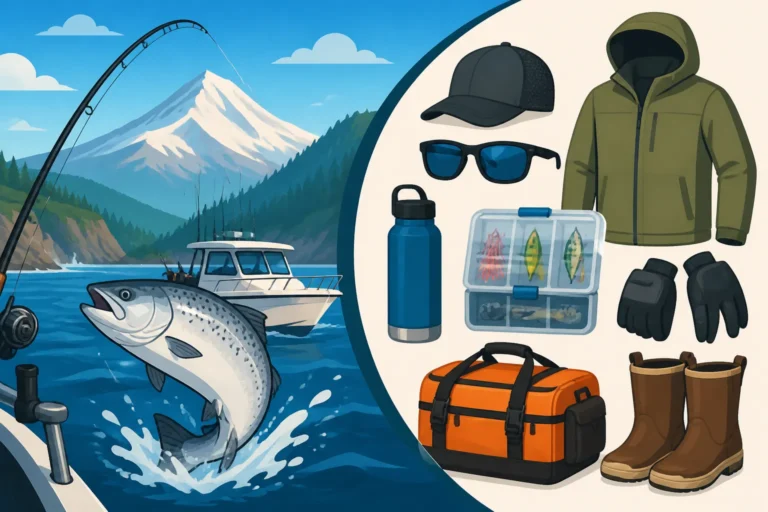
Even on a sunny day, conditions on the Columbia River can change rapidly. Dressing in layers is always the best strategy. Start with a moisture-wicking base layer, add a fleece or warm mid-layer, and finish with a waterproof and windproof outer shell. Even in summer, mornings can be chilly, and evenings can bring a cool breeze off the water. Good quality rain gear is a must, even if the forecast looks clear. You should also bring:
- Sun Protection: Sunglasses, a wide-brimmed hat, and plenty of sunscreen are essential, as the sun's reflection off the water can be intense.
- Food and Drink: While some guides provide snacks, bring your own water, juice, or other non-alcoholic beverages, and any specific snacks or a packed lunch you might want. A small cooler can be handy.
- Medication: If you take any prescription medications, remember to bring them. If you're prone to seasickness, consider taking preventative measures before the trip, as even a large river like the Columbia can have choppy conditions, especially in windy weather.
- Camera: You'll want to capture the moment when you land that monster sturgeon! Just make sure it's waterproof or in a waterproof bag.
- Cooler (for keepers): If you're on a trip where retention is allowed and you plan to keep a legal sturgeon, bring a cooler with ice to transport your catch. Always confirm retention rules with your guide beforehand.
| Item Type | Guide Typically Provides | Angler is Responsible For |
|---|---|---|
| Fishing Rods | Yes | No |
| Fishing Reels | Yes | No |
| Terminal Tackle | Yes | No |
| Bait | Yes | No |
| Boat | Yes | No |
| Fishing License | No (Angler's personal responsibility) | Yes |
| Columbia River Basin Endorsement | No (Angler's personal responsibility) | Yes |
| Combined Angling Tag | No (Angler's personal responsibility) | Yes |
| Weather-Appropriate Clothing | No | Yes |
| Sunscreen & Hat | No | Yes |
| Food & Drink | Sometimes (confirm with guide) | Yes |
| Camera | No | Yes |
| Personal Medications | No | Yes |
| Cooler (for keepers) | No | Yes |
Communicating with Your Guide Before the Trip
Don't be shy about asking questions! A good guide will appreciate your proactive approach. Before your trip, confirm the meeting location and time, what food and drinks are provided, and the current status of retention versus catch-and-release rules for sturgeon. You might also want to ask about the expected weather conditions for the day. Platforms like FishingBooker often facilitate this communication, allowing you to message your guide directly after booking.
Discuss your experience level and expectations. Are you hoping to learn specific techniques? Are you bringing children or new anglers who might need extra patience and instruction? The more information you provide, the better your guide can tailor the experience to your group. This upfront communication ensures everyone is on the same page and helps create a smooth and enjoyable day on the water.
Choosing the Right Sturgeon Guide or Charter
Selecting the right guide is paramount to a successful and enjoyable sturgeon fishing trip. With many operators working the Columbia, it pays to do a little homework. You want someone knowledgeable, safe, and with a good track record.
Key Factors When Selecting a Guide
First and foremost, look for a guide who is licensed and insured. In Oregon, all fishing guides are required to hold specific licenses and operate under strict safety guidelines. Don't hesitate to ask for proof of their credentials. Experience is also crucial, particularly for sturgeon. Look for guides who specialize in sturgeon fishing on the Columbia River, as their local knowledge will be superior. A guide who primarily targets salmon might not have the same intimate understanding of sturgeon behavior and preferred habitats.
Consider their boat and equipment. Is it well-maintained, safe, and appropriate for the size of your group? Are the rods and reels in good condition? Read reviews and testimonials from previous clients. Pay attention to comments about the guide's patience, instructional style, and whether they focused on the client's enjoyment and education, not just catching fish. You can often find a lot of useful information on review sites or through booking platforms when researching Oregon Fishing Guide Services.
Researching Reputable Guides and Booking Platforms
The internet is your best friend here. Start by searching for "Columbia River sturgeon guides" or "Oregon sturgeon fishing charters." Many guides have their own websites where you can find information about their services, rates, and availability. Online booking platforms like FishingBooker are excellent resources, offering a wide selection of guides, detailed profiles, real customer reviews, and secure booking options. These platforms often make it easy to compare different operators side-by-side, filtering by location, target species, and trip type.
Another great way to find a reputable guide is through word-of-mouth. Ask fellow anglers for recommendations, or visit local tackle shops around the Columbia River, as they often have business cards and insights into reliable guides in the area. Look for guides who are passionate about conservation and adhere strictly to regulations, demonstrating a commitment to the long-term health of the fishery. A quick search for How to find a licensed fishing guide in Oregon can also provide valuable tips on verifying credentials.
Understanding Guide Trip Costs and Tipping Etiquette
The cost of a Columbia River sturgeon guide trip can vary significantly depending on several factors: the duration of the trip (full day vs. half day), the number of anglers in your group, and the guide's reputation and experience. Generally, you can expect costs to be structured either per person or as a flat rate for the boat, up to a certain number of guests. While I can't give you specific current prices, be prepared for a substantial investment, as you're paying for expertise, specialized gear, and a full day on the water.
It's customary to tip your fishing guide, much like you would a server or other service professional. A typical tip for a good experience is 15-20% of the trip's total cost. If your guide went above and beyond, was exceptionally patient, worked hard to find fish, or provided excellent instruction, a more generous tip is always appreciated. Always factor this into your budget when planning your trip. It's a way to show appreciation for their hard work, knowledge, and dedication to making your trip a success.
Popular Columbia River Sturgeon Fishing Zones
The Columbia River offers diverse fishing environments for sturgeon, each with its own character and prime seasons. From tidal estuaries to vast reservoirs, understanding these zones can give you a better appreciation for the guide's strategy. This river is truly a national treasure, and Columbia River Fishing Guide can give you even more context.
Lower Columbia River (Astoria to Portland)
This section of the Columbia, from its mouth at Astoria upriver past Longview and into the Portland metropolitan area, is heavily influenced by tidal currents. It's often the first area to see sturgeon as they move up from the ocean, and it can offer fantastic opportunities for both catch-and-release and, during specific, often short, openings, for retention of legal-sized sturgeon. The expansive bays like Grays Bay and the main river channel offer numerous deep holes and current breaks where sturgeon congregate.
Fishing here can be quite dynamic, with guides strategically anchoring to maximize drifts during different tide cycles. Anglers often fish near historical landmarks like the Astoria-Megler Bridge or around the numerous islands and channels. The retention season here is usually limited to a "slot limit" – meaning sturgeon must fall within a very specific size range (e.g., between 44 and 50 inches fork length) to be kept, and even then, often only during very brief windows. The fishing pressure can be intense during these retention periods, making a guide's expertise in navigating the crowds and regulations even more valuable.
Mid-Columbia River (Portland to Bonneville Dam)
Moving upstream from Portland, the river transitions into a more freshwater environment, though tidal influences can still be felt in some lower sections. This stretch, leading up to the impressive Bonneville Dam, is a highly productive area for sturgeon, particularly for larger, older fish. The dam itself acts as a barrier, causing fish to hold in the deeper pools and channels below it. Known spots include the "Big C" near Camas, the waters around Rooster Rock State Park, and the confluence of the Willamette and Columbia rivers.
This section is almost exclusively catch-and-release for sturgeon, with a strong focus on targeting the big broodstock fish that can reach truly impressive sizes. Guides here utilize their sonar to locate deep pockets and structural elements where these large sturgeon stage. The scenery through the Columbia River Gorge is absolutely stunning, providing a magnificent backdrop to your fishing adventure. While retention is rare here, the chance to fight and safely release a giant sturgeon is what draws anglers to this spectacular zone.
Upper Columbia River (Bonneville Pool and Beyond)
Above Bonneville Dam, the Columbia River transforms into a series of large reservoirs, often referred to as "pools," created by subsequent dams like The Dalles and John Day. The Bonneville Pool, immediately above Bonneville Dam, is a significant sturgeon fishery. While less common for the truly giant "trophy" sturgeon found downstream, this area provides consistent action for smaller to medium-sized fish, making it a great option for those looking for more frequent bites.
Sturgeon fishing in these upper pools is primarily focused on catch-and-release. Guides often target deeper channels, drop-offs, and areas where tributaries enter the main river. These reservoirs also offer a different fishing experience, often with calmer waters than the lower, tidally influenced river. Anglers here can still expect a strong fight from a healthy sturgeon, and the opportunity to fish in a different, equally scenic part of the Columbia. Understanding Columbia River sturgeon slot limit explained is crucial for any retention opportunities, though these are scarce in the upper pools.
The Art of Catching and Releasing Sturgeon
Catching a sturgeon is an incredible feat, but it's only half the battle. Knowing how to safely handle and release these ancient giants is just as important, if not more so, for their long-term survival. Your guide will be the maestro, directing the entire process.
Best Techniques and Baits for Sturgeon
Sturgeon are bottom feeders with an incredible sense of smell, so the primary technique involves anchoring up current from a known sturgeon holding area and presenting a smelly bait on the bottom. The most common setup involves a heavy sinker to hold the bait in place against the strong current, attached to a leader with a large, strong circle hook. The guide will typically rig several rods, fanning them out from the boat to cover a wider area.
As discussed in Best Bait for Sturgeon Fishing on the Columbia, popular baits include fresh or cured herring, anchovies, shad, smelt, and lamprey. The fresher and smellier, the better! Guides will often "milk" the bait (squeeze it slightly) to release more scent. When a sturgeon bites, it often feels like a subtle tap or a gentle thumping, followed by a steady pull. It's crucial not to set the hook too quickly; allowing the sturgeon to fully mouth the bait often leads to a solid hookup in the corner of its mouth, which is ideal for a clean release.
The Thrill of the Fight and Safe Handling
Once a sturgeon is hooked, prepare for a battle! These fish are incredibly powerful, making long, deep runs, and occasionally even leaping completely out of the water. Your guide will provide coaching on how to fight the fish effectively, keeping the rod tip up, maintaining steady pressure, and using the boat's position to your advantage. It's a full-body workout, often requiring teamwork from the angler and the guide.
When the sturgeon is brought alongside the boat, safety is paramount. Guides typically use a large cradle, a specialized sling, or a tail rope to secure the fish alongside the boat. The goal is to keep the fish in the water as much as possible, as removing large sturgeon from their buoyant environment can cause internal damage. Photos are taken quickly, often with the fish still partially submerged. Guides are skilled at managing the situation, ensuring the safety of both the angler and the fish.
Minimizing Stress and Ensuring Survival
Every action taken during a sturgeon trip, particularly when a fish is hooked, is aimed at minimizing stress and maximizing its chances of survival post-release. This includes:
- Quick Fights: Guides will encourage you to fight the fish hard and efficiently to reduce exhaustion.
- Circle Hooks: Almost all sturgeon fishing employs circle hooks, which are designed to hook fish in the corner of the mouth, preventing gut hooking and making release easier and safer.
- In-Water Handling: As mentioned, keeping the sturgeon in the water is critical. If it must be briefly removed for a quick measurement or photo, it's done rapidly and with care.
- Revival: For a particularly tired fish, the guide may hold it upright in the current for a period, allowing water to flow over its gills until it regains strength and swims off under its own power.
- Clean Releases: Hooks are removed quickly and cleanly. If a hook is deeply embedded and cannot be easily removed, the guide may cut the line as close to the hook as possible, as the hook will often rust out over time.
By following your guide's instructions precisely, you contribute directly to the conservation of these magnificent creatures, ensuring that future generations of anglers can also experience the thrill of Oregon Sturgeon Guide fishing on the mighty Columbia.
Disclaimer
This article is for general informational purposes only and does not constitute professional advice. Laws, prices and regulations vary by location and change over time. Consult a qualified professional for guidance on your specific situation.