Oregon Fishing Seasons Explained
Anyone who's tried to plan a fishing trip in Oregon knows the feeling: you pore over maps, dream of big fish, and then hit the regulations, only to feel like you've stumbled into a labyrinth of dates, zones, and exceptions. It's frustrating when you just want to know when and where you can legally wet a line. This comprehensive guide aims to untangle the complexities of Oregon's diverse fishing seasons, breaking down what to expect throughout the year for various species and locations, so you can plan your next adventure with confidence.
Why Oregon's Fishing Seasons Feel Like a Mystery
Oregon is a fisher's paradise, but that abundance comes with a labyrinth of regulations that can make understanding the fishing seasons incredibly daunting. It's not just about knowing when a fish species is around; it's about navigating the myriad rules that dictate where, how, and if you can actually keep what you catch. Many seasoned anglers still find themselves scratching their heads, checking their apps, or calling bait shops just to confirm they're within the legal bounds. This complexity isn't meant to frustrate you, but rather to protect our precious fisheries and ensure healthy populations for future generations.
The Juggling Act of Multiple Species
One of the biggest reasons Oregon's fishing seasons seem so complicated is the sheer diversity of fish species we have. We're talking about multiple runs of salmon (Chinook, coho, sockeye), two distinct runs of steelhead (summer and winter), a plethora of trout species (rainbow, cutthroat, brown, brook, bull), sturgeon, various warmwater fish like bass and crappie, and a whole ocean full of halibut, lingcod, rockfish, and tuna. Each of these species, and often their specific runs or populations, has its own unique biological calendar and therefore its own set of rules. You can't just assume that because trout season is open, you can fish for salmon with the same gear and regulations. It's like trying to follow five different sports schedules at once – each with its own playoffs and off-seasons.
Think about it: a spring Chinook might be running up the Willamette River while, just a few miles away, you might be targeting smallmouth bass that are actively spawning, requiring different approaches and harvest rules. Meanwhile, up in a high Cascade lake, trout are just waking up from winter, and out on the coast, crab pots are being pulled in with entirely different licensing requirements. It's a constant balancing act for the Oregon Department of Fish and Wildlife (ODFW) to manage all these resources, which translates into a detailed set of regulations that anglers must learn to decipher.
Understanding Different Waterbody Regulations
Adding another layer of complexity is the fact that regulations can change dramatically from one water body to another, sometimes even within the same river system. A certain stretch of the Rogue River might be fly-fishing only, while another section allows bait. The lower Columbia River might have specific seasons and bag limits for fall Chinook that are entirely different from the upper Columbia or its tributaries. Even within a single bay, like Tillamook Bay, you might find different rules for crabbing versus salmon fishing, or for fishing from a boat versus from the shore.
These localized rules are often put in place to protect specific spawning grounds, to manage pressure on certain fish stocks, or to account for unique habitat characteristics. For instance, some rivers are designated "wild fish" zones where catch-and-release is mandatory for native species, while hatchery-produced fish might be fair game elsewhere. This regionalization means that even if you're an experienced angler in one part of the state, a trip to an unfamiliar watershed requires a fresh dive into the local regulations. It's not enough to know the statewide Oregon Fishing Regulations Explained; you need to consult the specific zone or water body details within it.
The Impact of Mother Nature
Beyond the printed rules, Mother Nature plays a huge, often unpredictable, role in Oregon's fishing seasons. Water levels, temperatures, and ocean conditions can drastically alter when and where fish are available, and sometimes even lead to emergency closures. A drought year might mean low, warm rivers, delaying salmon and steelhead runs or concentrating fish in ways that make them vulnerable, prompting ODFW to close sections of river early to protect them. Conversely, heavy rains can blow out rivers, making them unfishable for days or weeks.
Ocean conditions are another major factor, especially for saltwater species. Strong winds, rough seas, or even shifts in ocean currents can mean that a prime halibut or tuna season is cut short, or that fishing is simply unsafe. Warm ocean currents might bring in species typically found further south, or delay the arrival of others. These environmental variables mean that even with a clear understanding of the regulatory calendar, flexibility and a willingness to check current conditions are absolutely critical. It's not uncommon for an announced "open season" to be impacted by a last-minute change due to environmental factors, which is why real-time information is so valuable.
Decoding the Major Season Categories
Navigating Oregon's fishing calendar can feel like a full-time job, but understanding the general categories of seasons can help simplify things. While specific dates, bag limits, and gear restrictions are always subject to change and vary by location, there are broad patterns that emerge across the state for different types of fishing opportunities.
Year-Round Opportunities
Believe it or not, there are some fantastic fishing opportunities in Oregon that are open all year! These often involve less sensitive species or areas where fish populations are robust. Many lakes and ponds across the state, particularly those regularly stocked with rainbow trout, offer year-round fishing. This is a huge bonus, especially for families or beginners looking for a consistent place to cast a line without worrying about complex opening and closing dates. Think about places like Henry Hagg Lake near Forest Grove or Diamond Lake in the Umpqua National Forest—these spots, while having peak seasons, often provide some action throughout all twelve months, weather permitting.
Warmwater fisheries, which include species like smallmouth bass, largemouth bass, crappie, bluegill, and catfish, often fall into this year-round category as well. While their activity levels definitely fluctuate with water temperature (they're usually much more active in warmer months), the general season for targeting them remains open year-long in many areas. For dedicated anglers, this means you can often find a bite for these species even when salmon or steelhead seasons are closed. Just remember that even for these year-round opportunities, there will still be specific daily bag limits explained in the regulations you need to adhere to.
Seasonal Staples: Salmon, Steelhead, Halibut
When most people think of Oregon fishing, they think of the iconic species: salmon, steelhead, and halibut. These are the "glamour" fish that often draw anglers from all over, and they are, by their very nature, seasonal. Salmon and steelhead are anadromous, meaning they spend part of their lives in the ocean and return to freshwater to spawn, dictating specific "runs" or "seasons" when they are available in rivers and estuaries.
- Salmon: We have distinct runs like spring Chinook, summer Chinook, fall Chinook, and coho salmon, each arriving at different times of the year in various river systems. For instance, the Spring Chinook Season Timing in Oregon on the Willamette River typically kicks off in spring, while the lower Columbia River becomes a hotspot for Fall Chinook Season Timing on the Columbia later in the year.
- Steelhead: Similarly, we have summer steelhead, which enter rivers in the warmer months, and winter steelhead, which brave the cold, rainy season. These fish offer fantastic opportunities but are strictly managed. If you're looking for a thrill, learning How to Fish for Winter Steelhead on the Oregon Coast will open up a whole new world of angling.
- Halibut: Offshore halibut fishing also has specific, often short, seasons dictated by federal quotas and managed by the National Oceanic and Atmospheric Administration (NOAA). These seasons are highly anticipated and often fill up quickly, sometimes closing within days or weeks of opening if the quota is met. Getting your Oregon Halibut Tag Requirements in order and watching the ODFW announcements closely is key for these.
These species are so heavily managed because of their ecological importance and the pressure from both recreational and commercial fishing. This is why you'll see such precise opening and closing dates, often with complex bag limits and gear restrictions, all designed to ensure sustainability.
Warmwater vs. Coldwater Fisheries
Another helpful way to categorize Oregon's fishing seasons is by the type of water and the fish species that thrive there.
- Coldwater Fisheries: This primarily refers to trout, salmon, and steelhead. These fish generally prefer colder water temperatures (typically below 65°F) and are found in high mountain lakes, clear rivers, and the frigid depths of the ocean. Their seasons are often influenced by snowmelt, water temperature, and spawning cycles. For example, high-elevation trout lakes usually don't become accessible until late spring or early summer after the snow melts, and their season might extend into the early fall before freezing over. For a deeper dive into these iconic species, check out our Oregon Salmon Species Guide, Oregon Steelhead Guide, and Oregon Trout Species Guide.
- Warmwater Fisheries: These are dominated by species like smallmouth and largemouth bass, crappie, bluegill, and catfish. They thrive in warmer, often slower-moving waters like reservoirs, ponds, and the lower sections of some rivers. While their open season might be year-round, their peak activity is undeniably in the warmer months (late spring through early fall) when they are actively feeding and spawning. These fisheries can offer a fantastic alternative when coldwater species are less active or their seasons are closed. You can learn more about these resilient fish in our Oregon Bass Fishing Guide and Oregon Panfish Guide.
Understanding this fundamental difference can help you prioritize your gear and location choices throughout the year, ensuring you're always fishing for something that's likely to be active and available.
Spring Fishing: A Burst of Opportunity
As the Oregon winter finally starts to loosen its grip, spring brings a vibrant reawakening to the fishing scene. The longer days and gradually warming temperatures signal the start of many exciting seasons, making it a favorite time for many anglers to shake off the winter blues and hit the water. This is when the state truly begins to come alive with diverse fishing opportunities, from powerful anadromous fish making their epic journey upstream to eager panfish in tranquil ponds.
Spring Chinook on the Move
One of the most anticipated events for many Oregon anglers is the arrival of the spring Chinook salmon. These powerful fish, renowned for their incredible fighting ability and delicious table fare, begin their migration from the ocean into freshwater rivers like the Columbia and Willamette as early as March, with peak runs often occurring in April and May. The spring Chinook season is a cherished tradition, drawing thousands of anglers to popular spots.
Fishing for these early-season kings often involves heavy gear, whether you're trolling in the lower rivers or anchor-fishing in specific holes. The weather can still be unpredictable, with chilly mornings and sudden rain showers, so dressing in layers is crucial. Keep a close eye on the How to Fish for Spring Chinook on the Willamette regulations, as bag limits and specific open dates can vary depending on forecasted run sizes and specific river sections. It's a challenging but incredibly rewarding fishery, often leading to unforgettable battles with some of Oregon's most prized catches.
Early Season Trout and Kokanee
For those who prefer the tranquility of lakes and streams, spring marks the real start of the trout and kokanee season. Many of Oregon's lower and mid-elevation lakes and ponds are generously stocked by ODFW with hatchery rainbow trout, often beginning in March and continuing through the spring. This makes for excellent family-friendly fishing, especially at popular spots like Foster Reservoir or Detroit Lake, which become bustling hubs of activity.
Kokanee salmon, the landlocked relatives of sockeye, also become more active in the spring as water temperatures begin to rise. Lakes like Wallowa Lake, Lake Billy Chinook, and Green Peter Reservoir are prime destinations for these feisty, silver-sided fish. Anglers often troll small dodgers and wedding rings tipped with corn for kokanee, or cast small spinners from shore. As the snow melts in the high country, even some of the higher-elevation lakes begin to thaw, offering initial opportunities for native trout, although many remain frozen or inaccessible until later in the season. Checking the ODFW stocking schedule is an essential springtime ritual for trout enthusiasts.
Coastal Crabbing and Bay Fishing
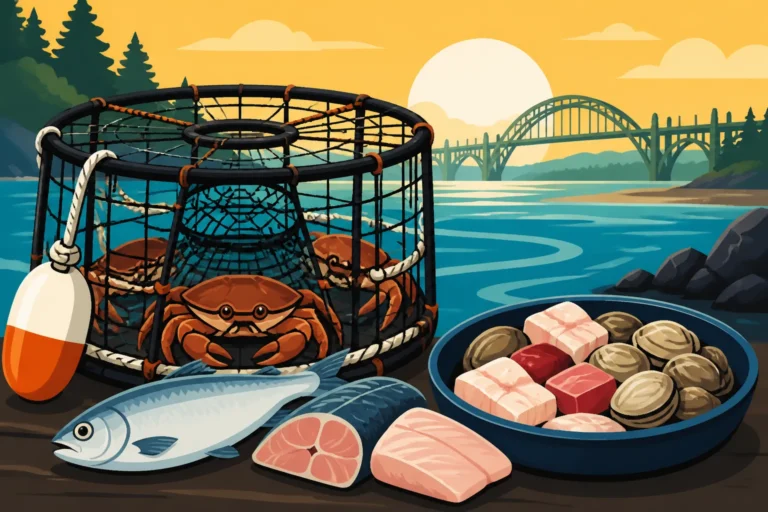
The Oregon Coast offers fantastic spring opportunities beyond just finfish. Crabbing for Dungeness crab in estuaries like Yaquina Bay, Tillamook Bay, and Coos Bay remains strong in the spring, especially after winter storms have settled. While the commercial season often closes, recreational crabbing can still be excellent, offering a delicious reward for your efforts. Remember to check the recreational crabbing regulations for size and bag limits, and whether you need a separate Oregon Shellfish License.
Beyond crabbing, many coastal bays and estuaries provide productive fishing for a variety of species. Surfperch fishing from the beaches picks up as waters warm, offering consistent action for anglers casting from the sand. Inside the bays, you can often find resident species like bottomfish and even some early salmon, depending on the year. Spring is also a great time to explore the vast network of jetties and docks along the coast for rockfish or even some early lingcod, provided ocean conditions allow.
Summer Fishing: Abundance Under the Sun
Summer in Oregon is a glorious time, and the fishing opportunities explode as the weather settles, days stretch long, and water temperatures hit their sweet spot for many species. From the high mountain lakes to the vast Pacific Ocean, there's an adventure waiting for every type of angler. This is arguably the busiest and most diverse season, offering a chance to target a wide array of fish.
Summer Steelhead and Sockeye Adventures
As spring gives way to summer, the focus for many river anglers shifts to summer steelhead. These acrobatic fish enter rivers like the Deschutes, Rogue, and Umpqua throughout the warmer months, providing thrilling battles on lighter tackle. Unlike their winter counterparts, summer steelhead often hold in faster, oxygenated water, making for an exciting challenge whether you're fly-fishing, drift fishing, or using traditional gear. Learning How to Fish for Summer Steelhead on the Deschutes can be a rite of passage for many anglers. The peak of the summer steelhead runs often falls in July and August, when conditions are generally stable and the fish are aggressive.
Beyond steelhead, some of Oregon's unique sockeye salmon runs also occur in summer. Lake Wenaha and the Deschutes River below Pelton Park are known for their sockeye, offering a distinct fishing experience. Sockeye are beautiful, hard-fighting fish, though often smaller than Chinook. Their seasons are typically short and highly regulated, so anglers need to be vigilant about specific opening dates and bag limits.
Offshore Halibut and Tuna Hunts
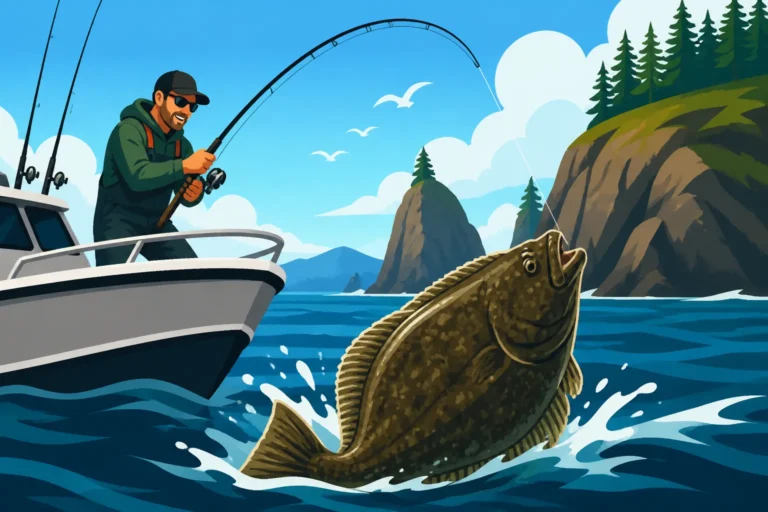
For the adventurous angler, summer is prime time for offshore fishing in the Pacific. The highly anticipated Pacific halibut season often opens with a flurry of activity in May and June, continuing sporadically into July or August depending on federal quotas. These flatfish are massive and delicious, providing an incredible fight and an even better meal. Booking a Newport Oregon Fishing Charters trip early is essential, as these seasons can be short-lived. Checking current ODFW and NOAA announcements for specific open days and depth restrictions is non-negotiable for halibut.
As mid-summer arrives, usually from July through September, the warm blue water pushes closer to the Oregon coast, bringing with it albacore tuna. These torpedo-shaped speedsters offer exhilarating, fast-paced fishing often 20-60 miles offshore. Tuna fishing is a high-energy pursuit, often involving trolling multiple lines and then jigging once a school is located. Albacore Tuna Fishing Season can be incredibly productive, yielding coolers full of fresh, sashimi-grade fish. This often requires specialized gear and boats capable of venturing far offshore, making guided trips a popular option for many.
Warmwater Bass and Panfish Galore
While salmon and steelhead grab headlines, summer is undeniably the peak season for warmwater species across Oregon. Largemouth and smallmouth bass are incredibly active in lakes and reservoirs like Tenmile Lakes, Fern Ridge Reservoir, and the John Day River, aggressively striking topwater lures, plastics, and crankbaits. The warmer water energizes these fish, and they become a fantastic target for both conventional and fly anglers seeking consistent action. For tips on targeting them, our Oregon Bass Fishing Guide is a great resource.
Panfish like crappie, bluegill, and yellow perch are also abundant and eager to bite in the summer, especially in the shallower, vegetated areas of ponds and reservoirs. This is fantastic fishing for kids and beginners, offering plenty of strikes on simple setups with worms, crickets, or small jigs. Places like Henry Hagg Lake and numerous small ponds across the Willamette Valley are teeming with these accessible fish. Summer is the perfect time to introduce new anglers to the sport, providing plenty of positive experiences and delicious fillets.
Fall Fishing: The Salmon Spectacle
As the vibrant greens of summer begin to yield to the golden hues of autumn, Oregon's fishing scene undergoes another dramatic transformation. Fall is synonymous with salmon – massive runs of Chinook and coho return to their natal rivers, drawing anglers from far and wide for what can be some of the most exciting and productive fishing of the year. Beyond the salmon spectacle, other opportunities abound, making fall a truly special time to be on the water.
Fall Chinook Dominance
The mighty fall Chinook salmon, often referred to as "kings," are the undisputed stars of the autumn fishing season. These colossal fish begin their migration in late summer, with peak runs occurring from September through October in the Columbia River, its tributaries, and many coastal rivers like the Rogue, Umpqua, and Tillamook. The sheer size and power of these fish are legendary, offering brutal fights that can test even the most experienced angler's tackle and resolve.
Fishing for fall Chinook is diverse, ranging from trolling in the lower Columbia River at places like Buoy 10, to back-trolling plugs or bait in larger coastal rivers, or even bobber-dogging in smaller, shallower systems. The competition can be intense, especially in popular spots, but the rewards are well worth it. Keeping an eye on the Fall Chinook Season Timing on the Columbia and other river-specific regulations is absolutely critical, as seasons are often managed with precise opening and closing dates and varying bag limits to ensure sustainable harvest.
Coho Salmon Runs
While fall Chinook grab much of the spotlight, coho salmon (also known as silvers) offer an equally thrilling, albeit often different, fishing experience during the fall. Coho typically enter Oregon's coastal rivers and the Columbia River system from September through November, often overlapping with the later stages of the Chinook run. These fish are known for their incredible acrobatics and aggressive strikes, making them a favorite among fly anglers and those who enjoy light-tackle battles.
Coho tend to be smaller than Chinook but are incredibly feisty, putting on aerial displays once hooked. They respond well to spinners, spoons, twitching jigs, and flies. Many coastal rivers, such as the Nestucca, Trask, and Alsea, become prime coho destinations. Regulations for coho can be quite specific, often differentiating between hatchery-fin-clipped fish and wild fish, with strict rules about retention. Always consult the Oregon Salmon Species Guide and the current ODFW regulations for the specific river you plan to fish to understand limits and wild fish restrictions.
Late Season Trout and Emerging Winter Steelhead
As fall progresses and water temperatures drop, trout fishing transitions. Many of the lower-elevation lakes and rivers that were warm in summer still offer good fishing for rainbow trout, especially in the early fall. Wild trout in larger river systems like the Deschutes and Metolius continue to feed actively before the cold of winter sets in, providing excellent opportunities for fly anglers. High mountain lakes, however, will begin to slow down and eventually freeze over, signaling the end of their accessible season.
Intriguingly, late fall also marks the earliest arrival of winter steelhead in some coastal rivers. While the main run is a winter affair, a few early fish might trickle into systems like the Nehalem or Wilson River by late November or early December, offering a tantalizing preview of the upcoming season. Anglers might find themselves targeting these early arrivals, often encountering them while still pursuing coho. This overlap adds another layer of excitement to the changing seasons.
Winter Fishing: Braving the Elements for Rewards
When the days grow short and the air bites with a crisp chill, many anglers might pack away their gear. But for a dedicated few, winter in Oregon offers some of the most unique and rewarding fishing experiences of the year. It's a season that demands resilience, proper preparation, and a willingness to brave the elements, but the rewards—especially the prized winter steelhead—can be truly legendary. Don't let the cold deter you; some of Oregon's best fisheries are thriving when others are dormant.
The Thrill of Winter Steelhead
Without a doubt, winter steelhead are the undisputed champions of Oregon's cold-weather fishing scene. These magnificent sea-run rainbow trout begin to enter coastal rivers and tributaries of the Columbia in late fall, with the peak of the runs typically occurring from December through March. Rivers like the Wilson, Nestucca, Siletz, and Trask on the Oregon Coast, along with various tributaries of the Columbia, become hallowed grounds for steelhead anglers.
Winter steelhead fishing is not for the faint of heart. It often involves fishing in cold, rainy, and sometimes snowy conditions, requiring proper waterproof gear and a good dose of determination. Techniques range from drift fishing bait or jigs under a float, to pulling plugs, or swinging flies. These fish are powerful, aggressive, and can offer a fight that will warm you from the inside out. For an in-depth guide on how to approach this challenging but incredibly rewarding fishery, explore How to Fish for Winter Steelhead on the Oregon Coast. The sheer beauty of a chrome-bright winter steelhead in a misty, rain-swept river is an experience every serious Oregon angler should seek.
Bottomfishing and Shellfishing Opportunities
While river fishing for steelhead dominates the winter narrative, the Oregon Coast remains a vibrant destination for other cold-weather pursuits. When ocean conditions allow for safe passage, bottomfishing charters continue to target lingcod and various species of rockfish. These durable fish are available year-round and can provide excellent action and delicious fillets, even in the colder months. Many anglers find the slower pace of winter bottomfishing a refreshing change, and with fewer boats on the water, you often get more elbow room. Popular departure points include Depoe Bay, Newport, and Garibaldi.
Winter is also a prime time for shellfishing, especially Dungeness crab. The quality of crab meat is often at its peak in the colder months, making it a fantastic opportunity to pull pots in estuaries or brave the ocean if conditions are calm. Razor clamming on the coast can also be excellent during winter low tides, though always check for marine biotoxin closures before heading out. Remember that a specific Oregon Shellfish License is required for these activities.
Ice Fishing in Select Locations
For those who truly embrace the cold, Oregon offers limited but exciting ice fishing opportunities in specific high-elevation lakes in the eastern Cascades and other mountainous regions. Lakes like Fish Lake near Ashland, Wolf Creek Reservoir, and some small high lakes, when they freeze over sufficiently, can provide access to rainbow trout, brook trout, and even some kokanee. Ice fishing is a unique experience, allowing anglers to target fish through holes drilled in the ice.
This isn't a widespread activity in Oregon like it is in some other states, and it requires extreme caution. Always check ice thickness before venturing out, and be aware of changing conditions. Safety gear, including ice picks and a throw rope, is essential. While specific dates are entirely dependent on freezing conditions, these opportunities typically arise in January and February. It's a niche but incredibly rewarding way to extend your fishing season deep into winter.
Essential Tools for Staying Up-to-Date
Oregon's fishing regulations are a living, breathing document. They change frequently due to biological data, environmental factors, and management decisions. Relying on outdated information is a sure-fire way to end up with a fine or, worse, inadvertently harm a fragile fish population. Staying current with the rules is not just a recommendation; it's a responsibility for every angler.
The ODFW Regulation Book and Website
Your absolute primary source for accurate and up-to-date fishing regulations is the Oregon Department of Fish and Wildlife (ODFW). They publish a comprehensive annual fishing regulation book, which is available both in print at license vendors (like Bi-Mart or independent tackle shops) and as a free digital download on their website. This book is your bible, detailing general statewide regulations, then breaking down specific rules by zone and individual water body.
However, even the annual book can become outdated quickly. That's why the ODFW website is your second, equally critical resource. They maintain an "Emergency Closures and Regulation Updates" page that is updated in real-time. This is where you'll find announcements about early season closures, unexpected openings, temporary rule changes, and marine biotoxin alerts for shellfish. Before every single fishing trip, especially for seasonal species, you should check this page. It can literally save your day or prevent a violation. While the printed guide is excellent for understanding the baseline rules, the website is your go-to for checking the most current, dynamic information. You can often find a current PDF of the full Oregon Fishing Regulations Explained there, too.
Local Knowledge and Online Forums
While official sources are paramount, don't underestimate the value of local knowledge. Chatting with staff at local bait and tackle shops can provide invaluable, real-time insights into fishing conditions, what's biting, and any subtle regulation nuances that might not be immediately obvious in print. These folks are on the water or talking to anglers every day and often have a finger on the pulse of the local fishery. They can also recommend the right bait or lure for current conditions – sometimes even pointing you to specific items on their shelves or on an online marketplace like Amazon.
Online fishing forums and social media groups dedicated to Oregon fishing can also be a good supplementary source of information. While you should always cross-reference any regulation claims with official ODFW sources, these communities can offer tips on where fish are currently being caught, what techniques are working, and general reports on water levels or access issues. Just be discerning with the information you get from forums, as not everyone is an expert, and misinformation can spread. Still, for getting a general feel for current conditions and what other anglers are experiencing, they can be quite useful.
Embracing the Dynamic Nature of Seasons
Ultimately, the most important tool for staying up-to-date is a flexible mindset. Oregon's fishing seasons are not static; they are dynamic, responsive to nature's whims and the best available science. Fish runs can be stronger or weaker than predicted, ocean conditions can shift, and environmental concerns can arise, all leading to rapid adjustments in regulations.
Anglers who understand and embrace this dynamic nature are often the most successful and least frustrated. Instead of setting your heart on one specific trip for one specific species on one specific date, try to have a backup plan. Be willing to pivot if a salmon season closes early or if a river blows out. Develop an interest in multiple species and techniques. This adaptability, combined with diligent checking of official ODFW resources and a bit of local intelligence, will ensure you're always fishing legally, safely, and with the best chances of success. It's an ongoing learning process, but that's part of the adventure!
Planning Your Oregon Fishing Calendar
With such a rich tapestry of fishing opportunities, planning your Oregon fishing calendar can be an exciting, albeit complex, endeavor. It’s not just about knowing when fish are around, but aligning those opportunities with your availability, preferences, and available gear. A well-planned approach can minimize frustration and maximize your time on the water, ensuring every trip is as rewarding as possible.
Matching Species to Your Schedule
The first step in planning your year is to identify your target species and match them with their peak seasons and your personal schedule. Do you dream of battling a spring Chinook on the Columbia? Then you'll need to earmark March-May. Is a serene day of fly-fishing for summer steelhead on the Deschutes more your style? Plan for July-September. Perhaps you're keen on the explosive action of offshore tuna? That's typically a mid-to-late summer affair.
Consider the time of year you have available for fishing. If you're limited to summer vacations, focus on species that thrive in warmer months, like bass, panfish, summer steelhead, halibut, and tuna. If you're a hardy angler who loves solitude, the winter steelhead season might be perfect for you. Don't forget that many species, like various trout and warmwater fish, offer longer or even year-round seasons, providing excellent fallback options when highly migratory species are out of season or regulations are tight. For example, if you miss the salmon run, you can always pivot to finding the Best Places to Fish in Oregon for trout or bass.
Here's a simplified overview of prime seasons for key Oregon species:
| Species | General Peak Season | Primary Locations | Notes |
|---|---|---|---|
| Spring Chinook Salmon | March – May | Columbia, Willamette Rivers | Highly prized, challenging. |
| Summer Steelhead | June – September | Deschutes, Rogue, Umpqua Rivers | Acrobatic, popular for fly fishing. |
| Fall Chinook Salmon | August – October | Columbia, Coastal Rivers (Rogue, Umpqua, etc.) | Large, powerful fish. |
| Coho Salmon | September – November | Coastal Rivers, Columbia River | Feisty, often overlap with Fall Chinook. |
| Winter Steelhead | December – March | Coastal Rivers (Wilson, Nestucca, etc.) | Challenging, cold-weather pursuit. |
| Rainbow/Cutthroat Trout | April – October | Stocked Lakes, Rivers (statewide) | Varies by elevation; year-round in some. |
| Kokanee Salmon | May – September | Wallowa, Billy Chinook, Detroit Lakes | Fun for trolling, smaller salmon. |
| Smallmouth Bass | May – October | John Day River, Owyhee, Columbia River | Aggressive, warmwater favorite. |
| Largemouth Bass | May – September | Lakes & Reservoirs (Tenmile, Fern Ridge, etc.) | Ambush predators, fun on topwater. |
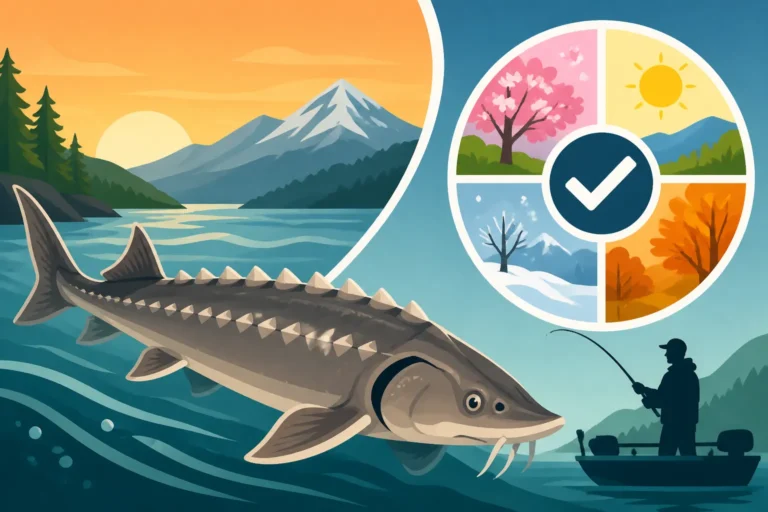
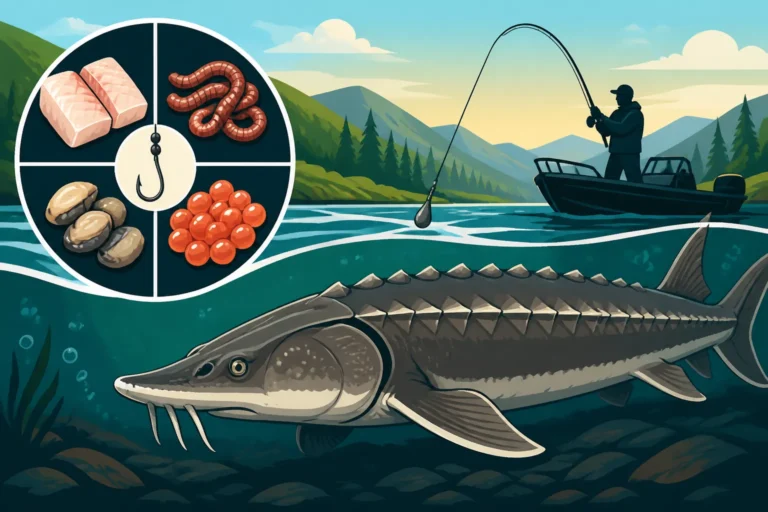
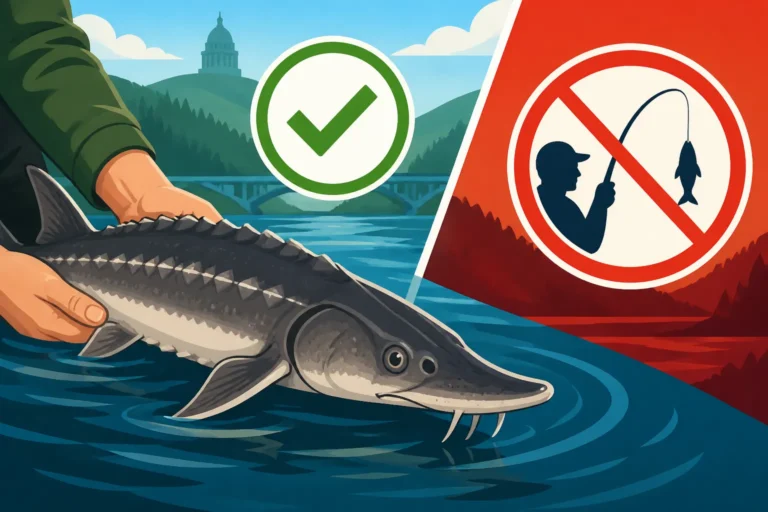
| White Sturgeon | Year-round (C&R mostly) | Columbia, Willamette Rivers | Huge fish, retention highly regulated. |
| Pacific Halibut | May – August (limited) | Offshore Pacific Ocean | Deepwater, highly sought after, short seasons. |
| Albacore Tuna | July – September | Offshore Pacific Ocean | Fast-paced, blue-water action. |
| Lingcod & Rockfish | Year-round | Offshore Pacific Ocean, Jetties | Consistent bottomfishing. |
| Dungeness Crab | Year-round (recreational) | Coastal Estuaries (Tillamook, Yaquina, etc.) | Best in colder months. |
Note: This table provides general guidance. Always consult current ODFW regulations for specific dates, zones, and limits.
Gear Considerations for Each Season
Just as the seasons change, so too does the optimal gear. You wouldn't bring a lightweight trout rod to battle an offshore tuna, nor would you need heavy salmon gear for panfish in a pond. Thinking about the gear you'll need for each season can help you budget and prepare.
For spring Chinook, you might need heavy-duty rods, stout reels, and strong line for trolling or anchor fishing. Summer steelhead, especially if fly-fishing on the Deschutes, calls for lighter fly rods and specific fly patterns. Fall salmon might involve durable baitcasting or spinning setups for casting spinners or pulling plugs. Winter steelhead demands warm, waterproof clothing, waders, and sensitive rods for detecting subtle bites in cold water. Offshore trips, whether for halibut or tuna, require specialized deep-sea gear, often provided by charter services.
Consider multi-purpose gear where possible to save on costs, but don't shy away from investing in quality specialized equipment for your preferred target species. For instance, a good pair of waterproof waders and a rain jacket from brands like Simms or Patagonia will serve you well through spring, fall, and winter for river fishing. Basic spinning setups for trout and panfish can be found affordably, even on Amazon, making them accessible additions to any angler's arsenal.
Flexibility is Your Friend
Perhaps the most crucial advice for planning your Oregon fishing calendar is to embrace flexibility. Mother Nature doesn't read the rulebook, and fish don't always adhere to strict schedules. Emergency closures due to low water, high water temperatures, or conservation concerns are a reality. Ocean conditions can prevent offshore trips, and unexpected weather fronts can make even river fishing miserable.
By being flexible, you're less likely to be disappointed. Have a backup plan. If your planned spring Chinook trip is hampered by high water, maybe pivot to a stocked trout lake or look for smallmouth bass on the John Day. If ocean halibut season closes early, consider a bottomfishing trip for lingcod and rockfish. Develop a diverse set of interests, and the fishing opportunities in Oregon will never truly run dry. Stay informed by checking the ODFW website frequently, talk to local experts, and always be ready to adapt your plans to make the most of what Oregon's incredible waters have to offer throughout the year. Remember, fishing is an adventure, and sometimes the best adventures are the ones you didn't quite plan for.
Disclaimer
The information provided in this guide is for general informational purposes only and is not intended to be a substitute for current official regulations. Fishing seasons, bag limits, and specific rules for Oregon are subject to change by the Oregon Department of Fish and Wildlife (ODFW) at any time. It is the responsibility of every angler to consult the most current ODFW fishing regulations, emergency updates, and any applicable federal rules before engaging in any fishing activity. Always fish safely, ethically, and legally.