Oregon Halibut Tag Requirements
Oh, the sheer joy of planning an Oregon fishing trip! You’ve got your gear ready, maybe even picked out that perfect spot on the coast, but then you hit the wall of regulations. It can feel like navigating a maze, especially when it comes to understanding all the specific tags and endorsements. One area that often trips folks up is the Oregon halibut tag. It's not just a "nice to have," it's a critical piece of the puzzle for anyone hoping to land one of these magnificent flatfish. This guide is here to break down exactly what you need to know about Oregon halibut tag requirements, ensuring your next halibut adventure is legal and stress-free.
Understanding Oregon's Halibut Tag System
Fishing for Pacific halibut in Oregon is a truly incredible experience, but it comes with its own set of rules, primarily designed to protect this prized species and ensure sustainable fishing for generations to come. The separate halibut tag is a cornerstone of this management strategy. Without it, you’re not just risking a fine; you're also undermining the very efforts that keep halibut populations healthy.
Why a Separate Halibut Tag is Necessary
You might wonder why, after buying your general Oregon Fishing License Guide, you still need another specific tag just for halibut. It’s a valid question, and the answer lies deep in conservation and data collection. Halibut are a highly sought-after species, and their populations are carefully managed under international agreements and federal guidelines, then implemented by the Oregon Department of Fish and Wildlife (ODFW). A dedicated tag allows ODFW to track angler effort and harvest rates much more precisely. Think of it as a specialized permit for a limited resource.
This tag system isn't just about controlling how many fish are caught; it's also a vital tool for scientific research. When you purchase a halibut tag, that data contributes to understanding angler participation. When you clip or mark your tag upon catching a halibut, it helps biologists estimate the total harvest, cross-referencing it with other data points like creel surveys and charter logbooks. This holistic approach ensures that fishing opportunities can continue without overtaxing the resource. It’s a classic example of responsible fisheries management in action, making sure future generations can also enjoy the thrill of halibut fishing.
Distinguishing Between Tags and Endorsements
The world of Oregon fishing licenses can feel like a language all its own, with terms like "license," "tag," and "endorsement" thrown around. It’s easy to get them confused, so let’s clear it up. Your fishing license is your basic entry ticket – it allows you to fish in Oregon generally. For example, you might get an Oregon Annual Angling License. An endorsement is an add-on to your license that grants you permission to fish for certain species or in specific waters, often covering broader categories. A common one for ocean anglers is the Oregon Ocean Endorsement, which allows you to fish in marine waters for species like rockfish and lingcod.
A tag, on the other hand, is usually species-specific and often comes with a requirement to be marked or validated immediately upon harvest. It's a way to track individual fish caught and removed from the population. For halibut, this tag isn't just a piece of paper; it's what you physically alter to indicate you've harvested a halibut, tying directly to specific bag limits. You might have a Combined Angling Tag for salmon and steelhead, or a Sturgeon Tag for Columbia River sturgeon. Each tag serves a distinct purpose in monitoring specific fisheries that require closer management due to conservation concerns or intense fishing pressure. So, while your general angling license and ocean endorsement get you out on the water, the halibut tag specifically allows you to keep a halibut.
Who Needs an Oregon Halibut Tag?
When it comes to the Oregon halibut tag, the requirements are pretty straightforward, but it’s crucial to know who needs one and who might be exempt. Generally, if you plan on retaining any halibut you catch, you’ll need this tag. There are a few nuances depending on age and residency, which we'll explore.
Age Requirements for Halibut Tags
One of the great things about fishing in Oregon is the opportunity it provides for young anglers. However, when it comes to specific tags like the halibut tag, the rules can differ slightly from the general fishing license age requirements. In Oregon, children under the age of 12 typically do not need a fishing license, and often they don't need additional tags or endorsements for general fishing. This is a wonderful way to introduce kids to the sport without the barrier of extra costs.
However, for halibut, anyone aged 12 and older who intends to harvest a Pacific halibut must possess a valid Oregon fishing license and a separate Oregon halibut tag. This applies to all adult anglers, including seniors who might otherwise qualify for discounted licenses. There are no special age-based exemptions for the halibut tag itself. So, if you're taking your teenager out on the water and they're hoping to keep a halibut, make sure they have their license and the specific halibut tag ready to go. It’s all about teaching responsible harvesting from a young age, even if it means a little extra paperwork.
Resident vs. Non-Resident Requirements
The good news here is that the requirement for an Oregon halibut tag does not generally differentiate between residents and non-residents when it comes to needing the tag. If you're 12 years or older and want to keep a halibut, you need the tag, plain and simple. What does differ, however, is the cost of your underlying fishing license. Non-residents typically pay a higher fee for their general Oregon Nonresident Fishing License Cost compared to residents.
Once you have that foundational license, the halibut tag itself usually has a single, flat fee, regardless of your residency status. This uniformity helps streamline the management process, ensuring that every harvested halibut is accounted for in the same way, whether it’s caught by a local from Newport or a visitor from out of state. It also means that non-residents visiting for a week-long trip, for instance, still need to ensure they cover all their bases, including both a valid non-resident angling license and the specific halibut tag, to avoid any issues with Oregon's fishing regulations. It’s always best to check the current ODFW regulations before your trip, as fees and rules can sometimes change.
How to Acquire Your Oregon Halibut Tag
Getting your Oregon halibut tag is a fairly straightforward process, designed to be accessible whether you prefer to handle things digitally or in person. The key is to make sure you have it before you head out on the water, because you certainly don’t want to be caught without it when that prized halibut bites.
Online Purchase Process
In today’s digital age, buying your Oregon halibut tag online is probably the most convenient option for most anglers. The Oregon Department of Fish and Wildlife (ODFW) manages its licensing system through an online portal, making it easy to purchase your general angling license, endorsements, and specific tags from the comfort of your home. You'll typically navigate to the ODFW licensing page, create an account if you don't already have one (or log in with your existing ODFW ID), and then select the appropriate license and halibut tag.
The beauty of the online system is that you often receive an immediate confirmation and a printable document. This means you can get your license and tags, print them out, and be ready to fish in a matter of minutes, perfect for those last-minute trip decisions. Some anglers even save a digital copy on their phone, which is generally accepted as proof of license, though it's always wise to have a physical copy too, especially in areas with poor cell service or if your phone battery dies. Just be sure to double-check all your information before finalizing the purchase, ensuring your name, address, and ODFW ID are accurate. The process for How to Renew an Oregon Fishing License Online is similar, allowing for seamless annual updates.
In-Person Purchase Locations
For those who prefer a more traditional approach, or if you find yourself needing a tag while on the road, you can still purchase your Oregon halibut tag at numerous in-person locations across the state. ODFW partners with a wide network of license agents, which include many sporting goods stores, bait shops, and even some general merchandise retailers. These locations are equipped to handle license sales and can print out your official documents on the spot.
Local tackle shops are often fantastic resources, not just for licenses and tags, but also for up-to-the-minute fishing reports and local knowledge. You can often find your halibut tag at major retailers like Bi-Mart and Fred Meyer, as well as independent sporting goods stores. To find a location nearest to you, it's a good idea to check the ODFW website for their list of authorized Where to Buy an Oregon Fishing License agents. When purchasing in person, you'll need to provide some identification, usually a driver's license or state ID, and be prepared to provide your ODFW ID if you have one already. The staff can guide you through the process, ensuring you get exactly what you need for your halibut adventure.
Required Information for Purchase
Whether you're buying your Oregon halibut tag online or in person, you’ll need to provide some essential information to complete the transaction. This is standard procedure and helps ODFW maintain accurate records and manage fisheries effectively. The primary piece of information you'll need is proof of identity. For Oregon residents, this typically means a valid Oregon driver’s license or state ID. Non-residents will need a valid driver’s license or ID from their home state or country.
Beyond basic identification, you'll usually be asked for your mailing address, phone number, and email address. Most importantly, if you've purchased an Oregon fishing license before, you will likely have an ODFW ID number. Having this number handy speeds up the process significantly, as it links all your previous license and tag purchases to a single profile. If you don't have an ODFW ID, one will be created for you during your first purchase. It's also worth noting that if you’re purchasing for a youth angler who is 12 or older, you’ll need their personal information as well, as the tag must be issued in their name. Double-checking all details ensures a smooth purchase and prevents any hiccups down the line when you're ready to hit the water.
Cost and Validity of the Oregon Halibut Tag
Understanding the financial aspect and the lifespan of your Oregon halibut tag is just as important as knowing where to get it. Nobody wants unexpected costs or to find their tag expired right when the bite is hot. Let’s break down what you can expect in terms of price and how long your tag will remain valid.
Current Halibut Tag Price Breakdown
The cost of an Oregon halibut tag is an additional fee on top of your general fishing license and any other endorsements you might need. These costs are subject to change, as ODFW occasionally adjusts fees to cover administrative costs, fund conservation programs, or reflect economic shifts. As of my last check, a specific halibut tag usually runs a relatively modest fee, often in the range of $10 to $20. This fee is typically consistent for both residents and non-residents, as the primary variable in cost usually lies with the base angling license.
It’s important to remember that this tag is for halibut only. If you’re planning on targeting other species that require tags, such as salmon or steelhead, you’ll need separate tags for those as well. For anglers looking to get a comprehensive view of all potential costs, including various licenses and tags, you might want to review resources like "How much does a full year of Oregon fishing cost with all tags". Budgeting for your halibut tag is a small price to pay for the privilege of pursuing these incredible fish and contributing to their sustainable management.
Expiration and Renewal Information
Like most Oregon fishing licenses and tags, the halibut tag is issued on an annual basis. This means it typically follows a standard licensing year, which for Oregon fishing licenses runs from January 1st to December 31st. So, if you purchase a halibut tag in, say, July, it will still expire on December 31st of that same year, not 12 months from your purchase date. This is a common point of confusion for many anglers, so it's vital to be aware of the calendar year expiration.
When the new year rolls around, you’ll need to purchase a new halibut tag if you plan to continue fishing for and retaining halibut. ODFW often sends out reminders for license renewals, especially if you’re signed up for their email notifications. However, it's ultimately your responsibility to ensure your license and all required tags are current. Planning ahead and renewing at the start of the year (or just before your first halibut trip) will save you any last-minute scramble. Checking the expiration date on your current license is a good habit to get into, ensuring you're always compliant with state regulations.
Here's a quick overview table for clarity:
| Item | Who Needs It | Typical Validity | Current Approx. Cost | Notes |
|---|---|---|---|---|
| Oregon Angling License | All anglers 12+ | Calendar Year (Jan 1 – Dec 31) | $44 (Resident), $110 (Non-Resident) | Required for all fishing |
| Oregon Ocean Endorsement | All anglers 12+ fishing in marine waters | Calendar Year (Jan 1 – Dec 31) | $10 | Required for ocean fishing, including halibut |
| Oregon Halibut Tag | All anglers 12+ retaining halibut | Calendar Year (Jan 1 – Dec 31) | $10 – $20 | Specific to keeping halibut |
Note: Costs are approximate and subject to change by ODFW. Always verify current fees on the official ODFW website.
Halibut Tag Regulations and Usage
Having the tag is one thing; knowing how to properly use it is another. Oregon’s regulations on halibut tags are in place to ensure fair chase, accurate data collection, and conservation. Misusing or failing to properly validate your tag can lead to serious consequences, even if it’s an honest mistake.
How to Properly Use and Mark Your Halibut Tag
The moment you decide to retain a legal-sized halibut, your tag goes from a piece of paper to an active part of the regulatory process. The specific instructions for marking your halibut tag will be printed directly on the tag itself or accompany it. Generally, this involves immediately notching, punching, or otherwise invalidating a specific portion of the tag to indicate the harvest. This acts as an instant record of your catch and prevents the tag from being used again for another halibut.
For instance, your tag might have spaces for you to write the date and time of catch, or simply a designated area to punch out once a halibut is kept. The key word here is "immediately." This means as soon as the fish is brought aboard and you decide to keep it, the tag must be marked. Don't wait until you get back to the dock, or even worse, back to shore. This immediate validation is crucial for enforcement and helps prevent any confusion or attempts at "double-tagging." It's part of the responsible angling ethic that Oregon promotes, ensuring every fish kept is accounted for.
Specific Fisheries Requiring the Tag
The Oregon halibut tag is specifically required for all recreational fisheries where Pacific halibut are retained. This covers a wide range of fishing scenarios, from deep-water ocean bottom fishing trips out of coastal ports like Newport or Astoria, to more nearshore angling if regulations allow. Essentially, if you're targeting halibut in Oregon's marine waters, and you intend to keep one, you'll need the tag.
This requirement doesn't change based on your method of fishing – whether you're on a private boat, a guided charter, or even shore fishing (though catching halibut from shore is rare due to their deep-water habitat). The tag is tied to the fish, not the fishing method or location within the designated halibut fishing grounds. It's a universal requirement for the species. Always consult the current Oregon Fishing Regulations Explained booklet or the ODFW website, especially for the specific Oregon Halibut Tag Requirements for ocean fishing, as regulations can be highly specific and change seasonally.
Consequences of Not Having a Valid Tag
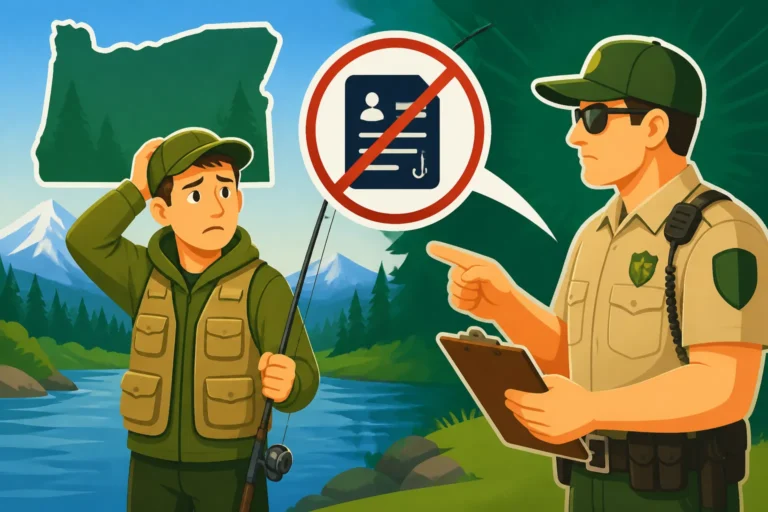
Fishing without the proper license, endorsement, or tag in Oregon can lead to a host of unpleasant consequences, ranging from fines to loss of fishing privileges. If a game warden checks your catch and finds you've retained a halibut without a valid, properly marked tag, you could be cited for a violation. The penalties for such infractions are not minor and are designed to deter illegal harvesting.
Depending on the severity and specific circumstances, you could face significant monetary fines, forfeiture of your catch, and even the confiscation of your fishing gear. Repeat offenses or more serious violations can lead to suspension or revocation of your fishing license for a period of time, meaning you won’t be able to fish at all. No one wants their fishing trip ruined by a run-in with law enforcement, so the simplest advice is always to be prepared. Ensure you understand all Oregon Fishing Violations and Penalties and double-check that your license, ocean endorsement, and halibut tag are all current and properly validated before you even leave the dock. It’s better to be overly cautious than to face a hefty fine.
Important Considerations Beyond the Tag
While the halibut tag is a critical piece of the puzzle, it's just one part of the overall regulatory framework for halibut fishing in Oregon. To have a successful and compliant trip, you'll need to be aware of several other interconnected regulations and best practices.
Halibut Season Dates and Bag Limits
Having your halibut tag is step one, but knowing when you can actually fish for halibut and how many you can keep is equally vital. Pacific halibut seasons in Oregon are notoriously complex and can change frequently. They are managed under a quota system, meaning the season is often set in specific "all-depth" and "nearshore" periods, and can close suddenly once the quota is met. These seasons are generally short and often limited to certain days of the week. This variability makes planning a halibut trip both exciting and a bit challenging.
Bag limits are also strictly enforced. Typically, the daily bag limit for Pacific halibut is one fish per angler, but even this can change. There might also be possession limits (how many you can have in your cooler or at home) and even size restrictions (minimum or maximum lengths). It's absolutely crucial to consult the current Oregon Fishing Season Dates and Limits and specific halibut regulations issued by ODFW, often published online as "Recreational Halibut Seasons" updates. These updates will tell you exactly when and where you can fish, as well as the current bag and size limits. A good habit is to check for updates right before your trip, as closures can happen on short notice if the quota is reached earlier than expected.
Required Gear for Halibut Fishing
Beyond the paperwork, the gear you use for halibut fishing can also be subject to regulations, though these are more about method than specific tackle. Halibut are typically targeted using bait or artificial lures, fished on or near the bottom in deep water. Common rigs involve heavy sinkers, stout fishing rods and reels capable of handling large, powerful fish, and strong line. While specific brands aren't mandated, having reliable equipment is essential for ethical fishing. For example, some anglers prefer to source their heavy-duty line or specialized hooks from online retailers like Amazon due to selection and convenience, though any reputable tackle shop will carry what you need.
What is often regulated are things like the number of hooks per line or the use of certain types of gear. For instance, in some fisheries, barbless hooks may be required, or certain types of gear may be prohibited to reduce bycatch or harm to non-target species. While less common for halibut, it’s always wise to skim the "General Marine Regulations" section in the ODFW booklet to ensure your setup is compliant. Ensuring you have the correct gear also means you’re prepared to land the fish quickly and safely, minimizing stress on the fish if it needs to be released, or ensuring a clean harvest if it’s a keeper.
Catch Reporting Requirements
The halibut tag itself acts as an immediate form of catch reporting upon harvest, but in Oregon, there are often additional requirements for reporting your catch, especially for certain species. For many salmon and steelhead fisheries, anglers are required to fill out a "catch record card" which must then be returned to ODFW at the end of the year. This provides a more comprehensive dataset for management. While the halibut tag takes care of the immediate "keep" record, always check if any additional reporting is needed for Pacific Halibut off Oregon.
Sometimes, for species like halibut that are managed under strict quotas, voluntary or mandatory dockside surveys might be conducted by ODFW staff at major coastal ports. If you’re approached by a creel census taker, cooperating with them is incredibly helpful. The information they collect – like how long you fished, where you fished, and what you caught (or didn't catch) – is vital for assessing the health of the fishery and making informed decisions about future seasons. Your active participation in these reporting efforts, whether through tags or surveys, directly contributes to the sustainability of Oregon's recreational halibut fishery.
Frequently Asked Questions About Oregon Halibut Tags
It's natural to have questions when dealing with specific fishing regulations. Here are some common queries that pop up about Oregon halibut tags, aimed at clearing up any lingering confusion.
Can I transfer my halibut tag to someone else?
No, absolutely not. Oregon fishing licenses and all associated tags, including the halibut tag, are strictly non-transferable. They are issued to a specific individual and are valid only for that person. Think of it like a driver's license; you can't hand it over to someone else to use.
The ODFW ID system ensures that each license and tag is linked to a unique angler. Attempting to transfer or use someone else's halibut tag is a serious violation and could lead to fines, confiscation of gear, and loss of fishing privileges for both parties involved. Each angler aged 12 and older who intends to keep a halibut must purchase their own valid angling license, ocean endorsement, and halibut tag. It’s all part of ensuring accountability and accurate harvest data.
What if I lose my halibut tag?
Losing a fishing license or tag is a real bummer, and it happens to the best of us. The good news is that if you lose your Oregon halibut tag (or any other tag or license), you can usually replace it. You'll need to contact ODFW directly or visit an authorized license agent. There will likely be a small fee for a duplicate, but it's a small price to pay to avoid a violation.
When you request a replacement, the original tag will be invalidated in the ODFW system. This prevents anyone from using a "found" tag. It's a good idea to keep a record of your ODFW ID number and perhaps even a photocopy or digital image of your purchased licenses and tags. This can make the replacement process quicker and smoother. The key is to address the loss before you go fishing again, as fishing without a valid tag, even if it was lost, still puts you at risk of a citation.
Is a tag needed for catch-and-release halibut fishing?
This is a common and excellent question. If your intention is strictly catch-and-release for halibut, you do not need a halibut tag. The halibut tag is specifically required only if you plan to retain (keep) a halibut. This aligns with the tag's primary purpose: to track harvested fish against the overall quota and for conservation efforts.
However, even if you are strictly catch-and-release, you still need a valid Oregon angling license and the Oregon Ocean Endorsement to legally fish for halibut in marine waters. These are your foundational permits. When practicing catch-and-release, it's also crucial to use proper techniques to ensure the fish has the best chance of survival. This includes minimizing fight time, handling the fish gently, and releasing it quickly. Just because you don't need the tag doesn't mean you shouldn't be a responsible angler.
How to Check for Emergency Halibut Closures
Given the dynamic nature of halibut seasons in Oregon, staying informed about potential emergency closures is absolutely critical. Halibut seasons are quota-driven, and if the recreational quota is met ahead of schedule, ODFW can and will close the season early, sometimes with very little notice. This can be frustrating if you've planned a trip, but it's essential for conservation.
The best way to check for current regulations and potential emergency closures is to visit the official ODFW website, specifically their recreational marine zone pages and news releases. They often update these pages daily or weekly during active seasons. You can also sign up for ODFW's email or text alerts, which will notify you directly of significant regulation changes or closures. Finally, local bait shops and charter operators are often excellent sources of up-to-the-minute information. Always check before you leave the dock, as fishing during a closed season, even inadvertently, can lead to serious penalties. Checking "How to check Oregon emergency fishing closures" could save your trip!
Disclaimer
Please remember that fishing regulations, including those for Oregon halibut tags, can change. While this guide provides comprehensive information, it is your responsibility to consult the most current Oregon Department of Fish and Wildlife (ODFW) regulations before engaging in any fishing activities. Always refer to the official ODFW website or the latest printed regulation booklet for the most up-to-date and accurate information.