Best crab pot bait for Yaquina Bay
There's nothing quite like the anticipation of pulling up your crab pot, hoping for that satisfying weight and the tell-tale clicking of a Dungeness feast. But let's be real, often we haul up an empty pot or just a few small ones, and it's easy to feel like you've wasted your time and effort. The truth is, while location and timing are crucial, the bait you choose can make all the difference between a sparse catch and a full pot, especially when you're crabbing in a productive area like Yaquina Bay. This guide is all about helping you understand what makes a Dungeness crab tick and, more importantly, what bait will call them straight into your traps.
Decoding Dungeness Crab Appetites in Yaquina Bay
Before you even think about what to stuff into your bait cage, it's really helpful to understand what Dungeness crabs are looking for. They're not particularly picky eaters, which is good news for us, but they do have preferences influenced by their natural environment and innate drives. Think of it like trying to catch a human – while a stale cracker might work if they're starving, a delicious steak is going to be far more enticing!
The Dungeness Diet: What They Naturally Crave
Dungeness crabs are opportunistic scavengers and predators. Their natural diet in places like Yaquina Bay consists of a wide variety of marine life. They'll happily munch on small clams, marine worms, tiny fish, shrimp, and even other crustaceans. Essentially, anything that's dead or slow-moving and smells appealing is fair game. They've got a fantastic sense of smell, or rather, chemoreception, which allows them to detect even faint traces of food in the water. This is why strong, natural scents are key to attracting them from a distance.
When a crab is on the hunt, they're looking for that tell-tale plume of deliciousness drifting through the current. Imagine a perfectly cooked chicken leg or a fresh fish carcass slowly releasing its aroma into the water. To a Dungeness, that's like a neon sign flashing "free meal here!" They're not going to swim miles just for a hint of something, so the more potent and long-lasting the scent, the better your chances of drawing them in from surrounding areas. This understanding is foundational to choosing effective bait; you want something that mimics their natural food sources but with an amplified, irresistible scent.
Local Factors Influencing Bait Effectiveness in Yaquina Bay
Yaquina Bay, like any dynamic estuary, has its own unique characteristics that can affect how well your bait performs. Water temperature, salinity levels, and most importantly, current strength, all play a role in how far and effectively your bait's scent travels. Crabs are ectothermic, meaning their activity levels are directly tied to water temperature. Colder water generally means crabs are less active and their metabolism is slower, so they might not venture as far for a meal. Warmer water, within their comfortable range, often translates to more active, hungrier crabs.
Currents are perhaps the biggest factor. In Yaquina Bay, you'll experience strong tidal exchanges. A good current will disperse your bait's scent over a wide area, acting like a giant underwater dinner bell. However, too strong a current can strip bait away quickly or carry the scent so fast that crabs struggle to pinpoint the source. Conversely, in slack water, the scent might just hang around your pot without spreading far enough to attract crabs from a distance. It's a delicate balance, and knowing the tides and currents in Yaquina Bay Fishing Guide is crucial for proper pot placement and bait choice. Also, consider the seasonal variations; what works best in the peak summer crabbing season might not be as effective during a cooler, rainier fall when freshwater input changes salinity.
Top Contenders for Yaquina Bay Crab Pot Bait
Now that we've covered the basics of what makes a Dungeness crab tick, let's dive into the actual goodies you can put in your pots. There are a few tried-and-true classics that crabbers swear by, and some less common but highly effective options.
The Classic Favorites and Why They Work
When it comes to dependable crab bait, a few options consistently rise to the top for Yaquina Bay crabbers. These baits are popular for good reason: they're generally affordable, widely available, and most importantly, they work!
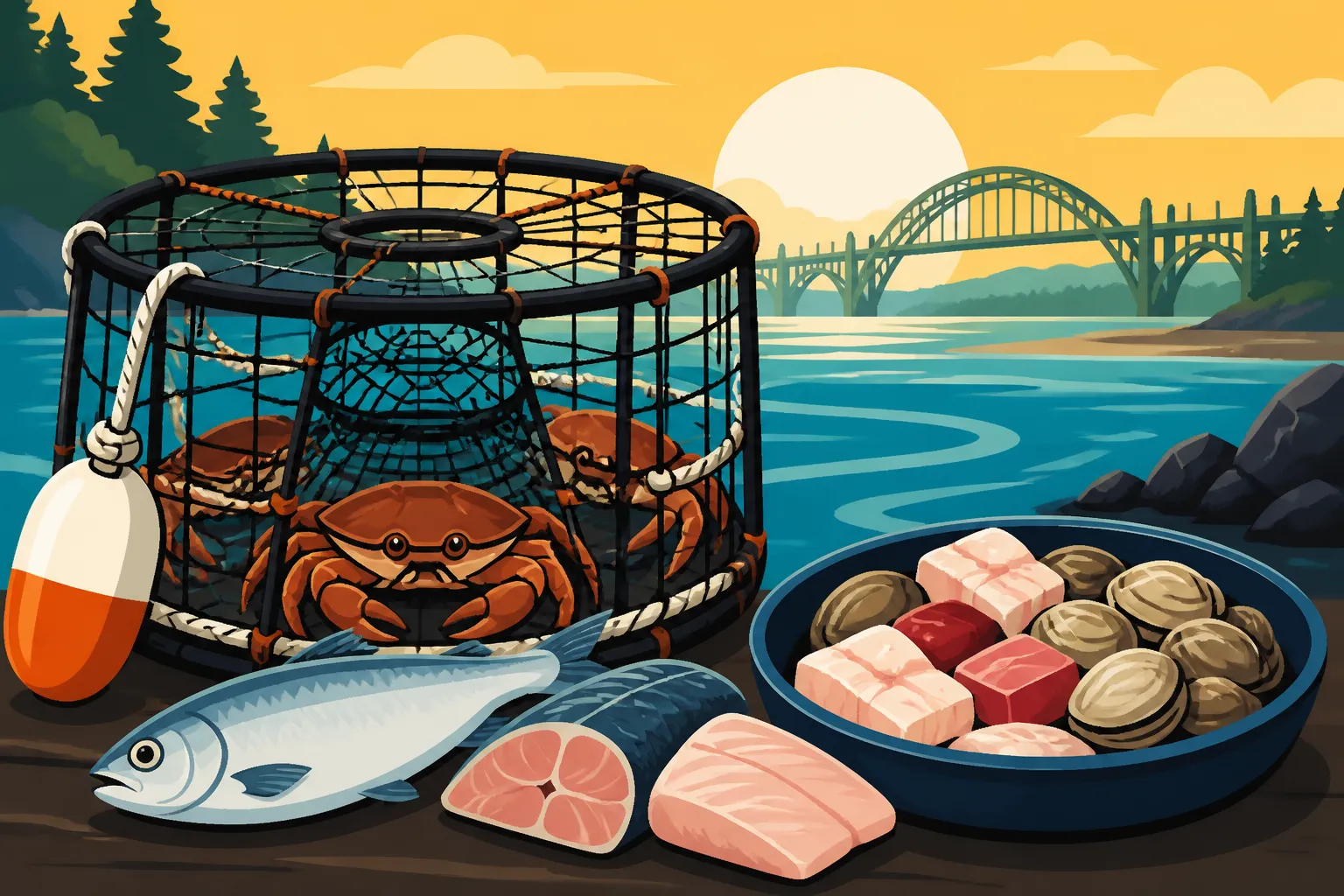
First up is chicken. Specifically, chicken legs, thighs, or even whole chicken carcasses are fantastic. They're cheap, you can often buy them in bulk, and they have a good, strong, somewhat oily scent that crabs love. A huge advantage of chicken is its durability. It holds up well in the water for hours, sometimes even a full day, without completely disintegrating, which is a major plus if you're leaving pots soak for extended periods. You can often find discounted chicken backs and necks at your local butcher or supermarket meat counter, making it an economical choice. Just be sure to secure it well within your bait cage so crabs can't easily tear off pieces and escape with them!
Next, we have fish carcasses. Salmon heads and frames are a particular favorite if you can get your hands on them, especially during salmon season. The natural oils and strong fishy scent are irresistible to crabs, mimicking a natural food source perfectly. Other oily fish like mackerel, herring, or even large rockfish carcasses also do very well. The downside to fish is that it can break down faster than chicken, especially in warmer water or strong currents, requiring more frequent checks if you want to keep the scent plume strong. However, its natural appeal often makes up for the shorter lifespan. For those looking to try their hand at more than just crabbing, exploring the Oregon Salmon Fishing Techniques or even a Newport Oregon Fishing Charters trip can provide you with excellent fresh bait options.
Finally, various other meat scraps like horse meat, beef liver, or even venison trimmings can be incredibly effective. These often have a very robust, long-lasting scent and are quite tough, meaning they'll stay in your bait cage without being picked apart too quickly. The challenge might be sourcing these in large quantities, but if you have access to them, they're definitely worth trying. The key with all these classic favorites is their potent scent and ability to withstand the relentless nibbling of crabs and other marine life.
Unexpected Power Baits and Smart Additions
While the classics are great, sometimes you want to give yourself an extra edge or have a backup plan. There are a few "power baits" and smart additions that can really boost your crabbing success in Yaquina Bay.
One fantastic, albeit sometimes harder-to-source, option is razor clams. If you're fortunate enough to have legally harvested some razor clams (always check current regulations on Oregon Shellfish License and seasons!), a few smashed razor clams in your bait cage can be an absolute magnet for Dungeness. Their natural scent is incredibly potent and highly attractive to crabs, who naturally feed on bivalves. The downside is that they are quickly devoured, so they often work best as an "accelerator" bait to get crabs into the pot quickly, perhaps in conjunction with a more durable primary bait.
Another excellent, often overlooked, bait is shad. These small, oily fish, common in rivers like the Willamette and Columbia during their runs, are incredibly pungent. You can often buy them frozen or catch them yourself. Their oily flesh releases a fantastic scent trail that crabs can't resist. Shad are a bit softer than some other fish, so securing them tightly in a mesh bait bag is crucial to prevent them from being stripped too quickly. They offer a unique scent profile that can sometimes outperform more common baits, especially if crabs in the area have become accustomed to certain smells.
For a surprisingly effective and convenient option, consider canned cat food. Yes, you read that right! The cheap, smelly, fish-based varieties in gelatinous gravy can be a crab magnet. The trick is to puncture the can a few times and place the whole can (or its contents in a bait cage) in your pot. The strong, artificial fishy odor is incredibly powerful, and the slow release of the liquid attractants can keep crabs interested for a long time. This is a particularly easy option if you're on a spontaneous trip and need a quick bait solution. You can even find specialized bait cages or mesh bags on platforms like Amazon that are perfect for holding such softer baits or punctured cans securely.
Finally, don't underestimate the power of scent enhancers or attractants. These often come in liquid, gel, or spray form and can be applied to your primary bait. Products with concentrated fish oils, amino acids, or other "crab candy" compounds can significantly boost the appeal of even a less potent bait. For example, adding a few squirts of an anchovy or herring oil to your chicken bait can give it that extra fishy punch that Dungeness crabs crave. You can find a wide variety of these specialized attractants available on Amazon or at local sporting goods stores. They're a fantastic way to experiment and find what really gets the crabs going in Yaquina Bay on any given day.
Maximizing Bait Effectiveness in Your Pots
It’s not just about what you use for bait, but also how you use it. Even the best bait in the world won’t do you much good if it’s not presented correctly or managed properly. Think of it like a restaurant – the food might be amazing, but if the service is terrible, you’re not coming back!
Bait Preparation and Placement Strategies
Getting your bait ready and secured in your pot is an art form. First and foremost, you absolutely need a good bait cage or bait bag within your crab pot. Never just toss loose bait into the pot. Crabs are remarkably clever and strong; they'll tear off pieces of bait and carry them out of the pot, meaning you'll attract them, but they won't stay for the trap. A sturdy bait cage, often made of plastic mesh or metal, prevents them from doing this. It allows the scent to leach out effectively while keeping the actual food source contained. Ensure your cage is securely fastened inside the pot so it doesn't float away or get dislodged by currents or hungry crabs.
When preparing your bait, aim for freshness that borders on slightly aged, but never truly rotten. Super fresh bait might not have released its full scent potential yet. A day or two in a cooler can help "ripen" some meats and fish, enhancing their aroma. However, truly rotten bait can deter crabs due to an overwhelming, off-putting smell, and it also breaks down too quickly. For chicken, you might even consider making a few cuts into the meat to expose more surface area, allowing more scent to disperse. For fish, ensure the guts are intact as they are a major source of attractive odors.
Consider a multi-bait approach. Sometimes, combining two or three different types of bait can create a more complex and irresistible scent profile. For example, place a durable chicken leg in your bait cage as the long-lasting foundation, and then add a few pieces of oily fish or a punctured can of cat food for a quicker, more intense scent burst. This gives you the best of both worlds: sustained attraction and immediate appeal. This strategy is especially useful if you're unsure of what the crabs are particularly keen on that day or if you're experimenting with different options to see what yields the best results.
Bait Management and Refreshing Your Pots
Crabbing isn't a "set it and forget it" activity, especially if you want consistent success. Regularly checking and re-baiting your pots is paramount. How often depends on a few factors: the type of bait you're using, the current strength, and how active the crabs are. If you're using softer, faster-decaying baits like fish or razor clams, you might need to check and refresh every 2-4 hours, especially if the current is strong. With more durable baits like chicken or horse meat, you might get away with 6-8 hours, but checking within that timeframe is always a good idea. Leaving pots for too long, say overnight with soft bait, can mean you end up with an empty cage and frustrated crabs that simply moved on.
What happens if your bait runs out? Well, the crabs that are already in your pot might eventually find their way out, and you certainly won't be attracting any new ones. Crabs are drawn by scent, and if the scent disappears, so does their incentive to enter (or stay in) your trap. It’s always better to have a fresh, strong scent plume continuously emanating from your pot. This is also where understanding Oregon Fishing Regulations Explained comes in handy, as there are rules about pot limits and tending times that you must adhere to.
Finally, a word on keeping your pots clean. While crabs are scavengers, a pot caked with old, moldy bait residue from previous outings can actually deter them. Before each crabbing trip, give your pots a good rinse, especially the bait cage. This ensures that the only scent attracting crabs is the fresh, delicious bait you've just put in, rather than a mix of old, potentially unappealing odors. A clean pot is a more inviting pot, and it signals to the crabs that there's a fresh meal to be had. This also extends to how you handle your gear; ensure your boat or dock area stays clean to avoid unpleasant smells that might attract unwanted pests.
Where to Source Your Winning Bait
Finding the right bait doesn't have to be a scavenger hunt of its own. Depending on what you're looking for, there are several reliable places to get what you need to fill your crab pots for Yaquina Bay.
Local Markets and Butcher Shops
For the freshest and often most economical bait options, your local markets and butcher shops are invaluable resources. Stores in coastal towns like Newport near Yaquina Bay often have a better selection of seafood scraps than inland markets. Don't be shy about asking your butcher for "scrap meat" or "chicken backs and necks." Often, these cuts are heavily discounted because they're not typically sold for human consumption as prime cuts. Building a good relationship with your local butcher can be gold; they might even set aside specific items for you if they know you're a regular crabber.
When it comes to fish carcasses, check with local seafood markets or even fish processing plants if there's one nearby. During peak fishing seasons, especially for salmon or tuna, they often have an abundance of heads, frames, and guts that they might be willing to sell at a low cost or even give away. These are truly prime bait as they are exactly what crabs naturally encounter and consume. The key here is to ask! Many businesses are happy to help a local angler, especially if it means less waste for them. Just remember to bring a sturdy cooler to transport your pungent treasures back to your crabbing spot.
Online and Sporting Goods Stores for Specialized Baits and Gear
While local sources are great for fresh, natural bait, sometimes you need specialized gear or those "power bait" enhancers. This is where online retailers like Amazon and dedicated sporting goods stores shine. For instance, if you're looking for durable, high-quality bait cages, specialized mesh bait bags that can hold softer baits like shad or cat food, or even those potent liquid scent attractants, you'll find a wider selection online. Searching for "crab bait cages" or "crab attractants" on Amazon will bring up a host of options that might not be available at your small local tackle shop.
Sporting goods stores, particularly those catering to marine or fishing enthusiasts, will often carry a range of pre-packaged crab baits, bait scents, and bait accessories. These might include commercially prepared baits designed for longevity or specific scent profiles, although they can sometimes be pricier than natural options. They are also excellent places to find other essential crabbing gear, like quality crab pots, ropes, and buoys. Remember, a good setup, from your bait to your gear, is part of the overall strategy to ensure you're getting the most out of your time on the water. For more information on other necessary equipment, you might want to read our full Oregon Fishing License Guide or even Oregon Crabbing Season Timing for seasonal insights.
| Bait Type | Pros | Cons | Best Use Case in Yaquina Bay |
|---|---|---|---|
| Chicken (Legs/Thighs/Carcass) | Economical, widely available, durable, strong oily scent | Can be picked apart by crabs if not secured well | Long soaks, general all-purpose, easy to source |
| Fish Carcasses (Salmon, Mackerel, Herring) | Natural food source, strong, appealing fishy scent, oily | Breaks down faster, can attract other unwanted species | Short to medium soaks, when fish are running, highly attractive |
| Red Meat Scraps (Horse, Beef Liver) | Very potent and long-lasting scent, tough & durable | Can be harder to source consistently, potentially messy | Extended soaks, targeting larger crabs, strong current conditions |
| Razor Clams (smashed) | Incredibly potent natural attractant, crabs love them | Very soft, quickly consumed, difficult to source legally | "Booster" bait for quick attraction, short soak times |
| Shad | Very oily, unique and strong scent profile | Soft, breaks down easily, requires good containment | When crabs are less active, as an alternative to common fish bait |
| Canned Cat Food (fish-based) | Convenient, powerful artificial scent, slow release | Might not be as "natural" to some crabbers, can be messy | Quick trips, easy setup, or when other baits aren't available |
| Scent Attractants (liquid/gel) | Boosts any bait, customizable scent profile, easy to use | Can be an added cost, not a standalone bait | Enhancing any primary bait, experimenting with different scents |
There you have it! With these tips on bait choice, preparation, and management, you'll be well on your way to more successful crabbing adventures in Yaquina Bay. Remember, practice makes perfect, and don't be afraid to experiment a little to find what works best for you and the crabs on any given day. Tight lines and heavy pots!
Disclaimer
This article is for general informational purposes only and does not constitute professional advice. Laws, prices and regulations vary by location and change over time. Consult a qualified professional for guidance on your specific situation.