Oregon Bass Fishing Guide
There's nothing quite like the thump of a bass hitting your lure, whether it's a feisty smallmouth in a rushing river or a hard-fighting largemouth lurking in the weeds of a serene lake. While Oregon might be famous for its salmon and steelhead, don't overlook the incredible bass fishing opportunities that abound across the state, offering thrilling experiences for anglers of all skill levels. This comprehensive guide will explore everything you need to know to successfully target these exciting game fish in Oregon's diverse waters.
Understanding Oregon's Bass Landscape
Many anglers, especially those new to the state or visiting, often focus solely on the legendary salmon and steelhead runs. And while those are indeed magnificent, it's a shame to miss out on the fantastic bass fishing that thrives here. Oregon's waters offer a unique blend of environments, from warm, slow-moving lakes to cooler, faster-flowing rivers, creating perfect habitats for different types of bass, each offering its own kind of fight and challenge.
The Allure of Bass Fishing in the Beaver State
Bass fishing holds a special place in the hearts of many anglers because it's so accessible and consistently exciting. Unlike some other species that require highly specialized gear or precise timing, bass can be caught in a multitude of ways, often close to home, and they are always up for a good fight. The anticipation of a topwater blow-up from a largemouth or the aggressive tug of a smallmouth in current makes every cast a potential adventure. Plus, many of Oregon's bass fisheries are stunningly beautiful, offering a peaceful escape into nature, even if you're just on the outskirts of a bustling city.
Oregon's fishing scene truly offers something for everyone, and bass are a huge part of that. From the casual weekend angler looking for some action to the dedicated tournament fisherman seeking a trophy, bass deliver. The variety in habitat means you can hone different techniques, switching from finesse presentations in clear reservoirs to power fishing heavy cover in murky sloughs. It keeps you on your toes and constantly learning, which is a big part of the appeal.
Native vs. Introduced: A Quick History
It's important to understand that neither largemouth nor smallmouth bass are native to Oregon. Both species were introduced to the state in the late 19th and early 20th centuries, initially with the idea of providing additional sport fishing opportunities and food sources. Largemouth bass were likely introduced first, around the 1890s, followed by smallmouth bass in the early 1900s. These introductions were quite successful, as Oregon's diverse aquatic environments proved to be very suitable for these adaptable fish.
Over the decades, bass populations have flourished, particularly in the warmer, slower-moving waters for largemouth and in rocky river systems for smallmouth. While they are now a firmly established part of Oregon's fishery, their non-native status sometimes influences management strategies, particularly concerning smallmouth bass in certain river systems where they might compete with native salmonids. Understanding this history helps contextualize some of the regulations and management approaches you might encounter while fishing for bass in the state. You can learn more about specific rules in the Oregon Fishing Regulations Explained guide.
Why Oregon's Varied Waters are Perfect for Bass
Oregon's geographical diversity truly creates a perfect playground for bass. The western part of the state, with its numerous man-made reservoirs like Fern Ridge and Detroit Lake, along with slow-moving sections of rivers like the Willamette, offers ideal warm, weedy, and structured environments for largemouth bass to thrive. These areas provide ample cover in the form of submerged timber, lily pads, and thick vegetation, perfect ambush points for these predatory fish.
As you move eastward and into the high desert or along the Columbia River system, the landscape shifts to rocky canyons and cooler, faster-flowing rivers. Here, the smallmouth bass reigns supreme, preferring the clean, rocky bottoms and current breaks of rivers like the Deschutes, John Day, and Umpqua. The presence of abundant crayfish and other forage in these areas supports robust populations of hard-fighting smallmouth. This incredible variety means that no matter what type of bass fishing you prefer, Oregon likely has a spot that fits the bill.
Key Bass Species in Oregon
When we talk about bass fishing in Oregon, we're primarily focused on two fantastic species: Largemouth Bass and Smallmouth Bass. While both are members of the black bass family, they have distinct preferences in habitat, diet, and even fighting style, making them unique targets for anglers. Knowing the differences is key to successful fishing and understanding the unique charm each species offers.
Largemouth Bass: The Greenbacks of Oregon's Lakes
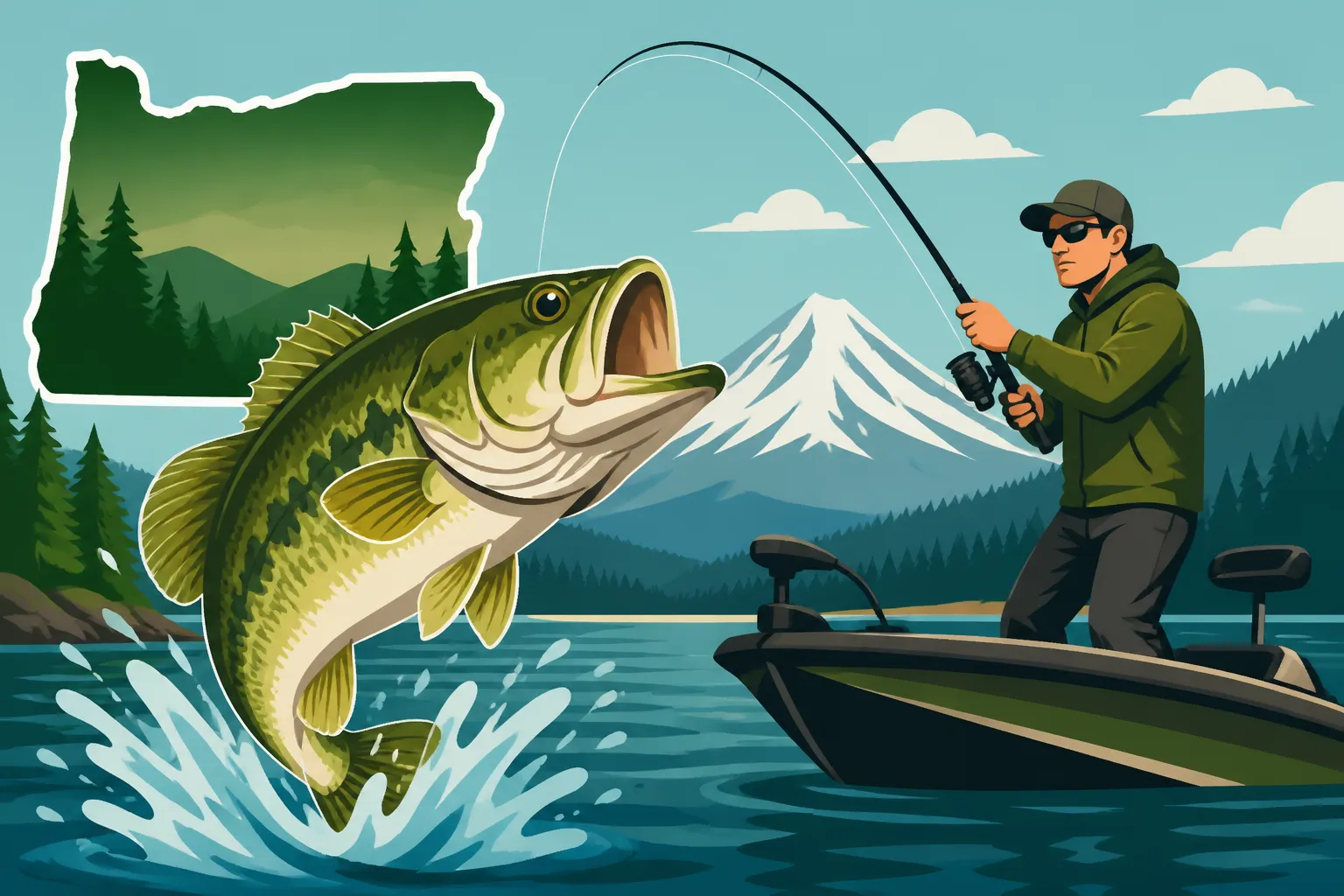
The largemouth bass ( Micropterus salmoides) is arguably the most popular freshwater game fish in North America, and for good reason. In Oregon, these "greenbacks" are sought after for their explosive topwater strikes, powerful dives into cover, and impressive size. You'll find largemouth primarily in warmer, often stained or murky, water bodies with abundant aquatic vegetation, submerged timber, and other forms of cover. Think slow-moving rivers, ponds, and the shallow bays of larger reservoirs. They are ambush predators, often hiding in plain sight, waiting for an unsuspecting meal to swim by.
A typical Oregon largemouth will have a dark green back that fades to lighter green or yellowish sides, with a distinctive dark, horizontal stripe or blotches running along its lateral line. Their most defining feature, as the name suggests, is a large mouth; when closed, the corner of their jaw extends past their eye. They feed on a wide variety of prey, including baitfish, crawfish, frogs, and even small rodents or birds that fall into the water. Targeting them often involves pitching jigs into thick cover or twitching topwater frogs over lily pads, leading to heart-stopping action. If you're serious about targeting these impressive fish, our Largemouth Bass in Oregon guide offers even more in-depth tips.
Smallmouth Bass: River Fighters and Rock Dwellers
Smallmouth bass (Micropterus dolomieu) are equally revered but for entirely different reasons. Known as bronze backs, brown bass, or simply "smallies," these fish are renowned for their aggressive strikes, acrobatic jumps, and tireless fighting spirit, especially in strong currents. Unlike their largemouth cousins, smallmouth prefer cooler, clearer water, typically found in rocky rivers, streams, and the main lake basins of reservoirs with rocky substrates. They are less reliant on thick vegetation, preferring ledges, drop-offs, and current breaks.
Smallmouth bass typically have a bronze or brownish color, often with vertical bars or blotches along their sides, which can vary greatly depending on their habitat. Their mouth is smaller than a largemouth's; when closed, the jaw typically does not extend beyond the middle of their eye. They are voracious eaters, with crayfish being a primary food source, along with various minnows and insects. Fishing for smallmouth often involves casting crankbaits, jigs, or soft plastics along rocky banks and current seams, or even fly fishing with streamers. They hit hard and fight dirty, often jumping clear out of the water, making them incredibly exciting to catch. For more detailed insights into these river gladiators, check out our dedicated article Smallmouth Bass in Oregon.
Identifying Your Catch: Largemouth vs. Smallmouth
It's pretty common for new anglers, or even experienced ones in areas where both species coexist, to wonder if they've caught a largemouth or a smallmouth. While their habitat preferences usually give a strong clue, here are the key visual differences that will help you tell them apart quickly:
| Feature | Largemouth Bass | Smallmouth Bass |
|---|---|---|
| Mouth Size | Jaw extends past the eye | Jaw does not extend past the middle of the eye |
| Coloration | Dark green back, lighter green/yellow sides, distinct dark horizontal stripe/blotches | Bronze/brownish, often with vertical bars/blotches |
| Dorsal Fin | Deep notch between spiny and soft-rayed dorsal fins | Less pronounced or no notch between dorsal fins |
| Body Shape | More elongated, somewhat football-shaped | More compact, deeper body, often appearing "stockier" |
| Habitat | Warm, weedy, murky, slow-moving water (lakes, ponds, sloughs) | Cooler, clear, rocky, flowing water (rivers, main lake basins) |
Beyond these physical characteristics, their behavior on the line can also be a tell-tale sign. Largemouth often pull hard and deep into cover, while smallmouth are famous for their aerial acrobatics and relentless tugging in current. Being able to correctly identify your catch is not just for bragging rights; it's essential for adhering to specific regulations that might apply to one species but not the other in certain areas.
Top Oregon Bass Fishing Spots
Oregon truly offers a smorgasbord of bass fishing opportunities, from large, sprawling reservoirs to intimate, winding rivers. Knowing where to go and what to expect can significantly boost your success. We're fortunate to have fisheries that cater to both the largemouth enthusiast and the smallmouth purist, often just a short drive apart.
Premier Largemouth Bass Lakes and Reservoirs
For those who love the thrill of a largemouth strike, Oregon has some fantastic options, especially in the western and central parts of the state where warmer waters dominate. These spots are typically characterized by ample structure and cover, allowing largemouth to ambush their prey effectively.
Fern Ridge Reservoir: Located west of Eugene, Fern Ridge is a well-known hotspot for largemouth. Its shallow, fertile waters, especially in the upper reaches, are choked with vegetation during the warmer months, creating perfect habitat. Targeting the weed lines, submerged timber, and lily pads with frogs, plastic worms, and jigs can be incredibly productive. The fishing can be phenomenal here, especially during the pre-spawn and post-spawn periods. The reservoir is vast, so exploring different bays and coves is key.
Tenmile Lakes: Down on the southern Oregon Coast, near Coos Bay, lies Tenmile Lakes, a gem for big largemouth. This complex of interconnected lakes boasts clear water and an abundance of aquatic vegetation, making it a challenging but rewarding fishery. Flipping and pitching jigs into heavy cover or working swimbaits along weed edges are popular and effective techniques. Anglers often report catching impressive numbers of fish, with a good chance at a trophy-sized largemouth.
Henry Hagg Lake: Situated in Washington County, roughly an hour west of Portland, Hagg Lake is another popular destination. While it's known for trout stocking, its numerous coves and timbered areas also hold solid populations of largemouth bass. Early mornings and evenings, especially during the summer, can see good action with topwater lures, spinnerbaits, and soft plastics fished around submerged trees and rock formations. This lake is easily accessible for many in the Willamette Valley. For more specific guidance on accessing these waters, our Best Places to Fish in Oregon guide can provide broader context.
Top Rivers and Lakes for Smallmouth Bass Action
If the hard-hitting, acrobatic fight of a smallmouth bass is what you're after, Oregon's rivers and clear, rocky lakes will be your paradise. These bronze backs thrive in current and around rocky structure, making for a distinctly different fishing experience.
John Day River: The John Day River, winding through Eastern Oregon's high desert, is an absolute legend for smallmouth bass. This river is often considered one of the best smallmouth fisheries in the entire Pacific Northwest. Its warm, rocky waters are teeming with smallmouth, offering incredible numbers and often decent size. Floating sections of the river by raft or drift boat, and casting small crankbaits, tube baits, jigs, and senkos into rocky eddies, current seams, and ledges, will keep your rod bent all day. The action here can be non-stop. Our Best Lures for Smallmouth Bass on the John Day River and How to Catch Smallmouth Bass in Oregon Rivers posts delve deeper into successful strategies for this river.
Umpqua River: In Southern Oregon, the Umpqua River is another prime smallmouth destination. While sections of the Umpqua are famous for their salmon and steelhead, the warmwater sections, particularly the lower and middle river, hold abundant smallmouth. Fishing around rocky islands, submerged boulders, and current breaks with crayfish imitations, small spinners, and plastic worms can be highly productive. The Umpqua offers a beautiful backdrop for a day of smallmouth fishing, combining stunning scenery with excellent angling.
Columbia River: Let's not forget the mighty Columbia River, especially its lower and middle sections. While it's a massive fishery, the Columbia holds thriving populations of smallmouth bass, particularly around rocky points, bridge pilings, jetties, and riprap. These are powerful fish that fight hard in the strong currents. Jigs, crankbaits, and swimbaits are effective when targeting them from a boat or bank. Access points are numerous along this vast river.
Lake Billy Chinook: Up in Central Oregon, Lake Billy Chinook is a deep, clear reservoir formed by the confluence of the Deschutes, Crooked, and Metolius Rivers. While known for kokanee and bull trout, its vast rocky points and deep ledges also harbor robust smallmouth populations. Drop-shotting, Carolina rigging, and using tubes or jigs in deeper water can produce some quality smallmouth, especially as temperatures rise.
Hidden Gems and Lesser-Known Bass Fisheries
Beyond the well-known hotspots, Oregon boasts countless smaller lakes, ponds, and river sections that fly under the radar but can offer fantastic bass fishing. These often provide a more secluded experience and can be incredibly rewarding for anglers willing to explore.
Many smaller, warmwater lakes in the Willamette Valley, such as those found in state parks or county parks, are regularly stocked and managed, often containing healthy populations of both largemouth and panfish. Think about lakes like St. Louis Ponds or local community park ponds. These spots are fantastic for a quick evening trip or for introducing kids to fishing, as the action can be consistent and accessible. Soft plastics, wacky worms, and small spinnerbaits are often very effective in these smaller, less pressured waters. Always remember to check Oregon Fishing Regulations Explained for any specific rules pertaining to these smaller bodies of water.
Furthermore, quieter sections of larger river systems, particularly backwater sloughs and oxbows off the main current of rivers like the Willamette or even the Clackamas, can hold surprisingly good numbers of largemouth bass. These areas often warm up quickly and provide abundant cover. Exploring these lesser-known spots with a canoe, kayak, or even on foot can lead to memorable catches and a sense of discovery that larger, more popular fisheries sometimes lack. Don't be afraid to consult local bait shops or online forums; sometimes the best advice comes from anglers who've spent years quietly exploring their local waters.
Essential Gear for Oregon Bass Fishing
Getting properly equipped for bass fishing in Oregon doesn't have to break the bank, but having the right tools for the job can make a huge difference in your success and enjoyment. Whether you're chasing largemouth in thick cover or smallmouth in rocky currents, having a suitable rod, reel, line, and an array of effective lures is paramount.
Rods, Reels, and Line: Matching Your Setup to the Species
For bass fishing, most anglers opt for either baitcasting or spinning gear, or often a combination of both to cover different techniques.
Largemouth Bass Setup:
When targeting largemouth, especially in areas with heavy cover, a baitcasting setup is often preferred. This allows for better control when casting heavier lures and provides the backbone needed to pull fish out of weeds or brush.
- Rods: Look for medium-heavy to heavy power rods, typically 6'6" to 7'6" in length. Faster actions are common, giving you sensitivity for detecting bites and power for hooksets. Brands like Ugly Stik or St. Croix offer durable options.
- Reels: A baitcasting reel with a moderate to high gear ratio (6.1:1 to 7.5:1) is versatile. High gear ratios are great for quickly retrieving slack line after a cast or for moving fish away from cover. You can find excellent options on Amazon.
- Line: For heavy cover, 15-20 lb fluorocarbon or monofilament is a good starting point. Many anglers also use braided line (30-50 lb) for its strength and no-stretch properties, often with a fluorocarbon leader for stealth.
Smallmouth Bass Setup:
Smallmouth fishing, especially in clear rivers or when using lighter lures, often benefits from spinning gear for increased casting distance and finesse.
- Rods: Medium to medium-light power spinning rods, typically 6'0" to 7'0" with a fast action, are ideal. These offer the sensitivity to feel subtle bites and the flexibility to handle the smallmouth's notorious jumps.
- Reels: A 2500-3000 series spinning reel provides a good balance of line capacity and retrieve speed.
- Line: 6-10 lb fluorocarbon or monofilament is common. Braided line (10-20 lb) with a fluorocarbon leader (6-10 lb) is also highly effective for sensitivity and strength, particularly when fishing clear water.
Having at least two setups, one for heavier work and one for finesse, will greatly broaden your capabilities on the water.
Lures and Baits: What Bass Can't Resist
The world of bass lures is vast, but a few key categories consistently produce in Oregon's waters. Building a versatile tackle box will prepare you for varying conditions and bass moods. Our Oregon Bait and Lure Guide offers a broader look at choices, but here's a bass-specific breakdown.
For Largemouth:
- Soft Plastics: These are arguably the most versatile. Plastic worms (Texas-rigged, Carolina-rigged, Wacky-rigged), creature baits, and senkos are deadly when fished around cover. Popular colors include green pumpkin, black, and junebug.
- Jigs: Flipping and pitching jigs (1/4 to 1/2 oz) with a crawfish-imitating trailer into heavy cover is a classic and highly effective technique.
- Topwater Lures: Frogs, poppers, and walking baits are exhilarating when bass are active and feeding on the surface, particularly in low-light conditions or over matted vegetation.
- Spinnerbaits & Chatterbaits: Excellent for covering water quickly and attracting reaction strikes, especially around weed edges and submerged wood.
- Crankbaits: Squarebill crankbaits are great for deflecting off shallow cover, while deeper diving models can reach bass in open water.
For Smallmouth:
- Tube Baits: These soft plastic lures, rigged with an internal jig head, are incredibly effective at imitating crawfish and gobies, particularly when dragged or hopped along rocky bottoms.
- Jigs: Finesse jigs (1/8 to 1/4 oz) with smaller trailers are excellent for mimicking crawfish and tempting wary smallmouth.
- Crankbaits: Small, shallow-diving crankbaits in crawfish or baitfish patterns are fantastic for bouncing off rocks in rivers.
- Drop Shot Rigs: For clear water and finicky fish, a drop shot rig with a small soft plastic minnow or worm is a deadly finesse presentation.
- Spinnerbaits: Smaller spinnerbaits can be great for covering water in rivers, especially during overcast conditions.
- Swimbaits: Realistic soft plastic swimbaits, fished on a jig head, are excellent for imitating baitfish.
Always carry a variety of colors and sizes. Bass preferences can change with water clarity, light conditions, and forage availability.
Essential Tackle and Accessories for a Successful Trip
Beyond rods and reels, a few key accessories will make your bass fishing trip smoother and more enjoyable.
- Pliers/Forceps: Essential for safely removing hooks, especially when practicing catch and release. Long-nosed pliers or dedicated fishing forceps are a must-have.
- Line Cutter: Small scissors or line nippers make quick work of cutting fishing line.
- Terminal Tackle: A well-organized tackle box with hooks (EWG, straight shank, circle), weights (bullet, drop shot, jig heads), swivels, and various leader materials is crucial.
- Measuring Device/Scale: If you plan on documenting your catches or adhering to specific size limits, a measuring tape and a small digital scale are invaluable.
- Sun Protection: Sunscreen, a wide-brimmed hat, and polarized sunglasses are vital for eye protection and spotting fish or structure under the water.
- Net: A landing net, especially one with rubberized mesh, helps protect the fish's slime coat and makes landing larger bass easier and safer for both you and the fish.
- Waders/Boots: For river smallmouth fishing, a good pair of waders and wading boots will allow you to access prime bank and wade-fishing spots safely. You can find quality options for waders and boots on Amazon.
- Portable Storage: A good tackle bag or backpack can keep all your gear organized and easily accessible. Many anglers also find waterproof boxes helpful for keeping phones and other essentials dry.
Remember, a Oregon Fishing License Guide is an absolute must-have before you even think about casting a line. Always confirm you have the proper licenses and endorsements for your chosen fishing location.
Effective Techniques for Oregon Bass
Catching bass isn't just about having the right gear; it's about understanding their behavior, their preferred habitats, and how to present your lure in a way that triggers a strike. Different species and different water types call for distinct approaches, and mastering these techniques will significantly increase your catch rates.
Mastering Largemouth Techniques: Targeting Structure and Cover
Largemouth bass are ambush predators that love cover. Their world revolves around finding the densest, shadiest, or most protected spots to hide and wait for prey. Your job as an angler is to effectively present a lure into these zones without getting hung up and to entice a reaction bite.
- Flipping and Pitching: This is a short-distance casting technique used to quietly and accurately present a jig or creature bait into heavy cover like lily pads, cattails, submerged trees, or docks. The goal is to drop your lure straight down into tight spots where a largemouth might be hiding. Use a heavy rod and braided line for this, as you'll need the power to haul fish out of dense vegetation. Work these areas slowly, letting your bait penetrate the cover and settle to the bottom.
- Topwater Excitement: When conditions are right (low light, calm water, warm temperatures), nothing beats a topwater strike. Frogs, poppers, and walk-the-dog lures create commotion on the surface, mimicking struggling prey. Cast them over matted vegetation, along weed lines, or near timber, and work them with short twitches and pauses. Be patient; often, the strike comes during the pause. The explosiveness of a largemouth blowing up on a topwater lure is truly addicting.
- Working Soft Plastics: Plastic worms (Texas-rigged for weedlessness) and senkos are incredibly versatile. Cast them to weed edges, around submerged timber, or along drop-offs. Let them sink, then work them back with slow lifts, drops, and pauses. The subtle action often triggers bites from wary fish. Wacky rigging a senko, where the hook is inserted through the middle, gives it a unique undulating fall that largemouth find irresistible.
- Spinnerbaits and Chatterbaits: These lures are great for covering water quickly and finding active fish. Cast them parallel to weed lines, over submerged stumps, or along rocky banks. The flash and vibration can draw strikes from aggressive largemouth, especially on overcast days or in slightly stained water. Vary your retrieve speed and depth until you find what the fish prefer.
Smallmouth Strategies: Current, Rocks, and Deep Water
Smallmouth bass, in contrast to largemouth, are more about current, rock, and open water. They are constantly on the move, patrolling ledges and current breaks for their next meal. Their fight is often characterized by powerful runs and acrobatic jumps.
- Crawfish Imitations (Tubes & Jigs): Given their love for crawfish, tubes and jigs that mimic these crustaceans are incredibly effective. Cast them upstream or across current, let them sink, and then bounce, drag, or hop them along the bottom, simulating a crawfish trying to escape. Focus on current seams, eddies behind boulders, and rocky ledges. This is a primary technique for How to Catch Smallmouth Bass in Oregon Rivers.
- Crankbaits in Current: Small, shallow-diving crankbaits in crawfish or baitfish patterns are excellent for smallmouth. Cast them towards rocky banks or submerged structure and retrieve them so they occasionally deflect off rocks. The erratic action often triggers violent strikes. Deeper diving crankbaits can be used in larger reservoirs or deeper river pools.
- Drop Shot and Finesse: In clear water or when fish are pressured, a drop shot rig is a game-changer. A small soft plastic minnow or worm rigged above a weight allows for a very subtle presentation. Cast to rocky points, drop-offs, or submerged timber, and gently shake the rod tip to impart action while keeping the weight on the bottom. This is a particularly effective strategy when targeting deeper holding fish.
- Topwater for Smallmouth: While not as common as for largemouth, smallmouth will absolutely crush topwater lures like poppers, walking baits, and even small prop baits, especially during low light conditions in calm sections of rivers or over rocky flats. The retrieve is similar to largemouth topwater, with twitches and pauses.
- River Floating and Wading: Many of Oregon's smallmouth rivers are best fished by floating in a drift boat or raft, allowing you to cover miles of prime habitat. For those without a boat, wading is a fantastic option, allowing you to stealthily approach prime holding water. Always be mindful of river flows and safety when wading.
Seasonal Adjustments and Reading the Water
Bass behavior changes dramatically throughout the year and even throughout the day, driven by water temperature, light conditions, and forage availability. Becoming a successful bass angler means learning to "read the water" and adjust your tactics accordingly.
- Water Temperature is Key: Bass are cold-blooded, so water temperature dictates their metabolism and activity levels. In cooler water (early spring, late fall), bass are slower, often holding tight to structure and requiring slower, deeper presentations. As water warms (late spring, summer), they become more active, moving to shallower water to feed or suspending in deeper water during the heat of the day.
- Light Conditions: Overcast days or low-light periods (dawn, dusk) are often prime times for bass, especially for topwater or reaction baits. Bright, sunny days often push bass into deeper water or tighter cover, requiring more subtle, finesse presentations. Polarized sunglasses are essential not just for eye protection but for spotting fish and underwater structure.
- Current and Structure: In rivers, always pay attention to current. Bass will position themselves in current breaks behind rocks, logs, or ledges, expending minimal energy while waiting for food to be swept past them. In lakes and reservoirs, look for any change in the bottom contour (drop-offs, humps), submerged vegetation, timber, or man-made structures like docks and bridge pilings. These are all high-percentage bass holding areas.
- Forage Presence: Observe what the bass might be eating. Are there schools of baitfish? Crayfish scurrying on the bottom? Frogs jumping near the shore? Matching the hatch, or at least presenting a lure that mimics the available forage, can be highly effective. If you see baitfish scattering, you know there's likely an active predator nearby.
By paying attention to these factors and adapting your techniques, you'll be well on your way to consistent success on Oregon's bass waters. Remember to always be respectful of the resource and follow Oregon Daily Bag Limits Explained and other regulations.
Conservation and Regulations for Bass in Oregon
As responsible anglers, understanding and adhering to conservation practices and fishing regulations is paramount. While bass are abundant in many Oregon waters, proper management ensures healthy populations for future generations to enjoy. The Oregon Department of Fish and Wildlife (ODFW) sets guidelines to protect fish stocks and habitat, and it's our duty to follow them.
Understanding Bag Limits and Size Restrictions
Oregon's fishing regulations can vary by specific water body, but there are general guidelines for bass. For many non-native species like smallmouth bass, especially in certain river systems where they may compete with native salmonids, the regulations often encourage harvest, with generous or even no bag limits. This is a significant point, as it directly relates to efforts to protect native fish. For example, you might find that Why is there no limit on smallmouth bass in Oregon is a question that arises due to these management goals.
However, for largemouth bass, especially in popular fisheries, there might be more restrictive bag limits or even length restrictions (e.g., "slot limits" where only fish above or below a certain size can be kept, or minimum/maximum sizes). These measures are often put in place to protect larger, breeding-size fish or to encourage the harvest of smaller fish to improve overall population health. It is absolutely critical to consult the most current ODFW Sport Fishing Regulations booklet or their online resources before each trip, as rules can change seasonally or by location. What's legal on one lake might not be on a river just a few miles away.
Catch and Release Best Practices for Bass
Even when bag limits are generous, many bass anglers practice catch and release, particularly for larger fish or if they simply prefer the sport over harvesting. Practicing proper catch and release techniques is vital for the survival of the fish.
- Minimize Fight Time: Bring the fish in as quickly as possible without over-stressing it. Prolonged fights can exhaust a fish, making it more vulnerable after release.
- Handle With Care: Wet your hands before touching the fish to protect its protective slime coat. Avoid squeezing or putting fingers in the gills. Support the fish horizontally, especially larger ones, to avoid damaging internal organs or its jaw.
- Barbless Hooks: Consider using barbless hooks or pinching down the barbs on your hooks. This makes hook removal much easier and causes less damage to the fish's mouth.
- Quick Hook Removal: Use pliers or forceps to quickly and gently remove the hook. If the fish is deeply hooked and removal would cause excessive damage, it's sometimes better to cut the line as close to the hook as possible.
- Revive the Fish: If the fish appears sluggish, hold it gently in the water, facing into the current (if in a river), and move it back and forth slightly to push water over its gills. Release it only when it swims away under its own power. Do not simply toss it back into the water.
- Avoid Air Exposure: Keep the fish out of the water for the shortest time possible, especially during warm weather. A quick photo is fine, but prioritize getting the fish back into its environment.
By following these best practices, you increase the chances that the bass you release will survive and continue to contribute to the fishery.
The Role of Bass in Oregon's Ecosystems
While largemouth and smallmouth bass are non-native species in Oregon, they have become an established part of many aquatic ecosystems. Their presence can have both positive and negative impacts, which is why ODFW manages them with specific goals in mind.
In many warmwater lakes and reservoirs, bass are a key part of the food chain, preying on smaller fish, insects, and crustaceans, and in turn, sometimes becoming prey for larger predators like ospreys or eagles. They provide a valuable sport fishery, drawing anglers and contributing to local economies, and are often managed to provide robust recreational opportunities.
However, in river systems that are critical habitat for native salmon and steelhead, smallmouth bass in particular can be viewed as an invasive species. They compete for food and habitat, and in some cases, can prey on juvenile salmon and steelhead. This is why in certain river stretches, you'll find very liberal or even no bag limits for smallmouth bass, with the aim of reducing their population density to benefit native fish. This management approach is a constant balance, attempting to maximize recreational opportunity while protecting Oregon's cherished native fish species. Anglers should be aware of these ecological dynamics and support responsible management efforts.
Seasonal Strategies for Oregon Bass Anglers
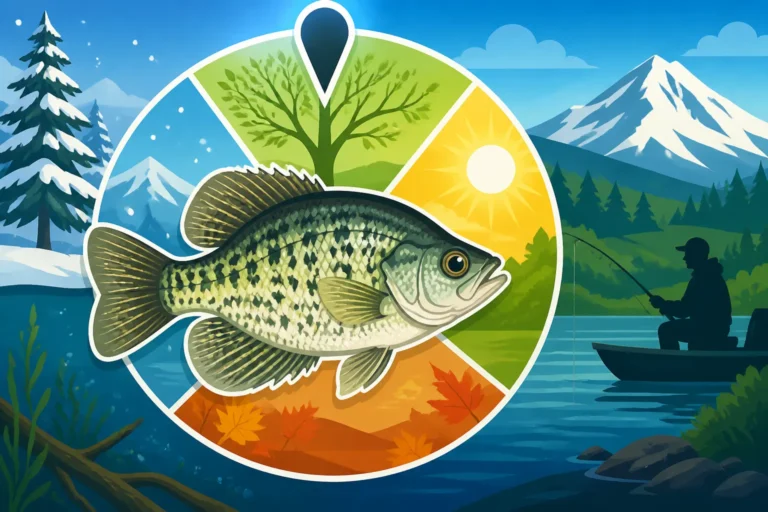
Bass fishing in Oregon is a year-round pursuit for dedicated anglers, but your tactics will need to shift significantly with the changing seasons. Water temperature is the biggest driver of bass behavior, dictating their metabolism, location, and feeding patterns. Understanding these seasonal shifts is crucial for consistent success.
Spring: Pre-Spawn and Spawning Frenzy
Spring is arguably one of the most exciting times to target bass in Oregon. As water temperatures begin to rise after the long, cold winter, bass become increasingly active, moving from their deeper wintering grounds to shallower areas in preparation for spawning.
- Pre-Spawn (Water Temps 45-55°F): This is a prime time for catching big, fat bass that are feeding heavily to build energy for spawning. Look for bass staging on points, humps, and secondary breaks leading into spawning coves. Lipless crankbaits, spinnerbaits, and medium-diving crankbaits can be very effective as bass are aggressively feeding and actively searching for food. They're often in shallower water than winter, but not yet fully committed to the really shallow stuff. Slow-rolling a spinnerbait along a drop-off can be deadly.
- Spawning (Water Temps 55-68°F): Once water temperatures consistently hit the mid-50s, bass move onto beds in very shallow, protected areas. Largemouth will build nests near docks, submerged timber, or weed beds, while smallmouth prefer rocky flats or gravel patches. Sight fishing for bedding bass can be challenging but rewarding. Soft plastics like tubes, worms, and creature baits, or even small jigs, pitched onto or near the bed can provoke a defensive strike. Remember, these fish are protecting their eggs, so be mindful of the impact of repeated catches on successful spawning. Many anglers opt to leave bedding fish alone to ensure future generations, especially in areas with stricter Oregon Daily Bag Limits Explained.
- Post-Spawn (Water Temps 65-75°F): After the rigors of spawning, bass often retreat to slightly deeper water to recover, but they will still feed aggressively as they regain strength. They'll often relate to the first available cover or structure outside of the spawning flats. Topwater lures can be effective during this period, especially early and late in the day. Swim jigs and chatterbaits retrieved along weed lines or submerged contours can also be very productive as bass become more active.
Summer: Deep Water and Topwater Action
Oregon summers bring warm water temperatures, which means bass can be found in a variety of depths depending on the time of day and the specific water body.
- Early Morning/Late Evening Topwater: The cooler temperatures and lower light during dawn and dusk make these prime times for topwater action. Largemouth will chase frogs over matted vegetation or poppers near docks, while smallmouth will hit walking baits or small poppers over rocky flats.
- Daytime Deep Water: As the sun climbs and water temperatures peak, bass often retreat to deeper, cooler water. This means focusing on main lake points, ledges, humps, and submerged creek channels. Techniques like deep-diving crankbaits, Carolina rigs, drop shots, and heavy jigs become essential. Sonar can be incredibly helpful for locating these deeper structures and schools of fish.
- Flipping and Pitching Heavy Cover: In shallow, warm lakes, largemouth will burrow into the densest available cover to escape the sun. Flipping jigs and creature baits into thick lily pads, heavy mats, or dense brush piles can still produce big fish, even in the middle of a hot day. The key is getting your bait into their sanctuary.
- River Smallmouth: Summer is fantastic for smallmouth in Oregon's rivers. They'll be active and aggressive, holding in current breaks and around rocky structure. Floating the John Day or Umpqua rivers with crankbaits, tubes, and jigs can provide non-stop action. Early mornings or evenings may see smallmouth venturing into shallower eddies.
Fall and Winter: Transition and Cooler Water Tactics
As summer fades and water temperatures begin to drop, bass start to transition, often moving to follow baitfish preparing for winter. Winter fishing, while slower, can offer opportunities for truly large bass if you know where to look.
- Fall Turnover (Water Temps 60-50°F): As lakes cool, the water column can "turn over," leading to uniform temperatures from top to bottom. Bass often go on a feeding frenzy during this period, bulking up for winter. Look for them feeding heavily on baitfish in open water or along main lake points. Spinnerbaits, swimbaits, jerkbaits, and crankbaits can be very effective as bass chase schools of bait. This is a time of high activity.
- Late Fall/Early Winter (Water Temps 50-40°F): As temperatures continue to drop, bass move to deeper wintering areas. Focus on deep water structures like main lake points, channel swings, steep drop-offs, and submerged timber. Slower presentations are key. Jigs, jigging spoons, and slow-rolled deep crankbaits can tempt lethargic fish. Vertical jigging directly over suspended fish detected with sonar can be highly effective.
- Winter (Water Temps Below 40°F): Winter bass fishing is a game of patience and precision. Bass are at their most lethargic, often schooling tightly in the deepest available water. Finesse techniques are paramount. Drop shots, small jigs, and very slow presentations of spoons are your best bets. Bites will be subtle, often feeling like just a bit of extra weight on your line. However, the fish you do catch can often be large and healthy. For those bundling up for colder weather, check out the Oregon Winter Fishing Options article for other species that might be active.
Remember to always check the specific regulations for the water you intend to fish, as rules can change frequently. And don't forget to purchase your Oregon Fishing License Guide before heading out!
Disclaimer
This article is for general informational purposes only and does not constitute professional advice. Laws, prices and regulations vary by location and change over time. Consult a qualified professional for guidance on your specific situation.