Best bait for sturgeon fishing on the Columbia
Oh, the majestic sturgeon! These ancient creatures, cruising the depths of the mighty Columbia River, are a true prize for any angler. But let's be real, trying to figure out what tempting morsel will make them open their vacuum-cleaner mouths can feel like a guessing game sometimes. You spend hours meticulously setting up, casting out, and then… nothing. It's truly frustrating when you know these giants are down there, but they just aren't biting your offering. This guide is here to cut through the confusion and help you understand the very best baits for sturgeon fishing on the Columbia River, along with how to present them effectively for a successful day on the water.
Understanding Sturgeon Foraging Habits and Preferences
Before we even talk about specific baits, it's incredibly helpful to get into the mind of a sturgeon. These aren't your typical sight-feeders like trout; they're bottom-dwelling scavengers with an incredible sense of smell and touch. Imagine living in a vast, often murky river like the Columbia – you'd rely heavily on those senses to find your next meal, wouldn't you? That's precisely how sturgeon operate, and understanding this fundamental aspect will dramatically improve your bait selection and presentation.
The Sturgeon Diet: What They Naturally Crave
In their natural habitat within the Columbia River system, white sturgeon are opportunistic feeders. Their diet is incredibly varied, but it primarily consists of what's readily available on the river bottom. Think about what lives and dies in the Columbia: lamprey, smelt, shad, crawfish, marine worms, and a host of other small fish and invertebrates. They're not picky eaters in the sense that they'll turn their nose up at a slightly decaying meal; in fact, that strong scent of decomposition can often be a major attractant.
Because sturgeon don't have teeth for tearing, they use their protrusible, vacuum-like mouths to suck up food. This means that whatever bait you present needs to be something they can easily engulf. Small, oily fish, crustaceans, and anything that creates a strong scent plume in the current are high on their menu. When you're trying to decide what to put on your hook, always ask yourself: "Would a sturgeon naturally encounter this, and does it smell strong enough for them to find it in the current?" This simple question can guide you toward the most effective choices. For more on these incredible fish, you might want to check out our detailed Oregon Sturgeon Guide.
Why Scent and Freshness are King
If there's one golden rule for sturgeon bait, it's this: scent is paramount. The Columbia River can be incredibly vast and, at times, quite turbid. Visibility might be limited, especially in deeper channels or during runoff periods. This environment makes a sturgeon's acute sense of smell its primary tool for locating food. A powerful, lingering scent trail is like a neon sign for a hungry sturgeon.
This is why "freshness" is so crucial, but perhaps not in the way you'd traditionally think. While you don't want bait that's been sitting out in the sun all day, bait that has started to "break down" slightly can actually release more potent odors. However, the key is controlled decomposition, not rancid spoilage. Keeping your bait cool and out of direct sunlight in a cooler will help preserve its quality, ensuring it continues to release those powerful attractants over time. Many experienced anglers even "cure" their baits with salts or specialized brines to enhance scent, toughen the bait, and prevent it from washing off the hook too quickly. It's frustrating to cast out a perfect rig only to reel in a bare hook an hour later because the current stripped your bait away, which is why scent and durability go hand-in-hand.
Top Baits for Columbia River Sturgeon
Now that we understand the "why" behind bait selection, let's dive into the "what." The Columbia River offers a fantastic fishery for sturgeon, and over the years, certain baits have consistently proven to be winners. These aren't just old wives' tales; they're based on scientific principles of attraction and what these fish genuinely prefer.
Smelt and Herring: The Oily Powerhouses
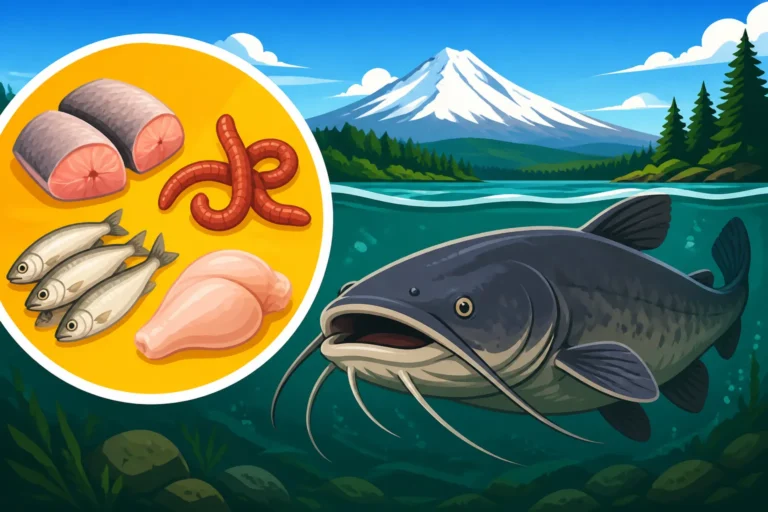
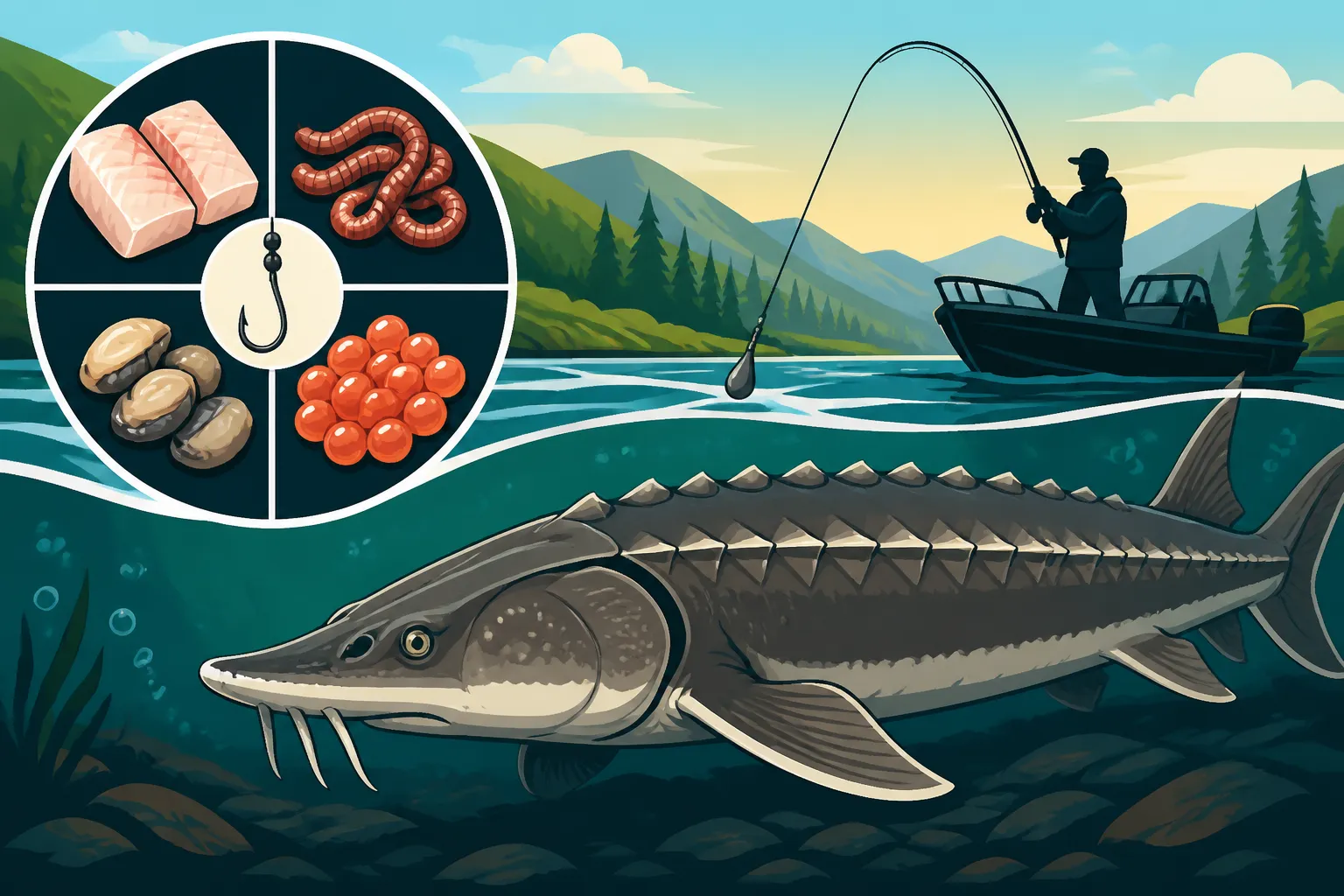
When you ask seasoned sturgeon anglers what their go-to bait is, smelt and herring will almost always be at the top of the list. And for good reason! These small, oily fish are packed with natural oils and a distinct scent that sturgeon simply cannot resist. When cut and presented properly, they create an irresistible scent slick in the current.
- Smelt: These are a natural food source for sturgeon, especially when they run upriver to spawn. Their high oil content makes them incredibly effective. You can use them whole, especially smaller ones, or cut them into chunks to maximize scent dispersal.
- Herring: Similar to smelt, herring are very oily and have a strong, distinct odor. They're often easier to find in tackle shops than smelt and can be purchased fresh or frozen. Medium-sized herring are excellent when cut into 1-2 inch pieces.
For rigging, you'll typically want to thread the hook through the bait multiple times or use bait thread to secure it firmly. The goal is to keep the bait on the hook even with strong currents and aggressive sturgeon bites. You can often find frozen smelt or herring at local sporting goods stores, but they're also readily available through retailers like Amazon, especially in bulk for the dedicated angler.
Lamprey: The Local Delicacy
If there's a "premium" bait for Columbia River sturgeon, lamprey is it. These eel-like fish are a natural and highly prized food source for sturgeon in the Pacific Northwest. When sturgeon gorge on lamprey, they're getting a rich, nutritious meal, and they seem to remember that. The unique scent and texture of lamprey are incredibly attractive.
The biggest challenge with lamprey is often availability. They can be harder to source than smelt or herring and tend to be more expensive. However, many anglers swear by their effectiveness, especially during times when sturgeon might be a bit pickier. Lamprey is best used in chunks, threaded onto your hook and secured tightly with bait thread. Because of its cost and effectiveness, many anglers will combine a smaller piece of lamprey with another bait in a "cocktail" rig to stretch their supply while still getting that powerful attraction. If you're looking to consistently hook into the big ones, investing in some lamprey when you can find it is often worth the effort.
Sand Shrimp and Prawns: Small but Mighty
Don't let their size fool you; sand shrimp and prawns are incredibly effective sturgeon baits, especially when used fresh. Their natural scent and crunchy texture are a big hit with sturgeon, mimicking some of the invertebrates they naturally forage for on the river bottom.
- Sand Shrimp: These small, translucent shrimp are a staple bait for many Columbia River anglers. They have a subtle but potent natural odor that sturgeon readily identify. They are best used in clusters on the hook, secured with bait thread.
- Prawns: Larger than sand shrimp, prawns offer a more substantial bait. They can be used whole or cut into pieces, and their firm texture helps them stay on the hook.
Many anglers create a "sturgeon cocktail" by combining sand shrimp or prawn pieces with a chunk of oily fish like herring or smelt. This gives you the best of both worlds: the strong scent of the fish combined with the natural attraction of the crustacean. The contrast in texture and smell can often be the trigger that convinces a hesitant sturgeon to bite.
Roe and Guts: The Economical and Effective Choice
Sometimes, the most effective baits are the simplest and most accessible. Salmon or steelhead roe, as well as various fish guts, fall into this category. They are often byproducts of other fishing endeavors, making them economical, and they possess a powerful, natural scent that sturgeon find irresistible.
- Cured Roe: Salmon or steelhead eggs (roe) are a fantastic bait. When cured, they become tougher and release their potent "egg juice" slowly into the water, creating a long-lasting scent trail. Placing cured roe in a small mesh roe bag is essential to keep it on the hook and allow the scent to disperse effectively.
- Fish Guts: The entrails of any oily fish (salmon, steelhead, shad, even carp) can be incredibly effective. The strong, pungent odor released by these guts is a huge draw for sturgeon. Similar to roe, securing them in a bait bag or using strong bait thread to wrap them tightly around your hook is crucial to prevent them from washing away in the current.
The beauty of roe and guts is their accessibility. If you're also targeting salmon or steelhead, you'll naturally have a supply of these powerful baits. They represent a cost-effective way to get a strong, natural scent into the water, and many veteran sturgeon anglers swear by their ability to entice a bite when other baits might fail.
| Bait Type | Key Attractant | Rigging Method | Pros | Cons |
|---|---|---|---|---|
| Smelt/Herring | Oil, strong scent | Whole (small), chunks, bait thread | Highly effective, strong scent, readily available | Can wash off hook if not secured properly |
| Lamprey | Unique scent, oil | Chunks, bait thread | Often considered premium bait, highly attractive | Can be expensive, harder to find |
| Sand Shrimp/Prawns | Natural scent, texture | Clusters, whole (prawns), bait thread | Great natural attractant, good for cocktails | Can be delicate, smaller offering |
| Roe (Cured) | Potent "egg juice" | Roe bag, secured to hook with thread | Excellent scent trail, durable in current | Requires curing, needs roe bags |
| Fish Guts | Strong, pungent odor | Bait bag, wrapped tightly to hook with thread | Economical, powerful scent, readily available | Can be messy, needs to be well-secured |
Rigging Techniques for Maximum Success
Having the best bait in the world won't do you any good if it's not presented properly. Sturgeon are bottom feeders, and your bait needs to be precisely where they are, releasing its tempting scent without getting tangled or swept away. The right rig is just as important as the right bait.
The Carolina Rig: A Tried-and-True Method
For sturgeon fishing on the Columbia River, the Carolina rig (also known as a slip-sinker rig) is by far the most popular and effective setup. This rig allows your weight to slide freely on your mainline, which offers two significant advantages: first, it keeps your bait firmly on the bottom where sturgeon feed, even in strong currents; and second, it allows a sturgeon to pick up the bait and swim off without immediately feeling the resistance of the heavy sinker. This means they're more likely to fully commit to the bite.
Here's how to set it up:
- Mainline: Start with your mainline coming from your reel. For Columbia River sturgeon, you'll want a strong line, typically 50-80 lb braided line, especially if you're targeting larger fish.
- Sliding Sinker: Thread an egg sinker or pyramid sinker onto your mainline. The weight will vary depending on the current, but you might use anywhere from 8 ounces to a pound or more.
- Bead (Optional but Recommended): After the sinker, slide on a plastic or glass bead. This protects your knot from being abraded by the sliding sinker during casting and retrieving.
- Swivel: Tie a strong barrel swivel to the end of your mainline. This prevents line twist and acts as a stopper for your sinker and bead.
- Leader: Tie a leader of heavy monofilament or fluorocarbon (80-150 lb test, depending on target size) to the other end of the swivel. The leader length can vary, but 18-36 inches is a good starting point.
- Hook: Finally, tie a stout, sharp circle hook to the end of your leader. Circle hooks are crucial for ethical catch-and-release, as they typically hook the fish in the corner of the mouth, making removal easier and less harmful. Sizes 8/0 to 12/0 are common.
This setup ensures that your bait is anchored in the strike zone while still offering a natural presentation that doesn't immediately alert the sturgeon to the hook.
Bait Presentation and Scent Dispersal
Once your Carolina rig is assembled, the way you attach and present your bait is the final puzzle piece. Remember that sturgeon locate food primarily by smell, so maximizing scent dispersal is key. However, the bait also needs to stay on the hook long enough to be found.
- Securing the Bait: This is where bait thread (elastic thread specifically designed for fishing bait) becomes your best friend. After threading your hook through a chunk of smelt, herring, lamprey, or a cluster of shrimp, wrap it tightly with bait thread. This ensures the bait won't fly off during casting or get stripped away by strong currents or curious nibbles. For roe or soft guts, a small mesh bait bag or "roe bag" is essential. Place your bait inside, cinch it closed, and then hook through the bag itself.
- Maximizing Scent Plume: Cut your oily baits into chunks rather than using them whole (unless they are very small). The cut edges release more scent into the water. If using multiple baits in a "cocktail," ensure they are all releasing their odors. Some anglers also use scent enhancers, like gel attractants or sprays from brands like Pro-Cure, directly on their bait or bait bag. These concentrated scents can significantly boost your bait's appeal and create a wider, more potent scent trail in the river, calling those sturgeon in from further away. It's truly frustrating to reel in a perfectly good rig, only to find your bait has vanished!
Strategic Tips for Sturgeon Anglers on the Columbia
Beyond bait and rigging, successful sturgeon fishing on the Columbia requires a bit of strategy, a lot of patience, and the right mindset. These are powerful, long-lived fish, and approaching their pursuit with respect for the resource and an understanding of their habits will pay dividends.
Location, Location, Location: Finding Sturgeon Holding Water
Sturgeon don't just hang out randomly; they prefer specific types of habitats within the river system. Identifying these holding areas is crucial for placing your bait in the strike zone. On the Columbia River, you'll generally find sturgeon in:
- Deep Holes: Sturgeon love to cruise and rest in the deepest parts of the river channels. Using a fish finder to locate these depressions is highly advantageous.
- Current Breaks and Eddies: While sturgeon are strong, they don't want to fight the full force of the current constantly. They often position themselves in slower water just outside of strong currents, where food is swept to them, but they can conserve energy. Look for the seams where fast water meets slow water.
- Confluence Areas: Where tributaries meet the main Columbia River (like the Willamette River entering the Columbia), these areas can concentrate food and provide diverse habitat that attracts sturgeon.
- Below Dams: Areas downstream of dams, like Bonneville Dam or The Dalles Dam, are often prime sturgeon habitat due to abundant food (fish that get churned up or migrate past the dam) and structural features.
- Estuary (Lower Columbia): The lower Columbia River, particularly near Astoria and into the brackish water, is a major staging and feeding area, especially for larger sturgeon.
Knowing the river's contours and understanding how current dictates fish behavior will greatly increase your chances. Consulting a detailed Columbia River Fishing Guide can provide invaluable insights into specific hot spots along this magnificent waterway. Remember, a little scouting or local knowledge goes a long way!
Patience, Persistence, and Proper Gear
Sturgeon fishing is not usually a fast-paced, high-action affair. It often requires a significant amount of patience. You might sit for hours without a bite, then suddenly, your rod will double over. Being prepared for this waiting game is part of the experience. Bring comfortable chairs, snacks, and good company!
- Rods and Reels: You need heavy-duty gear to tackle these powerful fish. A stout, strong rod with a sensitive tip (to detect subtle bites) paired with a robust baitcasting or conventional reel spooled with 50-80 lb braided line is standard. The strength of the line is less about breaking it and more about having the stopping power to turn a big fish and lift it from the depths.
- Circle Hooks: As mentioned earlier, circle hooks are absolutely essential for ethical sturgeon fishing. They significantly reduce the chance of gut-hooking, which is critical for the health and survival of released fish. When you feel a bite, don't set the hook aggressively; simply reel down until the rod loads up, and the circle hook will do its job.
- Landing Gear: For larger sturgeon, a sturdy net designed for big fish or a specialized sturgeon-friendly cradle is highly recommended if you plan to get the fish to shore for a quick measurement and photo. Heavy-duty gloves are also smart for handling the rough skin.
- Anchor System: If fishing from a boat, a reliable anchor system is crucial to hold your position in the strong Columbia River currents. Dual anchor systems (one off the bow, one off the stern) are often employed to keep the boat from swinging.
Remember, a solid day of sturgeon fishing often comes down to perseverance. Don't get discouraged if the bites are slow; keep that great bait out there, and they will eventually find it.
Understanding Regulations and Conservation
Before you even cast a line for sturgeon on the Columbia, it is absolutely paramount to understand and adhere to the current Oregon fishing regulations. Sturgeon populations, particularly the white sturgeon, are closely managed to ensure their sustainability. Rules can change seasonally and vary by zone, so always check the latest Oregon Department of Fish and Wildlife (ODFW) regulations.
- Catch-and-Release Zones: Much of the Columbia River sturgeon fishery is strictly catch-and-release, especially for oversized or undersized fish. This means careful handling and quick, safe release are critical. Our article on Oregon Catch-and-Release Rules has more information on best practices.
- Retention Seasons and Slot Limits: In certain areas and during specific seasons, there may be opportunities to retain sturgeon within a very specific "slot limit" (e.g., between 44 and 50 inches fork length). Exceeding these limits or keeping a fish outside the legal slot can result in significant fines and penalties, which you can read more about in Oregon Fishing Violations and Penalties. Always know the current Columbia River sturgeon slot limit explained before you go.
- Barbless Hooks: For sturgeon, barbless hooks are generally required, especially in catch-and-release fisheries. This makes hook removal much easier and less damaging to the fish.
- Fishing License: Don't forget, you'll need a valid Oregon Fishing License Guide to fish for sturgeon or any other species in Oregon waters.
Responsible angling means knowing the rules, respecting the resource, and doing your part to ensure future generations can also experience the thrill of connecting with a Columbia River sturgeon.
Disclaimer
Please note that fishing regulations, including seasons, bag limits, and gear restrictions, can change frequently. Always consult the latest Oregon Department of Fish and Wildlife (ODFW) regulations before planning your fishing trip to ensure compliance. This guide is for informational purposes only and does not supersede official regulations.