Oregon Shellfish License
Heading out to the beautiful Oregon coast, with dreams of fresh Dungeness crab or a bucket full of razor clams, is a quintessential Pacific Northwest experience. But before you dip your crab pot or plunge your clam gun into the sand, there's a crucial step many folks forget or find confusing: getting your Oregon shellfish license. It can feel like navigating a maze of regulations, trying to figure out if you even need one, what kind, and where to get it, all while just wanting to enjoy a simple day on the beach. This guide is here to untangle all that jargon and give you a clear, straightforward path to understanding the Oregon shellfish license, so you can focus on the fun part – catching your dinner!
Understanding the Oregon Shellfish License
It's easy to assume that if you're just plucking a few crabs or digging for clams, you might not need a formal license. But that's often where the confusion begins for many first-timers or even seasoned anglers who typically only fish for finfish. The Oregon Department of Fish and Wildlife (ODFW) has specific requirements for harvesting shellfish, and understanding these is your first step to a legal and enjoyable outing. This license isn't just a formality; it's a vital tool for conservation and managing Oregon's precious marine resources.
What Exactly Does a Shellfish License Cover?
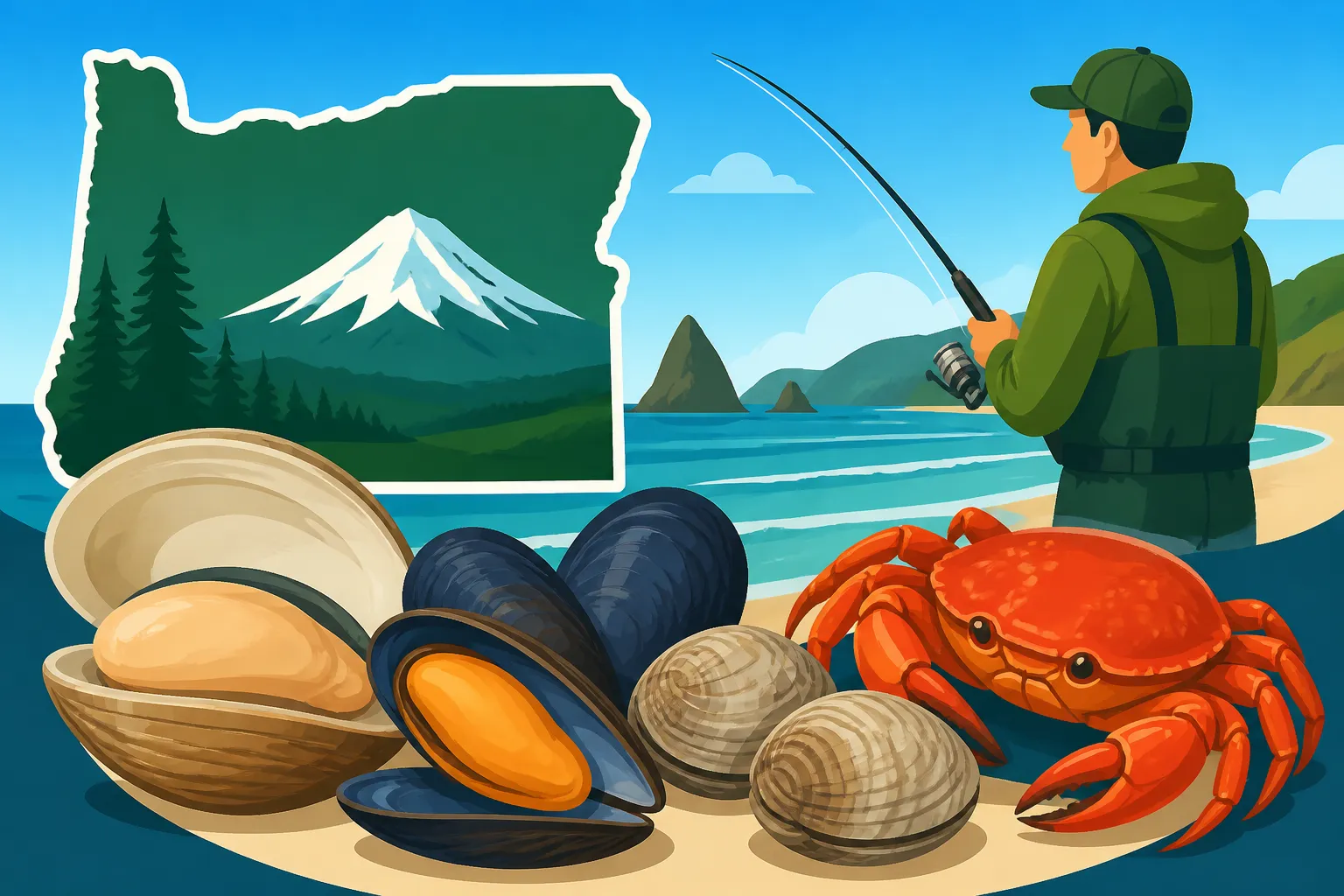
An Oregon Shellfish License is your ticket to legally harvest various invertebrate marine creatures along the state's coast, bays, and estuaries. Primarily, this includes popular targets like Dungeness crab and a variety of clams, such as razor clams, bay clams (like butter, cockle, gaper, and littleneck), and softshell clams. Beyond these main attractions, the license also covers mussels and even some less commonly pursued species like purple hinge rock scallops, sea urchins, and piddock clams. Essentially, if it's an invertebrate living in saltwater or brackish water and you want to take it home, you'll need this license.
It's important to differentiate this from a standard angling license, which is specifically for finfish. While many anglers also enjoy crabbing or clamming, the two activities require distinct permissions. You might be an expert at reeling in a salmon, but without the proper shellfish endorsement or license, your crab pot is technically illegal. This distinction often trips up folks who might assume their general fishing license covers everything aquatic.
Who Needs an Oregon Shellfish License?
The short answer is: almost everyone over a certain age. In Oregon, any person 12 years of age or older who wants to harvest shellfish is required to have a valid Oregon Shellfish License. This applies to both residents and non-residents, although the costs differ. For families, this means parents need to ensure their children who are old enough are properly licensed, even if it's just for a few crabs. It's not uncommon to see families out on the docks, with kids excitedly pulling up pots, and wardens will often check for licenses on everyone actively participating.
For younger enthusiasts, specifically those under 12, good news! They can participate in shellfish harvesting without needing their own license. However, their catch usually counts towards the licensed adult's bag limit if they are helping, or they must be accompanied by a licensed adult who is actively overseeing their activity. It’s always best practice to have a licensed adult directly supervising any unlicensed minors to avoid any misunderstandings with ODFW enforcement officers. This ensures that even the youngest crabbers and clammers are part of a responsible harvesting effort.
Why is a Shellfish License Required?
The requirement for a shellfish license isn't just about collecting fees; it's deeply rooted in the principles of conservation and resource management. First and foremost, the funds generated from license sales directly support the Oregon Department of Fish and Wildlife's programs. These programs include essential research, monitoring of shellfish populations, habitat restoration projects, and enforcement efforts that ensure sustainable harvesting practices. Without these funds, it would be impossible to maintain the health and abundance of Oregon's shellfish resources for future generations.
Furthermore, licenses help ODFW gather crucial data. Every license sold is a data point, and while a separate catch card isn't always required for shellfish in the same way it is for salmon and steelhead, the license sales provide an estimate of how many people are participating in the activity. This information, combined with creel surveys and biological sampling, helps biologists understand fishing pressure and inform management decisions, such as setting seasons, bag limits, and size restrictions. It's a way for the state to keep a finger on the pulse of the health of clam beds and crab populations, ensuring we don't overharvest these valuable resources. Ultimately, your small investment in a license plays a significant role in preserving the very opportunities you enjoy.
Types of Oregon Shellfish Licenses Available
Navigating the various types of fishing and shellfish licenses in Oregon can sometimes feel like trying to solve a puzzle. The good news is that for shellfish, it's fairly straightforward. There are a few primary options, designed to cater to different needs, whether you're a dedicated shellfish enthusiast, a multi-species angler, or just visiting the beautiful Oregon coast for a short trip. Understanding these choices will help you pick the most economical and appropriate license for your adventure.
Annual Shellfish License
For those who know they'll be frequenting the clam beds or crabbing docks multiple times throughout the year, the standalone Annual Shellfish License is often the most sensible and cost-effective choice. This license is specifically designed for harvesting crabs, clams, mussels, and other invertebrate shellfish species. It's valid for the entire calendar year, from January 1st to December 31st, regardless of when you purchase it. This means if you buy it in June, it will still expire on December 31st of that same year, so plan your purchase accordingly to maximize its value.
This option is perfect if you're not planning to fish for finfish (like salmon, trout, or bottom fish) but are solely focused on the delicious bounty of the ocean floor. Many coastal residents, or those who regularly visit for crabbing and clamming excursions, opt for this dedicated license. It provides peace of mind knowing you're covered for any spontaneous trips to Yaquina Bay for Dungeness or to Netarts Bay for bay clams, allowing you to focus on the tides and the weather rather than worrying about permits.
Combined Angling & Shellfish License
Perhaps the most popular choice for general outdoor enthusiasts in Oregon is the annual Combined Angling & Shellfish License. As the name suggests, this single license covers both freshwater and saltwater angling for finfish, and it includes the privileges of the shellfish license. This is often the go-to option for residents who enjoy a wide range of fishing activities throughout the year – from trout fishing in the Cascades to salmon fishing on the Columbia River, and then capping it off with a crabbing trip on the coast.
Purchasing the combined license is almost always more cost-effective than buying an annual angling license and an annual shellfish license separately. It consolidates your licensing needs into one convenient document, making it easier to manage and ensuring you're covered no matter what type of aquatic harvest you're pursuing. Many consider this the "full package" for recreational fishing and harvesting in Oregon, providing maximum flexibility for diverse outdoor adventures. For more detailed information, you can always refer to the full Oregon Fishing License Guide.
Youth and Other Specific Licenses
Oregon aims to encourage participation in outdoor activities, and this includes making it accessible for younger generations. As mentioned, children under 12 do not require a shellfish license. For those aged 12 to 17, a special Youth License is available, which covers both angling and shellfish harvesting. This license is significantly cheaper than adult licenses, making it very affordable for young people to legally participate in crabbing, clamming, and fishing. It's a fantastic way to introduce kids to the joys of harvesting their own food and understanding conservation.
While there isn't a specific "multi-day" shellfish-only license, non-residents often opt for a 1-day or multi-day angling license that includes shellfish privileges as part of the overall package. This is particularly useful for tourists or visitors who are only in Oregon for a short vacation and want to try their hand at crabbing or clamming without committing to an annual fee. Additionally, certain groups, such as disabled veterans or those with specific disabilities, may qualify for reduced-cost or free permits that often include shellfish privileges. To learn more about options like the Oregon Disabilities Hunting and Fishing Permit or specific age requirements, check out the Oregon Fishing License Age Requirements guide.
Here's a quick comparison of the main license types relevant to shellfish harvesting:
| License Type | Resident Annual Cost (approx.) | Non-Resident Annual Cost (approx.) | What it Covers | Best For |
|---|---|---|---|---|
| Annual Shellfish License | $10 | $28 | Crabs, clams, mussels, other invertebrates | Dedicated shellfish harvesters, not interested in finfish. |
| Combined Angling & Shellfish | $44 | $116 | All angling (fresh/saltwater finfish) + shellfish | All-around anglers and shellfish enthusiasts. |
| Youth License (Ages 12-17) | $10 | $10 | All angling (fresh/saltwater finfish) + shellfish | Young anglers and harvesters. |
| 1-Day Angling (includes shellfish) | N/A | $23 | All angling + shellfish for one day | Non-residents on a short trip. |
| 2-Day Angling (includes shellfish) | N/A | $42 | All angling + shellfish for two consecutive days | Non-residents on a weekend trip. |
Note: Costs are approximate and subject to change. Always check the official ODFW website for the most current pricing.
Cost and Where to Purchase Your License
Once you've figured out which Oregon shellfish license is right for you, the next logical step is to understand the cost and, more importantly, where to actually buy it. The process is designed to be fairly accessible, with both online and in-person options to suit different preferences. Knowing your options ahead of time will save you valuable time, especially when you're eager to get out on the water.
Detailed Cost Breakdown
The cost of an Oregon shellfish license, like other fishing licenses, varies depending on whether you are an Oregon resident or a non-resident, and which type of license you choose. It's a small investment when you consider the potential delicious bounty you could bring home!
For Oregon Residents, an Annual Shellfish License typically costs around $10. If you're opting for the popular Combined Angling & Shellfish License, expect to pay approximately $44. And for the younger residents (ages 12-17), the Youth License, which covers both angling and shellfish, is a very reasonable $10. These prices are quite stable, but it's always a good idea to double-check the latest figures on the official ODFW website as part of your trip planning. You can also explore more specific costs like the Oregon annual shellfish license cost breakdown.
For Non-Residents, the prices are naturally higher, reflecting the fact that residents contribute to the state's resource management through other taxes. An Annual Shellfish License for a non-resident usually runs about $28. If you want the full package, the Non-Resident Annual Combined Angling & Shellfish License is around $116. For shorter visits, many non-residents opt for the 1-Day ($23) or 2-Day ($42) Angling Licenses, which conveniently include shellfish privileges. These short-term options are perfect for a weekend trip to the coast or a vacation where you want to try a bit of everything. For more detailed breakdowns, check out the Oregon Resident Fishing License Cost and Oregon Nonresident Fishing License Cost articles.
Online Purchase Process
In today's digital age, buying your Oregon shellfish license online is by far the most convenient and fastest method. The Oregon Department of Fish and Wildlife (ODFW) manages its licensing system through an online portal, making it accessible from anywhere with an internet connection. This is a huge benefit for those who plan spontaneous trips or live far from a physical vendor.
To purchase online, simply visit the official ODFW licensing website. You'll need to create an account if you don't already have one. This process usually involves providing some personal information like your name, date of birth, address, and a valid form of identification (like an Oregon Driver's License or state ID). Once your account is set up, you can browse the available licenses, select the Annual Shellfish or Combined Angling & Shellfish license, add it to your cart, and complete the purchase using a credit or debit card. The best part? After your purchase is complete, you can usually print a temporary copy of your license immediately, or simply save it to your phone. This means you can be licensed and ready to go within minutes, without waiting for anything to arrive in the mail. For a step-by-step guide, you might find "How to Renew an Oregon Fishing License Online" helpful, as the purchase process is similar.
In-Person Purchase Options
While online purchasing is incredibly convenient, some people prefer the traditional method of buying their license in person, or they might find themselves in a coastal town without internet access. Thankfully, ODFW maintains a network of authorized license agents across the state. These agents are typically found in places that cater to outdoor enthusiasts.
Common places to buy your Oregon shellfish license in person include:
- Sporting Goods Stores: Large chains like Bi-Mart and Dick's Sporting Goods, as well as many independent local bait and tackle shops, are often authorized ODFW license agents. These places are great because you can also pick up any last-minute gear like crab nets, clam shovels, or bait while you're there.
- ODFW Offices: Some regional ODFW offices will sell licenses directly, though their hours might be more limited than retail stores.
- Select Grocery and Convenience Stores: In smaller coastal towns, it's not uncommon for certain grocery stores or general stores to be licensed agents, especially if they also sell bait or other fishing supplies.
When purchasing in person, remember to bring a valid form of identification and be prepared to provide the same personal details you would online. While you can't buy an ODFW license directly on Amazon, you can certainly buy gift cards or gear from Amazon that will get you ready for your trip once your license is secured from an official vendor. Many anglers also appreciate the chance to chat with local experts at these shops, getting up-to-date tips on conditions and hot spots. For a complete list of locations, check the Where to Buy an Oregon Fishing License guide.
Key Regulations Beyond the License
Having your Oregon shellfish license in hand is a fantastic first step, but it's only one piece of the puzzle. Oregon has a robust set of regulations designed to ensure sustainable harvests and protect the delicate marine ecosystem. These rules cover everything from what you can catch, how many, where, and with what equipment. Failing to understand these can not only lead to disappointing trips but also costly fines and penalties. Think of the license as your entrance ticket, and the regulations as the rules of the game you need to play by.
Crabbing Rules: Species, Size, Sex, and Gear
Crabbing is arguably the most popular shellfish activity on the Oregon coast, with the delicious Dungeness crab being the main target. To ensure future generations can also enjoy this bounty, strict rules are in place.
- Species: While various crab species exist, Dungeness crab is the primary target for recreational harvesters. Red Rock crabs are also common and can be kept, but they are generally smaller and less sought after for their meat.
- Size Limit: For Dungeness crab, there's a strict minimum size limit of 5 ¾ inches across the back (carapace), measured in a straight line in front of the points. Undersized crabs must be immediately returned to the water. This allows them to grow and reproduce, contributing to a healthy population. Always carry a crab gauge!
- Sex: Only male Dungeness crabs can be kept. Female Dungeness crabs, easily identified by their broad, rounded abdominal flap (the "apron") compared to the narrower, pointed apron of males, must be released unharmed. This rule is critical for reproduction; a female crab can carry hundreds of thousands of eggs.
- Daily Bag Limit: The daily bag limit for Dungeness crab is typically 12 crabs per person. For Red Rock crab, it's 24 crabs. Always verify current limits with the ODFW regulations, as they can change.
- Gear: You can use crab rings, pots, or even simply your hands (though this is rare for Dungeness). Each crab ring or pot must be clearly marked with your name and address or your ODFW identification number. Using proper gear helps avoid issues and ensures you're harvesting ethically.
These rules are strictly enforced by ODFW wardens, who regularly patrol popular crabbing spots. Knowing these rules ensures a smooth and productive trip. For more specific information, check out "How much fish can you bring home from an Oregon charter" and "Oregon Daily Bag Limits Explained."
Clamming Rules: Species, Digging Tools, and Limits
Clamming offers a different kind of coastal adventure, with the thrill of digging for hidden treasures beneath the sand. Like crabbing, clamming is heavily regulated to protect clam beds.
- Species: Oregon's coast is home to several clam species, each with its own preferred habitat and specific regulations.
- Razor Clams: Found on open sandy beaches (like those near Seaside and Long Beach, WA). They require a specialized clam gun or shovel and are often subject to conservation closures.
- Bay Clams: A broader category including butter, cockle, gaper, and littleneck clams, found in bays and estuaries (like Tillamook Bay, Yaquina Bay, Coos Bay). These can often be dug with a shovel or raked.
- Digging Tools: For razor clams, a clam gun or shovel is essential. For bay clams, a shovel, rake, or even a garden fork can be effective. Using appropriate tools ensures you're not damaging the clam beds excessively or unnecessarily injuring clams.
- Daily Bag Limits: Limits vary by species. For example, razor clams usually have a limit of 20 clams, regardless of size, and the first 20 dug must be kept. Bay clam limits are often a combined 20 clams per person, with specific sub-limits for certain species like gaper clams. It's crucial to consult the current ODFW Sport Fishing Regulations booklet or their online resources for the most up-to-date bag limits, as they can change seasonally or by location.
- Catch Record Cards: While a specific shellfish catch card isn't always mandated like for salmon and steelhead, some regions or species might have additional reporting requirements. Always check the regulations for Oregon Catch Record Card Requirements.
Always remember to fill in your holes after digging to protect the clam beds and ensure safety for others.
Mussel Harvesting and Red Tide Warnings
Mussels are another popular shellfish, often found clinging to rocks along the Oregon coast. While readily available, mussel harvesting comes with a critical safety consideration: red tide.
- Red Tide (Paralytic Shellfish Poisoning – PSP): Mussels are filter feeders, meaning they can accumulate toxins produced by certain microscopic algae (dinoflagellates). When these algae bloom, it creates what's commonly known as "red tide." Consuming mussels contaminated with these toxins can cause Paralytic Shellfish Poisoning (PSP), which can be severe and even fatal.
- Checking Closures: Because of the risk of PSP and other marine toxins, it is absolutely essential to check for shellfish harvesting closures before collecting any mussels. The Oregon Department of Agriculture (ODA) is responsible for monitoring marine toxins. They maintain a frequently updated hotline and website with current closure information. Never harvest mussels or other shellfish without first verifying that the area is open. This is non-negotiable for your safety. A great resource is "How to check red tide closures before clamming."
- Harvesting Methods: Mussels are typically harvested by hand, carefully prying them from rocks.
- Daily Bag Limits: The daily bag limit for mussels is usually 72 mussels per person.
It cannot be stressed enough: safety first when it comes to mussels. Always check for closures.
Other Shellfish: Scallops, Urchins, and More
While crabs, clams, and mussels are the most common targets, your Oregon shellfish license may also cover other lesser-known, but equally fascinating, species. Recreational harvesting of purple hinge rock scallops is permitted in specific areas, often requiring divers. Sea urchins can also be harvested by hand or with specific tools. Even certain types of marine snails are covered.
For these less common species, the regulations can be even more specific, including depth limits, method of take, and sometimes very restrictive seasons or areas. Always consult the most current ODFW Sport Fishing Regulations for details on any specific invertebrate species you intend to harvest. The general rule of thumb is: if you're taking it from the ocean floor or rocks, assume you need a shellfish license and then verify the specific rules for that species. This deep dive into regulations helps ensure both your success and the health of Oregon's marine resources for years to come.
Practical Tips for a Successful Shellfishing Trip
Now that you're well-versed in the licensing requirements and core regulations, let's talk about making your Oregon shellfishing trip a success. There's nothing quite like the satisfaction of bringing home a fresh catch you've harvested yourself, but a truly successful trip involves more than just luck. It requires preparation, knowledge of local conditions, and the right gear. These practical tips will help you maximize your enjoyment and safety on the coast.
Checking Conditions: Tides, Closures, and Red Tide Alerts
This is perhaps the single most crucial tip for any successful shellfishing trip in Oregon. The ocean is dynamic, and conditions can change rapidly. Ignoring them can lead to a wasted trip, a dangerous situation, or even legal trouble.
- Tides: For clamming, tides are everything. Low tides expose the clam beds, making them accessible. Different clams are found at different tide levels, so knowing the tide charts for your chosen location is essential. For crabbing in bays and estuaries, slack tide (the period of minimal water movement at high or low tide) is often considered the best time, as crabs are less likely to be swept away by strong currents and are more actively feeding. Always consult a local tide chart before heading out.
- Closures: Beyond the general season dates (which are usually year-round for many shellfish, with exceptions), specific areas can be closed due to conservation efforts, environmental concerns, or emergency regulations. Always check the ODFW's "Recreational Shellfish & Marine Bay Area Regulations" page or call their hotline for real-time updates.
- Red Tide and Biotoxin Alerts: As discussed earlier, red tide (PSP) and other biotoxins (like domoic acid) can make shellfish unsafe to eat. The Oregon Department of Agriculture (ODA) maintains a shellfish safety hotline and website that provides the most current information on closures due to marine toxins. Always, always check this resource before harvesting mussels or razor clams. This information is literally life-saving. You can reference "How to check red tide closures before clamming" for direct links.
A little planning goes a long way. Check multiple sources, and if in doubt, err on the side of caution.
Essential Gear for Crabbing and Clamming
Having the right tools for the job makes all the difference. You wouldn't try to catch a salmon with a net designed for minnows, and the same principle applies to shellfish.
- For Crabbing:
- Crab Rings or Pots: These are your primary harvesting tools. Rings are cheaper and easier to use from docks or jetties. Pots are more effective from boats but require more effort to deploy and retrieve.
- Bait Bag and Bait: A sturdy bait bag is essential. Popular baits include chicken (legs and thighs work well), fish carcasses (especially oily fish like salmon or tuna), or even roadkill. The smellier, the better!
- Buoys and Rope: If using pots from a boat, you'll need enough rope to reach the bottom at high tide, plus extra for the buoy. Your buoy must be clearly marked with your ODFW ID or name and address.
- Crab Gauge: Absolutely critical for measuring Dungeness crab to ensure they meet the minimum size limit of 5 ¾ inches.
- Gloves: Crabs can pinch! Thick gloves protect your hands.
- Bucket or Cooler: For keeping your catch fresh on the way home.
- For Clamming:
- Clam Gun or Shovel: For razor clams, a clam gun is highly efficient. For bay clams, a sturdy shovel or rake works well.
- Bucket or Mesh Bag: For holding your clams as you dig them.
- Waders or Waterproof Boots: Essential for staying dry, especially in muddy bay clam beds or when wading into the surf for razor clams.
- Small Shovel or Hoe: Useful for carefully sifting through sand or mud to locate clams without damaging them.
- Measuring Device: Some clam species have size limits, so a ruler might be necessary.
- Warm, Layered Clothing: Coastal weather can be unpredictable and chilly, even on sunny days. Dressing in layers is key.
Remember to consider what you're targeting. You wouldn't bring a clam gun to a crabbing dock! Investing in quality gear, even from places like Amazon for general outdoor wear or basic tools, will pay off in comfort and success.
Safety Considerations on the Coast
The Oregon coast is breathtakingly beautiful, but it can also be unforgiving if you're not careful. Safety should always be your top priority.
- Tides and Currents: Pay close attention to incoming tides. It's easy to get focused on digging and suddenly find yourself cut off by the rising water, especially in bays and estuaries with complex channels. Strong currents can also be dangerous, particularly when crabbing from a boat or pier.
- Hypothermia: Even on mild days, the ocean water is cold. If you fall in or get drenched, hypothermia can set in quickly. Dress in layers, wear waterproof outerwear, and consider bringing a change of clothes.
- Slippery Rocks: Jetties and rocky areas where mussels are found can be incredibly slick with algae. Wear appropriate footwear with good grip to prevent falls.
- Weather Changes: Coastal weather can shift rapidly. A sunny morning can turn into a windy, rainy afternoon. Check the forecast before you leave and be prepared for changes.
- Sun Protection: Don't forget sunscreen, a hat, and sunglasses, even on cloudy days, as UV rays can still be strong.
- Hand Protection: Beyond gloves for crabs, be mindful of sharp clam shells or broken gear that could cause cuts.
- Cell Service: Cell service can be spotty in remote coastal areas. Let someone know where you're going and when you expect to return.
- Respect Wildlife: You're in their home. Maintain a respectful distance from seals, sea lions, and birds.
By combining your knowledge of Oregon Fishing Regulations Explained with these practical tips, you're not just getting a license; you're preparing for a truly memorable and responsible Oregon shellfishing adventure. The bounty of the coast awaits!
Disclaimer
Please note that fishing and shellfish regulations in Oregon are subject to change by the Oregon Department of Fish and Wildlife (ODFW) and the Oregon Department of Agriculture (ODA). While this guide provides comprehensive information, it is essential to consult the most current official ODFW Sport Fishing Regulations booklet and the ODA shellfish safety hotline or website before engaging in any shellfishing activity. This content is for informational purposes only and should not be considered a substitute for official legal guidance or current regulations.