Is Willamette River sturgeon catch-and-release only?
It's incredibly frustrating when you're itching to get out on the water, you've heard whispers of amazing sturgeon fishing, but then you're hit with a wall of confusing regulations. Trying to figure out if you can actually keep what you catch, or if it's all just a tease, can really dampen your fishing spirit. This guide is here to clear up all that uncertainty, specifically for targeting sturgeon on the beautiful Willamette River, so you can fish with confidence and respect for these incredible ancient fish.
Navigating Sturgeon Regulations on the Willamette River
Let's cut right to the chase, because this is often the biggest question on everyone's mind when it comes to Willamette River sturgeon. Many anglers dream of pulling in one of these magnificent creatures, but the rules vary significantly depending on where you're fishing in Oregon. Understanding these nuances is crucial, not just for staying legal, but for doing your part to protect the species.
Understanding Catch-and-Release Rules
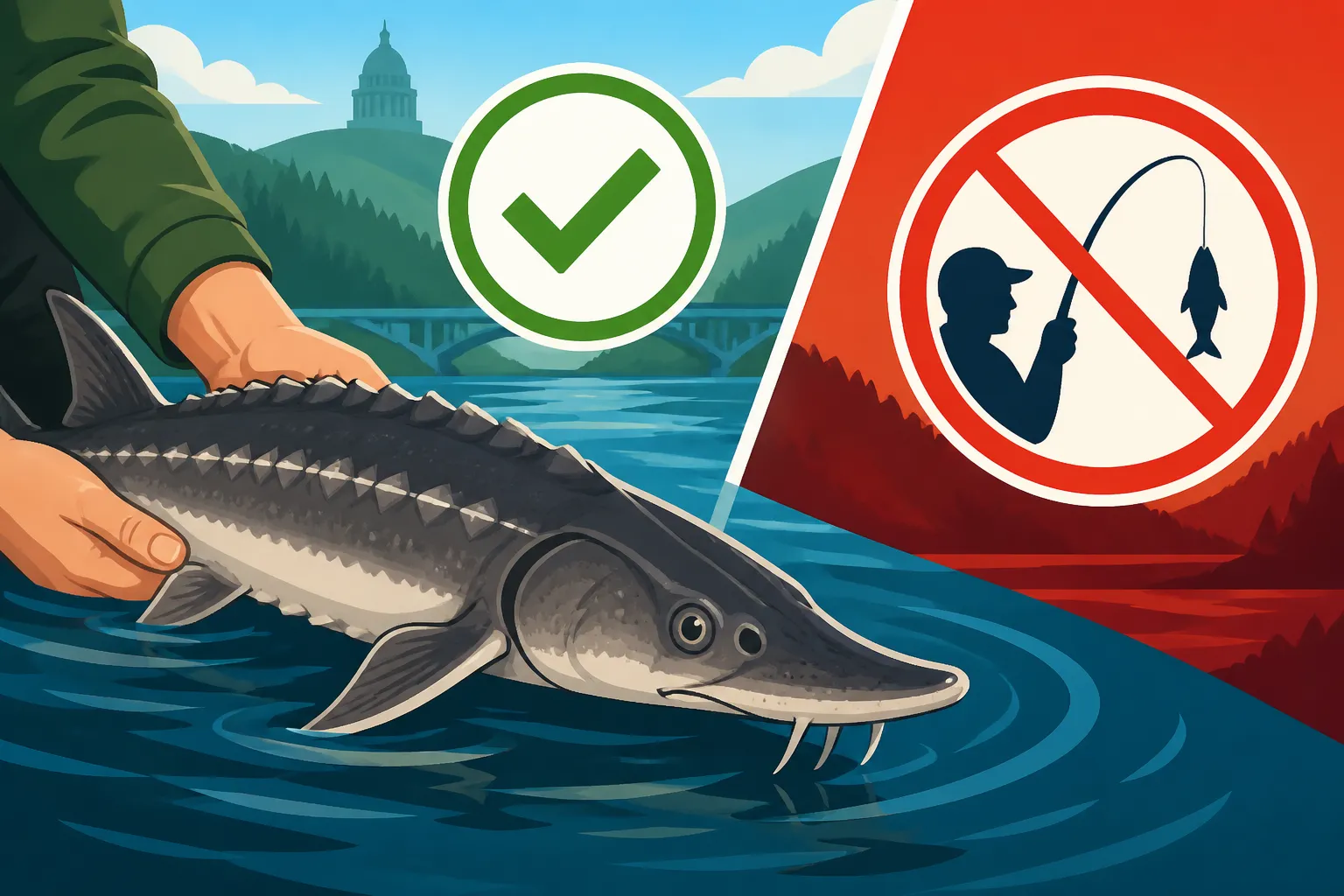
For the vast majority of the Willamette River, particularly upstream of Willamette Falls (near Oregon City) and even in much of the lower sections, sturgeon fishing is indeed strictly catch-and-release. This isn't just a suggestion; it's a legal requirement designed to protect the White Sturgeon population. You can actively target them, feel the incredible fight, and even get that thrilling photo, but the fish must be immediately and safely returned to the water. This regulation has been in place for a good reason, reflecting years of conservation efforts by the Oregon Department of Fish and Wildlife (ODFW) to help these ancient fish recover from historical overfishing and habitat changes. It means that while you can definitely have a fantastic time reeling them in, you won't be taking one home for dinner from the Willamette. It's an important distinction that separates Willamette sturgeon angling from some other fisheries.
Why the Willamette is Different for Sturgeon Conservation
The Willamette River's sturgeon population faces unique challenges, which is why the regulations are often more stringent compared to, say, the lower Columbia River. The Willamette's sturgeon are considered a distinct population, and their numbers have been a serious concern for conservationists for quite some time. Habitat degradation, historical damming (like the impacts of Willamette Falls before fish passage improvements), and past fishing pressures all contributed to a significant decline.
Because of these factors, the ODFW has implemented strict catch-and-release rules to allow the population to rebuild. While the Columbia River has areas where retention is allowed under very specific slot limits and during certain seasons, the Willamette's sturgeon simply haven't reached a population level where sustainable harvest is deemed possible. It's a delicate balance, and the current rules reflect a cautious, long-term approach to ensuring these fish thrive. You can learn more about general sturgeon regulations and their rationale by diving into the Oregon Fishing Regulations Explained, which offers a broader context for why certain species are managed the way they are across the state.
What Every Angler Needs to Know for Willamette Sturgeon
Even though it's catch-and-release, targeting sturgeon on the Willamette is an incredibly rewarding experience. These fish can grow to immense sizes and put up a formidable fight. To ensure both your success and the well-being of the fish, there are some essential considerations regarding your gear, handling techniques, and necessary permits.
Essential Gear for Catch-and-Release Sturgeon
You absolutely cannot skimp on gear when you're going after sturgeon. These aren't your average trout; they are powerful, ancient beasts that can easily break inadequate tackle. You'll need a heavy-duty rod, typically a fast-action salmon/steelhead rod or a dedicated sturgeon rod, often rated for 30-80 pound line. Pair this with a robust baitcasting reel capable of holding a substantial amount of strong braided line – think 60 to 100-pound test. Braided line is preferred for its sensitivity and strength, allowing you to feel the subtle sturgeon bites and then apply serious pressure during the fight.
For your terminal tackle, you'll need heavy lead sinkers, often 8 to 16 ounces or more, depending on the current. This ensures your bait stays on the bottom where sturgeon feed. Most critically, use sturdy, barbless hooks. Barbless hooks are usually required for sturgeon and make releasing the fish much easier and safer for both the angler and the fish. You can find excellent selections of all these items, including strong braided lines, heavy sinkers, and robust hooks, on platforms like Amazon, ensuring you're well-equipped for the task. Remember, a smaller, lighter hook can bend out or tear a fish's mouth, causing unnecessary harm.
Best Practices for Safe Sturgeon Handling
Since retention isn't an option on the Willamette, your primary goal after hooking a sturgeon is to ensure its safe release. This means minimizing stress and physical harm to the fish. Firstly, avoid fighting the fish to total exhaustion. While they put up a great fight, try to bring them in as efficiently as possible without horsing them in.
When the sturgeon is boat-side or bank-side, keep it in the water as much as possible. If you must bring it aboard for a quick photo, use a large, soft-mesh net or cradle it carefully. Never drag a sturgeon onto rocks or concrete, as this can remove their protective slime layer and cause injury. When handling, support its body evenly, especially if lifting it. A common technique is to use large gloves to grasp the pectoral fin closest to you and support the belly. Avoid touching their eyes or gills. Pliers or a hook remover are essential for quickly and safely removing the barbless hook. Once the hook is out, allow the fish to recover in the water, holding it gently by the tail or pectoral fin until it swims away under its own power. These careful steps align with the broader Oregon Catch-and-Release Rules designed to protect fish populations.
Required Licenses and Endorsements
Even for strictly catch-and-release fishing, you absolutely need a valid Oregon fishing license. There's no exception for just "practicing" or "not keeping fish." Every angler aged 12 and older is required to have a current Oregon fishing license. For resident adults, this typically means an annual angling license, but non-residents might opt for a 1-day or multi-day option depending on their trip length.
While many game fish in Oregon require specific tags (like a Combined Angling Tag for salmon and steelhead, or specific tags for sturgeon retention in certain areas), for Willamette River sturgeon, where it's strictly catch-and-release, you generally do not need additional tags or endorsements beyond your basic angling license. This is because tags are typically associated with retention limits. However, always double-check the latest ODFW regulations booklet or website before you head out, as rules can change. You can find detailed information on how to get an Oregon Fishing License Guide and where to Buy an Oregon Fishing License.
Fishing for Sturgeon on the Willamette: Techniques and Tips
Now that you're well-versed in the regulations and the necessary gear, let's talk about how you actually go about catching these incredible fish on the Willamette. It's a unique experience that combines patience with the thrill of a monumental battle.
Effective Baits and Rigs
Sturgeon are primarily bottom feeders, and they have an incredible sense of smell. So, scent is key! Popular baits for Willamette River sturgeon include fresh or brined smelt, sand shrimp, squid, anchovies, or even chunks of salmon or steelhead carcasses (check regulations for bait restrictions, as sometimes cured eggs are allowed but fresh carcass might be restricted in certain areas or seasons). Some anglers even combine baits, like a piece of squid with a sand shrimp, to create a potent scent cocktail.
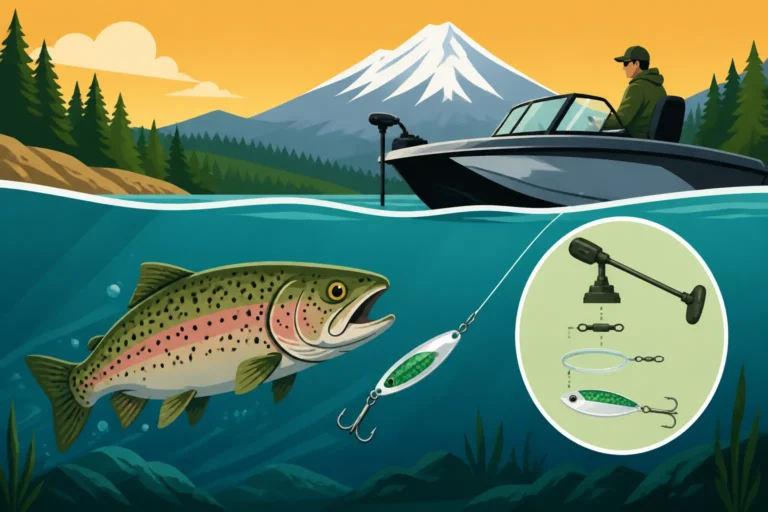
The most common and effective rig for sturgeon is a simple bottom-fishing setup, often called a "slider rig" or "Carolina rig." This involves a heavy lead sinker that can slide freely on your main line, followed by a swivel, and then a leader (usually 18-36 inches of strong monofilament or fluorocarbon, often 80-100lb test) tied to your large, barbless hook. The sliding sinker allows the sturgeon to pick up the bait without immediately feeling the weight of the lead, giving you a better chance for a solid hookset. This setup is similar to techniques described in How to Fish for Sturgeon on the Columbia River, though specific bait restrictions might vary.
Prime Spots and Seasons for Willamette Sturgeon
Sturgeon can be found throughout the Willamette River, but certain areas tend to hold more fish or are more accessible. Below Willamette Falls, in the slower, deeper holes and channels, particularly around areas like Oregon City, Newberg, and just above its confluence with the Columbia River, are known hot spots. Further upstream, deeper pools and bends, especially those with soft, silty bottoms where their preferred food sources reside, will be prime targets. Think about areas where currents slow down, allowing food to settle.
Sturgeon are generally active year-round, but specific times can be better. Many anglers find success in the spring and fall when water temperatures are moderate. During these times, sturgeon are actively feeding. In the colder winter months, their metabolism slows, and they might be less active, while hot summer temperatures can also make them sluggish. Paying attention to river flow and turbidity can also be key. After a rain, when the river is a bit murky, can often be a great time as the increased flow might stir up food, and the cloudy water provides a bit more cover for the sturgeon. While specific Oregon Fishing Season Dates and Limits mostly pertain to retention fisheries, these general seasonal patterns apply to catch-and-release sturgeon as well.
The Thrill of the Fight (and the Release)
Let's be honest, the main reason most people target sturgeon on the Willamette is for the sheer thrill of the fight. There's nothing quite like feeling that subtle tap-tap-tap on your line, setting the hook, and then having a powerful, ancient fish strip line off your reel with incredible force. They can leap, roll, and dig deep, testing your tackle and your stamina. Many anglers consider it one of the most exciting freshwater battles available in Oregon.
Even though you can't keep them, the memory of battling a five-foot or even six-foot sturgeon is something that stays with you forever. The satisfaction comes from successfully landing such a magnificent creature, capturing a quick photo if you choose, and then watching it swim powerfully back into the depths. It's a deeply satisfying feeling, knowing you've respected the fish and contributed to its continued presence in the river. This deep respect for the resource is a cornerstone of responsible fishing, which is why understanding things like Oregon Fishing Violations and Penalties is so important – not just for legal reasons, but for ethical ones too.
Willamette River Sturgeon Regulations Overview
| Feature | Willamette River (above Willamette Falls) | Willamette River (below Willamette Falls) | Lower Columbia River (for comparison) |
|---|---|---|---|
| Retention | Strictly Catch-and-Release Only | Strictly Catch-and-Release Only | Limited retention periods, specific slot limits apply (check current ODFW regs) |
| Required License | Oregon Angling License | Oregon Angling License | Oregon Angling License (plus Columbia River Basin Endorsement for CR) |
| Required Tags | No additional tags for C&R | No additional tags for C&R | Sturgeon Tag (if retaining, during open seasons) |
| Hook Type | Barbless required | Barbless required | Barbless required |
| Conservation Status | Population of Concern, focus on rebuilding | Population of Concern, focus on rebuilding | Managed for limited harvest and recovery |
| Primary Goal | Sporting experience, fish health | Sporting experience, fish health | Sporting experience, sustainable harvest |
This table provides a snapshot, but always remember to consult the most current ODFW regulations for the precise and up-to-date information before each trip.
Disclaimer
Fishing regulations and conditions can change frequently. While we strive to provide the most accurate and current information, it is the angler's responsibility to verify all rules and regulations with the Oregon Department of Fish and Wildlife (ODFW) before engaging in any fishing activity. Always prioritize safety and conservation.