When do salmonflies hatch on Oregon rivers
There are few things more anticipated by an Oregon angler than the legendary salmonfly hatch. That moment when the big bugs start crawling out of the river, and the fish—especially those elusive, large trout—start looking up, can feel like chasing a ghost if you don't know what you're looking for. It's a fleeting, glorious window of opportunity that many of us spend all year dreaming about, and nothing is more frustrating than arriving at your favorite river only to find you've missed it. This guide will help you understand when salmonflies typically hatch on Oregon rivers, what factors influence their emergence, and how you can maximize your chances of experiencing this incredible event.
Understanding the Salmonfly Phenomenon in Oregon
Before we dive into the "when," let's truly appreciate the "what" and "why" of the salmonfly hatch. This isn't just any bug emergence; it's a spectacle that transforms the river and the fishing experience.
What Exactly is a Salmonfly?
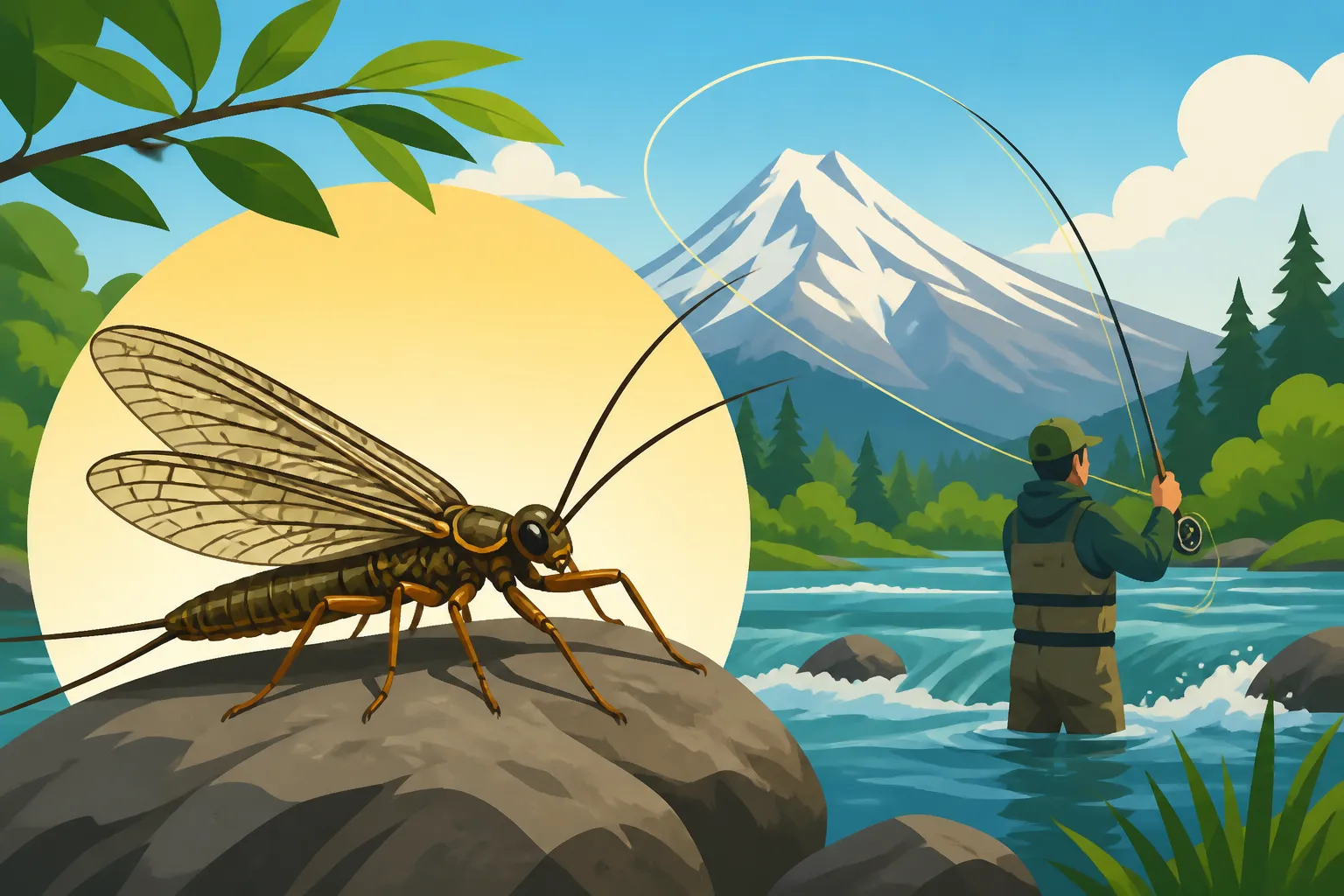
The salmonfly, Pteronarcys californica, is a giant among aquatic insects. We're talking about a stonefly species that, as an adult, can measure up to two inches long, with a robust body and impressive wings. They spend most of their lives as nymphs, crawling around on the riverbed, clinging to rocks, and feeding on detritus and algae. This nymph stage can last for years, growing steadily, until conditions are just right.
When the time comes, these mature nymphs migrate from the river bottom to the banks, often crawling out onto riparian vegetation, rocks, or even exposed driftwood to shed their nymphal shucks and emerge as winged adults. It's a clumsy, dramatic exit, and for a brief period, the riverbanks can be absolutely swarming with them. These adults then mate, and the females return to the water to deposit their eggs, starting the cycle anew. For the fish, especially the larger trout and steelhead, a two-inch protein-packed salmonfly is an irresistible feast, the aquatic equivalent of an all-you-can-eat buffet.
Why the Salmonfly Hatch is a Big Deal for Anglers
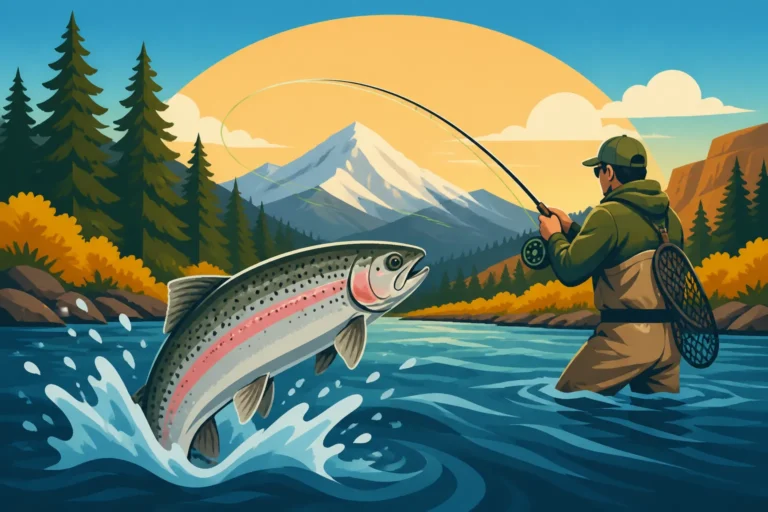
If you've never witnessed a full-blown salmonfly hatch, you're missing out on one of the most exciting experiences in fly fishing. The sheer size of these insects means that even the most wary, trophy-sized fish often throw caution to the wind and actively hunt them on the surface. We're talking about huge trout that normally hug the bottom or lurk in deep pockets, suddenly becoming visible as they rise to gorge on the clumsy adults.
The excitement isn't just about the size of the fish or the aggressive takes; it's also about the unique challenge. You're often throwing large, bulky dry flies that mimic these bugs, and the cast needs to be accurate, the drift natural, and your nerves steady for the explosive strike. It creates a communal buzz among anglers, a shared sense of anticipation and camaraderie. Everyone is chasing the same dream: that moment when a behemoth trout gulps down your imitation salmonfly. It's a bucket-list event for many who fish in Oregon, and it brings a special kind of energy to the river that you just don't find at other times of the year.
Pinpointing the Hatch: Key Factors and Typical Timing
The big question, of course, is when does this magic happen? Unlike a calendar date, the salmonfly hatch is a bit like predicting the weather: you can make educated guesses, but ultimately, it's up to Mother Nature.
The Role of Water Temperature and River Flows
The absolute most critical factors for triggering the salmonfly hatch are water temperature and river flow. Think of these as the two dials on the river's thermostat and plumbing system.
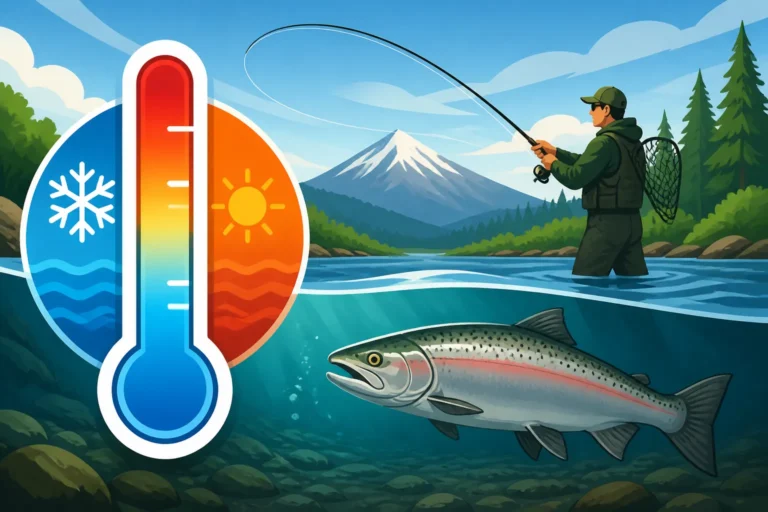
Salmonfly nymphs typically begin their migration to the banks when the water temperature consistently hits a certain sweet spot, usually in the range of 50 to 60 degrees Fahrenheit (roughly 10-15 degrees Celsius). It's not a sudden flip of a switch, but a gradual warming trend that signals to the nymphs that it's time. A sustained period of warm, sunny weather after the peak of spring runoff is often the catalyst. If the weather stays cold, or if there's a late surge of snowmelt, the hatch can be delayed.
River flows also play a massive role. High, roaring, and turbid water from heavy rain or snowmelt can delay the hatch significantly or even push it into obscure areas. Nymphs struggle to migrate in strong currents, and adults emerging on flooded banks can be quickly washed away. Ideal conditions are stable, dropping, and clearing flows. As the river settles down and warms, the hatch gains momentum. If the water remains too high and off-color, the hatch might be subdued, forcing fish to look for nymphs dislodged from the bottom rather than surface adults. This is why paying attention to How river flow affects steelhead fishing and other species is so important.
General Timing Across Oregon's Premier Rivers
While variable, there are general windows when anglers start looking for salmonflies on specific rivers.
Deschutes River
The Lower Deschutes River, particularly the stretch between Warm Springs and Maupin, is arguably the most famous salmonfly fishery in Oregon. Here, the hatch is legendary, and anglers flock from all over to experience it. Historically, the hatch on the Lower Deschutes typically kicks off in late May and runs through the first half of June, sometimes extending into mid-June in cooler years. It generally starts in the lower reaches of the river and slowly progresses upstream, following the warming water. So, if you hear reports of bugs hatching near Maupin, you might find them just starting further north around Mecca Flats a few days later, or vice-versa, depending on the specific weather patterns. This is why knowing the Deschutes River Fishing Guide is key.
Metolius River
The Metolius River, a stunning spring-fed river near Sisters, offers a different salmonfly experience. Being a spring-fed river, its water temperatures are much more stable and colder than the Deschutes, which influences the hatch. While not as massive or dramatic as on the Deschutes, the Metolius does have a salmonfly hatch. It often occurs a bit later than the Deschutes, usually in June, and can be more prolonged or spread out due to the consistent cold water. It's also a fly-fishing-only river, making the chase for a Metolius salmonfly eater a truly unique challenge. If you're planning a trip there, check out our Metolius River Fishing Guide for more specifics.
Other Rivers
While less renowned for their salmonfly hatches, other Oregon rivers might see smaller emergences. Rivers like the Crooked River or the John Day River, particularly their lower to middle sections, can experience sporadic hatches. These can sometimes occur slightly earlier or later than the Deschutes, depending on their elevation, tributary influence, and overall water temperature profiles. It's always a good idea to consult local intel if you're exploring these less-traveled salmonfly waters.
Geographical Variations and Microclimates
Even within the same river, the hatch timing can vary significantly due to local geography and microclimates. Imagine a river flowing through a canyon. South-facing banks that get direct sunlight will warm up faster, prompting earlier nymph migration and emergence. Shady, north-facing banks or sections of the river that run through dense forest might see the hatch begin a few days or even a week later.
The elevation also plays a role. Sections of a river at a lower elevation will naturally warm faster than those higher up, meaning the hatch often starts downstream and slowly "marches" upstream. This is why guides and experienced anglers often "chase the hatch," moving upriver as the days progress to stay within the peak emergence zone. It's a dynamic process, not a static event, and understanding these subtle shifts can make all the difference in finding the fish when they're truly keyed in.
Strategies for Predicting and Fishing the Hatch
Knowing the general timing is one thing, but hitting the hatch at its peak requires a bit of detective work and flexibility.
Monitoring Conditions: How to Stay Informed
Given the variability of the salmonfly hatch, a multi-pronged approach to monitoring conditions is your best bet:
- River Flow Websites: Many state and federal agencies provide real-time river flow and temperature data online. While I can't name specific sites, a quick search for "[River Name] water levels" or "[River Name] streamflow" will usually yield results. Look for stable or dropping flows and a rising temperature trend.
- Local Fly Shops: This is, hands down, the best resource. The folks who work at local fly shops, especially those like Fly Fishing Only or The Deschutes Angler, are on the river constantly, talking to guides, and receiving daily reports. They live and breathe the hatch and can give you hyper-local, up-to-the-minute information about where bugs are crawling, where fish are rising, and what patterns are working. They'll tell you if it's "bug soup" or if it's still a few degrees too cold.
- Online Forums and Social Media Groups: While less reliable than a fly shop, dedicated Oregon fishing forums or Facebook groups can offer anecdotal reports from fellow anglers. Use these with a grain of salt, but they can sometimes provide early indicators or confirm trends you're seeing elsewhere. Just be wary of outdated information!
Gear and Techniques for Salmonfly Fishing
When the salmonflies are on the water, you're generally going to want to go big with your fly selection.
- Fly Fishing: This is where fly fishing truly shines. Large, buoyant dry flies that accurately mimic the adult salmonfly are essential. Think patterns like the "Chubby Chernobyl," "Stimulator," "Rogue Stone," or "Bullethead Stone." You'll want these in sizes 4 to 8. Presentation is key: a soft, natural drift is crucial, especially for the larger, wary fish. They're looking for an easy meal, not a fly that's dragging or skating unnaturally. A strong leader and tippet are also advised, as these fish can be powerful. If you're looking for specific patterns or other gear, you can often find a wide selection of proven flies and accessories on Amazon. This focus on surface action and big flies is a distinct element of Oregon fly fishing techniques.
- Conventional Gear: While the dry fly experience is iconic, spin anglers can also get in on the action. Surface lures like small poppers, buzzbaits, or even stickbaits that create a disturbance on the water can entice aggressive strikes. You can also fish large, weighted nymphs or rubber-legged stonefly imitations on the bottom, as fish are still feeding on nymphs even when adults are hatching, or on drowned adults.
- Stealth and Presentation: Regardless of your gear, remember that these large fish didn't get big by being careless. Approach the water quietly, make accurate casts, and avoid spooking fish. A natural, drag-free drift is often more important than the exact pattern of the fly.
The "Window of Opportunity" and Dealing with Delays
The peak of the salmonfly hatch is a relatively short-lived event, usually lasting one to three weeks in any given section of river. The nymphs emerge over a period, but the intense feeding frenzy on the adults has a definite peak. Missing it by even a few days can mean the difference between epic topwater action and a much tougher day on the water.
- Early or Late Springs: A cold, wet spring can delay the hatch by a week or two, pushing it further into June. Conversely, an unusually warm, dry spring could bring it on earlier, sometimes in mid-May. This is why rigid adherence to calendar dates, as discussed in Oregon Fishing Season Dates and Limits, isn't always effective for specific insect hatches.
- What if You Miss It? Don't despair! If you arrive and the hatch hasn't started, fish nymphs. The trout are still keyed into these insects as they prepare to emerge. If the hatch is over, fish might still be looking for drowned adults, or they might switch to other food sources. Sometimes, the "post-hatch lull" can be tough, as fish are gorged. But often, a different, smaller mayfly or caddisfly hatch will begin shortly after, offering new opportunities. Also, a quick switch to other Oregon Trout Fishing Techniques might save the day.
Common Misconceptions and Pro Tips
The salmonfly hatch is often romanticized, but it's important to approach it with a dose of realism and good angling etiquette.
It's Not Always a Guaranteed Frenzy
While the stories of fish violently attacking anything that floats are common, the reality can sometimes be more nuanced. The hatch isn't always a non-stop feeding frenzy. Fish can be surprisingly selective, especially if the river is covered in thousands of natural bugs. They might key in on a specific stage of the hatch (emergers, crippled adults) or a certain drift. Factors like sudden weather changes (cold fronts, rain), changes in water clarity, or heavy angling pressure can also put the fish down, making them less willing to rise aggressively. Don't expect every cast to result in a strike; successful salmonfly fishing often requires patience and observation.
Beyond the Adults: Nymph and Post-Hatch Fishing
Many anglers focus solely on the adult dry fly fishing, but smart anglers know that the nymph stage is incredibly productive. Weeks before the first adults appear, and throughout the hatch, fish are gorging on the large, succulent salmonfly nymphs as they migrate to the banks. Fishing large nymph patterns (like Pat's Rubber Legs or Kaufmann's Stone) bounced along the bottom or under an indicator can be incredibly effective. Even after the adult hatch has passed, trout will continue to eat nymphs for a while, and sometimes even drowned or spent adults that wash into slower currents. Don't underestimate the power of the sub-surface game. You might learn more by referring to our comprehensive Oregon Bait and Lure Guide for options.
Respecting the Resource and Fellow Anglers
The popularity of the salmonfly hatch means that rivers like the Deschutes can get crowded during the peak window. It's vital to practice good river etiquette: give other anglers space, don't walk through water where someone else is fishing, and always practice "Leave No Trace" principles. Pack out everything you pack in, and leave the river better than you found it. Most importantly, handle fish gently, especially the large, wild trout, and release them quickly and carefully. We all want to enjoy these incredible fisheries for years to come, and that requires respecting the fish, the environment, and each other.
To help visualize the general timelines for some of Oregon's key salmonfly rivers, here's a rough guide. Remember, these are averages and highly dependent on yearly conditions!
| River Section | Primary Fish Species | Typical Hatch Window | Key Influencers | Notes |
|---|---|---|---|---|
| Lower Deschutes | Rainbow Trout, Steelhead | Late May – Mid June | Water temperature, stable flows, sunny weather | Most famous hatch, can be crowded. Starts lower, moves upstream. |
| Metolius River | Rainbow Trout, Bull Trout | June – Early July | Stable spring-fed water temp, less flow variation | Fly-fishing only, less intense but can be prolific. Often later. |
| Crooked River | Redband Trout | Mid May – Early June | Reservoir releases, regional temperature | Smaller bugs, less dramatic hatch than Deschutes. |
| John Day River | Smallmouth Bass, Trout | Late May – Mid June | Water temperature, flow (can be too high early on) | More sporadic, can vary greatly by section. Primarily trout food. |
The salmonfly hatch is more than just a fishing opportunity; it's an experience that connects you deeply to the rhythm of Oregon's rivers. By understanding the factors that trigger it, monitoring conditions diligently, and being prepared with the right gear and attitude, you can greatly increase your chances of being there when the big bugs, and even bigger fish, come out to play.
Disclaimer
This article is for general informational purposes only and does not constitute professional advice. Laws, prices and regulations vary by location and change over time. Consult a qualified professional for guidance on your specific situation.