Oregon Saltwater Fish Species Guide
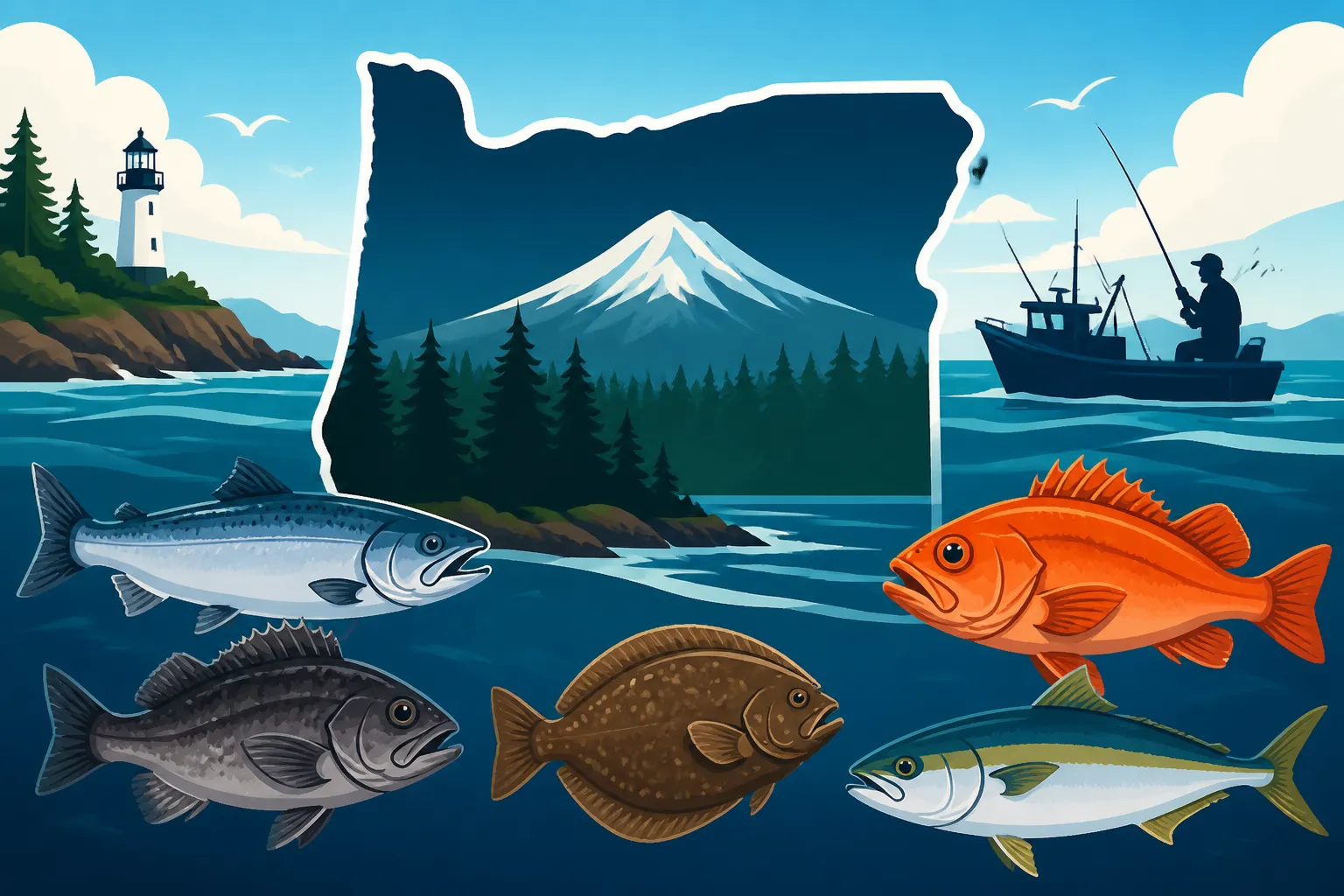
Navigating Oregon's vast and wild coastline for fishing can feel a bit like trying to read a treasure map written in a foreign language. You know there are incredible prizes out there – powerful salmon, feisty rockfish, and maybe even a colossal halibut – but figuring out what you can catch and where to find it can be incredibly daunting. This comprehensive guide is designed to demystify the rich diversity of saltwater fish species off the Oregon coast, helping you understand what finned and shelled creatures call these waters home, so you can plan your next big adventure with confidence and excitement.
The Allure of Oregon's Saltwater Fisheries
There's something uniquely captivating about fishing the ocean, isn't there? It's the sheer unpredictability, the vastness, and the incredible variety of life beneath the waves. Oregon's coastline, from the dramatic cliffs of Samuel H. Boardman State Scenic Corridor to the bustling bays of Astoria, offers a marine environment teeming with opportunities for the dedicated angler. It's a place where you can spend a serene morning dropping a line for crab, or head miles offshore in pursuit of a truly monumental catch.
A Diverse Coastal Ecosystem
Oregon's marine environment is incredibly dynamic. We're talking about a mix of rocky reefs, sandy bottoms, kelp forests, deep offshore canyons, and nutrient-rich estuaries. Each of these unique habitats supports a different array of fish species, creating a complex and vibrant ecosystem. The cold, oxygen-rich waters fed by upwelling currents bring in an abundance of food, attracting everything from tiny baitfish to massive apex predators. This ecological richness means that one day you might be jigging for a schooling rockfish over a rocky reef, and the next you could be trolling for salmon in the open ocean. It's this natural diversity that makes Oregon's saltwater fishing scene so rewarding, yet sometimes, so challenging to grasp for newcomers.
The Thrill of Ocean Fishing
For many of us, the draw of saltwater fishing isn't just about the catch, it's about the entire experience. It's the salty air, the endless horizon, the cry of gulls, and the rhythmic roll of the ocean beneath your boat. There's a primal satisfaction in pitting your wits and tackle against a powerful fish from the deep. Whether you're feeling the sharp tug of a lingcod on your line or the relentless pull of a cruising salmon, the thrill is undeniable. And let's be honest, there's nothing quite like bringing home a cooler full of fresh, wild-caught seafood to share with family and friends. It's an adventure that engages all your senses and creates memories that last a lifetime, reminding you why you put in the effort to understand the Oregon Fishing Regulations Explained and secure your Oregon Fishing License Guide.
Popular Bottomfish Species
When most folks think about ocean fishing off Oregon, their minds often drift to salmon or perhaps tuna. But for consistent action and often generous bag limits, bottomfishing is where it's at. These are the fish that hang out on or near the seabed, typically around rocky structures, reefs, and wrecks. They're delicious, abundant, and a blast to catch.
Rockfish: The Colorful Coastal Dwellers
Rockfish, often referred to as snapper or rock cod, are probably the most common and accessible saltwater fish species for anglers along the Oregon coast. They are incredibly diverse, with dozens of species ranging in size and color. You'll encounter everything from the vibrant orange vermilion rockfish to the dark-bodied black rockfish and the mottled, olive-green quillback rockfish. They tend to congregate around structure, making them a prime target for anglers fishing from boats over rocky reefs, jetties, or even from shore in certain spots.
Catching rockfish usually involves jigging with heavy metal jigs or bait fishing with cut squid, herring, or shrimp. They're aggressive eaters and often provide continuous action, which is fantastic for beginners or families fishing together. Just be mindful of barotrauma when releasing rockfish from deeper water – sometimes they need a descending device to help them swim back down safely. Knowing your Rockfish off the Oregon Coast species is also key to understanding specific regulations, as some species are more protected than others. You can find a good selection of descending devices and specialized rockfish jigs on Amazon, making it easy to stock up before your trip.
Lingcod: The Apex Predator of the Reefs
If you're looking for a toothy, aggressive, and substantial challenge, the lingcod is your fish. These prehistoric-looking bottom dwellers are true apex predators of the rocky reefs, known for their large mouths, sharp teeth, and voracious appetites. They can grow quite large, with some specimens reaching over 40 pounds, providing an impressive fight on rod and reel. Their meat is firm, flaky, and delicious, making them a highly prized catch.
Lingcod often lurk in rocky crevices, ambushing unsuspecting prey. They'll readily strike large jigs, swimbaits, and live or dead bait, especially whole herring or squid. When you hook a lingcod, be prepared for a strong, head-shaking fight all the way to the boat. They're often found in the same areas as rockfish but typically hold deeper or in more substantial structures. Landing one of these giants is definitely a highlight of any Oregon bottomfishing trip. Check out our guide on Lingcod off the Oregon Coast for more detailed techniques and best times to target them.
Cabezon: A Master of Camouflage
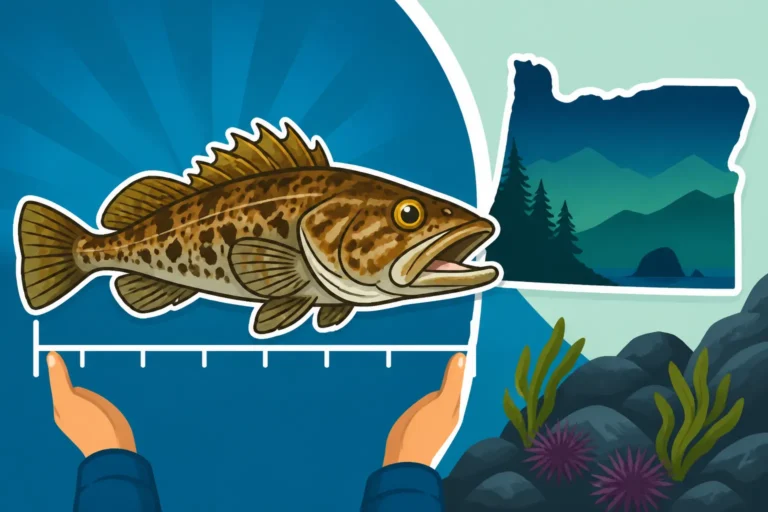
The cabezon is another unique and highly sought-after bottomfish, though perhaps less frequently encountered than rockfish or lingcod. These fish are masters of camouflage, blending seamlessly with their rocky surroundings. Their name, Spanish for "big head," accurately describes their most prominent feature. Cabezon are stout, firm-bodied fish with a distinctive, mottled coloration that can vary widely depending on their habitat. They are prized for their firm, flavorful white meat, often considered a delicacy.
Cabezon are ambush predators that feed on crabs, shrimp, and small fish. They're often caught using bait, particularly crab or shrimp, fished close to the bottom in rocky areas. They can be a bit more elusive than rockfish, requiring patience and a good understanding of their habitat. Anglers targeting cabezon will often focus on shallower, kelp-laden reefs or rocky shorelines. Due to their slow growth rate and relatively small populations compared to other bottomfish, understanding specific catch limits for cabezon is crucial, as they can sometimes differ from general rockfish regulations.
Prized Pelagic Species
While bottomfish offer consistent action, pelagic species are the glamour fish of the open ocean. These are the powerful, migratory fish that cruise through the water column, often far from shore, offering a different kind of challenge and reward.
Pacific Halibut: The Broad-Shouldered Deep Dweller
Ah, the Pacific Halibut. For many Oregon anglers, this is the holy grail of saltwater fishing. These flatfish are truly magnificent creatures, growing to immense sizes – think dinner table slabs that can feed a small army! They're known for their broad, diamond-shaped bodies, powerful runs, and incredible fight, often requiring significant effort to bring aboard. Halibut fishing is typically a boat-based endeavor, often requiring trips many miles offshore to deeper waters where these giants reside.
Halibut are opportunistic feeders, preying on cod, rockfish, octopus, and crab. They are typically targeted using large baits like whole herring, salmon heads, or squid fished on the bottom. The season for Pacific halibut is usually quota-based and highly regulated, often limited to specific days or periods, so careful planning is essential. Landing a trophy halibut is an unforgettable experience, a testament to skill and perseverance. Check out our detailed guide on Pacific Halibut off Oregon to learn more about the prime windows and techniques for these incredible fish.
Albacore Tuna: The Offshore Speedsters
If you crave speed, power, and a truly exhilarating fight, then chasing albacore tuna off the Oregon coast is an absolute must. These torpedo-shaped pelagic predators are famous for their long, streamlined bodies, incredible speed, and tireless fighting ability. When a school of albacore hits your trolling spread, it's pure chaos and adrenaline, with multiple reels screaming simultaneously. Tuna fishing is an offshore game, often requiring runs of 30 to 70 miles or more to reach the warm, nutrient-rich waters where they feed.
Albacore are usually targeted by trolling a spread of lures or cedar plugs, or by casting jigs and poppers into busting schools. They are aggressive and nomadic, following baitfish and warm water currents. The season for albacore varies each year depending on water temperatures and fish migrations, but typically peaks in late summer and early fall. Not only do they offer an incredible fight, but albacore are also highly prized for their delicious, sushi-grade meat. You can find specialized offshore trolling lures and tuna rods on Amazon to get ready for the hunt. Don't forget to review our Albacore Tuna Fishing Season guide for the best times to venture out.
Salmon: Kings and Silvers of the Sea
While salmon spend a significant part of their lives in freshwater rivers, their time in the ocean is crucial for their growth and development, transforming them into the powerful, silver bullets we love to catch. Off the Oregon coast, the primary targets are Chinook (King) salmon and Coho (Silver) salmon. These fish are truly iconic, not just for their fighting prowess but for their incredible journey from freshwater to saltwater and back again.
Ocean salmon fishing usually involves trolling with bait (like herring or anchovies) or various lures and flashers. Anglers often target them in specific areas along the coast, near river mouths, or over offshore banks where they congregate to feed before their freshwater migration. Chinook salmon are the largest and most powerful, renowned for their incredible runs and stubborn fights. Coho, while smaller, are acrobatic fighters that often put on a spectacular aerial display. Catching a bright, ocean-run salmon is a highlight for any angler. Understanding the specific seasons and regulations, which can change frequently based on conservation efforts, is paramount. Dive deeper into these majestic fish with our Oregon Salmon Species Guide.
Estuary and Nearshore Favorites
Not all saltwater fishing requires a deep-sea boat or a long offshore journey. Oregon's many bays, estuaries, and accessible beaches offer fantastic opportunities to target a different range of saltwater species, often right from shore or a small boat.
Surfperch: Beach Brawlers
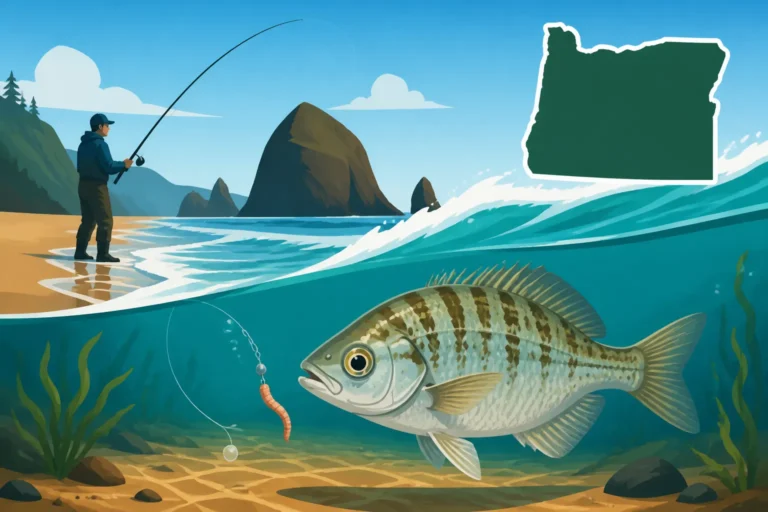
For those who love the rhythmic crash of waves and the feel of sand between their toes, surfperch offer an exciting and accessible fishing option right from Oregon's beaches. These feisty panfish are found throughout the surf zone, feeding on sand crabs, small invertebrates, and baitfish. They might not be the biggest fish in the sea, but they're abundant, offer consistent action, and are a great gateway to saltwater fishing for beginners or families.
Redtail surfperch are the most common and largest species, identifiable by their reddish fins. They can put up a surprisingly strong fight on light tackle, especially when caught in the churning surf. Anglers typically use light spinning gear, casting baits like sand shrimp, clam necks, or Gulp! sandworms into the waves. The key is to find subtle depressions or troughs in the sand where perch congregate to feed. Early mornings, late evenings, or around tide changes are often the best times. Plus, there's something incredibly peaceful about standing on a vast Oregon beach, watching the sunrise and feeling the subtle tug of a surfperch.
Flounder and Sole: Flatfish Delights
Oregon's bays and sandy nearshore areas are also home to various species of flatfish, including flounder and sole. These bottom-dwelling fish, with both eyes on one side of their flattened bodies, are often overlooked but offer excellent table fare. While not known for spectacular fights, they provide a consistent and enjoyable catch, especially for those fishing from docks, piers, or small boats in calmer waters.
You'll encounter species like starry flounder, English sole, and sand sole. They typically feed on small crustaceans and invertebrates on sandy or muddy bottoms. A simple bottom rig with a small hook and bait like clam, shrimp, or squid is usually all it takes. Cast out, let your bait settle, and wait for that subtle tap-tap-tap as a flatfish investigates. They're a great target for a relaxed day of fishing in an estuary, perhaps while also trying your hand at crabbing. Do you need a fishing license to fish from a dock in Oregon? Yes, generally you do, so make sure you're covered!
Pacific Herring and Smelt: Forage Fish and Fun
While not always considered "game fish" in the traditional sense, Pacific herring and various species of smelt (like surf smelt or eulachon) are incredibly important forage fish in Oregon's marine ecosystem. They are the primary food source for many larger predators, including salmon, tuna, and lingcod. For anglers, they offer a unique and often productive fishing experience, especially for those looking to catch bait or enjoy a bountiful harvest of small, delicious fish.
Herring and smelt often school in massive numbers in bays and nearshore areas, particularly during spawning runs. They are typically caught using specialized bait-fishing rigs with multiple small hooks (known as sabiki rigs) or small casting nets. When a school moves in, the action can be non-stop, providing an exciting opportunity to fill a cooler quickly. Beyond their importance as bait, many people enjoy eating fresh herring or smelt, which are often fried whole. They're a perfect example of the smaller, yet vital, components of Oregon's diverse saltwater fisheries.
Unique and Less Common Catches
Beyond the mainstays, Oregon's saltwater offers a few more intriguing species that might surprise you. Some are common but less targeted, while others are truly unique encounters.
Greenling: Reef Dwellers with Personality
Greenling are a fascinating group of fish commonly found in rocky nearshore habitats and kelp forests along the Oregon coast. While often caught incidentally by anglers targeting rockfish, they are interesting species in their own right, known for their distinctive appearance and feisty nature. The most common species you'll encounter are kelp greenling and rock greenling. They have elongated bodies, often with intricate patterns and vibrant colors that help them camouflage amongst the rocks and seaweed.
Greenling primarily feed on crustaceans, worms, and small fish. They can be caught using small jigs, grubs, or bait such as shrimp or pieces of squid, fished close to the bottom in rocky areas. They put up a respectable fight on light tackle and are quite good to eat, with firm, white flesh. Targeting greenling can be a fun way to explore the shallower, more complex rocky habitats that other species call home. They truly add to the colorful tapestry of Oregon's underwater world.
Skate and Rays: The Bottom-Dwellers
While not typically targeted for their culinary value (though some people do eat them!), various species of skates and rays are common inhabitants of Oregon's sandy and muddy bottoms. These cartilaginous fish are relatives of sharks, characterized by their flattened bodies and wing-like pectoral fins. They are often caught incidentally by anglers targeting bottomfish or flatfish, and their unique appearance can certainly add an element of surprise to a fishing trip.
You might encounter species like the big skate, longnose skate, or various ray species. They feed on crustaceans, mollusks, and small bottom-dwelling fish. They are typically caught on bait fished on the bottom, and while they don't fight with the same vigor as a salmon, their sheer weight can provide a substantial tug on the line. Handling them requires care due to potential spines or stingers on some species, though most skates are harmless. It's always a good idea to research safe handling practices for skates and rays if you anticipate catching them, especially for proper Oregon Catch-and-Release Rules.
Shark Species: The Elusive Offshore Hunters
Oregon's offshore waters are home to a variety of shark species, though they are much less commonly encountered by recreational anglers than in warmer waters. For most, an encounter with a shark is a rare and thrilling event, often happening incidentally while targeting other large pelagic fish. These are the true wild predators of the deep, representing the peak of the marine food chain.
Common species that might be encountered include blue sharks, thresher sharks, and occasionally, even mako sharks further offshore. These are pelagic species, typically found in open ocean environments. They are powerful, fast swimmers, and hooking into one will test your gear and your stamina to the absolute limit. Most recreational shark fishing in Oregon is strictly catch-and-release, and special regulations or permits may apply. If you're heading offshore for tuna or halibut, always be prepared for the possibility of a surprise visit from one of these magnificent creatures.
Crabs and Clams: Beyond Finfish
When we talk about Oregon's saltwater bounty, it's not just about what swims! The incredible diversity extends to the delectable shellfish that call our bays and beaches home. Crabbing and clamming are hugely popular activities, offering a different kind of angling adventure and a fantastic harvest for the dinner table.
Dungeness Crab: The West Coast's Signature Shellfish
Without a doubt, Dungeness crab are the stars of Oregon's shellfish scene. These sweet, succulent crabs are highly sought after by recreational and commercial fishers alike, making them a true icon of the Pacific Northwest. Crabbing is a fantastic family activity, whether you're dropping pots from a boat in an estuary or casting ring nets from a dock or pier.
Dungeness crab can be found in bays, estuaries, and offshore waters along the entire Oregon coast. The seasons vary, with bay crabbing often open year-round (with potential seasonal closures for molting or health advisories), and ocean crabbing opening later in the year, typically from December to August. You'll need crab pots, rings, or snares, and bait like chicken legs, fish carcasses, or clam necks. Measuring your catch accurately and understanding the size and sex limits (only males of a certain size are legal to keep) are critical. Bringing home a fresh haul of Dungeness crab is a culinary reward like no other. Make sure to check out our detailed guide on Dungeness Crab in Oregon for everything you need to know about gear, regulations, and best practices.
Razor Clams and Bay Clams: Digging for Dinner
Clamming is another cherished Oregon coastal tradition, offering a chance to literally dig your dinner out of the sand. It's an activity that connects you directly to the beach and provides a unique experience for all ages. Oregon's coast offers both razor clams on the expansive ocean beaches and a variety of bay clams in the calmer waters of estuaries.
Razor clams are the supermodels of the clam world – long, thin, and incredibly flavorful. They're found primarily on the sandy ocean beaches of the north and central coast, like Clatsop Beach. Digging for them requires a special razor clam shovel or tube, and careful timing with low tides. It's a bit of a workout, but the reward of a fresh razor clam fritter or chowder is well worth the effort. Bay clams, including butter clams, cockles, and gaper clams, are found in the muddy and sandy bottoms of estuaries like Netarts Bay or Tillamook Bay. These can be dug with a simple shovel or rake during low tides. Always check for marine toxin advisories and harvest limits before heading out to ensure your catch is safe and legal. Our guide on Razor Clams on the Oregon Coast has all the essential information to plan a successful clamming trip.
Essential Considerations for Saltwater Anglers
Venturing into Oregon's saltwater fisheries requires a bit more preparation than your typical freshwater trout outing. The ocean is a powerful, dynamic environment, and being well-informed and well-equipped is crucial for a safe and successful trip.
Regulations and Seasons: Staying Legal
This cannot be stressed enough: Oregon's saltwater fishing regulations are complex and frequently updated. They vary by species, location (ocean vs. bay), and even time of year. For instance, halibut seasons are often very specific, and salmon seasons can change annually based on fish returns. Bottomfish regulations can have specific depth restrictions or species-specific bag limits. Oregon Fishing Season Dates and Limits are critically important.
Always, always consult the current Oregon Department of Fish and Wildlife (ODFW) regulations before you head out. These regulations cover everything from catch limits, size restrictions, open seasons, and gear requirements (like barbless hooks for salmon). Ignoring them isn't just risky, it can lead to hefty fines and loss of fishing privileges. Remember, ignorance of the law is not an excuse. Beyond fish, crabbing and clamming also have their own strict rules regarding minimum size, sex (for crab), and harvest limits. Getting a copy of the latest regulations booklet or checking the ODFW website before each trip is non-negotiable. Don't forget your Oregon Ocean Endorsement if you plan to fish beyond the estuary limits.
Gear and Techniques: Outfitting for the Ocean
The type of gear you need will largely depend on what species you're targeting. However, saltwater fishing generally demands more robust tackle than freshwater. Corrosion is a constant threat, so investing in saltwater-specific rods, reels, and terminal tackle is a wise decision.
- Rods and Reels: For general bottomfishing, a medium-heavy rod with a conventional reel spooled with braided line (for sensitivity and strength) is a common choice. For salmon or tuna, you'll need specialized trolling rods and reels capable of handling powerful runs and potentially heavy weights. Surfperch fishing can be done with lighter spinning gear.
- Terminal Tackle: This includes hooks, leaders, weights, and swivels. For bottomfishing, you'll often need heavy lead weights to get your bait to the bottom in strong currents. Circle hooks are often recommended for conservation, especially with catch-and-release species. Fluorocarbon leaders are popular for their abrasion resistance and low visibility.
- Bait and Lures: The Oregon Bait and Lure Guide can provide detailed information, but generally, fresh bait like herring, anchovies, squid, and shrimp are highly effective for a wide range of saltwater species. For pelagic species like tuna and salmon, artificial lures such as spoons, plugs, and jigs are also very popular.
- Safety Gear: Beyond fishing tackle, never forget safety. Life jackets, VHF radio, flares, first-aid kit, and a good anchor are essential for any boat-based ocean trip. Even shore anglers should be mindful of sneaker waves and changing tides.
- Clothing: Oregon's coast can be unpredictable. Dress in layers, including waterproof outer shells, even on sunny days. Sun protection (hat, sunglasses, sunscreen) is also critical, as is comfortable, non-slip footwear.
Many fishing tackle shops along the Oregon coast specialize in saltwater gear, and you can find a vast selection of everything you need, from rods and reels to specialty lures and foul-weather gear, on Amazon. Don't hesitate to ask local experts or charter captains for advice on specific gear setups.
Conservation and Sustainable Fishing Practices
Oregon's marine resources are precious, and it's our responsibility as anglers to ensure their health and abundance for future generations. Sustainable fishing isn't just a nice idea; it's absolutely vital. Every time we wet a line, we have an impact, and being mindful of that impact is part of being a responsible angler.
Protecting Our Marine Resources
One of the biggest challenges in marine conservation is managing fish stocks that face pressure from both recreational and commercial fishing, as well as environmental factors. This is why strict regulations on catch limits, size, and seasons are in place – they're designed to allow fish populations to reproduce and grow. Adhering to these rules is the most fundamental way we can contribute to conservation.
Beyond compliance, consider ways to minimize your impact. Using appropriate gear reduces bycatch (unintended species caught). For species that are catch-and-release (like wild steelhead in saltwater, if encountered, or certain sturgeon), understanding proper handling techniques to minimize stress and injury is critical. This includes using knotless nets, keeping fish in the water as much as possible, and reviving them gently before release. Participating in or supporting local conservation efforts, like habitat restoration or clean-up days, is another great way to give back to the fisheries we enjoy.
Responsible Catch and Release
Even when fishing for species with retention limits, you might find yourself in a situation where you want or need to release a fish. Perhaps you've caught your limit, or you've landed a fish that's too small, too large, or a protected species. Practicing responsible catch and release is about giving that fish the best possible chance of survival.
Key principles include:
- Minimize Fight Time: Bring the fish in as quickly as possible without over-stressing it.
- Use Appropriate Gear: Barbless hooks can make hook removal easier and reduce damage.
- Handle With Care: Avoid touching gills or eyes. Support the fish's body, especially larger ones, to prevent internal injury.
- Keep Wet: Keep the fish in the water as much as possible. If you must remove it for a quick photo, do so gently and quickly.
- Revive Properly: For exhausted fish, hold them gently in the water, facing into a current, until they swim off strongly.
- Descending Devices: For rockfish caught in deep water, barotrauma is a concern. Using a descending device helps them return to depth and recover.
Many reputable Oregon Fishing Guide Services and Oregon Fishing Charter Guide operations emphasize and practice responsible catch and release, setting a great example for all anglers. By following these practices, we ensure that these magnificent saltwater species continue to thrive in Oregon's waters for generations of anglers to come.
Disclaimer
This article is for general informational purposes only and does not constitute professional advice. Laws, prices and regulations vary by location and change over time. Consult a qualified professional for guidance on your specific situation.