What is the difference between a jack and an adult salmon
It can be incredibly confusing out on the water in Oregon, especially when you reel in a smaller salmon and wonder, "Is this an adult, or one of those 'jacks' I keep hearing about?" The distinction isn't just a matter of curiosity; it's absolutely crucial for adhering to Oregon's fishing regulations and ensuring you're fishing responsibly. This guide will help you clearly understand the differences between jack and adult salmon, empowering you to identify your catch confidently and navigate the rules like a seasoned angler.
Understanding the Salmon Life Cycle: The Foundation for Identification
To truly grasp the difference between a jack and an adult salmon, we first need to appreciate the incredible journey these fish undertake throughout their lives. It's not just a simple matter of age, but a complex biological process driven by ancient instincts. Knowing this backstory helps us understand why some fish return early and others wait.
The Journey of an Oregon Salmon
Imagine a tiny salmon fry hatching in a cold, clear Oregon stream, perhaps a tributary of the Deschutes River Fishing Guide or the Willamette River Fishing Guide. It spends its early life in fresh water, growing, learning to forage, and developing the strength it will need for the arduous journey ahead. After a period that can range from a few months to a couple of years, depending on the species and river system, this young salmon undertakes one of the most incredible migrations on Earth: a journey to the vast Pacific Ocean.
Out in the ocean, these fish spend years feeding, growing large, and maturing. They travel thousands of miles, building up the fat reserves and muscle mass necessary for their final, monumental return to their natal streams to spawn. This oceanic phase is where they truly transform from smolts into powerful, ocean-going fish. It's a period of intense growth and development, but not all fish follow the exact same timeline.
Maturation and the Call to Return
The primary biological drive for salmon is to reproduce. Once they've reached a certain level of maturity and size in the ocean, an innate biological clock starts ticking, prompting them to turn back towards the freshwater rivers and streams of their birth. This return journey is often against powerful currents, through challenging estuaries, and requires immense energy. For most salmon, this journey culminates in a single, terminal spawning event, after which they complete their life cycle and die.
However, not every male salmon waits until it's a full-sized adult to make this journey. This is where the concept of "jacks" comes into play. It's a fascinating biological strategy that ensures some males contribute to the gene pool earlier, a kind of evolutionary hedging bet that contributes to the resilience of salmon populations. For us anglers, understanding this means recognizing that not all salmon returning to the river are equal in terms of their age or full maturity.
What Exactly is a "Jack Salmon"?
The term "jack" is specifically applied to certain male salmon that return to freshwater spawning grounds a year or more earlier than their full-sized counterparts. They're like teenagers who show up to the family reunion before all the adults, often a bit smaller but just as eager to participate, even if their contribution is slightly different. This early return is a significant biological trait, particularly in Chinook and Coho salmon.
The Early Returners: Size and Age
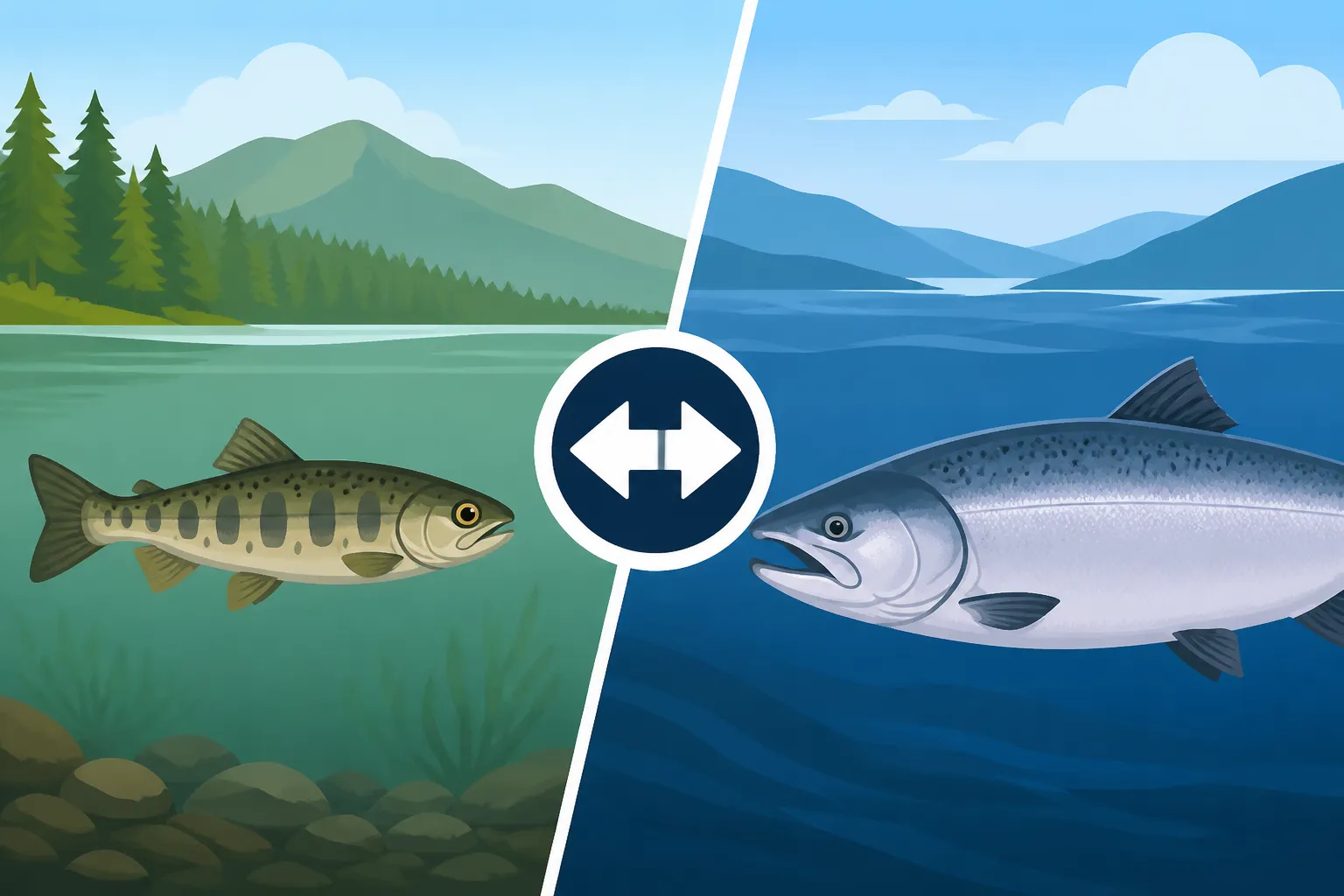
A jack salmon is, at its core, a precocious male. This means they've matured sexually at an accelerated rate and decide to return to spawn earlier than the majority of their cohort. Typically, Chinook salmon jacks will return after only two years in saltwater (sometimes even less), while adult Chinook usually return after three, four, or even five years. Coho salmon jacks typically return after one year in saltwater, compared to their adult brethren who come back after two.
Because of this abbreviated ocean residency, jacks are significantly smaller than fully mature adult salmon of the same species. For example, a Chinook jack might be 15-25 inches long and weigh a few pounds, whereas an adult Chinook could easily stretch past 30 inches and tip the scales at 20, 30, or even 50 pounds. This size difference is often the most immediate indicator for anglers, but it's important to remember that size alone isn't always definitive without considering other factors and local regulations.
The Role of Jacks in the Ecosystem
While smaller, jacks are fully capable of reproduction. They play a vital role in salmon ecology by providing genetic diversity and acting as a kind of "backup" plan for the species. In years where environmental conditions might impact the survival of older, larger adults, the early-returning jacks ensure that some spawning still occurs. They might not win every battle for prime spawning territory against the larger males, but they are often quite successful in fertilizing eggs, especially when female salmon are abundant.
Their presence also offers a more immediate feedback loop on the health of a particular salmon run. A strong showing of jacks can sometimes indicate a potentially robust return of adults in subsequent years, offering valuable data for fisheries managers. From an angling perspective, they provide exciting early season opportunities in some areas and can be a good indicator of the year's potential for larger fish.
Identifying a Jack: Key Physical Markers
While size is your first clue, there are other physical characteristics that help distinguish a jack from an adult salmon, especially with specific species. For Chinook Salmon in Oregon and Coho Salmon in Oregon, the primary identifier for a "jack" is its size relative to its species' typical adult size at maturity.
Beyond general size, you'll notice a jack salmon, despite its smaller stature, will often display some signs of sexual maturity. Males, whether jack or adult, will start to develop a kype (a hooked jaw) as they approach spawning, though it might be less pronounced in a jack. Their coloration, particularly for Coho jacks, can also begin to change from the chrome silver of the ocean to more reddish or brownish tones as they enter freshwater.
| Feature | Jack Salmon | Adult Salmon |
|---|---|---|
| Age | Younger (e.g., Chinook: 2 yrs; Coho: 1 yr) | Older (e.g., Chinook: 3-5 yrs; Coho: 2-3 yrs) |
| Size | Significantly smaller for its species | Full-sized, larger for its species |
| Maturity | Sexually mature, capable of spawning | Sexually mature, primary spawners |
| Return | Returns to fresh water earlier | Returns to fresh water at peak maturity |
| Reproductive Role | Contributes to genetic diversity, "backup" | Main reproductive force, typically larger egg counts |
| Typical Appearance | Smaller, often less pronounced kype, still silvery but changing color | Larger, pronounced kype (males), vibrant spawning colors |
The Characteristics of an Adult Salmon
When we talk about an "adult salmon" in the context of fishing regulations and life cycles, we're generally referring to the full-sized, fully mature fish that have spent the optimal amount of time in the ocean, growing to their maximum potential before returning to spawn. These are the fish that represent the pinnacle of their species' oceanic growth phase.
Size, Age, and Spawning Readiness
Adult salmon, whether Chinook, Coho, or others, have spent the full complement of their typical life cycle in the saltwater environment. This means they've had more seasons to feed on ocean abundance, allowing them to reach impressive sizes. For instance, a four-year-old adult Chinook returning to the Columbia River could easily weigh 20-30 pounds, with some trophy fish exceeding 50 pounds. A two-year-old adult Coho might be 10-15 pounds. These are substantial fish, a stark contrast to their jack counterparts.
They are biologically primed for their one, great act of spawning. Their bodies are laden with fat reserves, essential for the demanding upstream migration, creation of redds (nests), and the final act of reproduction. These fish are at the peak of their physical development for the specific purpose of ensuring the next generation.
Distinguishing Features of Mature Fish
Beyond their sheer size, adult salmon often exhibit more pronounced secondary sexual characteristics as they approach spawning. Male adult Chinook and Coho, for example, will develop a much more noticeable kype, or hooked jaw, which can be quite intimidating. Their bodies will become deeper, more muscular, and they will typically transition from the bright, chrome silver of the ocean to the distinct spawning colors associated with their species. Chinook might turn a darker olive to reddish-brown, while Coho can take on brilliant red flanks. These color changes are part of their physiological preparation for spawning in freshwater.
It's also worth noting that many adult hatchery-origin salmon in Oregon will have a missing adipose fin (a small, fleshy fin between the dorsal fin and the tail fin), a result of fin clipping at the hatchery. While not all adults will be fin-clipped (wild fish are not clipped), almost all hatchery jacks that are allowed for retention will be. This fin clip is a critical identification marker in Oregon's fisheries management, often differentiating between wild and hatchery fish, which carry different retention rules. You might want to brush up on How to tell a wild steelhead from a hatchery steelhead as the same principles apply to salmon.
Why the Distinction Matters for Anglers (and Regulations)
Knowing the difference between a jack and an adult salmon isn't just academic; it directly impacts your fishing trip's legality and success. Oregon's fishing regulations often have separate rules for jacks and adults, primarily to manage the impact on returning fish and ensure sustainable populations. For example, there might be different daily bag limits for jacks versus adults, or even size restrictions that effectively define what constitutes a "jack" in a particular fishery.
Fishing responsibly means respecting these rules, which are in place to protect the future of these incredible fish. Failing to correctly identify your catch can lead to inadvertent violations, which nobody wants. Always carry the most current Oregon Fishing Regulations Explained booklet or have it readily accessible on your phone, and consider purchasing a detailed fish identification guide from a retailer like Amazon to keep in your tackle box for quick reference. Understanding these nuances allows you to enjoy your time on the water with confidence and contribute to conservation efforts.
Oregon's Regulations: Fishing for Jacks vs. Adults
Oregon's fisheries management is a complex dance between conservation and providing angling opportunities. This is especially true for salmon, where returns can vary wildly from year to year and specific populations require careful protection. The distinction between jack and adult salmon is a primary tool in this management strategy, leading to different rules for different sizes of fish.
Bag Limits and Size Restrictions
One of the most common ways Oregon differentiates between jacks and adults is through specific bag limits and minimum size restrictions. For example, in many fisheries, the daily bag limit for adult Chinook or Coho salmon might be one or two fish, while the limit for "jacks" could be higher, perhaps up to five, or jacks might not count towards the adult limit at all. The definition of a "jack" is usually tied to a maximum length. For instance, a Chinook salmon under 24 or 30 inches (check current regulations for exact figures) might be defined as a jack, while anything over that length is an adult. Similar rules often apply to Coho, with jacks being defined as under a certain length like 20 inches.
These regulations are designed to allow anglers to harvest some of the earlier-returning, smaller males without significantly impacting the larger, more reproductively potent adult fish. It's a way to provide fishing opportunities during periods when the main run of adults might not yet be present or when conservation goals require stricter limits on larger fish. Always consult the official ODFW regulations, perhaps even ordering a physical copy or waterproof field guide from Amazon, to be absolutely sure of the specific rules for the body of water you're fishing.
Fin Clipping and Hatchery vs. Wild Considerations
Another critical aspect of Oregon's salmon regulations, which ties into distinguishing between jacks and adults, is the concept of fin clipping. The vast majority of hatchery-origin salmon released into Oregon's rivers are adipose fin-clipped. This means that small, fleshy fin on their back, behind the dorsal fin, is removed when they are very young. This clip serves as an undeniable mark, identifying the fish as having originated from a hatchery program.
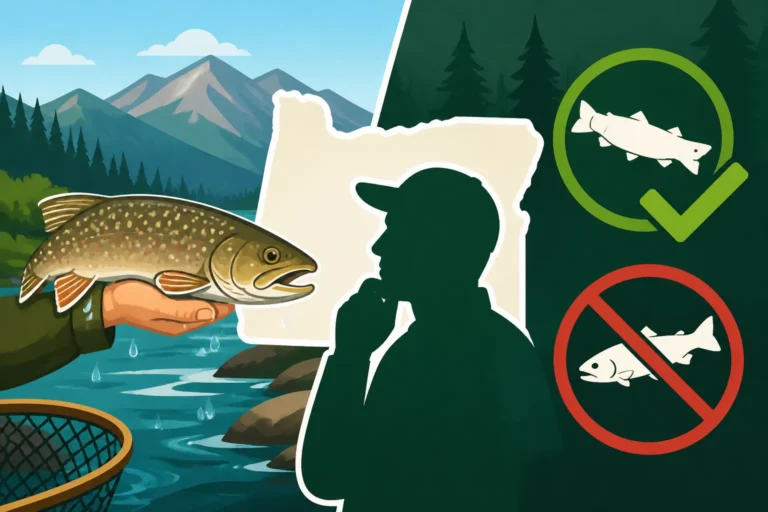
Why does this matter? Because in many Oregon fisheries, particularly for species like steelhead and some salmon runs, it is illegal to retain wild fish, regardless of whether they are jacks or adults. Wild fish, identified by an intact adipose fin, must be immediately released unharmed. Hatchery fish (with a clipped adipose fin) are generally the only ones that can be kept, often with specific limits on jacks versus adults. This rule is crucial for protecting naturally spawning populations. Therefore, when you reel in a salmon, after assessing its size, the very next thing you should do is check for that adipose fin. Understanding Is it illegal to keep a wild salmon in Oregon? is paramount for responsible angling.
Practical Tips for Responsible Angling
Being a responsible angler in Oregon means more than just having a Oregon Fishing License Guide and the right gear. It means understanding the nuances of fish identification and regulations. Here are a few practical tips:
- Know Before You Go: Before every fishing trip, review the current regulations for the specific river, bay, or ocean area you plan to fish. Emergency closures or rule changes happen, so staying updated is key.
- Measure Accurately: Carry a reliable measuring tape or sticker on your boat or tackle box. If there's any doubt about a fish's length in relation to a "jack" vs. "adult" definition, measure it carefully.
- Check for the Adipose Fin: Make it a habit to check every salmon you catch for an adipose fin. This is usually the quickest way to determine if it's a hatchery fish (clipped) or a wild fish (unclipped). If it's wild, release it gently.
- Handle with Care: If you catch a fish you intend to release, minimize handling. Keep it in the water as much as possible, use a net with rubber mesh, and remove hooks quickly with pliers. This increases its chances of survival. A good pair of long-nosed pliers, like those available on Amazon, can be a game-changer for quick, safe releases.
- Educate Yourself: The more you learn about the Oregon Salmon Species Guide and their life cycles, the better equipped you'll be to make informed decisions on the water. Understanding these distinctions not only keeps you compliant but also deepens your appreciation for these magnificent creatures.
By understanding what differentiates a jack from an adult salmon, and by diligently following Oregon's specific regulations, you become a more effective and ethical angler, contributing to the health and abundance of our cherished salmon runs for generations to come.
Disclaimer
This article is for general informational purposes only and does not constitute professional advice. Laws, prices and regulations vary by location and change over time. Consult a qualified professional for guidance on your specific situation.