What is the size limit for lingcod in Oregon
It’s a truly exhilarating experience to hook into a lingcod off the Oregon coast. They’re feisty, powerful, and absolutely delicious, making them a top target for many saltwater anglers. However, before you even think about putting that beautiful fish in your cooler, you absolutely must know the rules, and size limits are one of the most critical. This guide will walk you through exactly what you need to know about lingcod size limits in Oregon, why they exist, and how to make sure you're always fishing responsibly.
Understanding Oregon's Lingcod Size Regulations
Navigating fishing regulations can sometimes feel like trying to untangle a bird's nest of fishing line – confusing and frustrating! But when it comes to lingcod, understanding the size limits is non-negotiable. These rules are put in place for a really good reason, and it’s about more than just keeping things orderly.
The Importance of Minimum Size Limits
You might wonder why there's such a strict emphasis on minimum size limits for fish like lingcod. It's not just to make your life harder, I promise! The primary goal behind these regulations is to ensure the long-term health and sustainability of the lingcod population. Think of it like this: if everyone kept every tiny lingcod they caught, the species wouldn't have a chance to grow up, mature, and reproduce.
Larger, older fish are often the most prolific breeders, contributing significantly to the next generation. By setting a minimum size, we're giving these fish a chance to reach sexual maturity and spawn at least a few times before they're eligible for harvest. This strategy helps maintain a healthy breeding stock, ensuring there are plenty of lingcod for future generations of anglers. It’s a vital conservation measure that allows us to enjoy this incredible fishery year after year. Without these limits, it wouldn't take long for the population to dwindle, and that's something no angler wants to see. It’s all part of the larger picture of Oregon Fishing Regulations Explained.
Specific Lingcod Size Limits in Oregon
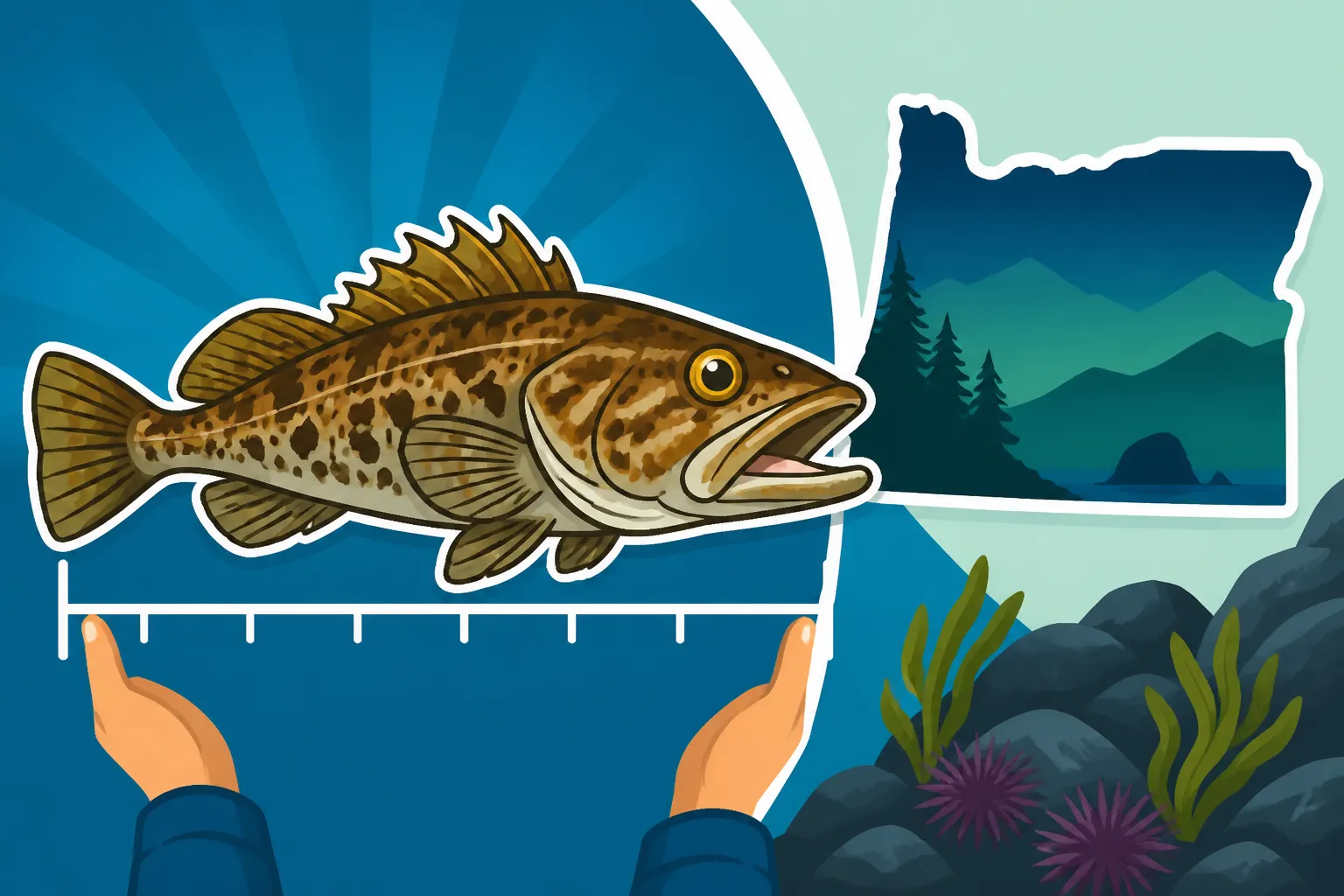
Alright, let's get down to brass tacks: what's the magic number for lingcod in Oregon? The Oregon Department of Fish and Wildlife (ODFW) sets a minimum size limit to protect these valuable fish. Currently, the minimum size limit for lingcod caught off the Oregon coast is 22 inches. This means that any lingcod you catch that measures less than 22 inches from the tip of its snout to the end of its tail must be immediately released back into the water.
It's absolutely crucial to remember this number. Getting it wrong can lead to some hefty penalties, and more importantly, it undermines the conservation efforts. This limit applies across the board, whether you’re fishing from a private boat, a charter, or even trying your hand at Oregon Ocean Charter Fishing. Always double-check the latest regulations before you head out, as rules can occasionally change. The official ODFW sport fishing regulations are your best friend here – don’t leave the dock without having a current copy or checking their website!
Measuring Your Catch Correctly
Knowing the size limit is one thing, but accurately measuring your catch is another skill entirely. A quick, accurate measurement is key to deciding whether your lingcod goes into the cooler or back into the deep. Here's how to do it right:
- Use a Reliable Measuring Device: A quality fish measuring board or tape measure is essential. You can find excellent, durable options on platforms like Amazon that are designed for saltwater conditions. Avoid using a flimsy tape measure that might stretch or give an inaccurate reading.
- Measure Total Length: Lingcod are measured by their total length. This means you measure from the tip of the longest jaw (snout) to the very end of the longest lobe of the tail fin (caudal fin). The fish should be laid flat on its side, and its mouth should be closed.
- Keep it Straight: Ensure the fish is as straight as possible, not bent or curved. Gently pinch the tail lobes together to get the maximum length. Some anglers will lay the fish on its side on a measuring board and press the nose against the front stop, then gently squeeze the tail lobes together to see where the longest part hits the measurement marks.
- Quickly and Safely: Lingcod are tough fish, but you still want to minimize their time out of the water. Measure quickly, safely, and if it’s undersized, get it back into the water as fast as possible. Using wet hands or gloves can help protect the fish's slime coat.
Mistakes happen, especially on a rocking boat, but taking your time (within reason for the fish’s health) to get an accurate measurement will save you a lot of potential headaches and ensure you’re doing your part for conservation.
Beyond Size: Other Key Lingcod Fishing Regulations
While the 22-inch minimum size is critical, lingcod fishing in Oregon involves several other regulations you need to be aware of. Think of it as a whole rulebook, not just one chapter! Overlooking these can get you into just as much trouble as keeping an undersized fish.
Daily Bag Limits and Possession Limits
Even if your lingcod is a legal 22 inches or more, you can’t just keep every legal-sized one you catch. Oregon also has daily bag limits and often a possession limit. For lingcod, the daily bag limit is typically two fish per angler. This means that in any 24-hour period, you can only keep a maximum of two legal-sized lingcod.
The possession limit often mirrors the daily bag limit when you're actively fishing, but it can sometimes differ for fish being transported or stored. For instance, if you're on a multi-day trip, the possession limit might state that you can only possess two daily bag limits worth of fish. Always confirm these details in the current ODFW regulations. It’s critical to keep a running tally of your catch, especially when fishing with multiple people on a boat. Going over your limit, even by one fish, is a violation, and game wardens are pretty good at their job. These limits work hand-in-hand with the size limits to manage fishing pressure and ensure the population remains robust. You can find more details on general limits in Oregon Daily Bag Limits Explained.
Gear Restrictions for Lingcod
Lingcod are aggressive predators, and they’ll hit a variety of lures and baits. However, there can be specific gear restrictions in certain areas or during particular seasons that you need to heed. While there aren't many statewide restrictions solely targeting lingcod, general regulations for marine bottomfish often apply. For example:
- Hook Limits: There's usually a limit on the number of hooks or barbed hooks you can use on a single line. This is designed to prevent overfishing and reduce bycatch. Always check if a specific area requires barbless hooks for certain species or if there's a maximum number of hooks per line.
- Weighted Gear: When bottom fishing for lingcod, heavy weights are often necessary to get your lure or bait down to where they live. Ensure your tackle is appropriate and doesn't conflict with any regulations. For example, some conservation areas might restrict certain types of weights to protect the seafloor.
- Descending Devices: While not a strict restriction, ODFW strongly encourages the use of descending devices when releasing rockfish or lingcod caught from deeper water. These devices help fish recover from barotrauma (the "bends") by recompressing them at depth, greatly increasing their survival rate. You can find various models of descending devices on Amazon, and it's a great piece of gear to have if you fish deep.
Being aware of gear restrictions ensures you're fishing legally and with minimal impact on the environment and other species. Check out Oregon Bait and Lure Guide for more on what works and what's allowed.
Seasons and Area Closures
Lingcod fishing isn’t always open year-round everywhere. Just like salmon or steelhead, there can be specific seasons when lingcod are open for harvest, and certain areas might be closed to protect spawning fish or sensitive habitats.
- Open Seasons: The most common time for lingcod fishing coincides with the general marine bottomfish season, which typically runs for much of the year, especially outside of specific rockfish conservation areas. However, these seasons can open and close based on federal and state quotas and biological assessments.
- Conservation Areas: Oregon has several Marine Protected Areas (MPAs) and Marine Reserves along its coast. Fishing activities, including lingcod fishing, are often heavily restricted or completely prohibited in these zones. It's your responsibility to know where these areas are and to avoid fishing in them.
- Emergency Closures: Unforeseen circumstances, such as declining fish stocks or changes in environmental conditions, can lead to emergency closures. Always check the ODFW website or hotline for the most up-to-date information before heading out. Don’t rely on old information or hearsay; the rules can literally change overnight.
Missing a closure or fishing in a restricted area can lead to severe fines and even confiscation of your gear and catch. Staying informed about Oregon Fishing Season Dates and Limits is part of being a diligent angler.
Ethical Angling and Lingcod Conservation
As anglers, we’re the first line of defense when it comes to conservation. Our actions directly impact the health of the fisheries we love. Lingcod, being such an important and popular species, deserves our respect and careful handling.
Best Practices for Catch-and-Release Lingcod
It's inevitable that you'll catch lingcod that are either too small to keep or that you need to release because you've reached your daily limit. How you handle these fish makes all the difference in their survival. Lingcod are pretty tough, but they still need to be treated with care.
- Minimize Handling Time: The less time a fish spends out of the water, the better. Have your measuring device ready and perform the measurement as quickly and efficiently as possible.
- Wet Hands or Gloves: Always handle fish with wet hands or wet gloves. Dry hands can remove the protective slime layer that helps fish resist disease.
- Support the Fish: Lingcod are muscular, but still support their body weight horizontally, especially if they’re large. Don't hold them vertically by the jaw if they're flopping; this can damage their internal organs and spine.
- Careful Hook Removal: Use needle-nose pliers or a dehooking tool to gently remove the hook. If the hook is deeply swallowed, cut the line as close to the hook as possible rather than trying to rip it out. Lingcod often swallow hooks, so sharp, well-placed cuts are essential.
- Descending Devices for Deep-Caught Fish: If you're fishing in deeper water (say, 30 feet or more) and catch an undersized lingcod or a fish you intend to release, using a descending device is highly recommended. These tools recompress the fish quickly, mitigating the effects of barotrauma and dramatically increasing their chances of survival. It’s an ethical choice that truly makes a difference.
By practicing proper catch-and-release techniques, you contribute directly to the health of the lingcod population, ensuring those released fish have a chance to grow larger and reproduce.
Contributing to Sustainable Lingcod Populations
Beyond following the letter of the law, there are other ways we can actively contribute to the sustainability of lingcod populations. It's about being a steward of the resource, not just a consumer.
- Report Violations: If you witness illegal fishing activity, such as someone keeping undersized fish or exceeding bag limits, report it to OSP Fish and Wildlife (the Oregon State Police). Poaching harms everyone, and it depletes a shared resource.
- Support Research and Conservation: Consider purchasing an Oregon Combined Angling Tag or other endorsements, as a portion of those funds often goes directly back into fisheries management and habitat restoration. Additionally, supporting organizations dedicated to marine conservation can help fund critical research on lingcod and other species.
- Educate Others: Share your knowledge of regulations and best practices with fellow anglers, especially those new to the sport. A friendly conversation can go a long way in promoting responsible fishing.
- Stay Informed: The ocean environment is dynamic, and fish populations can fluctuate. Staying up-to-date on scientific assessments and fisheries management decisions helps you understand the broader context of the regulations and appreciate their importance.
Ultimately, we all want to see healthy, thriving lingcod populations for years to come. By being responsible and informed anglers, we play a crucial role in making that a reality.
Essential Gear for Responsible Lingcod Fishing
Having the right gear isn't just about catching fish; it's also about fishing responsibly and safely. For lingcod, a few items are particularly important:
- Robust Rod and Reel: Lingcod are strong. You'll need a stout rod and a reel capable of handling heavy lines and powerful runs. Many anglers find baitcasting or conventional setups to be ideal for bottom fishing for lingcod. Look for setups designed for saltwater bottom fishing or jigging.
- Heavy Duty Line: Braided line, in a higher pound test, is popular for its sensitivity and strength, allowing you to feel subtle bites even in deep water. Pair it with a fluorocarbon leader for abrasion resistance against rocks and sharp teeth.
- Appropriate Lures/Bait: Jigs, swimbaits, and even large bait rigs (like whole herring or squid) are effective for lingcod. Ensure your hooks are strong enough to withstand their powerful jaws. You can find a huge variety of these on Amazon, from popular brands like Berkley and P-Line.
- Measuring Device: As discussed, a reliable fish measuring board or tape is non-negotiable for quickly and accurately determining if your catch is legal. I always keep a sturdy, foldable measuring board on my boat, easily accessible.
- Dehooking Tools and Pliers: Essential for safe and quick hook removal, especially with those sharp teeth.
- Descending Device: If you plan to fish in deeper waters, this is a responsible addition to your tackle box, aiding in the survival of released fish.
- Gloves: Thick fishing gloves can protect your hands from sharp teeth, gill plates, and fins while handling a feisty lingcod.
- Cooler and Ice: Once you've got a legal lingcod, you want to keep it fresh! A good cooler filled with ice is vital for preserving the quality of your catch for the dinner table.
Having these tools readily available ensures a more enjoyable, successful, and ethical lingcod fishing experience off the Oregon coast. For specific techniques, consider exploring How to Fish for Lingcod and Rockfish in Oregon.
Quick Reference: Oregon Lingcod Regulations
To summarize the key points on lingcod regulations in Oregon, here's a handy table:
| Regulation Type | Specifics | Importance |
|---|---|---|
| Minimum Size Limit | 22 inches (total length) | Ensures fish reach reproductive maturity. |
| Daily Bag Limit | 2 fish per angler | Prevents overfishing and maintains stock. |
| Possession Limit | Often mirrors daily bag limit (check current rules) | Manages total harvest, especially on multi-day trips. |
| Gear Restrictions | Max hooks per line, barbless (check area rules) | Reduces bycatch and minimizes environmental impact. |
| Seasons/Closures | Varies by area and quota; always check ODFW | Protects spawning fish and manages overall population. |
| Measuring | Tip of snout to end of longest tail lobe, fish straight | Ensures accurate and legal size assessment. |
| Release | Use wet hands, dehook quickly, consider descending device for deep-caught fish | Maximizes survival of released fish. |
This table serves as a quick reminder, but always refer to the official Oregon Department of Fish and Wildlife regulations for the most current and detailed information.
Disclaimer
This article is for general informational purposes only and does not constitute professional advice. Laws, prices and regulations vary by location and change over time. Consult a qualified professional for guidance on your specific situation.