Dungeness Crab in Oregon
There’s nothing quite like the thrill of pulling up a crab pot, feeling that satisfying weight, and seeing a vibrant Dungeness crab staring back at you from the depths of the pot. But let’s be honest, figuring out all the rules, the best spots, and the right gear can feel a bit overwhelming, especially when you just want to get out there and catch some dinner. This guide is here to cut through the confusion and walk you through everything you need to know to successfully crab for Dungeness in Oregon, from understanding the regulations to cooking your delicious catch.
The Allure of Dungeness Crab in Oregon Waters
There’s a reason why Dungeness crab is such a cornerstone of Oregon’s coastal experience. It's not just a meal; it's an adventure, a tradition, and a truly remarkable treat. The sweet, tender meat is unlike any other, making the effort of catching it all the more rewarding.
Why Dungeness Crab is a Coastal Treasure
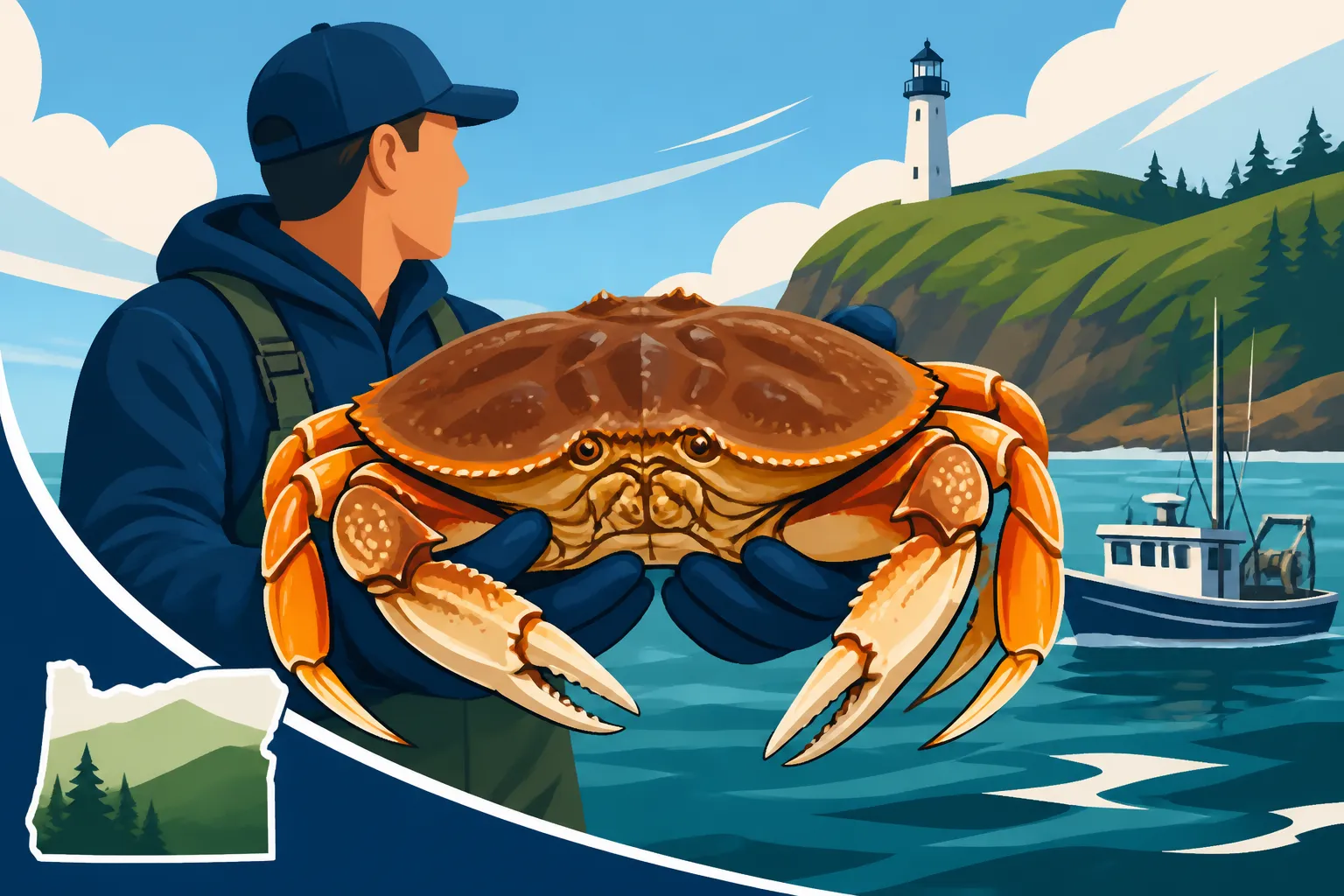
For many, a trip to the Oregon coast isn't complete without indulging in Dungeness crab. This isn't just any crab; it's renowned for its delicate flavor, succulent texture, and impressive size. When you crack open a fresh Dungeness, the bright white meat, tinged with that signature sweetness, is an absolute culinary delight. It forms the backbone of many coastal restaurants, but the real magic often happens when you've caught it yourself. Beyond its gastronomic appeal, Dungeness crabbing is a deep-seated part of Oregon’s coastal identity, supporting local economies and providing countless memories for families and friends. It's a connection to the wild, rugged beauty of the Pacific Northwest that feels truly authentic.
Understanding Dungeness Crab Biology and Habitat
Dungeness crabs (scientific name Metacarcinus magister) are fascinating creatures perfectly adapted to their environment. They thrive in the sandy and muddy bottoms of bays, estuaries, and the nearshore ocean along the Pacific coast. You’ll typically find them in depths ranging from shallow intertidal zones all the way down to several hundred feet, though most recreational crabbing focuses on shallower, more accessible waters. They are opportunistic feeders, scavenging on small clams, worms, fish, and other crustaceans, which explains why they are so easily lured into our baited traps. Understanding their preferred habitats, like the protected waters of bays and estuaries, helps us choose the best places to drop our pots, increasing our chances of a bountiful haul. Their life cycle involves several molts as they grow, shedding their old shells for new, larger ones – a process that makes their meat particularly rich and full after a fresh molt.
Essential Regulations for Responsible Crabbing
Crabbing in Oregon isn't just about dropping a pot; it's about doing it responsibly and legally. The Oregon Department of Fish and Wildlife (ODFW) sets clear guidelines to ensure the sustainability of the Dungeness crab population and the safety of crabbers. Ignoring these rules can lead to fines and a diminished resource for everyone.
Licensing and Permits: Getting Started Legally
Before you even think about dropping a line or a pot, you absolutely need to make sure you have the proper licensing. For crabbing in Oregon, this means obtaining an Oregon Shellfish License. This license is your golden ticket, covering not just Dungeness crabbing but also clamming, which often goes hand-in-hand with a coastal trip. It’s crucial to remember that regulations can change, so always double-check the current ODFW rules before heading out. While you won't need a separate "crab endorsement," the shellfish license is non-negotiable for anyone aged 12 and older. For a broader overview of fishing and shellfish regulations, you might want to read our Oregon Fishing License Guide. Getting your license is usually pretty straightforward, available online, at ODFW offices, or at many sporting goods stores across the state.
Size, Sex, and Bag Limits: The Golden Rules
These three rules are paramount for ethical and legal crabbing:
- Size Limit: Dungeness crabs must meet a minimum size requirement to be kept. This is measured across the widest part of the carapace (the shell), just in front of the points. The current minimum size is designed to allow crabs to reproduce at least once before being harvested, helping to maintain a healthy population. Always carry a crab gauge to accurately measure your catch.
- Sex Identification: Only male Dungeness crabs can be kept. This is incredibly important for population sustainability, as females are the ones producing the next generation. You can easily identify a male crab by looking at its underside: males have a narrow, pointed abdomen (often called the "Washington Monument" shape), while females have a broad, rounded abdomen (resembling a "beehive" or "dome"). If you catch a female, you must immediately and gently release her back into the water.
- Bag Limit: There's a daily limit on how many legal Dungeness crabs you can keep. This limit helps distribute the harvest among many crabbers and prevents overfishing. Knowing your Oregon Daily Bag Limits Explained is essential before you start pulling pots.
It might seem like a lot to remember, but these rules are critical for ensuring future generations can also enjoy crabbing. When in doubt, always measure and check the sex; if it’s undersized or a female, back into the water it goes!
Crabbing Seasons and Best Tides
One of the great things about crabbing in Oregon bays and estuaries is that it's generally open year-round. This offers a fantastic opportunity for recreational crabbers almost any time of year, as long as you adhere to all other regulations. However, ocean crabbing, typically done by commercial and charter boats further offshore, can have more specific seasonal openings and closures.
Beyond seasonal concerns, understanding the tides is perhaps the single most important factor for successful crabbing. The general consensus among seasoned crabbers is that slack tide is the best time to drop your pots or rings. Slack tide refers to the period of minimal water movement at the peak of high tide and the low point of low tide. During these brief windows, the currents are weakest, allowing the crabs to move around more freely without expending too much energy fighting the flow. This means they are more likely to enter your trap to investigate the bait. Setting your gear about an hour before slack tide and pulling it an hour after can be highly effective. Strong currents, on the other hand, can wash bait out of your pots, discourage crabs from moving, and make it difficult to retrieve your gear. Always check a local tide chart for your chosen crabbing spot before you head out!
A critical point to remember, regardless of the season, is the potential for biotoxin closures. Naturally occurring algal blooms can sometimes produce toxins that accumulate in shellfish, making them unsafe for human consumption. Always check the Oregon Department of Agriculture (ODA) shellfish safety hotline or website before you go crabbing or clamming. These closures are for your health and safety.
Gear Up for Success: Your Crabbing Arsenal
Having the right equipment can make all the difference between a frustrating outing and a successful, enjoyable crabbing trip. You don't need to break the bank, but investing in reliable gear will pay off in the long run.
Choosing the Right Crab Pots and Rings
When it comes to traps, you have a few main options, each with its pros and cons depending on where and how you plan to crab.
- Crab Rings: These are perhaps the simplest and most accessible option, especially for crabbing off docks or piers. A crab ring consists of two concentric rings with netting in between, forming a shallow basket. When deployed, the ring lies flat on the bottom, allowing crabs to walk in and munch on the bait. When you retrieve it, the top ring lifts first, creating a basket that traps the crabs inside. They are light, easy to use, and relatively inexpensive. The downside is that you need to check them frequently (every 15-30 minutes) to prevent crabs from escaping. You can often find decent, beginner-friendly crab rings on Amazon or at any local bait and tackle shop.
- Collapsible Crab Traps (Pots): These are a step up in complexity and effectiveness. Collapsible pots fold flat for easy transport and storage but pop open into a sturdy cage once deployed. They usually have multiple entrance tunnels designed to allow crabs in but make it difficult for them to get out. These are excellent for dock or boat crabbing and can be left to "soak" for longer periods (30 minutes to a few hours) without constant supervision. They are more durable and typically yield more crabs per soak.
- Rigid Crab Pots: These are the heavy-duty workhorses, often used by serious recreational and commercial crabbers from boats. They are solid, non-collapsible cages, usually made of heavy-gauge wire, and are much heavier than rings or collapsible traps. Their weight helps them stay put in strong currents, and their robust construction means they can withstand rough conditions. They are designed for long soaks (several hours to overnight) and are highly effective. However, they are bulkier, more expensive, and really require a boat for deployment and retrieval due to their weight.
Consider where you'll be crabbing most often. If you're sticking to a local pier with the kids, rings are perfect. If you've got a boat and want to get serious, a few good collapsible or rigid pots are the way to go.
Baiting Your Traps for Optimal Attraction
The right bait is key to a full pot! Crabs are scavengers with a keen sense of smell, so pungent, oily, and fresh bait works best.
-
Top Bait Choices:
- Chicken: Raw chicken, especially legs and thighs, is a long-standing favorite. It’s cheap, readily available, and its tough skin means it stays on the hook or in the cage longer.
- Fish Carcasses: Any oily fish scraps, like salmon or tuna carcasses, are incredibly effective. The stronger the smell, the better! Ask at your local fish market or keep scraps from your own fishing trips.
- Turkey Necks/Wings: Similar to chicken, these are tough, have good scent, and hold up well in the water.
- Razor Clam Guts: If you’ve been clamming, don’t throw out the guts! They make fantastic crab bait.
-
Bait Cages: To maximize the life of your bait and prevent smaller crabs or sea lions from stripping it too quickly, use a bait cage or container. These are typically plastic or wire mesh cylinders that you secure inside your pot. They allow the scent to disperse while keeping the bait protected. You can often find these at bait shops or even rig your own with a mesh bag.
A common frustration for crabbers is retrieving a pot only to find the bait gone! This usually means smaller crabs or other critters like sculpins got to it first. Using tough bait and a good bait cage significantly reduces this problem, ensuring your target Dungeness crabs have a chance to find the feast.
Lines, Buoys, and Accessories You'll Need
Beyond the traps and bait, a few other essential items will ensure a smooth and legal crabbing experience:
- Rope/Line: You'll need sturdy, rot-resistant rope (nylon or polypropylene) to connect your trap to your buoy. The length of your line needs to be sufficient for the depth you'll be crabbing in, plus extra for tidal changes. A good rule of thumb is 1.5 to 2 times the maximum depth.
- Buoys: Every trap needs a buoy to mark its location. ODFW requires that your buoy be clearly marked with your name and address (or ODFW Angler ID number). This helps identify your gear and prevents theft or loss. Brightly colored buoys are easier to spot on the water.
- Crab Gauge: This is non-negotiable! You need a reliable gauge to accurately measure your crabs and ensure they meet the minimum size requirement. You can find excellent, durable plastic or metal crab gauges at most tackle shops or online at retailers like Amazon.
- Gloves: Dungeness crabs have powerful claws that can deliver a painful pinch. Heavy-duty gloves (like rubberized work gloves) are essential for safely handling your catch.
- Cooler with Ice: Once you've caught your legal crabs, you need to keep them alive and cool. A large cooler with plenty of ice (or seawater if you're close to home) will keep them fresh until you're ready to cook them.
- Crab Cooker/Pot: If you plan on cooking your crabs fresh, a large pot suitable for boiling or steaming whole crabs is a must-have.
Here's a quick comparison of the main trap types:
| Trap Type | Cost Range | Ease of Use | Soak Time | Best For | Pros | Cons |
|---|---|---|---|---|---|---|
| Crab Ring | Low | Very Easy | Short (15-30m) | Docks, Piers, Kids | Inexpensive, light, easy to transport | Requires frequent checking, lower catch rate |
| Collapsible Pot | Medium | Easy | Medium (30m-3h) | Docks, Piers, Small Boats | Good catch rate, portable | Can be stolen, less stable in currents |
| Rigid Pot | High | Medium | Long (1h-Overnight) | Boats, Strong Currents, Serious Crabber | High catch rate, durable, stable | Bulky, heavy, expensive, harder to transport |
Where and How to Catch Dungeness Crab in Oregon
Oregon's coastline offers fantastic opportunities for Dungeness crabbing, whether you prefer the calm waters of a bay or venture out into the ocean. Knowing where to go and how to effectively deploy your gear is crucial for a successful outing.
Top Oregon Crabbing Locations
Oregon is blessed with several productive bays and estuaries that are prime locations for Dungeness crab. These sheltered waters provide ideal habitat for crabs and are often easily accessible for recreational crabbers, even without a boat.
- Tillamook Bay: Located on the northern coast, Tillamook Bay is consistently one of Oregon's most popular and productive crabbing spots. Its expansive muddy and sandy flats, particularly around Garibaldi, offer excellent habitat. There are several public docks and boat launches that make access relatively easy. It's a fantastic spot for both boat and dock crabbers. If you're planning a trip there, check out our Tillamook Bay Crabbing and Fishing Spots guide.
- Yaquina Bay (Newport): In the central coast, Yaquina Bay, centered around Newport, is another Dungeness crab hotspot. The bay's deeper channels and numerous piers (like the public pier near the Rogue Brewery) provide great opportunities. Many charter operations also depart from Newport for ocean crabbing, but ample bay crabbing can be done from shore or small boats. Learn more with our Yaquina Bay Crabbing and Fishing Spots article.
- Coos Bay (Charleston/North Bend/Coos Bay): As the largest bay on the Oregon coast, Coos Bay in Southern Oregon is a vast and fertile ground for Dungeness crab. Its many inlets and diverse bottom structure make it incredibly productive. Launching a boat from Charleston or crabbing from various public docks and piers is a common sight. For more detailed information, see our Coos Bay Fishing Access Points guide.
- Nehalem Bay: Just north of Tillamook Bay, Nehalem Bay is a smaller, often less crowded but still productive option. It's particularly popular for those looking for a quieter crabbing experience.
- Other Bays: Other notable bays include Netarts Bay, Alsea Bay, and Winchester Bay, all offering good crabbing at various times of the year.
While bay crabbing is popular and accessible, ocean crabbing from a boat can also be highly productive, especially during commercial seasons. However, this requires a sturdier vessel, more experience with ocean conditions, and often venturing further offshore.
Techniques for Dock, Pier, and Boat Crabbing
The method you use will largely depend on your chosen location and equipment.
-
Dock and Pier Crabbing (Rings & Collapsible Pots):
- Deployment: Tie your crab ring or collapsible pot to a sturdy rope. Secure the other end of the rope to the dock piling or railing (never just let it go!). Bait your trap, then gently lower it to the bottom. Aim for areas near channel edges, under pilings, or where the bottom transitions from sandy to muddy, as these are common crab hangouts.
- Retrieval: For rings, pull steadily and quickly to "cup" the crabs inside before they can escape. For collapsible pots, a slower, steady pull is usually fine.
- Soak Time: As mentioned, rings require frequent checks (15-30 minutes). Collapsible pots can soak for longer, up to a few hours, but be mindful of currents that might move them.
- Many public docks specifically designed for crabbing exist, often with handy crab-cleaning stations nearby. Our How to crab from a dock in Oregon guide offers more specific tips for this method.
-
Boat Crabbing (Collapsible & Rigid Pots):
- Deployment: This allows you to access deeper waters and more varied bottom structures. Cruise slowly over likely crab habitat (sandy or muddy flats, near drop-offs). Secure your bait, attach your buoy line (ensuring it's long enough for the depth and tide), and gently toss your pot overboard. Make sure your buoy floats freely and is visible.
- Setting a String: Many boat crabbers will set a "string" of multiple pots spaced out along a contour or channel. This increases your chances and allows you to experiment with different spots.
- Soak Time: Boat-deployed pots, especially rigid ones, can be left to soak for several hours or even overnight. Remember to mark your buoy clearly!
- Retrieval: Use a pot puller (manual or electric) for heavier pots, or simply haul by hand for lighter collapsible ones. Bring your boat upcurrent of the buoy and pull steadily to avoid entanglement with the propeller.
No matter the technique, always be aware of other boat traffic, especially in busy channels. Give other crabbers space and respect their gear.
Handling Your Catch Responsibly
Once you've successfully retrieved your pot and found some Dungeness inside, responsible handling is key:
- Safety First: Those claws are powerful! Use heavy-duty gloves to handle the crabs to avoid painful pinches. Hold them firmly by the back of the carapace, away from the claws.
- Measure Immediately: As soon as you bring a crab aboard or onto the dock, use your crab gauge to measure its carapace width. If it's undersized, it goes back.
- Check Sex: Flip the crab over and check its abdomen. If it's a female (broad, rounded abdomen), it must be released. Only male crabs (narrow, pointed abdomen) of legal size can be kept.
- Gentle Release: For any crab that needs to be released (undersized or female), do so gently. Simply drop it back into the water right where it was caught. Avoid tossing or throwing them, as this can injure them.
- Keep Them Alive: The best way to transport crabs is alive. Place them in a cooler with ice (ice on the bottom, then a layer of wet newspaper or seaweed, then crabs, then more wet newspaper/ice on top). Avoid letting them sit in melted freshwater, as this will kill them. If you can, use saltwater or regularly drain the cooler. Fresh, lively crabs make the best eating!
From Ocean to Plate: Enjoying Your Dungeness Crab
You’ve put in the work, braved the elements, and now you have a cooler full of fresh Dungeness crab! The reward is truly in the eating, but getting them from their lively state to a delectable meal involves a few important steps.
Cleaning and Cooking Your Crabs
This is where the real fun begins! While some prefer to cook their crabs whole, many opt to clean them first. This process can be a little intimidating for beginners, but it's straightforward once you get the hang of it and results in a cleaner, easier-to-eat product.
- The "Kill" Step (Optional but Recommended): For humane cleaning, some prefer to quickly dispatch the crab by either submerging it in ice water for 20-30 minutes (which puts them to sleep) or by piercing the underside with a sharp knife.
- Removing the Carapace: Hold the crab firmly. With your thumbs, push up on the back shell (carapace) from the rear, near the triangular abdomen flap. It should pop off. Discard the carapace, or save it for stock if you’re feeling ambitious.
- Cleaning the Body: Now you'll see the crab's body cavity. Scrape out the feathery gills (often called "dead man's fingers" – they aren't toxic, just unappetizing) and any internal organs or yellowish material. Rinse the body thoroughly under cold running water.
- Halving the Body: Many people then cut the body in half down the middle, making it easier to serve and extract meat.
Now, it’s time to cook! The most common methods are boiling or steaming, both of which yield delicious results.
- Boiling:
- Fill a large pot with enough heavily salted water to completely submerge your crabs. You can add spices like Old Bay seasoning for extra flavor.
- Bring the water to a rolling boil.
- Carefully add the cleaned crab sections or whole crabs.
- Once the water returns to a boil, cook for approximately 15-20 minutes for cleaned sections (2-3 lbs) or 20-25 minutes for whole crabs (2-3 lbs). Adjust time for larger or smaller crabs. Cook until the shell turns bright orange/red.
- Steaming:
- Place a steamer rack in a large pot with about 1-2 inches of heavily salted water or beer.
- Bring the liquid to a boil.
- Place cleaned crab sections or whole crabs on the rack, ensuring they are not submerged in the water.
- Cover tightly and steam for 15-20 minutes for cleaned sections or 20-25 minutes for whole crabs, until the shells are bright orange/red. Steaming is often preferred as it's believed to retain more of the crab's natural flavor.
Once cooked, immediately plunge the crabs into an ice bath to stop the cooking process and preserve the tender texture of the meat.
Storing and Preparing Your Crab for Meals
Fresh Dungeness crab is best eaten right away, but if you have leftovers, you can certainly store them. Cooked crab meat, whether still in the shell or picked, can be stored in an airtight container in the refrigerator for 2-3 days. For longer storage, picked crab meat can be frozen, though freezing can slightly alter the texture.
The simplest way to enjoy your freshly caught Dungeness crab is to serve it chilled, perhaps with some drawn butter and a squeeze of lemon. The sweet flavor of the crab truly shines through this way. But don't limit yourself!
- Crab Boils: Combine your crab with corn on the cob, potatoes, and sausages for a classic seafood boil.
- Crab Sandwiches: Pick the meat and mix it with a little mayonnaise, celery, and seasoning for a fantastic crab salad sandwich.
- Crab Cakes: Fresh crab makes incredible crab cakes.
- Pasta Dishes: Toss crab meat with pasta, garlic, and butter for an elegant meal.
There's immense satisfaction in preparing and eating seafood you've harvested yourself. It truly tastes better! To make the eating experience even more enjoyable, consider getting some crab crackers and picks, which you can easily find on Amazon or at local kitchen supply stores.
Common Challenges and Troubleshooting for Crabbers
While crabbing is incredibly rewarding, it’s not always smooth sailing. There are common frustrations and challenges that even experienced crabbers face. Knowing how to anticipate and address them can save you a lot of headache and keep your spirits high.
Dealing with Lost Gear and Biotoxin Closures
One of the most disheartening experiences for any crabber is pulling up to your buoy only to find that your pot is gone, or even worse, realizing a closure has prevented you from using your catch.
-
Lost Gear: This is a surprisingly common occurrence. Strong currents, boat traffic, or even illegal poaching can lead to lost pots. To minimize the risk:
- Secure your line: If crabbing from a dock, tie your rope off with a sturdy knot to a strong piling or cleat. Don't just loop it around!
- Use adequate weight: Heavier pots (or adding extra weight to lighter ones) are less likely to drift in strong currents.
- Know your tides: Avoid setting pots in areas with extremely strong currents, especially during large tidal exchanges, if you plan for a long soak.
- Clear buoy marking: Ensure your buoy is clearly marked with your ODFW Angler ID and name/address. This doesn't prevent theft, but it helps if your pot is found by a good Samaritan.
- Report lost gear: If you do lose a pot, you might be able to report it to ODFW. Sometimes, they coordinate retrieval efforts for lost gear.
-
Biotoxin Closures: These are health-related closures due to naturally occurring toxins (like domoic acid or paralytic shellfish poison) that can accumulate in shellfish during certain algal blooms. They are unpredictable but crucial to respect.
- Check BEFORE you go: Always, always check the Oregon Department of Agriculture (ODA) Shellfish Safety Hotline or their website before heading out. This is a non-negotiable step for your health.
- Understand the types of closures: Closures can be statewide, regional, or specific to certain species. They might also affect different types of shellfish (e.g., razor clams but not Dungeness crab, or vice-versa). Staying informed is key. For more on this, you can refer to our guide on How to check red tide closures before clamming.
- Don't risk it: If an area is closed, do not harvest. It's simply not worth the risk of serious illness.
Overcoming Beginner Hurdles and Staying Safe
Crabbing can seem daunting at first, with all the rules and gear, but don't let that deter you! Everyone starts somewhere, and with a little patience, you'll be pulling up your own Dungeness in no time.
- Learning Curve: Your first few trips might not yield a full limit, and that's perfectly okay. Consider each outing a learning experience. Pay attention to tide charts, experiment with different bait, and observe where successful crabbers are setting their gear.
- Ask Locals: Don't be afraid to strike up a conversation with experienced crabbers on the dock or at the launch. Most are happy to share tips and tricks, especially with polite newcomers.
- Safety First, Always:
- Weather Awareness: Oregon coastal weather can change rapidly. Always check the marine forecast before heading out, especially if crabbing from a boat. If conditions look rough, reschedule.
- Tide Awareness: Beyond knowing when to set your pots, be aware of how quickly tides can come in or go out, potentially stranding you or creating dangerous currents.
- Life Jackets: If boating, ensure everyone has a properly fitting life jacket and wears it, especially in smaller vessels.
- Hydration and Sun Protection: Even on cloudy days, UV rays can be strong. Bring water, sunscreen, and appropriate clothing.
- Handling Crabs: As reiterated, always use gloves! Those claws are no joke.
Crabbing is an incredibly rewarding activity, a true Oregon tradition. While there are rules and a bit of a learning curve, the payoff—fresh, sweet Dungeness crab—is absolutely worth it. So, grab your gear, check those tides, and get ready to enjoy one of the best culinary experiences the Pacific Northwest has to offer!
Disclaimer
This article is for general informational purposes only and does not constitute professional advice. Laws, prices and regulations vary by location and change over time. Consult a qualified professional for guidance on your specific situation.