When does winter steelhead season start on the Oregon coast
Ah, the magical phrase "winter steelhead season" – it gets every Oregon angler's blood pumping, doesn't it? But if you've ever found yourself bundled up, staring at a river, wondering if the fish are even in there yet, you're not alone. The frustration of timing your precious fishing days to align with the elusive winter run is a rite of passage for us coast-dwellers. This guide is here to unravel the mystery, helping you understand precisely when the winter steelhead season truly kicks off on the beautiful Oregon Coast and what to expect when those first fresh fish arrive.
Understanding the Winter Steelhead Run on the Oregon Coast
There's something uniquely captivating about winter steelhead fishing. It's a pursuit that combines raw beauty, challenging conditions, and the thrill of battling one of the Pacific Northwest's most iconic fish. But before you can even think about landing one, you need to understand the rhythm of their return.
What Makes Winter Steelhead Unique?
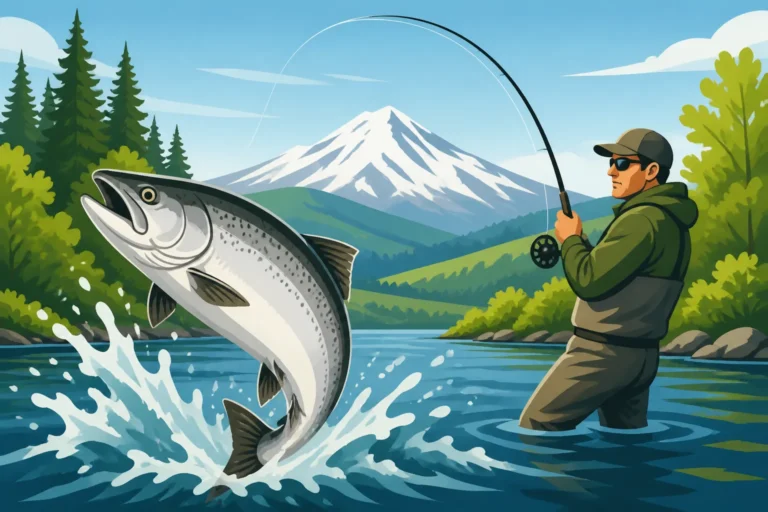
Winter steelhead are, at their core, anadromous rainbow trout. This fancy term simply means they're born in freshwater, migrate to the ocean to grow big and strong, and then return to their natal rivers to spawn. Unlike their summer-run cousins who often trickle into rivers earlier and hold for longer periods, winter steelhead are typically associated with the colder, wetter months. They're built for power, often bigger and broader than summer-runs, making for an incredibly fierce fight once hooked.
Their journey from the vast Pacific Ocean back into the smaller coastal rivers is nothing short of incredible. They've spent years gorging themselves on baitfish and crustaceans, developing that chrome bright, powerful physique that anglers dream about. The challenge, of course, is that they're entering rivers at a time when conditions are often at their harshest: cold temperatures, heavy rainfall, and fluctuating river levels. This makes every successful hook-up feel like a hard-won victory against the elements, and that's precisely why they are so revered among anglers.
General Timing of the Winter Season
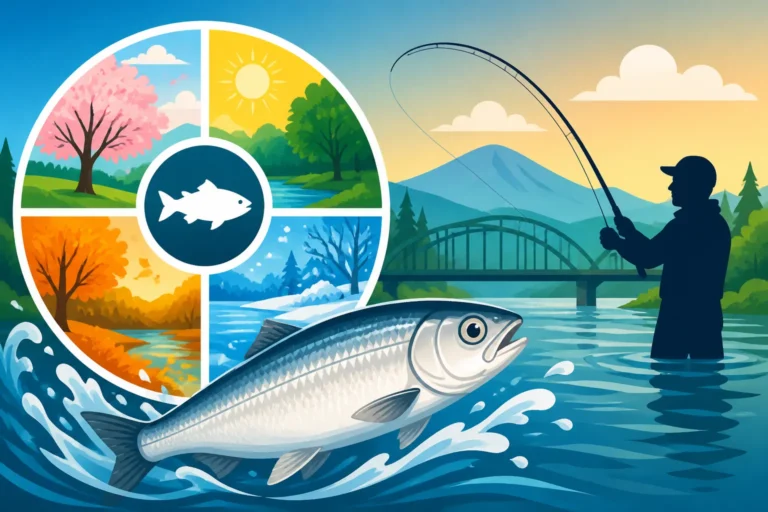
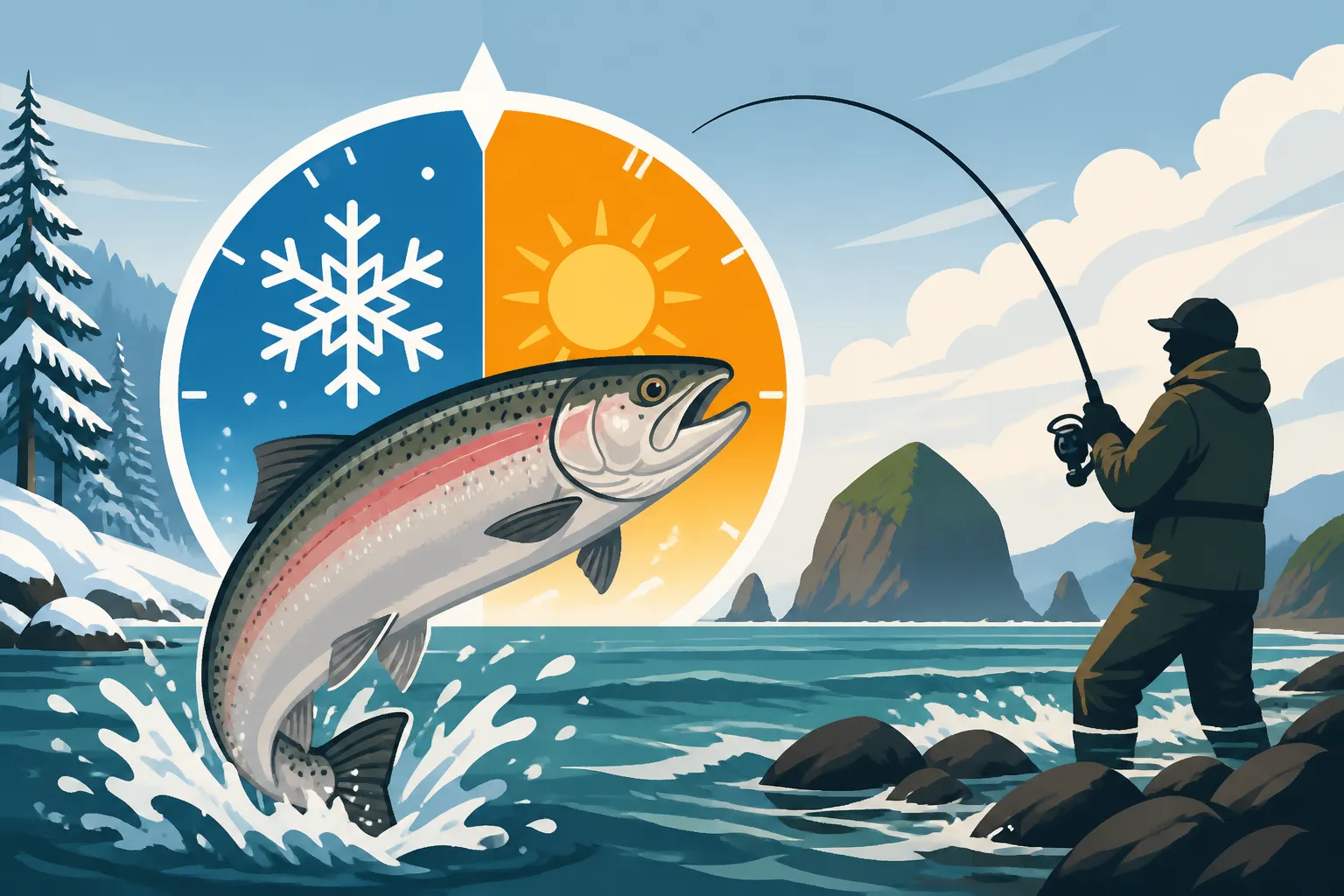
Let's get right to it: there isn't one single "opening day" for winter steelhead on the Oregon Coast. It's not like the statewide trout season where a specific date marks the beginning. Instead, the "start" is a more fluid concept, intrinsically linked to the changing seasons and, most importantly, the weather. Generally speaking, the winter steelhead season begins to materialize in late November and early December, following the first substantial, consistent rain events of the late fall.
Think of it less as a switch being flipped and more like a faucet being slowly turned on. The initial fish that show up are often referred to as "early runners" or "pioneers." These are typically a smaller vanguard, testing the waters and providing the first glimmer of hope after the fall salmon runs have subsided. The run then gradually builds through December, strengthening significantly into January, and often peaking in February and March on most coastal systems. So, while you might hear whispers of fish in late November, the season truly starts to gather momentum as we head deeper into the winter.
Pinpointing the Start: Factors Influencing the Runs
Knowing that the season generally starts in late November/early December is helpful, but true success in early season steelheading comes from understanding the specific environmental triggers that bring these incredible fish into our rivers.
The Crucial Role of Rainfall and River Levels
If you ask any seasoned Oregon steelheader what the most critical factor is for the winter run, they'll almost certainly say rain. Consistent, heavy rainfall in late fall and early winter is the primary catalyst that signals to ocean-dwelling steelhead that it's time to head home. These rains cause what we call "freshets"—sudden, significant increases in river levels. These high, often turbid waters offer several benefits to migrating steelhead:
- Cover from predators: The murky water helps conceal them from seals, eagles, and other predators.
- Easier passage: Higher water levels allow them to navigate shallow riffles, rapids, and logjams more easily.
- Thermal cues: The influx of cooler freshwater from tributaries also provides important temperature cues.
However, there's a delicate balance. Too little rain means rivers stay low and clear, making steelhead hesitant to enter or difficult to find. Too much rain, on the other hand, can blow out rivers, making them unfishable for days or even weeks due to extreme turbidity and dangerous flows. The "sweet spot" is often a rising or dropping river that is still colored up but clearing—what we often call "fall and clear." This is when the fish are actively moving and can be targeted effectively. Monitoring river gauges and paying close attention to the forecast is absolutely critical for early season success.
River-Specific Variations and Early Arrivals
While the entire Oregon Coast is blessed with numerous steelhead rivers, it's a mistake to think they all fish the same way or at the same time. The "start" of the season can vary significantly from one system to another. Some rivers are known for their earlier runs, often seeing a decent push of fish by early to mid-December, while others might not truly "turn on" until January.
Rivers like the Nestucca River fishing access and the Wilson River fishing spots for winter steelhead are often among the first to see consistent numbers of early-run winter steelhead. The Siletz River fishing access points can also be an early producer. These rivers often have characteristics that lend themselves to earlier returns, such as shorter distances from the ocean to spawning grounds, or in some cases, specific hatchery programs that lead to earlier-returning fish. It's always a good idea to research the specific river you plan to fish, as local knowledge and historical data are invaluable for predicting the first waves of fish. A quick search online for current fishing reports for these specific rivers can often give you the most up-to-date information.
Water Temperature and its Impact
Beyond rainfall, water temperature plays a crucial, albeit often overlooked, role in triggering and influencing steelhead movements. As the fall progresses and atmospheric temperatures drop, the rivers cool down. This cooling trend, combined with the freshets, acts as a natural signal for steelhead that it's time to leave the relatively warmer ocean and enter freshwater.
Steelhead are cold-blooded creatures, and their metabolism is directly affected by water temperature. Ideal water temperatures for active migration and aggressive biting often fall in the 40-50°F range. If the water gets too cold, say consistently below 38-40°F, steelhead can become lethargic and less inclined to bite, even if they are present in the river. Conversely, if early season temperatures are unusually warm, fish might hold in the lower river or estuary longer, waiting for more optimal conditions. Understanding this dynamic can help you adjust your fishing times and techniques, focusing on the warmest parts of the day if temperatures are particularly low.
Early Season Strategies and What to Expect
Venturing out for those first winter steelhead can be incredibly rewarding, but it often requires a different approach than targeting fish during the peak of the run. Being prepared for the conditions and the fish's behavior is key.
Targeting Early Run Fish
When the first waves of winter steelhead begin to enter the rivers, they're often aggressive and eager to strike, having just transitioned from a feeding frenzy in the ocean. However, they can also be spread out, making them a bit like finding a needle in a haystack. For these early fish, traditional techniques tend to shine.
Many anglers find success with Drift Fishing Techniques for Oregon Rivers, using small clusters of cured roe, shrimp, or even artificial baits like Cheaters or small worms, drifted naturally along the bottom. The idea is to present your offering right in their travel lanes or holding lies, enticing a reaction strike. Another highly effective method, particularly in slightly higher or colored water, is the Bobber and Jig Technique for Oregon Salmon and steelhead. A brightly colored jig suspended under a float can be deadly, especially when tipped with a piece of bait or a scented soft plastic. Remember, these fish are fresh and often aggressive, so don't be afraid to experiment with brighter colors in your jigs or yarn ties.
Gear Considerations for Coastal Winter Steelheading
The Oregon Coast in winter is famously (or infamously!) wet and wild. Being properly geared up isn't just about comfort; it's about safety and endurance. You'll want a reliable rod and reel setup that can handle powerful fish and heavy flows. A medium-heavy spinning or casting rod, typically 8'6" to 10'6" in length, paired with a reel spooled with 15-20 lb braided line and a fluorocarbon leader, is a common setup. Brands like Shimano, Daiwa, and Lamiglas are popular choices, and you can often find great deals on these items on Amazon.
Beyond your fishing tackle, don't skimp on your outerwear. A high-quality, waterproof and breathable rain jacket and pants are non-negotiable. Layering is crucial, as temperatures can fluctuate throughout the day. And, for wading or walking along riverbanks, a good pair of studded wading boots or knee-high waterproof boots will be your best friend. Seriously, cold, wet feet are a morale killer, so invest in quality footwear – even simple rubber boots with good traction found on Amazon can make a huge difference. If you're planning on wading, check out guides for Best waders for cold water steelhead fishing to ensure you stay dry and warm.
Importance of Checking Regulations and River Conditions
This might sound obvious, but it bears repeating: before you even leave the house, make sure you're up-to-date on all current fishing regulations. The Oregon Department of Fish and Wildlife (ODFW) frequently updates its rules, and what was legal last year or even last month, might not be today. Always consult the official ODFW website or pick up a current regulation booklet. Our guide to Oregon Fishing Regulations Explained offers a great overview, but always double-check the source.
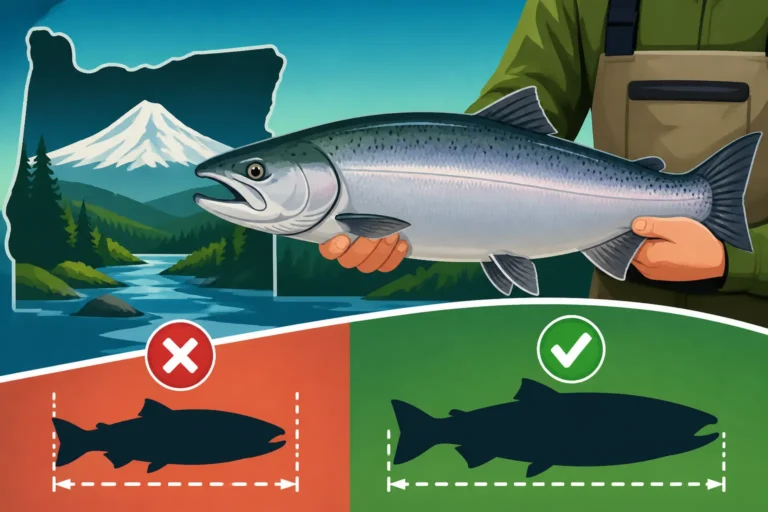
Specific river sections might have special rules regarding bait, gear, or wild fish retention, and these can change. For example, some stretches may be barbless hook only, or have different bag limits for hatchery vs. wild fish. Knowing How often do Oregon fishing regulations change will stress the importance of checking regularly. Furthermore, always check river conditions. ODFW and NOAA websites provide real-time river gauge data (flow, height, temperature). Knowing if the river is rising, dropping, or blowing out is crucial for both safety and fishing success. The Where to check current Oregon fishing regulation updates guide can point you to the right resources. Never assume conditions are good without verifying, especially during the volatile winter months.
Peak Season vs. Early Season: What's the Difference?
Understanding the distinction between the very beginning of the season and its peak can significantly enhance your fishing strategy and manage your expectations.
Progression of the Winter Steelhead Run
As mentioned, the "start" in late November/early December is just the overture to the main event. The winter steelhead run is a marathon, not a sprint. After those initial few fish trickle in, the numbers generally build steadily throughout December. However, it's typically January, February, and often into March when most coastal rivers experience their peak numbers of returning steelhead. During these months, the river systems are usually saturated from consistent winter rains, and the bulk of the run is actively migrating upstream. This is when your chances of encountering multiple fish in a day significantly increase. Our comprehensive guide to Winter Steelhead Run Timing in Oregon delves deeper into these peak periods.
Advantages and Challenges of Early Season Fishing
Fishing for early-run winter steelhead comes with its own set of pros and cons.
Advantages:
- Fewer Crowds: This is often the biggest draw. While the fish numbers might be lower, so are the angler numbers. You're more likely to have your favorite run to yourself, enjoying the solitude that winter fishing can offer.
- Fresher Fish: Early-run fish are often some of the brightest, strongest, and most aggressive. They haven't been in the river long, so they're in prime condition and haven't seen countless lures yet.
- Catching the First Ones: There's a special satisfaction in being among the first to land a chrome-bright winter steelhead of the season.
Challenges:
- Lower Fish Density: You're fishing for fewer fish spread out over a large river system. This means you might need to cover more water, and dry spells between hookups can be longer.
- Unpredictable Conditions: Early winter weather can be highly volatile. You might experience everything from glorious, crisp days to torrential downpours and raging, unfishable rivers.
- Difficult to Locate: Because the fish are fewer and often on the move, locating them can be harder. They might be holding in different types of water than they would during the peak of the run.
It's a balance of patience, persistence, and a bit of luck. But for many, the challenge and potential reward of an early season chrome make it entirely worthwhile. When considering the Best time of year to fish in Oregon, early winter steelhead definitely offers a unique experience.
Maximizing Your Chances: Tips for Success
So, you're committed to chasing those early winter steelhead. How do you tip the odds in your favor?
- Patience and Persistence: These two virtues are paramount. You might not get a bite for hours, but that one glorious take will make it all worth it. Keep casting, keep drifting, and have faith that the fish are there.
- Monitor River Conditions Religiously: As discussed, rain and river levels are everything. Use online resources to track flows and clarity. The ideal scenario is often after a heavy rain, when the river is dropping and slightly green or tea-stained, but not totally blown out.
- Cover Water: Don't get stuck in one spot. Since fish density is lower, actively moving and covering different types of water – tailouts, seams, current breaks, log jams – increases your chances of encountering a fish.
- Go Local: Consider hiring a local guide for your first few early season trips. They live and breathe these rivers and can put you on fish faster than you might find them on your own. Many guides also offer valuable lessons on river etiquette and specific techniques that can greatly improve your success.
- Focus on Fresh Fish: Early in the season, target the lower to mid-sections of rivers where fish are likely to be fresh from the ocean and actively migrating.
- Gear Up for Comfort: Again, don't underestimate the mental drain of being cold and wet. Quality gear, readily available on Amazon, will keep you in the game longer. This includes warm layers, waterproof outer shells, and good boots. For more specifics, check out our guide on Oregon Steelhead Fishing Techniques.
Here's a quick comparison of what to expect during early vs. peak winter steelhead season:
| Feature | Early Winter Season (Late Nov – Dec) | Peak Winter Season (Jan – Mar) |
|---|---|---|
| Fish Numbers | Lower, scattered "pioneer" fish | Highest density, large numbers of fish actively migrating |
| Fish Condition | Often chrome bright, aggressive, fresh from the ocean | Excellent to good, depending on how long they've been in freshwater |
| Angler Crowds | Generally lighter, more solitude | Can be heavier, especially on popular rivers and weekends |
| River Conditions | Highly variable, often dependent on first big rains; can be low/clear or blown out | More consistent higher flows, but still subject to freshets and blow-outs |
| Weather | Unpredictable, first cold snaps and heavy rains | Consistently cold and wet, possibility of snow at higher elevations |
| Preferred Techniques | Drift fishing, bobber & jig, small lures/baits | All techniques can be effective; often larger offerings as water levels stabilize |
| Location Focus | Lower to mid-river sections, migratory routes | Throughout the system, including upper reaches as fish move to spawning grounds |
By understanding these nuances, you can approach the winter steelhead season with realistic expectations and the knowledge to maximize your chances of connecting with one of Oregon's most prized game fish.
Disclaimer
Fishing regulations, seasons, and limits are subject to change at any time by the Oregon Department of Fish and Wildlife (ODFW). Always consult the latest official ODFW regulations before heading out on the water. This guide is for informational purposes only and does not supersede state fishing laws.