Best time of year to fish for shad on the Willamette
There's nothing quite like the thrill of feeling that aggressive tug on your line when a feisty American Shad takes the bait on the Willamette River. But let's be honest, trying to figure out the absolute best time to hit the water for these awesome fighting fish can feel a bit like cracking a secret code. So many factors come into play – water temperature, river flow, even the lunar cycle sometimes seems to have a say! If you've ever found yourself wondering when exactly the shad show up in force, or when you should really clear your schedule and head for the riverbanks, you're in the right place. This guide is all about demystifying the Oregon shad run, helping you pinpoint the prime windows for Willamette River shad fishing so you can maximize your success and enjoy one of Oregon's most underrated fisheries.
Understanding the Shad Run on the Willamette River
American Shad, often called "poor man's salmon" due to their fight and delicious taste, undertake an incredible annual migration from the Pacific Ocean up freshwater rivers to spawn. For us anglers in Oregon, the Willamette River is truly a hotspot for this exciting fishery. Knowing the general patterns of this migration is your first step to being in the right place at the right time.
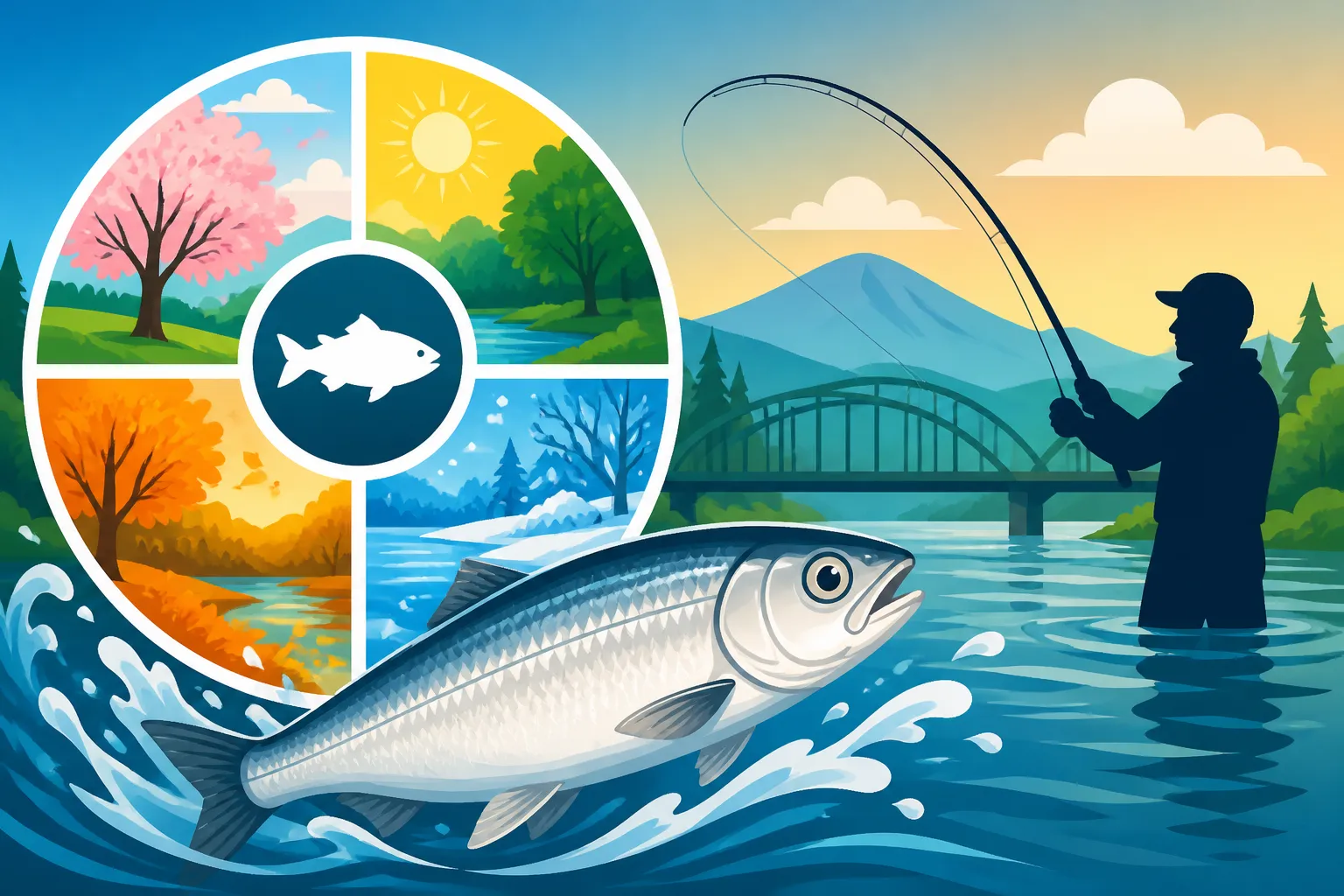
The Annual Migration Cycle
The shad migration begins when ocean water temperatures start to rise, signaling to these anadromous fish that it's time to head upstream. They journey from the Pacific, navigate through the Columbia River, and then turn into the Willamette River, making their way towards spawning grounds. This isn't a trickle; when they arrive, it's often in massive schools, creating a truly spectacular opportunity for anglers.
Historically, the first few eager shad might start making their appearance in the lower Willamette around late April or early May, particularly in the section below Willamette Falls at Oregon City. Think of these as the scouts, checking conditions before the main army arrives. The real push, where the numbers become consistently good, typically builds through May. By late May and into June, the run is usually in full swing, offering some of the most phenomenal fishing you'll experience. This peak can last well into June, sometimes even trailing off into early July, depending on the year's specific conditions. Once they've spawned, they begin their journey back to the ocean, and fishing tapers off.
Early Season vs. Peak Season vs. Late Season
Each phase of the shad run offers a slightly different experience, and understanding these nuances can help you tailor your expectations and tactics.
Early Season (Late April – Mid-May): During this initial phase, the shad are just starting to arrive in the lower river. Numbers are generally lower, but the fish you do encounter are often larger and full of fight. Water temperatures are cooler, typically in the low to mid-50s Fahrenheit. Finding these early arrivals might take a bit more searching, but the reward can be substantial. Anglers often target deeper runs and slower currents where fish might be staging before pushing further upstream. You'll likely encounter fewer crowds, which can be a huge bonus for those who prefer a more solitary experience.
Peak Season (Mid-May – Mid-June): This is the sweet spot that every shad angler dreams of. Water temperatures climb into the comfortable 60s Fahrenheit, and the river literally fills with shad. It's not uncommon to experience non-stop action, often catching dozens of fish in a single outing. The Willamette below the falls, and increasingly above it as the run progresses, becomes a hive of activity. These fish are actively migrating and often very aggressive, making them easier to tempt with a well-placed dart or spinner. This is when the riverbanks are bustling with fellow anglers, creating a lively, communal atmosphere. If you're planning a trip specifically for shad, this is the window you want to aim for.
Late Season (Late June – Early July): As the run winds down, the numbers of shad begin to diminish. The fish that remain have often spawned and are starting their downstream journey back to the ocean. They can be a bit less aggressive and more spread out. While you can still catch shad, the consistent action of the peak season might be harder to find. Water temperatures are typically at their warmest during this period, which can sometimes make the fish a little more sluggish. However, dedicated anglers can still find pockets of fish, especially in cooler parts of the river or during early morning and late evening hours. It's a great time for those who missed the peak or just can't get enough of that shad bite, even if it means working a little harder for each fish.
Key Environmental Factors Affecting the Run
While the calendar provides a general guideline, the actual timing and success of the shad run are heavily influenced by the environment.
Water Temperature: This is perhaps the most critical factor. Shad prefer water temperatures in the 60-70°F range for spawning. As the Willamette warms up in late spring, it triggers their migration. Too cold, and they'll hold back in the lower river or estuary. Too hot, and they might rush through or become lethargic. You can often find current water temperature readings through various online resources or local fishing reports.
River Flow and Clarity: High water or turbid conditions (think runoff from heavy spring rains) can slow the migration or make fishing incredibly challenging. Shad rely on their vision to some extent, and muddy water makes it harder for them to see your offerings. Conversely, very low flows can also concentrate fish in specific areas, sometimes making them easier targets but also more susceptible to pressure. The ideal scenario is stable, moderate flows with good clarity. You can check river gauges online to get a sense of the flow.
Tidal Influence (Lower River): Below Willamette Falls, especially closer to the confluence with the Columbia, tidal swings play a significant role. Shad often move with the incoming tide, using the push of water to conserve energy as they head upstream. Fishing can be particularly good during the first few hours of an incoming tide, or sometimes on the outgoing tide as fish drop back into deeper channels. Paying attention to tide charts for the lower Willamette can really boost your success.
Pinpointing the Prime Window for Willamette Shad
So, with all those factors at play, how do you really narrow down when to go? It's all about combining historical data with real-time observation and local knowledge.
Best Months and Weeks to Target
Based on historical data and angler experience, the absolute best window to target American Shad on the Willamette River is typically from mid-May through mid-June. This four-week period is when the run is generally at its strongest, offering consistent action and high catch rates.
- Third and Fourth Week of May: This is often when the run truly hits its stride, especially in the lower Willamette. The numbers of fish pouring into the river are increasing exponentially, and water temperatures are usually reaching optimal levels.
- First and Second Week of June: Often considered the peak of the peak. This is when you'll see the most anglers on the water, and for good reason – the fishing can be absolutely phenomenal. Schools of shad are abundant, and they are typically very aggressive.
While these are the prime weeks, remember that Mother Nature doesn't always read the calendar. A late spring with prolonged cold weather might push the peak back a week or two, just as an early warm spell could bring it forward. Flexibility is key. For more general guidelines, check out the Oregon Fishing Season Dates and Limits.
Daily Timing: When Shad are Most Active
It's not just about the right week; timing your day on the water can also make a huge difference. Shad tend to have preferred activity periods, which often align with light levels and, in the lower river, tidal movement.
Morning and Evening Golden Hours: Like many fish, shad are often most active during the low-light conditions of early morning and late evening. The hour or two after sunrise and before sunset can be incredibly productive. During these times, shad might feel less exposed and more willing to venture into shallower feeding lanes or migration paths. The sun's angle is softer, and surface glare is reduced, which can also be a comfort factor for the fish.
Midday Action (Can Be Hot!): Unlike some species that shut down in the midday sun, shad can remain incredibly active throughout the day, especially during the peak of the run. If you're on a hot bite, there's often no need to pack up and go home when the sun is high. In fact, on overcast days or days with good water clarity and stable conditions, midday can be just as good as the morning or evening. The sheer volume of fish moving upstream means there's always a chance for a hook-up.
Tidal Influence on the Lower Willamette: For those fishing below Willamette Falls, paying close attention to the tides is paramount. The incoming tide, particularly the first few hours, can often bring a fresh push of fish into your area. These fish are riding the current, and as the water level rises and the current reverses, they tend to move more actively. While an incoming tide is often preferred, shad can also be caught on the outgoing tide as they adjust their positions or drop back into deeper holes. It's always worth checking a local tide chart and planning your outing around the peak tidal movements.
How to Monitor Conditions for Success
Becoming a successful shad angler means becoming a bit of a detective, piecing together clues from various sources.
ODFW Resources: The Oregon Department of Fish and Wildlife (ODFW) is your absolute best friend. They often provide updates on river conditions, fish counts (especially at fish ladders like Willamette Falls), and general fishing forecasts during the shad run. Their website is a treasure trove of information, and it's where you'll find the official Oregon Fishing Regulations Explained and daily bag limits. Stay tuned to their weekly fishing reports for real-time insights.
River Gauges: Online river gauges (like those provided by USGS) can give you crucial real-time data on water levels and flow rates. Look for gauges specific to the Willamette River in the sections you plan to fish. Stable or slightly dropping flows after a period of rain are often ideal. Rapidly rising or falling water can indicate difficult fishing conditions.
Local Fishing Reports and Forums: Don't underestimate the power of local knowledge. Check online fishing forums dedicated to Oregon, visit local tackle shops in areas like Portland or Oregon City, or strike up conversations with fellow anglers on the riverbank. These sources can provide invaluable, up-to-the-minute information on where the fish are biting, what's working, and what the crowds are like. Just remember that exact honey holes are often closely guarded secrets, so be respectful! For broader updates, check Where to check current Oregon fishing regulation updates.
Visual Observation: Sometimes, the best intel comes from your own eyes. If you're near Willamette Falls, observing the fish ladder can give you a direct sense of how many shad are moving upstream. Even from the riverbank, looking for surface activity or signs of other anglers catching fish can tell you a lot about whether the run is on.
Essential Techniques and Gear for Willamette Shad Success
Once you've nailed down the best time to go, having the right gear and techniques makes all the difference. Shad are plentiful, but they can be particular about presentation.
Popular Rigs and Lures
Shad aren't overly complicated when it comes to lures, which is part of what makes this fishery so accessible. The key is small, flashy, and brightly colored.
Shad Darts: These are, without a doubt, the quintessential shad lure. Shad darts are small, weighted jigs typically ranging from 1/16 oz to 1/4 oz, often with a lead head and a soft plastic or marabou tail. They come in an incredible array of colors, with chartreuse, pink, orange, and white being perennial favorites. The dart's design allows it to sink quickly and dance enticingly in the current. You can often find multi-packs on Amazon that give you a good variety to experiment with.
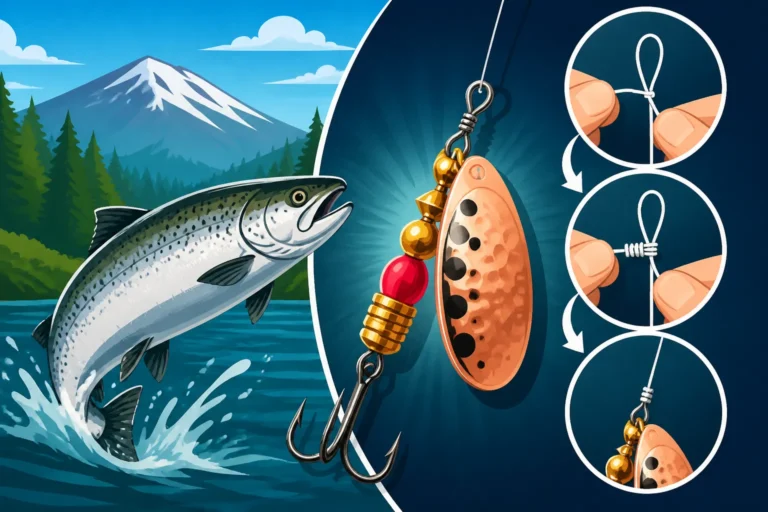
Small Spinners: Another highly effective option, especially when shad are aggressively chasing. Tiny inline spinners, like those typically used for trout (think sizes 0 or 1), in silver, gold, or bright colors, can be deadly. The flash and vibration mimic small prey, triggering strikes.
Rigging for Success: A common and highly effective setup involves a tandem rig: tying two shad darts or a dart and a small spinner to your line, spaced about 12-18 inches apart. Use a small barrel swivel above your leaders to prevent line twist. A common rig for bank anglers is a slip sinker (1/4 to 1/2 ounce, depending on current) above a swivel, with an 18-36 inch leader tied to your dart. This allows the dart to tumble naturally in the current. To learn more about how to set up, check out How to catch shad with a dart lure.
Bank vs. Boat Fishing Strategies
Whether you're fishing from shore or a boat, slight adjustments to your approach can significantly impact your success. Do you need a boat to catch shad? The answer is often no, but it certainly opens up more water.
Bank Fishing: The Willamette offers numerous excellent bank access points, particularly below Willamette Falls in Oregon City, around Clackamette Park, and various public access points downstream.
- Reading the Water: Look for seams where faster current meets slower water, eddies, or deeper pockets just downstream of obstructions. Shad will often hold in these areas to rest and ambush passing food.
- Casting and Retrieving: Cast slightly upstream and across the current, letting your dart or spinner drift naturally. Allow it to sink, then retrieve with a slow, steady pace, adding subtle twitches to give it action. The goal is to keep your lure in the strike zone near the bottom without constantly snagging.
- Fan Casting: Don't just cast to the same spot. Fan cast across the river, covering different depths and current seams until you find where the fish are holding.
Boat Fishing: A boat, whether a drift boat or a powered craft, gives you the flexibility to cover more water and access less pressured areas.
- Drifting: One of the most effective boat techniques is to drift downstream, parallel to productive banks or over known shad migration routes. Use your trolling motor or oars to control your drift speed, ideally matching the current to keep your lures in the strike zone.
- Anchoring: In areas with strong currents or concentrated fish, anchoring strategically can be very effective. Position your boat so you can cast into prime holding water and let your lures swing through the productive zone.
- Electronics: If you have a fish finder, use it! Shad schools are often massive and show up clearly on sonar, helping you pinpoint their depth and location.
Handling Your Catch and Daily Limits
Part of a successful fishing trip is knowing what to do once you've landed your fish. American Shad are fantastic table fare, but like any species, there are regulations to follow.
Regulations: Always, always consult the current ODFW regulations for the Willamette River. Daily bag limits for shad are generally generous, but it's crucial to be aware of any changes or specific rules for the area you're fishing. Ignorance of the law is no excuse, and wardens do check. A quick search for Oregon Daily Bag Limits Explained will give you the most current information.
Handling: Shad are surprisingly delicate once out of the water. If you plan to keep them, dispatch them quickly and humanely. A strong rap to the head or a quick gill cut is effective. Immediately place them on ice in a cooler. This is essential for preserving their flavor and quality. If you're practicing catch-and-release, handle them gently with wet hands, supporting their body, and release them as quickly as possible. Avoid dragging them on rocks or dry surfaces.
Eating Shad: These fish are delicious! Their flesh is delicate and flavorful, though they are quite bony. Many anglers smoke them, can them, or fillet them carefully to remove the bones. If you're curious about preparing them, you can find more information under Are shad good to eat?. The roe (eggs) of the female shad is also considered a delicacy by many.
Common Challenges and Troubleshooting
Even with the best timing and gear, fishing can throw curveballs. Knowing how to adapt to common challenges will keep you on the water and increase your chances of success.
Dealing with High Water or Poor Clarity
Spring in Oregon often means rain, and rain means fluctuating river conditions. High, muddy water can quickly shut down a shad bite.
- Wait it Out: Sometimes, the best strategy is patience. If the river is blown out with high, turbid water, it might be best to wait a day or two for flows to stabilize and clarity to improve. Check those river gauges regularly.
- Seek Clearer Water: If one section of the river is muddy, another might be clearer. Tributaries often clear up faster than the main stem. Or, if you're on the lower Willamette, look for areas where clearer tidal water might be pushing in.
- Brighten Your Lures: In turbid water, fish rely more on scent and vibration, but visual cues are still important. Switch to brighter, more fluorescent colors like chartreuse, hot pink, or bright orange for your darts and spinners. Adding a small piece of colored yarn or a scent to your dart can also sometimes help.
- Fish Slower, Fish Deeper: When visibility is low, fish tend to hug the bottom and might be less willing to chase. Slow down your retrieve and try to get your lures deeper into their strike zone.
Crowds and Finding Your Own Space
The popularity of Willamette River shad fishing means that during peak season, popular spots can get incredibly crowded. It's a testament to how good the fishing can be, but it can also be frustrating.
- Go Early, Stay Late: The first anglers to arrive often claim the best spots. Getting to your chosen location before dawn can give you a significant advantage, not just in prime real estate but also during peak activity. Similarly, many anglers leave after the morning bite, leaving more room in the evenings.
- Explore Lesser-Known Access Points: While the obvious parks like Clackamette are famous, there are often smaller, less-advertised public access points along the Willamette. These might require a short walk or a bit of exploration to find, but they can offer solitude and excellent fishing. Consult maps and look for undeveloped public lands near the river.
- Fish During Off-Peak Times: If you have the flexibility, try fishing on weekdays instead of weekends, or during less popular hours. Even an hour or two in the middle of a Tuesday can be more productive and peaceful than a packed Saturday morning.
- Be Respectful and Patient: When fishing in crowded areas, courtesy goes a long way. Maintain a reasonable distance from other anglers, avoid casting over their lines, and be patient. Remember, everyone is there to enjoy the same experience.
When the Shad Aren't Biting
Even during the best of runs, there will be times when the fish just aren't cooperating. Don't get discouraged!
- Change Lures/Colors: If what you're using isn't working, switch it up. Try a different size dart, a spinner, or a completely different color. Shad can be surprisingly selective at times, and what worked an hour ago might not work now. That
Amazonvariety pack will come in handy here! - Adjust Depth and Retrieve: Are you fishing too high in the water column? Or perhaps too deep, snagging the bottom? Experiment with how long you let your lure sink and the speed of your retrieve. Sometimes a slight adjustment can be the magic bullet.
- Move Locations: If a spot that was hot has gone cold, don't be afraid to move. Shad are constantly migrating, and a school can move through an area quickly. Walk the bank, or move your boat to a different section of the river. Sometimes just a few hundred feet can make all the difference.
- Check Conditions: Re-evaluate the environmental factors. Has the water temperature changed? Did the clarity suddenly drop? Has the tide changed? A shift in conditions might require a shift in your approach.
- Observe Other Anglers: Politely observe what others are doing if they're having success. What color are they using? What kind of retrieve? Sometimes seeing what's working for someone else can give you a clue without having to directly ask them their secrets.
The annual American Shad run on the Willamette River is truly a fantastic opportunity for anglers of all skill levels to experience fast-paced action and a delicious reward. By understanding the migration patterns, paying close attention to environmental cues, and being willing to adapt your techniques, you can pinpoint the best time to hit the water and make the most of this unique Oregon fishery. So, mark your calendars, pack your gear, and get ready for some serious shad fishing!
Disclaimer
This article is for general informational purposes only and does not constitute professional advice. Laws, prices and regulations vary by location and change over time. Consult a qualified professional for guidance on your specific situation.