Nestucca River fishing access
Navigating a new river system for the first time can feel like trying to solve a puzzle without all the pieces, especially when you’re chasing those elusive steelhead or salmon on a gem like the Nestucca River. It's frustrating to drive around, peering through trees, only to find "Private Property" signs where you hoped for a promising bend. This guide is designed to cut through that confusion, helping you confidently find and utilize the best fishing access points along the Nestucca, from its upper reaches down to the coastal estuary.
Understanding the Nestucca River's Unique Character
The Nestucca River, a true coastal treasure, flows through Tillamook County before emptying into the Pacific Ocean near Pacific City. What makes it so special, and sometimes a little tricky, is its diverse character. From its headwaters in the Coast Range, it transitions from a smaller, freestone stream to a wider, more tidal influence near its mouth. This transformation significantly impacts where and how you can access its waters, and understanding these changes is key to a successful fishing trip.
Upper River vs. Lower River Dynamics
As you head upstream from the coast, the Nestucca takes on a different personality. In its upper and middle sections, particularly around communities like Cloverdale and even further up towards McGuire Reservoir, the river is narrower, often shallower, and characterized by riffles, runs, and deeper pools. This is classic wade-fishing territory during lower flows, where stealth and careful navigation are your allies. Access here often involves pulling off rural roads, hiking short distances, or using designated ODFW access sites. The currents can be swift, especially after rains, making wading challenging but also creating prime holding water for migrating fish.
As the river nears the coast, below Cloverdale and especially approaching Pacific City and its connection to Nestucca Bay, it broadens considerably. The currents become slower, and the influence of the tides becomes undeniable. This lower section is predominantly boater-friendly, with numerous drift boat launches and opportunities for larger vessels capable of handling the bay and even venturing into the ocean. The tidal push and pull create dynamic feeding zones, and understanding tide charts is as important as reading the water itself. This transition means that an access point perfect for one style of fishing might be completely unsuitable for another, requiring you to tailor your approach to the specific stretch of river.
Seasonal Flow and Its Impact on Access
The Nestucca River's flow rates are a critical factor dictating not only where fish will be holding but also how safely and effectively you can access the water. Like many coastal rivers, the Nestucca experiences significant fluctuations. During the dry summer and early fall months, water levels can be quite low, especially in the upper and middle sections. This can expose more bank, making some spots easier to wade, but also concentrating fish in deeper pools and making some boat launches unusable due to insufficient depth.
Conversely, the late fall and winter seasons bring heavier rains, causing the river to rise, sometimes dramatically. High water can make wading extremely dangerous or impossible in many areas due to strong currents and reduced visibility. However, these higher flows are precisely what trigger the major salmon and steelhead runs, making access points with good bank stability or well-maintained boat launches paramount. During these periods, knowing which spots remain fishable and accessible becomes crucial. Many anglers rely on online river gauges provided by NOAA or USGS to check real-time flow and height data before heading out, allowing them to anticipate conditions and plan their access accordingly. A rapid rise in water might mean excellent drift fishing, while a prolonged high, muddy flow could mean waiting it out.
Key Public Access Points on the Nestucca River
Oregon is blessed with an abundance of natural beauty, and thankfully, there are numerous public access points along the Nestucca River designed to help anglers connect with its rich fisheries. From quiet bank fishing spots to bustling boat launches, knowing where these are can make all the difference.
Popular Bank Fishing Spots
For those who prefer to keep their feet on solid ground or wade the shallower sections, the Nestucca offers several excellent bank fishing opportunities. Many of these are maintained by the Oregon Department of Fish and Wildlife (ODFW) or through agreements with private landowners.
One of the most well-known spots is the Cloverdale River Access, located just outside the small town of Cloverdale. This area provides relatively easy access to the middle river, with a good mix of riffles and deeper runs. It's a popular spot for both trout anglers in the spring and summer, and for steelhead and salmon in the cooler months. You'll often find a decent parking area, and from there, it's a short walk to the river's edge. This is a great place to hone your drift fishing techniques or try casting spinners and spoons. During periods of lower water, it’s also a prime location for fly fishing, targeting active fish.
Further upstream, you'll find various informal pull-offs along Nestucca River Road and other smaller county roads. While not always officially marked, these spots often have visible angler trails leading down to the water. Always be mindful of "No Trespassing" signs in these less formal areas; most public access is clearly designated. Anglers often discover these gems through word-of-mouth or by carefully studying maps. These more secluded spots can be perfect for solitude and a more intimate fishing experience, especially for those pursuing Coastal Cutthroat Trout in the warmer months. These are the kinds of spots where a bit of adventurous spirit, coupled with careful observation, can pay off handsomely.
Boat Launches and Drift Opportunities
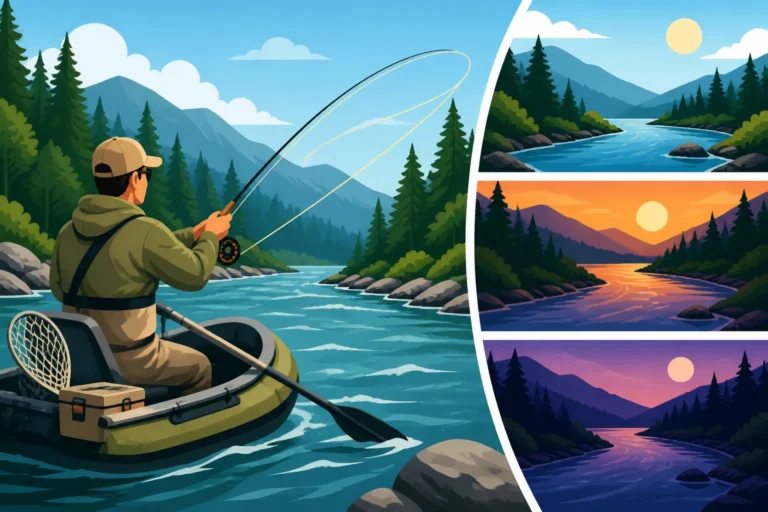
For anglers with drift boats, rafts, or smaller power boats, the Nestucca River truly shines, offering some fantastic float opportunities. Drift fishing allows you to cover more water efficiently, presenting your bait or lure to a wider range of holding lies.
The most prominent boat launch in the upper-to-middle river is also near Cloverdale. This launch, typically a gravel or improved dirt ramp, provides access for drift boats, allowing anglers to float downstream for several miles, taking out at designated access points or pre-arranged private locations. A popular float is from Cloverdale down to the Pacific City area, though this is a long journey and often done in segments. Before embarking on any drift, it's critical to know your planned take-out points, assess river conditions (especially regarding log jams or obstructions), and arrange for vehicle shuttles. Websites like FishingBooker often feature local guides who specialize in these drift trips, offering their expertise on the best routes and techniques, saving you the hassle of shuttle logistics.
Closer to the ocean, the Pacific City Boat Launch provides access to the lower Nestucca River and the Nestucca Bay. This is a much larger, paved facility, capable of handling a variety of boats. From here, you can target salmon and steelhead as they push into the bay and river mouth, or venture out into the ocean for bottom fish and Dungeness crab. This launch is particularly busy during peak salmon runs and crabbing seasons, so arriving early is often a good strategy. It's a prime spot for anglers looking to combine river and bay fishing into one trip.
Coastal Estuary Access Tillamook Bay Connection
While the Nestucca River has its own distinct estuary, it's worth noting its proximity and similar characteristics to the larger Tillamook Bay, which itself offers incredible fishing opportunities. However, focusing on the Nestucca's tidal influence, access around Pacific City is paramount.
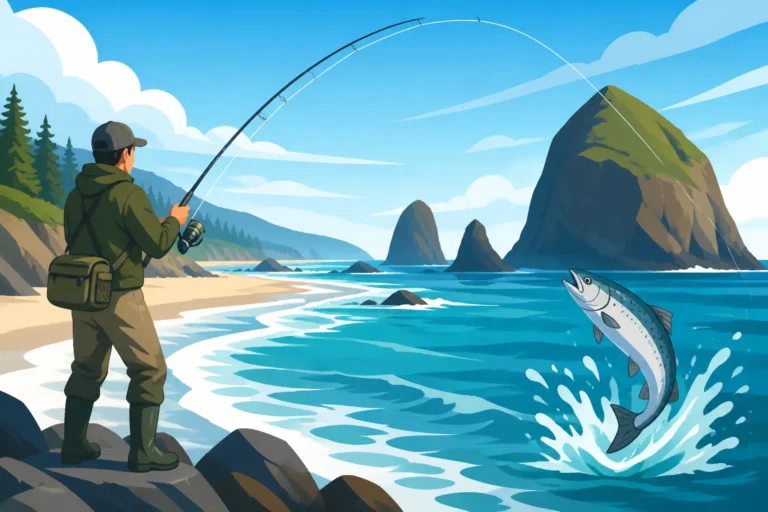
The Nestucca Bay itself is a prime target for fall Chinook and Coho salmon, as well as Dungeness crab. The Pacific City Boat Launch, as mentioned, is your gateway. From here, boat anglers can motor up into the lower river or out into the bay. Targeting the channels and flats within the bay during incoming and outgoing tides can be incredibly productive. Shore anglers can also find limited access along the bay's edges, particularly near public parks or access easements. It’s important to consult local tide charts and Oregon fishing season dates and limits for the best timing and regulations when fishing the estuary, as fish behavior is heavily influenced by tidal movement here.
For those without a boat, local charter services, often listed on platforms like FishingBooker, operate out of Pacific City, taking anglers into the bay and river mouth for salmon and crabbing trips. These services are invaluable for visitors or those new to the area, providing all the necessary gear and local knowledge. Understanding the Oregon combined angling tag guide is especially important for these multi-species trips, as different species may require specific tags in addition to your basic fishing license.
Navigating Private Land and Respecting Property
One of the most challenging aspects of fishing many Oregon rivers, including the Nestucca, is discerning public access from private property. Much of the most productive fishing water flows through privately owned land, and inadvertently trespassing can lead to unpleasant encounters or even legal trouble. It's a common frustration for anglers, but a little preparation and a lot of respect can go a long way.
Recognizing Property Boundaries
The responsibility for knowing property boundaries ultimately falls on the angler. It's easy to get caught up in the excitement of the chase and accidentally wander onto private land. Often, landowners will have "Private Property" or "No Trespassing" signs posted, and these must always be respected. However, sometimes signs are absent, or they can be obscured by vegetation.
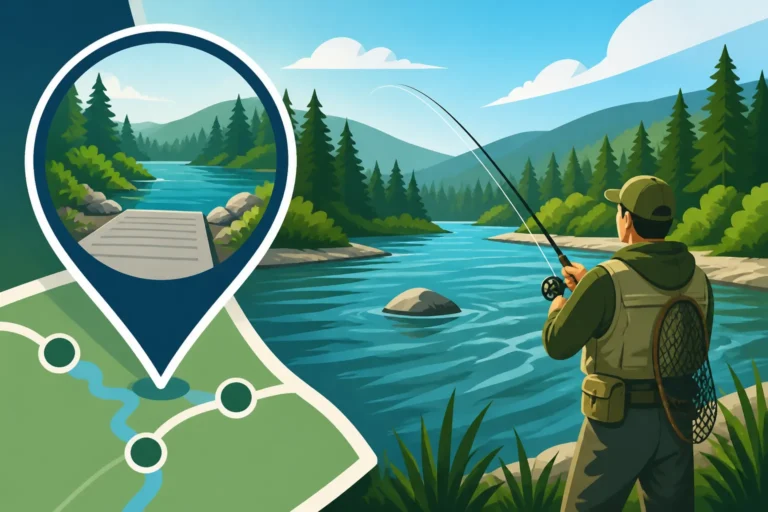
Before you even leave home, consider using mapping apps or websites that show property ownership boundaries. Apps like onX Hunt, for example, can be incredibly useful for displaying public and private land boundaries right on your phone, even with satellite imagery. This technology can be a real game-changer, allowing you to clearly see where public easements or state lands lie, versus private holdings. Always assume land is private unless it's explicitly marked as public access, like an ODFW designated area. When in doubt, it's always better to err on the side of caution and find another spot. Remember that while the riverbed itself might be considered public water, the banks and land immediately adjacent often are not, and accessing the river requires crossing private property.
Seeking Permission and Local Etiquette
When you encounter a promising stretch of river that appears to be on private land, the best and most respectful approach is to seek permission from the landowner. A polite knock on a door, explaining your intentions, and asking if you might be allowed to fish a specific section can often yield positive results. Many landowners are anglers themselves and might be more amenable than you think, especially if they see you're being respectful and responsible. Always be prepared for a "no" and accept it gracefully, but don't be afraid to ask.
It's also crucial to practice excellent angling etiquette. This includes:
- Leaving no trace: Pack out everything you pack in, and perhaps even pick up any litter you find.
- Parking thoughtfully: Ensure your vehicle isn't blocking driveways, gates, or access for others.
- Being quiet and respectful: Avoid loud noises or disturbing livestock or residents.
- Closing gates: If you pass through a gate, always close it behind you.
- Respecting fences: Don't climb over fences; use gates or designated crossings.
- Understanding local regulations: Familiarize yourself with all Oregon fishing regulations explained for the specific species and areas you're targeting.
Building good relationships with landowners can lead to continued access for yourself and future anglers. Sometimes, you might even find that local fishing guides, many of whom are available through services like FishingBooker, have established relationships with landowners, securing access that might otherwise be unavailable to the general public. This can be a significant advantage, especially during peak seasons when prime public spots are crowded.
Practical Tips for Fishing the Nestucca River
Fishing the Nestucca can be incredibly rewarding, but like any coastal river, it comes with its own set of nuances and challenges. Being well-prepared and aware of the local conditions will greatly increase your chances of success and ensure a safe, enjoyable outing.
Gear Considerations for Nestucca Fishing
The type of gear you bring for Nestucca River fishing will largely depend on the specific section you're targeting and the species you're after. Given the river's diverse character, versatility is key.
- Rods and Reels: For much of the river, especially for steelhead and salmon, a medium-heavy spinning or baitcasting rod (8.5 to 10.5 feet) with a fast action is ideal for casting lures, drifting baits, or bobber dogging. If you're fly fishing, a 7 or 8-weight rod is a good all-around choice for steelhead and coho, while a 6-weight might suffice for trout in the smaller sections. For ocean-bound salmon in the bay or estuary, heavier gear might be preferred. Check out resources on Oregon salmon fishing techniques or Oregon steelhead fishing techniques for more detailed recommendations.
- Line: Braided line (20-40 lb test) with a fluorocarbon leader (10-20 lb test) is a popular choice for its sensitivity and strength. Fly anglers will need appropriate fly lines (floating, sink-tip, or full sink depending on conditions).
- Terminal Tackle: A variety of weights (pencil lead, slinkies, split shot), hooks (single barbless hooks are often required or preferred), swivels, and beads are essential for drift fishing. Spinners, spoons (like a Luhr Jensen Kwikfish), and plugs (Brad's Killerfish) are popular choices for salmon and steelhead. For trout, smaller spinners, spoons, or classic bait like worms or PowerBait can be effective.
- Waders and Boots: If you plan on wading, breathable chest waders with sturdy, felt-soled or rubber-soled wading boots are a must. The Nestucca's rocky bottom can be treacherous, so good ankle support and grip are paramount. Always use a wading belt for safety.
- Net and Pliers: A good quality, rubberized landing net helps protect fish you intend to release. Long-nosed pliers or hemostats are essential for hook removal.
Safety and Environmental Awareness
Fishing should always be a safe and responsible activity. The Nestucca River, while beautiful, demands respect, especially during periods of high flow or cold weather.
- Wear a Life Vest: If you're in a boat, raft, or even wading in strong currents, a properly fitted life vest is non-negotiable. Cold water immersion is a serious risk in Oregon rivers.
- Check Water Conditions: Always check current river flows and weather forecasts before heading out. High, murky water can be extremely dangerous for wading and boating alike.
- Dress in Layers: Oregon weather can change rapidly. Wear moisture-wicking layers, and always have rain gear, even if the forecast looks clear.
- Inform Someone: Let someone know where you're going and when you expect to return, especially if you're fishing alone or in remote areas.
- Be Bear Aware: Coastal Oregon is bear country. Store food properly and be alert, especially at dawn and dusk.
- Know the Regulations: Obtain an Oregon fishing license guide before you go. Understand catch-and-release rules, bag limits, and any special bait or gear restrictions for the specific stretch of river you're fishing. For example, some areas may be fly-fishing only, or require barbless hooks. The Oregon Department of Fish and Wildlife (ODFW) publishes an annual regulation booklet, which is your go-to source.
- Practice Catch and Release Responsibly: If you plan to release fish, handle them gently, keep them in the water as much as possible, and revive them thoroughly before letting them go.
- Prevent Invasive Species: Clean your gear (waders, boots, boats) thoroughly between fishing trips to prevent the spread of invasive aquatic species.
- Pack It In, Pack It Out: Leave no trash behind. In fact, make it a habit to pick up any litter you find. Protecting these precious natural resources is everyone's responsibility.
By being mindful of these practical tips, you can enjoy a more productive and safer experience on the Nestucca River, contributing to the health and beauty of this incredible natural resource for years to come. Whether you're a seasoned local or planning a visit, understanding the nuances of Nestucca River fishing access will unlock a world of angling possibilities.
| Section of Nestucca River | Primary Access Method | Common Target Species | Best Seasons |
|---|---|---|---|
| Upper & Middle River | Bank, Wading, Drift Boat | Steelhead, Coastal Cutthroat Trout, Winter/Spring Salmon | Winter, Spring, Summer |
| Lower River & Estuary | Drift Boat, Power Boat, Limited Bank | Chinook Salmon, Coho Salmon, Steelhead, Sturgeon (C&R) | Fall, Winter |
| Nestucca Bay | Power Boat, Kayak, Limited Bank | Dungeness Crab, Chinook Salmon, Coho Salmon | Fall, Winter, Summer (Crab) |
Disclaimer
Fishing conditions and regulations in Oregon are subject to change without notice. Always consult the latest official Oregon Department of Fish and Wildlife (ODFW) regulations before planning any fishing trip. This guide is for informational purposes only and does not constitute legal advice. Adherence to all local, state, and federal laws is the responsibility of the angler.