Best waders for cold water steelhead fishing
There's nothing quite like the crisp, biting air of an Oregon winter morning when you're geared up to chase chrome steelhead, but that magical feeling can vanish in an instant if your waders aren't up to snuff. We've all been there: that slow creep of icy water, the damp chill seeping into your bones, turning what should be an epic day into a shivering endurance test. This guide is all about helping you avoid that miserable fate by diving deep into finding the absolute best waders for cold water steelhead fishing, ensuring you stay warm, dry, and focused on the fish, not your freezing toes.
The Harsh Reality: Why Good Waders Aren't Just a Luxury for Oregon Steelhead Anglers
If you've spent any time on Oregon's rivers during the cooler months, you know that comfortable, functional waders aren't merely an accessory; they're a fundamental part of a successful and enjoyable trip. The sheer joy of hooking into a powerful winter steelhead can quickly be overshadowed if you're battling the elements rather than the fish. This isn't about being pampered; it's about being prepared for the unique challenges our beautiful, but often frigid, waterways present.
Battling Oregon's Icy Rivers and Winter Chill
Oregon's steelhead rivers, whether they're the coastal gems like the Nestucca and Wilson, or the more inland giants, can be incredibly cold, especially from late fall through early spring. Often, the water you're standing in is snowmelt or recent rain, dropping temperatures to near freezing. You might be wading through deep runs, navigating treacherous currents, or simply standing patiently in a prime holding spot for hours, waiting for that tell-tale tug. Each of these scenarios demands serious protection from the cold.
Consider a typical winter morning out on the river, perhaps trying to pinpoint where the steelhead are holding. You've hiked down to the riverbank, the frost crunching underfoot, and the mist rising off the water. As you step into the flow, the cold immediately surrounds you. If your waders aren't up to the task, that initial chill quickly turns into a deep, bone-aching cold that saps your concentration and energy. It's not just about comfort; it's about safety. Hypothermia is a real concern when you're immersed in cold water for extended periods, and feeling the cold creeping in can force you off the water prematurely, cutting short your chances of landing that elusive fish. If you're curious about when these magnificent fish are most active, you might want to read our detailed guide on Winter Steelhead Run Timing in Oregon.
The Unspoken Frustration of Leaky, Inadequate Gear
We've all heard the stories, or perhaps even lived them: the subtle, then undeniable, dampness spreading across your leg, the sudden cold flush as a seam fails, or the slow drip from a tiny, unnoticed puncture. There's almost nothing more frustrating than finding out your waders aren't truly waterproof when you're already in the middle of a frigid river. Cheap waders, or those that haven't been properly cared for, are notorious for these kinds of failures, often at the worst possible moment.
Imagine you've been on the river for a few hours, patiently working a run, and suddenly you feel that tell-tale cold spot. It's not just uncomfortable; it's mentally defeating. Your focus shifts from reading the water and presenting your fly to simply enduring the cold. This can ruin a trip, making you want to pack up and head for the warmth of your car long before you've given the fishing a fair shot. The false economy of buying inadequate gear often means you'll end up replacing it sooner, spending more in the long run, and suffering through miserable days in between. Investing in quality waders is an investment in your comfort, your safety, and ultimately, your enjoyment of Oregon Fishing Techniques for Beginners or experienced anglers. If you're wondering, Do you need waders for Oregon river fishing? at all, the answer for winter steelhead is a resounding yes!
Decoding the Perfect Cold Water Steelhead Wader: Essential Features
When you're out there chasing winter steelhead, your waders are more than just waterproof pants; they're a crucial part of your personal defense system against the elements. Choosing the right pair involves understanding the key features that contribute to warmth, dryness, comfort, and durability in Oregon's challenging conditions. It's not a one-size-fits-all situation, and what works for a summer trout stream certainly won't cut it when the mercury drops.
Material Matters: The Great Debate – Neoprene vs. Breathable
The core of any wader's performance lies in its material. For cold water steelhead fishing, you'll generally be choosing between two main camps: neoprene and breathable fabrics. Both have their devout followers, and both offer distinct advantages and disadvantages.
Neoprene Waders: These are the traditional choice for sheer warmth. Neoprene, the same material used in wetsuits, provides inherent insulation because of its closed-cell foam structure. It traps a layer of water against your skin (or your layers) which your body then warms up, creating an insulating barrier. For those who spend long periods standing still in very cold water, perhaps plunking for salmon or using a bobber and jig, neoprene can be a lifesaver. They are typically quite durable against punctures, which is a big plus when navigating brushy riverbanks. However, they can be bulky, heavy, and tend to make you sweat profusely if you're hiking or working hard, leading to dampness from the inside out.
Breathable Waders: Modern breathable waders, often made from multi-layered fabrics like Gore-Tex, Toray, or proprietary materials from brands like Simms and Patagonia, are designed to allow perspiration vapor to escape while preventing liquid water from entering. This "breathability" is a game-changer for active anglers who hike to their spots or are constantly on the move. While they don't offer the inherent insulation of neoprene, their ability to wick moisture away from your body keeps your base layers dry, which is critical for warmth. This means you can customize your insulation with layering underneath. They are generally lighter and less bulky, offering greater mobility, though some can be more susceptible to punctures than thick neoprene. Many anglers find the comfort and versatility of breathable waders, especially when paired with proper layering, to be superior for the varied demands of Oregon steelhead fishing.
Insulation and Layering: Your Personal Climate Control System
It's a common misconception that waders alone will keep you warm. The truth is, your waders are the outer shell, and what you wear underneath is your true insulation. For cold water, layering is paramount.
Breathable waders absolutely require a robust layering system. You'll want a moisture-wicking base layer (synthetic or merino wool – absolutely no cotton!) to pull sweat away from your skin. Over that, a mid-layer of fleece pants or heavy wool thermal bottoms provides the crucial insulation. The beauty of breathable waders is that you can adjust these layers to suit the conditions and your activity level. On an exceptionally frigid day, you might opt for heavier fleece, while on a milder day or one with a lot of hiking, lighter layers will suffice. With neoprene waders, you still need a good base layer to manage sweat, but the neoprene itself provides a significant amount of insulation, meaning you might not need as many heavy mid-layers. Regardless of wader type, good quality wool or synthetic socks are non-negotiable to keep your feet from freezing.
Fit, Mobility, and Durability: Moving Freely and Staying Tough
A wader that doesn't fit correctly is a miserable wader. If it's too tight, it restricts blood flow, negates the effectiveness of your layers, and limits your mobility for casting, kneeling, or climbing over obstacles. Too loose, and it bunches up, creates drag in the water, and can chafe. When you're trying on waders, make sure you can comfortably squat, lift your knees, and take a long stride, as you might need to do all of these while wading through currents or traversing rocky terrain.
Durability is another non-negotiable feature for Oregon's rugged rivers. Steelhead fishing often takes you through dense brush, over sharp rocks, and into tricky spots that can put serious strain on your gear. Look for waders with reinforced knees and seats, as these are high-wear areas. Quality seam construction, often with double or triple stitching and taped seams, is critical to prevent leaks. Reputable brands like Simms, Orvis, and Patagonia put significant effort into these details. It’s a good idea to read reviews on sites like Amazon to see how waders hold up in real-world scenarios before making a purchase. Knowing that your waders can take a beating means you can focus on fishing, not worrying about tearing a hole on a thorny blackberry bush. If you're constantly scouting for prime spots, knowing How to Find Holding Water for Steelhead often involves some bushwhacking.
Boots or Stockingfoot? Making the Right Choice for Traction and Warmth
This choice largely dictates your overall footwear system and can significantly impact your comfort and safety.
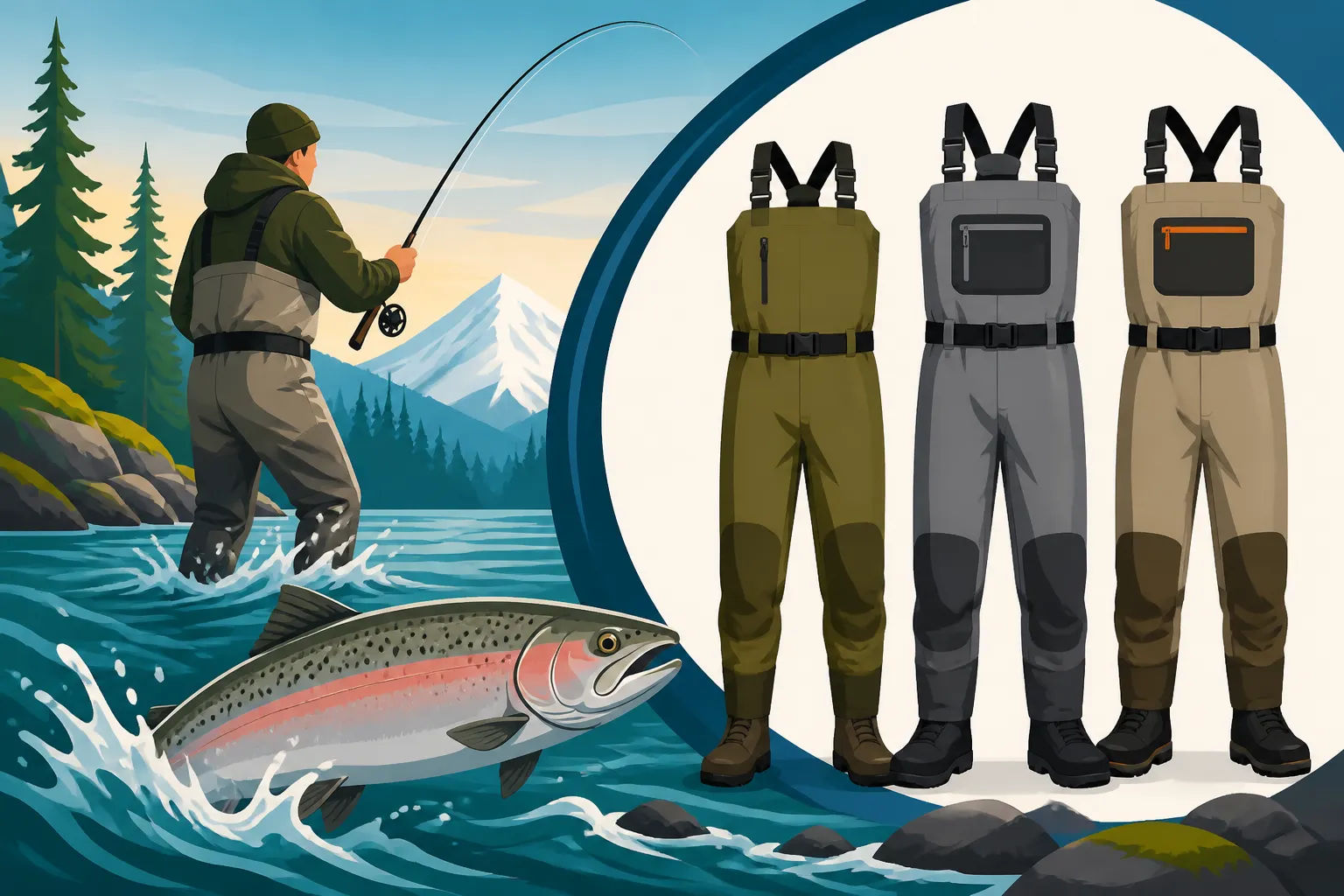
Stockingfoot Waders: These waders have neoprene "socks" or booties, and you wear separate wading boots over them. This system offers immense flexibility. You can choose wading boots that provide excellent ankle support, crucial for navigating uneven river bottoms. You also have control over the boot's traction, opting for felt soles, rubber soles (Vibram or similar), or even adding screw-in studs for extra grip on slippery rocks. The custom fit of separate boots often leads to greater comfort and less fatigue during long days. This is generally the preferred choice for serious wading anglers who cover a lot of ground.
Bootfoot Waders: These waders have the boots permanently attached to the wader legs. Their main advantage is convenience – simply step in and go. They often offer more insulation for your feet, as the boots are usually insulated themselves, which can be a boon for anglers who spend most of their time standing still in frigid water, perhaps from a drift boat or bank fishing spot. However, bootfoot waders typically offer a less precise fit, can be bulkier for walking long distances, and provide less ankle support. The integrated sole might not offer the same level of specialized traction as dedicated wading boots. The choice here often comes down to your personal fishing style and how much hiking or active wading you anticipate doing. For most active steelhead anglers, stockingfoot waders paired with quality wading boots offer the best combination of mobility, support, and customizable traction.
Top Contenders: Exploring Different Wader Types for Winter Steelhead
Now that we've covered the crucial features, let's look at how these elements come together in the wader types you'll most commonly encounter when gearing up for cold water steelhead fishing in Oregon. Understanding the nuances of each type will help you decide which is the best fit for your fishing style and the conditions you typically face.
Neoprene Waders: The Traditional Cold-Weather Warrior
Neoprene waders have been a staple for cold weather anglers for decades, and for good reason. Their inherent insulation makes them incredibly warm, especially when you're standing stationary in icy water. Typically, you'll find them in 3mm or 5mm thickness. A 3mm neoprene wader provides good warmth for cool days, while a 5mm is designed for truly frigid conditions.
Anglers who spend their time in very cold river sections, often fishing from a boat or plunking from a bank, swear by neoprene. They’re also generally more puncture-resistant than many breathable models, which can be a benefit when crashing through thick riverside vegetation. Brands like Hodgman and Frogg Toggs offer reliable neoprene options that are often more budget-friendly than high-end breathable waders, making them an accessible entry point for those venturing into winter fishing. However, their bulk and lack of breathability can be a significant drawback if you plan on covering a lot of ground or if the weather is milder. Sweat accumulation inside can lead to a clammy, cold feeling once you stop moving, counteracting some of their insulating benefits.
Insulated Breathable Waders: Modern Comfort Meets Cold Protection
The evolution of breathable waders has brought us truly innovative designs, including models specifically tailored for cold weather. These aren't just your standard breathable waders; they often incorporate additional internal layers, fleece linings, or thicker multi-ply fabrics to boost warmth while retaining their moisture-wicking properties. Think of them as high-tech shells that allow you to create a personalized microclimate with your layering system.
These waders are a fantastic choice for anglers who need both warmth and mobility. If your steelhead fishing involves hiking along the Deschutes River or scrambling down steep banks to access prime water, the lighter weight and flexibility of insulated breathable waders will be a game-changer. Leading brands often use proprietary membrane technologies, ensuring a high level of waterproofing and breathability. While they typically come at a higher price point, the comfort and versatility they offer across a range of conditions, from mild winter days to truly freezing ones (with proper layering), make them a worthy investment for many. You can often find a great selection and compare features directly on platforms like Amazon, reading user reviews for real-world performance insights. This is especially true for those who chase Oregon Steelhead Guide in various rivers and terrains across the state.
Specialty Features and Accessories for Extreme Conditions
Beyond the basic material, many waders designed for cold water steelhead fishing come packed with thoughtful features that enhance comfort, convenience, and even safety. These aren't just marketing gimmicks; they can genuinely improve your experience on a challenging day.
- Hand Warmer Pockets: Fleece-lined, pass-through pockets at chest level are incredibly welcome on a bitter cold day. Being able to quickly warm your hands after releasing a fish or tying a knot can make a huge difference in your dexterity and overall comfort.
- Fleece-Lined Pockets: In addition to hand warmers, internal or external pockets that are fleece-lined can provide extra warmth for small items or even just for a quick hand-warming break.
- Waterproof Zippers: While not always necessary, high-quality, fully waterproof zippers on chest pockets keep your phone, keys, or fishing license completely dry, even if you take an unexpected dip. Remember, you'll always need to have your Oregon Fishing License Guide accessible!
- Gravel Guards: These integrated cuffs at the bottom of stockingfoot waders are essential for keeping sand, gravel, and debris out of your wading boots. They prevent abrasion to your neoprene booties and extend the life of both your waders and boots.
- Wading Belts: Every wader should come with one, and you should always wear it. A properly cinched wading belt not only provides support but is a critical safety feature. Should you fall into deep water, it helps prevent your waders from filling up completely, allowing you to regain control more easily.
- Reinforced Seams and Knees: As mentioned earlier, extra reinforcement in high-wear areas drastically extends the life of your waders, making them more resilient to the scrapes and bumps of river fishing.
Maximizing Your Wader's Lifespan and Comfort on the Water
Even the best waders for cold water steelhead fishing won't perform their best or last as long as they should without proper care. Think of your waders as an investment in your fishing future; a little TLC goes a very long way in ensuring they keep you warm and dry for seasons to come. Beyond maintenance, what you wear under your waders is just as crucial for overall comfort and temperature regulation.
Proper Care and Maintenance: A Little Effort Goes a Long Way
Neglecting your waders is the fastest way to shorten their lifespan and invite annoying leaks. The good news is that proper care isn't difficult; it just requires a bit of consistency after each trip.
First, always rinse your waders with fresh water after each outing, especially if you've been in brackish or saltwater (like fishing for salmon and steelhead near the coast or in bays). This removes dirt, grit, and corrosive elements that can degrade the fabric and seams over time. Pay close attention to the gravel guards and boot areas if you have stockingfoot waders. Second, and perhaps most crucially, dry them completely. Hang them upside down first to let the main body dry, then turn them right side out and hang them in a well-ventilated area, away from direct sunlight or excessive heat. Many anglers use a wader hanger that allows air circulation. Make sure the inside is bone dry before storing them, as mildew and fabric degradation can occur if they remain damp. When storing, don't just crumple them into a corner; hang them in a closet or lay them flat to avoid creating permanent creases that can stress the material. If you do discover a leak, address it immediately with a wader repair kit or sealant like Aquaseal, which you can easily find on Amazon. Proactive repairs prevent small leaks from becoming big problems.
The Art of Layering: What to Wear Underneath Your Waders
We touched on this earlier, but it truly bears repeating: your layering system is your secret weapon for warmth. Cotton is your enemy in cold weather because it absorbs moisture and loses all insulating properties when wet, leaving you shivering.
Start with a quality base layer – merino wool or a synthetic thermal. This layer is designed to wick moisture away from your skin, keeping you dry. Next, add a mid-layer for insulation. Fleece pants are a popular choice, as are heavier wool blends. The thickness of this layer will depend on how cold it is and how active you plan to be. On truly frigid days, you might even wear two mid-layers. Don't forget your feet! High-quality wool or synthetic socks are essential. Wear one pair, or potentially two thinner pairs, but avoid anything that makes your boots feel too tight, as this will restrict circulation and make your feet colder. The goal is to create air pockets that trap warmth, not to compress your feet. Dressing this way ensures that even when chasing How to Fish for Winter Steelhead on the Oregon Coast in the coldest conditions, your body can maintain its core temperature. You might also find some great layering options while looking for gear described in our Oregon Bait and Lure Guide.
Essential Wader Accessories for a Smoother Trip
While the waders themselves are the star, a few key accessories can significantly enhance your safety, comfort, and efficiency on the river.
- Wading Belt: As mentioned, this is a non-negotiable safety item. Always wear it snugly around your waist. In addition to preventing your waders from filling with water in a fall, it can also provide lower back support, which is appreciated after long hours standing in current.
- Wading Staff: This is especially important if you're venturing into unfamiliar water, crossing strong currents, or navigating slippery bottoms. A collapsible wading staff provides a crucial third point of contact, enhancing your stability and preventing falls. It can literally save you from a dangerous situation.
- Wader Repair Kit: A small, compact kit with patches and a tube of wader sealant (like Aquaseal or similar products) should always be in your pack. A minor puncture can be quickly patched on the river, potentially saving your day.
- Appropriate Wading Boots (for stockingfoot waders): Your boots are just as important as your waders. They need to provide excellent traction on slippery rocks and riverbeds. Felt soles are traditionally excellent for grip on slimy rocks, but they can carry invasive species and are restricted in some areas. Rubber soles, especially with aggressive lug patterns, are becoming increasingly popular, often enhanced with tungsten carbide studs for superior grip. Ensure your boots fit well over your wader booties and any layers of socks, providing good ankle support.
By taking the time to choose the right waders, understanding the importance of layering, and committing to proper care, you'll ensure that your cold water steelhead fishing adventures in Oregon are as comfortable, safe, and productive as possible.
Choosing Your Cold Water Waders: A Comparative Look
To help you visualize the choices, here's a quick comparison of the two primary wader types suitable for cold water steelhead fishing. Remember, the "best" choice is always the one that aligns most closely with your personal fishing style, the conditions you face, and your budget.
| Feature | Neoprene Waders | Breathable Waders (Insulated/Winter-Grade) |
|---|---|---|
| Primary Advantage | Superior inherent warmth, good puncture resistance | High mobility, excellent moisture management, versatile |
| Insulation | Direct insulation from neoprene thickness (3-5mm) | Relies heavily on layering underneath for warmth, wader itself may have insulation or thicker fabric |
| Mobility | Bulkier, heavier, can restrict movement | Lighter, more flexible, better for hiking/active wading |
| Breathability | Poor; traps sweat, can feel clammy | Excellent; allows sweat vapor to escape, keeps layers dry |
| Weight | Heavier | Lighter |
| Durability | Good resistance to punctures | Highly durable in quality models, reinforced areas common |
| Cost | Generally more budget-friendly | Often higher initial investment |
| Best For | Stationary fishing in very cold water (boats, banks) | Active anglers, hiking, varied conditions, year-round use |
Ultimately, the decision comes down to your priorities. If you prioritize absolute warmth and minimal movement, neoprene might be your traditional friend. If you value mobility, comfort, and the flexibility to layer for diverse conditions, a high-quality insulated breathable wader is likely the way to go. No matter your choice, ensure you're comfortable and safe on your next trip to chase Oregon Steelhead Guide on our beautiful rivers.
Disclaimer
This article is for general informational purposes only and does not constitute professional advice. Laws, prices and regulations vary by location and change over time. Consult a qualified professional for guidance on your specific situation.