How often do Oregon fishing regulations change
Oh, the age-old question that keeps many of us Oregon anglers up at night! You've planned your weekend trip to the coast, tied your favorite flies, and checked the tide charts, only to wonder if the rules for retention or even access have changed since you last looked. It's a real pain, isn't it? The frustration of trying to keep up with what seems like a constantly shifting landscape of rules is something every angler in Oregon has felt. This guide is here to shed some light on just how often Oregon fishing regulations actually change and, more importantly, how you can stay on top of them so you can spend less time worrying and more time fishing.
The Foundation: Oregon's Annual Fishing Regulation Synopsis
For new anglers and seasoned veterans alike, the Oregon Department of Fish and Wildlife (ODFW) provides an annual fishing regulation synopsis. This is often the first place we look, and it feels like the definitive guide for the year. But it’s crucial to understand what this document represents and its limitations.
The Yearly Synopsis: Your Go-To Guide
Every year, typically in late December or early January, ODFW releases its comprehensive Oregon Fishing Regulations Explained booklet. This publication is truly a treasure trove of information, detailing statewide rules, zone-specific regulations, species limits, open and closed seasons, and so much more. You can grab a physical copy at most license vendors, including local sporting goods stores or even some grocery outlets, or you can download the digital version directly from the ODFW website. It’s designed to be your primary reference for the upcoming year, covering everything from the length of the open season for trout in a particular lake to the daily bag limits for bass in a specific river system. For many, this annual book becomes a well-worn companion in their tackle box or glove compartment. You can even find previous years' regulations archived, which is sometimes helpful for historical context, but always be sure you're referencing the current year's version. Need to know Where to find the Oregon fishing regulations booklet? Your local tackle shop or the ODFW website is always the best bet.
How the Annual Process Works
The creation of this annual synopsis is a fairly involved process. ODFW biologists and managers spend considerable time analyzing data from the previous fishing seasons, monitoring fish populations, considering environmental forecasts, and taking public input into account. They propose changes, hold public meetings, and solicit feedback from anglers, conservation groups, and tribal entities. These proposals then go through an approval process before being codified into the annual regulations. This structured approach aims to balance angler opportunity with the conservation of Oregon's invaluable fish resources. It’s a deliberate effort to set a stable framework for the fishing year, providing a predictable base for anglers to plan their adventures around the state's diverse waters.
Limitations of a Static Annual Guide
Here's where the frustration often begins. While the annual synopsis provides a foundational set of rules, it's inherently a static document. The natural world, however, is anything but static. Fish populations can fluctuate dramatically due to a myriad of factors – unexpected weather patterns, water temperatures, drought conditions, disease outbreaks, or even simply the unpredictable nature of salmon and steelhead runs. A rule set in December for the following July might become entirely inappropriate by the time July rolls around. This means that while the annual guide is an excellent starting point, it's never the final word for the entire year. Relying solely on the annual booklet without checking for updates is a surefire way to accidentally run afoul of the law or miss out on a prime fishing opportunity due to an unexpected opening or closure.
The Reality: Why Regulations Change Throughout the Year
So, to directly answer your question: while the primary regulation booklet is annual, specific regulations within it can and often do change with surprising frequency throughout the year. It's not uncommon for adjustments to be made monthly, sometimes even weekly, for certain fisheries, especially those involving migratory species like salmon and steelhead, or sensitive habitats.
Environmental Factors and Fish Runs
Think about it: Oregon's diverse ecosystems are constantly in flux. A sudden heatwave can drastically raise river temperatures, making it dangerous for cold-water species like trout and steelhead. Low snowpack in winter might lead to critically low river flows in summer, concentrating fish and making them more vulnerable. Conversely, heavy rains can blow out rivers, making fishing impossible, or trigger new fish migrations.
For anadromous fish like salmon and steelhead, the actual number of fish returning to rivers each year can vary wildly. Forecasts are made months in advance, but the real-time returns often differ significantly. If more fish show up than expected, ODFW might liberalize limits or extend seasons to allow anglers more opportunity. If fewer fish appear, emergency closures or stricter bag limits, perhaps reducing the Oregon Daily Bag Limits Explained to one or even zero fish, become necessary to ensure enough fish make it to the spawning grounds. This is why you'll often hear about Oregon Fishing Season Dates and Limits being adjusted on short notice for popular fisheries like the Columbia River spring Chinook or coastal steelhead runs.
Conservation Needs and Emergency Closures
The primary driver behind in-season regulation changes is often conservation. ODFW is tasked with managing Oregon's fish and wildlife for future generations. This means protecting vulnerable stocks from overharvest. If a specific run of salmon or steelhead is underperforming, an immediate emergency closure might be implemented to protect those fish. These aren't just minor tweaks; they can mean entire rivers or stretches of rivers are closed to fishing for certain species, or even all species, overnight.
For instance, if a section of the Deschutes River is experiencing critically low oxygen levels due to high temperatures, ODFW might close that stretch to fishing to prevent stress-related mortality, especially for sensitive trout populations. Similarly, unexpected diseases in hatcheries or wild populations can trigger closures to prevent further spread. The ability to issue How to check Oregon emergency fishing closures alerts quickly is paramount, as these situations often require immediate action.
Fishery Management Adaptations
Beyond environmental and conservation needs, regulations also adapt based on real-time data from anglers and creel surveys. ODFW staff are constantly in the field, talking to anglers, checking catches, and monitoring fishing pressure. If they observe excessive harvest in a particular area, or if catch rates are far outside expectations, they may adjust rules to maintain balance. This could involve changing specific gear restrictions, implementing slot limits (where only fish within a certain size range can be kept), or modifying the Oregon Catch-and-Release Rules for certain species. Sometimes, these changes are even made in coordination with Washington State for shared waters like the Columbia River, ensuring consistent management across state lines.
Your Toolkit: Staying Informed on Dynamic Regulations
Given this dynamic environment, how do you, the angler, keep from feeling like you're constantly playing catch-up? The good news is that ODFW has significantly improved its communication channels over the years, making it easier than ever to get real-time updates.
Official ODFW Resources
This is your absolute first line of defense. ODFW's website is the single most important resource. Before every fishing trip, especially to a highly managed river or coastal bay, visit the ODFW website and navigate to the weekly recreation report or the dedicated "recreational fishing regulations" page.
- ODFW Website and Recreation Report: The website, specifically the weekly fishing and shellfish reports, is updated regularly, often every Wednesday or Thursday. These reports detail river conditions, recent fish catches, and, crucially, any emergency regulation changes or important updates for specific Oregon Fishing Zones Explained or bodies of water. Make it a habit to check the ODFW website before you go.
- ODFW Mobile App: The MyODFW app, available for both Apple and Android devices, is an incredibly handy tool. It brings many of the website's features to your phone, including the recreation report and direct links to the current regulations. You can check regulations right there on the bank!
- E-Newsletters and Social Media: Sign up for ODFW's regional e-newsletters. These often contain critical updates delivered straight to your inbox. They also use social media channels like Facebook to broadcast urgent news and regulation changes.
- ODFW Phone Hotlines: For some major fisheries, ODFW maintains dedicated phone hotlines with recorded messages that are updated frequently, sometimes daily. These are particularly common for salmon and steelhead seasons on large rivers.
Local Knowledge and Community Hubs
While official sources are paramount, don't underestimate the power of local knowledge.
- Bait and Tackle Shops: The folks working at your local tackle shop, like Coastal Tackle in Newport or Fisherman's Marine & Outdoor in Portland, are often the first to hear about localized changes. They live and breathe fishing, and their business depends on knowing the rules. Pop in, buy some bait (perhaps a new lure you found on
Amazonto try out), and strike up a conversation. They're usually happy to share the latest intel. - Fishing Guides: Professional Oregon Fishing Guide Services and charter operators are required to be intimately familiar with current regulations. If you're considering a trip, giving a guide a call can often provide valuable insights into what's currently open, closed, or seeing action under the current rules. They're on the water constantly and know the pulse of the fishery.
- Online Forums and Social Groups: While less official, online fishing forums and Facebook groups dedicated to Oregon fishing can be great places to hear about rumors of upcoming changes or confirm details from other anglers who have just been out. Just remember to always verify any information you get from these sources with an official ODFW channel before you act on it.
The Importance of Double-Checking
This cannot be stressed enough: always double-check the regulations before you head out, and even during your trip if you're fishing for different species or moving to a new area. A rule that was in effect last week might be different this week. A river that was open for retention yesterday might be catch-and-release only today. It's not about being paranoid; it's about being responsible and ensuring you're compliant. Fishing without knowing the current rules can lead to fines, confiscation of gear, and even loss of fishing privileges, as outlined in Oregon Fishing Violations and Penalties.
Here’s a quick table to help you keep track of where to look for updates:
| Information Type | Primary Source | Frequency of Update | Notes |
|---|---|---|---|
| Annual Regulation Booklet | ODFW Website, License Vendors | Annually (Dec/Jan) | Foundational rules for the year. |
| Weekly Fishing Report | ODFW Website, MyODFW App | Weekly (Wed/Thu) | Conditions, local reports, and important regulation changes. |
| Emergency Closures | ODFW Website, Press Releases, Hotlines, MyODFW App, Social Media | As needed (can be daily) | Critical, immediate changes due to conservation or environmental factors. |
| Rulemaking Notices | ODFW Website (Public Meetings) | As needed | Announcements for proposed regulation changes and public input opportunities. |
| Local Knowledge | Tackle Shops, Guides, Forums | Daily/Weekly | Informal updates, good for local conditions, but always verify with official ODFW sources. |
Common Scenarios for Regulation Adjustments
Understanding why regulations change helps you anticipate when you might need to check more frequently. Here are some common scenarios that trigger in-season adjustments:
Salmon and Steelhead Runs
These are perhaps the most dynamic fisheries in Oregon. Oregon Salmon and Steelhead Tag Requirements are essential because these tags help ODFW monitor catch rates. If a forecast for Chinook or coho salmon proves overly optimistic or pessimistic, ODFW will quickly adjust. This could mean emergency closures for wild steelhead, changes to Oregon Catch Record Card Requirements, or modifications to whether you can keep adipose-fin-clipped (hatchery) fish. For instance, the timing of spring Chinook on the Willamette River or fall Chinook on the Columbia River often sees mid-season tweaks to bag limits or even full closures if runs are weak, or extensions if returns are robust. Knowing What water temperature is best for salmon fishing or How river flow affects steelhead fishing can also help you understand why ODFW might make certain calls about fish health.
Sturgeon Fisheries
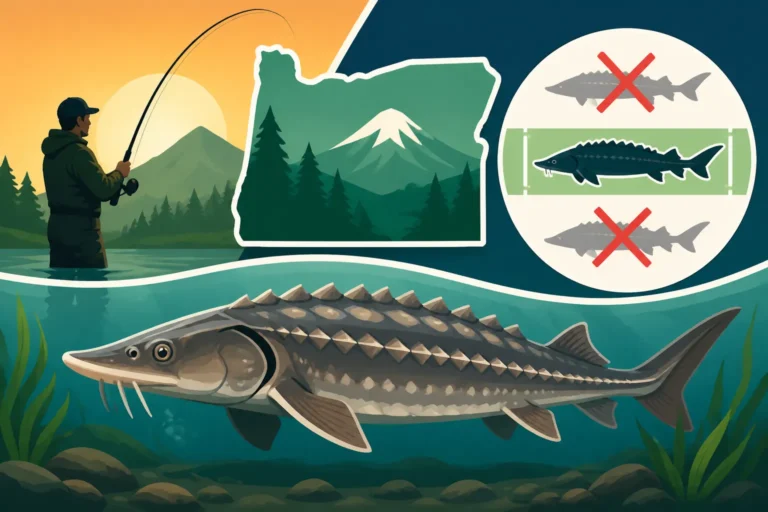
Sturgeon, particularly White Sturgeon, are a highly managed species with strict regulations due to their long lifespan and slow reproduction rates. The Oregon Sturgeon Tag Requirements are serious business. Seasons for retention are often very short and specific, sometimes only open for a few days or weeks, and can be closed early if the harvest quota is met faster than anticipated. Areas like the Bonneville Pool on the Columbia River are particularly sensitive to these rapid adjustments. It’s not uncommon for an announced several-week season to last only a few days due to intense fishing pressure.
Coastal Crabbing and Shellfishing
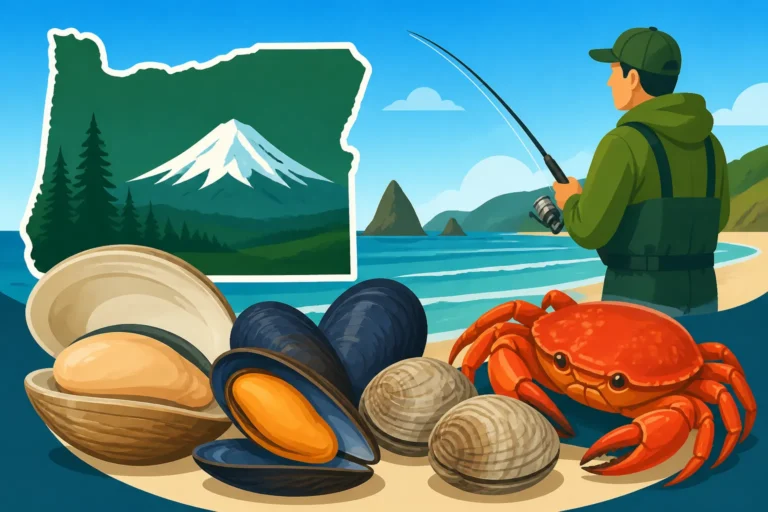
While often thought of as separate from fin fishing, crabbing and clamming regulations can also change frequently. Coastal alerts for domoic acid or paralytic shellfish poison (PSP) can close entire stretches of the coast to clamming or crabbing overnight. Commercial fishing seasons, which influence recreational opportunities, can also shift. A quick check of the ODFW shellfish hotline or their dedicated shellfish webpage is always a must before heading out for some Dungeness crab or razor clams.
Droughts and Wildfires
Unfortunately, these have become increasingly common in Oregon. Drought conditions lead to lower water levels and higher water temperatures, stressing fish. In response, ODFW might implement "hoot owl" closures, meaning fishing is only allowed during the cooler morning hours, or close entire streams and rivers to protect fish. Wildfires can also cause closures not just due to the fire itself, but also due to post-fire runoff that can devastate fish habitat. These environmental challenges mean regulations must be flexible to protect fish stocks.
In conclusion, while Oregon provides an annual fishing regulation guide, the natural world demands flexibility. Don't be surprised when regulations change throughout the year; instead, be prepared! Make it a habit to check ODFW's official sources regularly, especially before each trip. Staying informed is the best way to ensure you have a responsible and successful day on the water, whether you're targeting trout in a high mountain lake or battling a big salmon in a coastal river. Remember to pack your essential gear, maybe pick up some new leader from Amazon for your next trip, and always, always know the rules!
Disclaimer
This article is for general informational purposes only and does not constitute professional advice. Laws, prices and regulations vary by location and change over time. Consult a qualified professional for guidance on your specific situation.