Which coastal rivers get the earliest winter steelhead run
Oh, the anticipation of winter steelhead season in Oregon! It's a feeling every serious angler knows – that quiet longing for the first heavy rains, the chill in the air, and the promise of a chrome bright fish at the end of your line. But let's be real, figuring out exactly when those magnificent fish will actually show up in your favorite coastal river can feel like trying to solve a cryptic puzzle. You want to be there for the earliest runs, to feel that tug before the crowds descend, but Mother Nature has a way of keeping us guessing. This guide is here to cut through the guesswork and help you understand which Oregon coastal rivers tend to get the earliest winter steelhead runs, so you can plan your assaults and maximize your chances for that magical first hook-up of the season.
Understanding the Winter Steelhead Migration in Oregon Coastal Rivers
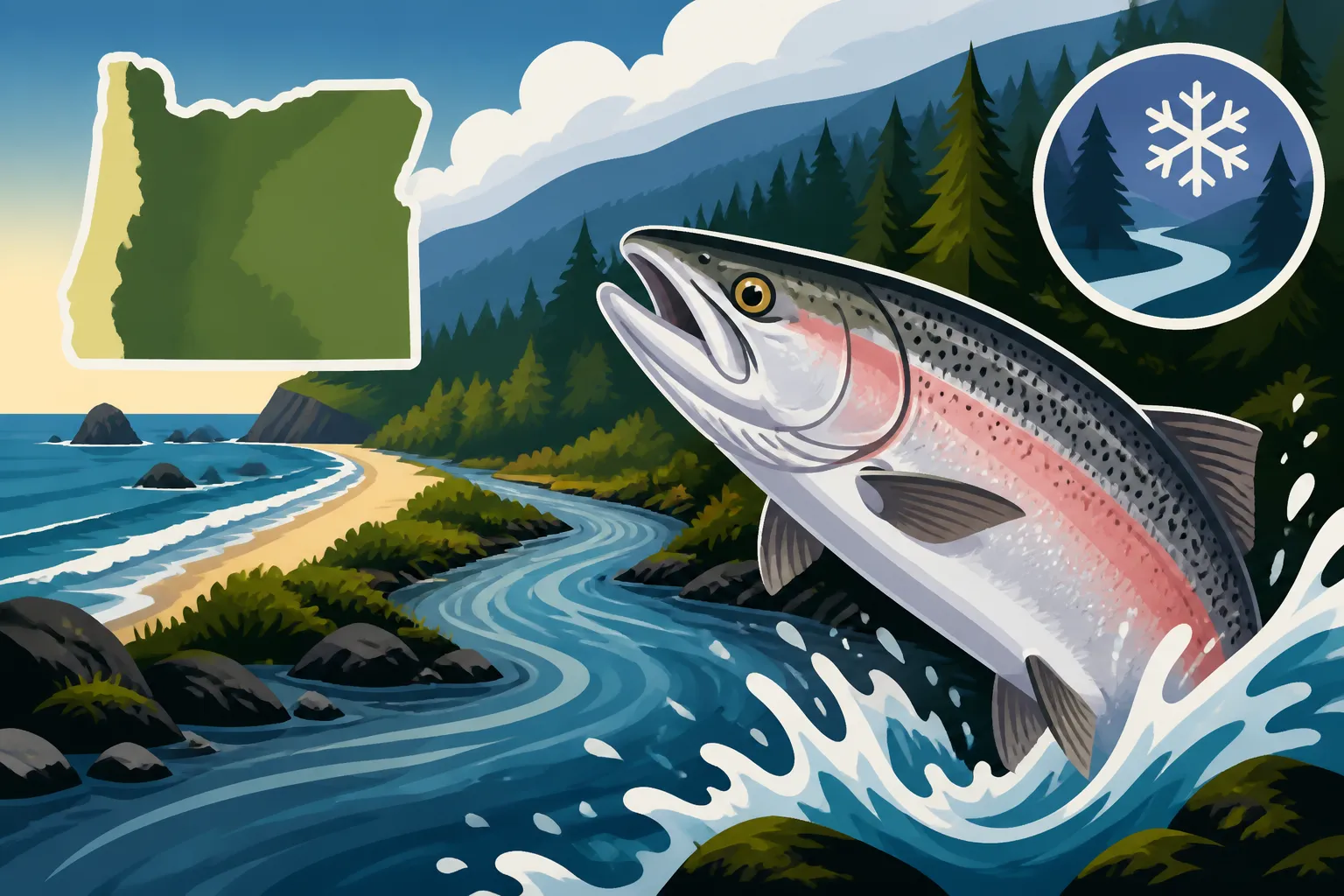
Winter steelhead fishing in Oregon is less about just casting a line and more about understanding a complex dance between fish, river systems, and weather patterns. These incredible fish, essentially sea-run rainbow trout, undertake an arduous journey from the Pacific Ocean back to their natal streams to spawn. The timing of their arrival, especially those coveted early-season fish, is influenced by a handful of critical environmental factors that anglers absolutely need to keep an eye on. It’s not just luck; it’s a deep appreciation for the nuances of the ecosystem.
The Dance of Rain and Rivers
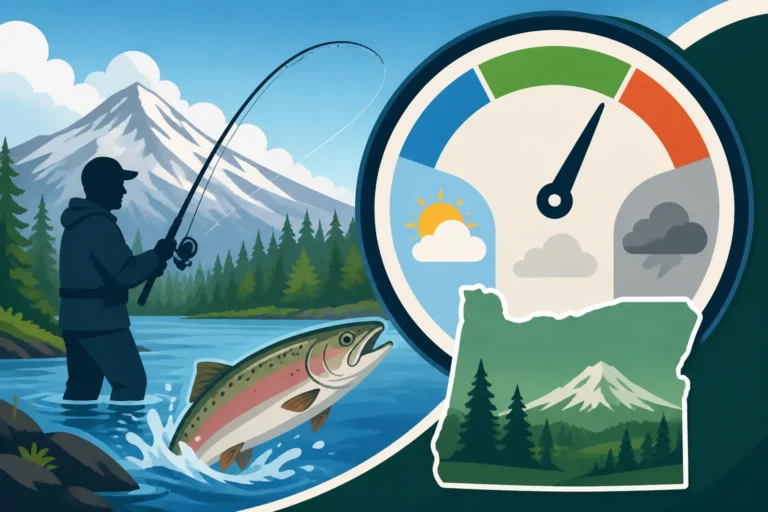
The most significant trigger for early winter steelhead moving into coastal rivers is undoubtedly rainfall. We're talking about those first substantial, river-swelling downpours of late fall and early winter. These aren't just any rains; they're what we often call "freshets" – sudden increases in river flow that draw the fish in from the ocean.
Imagine those steelhead, staging in the coastal estuaries, waiting for the perfect moment. When the river levels rise, the flow increases, and the turbidity might change a bit, it’s like a giant neon sign flashing "Go!" for them. A river that’s been low and clear all autumn suddenly has enough water to allow safe passage over riffles and through shallow stretches. This initial push of water provides both navigation and security, washing away stagnant odors and replacing them with the scent of their home waters. It’s a vital instinctual cue that gets those first waves of fish heading upstream. Being able to read the river gauges and predict these rain events can give you a significant advantage.
Water Temperature and Steelhead Activity
While rain is the primary trigger, water temperature plays a crucial supporting role in how quickly and actively steelhead move and bite. Steelhead, like most fish, are cold-blooded creatures, meaning their metabolism and activity levels are directly tied to the water temperature around them.
In the very early part of the winter season, sometimes a bit of warmer rain can be more effective at drawing fish in than a cold, torrential downpour. Ideal temperatures for actively moving and biting steelhead usually hover in the 40s Fahrenheit. If the water is too cold, say consistently in the low 30s, fish can become lethargic and less inclined to strike. Conversely, if there's an unusually warm spell, fish might hold in deeper, cooler pockets. The balance of increasing flows with comfortable water temperatures is often the sweet spot for finding those first eager biters. It's a delicate balance that often changes from year to year, adding to the challenge and excitement.
The Earliest Runners: Top Oregon Coastal Rivers for Winter Steelhead
While all of Oregon’s coastal rivers eventually get winter steelhead, some consistently see the earliest returns, giving eager anglers a jump on the season. These rivers share common characteristics that contribute to their early runs, often involving their geography, proximity to the ocean, and the specific timing of their watershed's rainfall. Knowing these rivers can truly transform your early winter fishing strategy.
North Coast Hotspots: Wilson and Nestucca Rivers
When talk turns to early winter steelhead on the Oregon Coast, the Wilson River and Nestucca River often steal the spotlight. These two rivers, located relatively close to each other in Tillamook County, are legendary for producing some of the first hatchery winter steelhead of the season.
The Wilson River, a tributary of Tillamook Bay, benefits from a combination of factors. Its relatively short journey from the ocean to popular fishing grounds means fish don't have as far to travel once they decide to enter. The watershed also tends to react quickly to rainfall, meaning a good storm can bring river levels up fast, signaling to those staging steelhead that it's time to go. Anglers often find success on the lower and middle sections of the Wilson, particularly around popular access points like those near Lee's Camp, once the water levels begin to rise after the first significant rains. For more detailed information on specific areas, check out our guide on Wilson River fishing spots for winter steelhead.
Similarly, the Nestucca River, which flows into Nestucca Bay, is another powerhouse for early winter steelhead. It has a robust hatchery program, contributing to strong early returns, and its river system also responds well to those initial fall and winter rains. The Nestucca's tidal influence extends quite a ways upstream, allowing fish to move in with the tides even before major freshets. Popular stretches include those near Cloverdale and farther upstream, depending on water conditions. Getting familiar with Nestucca River fishing access points is key to discovering your own productive spots. Both of these rivers are often buzzing with activity right after Thanksgiving, making them prime targets for those "first fish of the season" bragging rights.
Mid-Coast Options: Siletz and Alsea Rivers
Moving a bit south, the Siletz River and Alsea River are excellent mid-coast options that often provide strong early winter steelhead opportunities, typically starting a little after their northern counterparts but still ahead of many other systems. These rivers offer a slightly different fishing experience, often with a bit more solitude in their upper reaches.
The Siletz River, emptying into Siletz Bay near Lincoln City, is a beautiful system known for both its hatchery and wild steelhead. While the primary wild run peaks later, hatchery fish often start pushing in with those early rains. The lower Siletz can see fish relatively early, and as the season progresses, the middle river opens up. Keep an eye on the water levels here; the Siletz can fluctuate quite a bit. Access can be found in various spots, with some of the lower river offering good bank fishing, and drift boaters enjoying the float from Moonshine Park downstream. Explore more about prime locations in our Siletz River fishing access guide.
The Alsea River, which flows into Alsea Bay near Waldport, is another fantastic option. It boasts a strong hatchery program that consistently produces early-returning winter steelhead. Like the Siletz, its lower sections are often the first to see fish. The Alsea is a favorite for drift boaters, but there are also numerous bank access points, especially in the tidal and lower freshwater stretches. While perhaps not quite as "early" as the Wilson or Nestucca, the Alsea reliably produces fish from December onwards, with strong numbers through January. Our Alsea River salmon fishing spots guide might provide some crossover tips for targeting these anadromous beauties.
Southern Oregon's Early Birds: Chetco and Elk Rivers
While often thought of for their later, larger winter steelhead, some of Southern Oregon's coastal rivers, particularly the Chetco River and the Elk River, can surprise anglers with early runs, especially if localized rain patterns favor their watersheds. These rivers are renowned for their incredible wild steelhead, which tend to be some of the largest on the Oregon coast.
The Chetco River, near Brookings, is famous for its robust run of truly trophy-sized winter steelhead. While the peak of its wild run is usually later in January and February, dedicated anglers keeping a close eye on river levels can often find early hatchery fish or the first trickles of wild fish pushing into the lower river in December, particularly after a good rain system has moved through the southern coast. Targeting these early fish often means focusing on the lower river's deeper pools and confluence areas. To help plan your trip, dive into our specific advice on Chetco River winter steelhead fishing.
The Elk River, located north of Port Orford, is another pristine southern coast gem known for its quality wild steelhead. Similar to the Chetco, its peak is later, but consistent early season rainfall can bring in an initial wave of fish. These Southern Oregon rivers are often more sensitive to specific rainfall events, and their runs can be a bit more unpredictable in the very earliest part of the season compared to the more hatchery-reliant Northern and Mid-Coast systems. However, the reward of hooking into an early Chetco or Elk River chrome beast is unparalleled.
Here's a quick overview of these early-season hotspots:
| River System | Typical Earliest Action | Primary Draw | Common Techniques | Accessibility |
|---|---|---|---|---|
| Wilson River | Late November – December | Hatchery fish, strong runs | Drift fishing, bobber & jig, small plugs | Good bank access, popular for drift boats |
| Nestucca River | Late November – December | Hatchery fish, strong runs | Drift fishing, bobber & jig, small plugs | Good bank access, popular for drift boats |
| Siletz River | Early – Mid December | Hatchery & wild fish | Drift fishing, bobber & jig, flies | Moderate bank access, good for drift boats |
| Alsea River | Early – Mid December | Hatchery fish, consistent | Drift fishing, bobber & jig, plugs | Moderate bank access, popular for drift boats |
| Chetco River | Mid December – January | Wild fish, trophy size | Side drifting, bait casting, flies | Good bank access, popular for drift boats |
| Elk River | Mid December – January | Wild fish, quality | Side drifting, bait casting, flies | Limited bank access, popular for drift boats |
Gear Up and Get Ready: Preparing for Early Winter Steelhead
Getting ready for early winter steelhead is about more than just grabbing a rod; it's about preparing for the elements and the specific challenges of targeting fish that are just entering the system. The conditions can be cold, wet, and sometimes even a little miserable if you're not properly equipped. But with the right gear, you'll be comfortable and ready to focus on the fish.
Essential Gear for Early Season Success
First and foremost, you need reliable cold-weather and waterproof gear. Oregon winters are synonymous with rain, and spending hours streamside in wet clothes is a surefire way to cut your trip short. High-quality waterproof and breathable waders are non-negotiable. Look for models with good insulation or plan to layer heavily underneath. For those truly frigid days, neoprene waders can be a game-changer for warmth. Don't skimp on a waterproof jacket and rain pants either; layers are your best friend. Many anglers find excellent, durable options for rain gear and waders on Amazon, which offers a wide selection from reputable brands. Our guide to Best waders for cold water steelhead fishing can help you choose the right pair to keep you warm and dry.
Beyond personal attire, your fishing setup needs to be up to the task. A medium-heavy spinning or baitcasting rod, typically 8.5 to 10.5 feet long, is ideal for handling powerful steelhead and casting various presentations. Pair it with a sturdy reel spooled with 15-20 lb monofilament or braided line, with a fluorocarbon leader of 10-15 lb test. For those who prefer braided line, ensure you're using a quality brand as line abrasion can be a concern in rocky rivers. You can often find specialized, low-stretch braided lines perfect for steelhead fishing on Amazon. A good pair of polarized sunglasses is also essential, even on cloudy days, to help you spot subtle changes in water depth and structure.
Baits, Lures, and Techniques that Shine Early On
Early season steelhead can be a bit finicky; they're often more focused on moving upstream than aggressively feeding. This means your presentation needs to be on point. Traditional methods often prove most effective in these conditions.
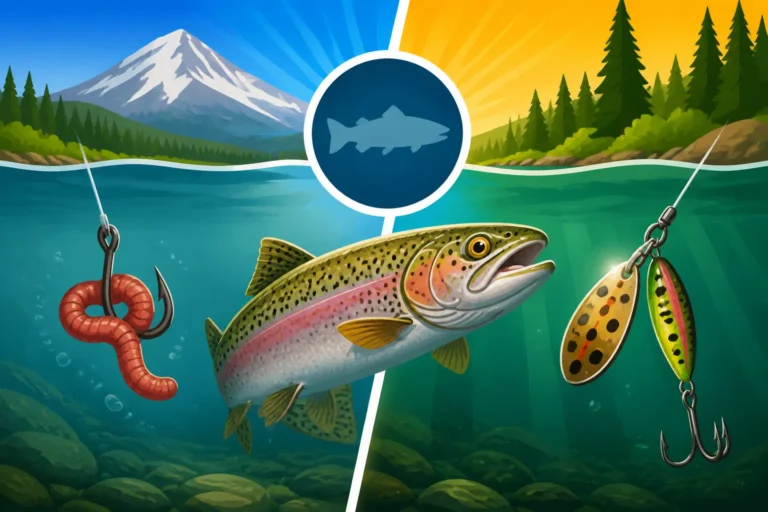
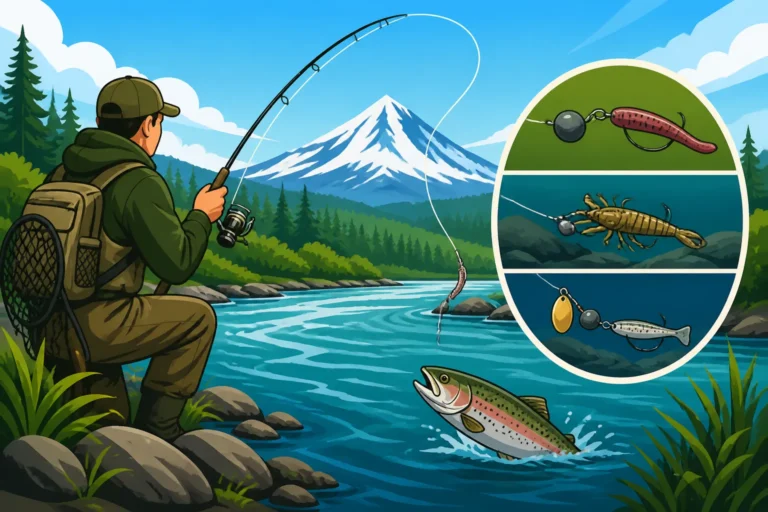
Drift fishing is a tried-and-true technique for covering water and presenting your bait naturally. Using a weighted setup with a small cluster of cured salmon eggs, an artificial worm, or a small piece of prawn can be incredibly effective. The key is to get your bait drifting along the bottom without snagging, mimicking a natural food source. Learn the ins and outs with our guide on Drift Fishing Techniques for Oregon Rivers.
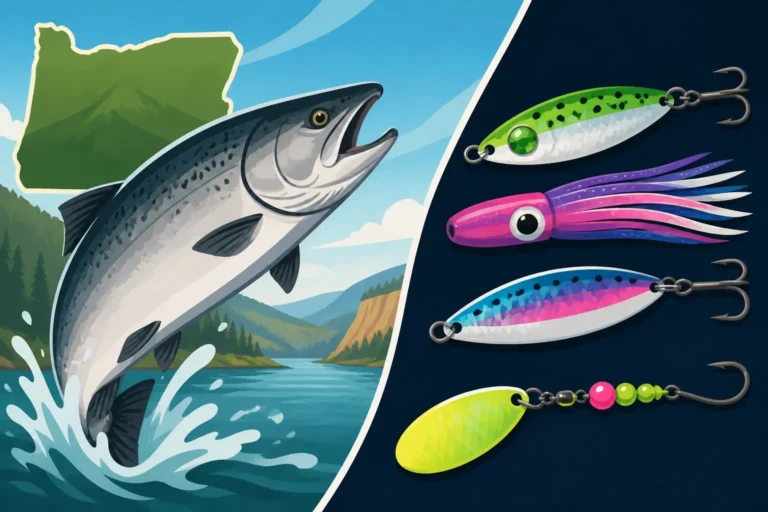
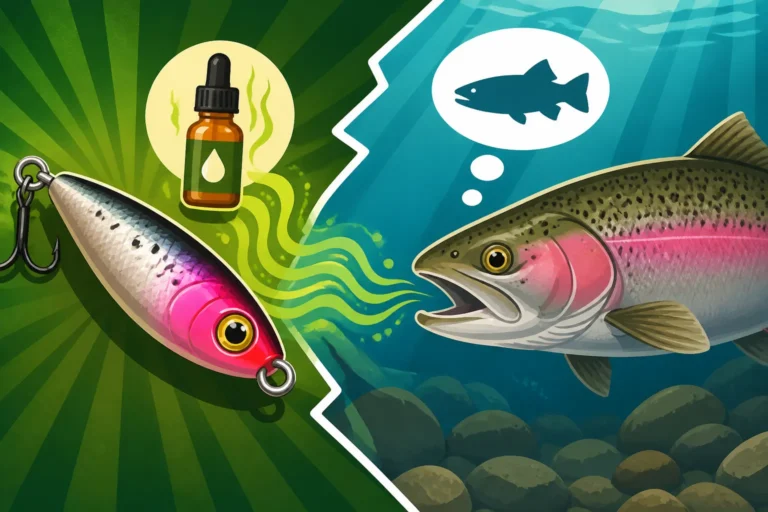
Bobber and jig fishing is another stellar choice, especially when fish are holding in distinct pockets or slower seams. A brightly colored jig (like pink, orange, or chartreuse) suspended under a float allows you to present your offering at a consistent depth, perfect for fish that might be hugging the bottom. Adding a bit of scent or a small piece of bait to your jig can increase its appeal. For those overcast, slightly turbid early winter days, high-visibility jigs and lures often perform best, and you'll find a wide array of these effective options available on Amazon. You can get started with this technique by reading our Bobber and Jig Technique for Oregon Salmon article, which applies well to steelhead too. Small plugs, like Hot Shots or Wee Warts, back-trolled from a boat or swung from the bank, can also entice aggressive strikes from fresh steelhead. Experiment with colors, but anything bright or with contrasting patterns can be a winner.
Navigating the Nuances of Early Winter Steelhead Fishing
Early winter steelhead fishing isn't just about showing up with the right gear; it's about understanding the unique conditions, respecting the environment, and staying safe. The rivers are often higher and colder, and the fish might be fewer and farther between. Patience and adaptability are your greatest assets.
Reading the Water and Choosing Your Spots
When steelhead are first entering the river system, they tend to move through quickly but will hold up in specific types of water. Look for "holding water" – areas where they can rest, conserve energy, and feel secure. This often includes the deeper tail-outs of pools, the soft seams behind large rocks or logjams, and the slower edges of faster runs. Steelhead often take the path of least resistance, so focus your efforts where the current is present but not overpowering.
It's also crucial to cover water efficiently. Don't get stuck in one spot if you're not getting any action. Move through pools, cast to different lanes, and explore various types of structure. The fish are often spread out, so persistence and mobility are key. Safety is paramount, especially with higher winter flows. Riverbanks can be incredibly slippery, and cold water immersion is a serious risk. Always wear a wading belt, carry a wading staff for stability, and if you’re fishing alone, let someone know your plans.
Checking Conditions and Regulations
Coastal rivers are dynamic, constantly changing with rainfall and tide cycles. Before you even leave home, make it a habit to check river conditions. Online resources for river flow gauges (like USGS or NOAA) can tell you if the river is rising, falling, or stable, and provide critical information on water height. Some dedicated anglers even use portable river flow monitors found on Amazon to get real-time data when they're on the river. Water temperature forecasts can also be helpful.
Beyond river conditions, always, and I mean always, consult the current Oregon Fishing Regulations Explained. Regulations for steelhead can change seasonally and vary by river, including specific rules on bait, gear, and retention limits for hatchery versus wild fish. Always be aware of the Oregon Fishing Season Dates and Limits for the specific river you're targeting. Pay close attention to any emergency closures or special rules, which can be frequent during sensitive run times or extreme weather. Knowing How to check Oregon emergency fishing closures is essential for avoiding disappointment or, worse, a violation. Remember, adhering to regulations ensures the sustainability of these precious resources for everyone. And don't forget your Oregon Fishing License Guide – you'll need a valid license before you even think about casting a line.
Being prepared with a durable waterproof bag for your phone, keys, and any essential electronics is also a smart move when facing Oregon's often unpredictable winter weather. You can find many reliable options on Amazon that will keep your valuables dry through rain and spray.
Disclaimer
Fishing involves inherent risks, including but not limited to, slippery surfaces, swift currents, and wildlife encounters. Always prioritize safety, check weather and river conditions, and wear appropriate personal flotation devices when on or near the water. This guide provides general information and should not replace official Oregon Department of Fish and Wildlife regulations and advisories. Anglers are responsible for knowing and adhering to all current fishing laws.