Minimum size to keep a spring Chinook salmon in Oregon
It's incredibly frustrating when you're out on the water, heart pounding with a beautiful spring Chinook on the line, only to realize you're not entirely sure if it's a keeper. Oregon's fishing regulations, especially when it comes to specific salmon species and their sizes, can feel like a labyrinth, leaving many anglers scratching their heads and fearing a misstep. This comprehensive guide is here to untangle the complexities, walking you through the minimum size requirements for spring Chinook salmon in Oregon, along with crucial details to ensure your fishing trip is both successful and compliant.
Understanding Oregon's Spring Chinook Salmon Regulations
The world of salmon fishing in Oregon is rich and rewarding, but it comes with its fair share of rules, all designed to protect these incredible fish and ensure healthy populations for future generations. When it comes to spring Chinook salmon, often revered for their incredible fighting spirit and delicious flavor, knowing the specific size limits is paramount. It’s not just about what you catch, but what you can legally keep, and there’s a big difference!
The Specific Minimum Size for Spring Chinook
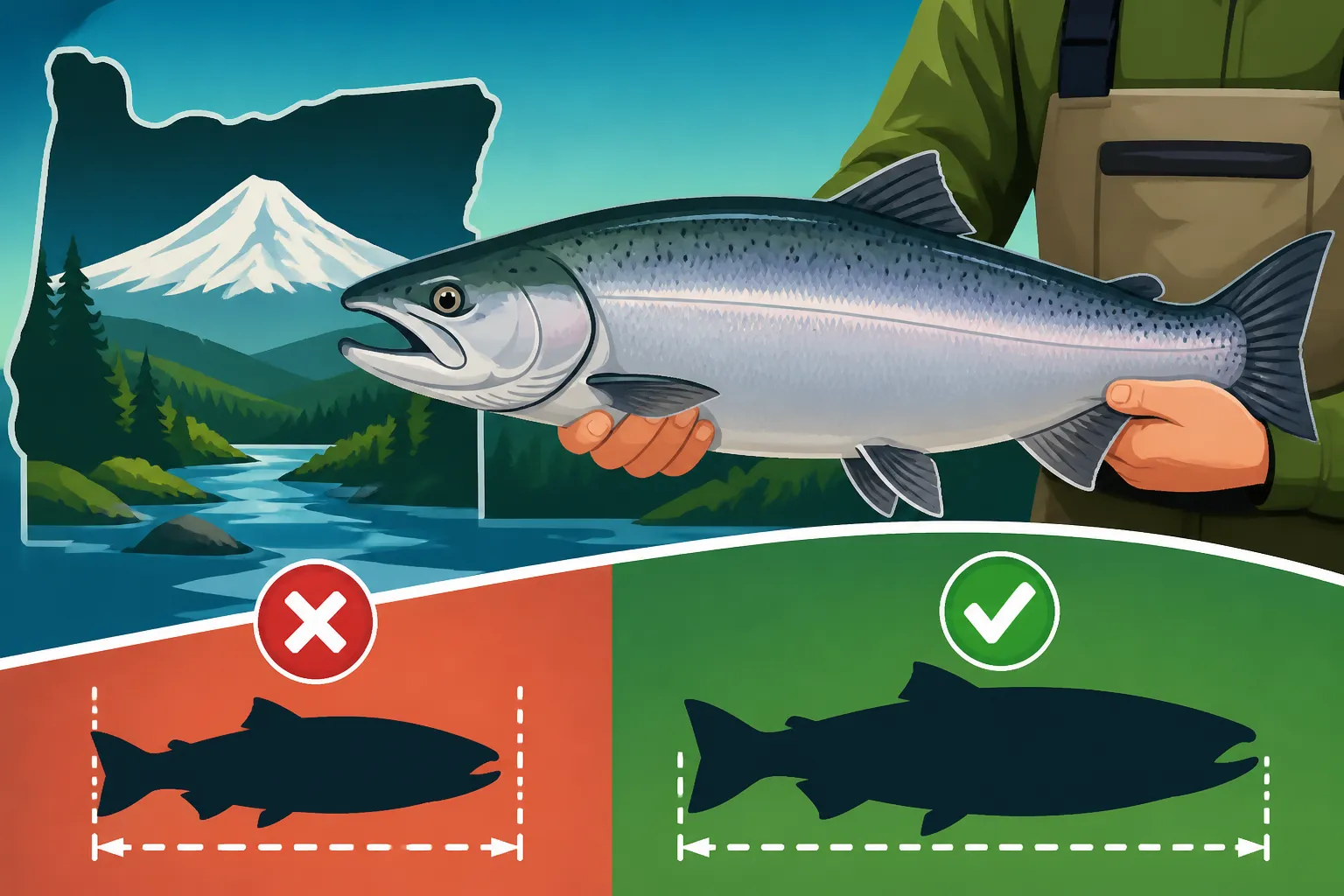
Generally speaking, when you're targeting spring Chinook salmon in Oregon, you need to be aware of a minimum size limit. For many areas, including the ever-popular lower Columbia River and its tributaries, and much of the Willamette River system, the minimum length for a Chinook salmon to be considered a legal keeper is 12 inches. This measurement is taken from the tip of the snout to the fork of the tail. This isn't just a suggestion; it's a hard and fast rule. Catching a smaller fish, no matter how exciting, means it absolutely must go back into the water unharmed. Overlooking this detail can lead to serious repercussions. Imagine the disappointment of landing a gorgeous fish, only to discover it's a half-inch too short and you've got to release it, or worse, face a penalty. It’s a common scenario, and it’s why being prepared with this knowledge is so vital.
Wild vs. Hatchery: Knowing the Difference
Beyond just size, another critical factor for spring Chinook, and indeed many salmon and steelhead in Oregon, is whether the fish is wild or hatchery-reared. This distinction isn't just an academic one; it's often the difference between a legal catch and a mandatory release, regardless of size. The Oregon Department of Fish and Wildlife (ODFW) employs a fin-clipping program for hatchery-raised fish, typically removing the adipose fin (the small, fleshy fin located between the dorsal fin and the tail).
If you catch a spring Chinook that is not adipose fin-clipped, it is considered a wild fish. In almost all circumstances, wild spring Chinook salmon must be released unharmed, irrespective of their size. This conservation measure is in place to protect the genetic diversity and natural spawning populations of Oregon's native salmon. On the other hand, if you catch an adipose fin-clipped spring Chinook and it meets the minimum 12-inch size requirement, you can generally retain it, provided you have the appropriate licenses and tags, like an Oregon Combined Angling Tag Guide. It’s easy to get confused, especially in the heat of the moment, but a quick check for that missing fin can save you a lot of trouble. Always remember: no clip, no keep, when it comes to wild salmon.
Navigating Seasonal and Location-Specific Rules
The state of Oregon is incredibly diverse, offering a vast array of fishing opportunities from coastal bays to high mountain lakes. This diversity, however, means that fishing regulations are rarely "one-size-fits-all." What's legal on one river might be entirely prohibited on another, or even on the same river just a few miles upstream or downstream. Spring Chinook salmon are no exception, with rules that can shift based on the specific body of water you're fishing and even the time of year.
River-Specific Nuances for Spring Chinook
While the 12-inch minimum length for adipose fin-clipped spring Chinook is a good general rule of thumb, it's absolutely crucial to understand that these regulations can vary dramatically depending on where you cast your line. For instance, fishing for spring Chinook on the lower Columbia River often has slightly different rules, including daily bag limits and even specific open and closed seasons, compared to targeting them on the Willamette River. The Willamette, especially closer to Portland, might have different zones with specific requirements, or even temporary rule changes if a run is particularly strong or weak.
Many anglers flock to popular spots like the lower Columbia River for its legendary spring Chinook runs, or venture into the tributaries of the Willamette like the Clackamas or the Sandy. For detailed insights into specific techniques and best spots, you might want to check out resources like a Columbia River Salmon Guide Trips or Willamette River Guide Trips. Each of these fisheries operates under its own distinct set of rules, influenced by factors like run timing, hatchery returns, and conservation goals for wild populations. It's not uncommon for an emergency rule change to be implemented mid-season, so always being up-to-date is more than just good practice; it's essential for staying out of trouble and respecting the resource.
Why Regulations Change: The Dynamic Nature of Fisheries Management
It might seem tedious to constantly check regulations, but there's a good reason why they're so dynamic. Fisheries management in Oregon is a complex dance between conservation, recreational opportunity, and tribal rights. The ODFW monitors fish populations closely, tracking returns of both wild and hatchery spring Chinook. If a particular run is weaker than expected, regulators might impose tighter restrictions – perhaps reducing bag limits, increasing minimum size, or even closing areas to fishing entirely. Conversely, if a run is exceptionally strong, there might be opportunities for increased retention or expanded seasons.
These changes are a direct response to real-time biological data and are implemented to ensure the long-term health of salmon populations. For example, if low water levels or warm temperatures are impacting fish survival, you might see temporary closures or restrictions on bait use to protect vulnerable fish. This constant adjustment is frustrating for anglers who just want to enjoy their hobby, but it's a necessary evil for sustainable fishing. It's why relying on an old regulation booklet or hearsay from a friend can lead you astray. Always make it a habit to consult the absolute latest official sources before heading out, which you can usually find detailed in the Oregon Fishing Regulations Explained guide.
Practical Tips for Measuring and Releasing Salmon
Okay, so you've hooked a beautiful spring Chinook, brought it to the boat or shore, and now the moment of truth: is it a keeper? This is where proper measurement and, if necessary, safe release techniques come into play. Many anglers get caught off guard here, either misjudging the size or fumbling with a release, which can stress the fish unnecessarily.
Accurate Measurement: From Snout to Fork
Measuring a salmon accurately is simpler than you might think, but there are a few key things to remember. The official measurement for salmon in Oregon is typically the fork length, which means from the tip of the snout to the fork (or deepest indentation) of the tail.
Here’s a step-by-step approach to get it right every time:
- Be Prepared: Have a reliable measuring device readily available. This could be a flexible tape measure, a fixed measuring board, or even marks on your boat or cooler. Many anglers swear by specialized, roll-up fish measuring tapes that you can find on sites like Amazon, making it easy to store and deploy quickly.
- Handle with Care: If you're going to measure a fish that might be released, try to keep it in the water as much as possible. If you must bring it aboard, use a wet net or wet hands to minimize the removal of its protective slime layer. Avoid holding the fish by the gills or eyes.
- Lay it Flat: Gently lay the fish flat on your measuring device. Ensure the mouth is closed and the fish is as straight as possible. Don't stretch the fish or pinch its tail; let it lie naturally.
- Read the Measurement: Place the beginning of your tape or board at the tip of the snout. Read the length to the center of the "V" in its tail fin (the fork). If it's a solid 12 inches or more, and it's adipose fin-clipped, congratulations! If not, it's time for a careful release.
It might sound obvious, but rushing this step or trying to eyeball it is where mistakes happen. A half-inch error can be the difference between a legal fish and an Oregon Fishing Violations and Penalties.
Safely Releasing Undersized or Wild Chinook
Releasing a fish, especially a large, feisty spring Chinook, is an art form itself. The goal is to maximize its chances of survival once it swims away. This is particularly important for wild fish, which are vital for future populations. Just like the principles outlined in a guide on How to Catch and Release Sturgeon Safely, the core ideas translate well to salmon.
Here's how to ensure a successful release:
- Minimize Air Exposure: Fish can't breathe air. Every second out of water is stressful and potentially harmful. Keep the fish submerged as much as possible, even during hook removal and measurement.
- Use Proper Tools: Have a pair of long-nosed pliers or a de-hooking tool ready. This allows you to quickly and efficiently remove the hook without deep-throating the fish or putting your fingers near sharp teeth. Barbless hooks are also highly recommended for catch-and-release fishing as they cause less damage and are easier to remove.
- Support the Fish: If you need to lift the fish for a quick photo, support its body horizontally with both hands—one near the head, one near the tail. Avoid holding it vertically by the jaw or tail, which can damage its internal organs or spine.
- Revive, Don't Toss: Once the hook is out, hold the fish gently in the water, facing upstream into a current if possible. Allow water to flow over its gills. You'll feel it regain strength and eventually swim away vigorously. Don't just toss it back; ensure it's ready to go. A fish that swims off strong is a fish that has the best chance of surviving and spawning.
By practicing these techniques, you're not just following the rules, you're becoming a responsible steward of Oregon's precious fishing resources.
Essential Gear and Resources for Staying Compliant
Being a successful angler in Oregon isn't just about knowing how to cast a line; it's also about being prepared and informed. Beyond your rod and reel, there's essential gear and crucial information sources that can make all the difference in staying compliant with regulations. It’s no fun to get a ticket or, worse, inadvertently harm the fishery simply because you weren't fully equipped or up-to-date.
Tools for the Job: What Every Angler Needs
To ensure you can accurately measure your spring Chinook and handle them properly, a few key items should always be in your tackle box or boat. These aren't just conveniences; they're necessities for responsible fishing in Oregon.
- Measuring Device: As mentioned, a reliable measuring tape or board is non-negotiable. Look for one that's waterproof and easy to read. Many outdoor retailers and online stores, including Amazon, offer flexible, adhesive measuring tapes that can be stuck right onto your cooler or boat gunwale, making quick measurements a breeze. Having it readily accessible means less time stressing the fish while you search for a ruler.
- Pliers or De-hooker: Essential for quick and safe hook removal, especially with toothy salmon. A good pair of long-nosed pliers or a specialized de-hooking tool minimizes handling time and reduces injury to the fish. Again, a quick search on Amazon for "fishing pliers" will show you a plethora of options, many with integrated line cutters.
- Net (Rubber Coated): A net with a rubberized or knotless mesh is far kinder to a fish's delicate slime layer and fins than traditional nylon nets. This is particularly important for fish you intend to release, as it helps preserve their natural protection against disease.
- Current Regulation Booklet (or digital access): This is your Bible on the water. Whether it's a physical copy, a PDF on your phone, or the ODFW app, having instant access to the latest rules is vital. Regulations can change frequently, sometimes even week-to-week, especially during sensitive seasons like spring Chinook runs.
Where to Find the Most Current Information
Perhaps the most important "gear" you can carry is up-to-date knowledge. Relying on old information is a common pitfall that can lead to unintentional violations. The Oregon Department of Fish and Wildlife (ODFW) is your primary and most authoritative source for all fishing regulations.
Here’s how to stay informed:
- ODFW Website: The official ODFW website (myodfw.com) is a goldmine of information. They have dedicated sections for fishing regulations, weekly recreation reports, and emergency rule changes. Always check the "Recreation Report" for your specific zone or river before you head out. These reports are updated regularly and often include critical information about current conditions and temporary rules.
- Regulation Booklets: While the online resources are usually the most current, picking up a physical copy of the Where to Find the Oregon Fishing Regulations Booklet at any license vendor or ODFW office is still a great idea. It provides a comprehensive overview of statewide and zone-specific rules. Just remember to cross-reference it with online updates for any last-minute changes.
- License Vendors: When you buy your Oregon Fishing License Guide or a specific tag, like the necessary Combined Angling Tag, the vendor should have current regulation summaries available. Don't be shy about asking questions there.
- Local Tackle Shops: These often have the pulse of the local fishery. Shop owners and staff are usually avid anglers themselves and can provide valuable insights into current conditions and any recent rule changes. Just use their advice as a helpful supplement, not a replacement for official ODFW information.
Staying on top of these resources, especially regarding Oregon Fishing Season Dates and Limits, ensures that your pursuit of Oregon's magnificent spring Chinook is always above board and respectful of the efforts to conserve them. Remember, a little preparation goes a long way in making your fishing experience enjoyable and worry-free.
| Requirement/Action | Description | Importance |
|---|---|---|
| Minimum Size (Fork Length) | For spring Chinook, generally 12 inches from snout to fork of tail. Note: Always check specific river/zone rules as this can vary. | Critical for legal retention. Keeping undersized fish can result in significant fines and penalties. |
| Adipose Fin-Clip | Most often, only adipose fin-clipped (hatchery) Chinook are legal to retain. Wild (unclipped) fish must typically be released. | Essential for conservation of wild salmon populations. Misidentification or retention of a wild fish is a serious violation. |
| Measuring Tool | Carry a reliable, waterproof measuring tape or board (e.g., from Amazon). | Ensures accurate measurement. Eyeballing can lead to errors and potential legal issues. |
| Pliers/De-hooker | Have long-nosed pliers or a specialized de-hooking tool readily accessible. | Facilitates quick, safe hook removal, minimizing stress and injury to fish, especially those intended for release. |
| Rubber-Coated Net | Use a net with rubberized or knotless mesh. | Protects the fish's delicate slime layer and fins, increasing survival rates for released fish. |
| Current Regulations | Regularly consult the ODFW website, app, or latest regulation booklet. Check specific river zones and emergency updates. | Regulations are dynamic and can change frequently. Staying updated prevents unintentional violations and ensures compliance with current conservation efforts. |
| Proper Release Technique | Minimize air exposure, support the fish horizontally, and revive it gently in the water until it can swim away on its own. | Maximizes the survival rate of released fish (undersized or wild), contributing to healthy future fish populations. |
Disclaimer
The information provided in this guide is intended for general informational purposes only and is subject to change. While we strive to provide accurate and up-to-date content, fishing regulations, season dates, and limits in Oregon are set by the Oregon Department of Fish and Wildlife (ODFW) and can be modified at any time. It is always the angler's responsibility to consult the most current official ODFW regulations before fishing to ensure compliance. We are not responsible for any violations or consequences incurred due to outdated information or misinterpretation of regulations.