Best Time of Year to Fish in Oregon
Many anglers find themselves staring at the calendar, wondering when the stars will align for that perfect fishing trip in Oregon. It’s a completely valid frustration because with such incredible diversity, from the roaring Pacific to the serene high Cascade lakes, knowing the best time to cast a line can feel like cracking a secret code. This guide is here to unravel that mystery, breaking down Oregon’s rich fishing calendar season by season and species by species, so you can plan your next adventure with confidence.
Understanding Oregon's Diverse Fishing Seasons
Oregon is a true angler's paradise, offering an incredible array of fishing opportunities year-round. However, simply showing up with a rod and reel won't guarantee success. The timing of your trip, the specific location, and even the particular species you're targeting are all profoundly interconnected with the changing seasons. It's not just about when the weather is nice; it's about understanding the biological rhythms of the fish and the dynamic conditions of their habitats. Missing the run by a week or choosing the wrong river for the season can mean the difference between a memorable day of bending rods and a frustrating day of empty nets.
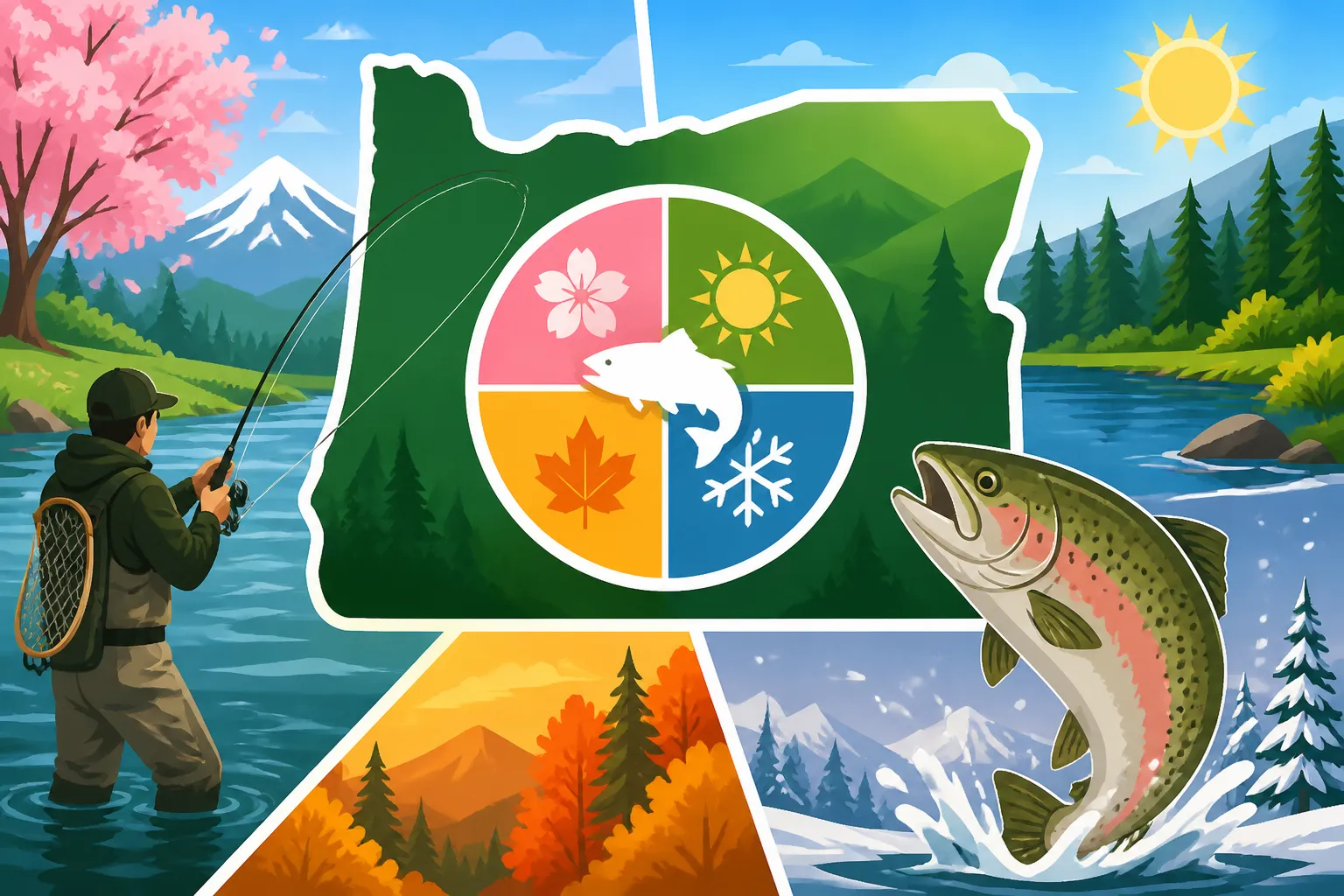
Thinking about "the best time to fish in Oregon" as a single answer is like asking what the best food to eat is – it entirely depends on what you're hungry for! Do you dream of battling a chrome-bright steelhead in a winter downpour, or would you rather lazily cast for trout in a sun-drenched mountain lake? Each season, and each region, offers distinct experiences, and truly successful anglers learn to adapt their plans to match these natural cycles.
The Impact of Weather and Water Conditions
Weather isn't just a comfort factor for anglers; it's a primary driver of fish behavior and water conditions. Rain, snowmelt, air temperature, and even wind can dramatically affect water levels, clarity, and temperature in rivers and lakes. For instance, heavy spring rains can lead to blown-out rivers, making fishing nearly impossible due to high, turbid water. Trying to fish a river that resembles chocolate milk after a storm is usually an exercise in futility. Conversely, a prolonged dry spell can cause rivers to drop to dangerously low levels, making fish spooky and less willing to bite. Understanding these environmental cues is paramount to successful seasonal planning. You need to keep an eye on forecasts and historical data to predict how water conditions might change, which directly impacts the fish's metabolism and migration patterns.
In coastal areas, weather impacts are even more pronounced. Ocean swells, fog, and strong winds can quickly turn a planned offshore adventure into a stay-at-home day. These conditions not only affect angler safety and comfort but also influence how fish move and feed in the vast ocean environment. For example, calm, stable weather often means better opportunities for halibut and tuna fishing further offshore, as the baitfish are more accessible and the journey is safer. Conversely, a rough ocean means most fish stay deep and don't feed actively, and charters might be canceled for safety. It's a constant dance with Mother Nature, and the more you learn to anticipate her moves, the better your chances of finding that sweet spot.
Regional Variations Across the State
Oregon's diverse geography means that "fishing season" isn't a single, monolithic concept. What's biting on the coast might be entirely different from what's happening in Central Oregon's high desert lakes or the mighty Columbia River. The state is broadly divided into several distinct fishing zones, each with its own unique climate, topography, and fisheries. For example, the temperate rainforests of the Coast Range feed rivers that are prime for winter steelhead, while the arid eastern Cascades are home to rivers perfect for summer trout and steelhead. You wouldn't expect to find fall Chinook salmon spawning in a high mountain lake, nor would you typically target trout in the deep ocean.
Knowing these regional nuances is essential for planning. Each region, from the Columbia River Basin to the Oregon Coast, and from the Willamette Valley to Southern Oregon, offers specialized opportunities that peak at different times of the year. This means that with careful planning, it's entirely possible to enjoy productive fishing almost any month of the year by simply shifting your focus to a different part of the state and understanding what species are in their prime there. This understanding is key to unlocking year-round success on Oregon's waters and preventing the disappointment of showing up in the wrong place at the wrong time.
Spring Fishing: Reawakening Waters and Hungry Fish
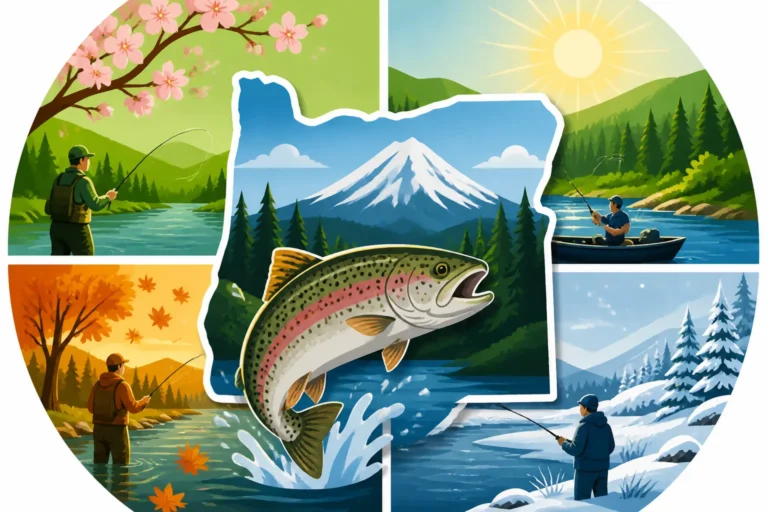
As the days lengthen and the first signs of green emerge, Oregon's waters begin to shake off their winter chill, signaling the start of a vibrant spring fishing season, generally from March through May. This period is marked by fluctuating conditions, from clear, crisp days to sudden downpours, but the promise of fresh fish entering rivers and actively feeding in warming lakes makes it an exciting time for anglers. Fish that have been lethargic through the colder months start to become more active, moving into shallower waters and feeding aggressively as their metabolism picks up, shaking off the slow pace of winter.
The energy of spring is palpable, and for many, it's a much-anticipated return to regular angling after the slower winter months. While you might still encounter some lingering cold snaps, the overall trend is towards rising water temperatures, which triggers crucial biological events for many species. This transitional phase demands adaptability from anglers, as conditions can change rapidly. One day might be perfect, and the next a heavy rain could blow out your favorite river, but those who are prepared for a mix of weather and willing to adjust their techniques often find spring to be one of the most rewarding times to be on the water.
Spring Chinook and Steelhead Runs
Spring is synonymous with the highly anticipated return of spring Chinook salmon, often considered the crème de la crème of salmon for their incredible fighting spirit and rich, flavorful meat. These powerful fish begin their arduous journey up major river systems like the Columbia River and its tributaries, including the Willamette River, starting as early as March and peaking into May. Anglers will often focus their efforts on popular spots within the Columbia River Fishing Guide, using techniques like trolling with wobblers or Kwikfish, or anchoring and bobber fishing with eggs. Securing your Oregon Combined Angling Tag Guide is crucial before heading out, as these tags are mandatory for retaining salmon and steelhead, and trust me, you don't want to catch one of these beauties only to realize you can't keep it legally.
Alongside spring Chinook, some rivers also see the tail end of winter steelhead runs or the beginning of early summer steelhead. The Deschutes River, for instance, starts to see its renowned summer steelhead entering in late spring, offering a thrilling challenge for fly anglers. These anadromous fish are notoriously hard fighters, and the changing water levels of spring can make locating them tricky but incredibly rewarding. Whether you're chasing the chrome-bright Chinook or the acrobatic steelhead, spring offers a dynamic and exciting chase that tests both your skill and your patience.
Early Season Trout Opportunities
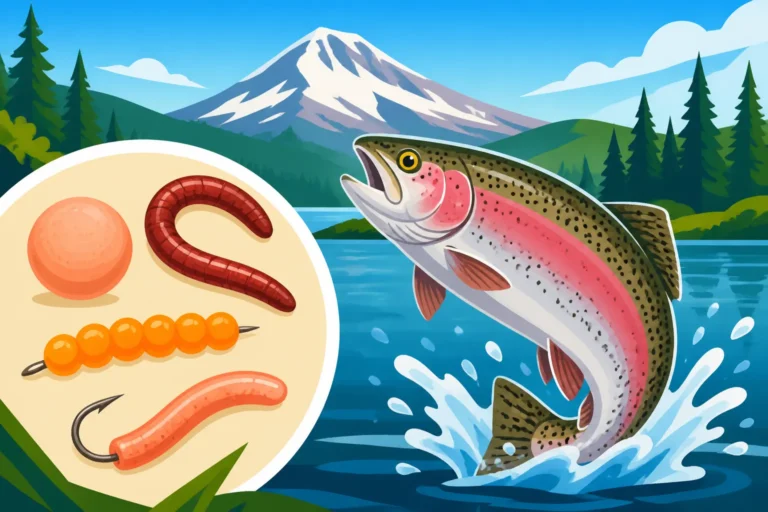
For trout enthusiasts, spring is a fantastic time, especially in lower elevation lakes and ponds that warm up quickly. The Oregon Department of Fish and Wildlife (ODFW) actively stocks many of these waters with hatchery rainbow trout, providing excellent opportunities for family fishing and beginners. Places like Henry Hagg Lake near Portland or smaller ponds across the Willamette Valley often receive their first big stockings of the year in early spring. These hungry, newly stocked fish are often eager to bite on simple baits like PowerBait, worms, or small spinners, making for a truly accessible and fun day out for all skill levels.
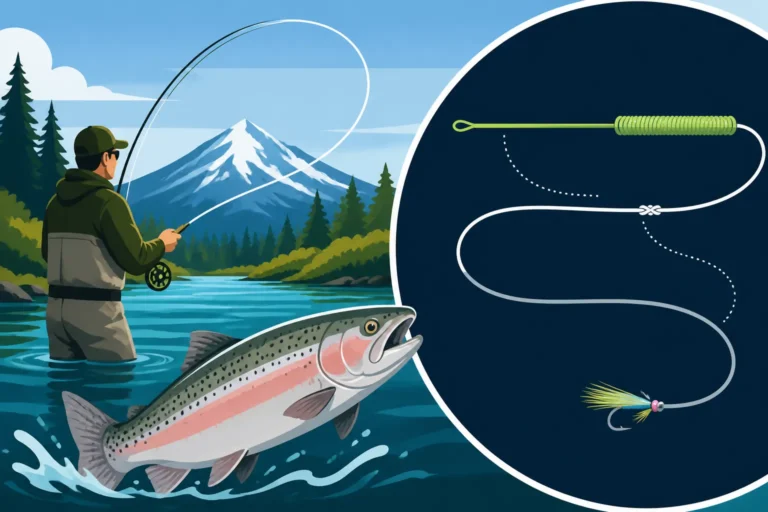
Rivers, too, awaken with trout activity as insect hatches begin. Fly anglers will find increasing opportunities for dry fly fishing as caddis and mayflies become more prevalent. The McKenzie River and the Deschutes River, particularly the lower sections, offer prime early-season trout fishing as the water clears from winter runoff. It’s a great time to hone your Oregon Trout Fishing Techniques, as the fish are still relatively unpressured from the height of summer crowds. Remember that while many stocked waters have liberal rules, always check the specific regulations for the water body you intend to fish, as some rivers might have special fly-fishing-only or catch-and-release rules.
Warming Lakes and Reservoirs
Beyond trout, spring is when many of Oregon's larger lakes and reservoirs really come alive for a variety of warm water species. As water temperatures climb into the 50s and 60s Fahrenheit, species like bass, crappie, and perch become much more active after their winter dormancy. This is an excellent time to target largemouth and smallmouth bass as they move into shallower areas, preparing for their spawn. Soft plastics, crankbaits, and spinnerbaits become very effective tools for enticing these aggressive fish.
Reservoirs like Lake Billy Chinook in Central Oregon or Tenmile Lakes in Southern Oregon offer fantastic early-season action for these species. Anglers looking for panfish, especially crappie, will find them congregating in pre-spawn schools around submerged structure or docks, often eager to hit small jigs or minnows. For those planning a trip, checking the ODFW weekly fishing reports is invaluable, as they often highlight which lakes are fishing well and what techniques are proving most successful. Ensure you have the right gear, and an assortment of tackle can easily be found on Amazon, ready for any fishing scenario the warming waters present.
Summer Fishing: Abundance and Adventure
Summer, typically June through August, is arguably the most popular time for fishing in Oregon, and for good reason. The weather is generally stable, days are long, and a vast array of species are actively feeding, migrating, or otherwise providing ample opportunities for anglers. From the high mountain lakes finally free of ice to the bustling coastal bays and offshore waters, summer offers the broadest spectrum of fishing adventures. This is the season when many anglers plan their longest trips and vacations, eager to take advantage of the most consistent and pleasant conditions.
However, "abundance" doesn't necessarily mean "easy." While fish are active, so are other anglers, meaning popular spots can get crowded. Additionally, warmer water temperatures in some lower elevation rivers can put stress on certain cold-water species, requiring careful catch-and-release practices or a shift in focus to different fisheries. Nonetheless, with strategic planning, summer provides some of the most thrilling and diverse fishing experiences Oregon has to offer, from quiet mornings on a mountain lake to exhilarating deep-sea battles.
Peak Salmon and Steelhead Action
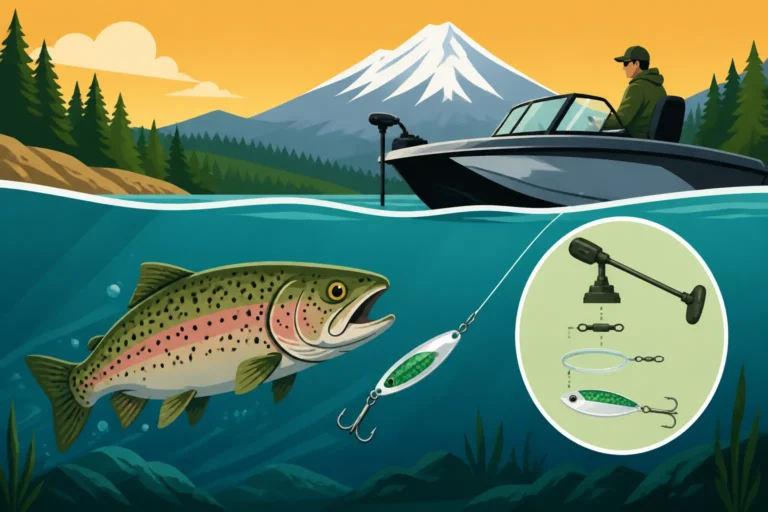
Summer brings some of the most intense and celebrated salmon and steelhead runs of the year. The Columbia River sees its main push of summer Chinook, particularly the potent Buoy 10 fishery near Astoria in August, which draws thousands of anglers. This is a prime time for those employing Oregon Salmon Fishing Techniques like trolling with bait or large spinners, often involving multiple boats in a relatively small area, which adds to the excitement. Downriver from the Buoy 10 area, you'll also find excellent opportunities for coho salmon starting to show up, adding another target species to the mix.
Meanwhile, rivers across the state, particularly those flowing from the Cascades, become prime for summer steelhead. The Deschutes River Fishing Guide highlights the incredible opportunities for these acrobatic fish, especially in its middle and lower sections, where fly fishing and traditional gear fishing thrive from July through September. Other rivers like the North Umpqua and Rogue River also offer world-class summer steelhead fishing. Remember to review the specific Oregon Fishing Regulations Explained for each river, as some have very strict gear and retention rules for wild steelhead versus hatchery fish, making it crucial to understand fin clips.
High Mountain Lake Exploration
As spring snowmelt recedes and access roads open, Oregon's stunning high mountain lakes in the Cascades and Wallowas become accessible, offering some of the most picturesque and serene fishing experiences imaginable. Many of these alpine gems hold healthy populations of trout, including rainbow, brook, and even some elusive cutthroat. These fish, having been ice-bound for months, are often eager to feed on insect hatches as the waters warm, making for fantastic dry-fly action.
This is a fantastic opportunity for backpackers and those seeking solitude, as many of the best lakes require a hike to reach, which helps keep the crowds down. Float tubing or small inflatable kayaks can significantly enhance your reach in these lakes, allowing you to explore beyond the shoreline. While many are self-sustaining, some are also stocked by ODFW via aerial drops, providing robust populations for those less inclined to hunt for wild fish. If you're looking to escape the heat and the crowds of lower elevations, packing your gear and heading to one of Oregon's pristine high mountain lakes is a quintessential summer adventure.
Ocean Fishing Excitement
For anglers craving bigger thrills and wider horizons, summer is the undisputed king of Oregon Ocean Fishing. The Pacific Ocean off Oregon's coast teems with life, offering prime opportunities for a variety of species. Halibut season typically kicks off in May and can extend through the summer, depending on quotas, providing a chance to land one of the ocean's most prized bottom fish. Booking a trip with one of the many Newport Oregon Fishing Charters or those out of Depoe Bay is a popular way to target these deep-water giants. Make sure you have your Oregon Ocean Endorsement, which is usually required for taking fin fish in the ocean, otherwise, your trophy halibut will have to go back.
Beyond halibut, summer is excellent for rockfish and lingcod, which are accessible to bottom fishers on charter boats or private vessels. The action can be fast and furious, providing plenty of fish for the cooler. For the truly adventurous, late summer, usually August and September, brings the highly anticipated albacore tuna runs further offshore. These fast-moving, hard-fighting pelagic fish offer an adrenaline-pumping experience, often resulting in coolers full of fresh sashimi-grade tuna. Summer also brings consistent crabbing and clamming opportunities along the coast, rounding out a truly abundant season for all things aquatic.
Fall Fishing: Harvest and Transition
Fall, generally September through November, is a season of profound change and often, intense fishing action in Oregon. As summer's warmth gives way to cooler temperatures and shorter days, many fish species begin their final, critical migrations and feeding frenzies before winter sets in. The vibrant colors of autumn foliage along the rivers and lakes provide a breathtaking backdrop to what can be some of the most rewarding fishing of the entire year, combining stunning scenery with incredible angling opportunities.
This transitional period, however, also brings variable weather, from crisp, sunny days that are perfect for a drift boat trip to cold, rainy fronts that can make conditions challenging. Anglers need to be prepared for anything, but the rewards can be substantial. Fish are often at their fattest and most aggressive, packing on calories for the lean months ahead. For many species, fall represents the peak of their spawning migrations, making them more concentrated and accessible, albeit sometimes more sensitive to disturbance.
Fall Chinook and Coho Spectacle
The fall salmon runs are nothing short of spectacular, drawing anglers from across the Pacific Northwest. The Columbia River, especially in the Buoy 10 area, experiences a massive push of fall Chinook and coho (silver) salmon, particularly in September. These fish are driven by instinct to return to their natal rivers, creating incredible opportunities for anglers. Trolling with spinners, bait, or plugs is highly effective for these powerful fish. Further up the Columbia and into its tributaries, like the Willamette and Sandy rivers, the runs continue, with fish staging in deeper pools before moving upstream to spawn. It's a truly iconic fishery that many anglers eagerly anticipate each year.
Coastal rivers, too, become magnets for migrating coho and later, some late-run Chinook. Rivers like the Nestucca, Wilson, and Alsea see strong returns, offering excellent bank and drift boat fishing opportunities for these chrome-bright beauties. It's essential to understand the specific Oregon Catch Record Card Requirements for salmon and steelhead, as careful recording of your catch is mandatory and ensures vital data collection for managing these important resources. The sheer volume of fish and the energy of these runs make fall a prime time for dedicated salmon anglers.
Trout and Steelhead in Cooler Rivers
While many focus on salmon, fall also presents fantastic opportunities for trout and steelhead. As water temperatures cool down, trout in rivers become more active and less lethargic than they might have been during the heat of summer. Brown trout, in particular, become very aggressive as they prepare for their fall spawn, often hitting larger streamers and lures with gusto. Rivers like the Metolius River or sections of the Deschutes River continue to offer world-class fly-fishing for wild trout, with strong caddis and mayfly hatches persisting into early autumn.
For steelhead, fall marks the transition from summer runs to early winter runs in some coastal rivers, while the main summer steelhead fisheries, like on the Deschutes, remain strong through September and October. These fish are often well-rested and extremely strong, providing thrilling battles that can rival any salmon. Understanding the patterns of these fish and being prepared with appropriate Oregon Steelhead Fishing Techniques is key to success in the cooler, often clearer, fall waters. The lower flows and vibrant scenery make it a beautiful time to be on the river.
Coastal Crabbing and Clamming
Fall isn't just about finned fish; it's also a prime season for Oregon's famous Dungeness crab and razor clams. The commercial crabbing season typically opens in December, but recreational crabbing from docks, piers, or boats is excellent through the fall months, especially in bays like Yaquina Bay, Tillamook Bay, and Coos Bay. As the ocean cools and currents shift, Dungeness crabs tend to fatten up, making them a highly sought-after delicacy. Setting a few pots and coming back to a bounty of crabs is a truly satisfying experience.
Clamming, particularly for razor clams on the north coast beaches like those near Seaside and Gearhart, can also be fantastic in the fall, provided there are no biotoxin closures. Always check the ODFW Shellfish Biotoxin Information Hotline or website before heading out to ensure the beaches are open for harvesting; you definitely don't want to get sick from tainted clams. Combining a fall fishing trip with a crabbing or clamming excursion offers a truly quintessential Oregon coastal experience, providing a bountiful harvest for the table.
Winter Fishing: The Quiet Pursuit
For many, winter (December through February) might seem like an off-season for fishing, but in Oregon, it's a dedicated and often surprisingly productive time for those willing to brave the colder temperatures and wetter conditions. While the crowds thin out considerably, the determined angler can find solitude and some truly spectacular fishing for specific species that thrive in the colder months. Winter fishing demands patience, preparation, and the right gear, but the rewards of a chrome-bright fish against a snowy backdrop are unlike any other. It's a season that separates the casual angler from the truly passionate.
It's a season of contrasts – from stormy coastal days that keep boats in harbor to crisp, clear days in the valleys. The key to successful winter fishing in Oregon lies in understanding which fisheries are active and how to effectively target them in cooler water. Don't let the chilly weather deter you; some of Oregon's most iconic fish runs happen when most people are bundled up inside, missing out on some incredible opportunities.
Dedicated Winter Steelhead Runs
Winter steelhead fishing is the undisputed highlight of Oregon's cold-weather angling scene. From December through March, numerous coastal rivers like the Wilson, Nestucca, Trask, and Alsea, along with larger systems like the Umpqua and Rogue, receive strong runs of winter steelhead. These powerful, ocean-fresh fish offer incredible fights in often challenging conditions. Anglers employ various Oregon Steelhead Fishing Techniques, including drift fishing with roe or yarn, bobber dogging with jigs, or pulling plugs, often requiring a patient approach.
Success often depends on river levels and clarity; a river dropping into shape after a rain event can be phenomenal, while high, muddy water can make fishing nearly impossible. It's a feast or famine situation sometimes, but the "feast" can be legendary. Many anglers consider winter steelhead the ultimate freshwater challenge, requiring dedication and perseverance. Make sure you're dressed appropriately in layers, including waterproof outer shells, and have reliable gear. A good pair of waders and a warm fishing jacket, easily found on Amazon, will make your experience much more enjoyable and tolerable in the often-frigid weather.
Bottom Fishing and Shellfishing
While offshore halibut and tuna seasons are closed, winter still offers robust opportunities for bottom fishing closer to shore, particularly for rockfish and lingcod. When weather permits, charter boats often run trips out of coastal ports like Newport, Garibaldi, and Charleston, targeting these species in shallower, more protected waters. The fishing can be surprisingly consistent, and these hard-fighting fish provide plenty of action and excellent table fare, making for a fun outing even on a chilly day. You might even hook into a bonus cabezon or greenling.
Winter is also a fantastic time for recreational crabbing in Oregon's bays and estuaries, as Dungeness crabs are often at their fattest and most plentiful. The season typically opens to commercial boats in December, but recreational crabbing remains excellent, often providing heavy pots. Clamming for bay clams (like cockles, butter clams, and littlenecks) is also a year-round pursuit that can be particularly good during winter's extreme low tides, which are often found during daylight hours in winter. Always check for any red tide or paralytic shellfish poison (PSP) warnings before heading out; safety first!
Ice Fishing Prospects
While not as widespread as in some other northern states, Oregon does offer some limited ice fishing opportunities in its colder, higher elevation lakes during sustained cold snaps. Lakes like Fish Lake near Ashland, and occasionally some smaller bodies of water in Central and Eastern Oregon, can freeze solid enough for safe ice fishing. Targeted species typically include rainbow trout, kokanee, and sometimes brook trout, offering a different kind of angling challenge.
Safety is paramount when considering ice fishing; never venture onto ice that isn't at least 4 inches thick for foot travel. Always consult local bait shops or ODFW resources for current ice conditions. While a niche pursuit, it offers a unique and peaceful way to experience winter fishing in Oregon, with the chance to land some delicious trout through the ice. It’s a tranquil and patient form of angling that many cold-weather enthusiasts cherish, trading the rush of a river for the stillness of a frozen lake.
Key Factors Influencing Fish Activity
Understanding the general seasonal trends is a great start, but truly successful fishing in Oregon, regardless of the time of year, hinges on a deeper appreciation for the environmental factors that dictate fish behavior. Fish are cold-blooded creatures, intimately tied to their surroundings, and subtle changes in their environment can trigger significant shifts in their feeding, migration, and overall activity levels. It's not just when you go, but what's happening when you're there that makes all the difference, turning a good day into a great one.
Ignoring these variables is a common pitfall for many anglers. You could be on the right river at the right time of year for a particular species, but if the water conditions are off, or the barometric pressure is unstable, your chances of success plummet. You might be there during the peak of the Oregon Fishing Season Dates and Limits, but if the river is blown out, it won't matter. Becoming a student of these factors will elevate your angling game, allowing you to adapt, predict, and ultimately, find more fish more consistently.
Water Temperature and Flow
Water temperature is perhaps the single most critical factor influencing fish activity. Each species has an optimal temperature range for feeding, spawning, and general metabolism. For example, cold-water species like trout and steelhead become stressed and inactive in overly warm water, often seeking thermal refuges in deeper pools or spring-fed areas. Conversely, warm-water species like bass and crappie become lethargic in cold water, moving slowly and feeding less aggressively. Knowing the ideal temperature for your target species can help you choose the right time of day or even the right section of a river or lake.
River flow, or discharge, is equally vital, especially in riverine fisheries. High, fast flows can make fishing difficult and dangerous, pushing fish into eddies and slack water where they are harder to target. Low, clear flows can make fish spooky and less willing to bite aggressively, as they feel more exposed. Optimal conditions often involve moderate flows, where fish feel comfortable moving and feeding without expending too much energy. Checking real-time stream gauges and understanding historical flow patterns are indispensable tools for river anglers. You can often find this information on the ODFW website or through various fishing apps, and it's a quick check that can save you a wasted trip.
Tides and Barometric Pressure
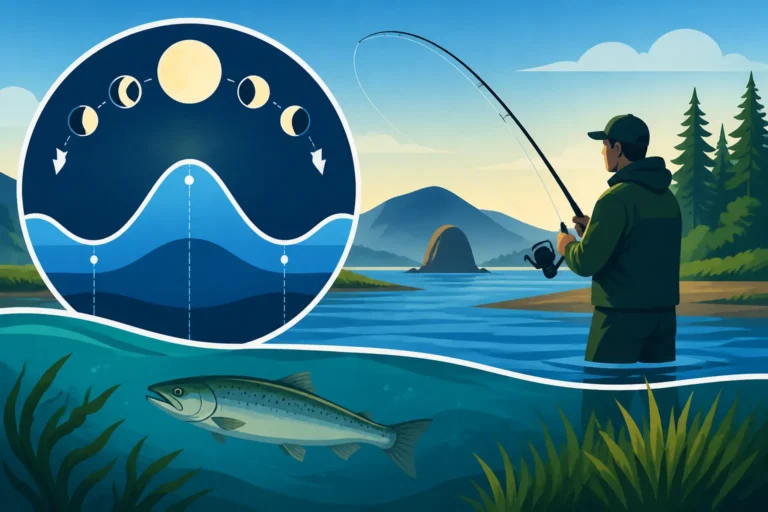
For coastal and estuarine fishing, tides are not just important, they are everything. The movement of tides dictates current strength, baitfish availability, and how salmon, steelhead, and bottom fish enter and exit bays and river mouths. Incoming tides often bring in fresh, ocean-run fish and bait, making them prime times for salmon and steelhead in tidewater. Outgoing tides can concentrate bait and fish in channels, especially in places like Tillamook Bay, where the outgoing flow pulls everything out. Understanding the tide charts and knowing when the "slack" tides occur can be critical for species like sturgeon and bottom fish, who prefer less current.
Barometric pressure, the atmospheric pressure around us, also plays a significant role in fish behavior, though it's often more subtle. Stable or slowly rising pressure generally indicates good fishing, as fish tend to be more active and comfortable. Rapidly falling pressure, often associated with approaching storm fronts, can make fish less willing to feed, as they feel the pressure change in their swim bladders and may seek deeper water. Conversely, a prolonged period of low, stable pressure after a storm can sometimes trigger a feeding spree. Keeping an eye on the weather forecast and paying attention to these pressure trends can give you a significant edge, especially when planning a multi-day trip.
Spawning Cycles and Migrations
The biological imperative of spawning drives some of the most dramatic and predictable fish movements throughout the year. Salmon and steelhead, for instance, undertake incredible migrations from the ocean to their freshwater spawning grounds, creating distinct "runs" at specific times. Spring Chinook, summer steelhead, fall Chinook, coho, and winter steelhead all have their peak migration periods that anglers time their trips around. Catching fish during these migrations requires understanding their upstream journey and how they use different river features, like holding pools and riffles.
Similarly, resident fish like trout, bass, and crappie also have spawning cycles that concentrate them in specific areas during certain times of the year. Trout often spawn in fall or spring, while bass and crappie typically spawn in late spring to early summer, moving into shallow, protected waters. While targeting actively spawning fish is often discouraged or even prohibited due to ethical considerations and regulations, knowing these cycles helps predict when fish will be pre-spawn (feeding aggressively) or post-spawn (recovering and still catchable). These cycles are a fundamental part of the overall Oregon Fishing Seasons Explained.
Planning Your Oregon Fishing Calendar
With such a wealth of information and so many variables, planning your Oregon fishing calendar might seem daunting. But don't worry, it's more about building good habits and knowing where to look for reliable, up-to-date information. Effective planning means you're not just hoping for the best; you're actively setting yourself up for success by understanding the rhythms of the fish and the state's diverse waters, which will lead to more bent rods and happy memories.
Gone are the days when you relied solely on word-of-mouth or outdated guidebooks. Today, a wealth of resources is at your fingertips, making it easier than ever to fine-tune your fishing schedule. The goal is to maximize your time on the water when the conditions are most favorable for your target species and preferred fishing style, turning potential frustration into consistent triumph.
Utilizing ODFW Resources
The Oregon Department of Fish and Wildlife (ODFW) is your absolute best friend when it comes to planning fishing trips. Their website is a treasure trove of current and seasonal information. They publish weekly fishing reports that detail what's biting, where, and what techniques are working across the state. This real-time data is invaluable for making last-minute adjustments to your plans or discovering new opportunities you might not have considered. It's updated religiously and provides the most authoritative information available.
Beyond the weekly reports, ODFW provides detailed regulatory information, including the crucial Oregon Fishing Regulations Explained booklet, which outlines season dates, bag limits, and special rules for every water body. You can also find trout stocking schedules, which are immensely helpful for planning family outings to stocked ponds and lakes. Their website also offers detailed information on specific fish species, habitats, and conservation efforts. Before any trip, a quick check of the ODFW site should be your first step, every single time.
Consulting Local Fishing Reports and Forums
While ODFW provides official updates, local knowledge from tackle shops, guides, and online forums often offers a more granular, on-the-ground perspective. Many regional bait and tackle shops have their finger on the pulse of local conditions and can offer invaluable tips on current hot spots, bait preferences, and even specific river sections that are fishing well. Don't be shy about calling or stopping by a local shop once you're in the area; these folks live and breathe local fishing and are usually happy to share insights.
Online fishing forums and social media groups dedicated to Oregon fishing are also excellent resources. Anglers often share real-time reports, photos, and advice, providing a community-driven snapshot of current conditions. However, always take online reports with a grain of salt and cross-reference them with official ODFW data, as information can sometimes be outdated or exaggerated. Nevertheless, these sources can provide a fantastic complement to official information, helping you zero in on specific opportunities that might not be broadly published yet.
Essential Gear for Every Season
Just like you wouldn't wear shorts in a winter snowstorm, having the right gear is critical for success and comfort in Oregon's varied fishing seasons. Winter steelhead anglers need warm, waterproof layers and durable waders to withstand the elements. Summer ocean anglers need specialized tackle for saltwater species and perhaps some motion sickness remedies to keep their stomachs settled. For those chasing spring Chinook, having the right trolling setup with sturdy rods and reels is paramount.
Consider versatile rod and reel combos that can handle different line weights and lure types, allowing you to adapt to changing conditions. Stock up on a variety of baits and lures, as fish preferences can change with water conditions and time of day. Don't forget essentials like a good landing net, pliers for hook removal, a comfortable fishing vest with plenty of pockets, and appropriate safety gear (especially for boat fishing). Many reputable brands offer durable and effective fishing gear. You can often find a wide selection of specific lures, quality line, and even waterproof bags for your electronics readily available on Amazon, ensuring you're prepared for whatever Oregon's waters throw your way.
Navigating Oregon's Unique Regulations and Endorsements
Even if you've mastered the art of timing and chosen the perfect location, all your efforts can be in vain if you overlook Oregon's comprehensive fishing regulations. The state prides itself on its abundant fisheries, and robust regulations are in place to ensure their sustainability for future generations. Failing to understand these rules can lead to fines, loss of fishing privileges, and a generally unpleasant experience that can quickly ruin a well-planned trip. This isn't just bureaucratic red tape; it's a critical component of responsible angling and stewardship of our natural resources.
The complexity of Oregon's regulations can be a bit intimidating, especially for newcomers or those visiting from out of state. Different species, different water bodies, and even different times of the year can have entirely unique rules. But with a bit of diligence and knowing where to look, navigating these requirements becomes second nature, allowing you to focus on the fishing rather than worrying about compliance.
Understanding Seasonal Closures and Limits
Oregon employs a dynamic system of seasonal closures and daily/annual limits designed to protect fish populations during vulnerable times, such as spawning, or to manage harvest sustainably. For example, certain river sections might be closed entirely during specific spawning periods for salmon or steelhead to ensure successful reproduction. Similarly, daily bag limits can vary greatly by species and location; you might be allowed to keep two hatchery trout in one lake, but only one hatchery steelhead in a particular river, and all wild steelhead may be strictly catch-and-release.
It's also crucial to distinguish between hatchery and wild fish, as often only hatchery fish (identified by a clipped adipose fin) are allowed to be retained. Knowing the minimum and maximum size limits for certain species is also a non-negotiable rule. These details are all meticulously outlined in the annual Oregon Fishing Regulations Explained booklet, which you should always have access to (either physically or digitally) when fishing. Ignorance of the law is not an excuse, so a thorough review before each trip, especially if you're venturing to a new area, is paramount.
The Importance of Tags and Endorsements
Beyond a basic Oregon Fishing License Guide, many of Oregon's most popular fisheries require additional tags or endorsements. For instance, if you plan to target salmon, steelhead, sturgeon, or halibut, you will need a Combined Angling Tag. This tag is where you record your catch for these species, and failing to fill it out immediately after retaining a fish is a serious violation. Similarly, fishing for finfish in the Pacific Ocean requires an Oregon Ocean Endorsement, which is an add-on to your base license, and without it, any ocean fish you keep are technically illegal.
The Columbia River Basin Endorsement is another example, necessary for those fishing for salmon or steelhead in the Columbia River and its tributaries. These endorsements and tags help ODFW manage specific fisheries and collect vital data on harvest rates. It's easy to forget these extra requirements when buying your initial license, but they are absolutely mandatory for those specific fisheries. A quick check of your fishing license profile or a chat with a license vendor will ensure you have all your necessary permits squared away before you hit the water.
Reciprocity with Neighboring States
For anglers who frequent the mighty Columbia River, understanding the reciprocity agreements between Oregon and Washington is critically important. The Columbia River forms a significant boundary between the two states, and fishing regulations can sometimes differ depending on which side of the river you're on, or if you're fishing from a boat in the middle. Generally, if you possess a valid Oregon fishing license and any required endorsements (like the Columbia River Basin Endorsement), you are authorized to fish the mainstem Columbia River between Oregon and Washington. This means you don't necessarily need two licenses just for the main river.
However, this reciprocity typically does not extend to tributaries. If you plan to fish a Washington tributary from an Oregon bank, or vice-versa, you will need the appropriate license for that specific state and water body. It's a common area of confusion, and errors can be costly. Always verify the specific rules when crossing state lines on shared waters to ensure you are fully compliant. "Oregon and Washington License Reciprocity on the Columbia" is a topic many anglers research thoroughly, and for good reason, as it can save you a hefty fine.
Oregon Fishing Season Snapshot for Popular Species
| Season | Primary Species Targeted | Key Locations (Examples) | Common Techniques (Examples) | Notes |
|---|---|---|---|---|
| Spring | Spring Chinook, Hatchery Trout, Bass, Crappie, Early Summer Steelhead | Columbia River, Willamette River, Stocked Ponds, Deschutes River (lower) | Trolling, Bobber Fishing, Bait Fishing, Fly Fishing, Spinners | Warming waters activate fish; variable weather. Check ODFW stocking schedules. |
| Summer | Summer Chinook, Coho, Summer Steelhead, Ocean Halibut, Rockfish, Trout, Bass, Tuna | Columbia River (Buoy 10), Deschutes River, Coastal Rivers, Offshore Ocean, High Lakes | Trolling, Drift Fishing, Fly Fishing, Jigging, Bait Fishing | Peak season for variety and accessibility; popular spots can be crowded. Tuna late summer. |
| Fall | Fall Chinook, Coho, Steelhead, Trout, Crabs, Clams | Columbia River, Coastal Rivers (Nestucca, Wilson), Deschutes River, Coastal Bays | Trolling, Bobber/Drift Fishing, Fly Fishing, Crabbing/Clamming | Intense salmon runs; cooler temps activate trout/steelhead. Excellent crabbing/clamming. |
| Winter | Winter Steelhead, Bottom Fish (Rockfish, Lingcod), Crabs, Clams, Limited Ice Fishing | Coastal Rivers (Alsea, Umpqua), Nearshore Ocean, Coastal Bays, High Lakes (select) | Drift Fishing, Bobber Fishing, Jigging, Crabbing/Clamming, Ice Fishing | Dedicated steelhead season; requires warm, waterproof gear. Good bottom fishing when weather allows. |
Disclaimer
Fishing involves inherent risks and is subject to rapidly changing conditions and regulations. Always prioritize safety, consult the most current Oregon Department of Fish and Wildlife (ODFW) regulations, and respect private property. The information provided in this guide is for informational purposes only and should not be considered a substitute for official ODFW publications or expert local advice.