Portland Area Fishing Guides
It’s easy to feel overwhelmed when you look at a map of the Portland area, dotted with so many incredible rivers, bays, and lakes, and wonder where on earth to start fishing. Whether you’re a local angler keen to explore new techniques or an out-of-state visitor hoping to land a trophy salmon, navigating these diverse waters and regulations can feel like a daunting task. This comprehensive guide will walk you through everything you need to know about finding and making the most of a fishing guide experience in the vibrant Portland metropolitan area, ensuring your next angling adventure is successful and stress-free.
Why Choose a Fishing Guide in the Portland Area?
Let's be real: Oregon's fishing opportunities are legendary, but they can also be incredibly complex. The sheer variety of fish species, the ever-changing river conditions, the tides, and the often-specific regulations for each body of water can make a casual fishing trip feel like a full-time job of research and planning. This is precisely where a professional fishing guide steps in, transforming a potentially confusing outing into an enjoyable and productive experience. They're not just boat drivers; they're seasoned experts who live and breathe these waters.
Navigating Local Waters with Expertise
One of the biggest advantages of hiring a fishing guide in the Portland area is their intimate, unparalleled knowledge of the local waterways. Imagine trying to find the prime salmon holes on the vast Columbia River or understanding the subtle currents of the Willamette River for steelhead. Without years of experience, it’s like trying to find a needle in a haystack, blindfolded. A good guide knows the river's personality: where the fish hold during different water levels, what sections are productive during specific tides, and how recent weather patterns might have shifted the bite. They can read the water in ways most recreational anglers can only dream of, putting you right where the fish are most likely to be.
This local expertise extends beyond just finding fish. It includes knowing the safest channels, avoiding hazards, and understanding the nuances of access points, especially on busy rivers. They understand seasonal patterns deeply, knowing exactly when the Spring Chinook Season Timing in Oregon kicks off on the Willamette, or when to target winter steelhead on coastal rivers within a reasonable drive from Portland. This allows you to focus solely on the thrill of the catch rather than worrying about navigation or getting stuck.
Maximizing Your Catch Potential
Let’s face it, we all want to catch fish! While there are no guarantees in fishing, a guide dramatically increases your odds of success. They spend hundreds of days a year on the water, meticulously tracking fish movements, bait preferences, and effective techniques. They know what lures are hot, what bait is working best, and how to present it effectively for the species you’re targeting. For example, knowing the subtle presentation needed for a finicky winter steelhead on the Clackamas River versus the aggressive retrieve for a fall Chinook on the Columbia is knowledge only gained through countless hours of practical application.
Beyond just the "what" and "where," guides also bring the "how." They'll instruct you on proper casting techniques, how to detect subtle bites, and the best way to fight a powerful fish to the net. For beginners, this hands-on coaching is invaluable for building skills and confidence. For experienced anglers, it offers a chance to refine existing techniques or learn entirely new ones tailored to local conditions. Think of it as a masterclass in angling, where you get personalized instruction from someone who truly understands the intricacies of Oregon Salmon Fishing Techniques or Oregon Steelhead Fishing Techniques.
Access to Specialized Gear and Techniques
Let's be honest, getting into serious fishing can be an expensive hobby. Outfitting yourself with quality rods, reels, specialized lines, a vast array of lures, and safety equipment for different types of fishing can quickly add up. When you hire a guide, you're essentially getting access to their entire arsenal of top-notch, well-maintained gear, all specifically chosen for the local conditions and target species. No need to worry if your rod is strong enough for a trophy sturgeon or if your reel has the right drag for a screaming salmon run.
Guides also often employ specialized techniques that require specific equipment or experience. For instance, drift fishing for steelhead might require a drift boat that most anglers don't own, or specific trolling setups for salmon in the Columbia that are complicated to rig. They handle all the rigging, baiting, and sometimes even the casting for you, allowing you to simply enjoy the experience. This means you don't need to invest in a boat, a trailer, or dozens of different lures and baits that might only see use once a year. It's an all-inclusive package designed for convenience and efficiency, saving you both money and storage space in the long run.
Types of Guided Fishing Experiences Near Portland
The beauty of fishing in the Portland area is the incredible diversity of opportunities within a relatively short drive. This means you can find guides specializing in a wide array of fishing experiences, from powerful river runs to tranquil lake settings. Your choice of guide will often depend on what species you’re most excited to pursue and what kind of adventure you're looking for.
River Trips for Salmon and Steelhead
Without a doubt, the most popular guided trips around Portland focus on the anadromous fish runs: salmon and steelhead. These are powerful, iconic fish that draw anglers from around the world. The Columbia River, in particular, is a major highway for returning Chinook and Coho salmon, and it offers incredible opportunities from Astoria all the way upriver. Guides on the Columbia specialize in tactics like trolling with downriggers or divers, back-trolling plugs, and even anchor-fishing with bait for these magnificent creatures. If you're looking to target Fall Chinook Season Timing on the Columbia, a skilled guide is almost essential to navigate the vastness of the river and find the transient schools of fish.
Closer to the city, the Willamette, Clackamas, and Sandy rivers also offer fantastic salmon and steelhead fishing. Guides on these rivers often use drift boats, which are perfect for navigating the winding currents and shallower sections, allowing you to cover a lot of water quietly. Techniques can range from drift fishing with bait or artificials, bobber dogging, or even spey casting for steelhead. Many guides focus on specific runs, such as the How to Fish for Spring Chinook on the Willamette, which sees a strong run of these prized salmon right through the heart of Portland. These river trips are an immersive experience, connecting you directly with the pulse of Oregon's natural waterways.
Warmwater Species Adventures
While salmon and steelhead often steal the spotlight, the Portland area also boasts excellent warmwater fishing opportunities, and some guides specialize in these less-heralded but equally exciting species. Think smallmouth bass, largemouth bass, panfish like crappie and bluegill, and even the occasional walleye. Rivers like the lower Willamette and its tributaries, as well as various sloughs and reservoirs within an hour or two of the city, offer prime habitat for these fish.
Guides focusing on warmwater species often employ different tactics, such as casting artificial lures, jigging, or fishing with live bait. These trips can be particularly fantastic for families or anglers looking for consistent action, as warmwater fish tend to be more aggressive biters. You might find yourself casting spinnerbaits for largemouth bass in a lily pad-filled backwater or jigging for crappie in a deep channel. These trips are often a bit more relaxed, with less emphasis on battling strong currents, and they can be a wonderful way to enjoy a sunny day on the water while exploring a different side of Oregon's fishing scene. Plus, in many cases, there are generous bag limits, making for a great fish fry!
Exploring Coastal Bays and Estuaries
Although not directly in Portland, several coastal bays and estuaries are within a reasonable driving distance for a day trip and offer unique guided experiences. Bays like Tillamook, Nehalem, and Yaquina are renowned for their salmon fishing, crabbing, and even some bottom fishing opportunities. A guide here can be invaluable for understanding the complex tidal influences, navigating the bar crossings (if heading out to the ocean), and knowing the hot spots for Dungeness crab or surfperch.
Many coastal guides offer combo trips, allowing you to pull crab pots in the morning and then switch to fishing for salmon or bottom fish in the afternoon. This provides a fantastic variety and the chance to bring home a diverse bounty. For instance, a guide on Tillamook Bay will know exactly where the Tillamook Bay salmon fishing spots are hottest during the fall Chinook run. These trips offer a refreshing change of scenery and access to saltwater species that simply aren't available closer to Portland. Even if it's a bit of a drive, the experience of a guided coastal outing is well worth the effort for a full Oregon fishing adventure.
| Trip Type | Target Species | Typical Location | Primary Techniques | Best For |
|---|---|---|---|---|
| River Salmon/Steelhead | Chinook, Coho, Steelhead | Columbia, Willamette, Clackamas, Sandy Rivers | Trolling, Back-bouncing, Drift Fishing, Plugs, Bait | Serious anglers, trophy seekers, strong fighters |
| Warmwater Species | Smallmouth Bass, Largemouth Bass, Crappie, Bluegill | Lower Willamette, Tributaries, Reservoirs | Casting Lures, Jigging, Live Bait, Fly Fishing | Families, consistent action, learning basics |
| Coastal Bay/Estuary | Salmon, Dungeness Crab, Bottomfish | Tillamook, Nehalem, Yaquina Bays | Trolling, Crabbing, Jigging, Bait, Combo Trips | Variety, seafood harvest, ocean proximity |
What to Look for in a Portland Area Fishing Guide
Choosing the right fishing guide is crucial for a successful and enjoyable trip. It's not just about who has an open date; it's about finding a professional who aligns with your expectations, prioritizes safety, and genuinely wants you to have a great time. There are many fantastic guides operating in the Portland area, but doing a little homework beforehand can make all the difference.
Licensing, Insurance, and Safety Credentials
First and foremost, verify that your potential guide is properly licensed and insured. In Oregon, fishing guides are required to hold specific licenses issued by the Oregon State Marine Board. This ensures they meet certain safety standards, have first aid and CPR certifications, and operate legally. Don't be shy about asking for proof of their credentials. A reputable guide will be proud to share them. Licensed Oregon Fishing Guide Requirements are in place for your protection, and it's always wise to ensure you're fishing with someone who adheres to them.
Beyond state licensing, inquire about their boat's safety equipment. Does it meet all U.S. Coast Guard requirements? Are life jackets provided and accessible for everyone, including children? What's their protocol for emergencies or adverse weather? A professional guide will have a clear safety brief and be prepared for various scenarios. This due diligence isn't about distrust; it's about ensuring peace of mind, especially when you're on unfamiliar waters. Remember, safety should always be your top priority, even before catching that prize fish.
Experience with Specific Species and Waters
Oregon fishing is incredibly diverse, and a guide who excels at ocean halibut fishing might not be the best choice for a technical fly-fishing trip on a small trout stream, and vice-versa. Look for a guide whose primary expertise aligns with the type of fishing and species you're interested in. If you're dreaming of a trophy Columbia River Chinook, ensure your guide has extensive experience on that particular stretch of river and a proven track record for those fish.
Many guides specialize. Some are renowned for their prowess with winter steelhead on the coastal rivers, while others are masters of catching spring Chinook on the Willamette. Don't hesitate to ask about their experience level with your target fish. How many years have they been guiding these specific waters? Do they focus on bait, lures, or fly fishing? Their answers will help you gauge if their skills and approach are a good match for your fishing goals. This targeted expertise is what separates a good guide from a great one, turning your specific fishing dream into a reality. You can often find guides showcasing their specific expertise on platforms like FishingBooker, where profiles detail their specialties.
Reputation and Client Testimonials
In today's connected world, it's easier than ever to research a guide's reputation. Look for online reviews, testimonials, and photos from past clients. What do people say about their communication, their professionalism, their patience (especially with beginners or kids), and their ability to put clients on fish? A guide with consistently positive feedback is a strong indicator of a quality experience. Pay attention to comments that mention things important to you, whether it's their family-friendly approach or their dedication to teaching advanced techniques.
Word-of-mouth referrals are also gold. If a friend or fellow angler enthusiastically recommends a guide, that's often the best endorsement you can get. Don't underestimate the power of a personal recommendation. Websites like FishingBooker often aggregate reviews from multiple sources, giving you a holistic view of a guide's performance. A guide who is transparent about their past trips and has a solid collection of happy client stories is usually a safe bet. After all, you’re investing in an experience, and you want it to be a memorable one for all the right reasons.
Preparing for Your Guided Fishing Trip
So, you've booked your guide – fantastic! Now it's time to prepare for your adventure. A little bit of foresight can go a long way in ensuring your trip is as smooth and enjoyable as possible. This isn't just about what you pack; it's also about understanding the local rules and communicating effectively with your guide.
Essential Gear and Personal Items
While your guide will provide all the necessary fishing tackle, there are still some personal items you'll need to bring to be comfortable and prepared for a day on the water in Oregon. First, think about layers of clothing. Oregon weather, especially near Portland, can change quickly. A sunny morning can turn into a drizzly afternoon, even in summer. Bring waterproof outerwear, comfortable layers that can be added or removed, and waterproof shoes or boots. Even in a boat, unexpected splashes can happen!
Don't forget sun protection – sunglasses, a wide-brimmed hat, and sunscreen are crucial, even on cloudy days. Pack any personal medications you might need. Snacks and drinks are also a good idea; while some guides provide water, having your favorite snacks will keep your energy up. And, of course, your camera! You'll want to capture those memories. A small bag or backpack to keep your personal items organized and dry is also a great addition.
Understanding Oregon Fishing Licenses and Endorsements
This is perhaps the most critical piece of preparation: acquiring the correct Oregon fishing license and any necessary endorsements before your trip. Your guide is legally unable to provide these for you, and fishing without them can result in significant fines. For most river trips in the Portland area, you'll need a valid Oregon angling license. If you're targeting salmon or steelhead, you'll also need an Oregon Combined Angling Tag Guide, which acts as a punch card for these specific species.
If you plan to fish the mainstem Columbia River, particularly from Buoy 10 up to the I-5 bridge, you'll also likely need an Oregon Columbia River Basin Endorsement. This specific endorsement helps fund conservation efforts in that vital waterway. Rules can be complex, so it's always best to check the current Oregon Department of Fish and Wildlife (ODFW) regulations or visit their website. Many fishing and sporting goods stores can help you purchase the correct licenses, or you can often buy them online. Just make sure to do it well in advance, and understand the Oregon Fishing License Age Requirements if you're bringing kids.
Communication with Your Guide
Effective communication with your guide starts from the moment you book and continues right up to and through your trip. Don't be afraid to ask questions. Confirm meeting times, locations, and what you should bring. Let them know if you have any physical limitations or specific preferences. Are you hoping to catch fish for dinner, or is it strictly catch-and-release for you? Are you a seasoned angler or a complete novice? This information helps your guide tailor the trip to your abilities and desires.
If you have any last-minute changes or questions, call or text your guide rather than waiting until the last minute. They are professionals and appreciate knowing what to expect. On the day of the trip, listen carefully to their instructions, especially regarding safety and fishing techniques. A good guide wants you to have a great time and catch fish, so a collaborative spirit will make the experience better for everyone. Clear communication ensures you're both on the same page, leading to a smoother, more enjoyable, and ultimately more successful day on the water.
Popular Fishing Destinations with Guides Near Portland
The Portland area is a true angler's paradise, offering access to some of the most productive rivers in the Pacific Northwest. Guides operate on many of these waterways, each presenting unique opportunities for different species. Let's explore some of the top spots you'll find guides working their magic.
The Mighty Columbia River
Stretching across the northern boundary of Oregon, the Columbia River is arguably the most famous and productive fishing destination near Portland. It's a vast waterway, and guides specialize in different sections. Downstream towards Astoria, the Buoy 10 Fishing Guide area is legendary for its fall Chinook and Coho salmon runs. Here, guides employ large boats, often trolling bait or lures in the strong tidal currents. It's an action-packed fishery that can be incredibly rewarding.
Further upriver, closer to Portland, sections like the Multnomah Channel and the mainstem near the I-5 and I-205 bridges are also hotbeds for salmon and steelhead, as well as sturgeon. Guides here will use a variety of techniques, from anchor fishing for sturgeon to trolling for salmon. The sheer size of the Columbia means that guides are essential for efficiently locating fish and navigating the commercial and recreational traffic. Whether you're targeting a giant white sturgeon or battling a chrome-bright Chinook, the Columbia offers big-river fishing experiences unlike any other.
The Willamette River System
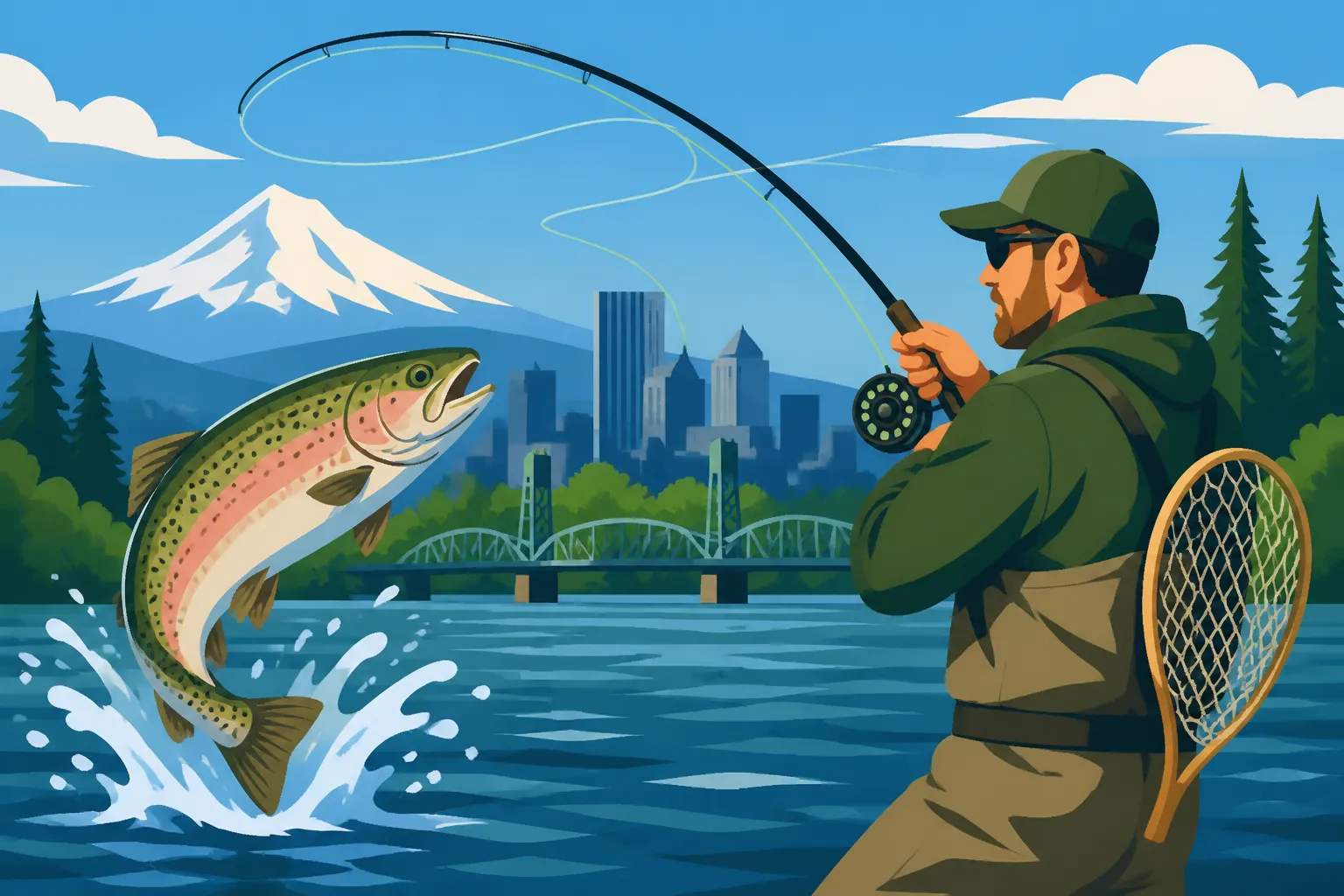
Flowing directly through Portland, the Willamette River is a lifeline for anglers seeking diverse opportunities. The lower Willamette, from Oregon City up to its confluence with the Columbia, is famous for its spring Chinook salmon run. Guides on the Willamette River Fishing Guide often focus on back-trolling plugs or bait, or even jigging, for these highly prized fish. It's an incredible experience to catch a powerful salmon with the city skyline in the background.
Beyond salmon, the Willamette and its larger tributaries like the Clackamas and Sandy rivers also hold excellent populations of steelhead, both winter and summer runs. These rivers are often fished from drift boats, allowing guides to expertly navigate drifts and put anglers on prime holding water. For example, a guide on the Clackamas River might use drift fishing techniques to target winter steelhead in the clear, cold waters. The Willamette system also offers warmwater species opportunities, especially in its quieter sloughs and backwaters, providing options for bass, crappie, and perch.
Clackamas and Sandy Rivers
Just a short drive from downtown Portland, the Clackamas and Sandy rivers are two quintessential Pacific Northwest steelhead and salmon rivers. These are smaller, more intimate waterways compared to the Columbia or Willamette, but they offer incredible beauty and fantastic fishing. Guides on the Clackamas River Fishing Guide are experts at navigating the rapids and riffles in drift boats, placing anglers in prime position for steelhead and salmon. They understand the subtle holding lies and the best presentations for these often-challenging fish.
The Sandy River, similarly, is a favorite among steelhead anglers, especially during the winter and summer runs. Guides on the Sandy River Fishing Guide will know the best access points, the productive pools, and the most effective methods, whether it's drift fishing, float fishing, or even fly fishing in certain sections. These rivers offer a more hands-on, active fishing experience, where the guide's knowledge of water currents and fish behavior is absolutely paramount. It's a chance to connect with Oregon's wild rivers and chase some of its most iconic fish species.
Day Trip Options to Coastal Rivers
While a bit further out, many Portland-based guides or guides operating on the coast offer trips that are easily accessible as a day trip from the metropolitan area. Rivers like the Nestucca, Trask, Wilson, and Siletz on the Oregon Coast are famous for their robust winter steelhead runs and excellent fall Chinook opportunities. A guide specializing in How to Fish for Winter Steelhead on the Oregon Coast will know which rivers are fishing best, often adapting their schedule to find the optimal conditions.
These coastal river trips offer a different vibe – often more remote and wilder than the rivers closer to the city. The scenery is breathtaking, and the fishing can be exceptional. Guides use drift boats or sometimes jet boats to cover vast stretches of water, targeting fish that are fresh from the ocean and incredibly powerful. If you're looking for a change of pace and the chance to explore Oregon's stunning coastal ecosystems while chasing big fish, considering a guided day trip to one of these magnificent rivers is an excellent option.
Understanding Costs and Tipping Etiquette
Booking a guided fishing trip is an investment in an experience, and it's natural to wonder about the costs involved. Rates can vary significantly based on several factors, and understanding what's typically included and the expected tipping etiquette will help you budget appropriately and ensure a smooth, respectful interaction with your guide.
Factors Influencing Guide Rates
Guide rates in the Portland area are influenced by several key factors. The most obvious is the length of the trip: a full-day trip (typically 8-10 hours) will cost more than a half-day trip (4-6 hours). The number of anglers can also play a role; some guides charge a flat rate for the boat, while others have a per-person rate that might decrease slightly for larger groups. Specialized trips, such as those targeting trophy fish that require more scouting or unique gear, might also command a higher price.
The guide's experience and reputation are also significant. Highly sought-after guides with decades of experience and a strong track record of success often have higher rates, and for good reason—their expertise often translates to a better chance of catching fish. Furthermore, overhead costs like boat maintenance, fuel, insurance, and top-quality gear are all factored into the guide's pricing. Fishing for popular species like salmon and steelhead in prime season will generally be more expensive than targeting less-pressured warmwater species during the off-peak.
What's Typically Included in the Price
When you book a guided trip, the price usually covers a comprehensive package designed to make your day on the water hassle-free. This almost always includes:
- The Guide's Expertise: Their unparalleled knowledge of the local waters, fish behavior, and effective techniques.
- Boat and Fuel: A safe, comfortable, and well-maintained boat, plus all the necessary fuel for the day.
- High-Quality Gear: Rods, reels, line, and all the terminal tackle (hooks, weights, swivels) specifically chosen for the target species and conditions.
- Bait and Lures: All the necessary bait (e.g., cured eggs, herring) and artificial lures.
- Fish Cleaning: Most guides will expertly clean and bag your catch at the end of the day.
What's not typically included, and what you should budget for separately, are your Oregon fishing license and any required tags or endorsements. Food and drinks (though some guides might offer water), appropriate clothing, and gratuities for the guide are also your responsibility. Always clarify with your guide upfront what is and isn't included to avoid any surprises. Reputable services, like those found on FishingBooker, clearly outline what clients can expect.
Tipping Your Guide
Tipping is customary in the guiding industry and is a way to show appreciation for your guide's hard work, expertise, and dedication. Think of it similarly to tipping waitstaff or other service professionals. The general recommendation for a good day on the water is a tip between 15-20% of the total trip cost. This can be adjusted based on your experience – if your guide went above and beyond, battled difficult conditions to put you on fish, or was particularly patient and instructional, a more generous tip is certainly warranted.
It's important to remember that a tip isn't solely dependent on the number of fish caught. While catching fish is always the goal, a guide's effort, professionalism, safety awareness, and overall demeanor contribute significantly to the quality of the experience. They invest considerable time and money into their craft, and a good tip reflects your appreciation for their expertise, even on slower fishing days. Always try to tip in cash, directly to the guide at the end of the trip, as this ensures they receive the full amount immediately. For more detailed information, you can always check guides for resources like How much do you tip an Oregon fishing guide.
Disclaimer
This article is for general informational purposes only and does not constitute professional advice. Laws, prices and regulations vary by location and change over time. Consult a qualified professional for guidance on your specific situation.