Sandy River Fishing Guide
Ah, the Sandy River! It holds such a special place in the hearts of so many Oregon anglers, but let's be real, it can also be a bit of a fickle beast. One day it's a calm, inviting emerald green, and the next, it's a raging torrent of glacial runoff, making you wonder if you even know how to fish anymore. It’s a river of incredible beauty and opportunity, known for its strong runs of salmon and steelhead, yet its dynamic nature and ever-changing conditions can certainly throw even seasoned anglers for a loop. If you've ever felt overwhelmed by where to go, what to use, or when to even bother, you're not alone. This guide is here to cut through the confusion and equip you with the knowledge to approach the Sandy with confidence and, hopefully, a full cooler!
Understanding the Sandy River: Its Unique Character and Challenges
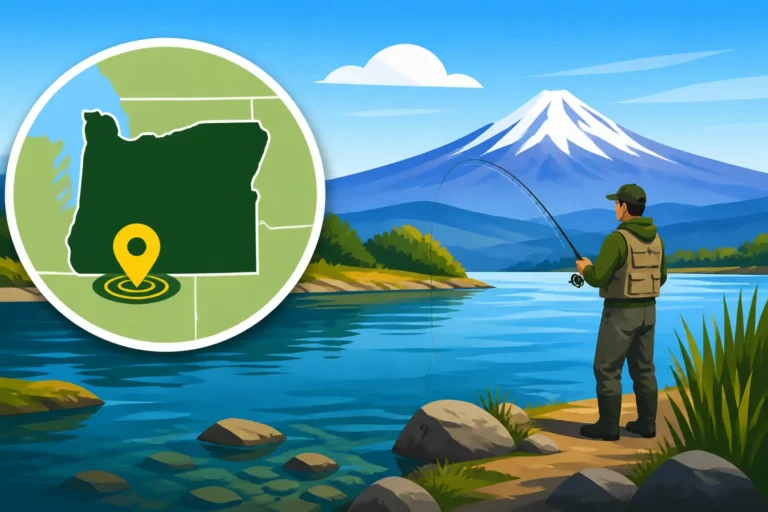
The Sandy River, flowing from the glaciers of Mount Hood all the way to its confluence with the mighty Columbia, is a gem in Oregon's fishing landscape. But it's not just any river; it's a complex, dynamic system shaped by its volcanic origins and glacial fed waters. This means that while it offers incredible fishing, it also presents unique challenges that you won't necessarily find on other local waterways.
Geographic Overview and Key Sections
The Sandy River stretches about 56 miles, beginning high in the Mount Hood Wilderness and winding its way through diverse landscapes before joining the Columbia River. Its upper reaches are typically steeper, faster, and more challenging to access, often requiring significant hiking or even bushwhacking. As it flows downstream, it broadens, slows in certain areas, and becomes more accessible with several parks and public access points.
One of the most popular and productive stretches is the lower river, particularly from Dodge Park down to the mouth where it meets the Columbia. This is where you'll find significant holding water for salmon and steelhead as they make their migratory journey. Areas like Oxbow Regional Park offer fantastic bank access and boat launches, making it a hub for anglers. Further downstream, closer to Troutdale, the river becomes influenced by the tides, adding another layer of complexity for those targeting anadromous fish. Understanding these distinct sections is crucial because what works in the swift currents near Brightwood might be completely different from what you'd do in the slower, deeper pools closer to Gresham.
The Impact of Glacial Melt and Hydropower
What truly sets the Sandy River apart, and often dictates its temperament, is its glacial source. Mount Hood's glaciers contribute a significant amount of cold, turbid water, especially during warmer months. This glacial melt can dramatically affect water clarity and levels, which in turn influences fish behavior and fishing success. A sudden warm spell can turn a perfectly fishable river into a muddy, raging torrent overnight, making it impossible to see or fish effectively. This is a common frustration for anglers who plan a trip only to find the river blown out.
Adding another layer of complexity is the legacy of hydropower. While the Marmot Dam was removed in 2007, and the Little Sandy Dam in 2008, restoring fish passage to miles of upstream habitat, the river's hydrology is still unique. These restoration efforts have been a massive success, leading to stronger, healthier fish runs. However, anglers still need to pay close attention to recent rainfall and snowmelt patterns on Mount Hood. Checking streamflow gauges and weather forecasts is not just a good idea; it's practically a requirement for planning a successful trip on the Sandy. Don't rely solely on what the river looked like last week – conditions can change in a heartbeat.
Prime Fishing Seasons and Target Species on the Sandy
The Sandy River is a truly four-season fishery, but what you’re fishing for and how you approach it changes dramatically with the calendar. It’s a place where anticipation builds for each run, from the early spring Chinook to the hardy winter steelhead. Knowing which species are in the river and when they're most active is half the battle.
Spring Chinook Salmon
Spring Chinook are the kings of the Sandy, highly prized for their size, fighting prowess, and incredible table fare. They begin their arduous journey from the ocean, pushing into the Sandy from the Columbia, typically starting in late April, with the peak of the run often occurring in May and early June. These are strong, chrome-bright fish that are still actively feeding, making them a thrilling challenge for any angler.
Fishing for Spring Chinook on the Sandy often involves a mix of techniques. Boat anglers will commonly troll herring or Brad's Super Baits in the deeper channels, particularly in the lower stretches of the river. When fish hold in specific areas, back-trolling divers with eggs or plugs can be incredibly effective. For bank anglers, bobber and egg setups, or casting heavy spinners and spoons, can produce results in accessible holes and seams. The river can get quite crowded during the peak of the Spring Chinook run, especially at popular spots like Oxbow Park and Dodge Park, so getting there early is often key. It’s also crucial to be familiar with the daily limits and specific regulations for these highly sought-after fish, which can sometimes be more restrictive than for other species.
Summer and Winter Steelhead
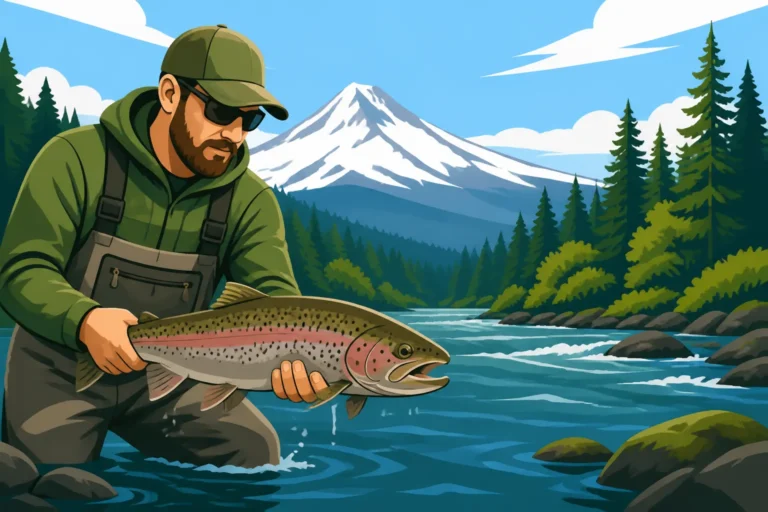
Steelhead are the backbone of the Sandy River's reputation, offering angling opportunities through much of the year, providing a thrilling challenge in both warm and cold conditions. These sea-run rainbow trout are legendary fighters, known for their acrobatic jumps and powerful runs.
Summer Steelhead
Summer steelhead typically begin entering the Sandy in June, with the run building through July and August. These are often smaller, more aggressive fish than their winter counterparts, and they are incredibly fun on lighter tackle. Fly anglers particularly love the summer run, as these fish are often willing to chase swung flies or even rise to dry flies in the right conditions, especially in the upper, clearer stretches of the river. Traditional gear anglers find success drift fishing with bait like cured eggs or small worms, or casting spinners and small plugs through likely holding water. Key areas for summer steelhead include the upper sections near Brightwood and Marmot, as well as many of the deeper runs and riffles throughout the middle river. The clear, lower flows of summer can make these fish more wary, so a stealthy approach and lighter leaders are often necessary.
Winter Steelhead
When the rains return and the temperatures drop, it's time for winter steelhead. This is arguably the most popular fishery on the Sandy. These magnificent fish start showing up in November, with the run gaining momentum in December, January, and February, often lasting well into March. Winter steelhead are typically larger and more powerful than summer runs, and they often demand a more patient, persistent approach. The river conditions can be challenging, with cold water and often higher, murkier flows.
For winter steelhead, drift fishing with cured roe, shrimp, or Cheaters is a classic and highly effective technique. Bobber and jig or bobber and egg setups are also incredibly popular, especially when targeting fish holding in slower, deeper pools. Fly anglers often employ spey rods to swing large intruder patterns or use nymphing techniques to get flies down to the fish. Access points like Oxbow, Dabney Park, and Lewis & Clark State Recreation Site become bustling hubs during the winter steelhead season. Remember that adherence to specific regulations, including potential barbless hook rules, is critical for conservation and ethical angling, especially for wild steelhead which are often catch-and-release only. This is where understanding the distinction between hatchery and wild fish, often identified by a fin clip, becomes paramount.
Coho Salmon
Coho, or silver salmon, offer another exciting opportunity on the Sandy River, particularly in the fall. These energetic fighters are known for their aggressive strikes and aerial displays. They typically begin entering the river in late August and continue through September and October, providing a fantastic fall fishery.
Coho on the Sandy can be targeted with a variety of methods. For boat anglers, trolling spinners or small plugs in the lower river is often very effective. Bank anglers can find success casting spinners, spoons, or twitching jigs in accessible pockets and runs. Coho are often more willing to chase a lure than Chinook or steelhead, making them a great target for active fishing. As with all salmon, paying attention to the specific bag limits and potential size restrictions is important. These fish provide a lively experience, often hitting lures hard and putting up a spirited fight all the way to the net.
Top Sandy River Fishing Access Points and Techniques
The Sandy River offers a diverse range of fishing experiences, from tranquil bank fishing to exhilarating drift boat trips. Knowing where to go and what methods work best in those spots can significantly improve your chances of success.
Key Bank Access Points
For many anglers, bank fishing is the most accessible way to experience the Sandy. Thankfully, there are several well-known spots that offer good opportunities, though they can get crowded, especially during peak runs.
Oxbow Regional Park: This is arguably the most famous and popular access point on the Sandy. Located near Gresham, Oxbow offers extensive bank access, boat launches, and numerous deep holes and runs that hold migrating salmon and steelhead. It’s a fantastic spot for both gear and fly anglers, with plenty of room to spread out if you're willing to walk a bit. During the spring and winter runs, you’ll see anglers employing bobber and jig setups, drift fishing with eggs, or casting spinners. The park also features picnic areas and restrooms, making it a comfortable spot for a full day of fishing. Because of its popularity, expect competition for prime spots, especially on weekends during a hot bite.
Dodge Park: Further upstream near Brightwood, Dodge Park provides another excellent public access point. This area tends to be a bit shallower and faster-flowing than Oxbow, offering different types of holding water. It’s a favorite for both bank anglers and those launching rafts or drift boats for a float downriver. You'll find good opportunities for drift fishing and fly fishing here, especially for summer and winter steelhead. The clear, freestone nature of the river in this section makes it a beautiful place to fish, though fish can be more wary due to water clarity.
Lewis & Clark State Recreation Site: Situated closer to the mouth of the Sandy near Troutdale, this site offers additional bank access, particularly effective during lower river salmon and steelhead runs. The river here is wider and more influenced by the Columbia River's tides, which can dictate fish movement. Anglers often target Chinook and Coho here with spinners and spoons, or by drifting bait. It’s a convenient spot for those coming from the Portland metropolitan area and provides a different feel than the upstream sections.
Effective Fishing Techniques
The Sandy River's varied structure and diverse fish runs mean a range of techniques can be effective. Adaptability is key!
Drift Fishing and Bobber & Jig
These are perhaps the two most iconic and effective techniques for salmon and steelhead on the Sandy, especially for winter steelhead and Chinook.
Drift Fishing: This technique involves using just enough weight to bounce your bait or lure along the bottom, mimicking natural food tumbling downstream. It's incredibly effective because it presents your offering right in the strike zone where fish are holding. Common baits include cured roe (salmon eggs), shrimp, or even small pieces of commercial bait like "fake eggs." Terminal tackle typically includes a slinky weight or pencil lead, a swivel, and a leader anywhere from 18 inches to 4 feet long, ending with a single barbless hook. The trick is to read the water, identify current seams and depressions where fish might be resting, and then mend your line to ensure a drag-free drift. When fishing for salmon, often a slightly heavier presentation is used. This method requires a sensitive rod to detect subtle bites. For those new to river fishing, mastering the nuances of drift fishing, including proper weight and leader length, can be a game-changer.
Bobber and Jig: This method has exploded in popularity, especially for steelhead. It involves suspending a jig (often brightly colored with marabou or rabbit fur) or bait (like a prawn or egg cluster) under a float (bobber). The float keeps your offering at a consistent depth, often just off the bottom, as it drifts downstream. This is particularly effective in slower, deeper pools and runs where fish are concentrated. The visual strike detection of the bobber disappearing or dipping is incredibly exciting. Many anglers will tip their jigs with a small piece of shrimp or cured roe for added scent and attraction. This technique can be less snag-prone than drift fishing in rocky areas and is often easier for beginners to pick up. For specific species like Coho, twitching jigs without a bobber in shallow, brushy water can also be incredibly productive.
Fly Fishing and Trolling
The Sandy also offers excellent opportunities for fly anglers and, for boaters, effective trolling strategies.
Fly Fishing: The Sandy River is a fantastic fly-fishing destination, particularly for steelhead. During the summer months, the clearer, lower flows and more aggressive summer steelhead make it ideal for swinging traditional steelhead flies like Intruders, or even skating dry flies in low light conditions. The upper river sections and side channels are prime for this. In the winter, fly anglers often switch to larger, heavier flies, often fished on sink tips to get down to reluctant winter steelhead in higher, colder flows. Nymphing with indicators and weighted stonefly or egg patterns can also be incredibly effective for both trout and steelhead throughout the year, especially in runs and riffles. Understanding the local insect hatches and fish behavior is crucial for success with a fly rod. If you're looking for specialized advice or to learn the ropes, local fly shops like Northwest Fly Fishing in Portland or guides found through services like FishingBooker can provide invaluable insights into current conditions and effective patterns.
Trolling: While much of the Sandy is too narrow or shallow for effective trolling, it becomes a highly productive technique in the wider, deeper lower sections, particularly for Spring Chinook and Coho salmon. Boat anglers will often troll herring, anchovies, or large plugs like Kwikfish, often behind a diver or downrigger to get them down to the desired depth. The key to successful trolling is maintaining the correct speed to impart the right action to your lure or bait, and often using scent on your baits to draw fish in. This technique allows anglers to cover a lot of water efficiently, searching for schools of migrating fish. It’s often practiced in the wide bends and deeper channels from Oxbow Park down towards the Columbia, especially during peak salmon runs.
Essential Gear and Tackle for Sandy River Anglers
Having the right gear makes all the difference on the Sandy. It's not just about having a rod and reel; it's about matching your equipment to the specific fish you're targeting and the conditions you'll face. The river can be demanding on your gear, so choosing wisely is key.
Rods, Reels, and Line
Your setup needs to be robust enough for powerful salmon and steelhead, yet sensitive enough to detect subtle bites in strong currents.
Rods: For most salmon and steelhead fishing on the Sandy, a medium-heavy spinning or casting rod in the 8.5 to 10.5-foot range is ideal. This length provides the leverage needed to fight big fish, cast long distances, and manage line effectively in river currents. For drift fishing or bobber and jig, a rod with a fast action tip and a strong backbone is perfect – the sensitive tip helps detect those light takes, while the backbone helps you set the hook and control the fish. If you're specifically targeting Spring Chinook, some anglers opt for even heavier, longer rods, up to 11 feet, to handle their immense power. Fly anglers will typically use 7-9 weight rods for steelhead, with longer spey or switch rods (11-14 feet) being popular for swinging flies.
Reels: A high-quality spinning or baitcasting reel, matched to your rod, is crucial. For spinning setups, a size 3000-4000 reel with a smooth drag system is generally sufficient. For baitcasters, something like a low-profile reel designed for heavy freshwater or light saltwater use will work well. The drag system is paramount – it needs to be smooth and consistent to prevent break-offs when a powerful salmon or steelhead makes its initial searing run. Always rinse your reels after fishing, especially if you're close to the tidally influenced lower river, to protect them from corrosion.
Line: Braided line is a popular choice for main line (20-30 lb test) due to its strength, low stretch, and sensitivity. It transmits even the lightest tap directly to your hands. However, braided line is highly visible, so you'll always need a fluorocarbon or monofilament leader. A good rule of thumb for leaders is 10-20 lb test fluorocarbon, which is nearly invisible underwater and very abrasion-resistant. For larger Chinook, you might bump up to 25 lb test. Matching your leader strength to the water clarity and fish aggressiveness is an ongoing game – sometimes lighter leaders get more bites, but carry a higher risk of breaking off.
Baits, Lures, and Scents
The Sandy River’s diverse fisheries demand a versatile tackle box. Having a variety of options for different conditions and target species is crucial.
Baits: Cured salmon roe (eggs) is a legendary bait for salmon and steelhead on the Sandy. Whether fished in small clusters under a bobber, on its own while drift fishing, or as a tip for jigs, its natural scent and appearance are incredibly effective. Sand shrimp are another potent bait, especially for steelhead. Prawns, both cooked and raw, are also popular, particularly when fishing under a bobber. For Chinook, herring and anchovies, often brined or scented, are mainstays for trollers. Having a small container of concentrated fish scent, like those from Pro-Cure, to add to your baits or lures can provide an extra edge, especially in off-color water.
Lures: The Sandy is a fantastic river for lure fishing.
- Spinners: Brands like Blue Fox and Mepps, in sizes 3-5, are excellent for steelhead and Coho. Bright colors like chartreuse, orange, and hot pink often work well in cloudy water, while natural finishes like silver or brass are good for clearer conditions.
- Spoons: Casting spoons, such as Little Cleos or Dick Nites, in similar colors can also entice strikes from aggressive salmon and steelhead.
- Plugs: For Chinook, especially when back-trolling from a boat, Kwikfish or FlatFish plugs are highly effective. For steelhead, smaller Hot Shots or Wiggle Warts can be productive.
- Jigs: Marabou or rabbit fur jigs, in colors like black, purple, pink, or chartreuse, fished under a bobber, are deadly for winter steelhead. Tipping them with shrimp or eggs adds to their appeal.
- Soft Plastics: Twitching jigs, often paired with soft plastic minnows or worms, are gaining popularity for Coho and can be surprisingly effective for steelhead.
Waders, Boots, and Safety Gear
Comfort and safety on the river cannot be overstated. The Sandy can be slippery, cold, and challenging, so being properly equipped is paramount.
Waders: Good quality breathable chest waders are essential for fishing the Sandy, allowing you to access prime casting positions and navigate shallow areas. Look for durable material and good fit. Neoprene waders are an option for colder winter months, offering more insulation.
Wading Boots: Paired with your waders, sturdy wading boots with felt soles or sticky rubber soles (often with studs) are critical for traction on slippery river rocks. The Sandy's bottom can be treacherous, so don't skimp on your footwear. A wading belt is also non-negotiable – it not only provides back support but can also prevent your waders from filling completely with water in case of an accidental slip.
Safety Gear: Always carry a sharp knife, pliers or forceps for hook removal, and a small first-aid kit. A landing net with a rubberized mesh is highly recommended to protect fish you intend to release. A PFD (Personal Flotation Device) is a must if you're in a boat or even wading in strong currents, especially if you're wading deep or crossing the river. Cold water can be shocking, and a PFD could save your life. Finally, remember to bring plenty of water, snacks, and dress in layers – Oregon weather can change quickly!
Navigating Regulations and Conservation on the Sandy River
Fishing on the Sandy River is a privilege, and with that comes the responsibility to understand and adhere to the regulations designed to protect its precious fish populations. Ignoring these rules can lead to significant penalties and harm the resource we all cherish. The Oregon Department of Fish and Wildlife (ODFW) sets these rules, and they can vary not only by river but also by specific sections and times of year.
Licenses, Tags, and Endorsements
Before you even think about casting a line, you need to ensure you're properly licensed. It's not just a formality; it's a vital part of funding conservation efforts.
Every angler aged 12 and older needs an Oregon Fishing License Guide to fish in Oregon. For those targeting salmon, steelhead, or sturgeon, a Combined Angling Tag is also required. This tag is essentially your harvest card, where you record your catches, allowing ODFW to monitor fish harvest and manage populations effectively. It's a critical tool for scientists and managers. If you're fishing in the lower Sandy, which is part of the Columbia River Basin, you might also need a Columbia River Basin Endorsement, depending on the specific species you're targeting and the regulations in place. It's a small additional cost, but it ensures you're legally covered.
The costs for these licenses and tags can vary depending on whether you're an Oregon resident or a non-resident, and your age. For example, there are specific Oregon Senior Fishing License age and cost considerations. Always check the current ODFW fishing regulations booklet or their website for the most up-to-date pricing and requirements, as they can change annually. Getting caught without the correct license or tag can result in hefty fines and even confiscation of your gear.
River-Specific Rules and Catch Limits
The Sandy River, like many of Oregon's prime fisheries, often has specific rules that differ from statewide regulations. These are put in place to protect vulnerable runs or enhance fishing opportunities.
One of the most critical aspects to understand is the Oregon Fishing Regulations Explained for the Sandy concerning fin-clipped (hatchery) versus wild fish. Many steelhead and salmon fisheries on the Sandy are "hatchery-selective," meaning you can only retain hatchery fish, identifiable by a missing adipose fin (a small fleshy fin on their back between the dorsal and tail fin). Wild fish, which have their adipose fin intact, are often required to be released unharmed. This rule is crucial for conserving wild populations.
Beyond species identification, you need to be aware of the Oregon Daily Bag Limits Explained for each species. These limits dictate how many fish you can keep per day and often how many you can possess in total. For example, during a steelhead run, there might be a limit of one hatchery steelhead per day. These rules are non-negotiable. Additionally, some sections of the Sandy might have specific gear restrictions, such as barbless hook requirements, or even "fly-fishing only" sections at certain times of the year. The best way to stay informed is to carry a current ODFW regulation booklet or use their online resources, which are updated frequently. Pay close attention to emergency closures or regulation changes, which can happen suddenly due to low fish returns or environmental conditions. Learning how to properly fill out an Oregon Catch Record Card Requirements is also essential to ensure you're documenting your catch accurately and helping ODFW track harvest numbers.
Ethical Angling and Conservation Practices
Being a responsible angler on the Sandy extends beyond simply following the rules; it involves a commitment to ethical practices that ensure the health of the fishery for future generations.
Catch and Release Best Practices: If you're releasing fish, especially wild steelhead or salmon, handle them with extreme care. Keep them in the water as much as possible, use wet hands when handling, and remove hooks quickly with pliers or forceps. Avoid dragging them onto the bank or excessive handling. If a fish is exhausted, hold it gently in the current facing upstream until it regains its strength and swims away on its own. These practices significantly increase the survival rate of released fish.
Respecting the Environment: Pack out everything you pack in – absolutely no littering. This includes discarded fishing line, bait containers, and food wrappers. Consider picking up any trash you find. Staying on designated trails and access points helps minimize impact on sensitive riparian areas. Respect private property boundaries and other anglers. The Sandy River is a shared resource, and courteous behavior makes the experience better for everyone. By embracing these conservation practices, we all contribute to the long-term sustainability and enjoyment of fishing on this remarkable river.
Planning Your Sandy River Fishing Trip: Tips for Success
A successful fishing trip on the Sandy River is rarely a matter of luck alone. It's about preparation, adaptability, and understanding the nuances of the river. From checking the conditions to knowing when to seek professional help, these tips will help you maximize your time on the water.
Checking River Conditions and Forecasts
The Sandy River's dynamic nature means that conditions can change quickly, heavily influencing fishing success. Ignoring these factors is a surefire way to have a frustrating day.
Always, always check the river conditions before heading out. This means looking at real-time river gauges for flow rates and water levels. The USGS streamflow data for the Sandy River is an invaluable resource. Too high, and the river can be unfishable due to turbidity and strong currents. Too low, and fish can become lethargic or concentrated in difficult-to-reach areas. Water temperature is another critical factor; cold water can slow down fish metabolism, while warm water can stress them.
Equally important is the weather forecast. Heavy rain can quickly blow out the river, turning it into a muddy torrent, especially during the fall and winter. A sudden warm spell in spring can trigger glacial melt, causing a similar effect. Knowing the forecast allows you to anticipate these changes and plan accordingly. Sometimes, a "blown out" river means it's time to shift plans or find a different, clearer tributary. Websites like the ODFW fishing reports, local tackle shops, and online fishing forums can provide current intel on How to Check Oregon Emergency Fishing Closures and general conditions, often saving you a wasted trip.
Hiring a Guide or Getting Local Advice
Sometimes, the best way to learn a challenging river like the Sandy is to go with someone who truly knows it inside and out.
If you're new to the Sandy, or struggling to crack its code, hiring a reputable fishing guide can be an absolute game-changer. Guides spend hundreds of days on the water; they know where the fish are holding, what baits and techniques are working, and how to navigate the river safely. They can provide all the necessary gear, teach you effective casting and presentation techniques, and put you on fish when you might otherwise struggle. This is particularly valuable for species like winter steelhead, where conditions can be tough and fish are spread out. Finding a good guide can seem daunting, but resources like FishingBooker can help you find licensed and experienced guides who specialize in the Sandy River. They can cater to specific species like salmon or steelhead and even offer Oregon Fly Fishing Guides for those looking for a specialized experience.
Even if a full guided trip isn't in the cards, don't underestimate the value of local advice. Visit tackle shops in Troutdale, Gresham, or Sandy. The folks working there are often avid anglers themselves and can offer invaluable tips on current hot spots, bait choices, and river conditions. They're often happy to share insights, especially if you're buying some gear from them. Online fishing forums dedicated to Oregon fishing can also be a source of current information, though always take online advice with a grain of salt and cross-reference.
Best Times of Day and Seasonal Nuances
Understanding when fish are most active on the Sandy, both daily and seasonally, is another key component of successful trip planning.
Daily Timing: Fish activity often peaks during certain times of the day. For salmon and steelhead, early morning and late afternoon are generally prime times, especially during summer and fall when the sun is higher and brighter midday. Lower light conditions make fish feel more secure and more willing to move and bite. However, during the winter, when temperatures are colder, a midday bite can sometimes be the best, as the sun warms the water slightly, encouraging fish activity. For trout, the same general rules apply, though they can be active throughout the day in cooler, shaded areas.
Seasonal Nuances: Each season on the Sandy presents different opportunities and challenges:
- Spring: Focus on Spring Chinook and residual steelhead. Watch for glacial melt.
- Summer: Excellent for summer steelhead, often with clearer, lower water. Trout fishing is also strong. Focus on early mornings and late evenings.
- Fall: Coho salmon runs are strong, and fall Chinook are present in the lower river. River conditions can be more stable than winter but watch for early rains.
- Winter: The heart of winter steelhead season. Expect cold, often high and murky water. Persistence and proper technique are key. This is when the Oregon Winter Fishing Options truly shine on the Sandy, offering some of the most rewarding fishing experiences despite the challenging weather.
By paying attention to these daily and seasonal rhythms, and combining them with up-to-date river conditions and local knowledge, you'll dramatically increase your chances of a memorable and successful fishing trip on the Sandy River.
| Species | Best Season | Common Techniques | Prime Locations | Key Considerations |
|---|---|---|---|---|
| Spring Chinook | May – Early June | Trolling (plugs, herring), Bobber & Eggs | Lower River, Oxbow, Dodge Park | Heavily prized, watch regulations & crowds, fish holding in deeper holes |
| Summer Steelhead | July – August | Drift Fishing (eggs, worms), Fly Fishing | Upper/Middle River, Brighterwood | Clear water, lighter leaders, aggressive fights, fly-fishing favorite |
| Winter Steelhead | Dec – March | Bobber & Jig, Drift Fishing (roe, shrimp) | Oxbow, Dabney, Lewis & Clark | Challenging conditions (cold, high water), hatchery-selective, persistence pays |
| Coho Salmon | Sept – Oct | Casting Spinners/Spoons, Twitching Jigs | Lower River, Oxbow, Lewis & Clark | Aggressive biters, strong fighters, great for active lure fishing |
| Resident Trout | Spring – Fall | Fly Fishing (nymphs, dries), Spinners | Upper River, Tributaries | Smaller fish, often catch-and-release, beautiful scenery |
Disclaimer
Fishing in Oregon carries inherent risks and requires adherence to all local, state, and federal regulations. This guide provides general information and recommendations; however, conditions, regulations, and fish populations can change rapidly. Always consult the official Oregon Department of Fish and Wildlife (ODFW) website or their current fishing regulations booklet before embarking on any fishing trip. Safety should always be your top priority. The author and publisher are not responsible for any accidents, injuries, or legal infractions incurred while using this information.