Central Oregon Guide Services
Planning a fishing trip to Central Oregon can feel a bit overwhelming, especially with so many incredible rivers, lakes, and species to pursue. It's tough to know where to start, what techniques to use, or even which stretch of water is fishing best on any given day. This guide is all about simplifying that process by exploring the benefits and intricacies of hiring a knowledgeable Central Oregon fishing guide service, helping you make the most of your angling adventure.
Why Choose a Central Oregon Fishing Guide?
Let's be real, you spend good money on gear, time off work, and the drive to get to the water. The last thing you want is to spend precious hours casting aimlessly, wondering if you're even in the right spot or using the right fly. That's where a local guide truly shines. They're not just boat drivers; they're your personal fishing sherpas, offering invaluable insight and maximizing your chances of a memorable day on the water.
Navigating Complex Waters and Regulations
Oregon's fishing regulations can feel like a labyrinth, especially for newcomers or those visiting from out of state. Different rivers have unique rules regarding seasons, bag limits, gear restrictions, and even specific areas where certain techniques are prohibited. Trying to decipher the nuances of Oregon Fishing Regulations Explained can eat up valuable fishing time, and nobody wants to inadvertently break a rule. A seasoned Central Oregon guide lives and breathes these regulations. They know the exact boundaries, the current emergency closures, and the subtle shifts in rules that can happen mid-season. They handle all the logistical headaches, like understanding Oregon Fishing License Guide requirements, ensuring you're compliant and free to focus on the fish.
Think about the Deschutes River, for instance. Different sections might have barbless hook rules, fly-fishing-only zones, or specific deadlines for keeping certain species. Without local knowledge, you could easily find yourself on the wrong side of the law or just ineffectively fishing water that demands a different approach. A guide takes that burden off your shoulders, ensuring your day is smooth and worry-free.
Tapping into Local Expertise
Beyond regulations, a guide offers something truly priceless: their deep, intimate knowledge of the local ecosystem. They know the rivers and lakes like the back of their hand – where the fish are holding based on water levels and temperature, what bugs are hatching, which lures are hot, and how the weather patterns affect fish behavior. This isn't information you can just Google; it's gained over years of experience, trial, and error. They've seen it all, from high water to low water, blistering heat to unexpected snow squalls, and they know how to adapt.
Imagine trying to find summer steelhead on the vast Deschutes River for the first time. Without a guide, you might spend hours driving, looking for public access, and then guessing where the fish might be. A good guide already has a game plan. They've been on the water, checking conditions, and often have a "milk run" of spots that have been producing. They can teach you subtleties in casting, presentation, and fish behavior that would take you years to learn on your own, transforming a potentially frustrating day into a rewarding educational experience.
Enhancing Your Fishing Success and Enjoyment
Ultimately, the goal of any fishing trip is to have fun, and hopefully, catch some fish! A guide dramatically increases your odds on both fronts. Their expertise translates directly into more bites, better hook-ups, and a deeper appreciation for the sport. They're also skilled instructors, patiently teaching you new techniques or refining your existing skills. Whether you're a complete novice looking to learn Oregon Fishing Techniques for Beginners or a seasoned angler wanting to master a specific method, a guide can tailor the experience to your skill level.
They provide the right gear – often top-of-the-line rods, reels, and tackle that you might not own. This means you don't have to worry about buying specialized equipment just for one trip. Plus, they handle the boat, navigate challenging currents, and often even pack a delicious streamside lunch. It’s a truly immersive, stress-free experience where you can simply enjoy the beauty of Central Oregon and the thrill of the chase, leaving the worries and logistics to a seasoned pro.
Popular Fish Species Targeted with Central Oregon Guides
Central Oregon is a diverse fishery, offering opportunities for many different species across its rivers, lakes, and reservoirs. Depending on the time of year and your personal preference, a guide can put you on everything from wild trout in pristine streams to hard-fighting steelhead or even formidable warmwater species.
Trophy Trout and Kokanee Salmon
When people think of Central Oregon trout fishing, the images of massive rainbow and brown trout often come to mind. Rivers like the Deschutes and Crooked River, along with high mountain lakes, are famous for their healthy populations. Guides specialize in targeting these fish, often employing specific techniques tailored to the environment. For example, on the Deschutes, guides might focus on dry fly fishing during the famous Salmonfly hatch or nymphing deep runs. In the high lakes, they might use different fly patterns or even light spinning gear. Oregon Trout Species Guide provides a great overview of what to expect.
Kokanee salmon, landlocked sockeye, are another popular target, especially in lakes like Lake Billy Chinook and Wallowa Lake. These feisty fish offer fantastic light tackle action and are excellent table fare. Guides who specialize in kokanee typically use downriggers and specific trolling setups to present small lures or baited hooks at the exact depth where these schooling fish are feeding. It's a completely different approach than river trout fishing, and having a guide with the right boat and electronics makes all the difference.
Challenging Steelhead Encounters
For many, steelhead is the ultimate prize in Oregon fishing, and Central Oregon has some world-class opportunities, particularly on the Deschutes River. These anadromous rainbow trout are renowned for their strength, acrobatic leaps, and often elusive nature, making them a true challenge. Hiring a guide for steelhead is almost essential for a successful trip, especially if you're new to this specific fishery. Oregon Steelhead Guide details the species and techniques.
A steelhead guide will know the prime holding water, whether it's a deep run, a boulder-strewn pocket, or the tailout of a riffle. They'll instruct you on specialized techniques like drift fishing, nymphing, or swinging flies, teaching you how to read the water and present your offering perfectly. The Deschutes River, with its unique red-sided summer steelhead, is a particular draw, and a guide can navigate its rapids and put you in the best position to intercept these magnificent fish. It's an experience that tests your skill and patience, but the reward of a wild Deschutes steelhead is unparalleled.
Warmwater Species Adventures
While trout and steelhead often steal the spotlight, Central Oregon also offers fantastic warmwater fishing opportunities for species like smallmouth bass, largemouth bass, and even a unique tiger muskie fishery. Reservoirs like Prineville Reservoir and Lake Billy Chinook are prime spots for smallmouth, known for their aggressive strikes and strong fights. Guides specializing in these species can take you to rocky points, submerged structures, or weed lines where bass ambush their prey.
For something truly unique, consider a guided trip for tiger muskie in Lake Billy Chinook. These large, predatory fish are often called the "fish of 10,000 casts," but a guide dramatically improves your odds. They know the muskie's haunts, the right oversized lures to trigger a strike, and how to handle these toothy critters safely. Oregon Bass Fishing Guide can give you more insights into these exciting opportunities. These warmwater adventures offer a different kind of thrill and are often a great option during times when trout or steelhead fishing might be slower or closed.
Key Rivers and Lakes for Guided Trips in Central Oregon
Central Oregon boasts an impressive array of waterways, each offering a distinct fishing experience. A good guide service will specialize in particular areas, allowing them to hone their expertise and provide the best possible outing for their clients.
The Iconic Deschutes River
Without a doubt, the Deschutes River is the crown jewel of Central Oregon fishing. It's famous worldwide for its wild rainbow trout and its incredibly strong run of summer steelhead. Guided trips on the Deschutes typically involve drift boats or rafts, navigating its picturesque canyons, from the lower river below Warm Springs all the way up to its headwaters. A guide is absolutely essential for anyone wanting to experience the lower Deschutes, as much of it is remote and requires specific knowledge to safely navigate and access prime fishing spots.
Guides will often focus on different stretches depending on the season and target species. For example, early summer might see fly fishing guides focusing on the upper river for trout during insect hatches, while later in the summer and fall, attention shifts to the lower river for steelhead. The river's unique character, with its consistent cold water flows from the bottom of Wickiup Reservoir, makes it a reliable fishery year-round. An experienced guide can show you hidden eddies, tell you the history of the river, and teach you the specific casting techniques required for its challenging currents. For more details on this incredible waterway, check out our Deschutes River Fishing Guide.
High Lakes and Reservoirs Experiences
Beyond the rivers, Central Oregon is dotted with numerous high Cascade lakes and large reservoirs that provide diverse fishing opportunities. Lakes like Crane Prairie Reservoir, Wickiup Reservoir, and East and Paulina Lakes are renowned for their trophy trout, including rainbow, brown, and brook trout. Guides often operate out of specialized boats on these larger bodies of water, using methods like trolling, jigging, or still fishing with bait.
Crane Prairie, for instance, is famous for its large rainbow trout that grow fat on abundant aquatic insects, while Odell Lake offers a unique opportunity for large Mackinaw (lake trout). Guides on these lakes use electronics to locate fish and structure, and their knowledge of seasonal patterns for different species is crucial. Similarly, Lake Billy Chinook, formed by the confluence of the Deschutes, Metolius, and Crooked rivers, is a multi-species powerhouse, offering kokanee, bull trout (under special permits), and smallmouth bass. A Lake Billy Chinook Fishing Guide can open up a world of possibilities for a successful trip there. These lake-based trips often involve different gear and tactics than river fishing, making a specialized guide invaluable.
Lesser-Known Gems for Solitude
While the Deschutes and big lakes get a lot of attention, Central Oregon also hides numerous smaller streams, rivers, and secluded lakes that offer incredible fishing for those seeking solitude and a more intimate experience. Think about the Upper Metolius River, a true fly-fishing-only paradise with crystal clear waters and challenging, wary trout. Or the Crooked River, another amazing tailwater fishery often overlooked by those solely focused on the Deschutes.
Many guides, especially those specializing in fly fishing, will have a few "secret spots" or lesser-pressured waters they can take you to. These trips are often about the experience as much as the fish, offering breathtaking scenery and a chance to escape the crowds. While the fish might not always be trophy-sized, the peacefulness and beauty of these locations are truly special. A guide here ensures you're accessing public lands legally, minimizing impact, and applying the most effective techniques for these delicate ecosystems.
Types of Guided Experiences Offered
Central Oregon guide services aren't one-size-fits-all. They cater to a variety of preferences, skill levels, and target species. Understanding the different types of trips available can help you choose the perfect adventure.
Fly Fishing Wading and Drift Boat Trips
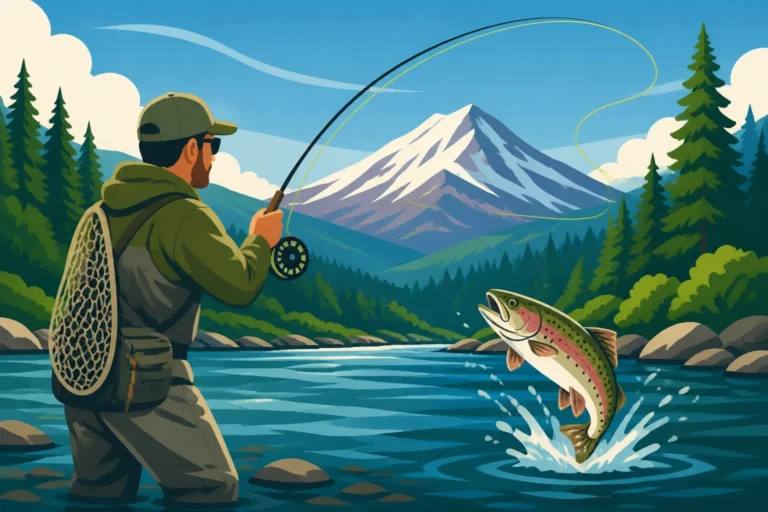
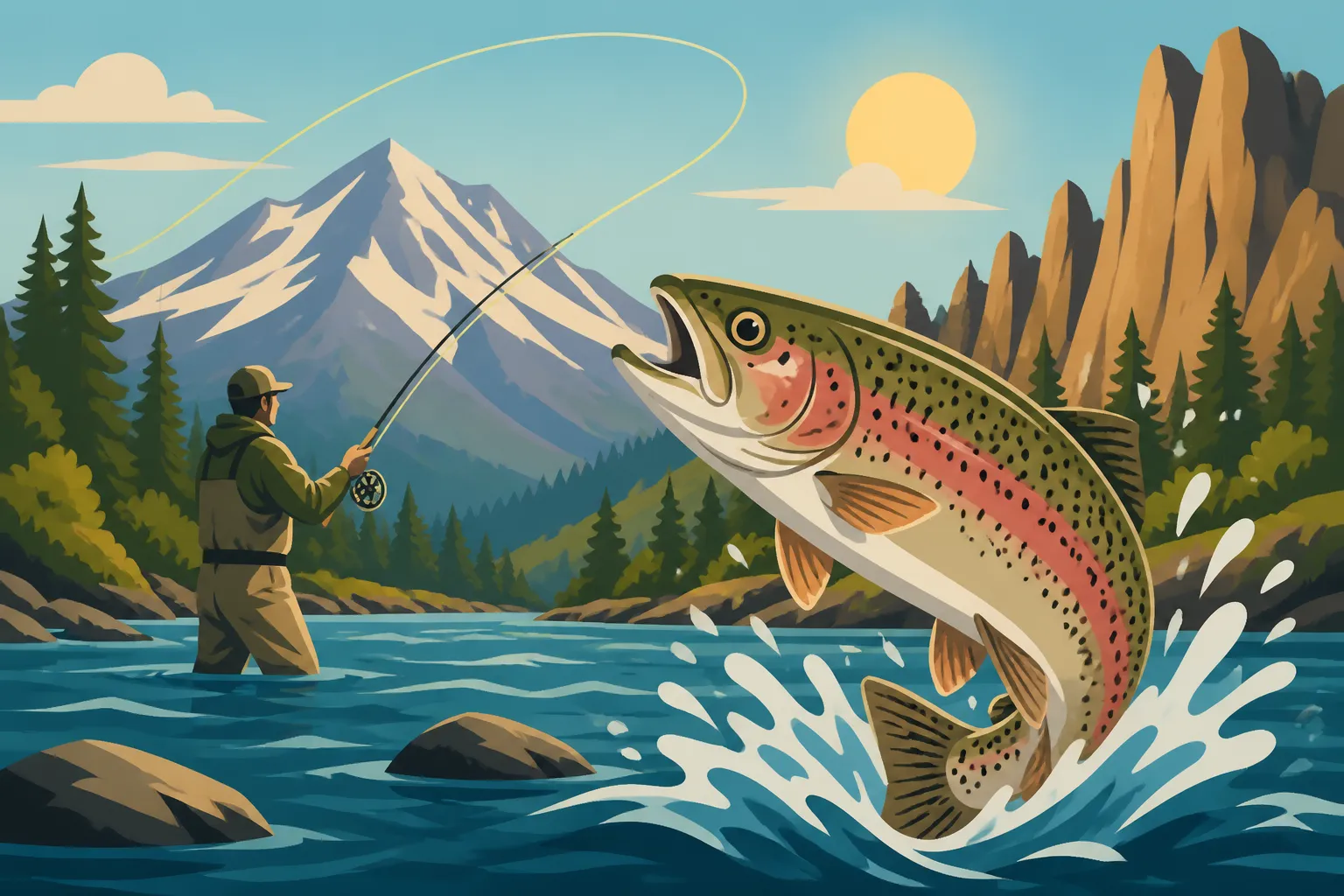
Fly fishing is incredibly popular in Central Oregon, and guides offer both wading and drift boat experiences to match the water and your preference. A drift boat trip, often seen on the Deschutes River or the Crooked River, allows you to cover many miles of water in comfort, accessing spots that would be impossible to reach on foot. The guide skillfully navigates the boat, positioning you for optimal casts into prime holding water. This is an excellent option for anglers who want to experience a river's full beauty without the physical demands of extensive wading.
Wading trips, on the other hand, provide a more intimate connection with the water. These are common on smaller streams, sections of the Deschutes, or the Metolius River where precise casting and stealth are key. The guide will lead you to productive stretches, teach you how to approach different lies, and help you refine your casting and presentation. Both types of fly fishing trips are highly instructional, offering a fantastic way to improve your skills under the tutelage of an expert. If you're looking to dive deep into the art of fly fishing, a guide is an invaluable resource. Our How to Fly Fish in Oregon guide can give you a head start before your trip.
Conventional Gear and Trolling Charters
Not everyone is a fly angler, and many Central Oregon guides cater to those who prefer conventional spin or baitcasting gear. These trips are particularly common on the larger reservoirs and lakes, as well as for species like salmon and steelhead on bigger rivers where casting heavy lures or bait is effective. For lake fishing, guides often run trolling charters, utilizing specialized boats equipped with downriggers, planer boards, and advanced sonar to target kokanee, trout, or even large bull trout. The guide sets up the spread, manages the boat speed, and helps you learn the nuances of trolling.
On rivers, conventional gear guides might employ techniques like drift fishing with bait or jigs, casting spinners, or even plunking. These methods can be incredibly effective, especially when fish are holding deep or water conditions make fly fishing challenging. A conventional gear guide provides all the necessary tackle, bait (like the Best Bait for Oregon Trout Fishing), and insights into where and how to present your offerings for maximum success. These trips are often more focused on catching fish and are an excellent choice for families or those new to fishing.
Family-Friendly and Beginner-Focused Outings
One of the great joys of fishing is sharing it with others, especially kids or beginners. Many Central Oregon guide services specialize in creating positive, patient, and successful experiences for families and first-timers. They understand that these trips are less about trophy fish and more about creating lasting memories and fostering a love for the outdoors.
These guides will choose calmer waters, focus on easier-to-catch species, and provide plenty of hands-on instruction. They'll help kids bait hooks, cast, and even land their first fish, making the whole experience exciting and unintimidating. Some even offer half-day trips, which are perfect for younger attention spans. They often provide all the gear, snacks, and a positive atmosphere, ensuring that everyone, regardless of experience, has a fantastic time on the water. It’s a wonderful way to introduce someone to the magic of fishing without the stress of planning or procuring specialized equipment.
What to Expect and How to Prepare for Your Guided Trip
Embarking on a guided fishing trip should be exciting, not daunting. Knowing what to expect and how to prepare can make your experience even smoother and more enjoyable.
Understanding Inclusions and Exclusions
When you book a guided trip, it's crucial to understand exactly what's included in the price and what you'll need to bring or pay for separately. Most Central Oregon guide services will provide the boat, all necessary fishing tackle (rods, reels, lures, flies, bait), and safety equipment (life vests). Many guides also provide snacks, drinks, and sometimes a streamside lunch, especially on full-day trips. Fish cleaning is often included, but it's always good to confirm.
However, there are typically a few exclusions. Your Oregon fishing license and any necessary tags or endorsements (like a Oregon Combined Angling Tag Guide) are almost always your responsibility to purchase beforehand. Some guides might require you to bring your own waders and boots for wading trips, though many can provide them in common sizes upon request. Personal items like rain gear, sunscreen, sunglasses, and appropriate clothing are also usually up to you. Don't be shy about asking your guide or the booking service (like FishingBooker) for a detailed list of what's covered so there are no surprises on the day of your trip.
Essential Gear and Clothing Recommendations
Regardless of the type of trip, there are a few essentials that will make your day more comfortable. Layering is key in Central Oregon, as weather can change rapidly. Even on a sunny day, mornings can be chilly, and afternoon winds can pick up.
- Rain Gear: Always bring a waterproof jacket and pants, even if the forecast looks clear. Oregon weather is famously unpredictable.
- Warm Layers: Fleece or wool layers are excellent for insulation. Avoid cotton next to your skin as it loses its insulating properties when wet.
- Sun Protection: A wide-brimmed hat, sunglasses (polarized are a huge advantage for spotting fish), and high-SPF sunscreen are vital, especially with sun reflecting off the water.
- Appropriate Footwear: If it's a drift boat trip, waterproof boots are great. For wading, waders and wading boots are necessary.
- Camera: To capture those memorable moments (just make sure it's waterproof or in a dry bag!).
- Snacks and Drinks: Even if the guide provides some, it's good to have your own favorites.
Your guide will typically have a cooler for drinks and food, but a small personal dry bag can be handy for your phone, keys, and any medications. The goal is to be prepared for any conditions so you can focus entirely on the fishing.
Booking Your Central Oregon Guide
Once you've decided on the type of trip and target species, the next step is booking your guide. It's often recommended to book well in advance, especially during peak seasons for popular fisheries like Deschutes steelhead or spring trout. Many guides' calendars fill up quickly.
You can often book directly with a guide service, or use online platforms that connect anglers with guides, like FishingBooker. These platforms often allow you to compare different guides, read reviews from past clients, and see their availability. When contacting a guide or booking online, be clear about your experience level, what you hope to catch, and any specific preferences you have (e.g., fly fishing only, conventional gear, full day vs. half day). This helps the guide tailor the experience to your expectations and ensure you have the best possible outing. A good guide wants to make sure your trip is everything you hoped for!
Finding the Right Central Oregon Guide Service
Choosing the right guide can make or break your fishing trip. With many reputable services in Central Oregon, it pays to do a little homework to find the perfect match for your angling goals and personality.
Researching Reputable Outfitters
Start by researching guides who specialize in the species and waters you're interested in. If you want to fish for summer steelhead on the Deschutes, look for guides with extensive experience on that specific river and with that particular fish. Online reviews, testimonials, and referrals from trusted friends are invaluable. Websites like FishingBooker are excellent resources, as they aggregate listings from many different guides and provide a platform for anglers to leave honest feedback. Look for guides who consistently receive high ratings for their knowledge, professionalism, patience, and overall client experience.
Beyond online searches, local fly shops and tackle stores in towns like Bend, Sisters, or Maupin can offer excellent recommendations. These local businesses often know the guides personally and can suggest someone who would be a good fit for your specific needs. Don't just look for someone who catches fish; look for someone who is also a good teacher and communicator, especially if you're hoping to learn new skills. For advice on making this selection, consider our guide on How to Choose an Oregon Fishing Guide.
Questions to Ask Before Booking
Once you've narrowed down your choices, don't hesitate to reach out to potential guides with a few key questions. This helps clarify expectations and ensures a smooth trip.
- Experience: How long have they been guiding in Central Oregon, and specifically on the water you want to fish?
- Specialization: Do they specialize in your target species and preferred fishing method (e.g., fly fishing, conventional, trolling)?
- Inclusions: What exactly is included in the trip price (gear, lunch, drinks, fish cleaning)? What should I bring?
- Licensing: Confirm they are a licensed and insured guide. This is a crucial safety and professionalism check.
- Cancellation Policy: Understand their policy for bad weather or unforeseen circumstances.
- Group Size: How many anglers do they typically take, and can they accommodate your group size?
- Fish Philosophy: Are they catch-and-release focused or retention-focused? This is especially important for sensitive species.
A reputable guide will be happy to answer all your questions thoroughly. Their transparency will give you confidence in your booking.
Understanding Pricing Structures and Tipping Etiquette
Guide trip costs vary based on the duration (half-day vs. full-day), the complexity of the trip, the number of anglers, and the popularity of the guide. Generally, prices will be quoted per boat or per angler, with full-day trips costing more than half-day trips. Always confirm the total price, including any taxes or booking fees. Remember, you're paying for expertise, equipment, boat maintenance, fuel, insurance, and the guide's time, so it's an investment in a quality experience.
Tipping is customary and highly appreciated in the guiding industry, much like in the restaurant or hospitality sector. A standard tip for a fishing guide who provided an excellent experience typically ranges from 15-20% of the trip's cost. If the guide went above and beyond, perhaps handling challenging conditions with grace, providing exceptional instruction, or helping you land a fish of a lifetime, a higher tip is certainly warranted. Tips can be given directly to the guide at the end of the trip. It's a way of showing your appreciation for their hard work and dedication.
| Trip Type | Common Location | Primary Species Targeted | Common Techniques | Inclusions (Typical) |
|---|---|---|---|---|
| Fly Fishing Drift | Deschutes River, Crooked River | Rainbow Trout, Steelhead | Dry Fly, Nymphing, Streamer Swinging | Boat, guide, rods/reels, flies, lunch |
| Fly Fishing Wading | Metolius River, smaller streams | Rainbow Trout, Brown Trout | Dry Fly, Nymphing | Guide, rods/reels, flies, some snacks |
| Conventional Lake | Crane Prairie, Billy Chinook | Rainbow Trout, Kokanee, Bass | Trolling, Jigging, Casting Lures | Boat, guide, rods/reels, lures/bait, electronics, sometimes lunch |
| Warmwater River | John Day River, Willamette tribs | Smallmouth Bass, Largemouth Bass | Casting Jigs/Plastics, Crankbaits | Boat, guide, rods/reels, lures/bait |
| Ocean Charter | Newport, Depoe Bay | Halibut, Lingcod, Rockfish | Bottom Fishing, Trolling | Boat, guide, rods/reels, bait/jigs, safety gear |
Note: Inclusions can vary by guide service. Always confirm directly with your chosen guide.
Ethical Angling and Conservation with a Guide
Hiring a guide isn't just about catching fish; it's also an opportunity to learn about and practice responsible angling and conservation. Good guides are passionate about protecting the resources they rely on, and they instill those values in their clients.
Adhering to Catch and Release Practices
Many of Central Oregon's premier fisheries, especially for wild trout and steelhead, are managed with strong catch-and-release components. Guides are experts at proper fish handling techniques that minimize stress and ensure a high survival rate for released fish. They'll teach you how to properly net a fish, keep it in the water, quickly remove the hook with appropriate tools, and revive it before release. This includes using barbless hooks, minimizing air exposure, and handling fish gently with wet hands.
Even when retention is allowed, many guides encourage catch-and-release for certain species or sizes to help maintain healthy populations. Learning these practices from a guide helps ensure that future generations can enjoy the same incredible fishing opportunities you're experiencing. Our Oregon Catch-and-Release Rules article goes into more detail on these crucial practices.
Protecting Fragile Ecosystems
Central Oregon's natural beauty is part of what makes it so special, and guides are keenly aware of the need to protect its fragile ecosystems. They lead by example, adhering to "Leave No Trace" principles. This means packing out all trash, avoiding disturbing wildlife, and being mindful of riparian zones. On drift boat trips, guides are adept at navigating without damaging sensitive streambeds or disturbing nesting birds.
They also educate clients on the impact of invasive species, teaching them how to prevent the spread of aquatic hitchhikers by cleaning gear between different waterways. By modeling these behaviors, guides play a vital role in ensuring that the rivers and lakes remain pristine and healthy for both fish and future anglers. You'll not only have a great fishing trip but also contribute to the long-term health of these invaluable natural resources.
Supporting Sustainable Fishing Tourism
When you book a trip with a licensed and reputable Central Oregon guide, you're directly supporting sustainable fishing tourism. These guides often work closely with local conservation groups, participate in river cleanups, and advocate for responsible management of fisheries. They contribute to the local economy, supporting small businesses like tackle shops, restaurants, and lodging providers in communities like Bend, Sisters, and Maupin.
Your investment in a guided trip helps ensure that there's a strong economic incentive to protect and enhance these fisheries for the long haul. It means that the fish populations are monitored, habitats are conserved, and regulations are enforced to prevent overfishing. Choosing a guide who prioritizes ethical practices and conservation isn't just good for the environment; it's an investment in the future of the sport you love. It’s about being part of the solution, not contributing to the problem.
Disclaimer
This article is for general informational purposes only and does not constitute professional advice. Laws, prices and regulations vary by location and change over time. Consult a qualified professional for guidance on your specific situation.